Fiscal Responsibility Act of 2023
Public Law 118-5 · H.R. 3746 · 118th Congress · began in the House
Signed by Joe Biden (D) on Jun 3, 2023 · Economics and Public Finance
Sponsor: Rep. Patrick McHenry (R-NC-10)
Cosponsors: None
Passage votesYeaNay
- HouseRecorded vote: 314 yea, 117 nay314–117
- SenateRecorded vote: 63 yea, 36 nay63–36
Data notes
The final version of the law, as each chamber passed it. A chamber that passed it by voice vote or unanimous consent has no count. “Method not stated” means the record does not say how the chamber voted. Where the record has a member-by-member vote, the “Who voted for it” section shows who voted yea.
Summary
The Congressional Research Service’s plain-language summary of what the law does.
Fiscal Responsibility Act of 2023
This act increases the federal debt limit, establishes new discretionary spending limits, rescinds unobligated funds, expands work requirements for federal programs, and modifies other requirements related to the federal budget process.
DIVISION A--LIMIT FEDERAL SPENDING
TITLE I--DISCRETIONARY SPENDING LIMITS FOR DISCRETIONARY CATEGORY
(Sec. 101) This section establishes new discretionary spending limits (also known as spending caps) for FY2024 and FY2025 that are enforced with sequestration (i.e., automatic, across-the-board spending reductions). The Congressional Budget Office (CBO) has estimated that the spending limits will reduce spending below the levels included in its baseline projections.
In addition, this section extends and establishes new limits for several adjustments to discretionary spending limits that are permitted under current law to accommodate additional appropriations for certain activities. These adjustments apply to spending for
• continuing disability reviews and redeterminations,
• health care fraud and abuse control, and
• reemployment services and eligibility assessments.
The section also extends the adjustment to discretionary spending limits for disaster relief funding. The limits for this adjustment are based on a statutory formula, which is modified by this section.
During FY2026-FY2029, if the annual budget resolution has not been adopted by Congress by April 15, this section requires the chairman of the House Budget Committee to submit to the House a spending allocation for the House Appropriations Committee that is consistent with levels specified in this section.
Finally, the section provides funding for (1) the Department of Veterans Affairs Cost of War Toxic Exposures Fund, and (2) the Department of Commerce Nonrecurring Expenses Fund.
(Sec. 102) This section requires the discretionary spending limits to be revised if a continuing resolution (CR) is in effect at the beginning of the calendar year.
Specifically, if a CR for FY2024 or FY2025 is in effect on or after January 1 of 2024 or 2025 for any discretionary budget account, the discretionary spending limits for that fiscal year must be revised to specified levels. CBO has estimated that the revised limits will be lower for defense spending and higher for nondefense spending compared to the original limits.
If all of the regular appropriations bills for the fiscal year are enacted before April 30, the revised limits revert to the original limits. If a CR is in effect on April 30 of 2024 or 2025, a final sequestration order must be issued based on the revised limits.
(Sec. 103) This section exempts specified funds that were previously designated as emergency spending from the discretionary spending limits.
TITLE II--BUDGET ENFORCEMENT IN THE HOUSE OF REPRESENTATIVES
(Sec. 111) This section requires the chairman of the House Budget Committee to submit for publication in the Congressional Record FY2024 committee allocations, aggregate spending levels, and aggregate revenue levels consistent with this division.
The allocations, aggregates, and levels submitted by the chairman are enforceable in the House of Representatives as if they were included in a FY2024 congressional budget resolution.
The chairman may adjust the levels to reflect (1) changes resulting from CBO's updates to it baseline for FY2024-FY2033, or (2) legislation that would not increase the deficit over either FY2024-FY2028 or FY2024-FY2033.
This section expires if Congress agrees to a budget resolution for FY2024.
(Sec. 112) This section sets forth limitations that apply to advance appropriations in the House of Representatives.
(Sec. 113) This section specifies that this title is enacted under the rulemaking powers of the House of Representatives and will be considered part of the rules of the House. It also recognizes that the House has the authority to change these rules.
TITLE III--BUDGET ENFORCEMENT IN THE SENATE
(Sec. 121) This section requires the chairman of the Senate Budget Committee to submit for publication in the Congressional Record FY2024 committee allocations, aggregate spending and revenue levels, and levels of Social Security revenues and outlays consistent with this division. The chairman may also include the deficit neutral reserve fund contained in the FY2022 budget resolution, updated by two fiscal years.
The allocations, aggregates, and levels submitted by the chairman are enforceable in the Senate as if they were included in a FY2024 congressional budget resolution. This section expires if Congress agrees to a budget resolution for FY2024.
(Sec. 122) After April 15, 2024, but not later than May 15, 2024, the chairman of the Senate Budget Committee must submit for publication in the Congressional Record FY2025 committee allocations, aggregate spending and revenue levels, and levels of Social Security revenues and outlays consistent with this division. The chairman may also include the deficit neutral reserve fund contained in the FY2022 budget resolution, updated by three fiscal years.
After April 15, 2024, the allocations, aggregates, and levels submitted by the chairman are enforceable in the Senate as if they were included in a FY2025 congressional budget resolution. This section expires if Congress agrees to a budget resolution for FY2025.
(Sec. 123) This section sets forth limitations and budget enforcement procedures that apply to advance appropriations in the Senate.
(Sec. 124) This section specifies that this title is enacted under the rulemaking powers of the Senate and will be considered part of the rules of the Senate. It also recognizes that the Senate has the authority to change these rules.
DIVISION B--SAVE TAXPAYER DOLLARS
TITLE I--RESCISSION OF UNOBLIGATED FUNDS
This title rescinds certain unobligated funds that were provided by several laws, including various laws that were enacted to address the impact of COVID-19.
(Sec.1) This section specifies that each rescission made by this title must be applied to the unobligated balances for each applicable appropriation as of the date of enactment of this title.
(Sec. 2) This section rescinds specified unobligated funds that were provided to address COVID-19, including funds that were provided for
• the Public Health and Social Services Emergency Fund,
• the Centers for Disease Control and Prevention,
• the National Institute of Allergy and Infectious Diseases,
• the Centers for Medicare & Medicaid Services, and
• other Department of Health and Human Services programs and activities.
(Sec. 3) This section rescinds specified unobligated funds that were provided for the Department of Agriculture (USDA) to provide support to agricultural producers impacted by COVID-19.
(Sec. 4) This section rescinds specified unobligated funds that were provided for USDA to provide support to agricultural producers, growers, and processors impacted by COVID-19.
(Sec. 5) This section rescinds specified unobligated funds that were provided to USDA for the Local Agriculture Market Program.
(Sec. 6) This section rescinds specified unobligated funds that were provided to USDA for the Farming Opportunities Training and Outreach Grant Program.
(Sec. 7) This section rescinds specified unobligated funds that were provided to USDA for the Dairy Donation Program.
(Sec. 8) This section rescinds specified unobligated funds that were provided for USDA to provide grants for improvements to meat and poultry facilities to allow for interstate shipment.
(Sec. 9) This section rescinds specified unobligated funds that were provided to USDA for the Food Supply Chain and Agriculture Pandemic Response Program.
(Sec. 10) This section rescinds specified unobligated funds that were provided for the Exchange Stabilization Fund.
(Sec. 11) This section rescinds specified unobligated funds that were provided for programs to support aviation workers.
(Sec. 12) This section rescinds specified unobligated funds that were provided for the Air Transportation Payroll Support Program.
(Sec. 13) This section rescinds specified unobligated funds that were provided for the Emergency Capital Investment Program, which was established to encourage low- and moderate-income community financial institutions to expand their support for small businesses and consumers in their communities.
(Sec. 14) This section rescinds specified unobligated funds that were provided to the Department of the Treasury for the State Small Business Credit Initiative.
(Sec. 15) This section rescinds specified unobligated funds that were provided to support aviation workers during the COVID-19 pandemic.
(Sec. 16) This section rescinds specified unobligated funds that were provided to the Corporation for National and Community Service.
(Sec. 17) This section rescinds specified unobligated funds that were provided to the Department of Education (ED) for the Elementary and Secondary School Emergency Relief Fund.
(Sec. 18) This section rescinds specified unobligated funds that were provided to ED for the Emergency Assistance to Non-Public Schools Program.
(Sec. 19) This section rescinds specified unobligated funds that were provided to ED for the Higher Education Emergency Relief Fund.
(Sec. 20) This section rescinds specified unobligated funds that were provided to the Federal Highway Administration for Highway Infrastructure Programs.
(Sec. 21) This section rescinds specified unobligated funds that were provided to the Department of Transportation (DOT) for the Aviation Manufacturing Jobs Protection Program.
(Sec. 22) This section rescinds specified unobligated funds that were provided to the Small Business Administration (SBA) for (1) emergency grants under the Economic Injury Disaster Loan (EIDL) Program, and (2) the Disaster Loans Program.
(Sec. 23) This section rescinds specified unobligated funds that were provided to the SBA for the Disaster Loans Program account.
(Sec. 24) This section rescinds specified unobligated funds that were provided to the Department of Labor to detect and prevent fraud, promote equitable access, and ensure the timely payment of benefits with respect to unemployment compensation programs.
(Sec. 25) This section rescinds specified unobligated funds that were provided to the Department of Housing and Urban Development (HUD) for Tenant-Based Rental Assistance.
(Sec. 26) This section rescinds specified unobligated funds that were provided to HUD for Native American Programs.
(Sec. 27) This section rescinds specified unobligated funds that were provided to HUD for Housing for Persons with Disabilities.
(Sec. 28) This section rescinds specified unobligated funds that were provided to HUD for Project-Based Rental Assistance.
(Sec. 29) This section rescinds specified unobligated funds that were provided to HUD for Housing for the Elderly.
(Sec. 30) This section rescinds specified unobligated funds that were provided to HUD for the Fair Housing Initiatives Program.
(Sec. 31) This section rescinds specified unobligated funds that were provided to the Office of the Secretary of Transportation for Salaries and Expenses.
(Sec. 32) This section rescinds specified unobligated funds that were provided to DOT for the Essential Air Service program.
(Sec. 33) This section rescinds specified unobligated funds that were provided to the Federal Aviation Administration for Grants-In-Aid for Airports.
(Sec. 34) This section rescinds specified unobligated funds that were provided for grants to the National Railroad Passenger Corporation (Amtrak).
(Sec. 35) This section rescinds specified unobligated funds that were provided for assistance to sponsors of airports.
(Sec. 36) This section rescinds specified unobligated funds that were provided for the Emergency Rental Assistance program.
(Sec. 37) This section rescinds specified unobligated funds that were provided to the Internal Revenue Service for the administration of the 2021 recovery rebates for individuals.
(Sec. 38) This section rescinds specified unobligated funds that were provided to the Cybersecurity and Infrastructure Agency for cybersecurity risk mitigation.
(Sec. 39) This section rescinds specified unobligated funds that were provided to the Department of Justice for Justice Information Sharing Technology.
(Sec. 40) This section rescinds specified unobligated funds that were provided to the Department of Defense for Defense Production Act Purchases.
(Sec. 41) This section rescinds specified unobligated funds that were provided to the Department of State for Diplomatic Programs and subsequently transferred to the Educational and Cultural Exchange Programs account.
(Sec. 42) This section rescinds specified unobligated funds that were provided to the State Department for Migration and Refugee Assistance.
(Sec. 43) This section rescinds specified unobligated funds that were provided to the President for International Disaster Assistance.
(Sec. 44) This section rescinds specified unobligated funds that were provided to the State Department for Sudan Claims.
(Sec. 45) This section rescinds specified unobligated funds that were provided to the President for the Economic Support Fund.
(Sec. 46) This section rescinds specified unobligated funds that were provided to the Federal Communications Commission for Salaries and Expenses.
(Sec. 47) This section rescinds specified unobligated funds that were provided to the SBA for Emergency Economic Injury Disaster Loan (EIDL) Grants.
(Sec. 48) This section rescinds specified unobligated funds that were provided to the Minority Business Development Agency for the Minority Business Development Centers Program.
(Sec. 49) This section rescinds specified unobligated funds that were provided to the SBA for technical assistance grants under Entrepreneurial Development Programs.
(Sec. 50) This section rescinds specified unobligated fund that were provided for the Connecting Minority Communities Pilot Program, which provides grants to Historically Black Colleges and Universities (HBCUs), Tribal Colleges and Universities (TCUs), and Minority-Serving Institutions (MSIs) for internet service, related equipment, and information technology personnel.
(Sec. 51) This section rescinds specified unobligated funds that were provided for (1) the Tribal Broadband Connectivity Program, and (2) the Broadband Infrastructure Program.
(Sec. 52) This section rescinds specified unobligated funds that were provided to the SBA for the Restaurant Revitalization Fund.
(Sec. 53) This section rescinds specified unobligated funds that were provided to the Administration for Children and Families for Payments to States for the Child Care and Development Block Grant.
(Sec. 54) This section rescinds specified unobligated funds that were provided for the administrative costs of the Child Care and Development Block Grant program.
(Sec. 55) This section rescinds specified unobligated funds that were provided to carry out certain programs authorized by the Family Violence Prevention and Services Act.
(Sec. 56) This section rescinds specified unobligated funds that were provided for programs related to child abuse prevention and treatment.
(Sec. 57) This section rescinds specified unobligated funds that were provided to the Department of Health and Human Services for the Low Income Household Water Assistance Program.
(Sec. 58) This section rescinds specified unobligated funds that were provided for the Pandemic Emergency Assistance Fund, which was established within the Temporary Assistance for Needy Families program to address the economic impact of the COVID-19 pandemic.
(Sec. 59) This section rescinds specified unobligated funds that were provided for grants to ensure the survival and continuing vitality of Native American languages during and after the COVID-19 public health emergency.
(Sec. 60) This section rescinds specified unobligated funds that were provided to the Rural Utilities Service for the Distance Learning, Telemedicine, and Broadband Program.
(Sec. 61) This section rescinds specified unobligated funds that were provided to USDA for the Specialty Crop Block Grant Program.
(Sec. 62) This section rescinds specified unobligated funds that were provided to USDA for the Emergency Rural Health Care program.
(Sec. 63) This section rescinds specified unobligated funds that were provided to USDA's Rural Housing Service for direct loans for single family housing and repairs to single family homes.
(Sec. 64) This section rescinds specified unobligated funds that were provided to the Department of Energy for science programs.
(Sec. 65) This section rescinds specified unobligated funds that were provided to the U.S. Fish and Wildlife Service for activities such as inspections, interdictions, and research related to certain species and COVID-19.
(Sec. 66) This section rescinds specified unobligated funds that were provided to the Bureau of Indian Affairs.
(Sec. 67) This section rescinds specified unobligated funds that were provided to ED for Program Administration.
(Sec. 68) This section rescinds specified unobligated funds that were provided to ED for Student Aid Administration.
(Sec. 69) This section rescinds specified unobligated funds that were provided to ED for the Institute of Education Sciences.
(Sec. 70) This section rescinds specified unobligated funds that were provided to ED for Program Administration.
(Sec. 71) This section rescinds specified unobligated funds that were provided to ED for American Indian, Native Hawaiian, and Alaska Native Education.
(Sec. 72) This section rescinds specified unobligated funds that were provided to the Environmental Protection Agency to address health outcome disparities from pollution and the COVID-19 pandemic.
(Sec. 73) This section rescinds specified unobligated funds that were provided to Labor for worker protection activities.
(Sec. 74) This section rescinds specified unobligated funds that were provided to Labor for short-time-compensation (STC) programs.
(Sec. 75) This section rescinds specified unobligated funds that were provided to the General Services Administration for the Federal Citizen Services Fund.
(Sec. 76) This section rescinds specified unobligated funds that were provided to the National Endowment for the Arts.
(Sec. 77) This section rescinds specified unobligated funds that were provided to the National Endowment for the Humanities.
(Sec. 78) This section rescinds specified unobligated funds that were provided to the Institute of Museum and Library Services.
(Sec. 79) This section rescinds specified unobligated funds that were made available under the Railroad Unemployment Insurance Act.
(Sec. 80) This section rescinds specified unobligated funds that were provided to the Railroad Retirement Board.
(Sec. 81) This section rescinds specified unobligated funds that were provided to the Federal Trade Commission.
TITLE II--FAMILY AND SMALL BUSINESS TAXPAYER PROTECTION
(Sec. 251) This section rescinds specified unobligated funds that were provided to the Internal Revenue Service and related agencies by the 2022 reconciliation act (commonly known as the Inflation Reduction Act of 2022).
TITLE III--STATUTORY ADMINISTRATIVE PAY-AS-YOU-GO
Administrative Pay-As-You-Go Act of 2023
This title provides statutory authority for the Office of Management and Budget (OMB) administrative pay-as-you-go procedures.
(Sec. 263) This section requires federal agencies to submit at least one proposal to reduce direct spending (i.e., mandatory spending) before taking a discretionary administrative action that increases direct spending. The proposed reduction must be greater than or equal to the increase in direct spending attributable to the administrative action.
Further, if an agency determines an administrative action that increases direct spending is required by law, and therefore not subject to these requirements, the agency must submit to the OMB (1) its legal basis for concluding that the action is not discretionary, and (2) the projected increase in direct spending under the least costly implementation option that is reasonably identifiable.
(Sec. 264) This section requires the OMB to issue administrative guidance regarding these requirements.
(Sec. 265) This section permits the OMB to waive these requirements if a waiver is necessary for (1) the delivery of essential services, or (2) effective program delivery.
(Sec. 266) This section exempts administrative actions from these requirements if the direct spending cost of the action is less than (1) $1 billion over the 10-year period beginning with the current year, or (2) $100 million in any given year over such period.
(Sec. 267) Determinations, findings, and actions related to these requirements are not subject to judicial review.
(Sec. 268) These requirements expire on December 31, 2024.
(Sec. 269) The Government Accountability Office (GAO) must report on the implementation of these requirements.
(Sec. 270) The GAO also must include an assessment of an agency's compliance with these requirements in its report for a major rule under the Congressional Review Act.
TITLE IV--TERMINATION OF SUSPENSION OF PAYMENTS ON FEDERAL STUDENT LOANS; RESUMPTION OF ACCRUAL OF INTEREST AND COLLECTIONS
(Sec. 271) This section terminates the suspension of (1) federal student loan payments, (2) the application of a 0% interest rate on these loans, and (3) involuntary collections on these loans. This termination takes effect 60 days after June 30, 2023.
The section also prohibits the Department of Education from implementing any executive action or rule that extends any of these suspensions unless the action is expressly authorized by Congress.
DIVISION C--GROW THE ECONOMY
TITLE I--TEMPORARY ASSISTANCE TO NEEDY FAMILIES
This title makes various changes to the work requirements and other aspects of the Temporary Assistance for Needy Families (TANF) program.
(Sec. 301) This section changes the comparison year for calculating the caseload reduction credit from FY2005 to FY2015. Under current law, states must meet a mandatory work participation rate by ensuring that a specified percentage of families that receive TANF assistance participate in work-related activities. However, a state may earn a caseload reduction credit to lower that rate by reducing its caseload of families receiving TANF assistance as compared to its caseload in FY2005. This section changes the comparison year to FY2015.
(Sec. 302) This section requires the Department of Health and Human Services to award grants to up to five states for piloting alternative ways to measure the states' performance in improving employment and earnings outcomes and other indicators of family stability and well-being for TANF recipients.
(Sec. 303) This section restricts a practice whereby some states provide a limited amount of TANF assistance to families as a supplement to benefits that the families receive under another program, such as the Supplemental Nutrition Assistance Program (SNAP), and then count those families when determining the work participation rate.
Specifically, the section requires that states must provide those families with a benefit of at least $35 per month (funded with state expenditures) in order to count the families when determining the work participation rate.
(Sec. 304) This section requires states to report metrics related to the employment and educational outcomes of individuals who exit the TANF program. Specifically, states must report on the employment rate for individuals in unsubsidized employment following their exit from the program and their median earnings. Additionally, states must report on the percentage of individuals under age 24 who obtain a high school degree or equivalent while in the TANF program or within a year of their exit.
(Sec. 305) This section makes the changes to the TANF program generally effective on October 1, 2024. However, changes affecting the caseload reduction credit and the provision of limited TANF assistance are effective on October 1, 2025.
TITLE II--SNAP EXEMPTIONS
(Sec. 311) This section expands applicability of the work requirements for SNAP recipients who are able-bodied adults without dependents (ABAWDs). (SNAP recipients who are ABAWDs have work-related requirements in addition to the general SNAP work registration and employment and training requirements.)
Specifically, this section applies the work requirements for ABAWDs to adults who are
• not over 51 years old in FY2023,
• not over 53 years old in FY2024, and
• not over 55 years old in FY2025 and every year thereafter.
Under current law, these requirements apply to adults who are not over 50 years old. These provisions go into effect 90 days after enactment and sunset on October 1, 2030.
Also, the section exempts from the ABAWD work requirements homeless individuals, veterans, and certain individuals who were previously in foster care and are 24 years old or younger.
(Sec. 312) This section prohibits a state agency from accumulating unused exemptions to the ABAWD work requirement and providing them to eligible SNAP recipients beyond the subsequent fiscal year.
Currently, for each fiscal year, a state agency may exempt a certain number of SNAP recipients from the ABAWD work requirements; unused exemptions may be carried over and used in a subsequent fiscal year. Under this section, an unused exemption may not be carried over for more than one year.
Further, this section reduces the percentage of exemptions a state agency may provide each year so that the average monthly number of exemptions does not exceed 8% of covered individuals (i.e., SNAP recipients and certain individuals who were denied SNAP benefits due to the work requirements). Under current law, a state is eligible for exemptions for up to 12% of covered individuals.
These provisions apply to FY2024 and each subsequent fiscal year.
(Sec. 313) This section expands the purpose of SNAP to include assisting low-income adults in obtaining employment and increasing their earnings.
(Sec. 314) This section requires USDA to make public all available state requests for waivers from the SNAP ABAWD work requirements and the approvals of the requests within 30 days of enactment; this includes making public all supporting data from the state about the request and relevant documentation on the utilization of waivers.
This waiver program allows the Food and Nutrition Service to provide a state exemptions from SNAP ABAWD work requirements based on a determination that an area (1) has an unemployment rate of over 10%, or (2) does not have a sufficient number of jobs.
TITLE III--PERMITTING REFORM
(Sec. 321) This section modifies provisions under the National Environmental Policy Act of 1969 (NEPA), including by limiting the scope of the administrative review of major federal actions. Under NEPA, agencies must conduct an environmental assessment (EA) to determine if a proposed federal action will have significant environmental impacts. If the EA determines that such impacts will be significant, then the agency must submit an Environmental Impact Statement (EIS). The EIS must include a range of alternatives to the proposed action.
Among other elements, the section defines a major federal action to be an action that an agency determines is subject to substantial federal control and responsibility. The definition explicitly excludes certain actions from NEPA requirements, such as a nonfederal action with minimal federal funding or involvement.
This section limits the scope of an EIS review to reasonably foreseeable environmental effects of the proposed agency action. The section also provides threshold determinations for when an agency is not required to prepare an environmental document under NEPA, such as when categorical exclusions (including those adopted from another agency) apply.
The section limits alternatives in an EIS to a reasonable range. Further, the alternatives included in the EIS must be technically and economically feasible. Additionally, an EA or EIS must also be under the page limits established by the section.
The section also requires a lead agency to be designated when more than one agency is participating in a proposed action. The lead agency must supervise the preparation of one environmental document (e.g., EIS) and prepare a schedule to complete the review of the action.
The lead agency must complete the EA or EIS within deadlines established by the section but may extend the deadline to provide additional time as is necessary. Additionally, a project sponsor may file a written petition to seek a court order to set forth a schedule and deadline for the agency if the agency has failed to act.
A lead agency must prescribe procedures to allow a project sponsor to prepare an EA or EIS under the supervision of the agency.
The section also provides guidelines for the (1) use of analysis from a previously reviewed programmatic environmental document in a subsequent document for a specified time period, and (2) adoption of another agency's categorical exclusions for proposed agency actions.
Under this section, the Council on Environmental Quality must study and report on the potential for online and digital technologies to address delays in reviews and improve public accessibility and transparency related to NEPA requirements.
(Sec. 322) This section requires the Electric Reliability Organization to study the total transfer capability between transmission planning regions. Generally, total transfer capability means the amount of electric power that can be moved or transferred reliably from one area to another area of the interconnected transmission systems by way of all transmission lines (or paths) between those areas under specified system conditions.
The Federal Energy Regulatory Commission must publish the study and seek public comments.
(Sec. 323) This section designates energy storage projects as covered projects under the Fixing America's Surface Transportation (FAST) Act. Such projects qualify for expedited environmental review.
(Sec. 324) This section ratifies and approves all authorizations, permits, verifications, extensions, biological opinions, incidental take statements, and other approvals or orders issued for the construction and initial operation of the Mountain Valley Pipeline (a natural gas pipeline located in Virginia and West Virginia).
The section directs all applicable agencies to continue to maintain such authorizations issued for the construction and operation of the pipeline. Additionally, this section exempts all such authorizations from judicial review, regardless of the issue date, and including pending lawsuits.
The section requires the Department of the Army to issue within 21 days all permits or verifications necessary to (1) complete the construction of the pipeline across the waters of the United States, and (2) allow for the operation and maintenance of the pipeline.
DIVISION D--INCREASE IN DEBT LIMIT
(Sec. 401) This section suspends the federal debt limit through January 1, 2025, and increases the limit on January 2, 2025, to accommodate the obligations issued during the suspension period.
Adjustments to the debt limit for obligations issued during the suspension period are limited to obligations necessary to fund a commitment incurred by the federal government that required payment before January 2, 2025.
The Department of the Treasury may not issue obligations during the suspension period to increase cash balances above normal operating balances.
Who voted for it
Every House member of the 118th Congress on the ideology compass. Highlighted: the 314 who voted yea on final passage. Faded: everyone else, including those who voted nay, did not vote, or had not yet taken office.
314 yea117 nay4 present or did not vote
Democrats who voted yea(165)
 Rep. Hank JohnsonD-GA-4
 Rep. Lauren UnderwoodD-IL-14
 Rep. Sean CastenD-IL-6
 Rep. Bennie ThompsonD-MS-2
 Rep. Jim ClyburnD-SC-6
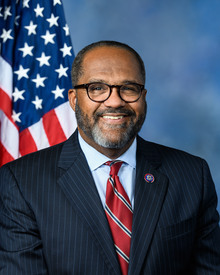 Rep. Troy CarterD-LA-2
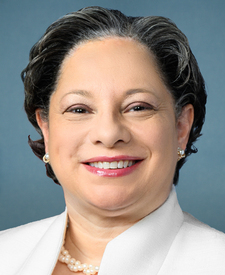 Rep. Jennifer McClellanD-VA-4
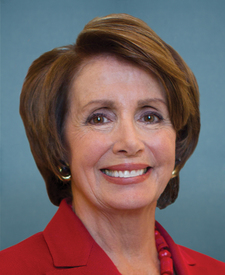 Rep. Nancy PelosiD-CA-11
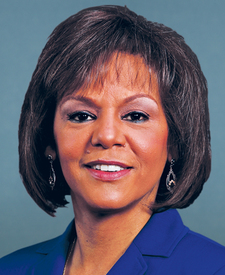 Rep. Robin KellyD-IL-2
 Rep. Morgan McGarveyD-KY-3
 Rep. Marc VeaseyD-TX-33
 Rep. Donald PayneD-NJ-10
 Rep. Valerie FousheeD-NC-4
 Rep. Linda SánchezD-CA-38
 Rep. Lizzie FletcherD-TX-7
 Rep. Veronica EscobarD-TX-16
 Rep. Terri SewellD-AL-7
 Rep. Gregory MeeksD-NY-5
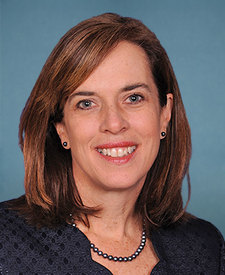 Rep. Katherine ClarkD-MA-5
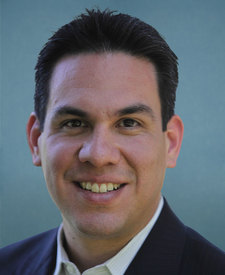 Rep. Pete AguilarD-CA-33
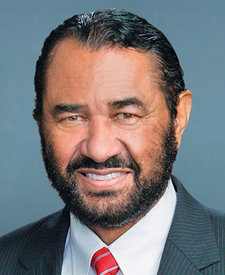 Rep. Al GreenD-TX-9
 Rep. Bill PascrellD-NJ-9
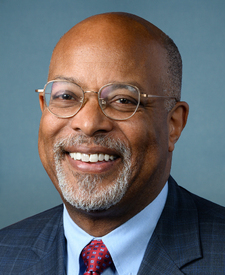 Rep. Glenn IveyD-MD-4
 Rep. André CarsonD-IN-7
 Rep. Betty McCollumD-MN-4
 Rep. Hakeem JeffriesD-NY-8
 Rep. Adam SmithD-WA-9
 Rep. Danny DavisD-IL-7
 Rep. Steny HoyerD-MD-5
 Rep. Maxine WatersD-CA-43
 Rep. Robert MenendezD-NJ-8
 Rep. Bonnie Watson ColemanD-NJ-12
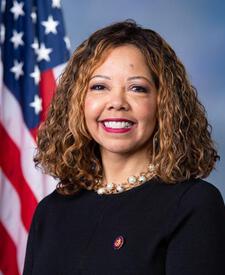 Rep. Lucy McBathD-GA-7
 Rep. Tony CárdenasD-CA-29
 Rep. Earl BlumenauerD-OR-3
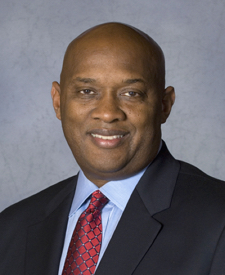 Rep. Dwight EvansD-PA-3
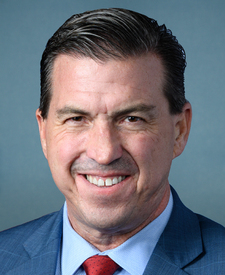 Rep. Kevin MullinD-CA-15
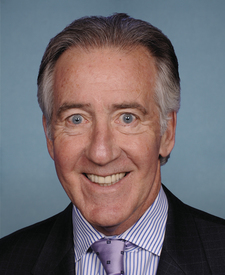 Rep. Richard NealD-MA-1
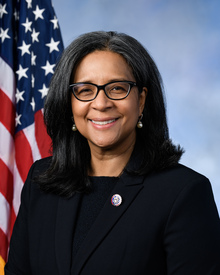 Rep. Marilyn StricklandD-WA-10
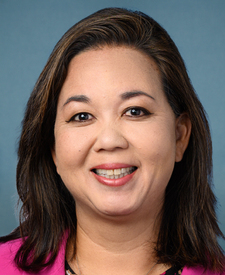 Rep. Jill TokudaD-HI-2
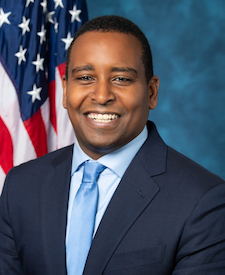 Rep. Joe NeguseD-CO-2
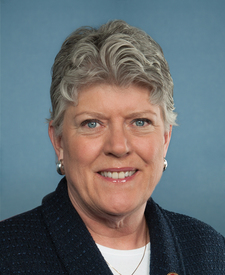 Rep. Julia BrownleyD-CA-26
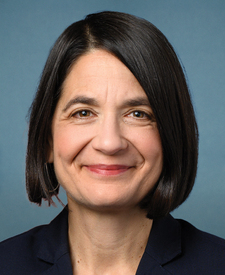 Rep. Becca BalintD-VT
 Rep. David CicillineD-RI-1
 Rep. Grace NapolitanoD-CA-31
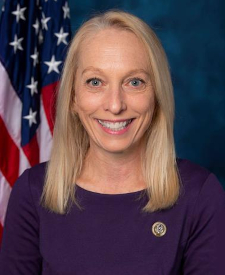 Rep. Mary ScanlonD-PA-5
 Rep. Alma AdamsD-NC-12
 Rep. Emanuel CleaverD-MO-5
 Rep. Jamie RaskinD-MD-8
 Rep. Colin AllredD-TX-32
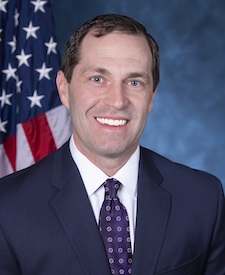 Rep. Jason CrowD-CO-6
 Rep. Sheila Cherfilus-McCormickD-FL-20
 Rep. John SarbanesD-MD-3
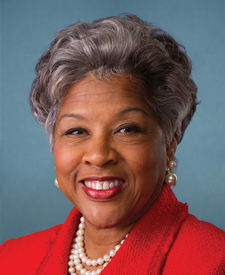 Rep. Joyce BeattyD-OH-3
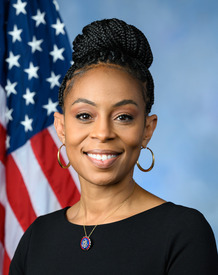 Rep. Shontel BrownD-OH-11
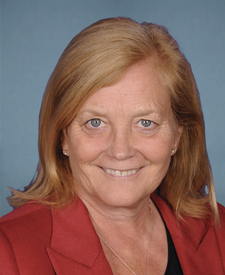 Rep. Chellie PingreeD-ME-1
 Rep. Mike QuigleyD-IL-5
 Rep. Sanford BishopD-GA-2
 Rep. Madeleine DeanD-PA-4
 Rep. Kathy CastorD-FL-14
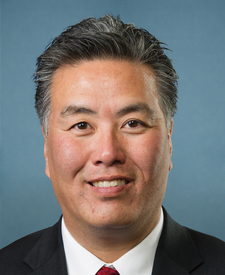 Rep. Mark TakanoD-CA-39
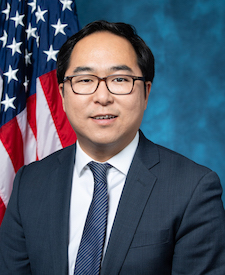 Rep. Andy KimD-NJ-3
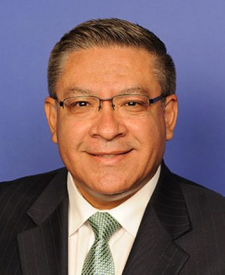 Rep. Salud CarbajalD-CA-24
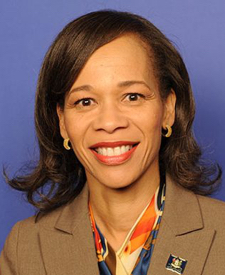 Rep. Lisa Blunt RochesterD-DE
 Rep. Maxwell FrostD-FL-10
 Rep. Sara JacobsD-CA-51
 Rep. Jennifer WextonD-VA-10
 Rep. Kweisi MfumeD-MD-7
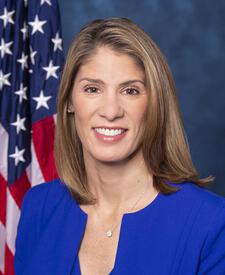 Rep. Lori TrahanD-MA-3
 Rep. David TroneD-MD-6
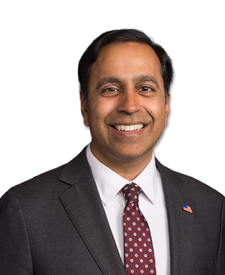 Rep. Raja KrishnamoorthiD-IL-8
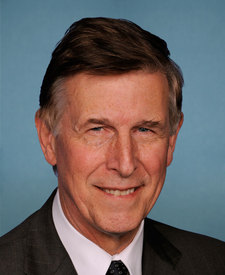 Rep. Donald BeyerD-VA-8
 Rep. Diana DeGetteD-CO-1
 Rep. A. Dutch RuppersbergerD-MD-2
 Rep. Anna EshooD-CA-16
 Rep. Doris MatsuiD-CA-7
 Rep. Lloyd DoggettD-TX-37
 Rep. Haley StevensD-MI-11
 Rep. Lois FrankelD-FL-22
 Rep. Brad ShermanD-CA-32
 Rep. Derek KilmerD-WA-6
 Rep. Sheila Jackson LeeD-TX-18
 Rep. Jonathan JacksonD-IL-1
 Rep. Debbie Wasserman SchultzD-FL-25
 Rep. Donald NorcrossD-NJ-1
 Rep. Raul RuizD-CA-25
 Rep. Robert GarciaD-CA-42
 Rep. Mike ThompsonD-CA-4
 Rep. Ted LieuD-CA-36
 Rep. William KeatingD-MA-9
 Rep. Adam SchiffD-CA-30
 Rep. Ami BeraD-CA-6
 Rep. Suzan DelBeneD-WA-1
 Rep. Debbie DingellD-MI-6
 Rep. John GaramendiD-CA-8
 Rep. Brittany PettersenD-CO-7
 Rep. Paul TonkoD-NY-20
 Rep. Shri ThanedarD-MI-13
 Rep. Steve CohenD-TN-9
 Rep. Vicente GonzalezD-TX-34
 Rep. Teresa Leger FernandezD-NM-3
 Rep. Bill FosterD-IL-11
 Rep. Brendan BoyleD-PA-2
 Rep. Eric SwalwellD-CA-14
 Rep. Seth MagazinerD-RI-2
 Rep. Brian HigginsD-NY-26
 Rep. Emilia SykesD-OH-13
 Rep. Ann KusterD-NH-2
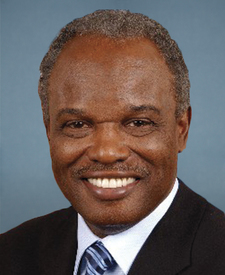 Rep. David ScottD-GA-13
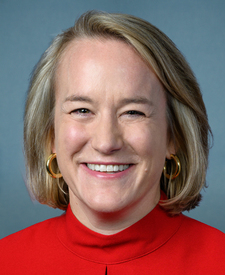 Rep. Nikki BudzinskiD-IL-13
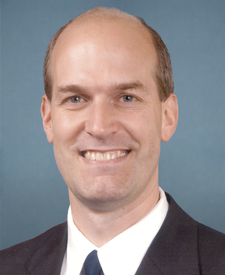 Rep. Rick LarsenD-WA-2
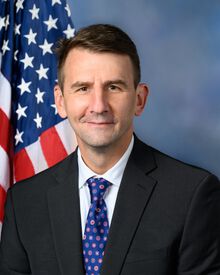 Rep. Frank MrvanD-IN-1
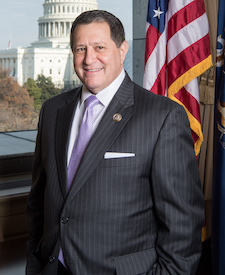 Rep. Joseph MorelleD-NY-25
 Rep. Frank PalloneD-NJ-6
 Rep. Joe CourtneyD-CT-2
 Rep. Zoe LofgrenD-CA-18
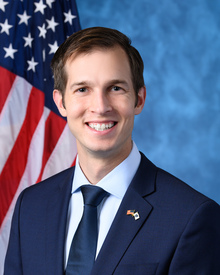 Rep. Jake AuchinclossD-MA-4
 Rep. Brad SchneiderD-IL-10
 Rep. Mike LevinD-CA-49
 Rep. Matt CartwrightD-PA-8
 Rep. Stephen LynchD-MA-8
 Rep. Gabe VasquezD-NM-2
 Rep. Elissa SlotkinD-MI-7
 Rep. Jim CostaD-CA-21
 Rep. Ruben GallegoD-AZ-3
 Rep. Ilhan OmarD-MN-5
 Rep. Darren SotoD-FL-9
 Rep. Greg StantonD-AZ-4
 Rep. Mikie SherrillD-NJ-11
 Rep. Sharice DavidsD-KS-3
 Rep. Marcy KapturD-OH-9
 Rep. Josh HarderD-CA-9
 Rep. Luis CorreaD-CA-46
 Rep. Seth MoultonD-MA-6
 Rep. Dina TitusD-NV-1
 Rep. Scott PetersD-CA-50
 Rep. Dean PhillipsD-MN-3
 Rep. Kathy ManningD-NC-6
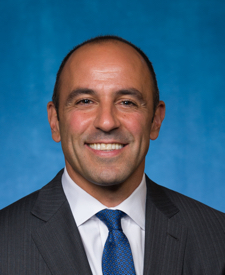 Rep. Jimmy PanettaD-CA-19
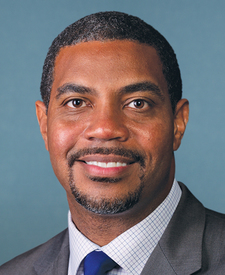 Rep. Steven HorsfordD-NV-4
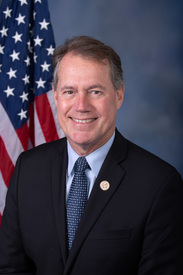 Rep. Ed CaseD-HI-1
 Rep. Jim HimesD-CT-4
 Rep. Jeffrey JacksonD-NC-14
 Rep. Kim SchrierD-WA-8
 Rep. Donald DavisD-NC-1
 Rep. Hillary ScholtenD-MI-3
 Rep. Yadira CaraveoD-CO-8
 Rep. Abigail SpanbergerD-VA-7
 Rep. Susan WildD-PA-7
 Rep. Eric SorensenD-IL-17
 Rep. Wiley NickelD-NC-13
 Rep. Chris DeluzioD-PA-17
 Rep. Patrick RyanD-NY-18
 Rep. Daniel KildeeD-MI-8
 Rep. Chrissy HoulahanD-PA-6
 Rep. Jared MoskowitzD-FL-23
 Rep. Greg LandsmanD-OH-1
 Rep. Chris PappasD-NH-1
 Rep. Josh GottheimerD-NJ-5
 Rep. Andrea SalinasD-OR-6
 Rep. Susie LeeD-NV-3
 Rep. Henry CuellarD-TX-28
 Rep. Mary PeltolaD-AK
 Rep. Jared GoldenD-ME-2
 Rep. Marie Gluesenkamp PerezD-WA-3












Republicans who voted yea(149)
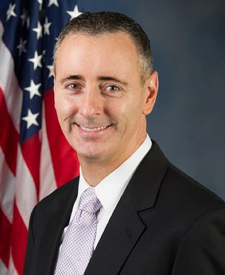 Rep. Brian FitzpatrickR-PA-1
 Rep. Lori Chavez-DeRemerR-OR-5
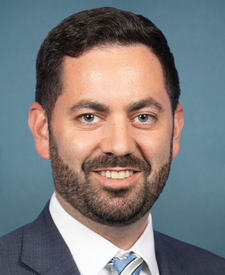 Rep. Michael LawlerR-NY-17
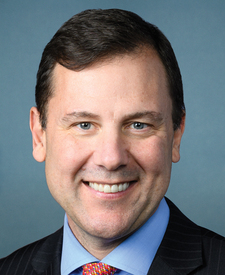 Rep. Thomas KeanR-NJ-7
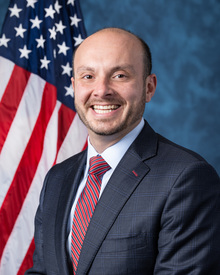 Rep. Andrew GarbarinoR-NY-2
 Rep. Michael TurnerR-OH-10
 Rep. David JoyceR-OH-14
 Rep. Don BaconR-NE-2
 Rep. Anthony D'EspositoR-NY-4
 Rep. Young KimR-CA-40
 Rep. Marcus MolinaroR-NY-19
 Rep. Kevin KileyR-CA-3
 Rep. Nick LaLotaR-NY-1
 Rep. Jennifer KiggansR-VA-2
 Rep. David ValadaoR-CA-22
 Rep. Mike SimpsonR-ID-2
 Rep. Juan CiscomaniR-AZ-6
 Rep. Zach NunnR-IA-3
 Rep. Maria SalazarR-FL-27
 Rep. Chris SmithR-NJ-4
 Rep. Dan NewhouseR-WA-4
 Rep. John JamesR-MI-10
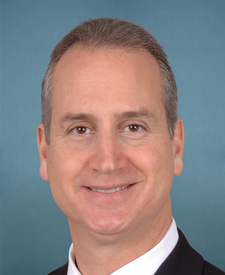 Rep. Mario Diaz-BalartR-FL-26
 Rep. Brandon WilliamsR-NY-22
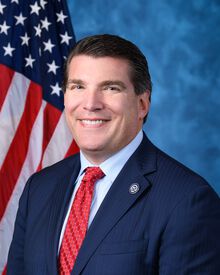 Rep. Jay ObernolteR-CA-23
 Rep. Larry BucshonR-IN-8
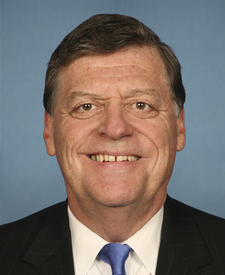 Rep. Tom ColeR-OK-4
 Rep. John DuarteR-CA-13
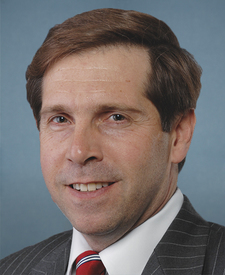 Rep. Chuck FleischmannR-TN-3
 Rep. Ken CalvertR-CA-41
 Rep. Mike GarciaR-CA-27
 Rep. Ann WagnerR-MO-2
 Rep. Mariannette Miller-MeeksR-IA-1
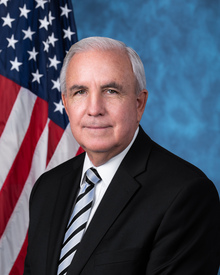 Rep. Carlos GimenezR-FL-28
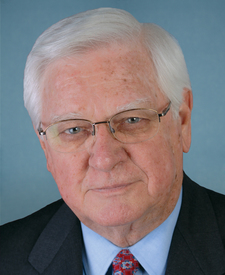 Rep. Hal RogersR-KY-5
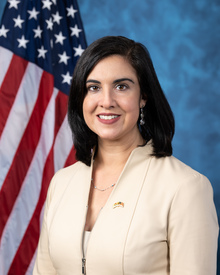 Rep. Nicole MalliotakisR-NY-11
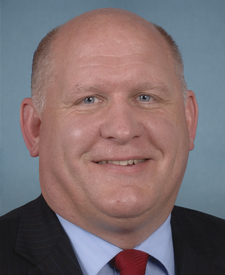 Rep. Glenn ThompsonR-PA-15
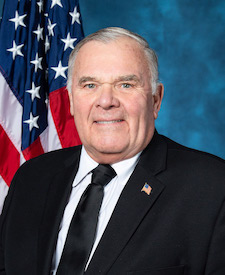 Rep. James BairdR-IN-4
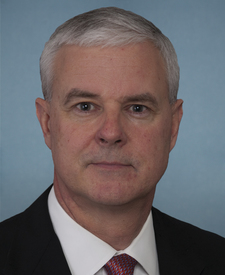 Rep. Steve WomackR-AR-3
 Rep. Michelle SteelR-CA-45
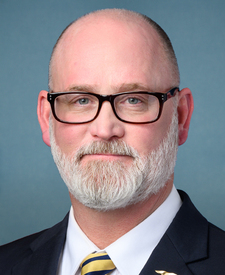 Rep. Derrick Van OrdenR-WI-3
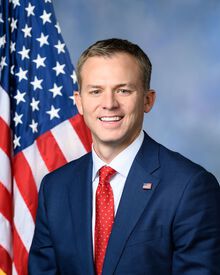 Rep. Blake MooreR-UT-1
 Rep. Chuck EdwardsR-NC-11
 Rep. Kevin McCarthyR-CA-20
 Rep. Frank LucasR-OK-3
 Rep. Ashley HinsonR-IA-2
 Rep. Max MillerR-OH-7
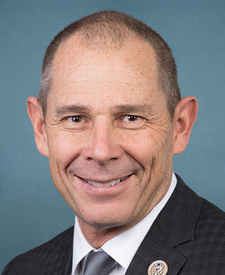 Rep. John CurtisR-UT-3
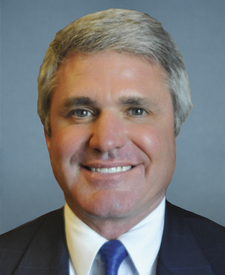 Rep. Michael McCaulR-TX-10
 Rep. Garret GravesR-LA-6
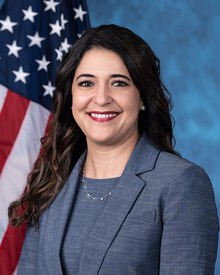 Rep. Stephanie BiceR-OK-5
 Rep. Laurel LeeR-FL-15
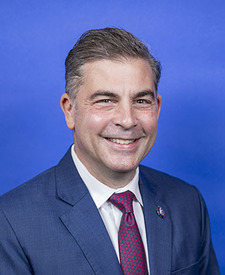 Rep. Mike CareyR-OH-15
 Rep. Julia LetlowR-LA-5
 Rep. Mark AmodeiR-NV-2
 Rep. Nicholas LangworthyR-NY-23
 Rep. Kelly ArmstrongR-ND
 Rep. Greg PenceR-IN-6
 Rep. Jack BergmanR-MI-1
 Rep. John MoolenaarR-MI-2
 Rep. Darrell IssaR-CA-48
 Rep. Mike KellyR-PA-16
 Rep. Chris StewartR-UT-2
 Rep. John RutherfordR-FL-5
 Rep. Bryan SteilR-WI-1
 Rep. Mike RogersR-AL-3
 Rep. Mike FloodR-NE-1
 Rep. Burgess OwensR-UT-4
 Rep. French HillR-AR-2
 Rep. Pete StauberR-MN-8
 Rep. Sam GravesR-MO-6
 Rep. Jake LaTurnerR-KS-2
 Rep. Kay GrangerR-TX-12
 Rep. Bill HuizengaR-MI-4
 Rep. Daniel MeuserR-PA-9
 Rep. Robert AderholtR-AL-4
 Rep. Mónica De La CruzR-TX-15
 Rep. Lloyd SmuckerR-PA-11
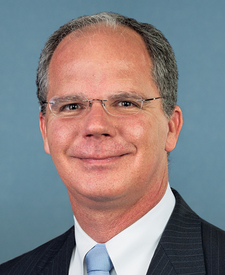 Rep. Brett GuthrieR-KY-2
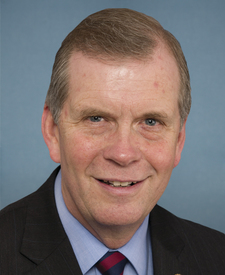 Rep. Tim WalbergR-MI-5
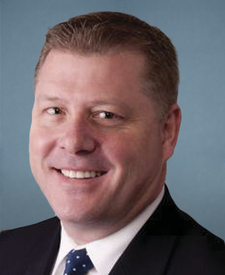 Rep. Rick CrawfordR-AR-1
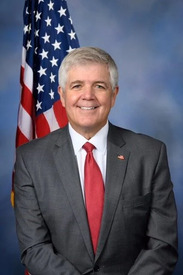 Rep. Cliff BentzR-OR-2
 Rep. Patrick McHenryR-NC-10
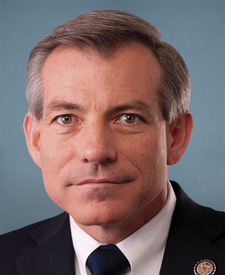 Rep. David SchweikertR-AZ-1
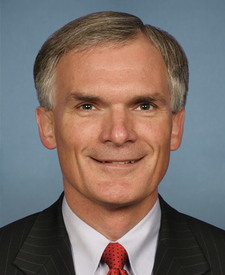 Rep. Robert LattaR-OH-5
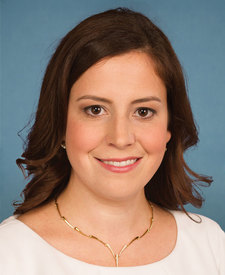 Rep. Elise StefanikR-NY-21
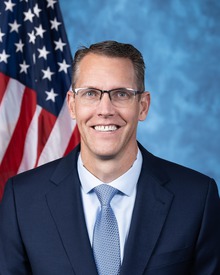 Rep. Randy FeenstraR-IA-4
 Rep. Austin ScottR-GA-8
 Rep. Claudia TenneyR-NY-24
 Rep. Gregory MurphyR-NC-3
 Rep. Blaine LuetkemeyerR-MO-3
 Rep. Gus BilirakisR-FL-12
 Rep. Neal DunnR-FL-2
 Rep. Daniel WebsterR-FL-11
 Rep. Michael BurgessR-TX-26
 Rep. Richard HudsonR-NC-9
 Rep. Robert WittmanR-VA-1
 Rep. Dan CrenshawR-TX-2
 Rep. Mike GallagherR-WI-8
 Rep. Dusty JohnsonR-SD
 Rep. Bruce WestermanR-AR-4
 Rep. Adrian SmithR-NE-3
 Rep. Troy BaldersonR-OH-12
 Rep. Rudy YakymR-IN-2
 Rep. Tom McClintockR-CA-5
 Rep. Jason SmithR-MO-8
 Rep. Drew FergusonR-GA-3
 Rep. Tom EmmerR-MN-6
 Rep. Andy BarrR-KY-6
 Rep. Bill JohnsonR-OH-6
 Rep. Jake EllzeyR-TX-6
 Rep. Brad WenstrupR-OH-2
 Rep. Lisa McClainR-MI-9
 Rep. Guy ReschenthalerR-PA-14
 Rep. Mike EzellR-MS-4
 Rep. Cathy McMorris RodgersR-WA-5
 Rep. Buddy CarterR-GA-1
 Rep. David KustoffR-TN-8
 Rep. John JoyceR-PA-13
 Rep. Steve ScaliseR-LA-1
 Rep. Doug LaMalfaR-CA-1
 Rep. Scott FitzgeraldR-WI-5
 Rep. Troy NehlsR-TX-22
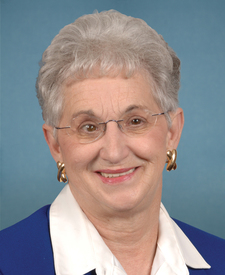 Rep. Virginia FoxxR-NC-5
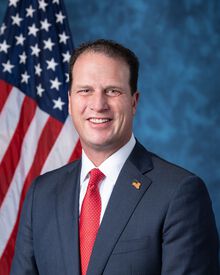 Rep. August PflugerR-TX-11
 Rep. Jerry CarlR-AL-1
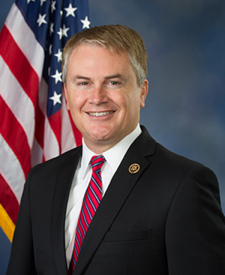 Rep. James ComerR-KY-1
 Rep. Joe WilsonR-SC-2
 Rep. Thomas MassieR-KY-4
 Rep. Warren DavidsonR-OH-8
 Rep. Jodey ArringtonR-TX-19
 Rep. Carol MillerR-WV-1
 Rep. Erin HouchinR-IN-9
 Rep. Rick AllenR-GA-12
 Rep. Roger WilliamsR-TX-25
 Rep. Glenn GrothmanR-WI-6
 Rep. Jeff DuncanR-SC-3
 Rep. Scott FranklinR-FL-18
 Rep. Mark GreenR-TN-7
 Rep. Mike JohnsonR-LA-4
 Rep. Ron EstesR-KS-4
 Rep. Barry LoudermilkR-GA-11
 Rep. Aaron BeanR-FL-4
 Rep. Marjorie GreeneR-GA-14
 Rep. David RouzerR-NC-7
 Rep. Jim JordanR-OH-4
 Rep. Doug LambornR-CO-5
 Rep. Trent KellyR-MS-1
 Rep. Brian BabinR-TX-36
Data notes
The House’s recorded vote on the final version of the law (roll call 242 in Voteview), matched to the vote the record cites and checked against its totals. Positions are each member’s DW-NOMINATE score for that Congress, as on the Ideology page; left to right is more liberal to more conservative. Paired and announced yea votes count as yea. Lists follow the compass, most liberal first. A name links to a profile only for members of the current Congress. A law passed by voice vote or unanimous consent has no member list, and neither does a vote Voteview has not yet recorded.
Committees
The committees the bill was sent to, and what each did with it.

- Transportation and Infrastructure Committee · House · referred toSubcommittee: Water Resources and Environment Subcommittee; Aviation Subcommittee; Highways and Transit Subcommittee; Economic Development, Public Buildings, and Emergency Management Subcommittee; Railroads, Pipelines, and Hazardous Materials Subcommittee
Data notes
A committee links to its page only where it exists in the current Congress; older and renamed committees are named without a link.
Related bills
4 bills the Library of Congress relates to this one.
H.R. 3673Related bill
To rescind certain unobligated balances, and for other purposes.
H.R. 3750Related bill
To provide a 1-week extension of the public debt limit.
H.Res. 456Related bill
Providing for consideration of the bill (H.R. 3746) to provide for a responsible increase to the debt ceiling.
S. 1395Related bill
A bill to temporarily suspend the debt limit through December 31, 2024.
Data notes
Related bills are identified by the Congressional Research Service, the House and the Senate: companion and identical bills, bills with similar text, bills that were folded into this law, and rules that brought it to the floor. A bill that is itself a public law in this site’s data links here; the others link to Congress.gov.
Timeline
From introduction to signing, newest first: the committees, the floor and the president. 25 actions.
- Jun 3, 2023Became lawBecame law · Became Public Law No: 118-5.
- Became lawBecame law · Signed by President.
- FloorFloor · Presented to President.
- Jun 2, 2023FloorFloor · Message on Senate action sent to the House.
- Jun 1, 2023FloorFloor · Passed Senate, under the order of 6/1/2023, having achieved 60 votes in the affirmative, without amendment by Yea-Nay Vote. 63 - 36. Record Vote Number: 146.Senate roll call 146
- FloorFloor · Measure laid before Senate by motion.
- FloorFloor · Motion to proceed to consideration of measure agreed to in Senate by Voice Vote.
- FloorFloor · Motion to proceed to consideration of measure made in Senate.
- May 31, 2023FloorFloor · Motion to reconsider laid on the table Agreed to without objection.
- FloorFloor · On passage Passed by recorded vote: 314 - 117 (Roll No. 243).House roll call 243
- FloorFloor · The previous question was ordered pursuant to the rule.
- FloorFloor · DEBATE - The House proceeded with one hour of debate on H.R. 3746.
- FloorFloor · Rule provides for consideration of H.R. 3746 with 1 hour of general debate. Previous question shall be considered as ordered without intervening motions except motion to recommit. Measure will be considered read. Bill is closed to amendments.
- FloorFloor · Considered under the provisions of rule H. Res. 456.
- FloorFloor · Rule H. Res. 456 passed House.
- CalendarCalendar · Read the second time. Placed on Senate Legislative Calendar under General Orders. Calendar No. 84.
- CalendarCalendar · Received in the Senate. Read the first time. Placed on Senate Legislative Calendar under Read the First Time. (Legislative Day May 30, 2023).
- May 30, 2023FloorFloor · Rules Committee Resolution H. Res. 456 Reported to House. Rule provides for consideration of H.R. 3746 with 1 hour of general debate. Previous question shall be considered as ordered without intervening motions except motion to recommit. Measure will be considered read. Bill is …
- CommitteeCommittee · Referred to the Subcommittee on Aviation.
- CommitteeCommittee · Referred to the Subcommittee on Economic Development, Public Buildings, and Emergency Management.
- CommitteeCommittee · Referred to the Subcommittee on Highways and Transit.
- CommitteeCommittee · Referred to the Subcommittee on Water Resources and Environment.
- CommitteeCommittee · Referred to the Subcommittee on Railroads, Pipelines, and Hazardous Materials.
- May 29, 2023CommitteeCommittee · Referred to the Committee on Ways and Means, and in addition to the Committees on the Budget, Appropriations, Veterans' Affairs, Rules, Transportation and Infrastructure, the Judiciary, Education and the Workforce, Agriculture, Energy and Commerce, Financial Services, Natural Re…
- IntroducedIntroduced · Introduced in House
Data notes
Every action the Library of Congress lists for the bill, from introduction to signing, plus the dated committee hearings. The source lists many steps twice (the chamber’s own entry and the Library of Congress copy, or a presidential and a became-law entry with the same words); those are shown once. Amendments are listed in their own section.
Amendments
45 amendments offered to the bill, with the last recorded step of each.
- Offered, no vote recorded
S.Amdt. 99SenateSen. Mike LeeR-UT· offered Jun 1, 2023No vote recorded
Jun 1, 2023: Senate amendment submitted
- Rejected
S.Amdt. 98SenateSen. Mike LeeR-UT· offered Jun 1, 2023Rejected
To strike the waiver authority for Administrative PAYGO.
Jun 1, 2023: Amendment SA 98 not agreed to in Senate by Yea-Nay Vote. 48 - 51. Record Vote Number: 144.
- Offered, no vote recorded
S.Amdt. 97SenateSen. Rick ScottR-FL· offered May 31, 2023No vote recorded
May 31, 2023: Senate amendment submitted
- Offered, no vote recorded
S.Amdt. 96SenateSen. Rick ScottR-FL· offered May 31, 2023No vote recorded
May 31, 2023: Senate amendment submitted
- Offered, no vote recorded
S.Amdt. 95SenateSen. Rick ScottR-FL· offered May 31, 2023No vote recorded
May 31, 2023: Senate amendment submitted
- Offered, no vote recorded
S.Amdt. 94SenateSen. J.D. VanceR-OH· offered May 31, 2023No vote recorded
May 31, 2023: Senate amendment submitted
- Rejected
S.Amdt. 93SenateSen. Josh HawleyR-MO· offered May 31, 2023Rejected
To require the imposition of additional duties with respect to articles imported from the People's Republic of China until trade between the United States and the People's Republic of China comes into balance.
Jun 1, 2023: Amendment SA 93, under the order of 6/1/2023, not having achieved 60 votes in the affirmative, was not agreed to in Senate by Yea-Nay Vote. 17 - 81. Record Vote Number: 140.
- Offered, no vote recorded
S.Amdt. 92SenateSen. Mike LeeR-UT· offered May 31, 2023No vote recorded
May 31, 2023: Senate amendment submitted
- Rejected
S.Amdt. 91SenateSen. Mike BraunR-IN· offered May 31, 2023Rejected
To rescind discretionary appropriations in the event of a debt ceiling crisis period and to honor the full faith and credit of the debts of the United States in the event of a debt ceiling crisis.
Jun 1, 2023: Amendment SA 91, under the order of 6/1/2023, not having achieved 60 votes in the affirmative, was not agreed to in Senate by Yea-Nay Vote. 35 - 62. Record Vote Number: 137.
- Agreed to
H.Amdt. 185HouseRules Committee· offered May 31, 2023Agreed to
May 31, 2023: On agreeing to the Rules amendment (A002) Agreed to without objection.
- Rejected
S.Amdt. 134SenateSen. Ted BuddR-NC· offered Jun 1, 2023Rejected
To rescind unnecessary coronavirus funds.
Jun 1, 2023: Amendment SA 134, under the order of 6/1/2023, not having achieved 60 votes in the affirmative, was not agreed to in Senate by Yea-Nay Vote. 47 - 52. Record Vote Number: 143.
- Offered, no vote recorded
S.Amdt. 133SenateSen. Jeff MerkleyD-OR· offered Jun 1, 2023No vote recorded
Jun 1, 2023: Senate amendment submitted
- Offered, no vote recorded
S.Amdt. 132SenateSen. Jeff MerkleyD-OR· offered Jun 1, 2023No vote recorded
Jun 1, 2023: Senate amendment submitted
- Offered, no vote recorded
S.Amdt. 131SenateSen. Ted CruzR-TX· offered Jun 1, 2023No vote recorded
Jun 1, 2023: Senate amendment submitted
- Offered, no vote recorded
S.Amdt. 130SenateSen. Ted BuddR-NC· offered Jun 1, 2023No vote recorded
Jun 1, 2023: Senate amendment submitted
- Offered, no vote recorded
S.Amdt. 129SenateSen. Ted BuddR-NC· offered Jun 1, 2023No vote recorded
Jun 1, 2023: Senate amendment submitted
- Offered, no vote recorded
S.Amdt. 128SenateSen. Ted BuddR-NC· offered Jun 1, 2023No vote recorded
Jun 1, 2023: Senate amendment submitted
- Offered, no vote recorded
S.Amdt. 127SenateSen. Ted BuddR-NC· offered Jun 1, 2023No vote recorded
Jun 1, 2023: Senate amendment submitted
- Offered, no vote recorded
S.Amdt. 126SenateSen. James LankfordR-OK· offered Jun 1, 2023No vote recorded
Jun 1, 2023: Senate amendment submitted
- Rejected
S.Amdt. 125SenateSen. Dan SullivanR-AK· offered Jun 1, 2023Rejected
To provide adequate funding for defense and increase the rescission of funding for the Internal Revenue Service.
Jun 1, 2023: Amendment SA 125, under the order of 6/1/2023, not having achieved 60 votes in the affirmative, was not agreed to in Senate by Yea-Nay Vote. 49 - 48. Record Vote Number: 139.
- Offered, no vote recorded
S.Amdt. 124SenateSen. Lindsey GrahamR-SC· offered Jun 1, 2023No vote recorded
Jun 1, 2023: Senate amendment submitted
- Offered, no vote recorded
S.Amdt. 123SenateSen. Lindsey GrahamR-SC· offered Jun 1, 2023No vote recorded
Jun 1, 2023: Senate amendment submitted
- Offered, no vote recorded
S.Amdt. 122SenateSen. Lindsey GrahamR-SC· offered Jun 1, 2023No vote recorded
Jun 1, 2023: Senate amendment submitted
- Offered, no vote recorded
S.Amdt. 121SenateSen. Lindsey GrahamR-SC· offered Jun 1, 2023No vote recorded
Jun 1, 2023: Senate amendment submitted
- Offered, no vote recorded
S.Amdt. 120SenateSen. Lindsey GrahamR-SC· offered Jun 1, 2023No vote recorded
Jun 1, 2023: Senate amendment submitted
- Offered, no vote recorded
S.Amdt. 119SenateSen. James RischR-ID· offered Jun 1, 2023No vote recorded
Jun 1, 2023: Senate amendment submitted
- Offered, no vote recorded
S.Amdt. 118SenateSen. Cynthia LummisR-WY· offered Jun 1, 2023No vote recorded
Jun 1, 2023: Senate amendment submitted
- Offered, no vote recorded
S.Amdt. 117SenateSen. Marco RubioR-FL· offered Jun 1, 2023No vote recorded
Jun 1, 2023: Senate amendment submitted
- Offered, no vote recorded
S.Amdt. 116SenateSen. John KennedyR-LA· offered Jun 1, 2023No vote recorded
Jun 1, 2023: Senate amendment submitted
- Offered, no vote recorded
S.Amdt. 115SenateSen. John KennedyR-LA· offered Jun 1, 2023No vote recorded
Jun 1, 2023: Senate amendment submitted
- Offered, no vote recorded
S.Amdt. 114SenateSen. John KennedyR-LA· offered Jun 1, 2023No vote recorded
Jun 1, 2023: Senate amendment submitted
- Offered, no vote recorded
S.Amdt. 113SenateSen. John KennedyR-LA· offered Jun 1, 2023No vote recorded
Jun 1, 2023: Senate amendment submitted
- Offered, no vote recorded
S.Amdt. 112SenateSen. Ted BuddR-NC· offered Jun 1, 2023No vote recorded
Jun 1, 2023: Senate amendment submitted
- Offered, no vote recorded
S.Amdt. 111SenateSen. Mike LeeR-UT· offered Jun 1, 2023No vote recorded
Jun 1, 2023: Senate amendment submitted
- Rejected
S.Amdt. 110SenateSen. Roger MarshallR-KS· offered Jun 1, 2023Rejected
To secure the borders of the United States, and for other purposes.
Jun 1, 2023: Amendment SA 110, under the order of 6/1/2023, not having achieved 60 votes in the affirmative, was not agreed to in Senate by Yea-Nay Vote. 46 - 51. Record Vote Number: 138.
- Offered, no vote recorded
S.Amdt. 109SenateSen. Ted CruzR-TX· offered Jun 1, 2023No vote recorded
Jun 1, 2023: Senate amendment submitted
- Offered, no vote recorded
S.Amdt. 108SenateSen. Cynthia LummisR-WY· offered Jun 1, 2023No vote recorded
Jun 1, 2023: Senate amendment submitted
- Rejected
S.Amdt. 107SenateSen. Rand PaulR-KY· offered Jun 1, 2023Rejected
In the nature of a substitute.
Jun 1, 2023: Amendment SA 107, under the order of 6/1/2023, not having achieved 60 votes in the affirmative, was not agreed to in Senate by Yea-Nay Vote. 21 - 75. Record Vote Number: 136.
- Rejected
S.Amdt. 106SenateSen. Tom CottonR-AR· offered Jun 1, 2023Rejected
To provide appropriate adjustments to the discretionary spending limits, in the event of funding under a continuing resolution.
Jun 1, 2023: Amendment SA 106, under the order of 6/1/2023, not having achieved 60 votes in the affirmative, was not agreed to in Senate by Yea-Nay Vote. 48 - 51. Record Vote Number: 142.
- Offered, no vote recorded
S.Amdt. 105SenateSen. John KennedyR-LA· offered Jun 1, 2023No vote recorded
Jun 1, 2023: Senate amendment submitted
- Rejected
S.Amdt. 104SenateSen. John KennedyR-LA· offered Jun 1, 2023Rejected
To remove the sunset on modification of work requirement exemptions.
Jun 1, 2023: Amendment SA 104, under the order of 6/1/2023, not having achieved 60 votes in the affirmative, was not agreed to in Senate by Yea-Nay Vote. 46 - 51. Record Vote Number: 141.
- Offered, no vote recorded
S.Amdt. 103SenateSen. John KennedyR-LA· offered Jun 1, 2023No vote recorded
Jun 1, 2023: Senate amendment submitted
- Rejected
S.Amdt. 102SenateSen. John KennedyR-LA· offered Jun 1, 2023Rejected
To require up-to-date employment data for waivers of work requirements.
Jun 1, 2023: Amendment SA 102 not agreed to in Senate by Voice Vote.
- Rejected
S.Amdt. 101SenateSen. Tim KaineD-VA· offered Jun 1, 2023Rejected
To strike a provision relating to expediting completion of the Mountain Valley Pipeline.
Jun 1, 2023: Amendment SA 101 not agreed to in Senate by Yea-Nay Vote. 30 - 69. Record Vote Number: 145.
- Offered, no vote recorded
S.Amdt. 100SenateSen. Mike LeeR-UT· offered Jun 1, 2023No vote recorded
Jun 1, 2023: Senate amendment submitted
Data notes
Amendments offered to this bill in either chamber, as the Library of Congress records them: each with a status read from its last recorded step: agreed to, rejected, withdrawn, ruled out of order, fell with another amendment, or offered with no vote recorded (most Senate amendments are only ever offered). The wording of each amendment is the source’s. Amendments to amendments and amendments to other bills are not listed.
Official record
The bill’s full text is on Congress.gov. Data through Oct 7, 2026.