Superfund Amendments and Reauthorization Act of 1986
Public Law 99-499 · H.R. 2005 · 99th Congress · began in the House
Signed by Ronald Reagan (R) on Oct 17, 1986 · Social Welfare
Major law
Sponsor: Rep. James Jones (D-OK-1)
Cosponsors (8): Rep. Bill Archer, Rep. Dick Gephardt,
Passage votesYeaNay
- HouseRecorded vote: 386 yea, 27 nay386–27
- SenateRecorded vote: 88 yea, 8 nay88–8
Data notes
The final version of the law, as each chamber passed it. A chamber that passed it by voice vote or unanimous consent has no count. “Method not stated” means the record does not say how the chamber voted. Where the record has a member-by-member vote, the “Who voted for it” section shows who voted yea.
Summary
The Congressional Research Service’s plain-language summary of what the law does.
Superfund Amendments and Reauthorization Act of 1986 - Title I: Provisions Relating Primarily to Response and Liability - Amends the Comprehensive Environmental Response, Compensation, and Liability Act of 1980 (CERCLA) (Superfund) to direct the Administrator of the Environmental Protection Agency to promulgate final reportable quantity regulations for specified hazardous substances by December 31, 1986, or by April 30, 1988.
Permits the President to authorize a responsible party to carry out a response action and to conduct a remedial investigation or feasibility study (RI/FS) if qualified and certain conditions are met.
Requires the President to give priority to releases which may present a public health threat.
Requires removal actions to contribute to the efficient performance of any long-term remedial action with respect to the release concerned, to the extent practicable.
Prohibits the President from providing removal or remedial actions for releases or threatened releases which are: (1) the product of naturally occurring processes; (2) are in a facility of which such substance forms a structural part; or (3) are due to a water systems expected deterioration. Permits the President to respond despite such prohibition if a public health or environmental emergency exists and no other authority can respond in a timely and competent fashion.
Directs the President to notify Federal and State natural resource trustees of potential damage to their resources and to coordinate efforts.
Increases the time and dollar limits on initial response actions to 12 months and $2,000,000.
Limits the 50 percent or greater State cleanup obligation for the release of hazardous substances at State- or municipally-owned facilities to those facilities which are also operated by such State or municipality.
Credits States with expenditures made at National Priorities List (NPL) sites on cost-eligible response actions. Revises other State cost-sharing measures.
Provides for reimbursement to States for 90 percent of cleanup costs at State- or municipally-owned, but not operated facilities.
Treats long-term cleanup of groundwater or surface water as part of the costs of remedial action for ten years.
Authorizes the President to perform limited interim remedial actions where complete remedial action requires recontracting because of additional environmental information.
Requires States to assure the availability of hazardous waste disposal facilities sufficient for the next 20 year's wastes.
Permits the President to enter into cooperative agreements with States political subdivisions or Indian tribes for hazardous waste cleanup on a multisite basis with reimbursement of costs associated with securing site responses from responsible parties.
Grants EPA employees or contractors the necessary access to facilities and information to determine if the need for a response action exists.
Permits the withholding of information on a limited basis.
Authorizes the President to acquire property if necessary for a remedial action.
Requires the President to revise the National Contingency Plan within 18 months to reflect this Act's amendments.
Requires the President to amend the Hazard Ranking System within 18 months to accurately assess the relative degree of risk to human health and environment posed by sites and facilities subject to review.
Permits individuals to petition the President for a preliminary hazard assessment at a site. Includes contamination of the ambient air and damage to the human food chain as criteria for ranking a hazard.
Requires the Administrator to consider using qualified minority firms for contracts under this Act.
Requires the President to consider adding to the NPL facilities where special study wastes are present in significant quantities, as specified.
Authorizes reimbursement of potentially responsible parties for response costs, as specified.
Includes all vessels releasing hazardous substances within the jurisdiction of the United States under the liability provisions of CERCLA.
Makes certain health assessment costs recoverable from the responsible party. Exempts from liability for all but negligent actions government agencies responding to a hazardous substance emergency.
Directs the President and each Governor to appoint Federal and State trustees, respectively, for natural resources, creating a rebuttable presumption that their assessment of damages to such resources is valid.
States that cleanup costs incurred in a response action constitute a Federal lien against the property of a responsible party, except as specified.
Sets forth evidentiary requirements for establishing financial responsibility. Permits direct action against a financial guarantor if the person liable is financially or physically unavailable for redress.
Entitles such a guarantor to all rights and defenses available to the liable party. Limits the liability of such guarantor to its financial responsibility to the responsible party.
Increases criminal penalties and adds certain civil penalties for violations of this Act, including failure to provide accurate information at specified times. Authorizes a reward for information leading to a criminal conviction under this Act.
Directs the Administrators of the Agency for Toxic Substances and Disease Registry (ATSDR) and EPA to prepare and update a list of hazardous substances which present the most significant potential threat to human health because of their pervasiveness or toxicity. Requires the Administrator of ATSDR to also develop toxicological profiles for each substance, assessing the current state of knowledge of their deleterious effects, and revising such profiles at least every three years. Requires the Administrator to initiate research where inadequate information on a substance is available. Requires Federal coordination of research efforts. Expresses the sense of Congress that such research costs be borne by the substance's manufacturer or processor. Requires the Administrator to promulgate regulations within one year to implement such payments.
Requires the Administrator of ATSDR to perform a health assessment for each NPL facility. Permits the Administrator of ATSDR to conduct health assessments at other facilities as well. Authorizes individuals to petition the Administrator for a health assessment of a site where evidence of human exposure to hazardous substances exists. Requires the completion of health assessments before the completion of remedial investigation and feasibility studies (RI/FS) whenever possible. Grants priority to those sites where the potential risk to human health appears highest.
Requires State or local officials conducting a health assessment to report the results and recommendations to the Administrators. Requires the Administrator of ATSDR to provide the affected State and the Administrator of EPA with the results and recommendations of any ATSDR assessment.
Directs the Administrator of ATSDR to conduct a pilot study of health effects of exposure whenever justified by an assessment to determine if full scale epidemiological studies are appropriate. Requires the Administrator to establish a registry of exposted persons if appropriate. Directs the Administrator to initiate a health surveillance program for an exposed population if justified by an epidemiological study or exposure registry. Requires the Administrator to report biennially to the Administrator of EPA and the Congress on ATSDR's activities under this Act.
Directs the President to abate significant risks to the human population through exposure by providing alternate household water or relocation of individuals or through other means.
Requires peer review of all ATSDR studies and research. Requires the Administrator of ATSDR to provide States and health professionals with educational materials on exposure-related issues.
Authorizes appropriations of $8,500,000,000 for the Hazardous Substance Superfund (Superfund) for five years. Authorizes the use of such funds for the treatment of lead-contaminated soil and technical assistance grants to groups affected by releases from NPL facilities. Limits the payment of natural resource claims from Superfund to those who have exhausted all other remedies. Permits the payment out of Superfund of: (1) evaluation of health assessment petition costs; (2) oversight costs where a responsible party is conducting a RI/FS; (3) land acquisition costs where necessary for a response action; (4) research and development costs; (5) reimbursement of local governments; (6) worker training and education grants; (7) rewards; and (8) lead poisoning in children study costs. Prohibits the paying of natural resource claims in any year in which the President determines all of Superfund is needed for responses to threats to public health.
Permits the use of Superfund to pay for alternate water supplies in cases involving federally-owned facilities where groundwater contamination exists beyond the Federal boundary and such facility is not the only potentially responsible party.
Requires the Inspector General of each Federal agency carrying out Superfund authorities to conduct an annual audit of how such monies were obligated and report to the Congress the results of such audit.
Earmarks funds for ASTDR.
Limits funds to be spent on research.
Requires the President to notify State and local officials when a site is placed on the NPL, thereby limiting the payment of claims.
Authorizes appropriations of $212,500,000 for each of FY 1987 through 1991.
Prohibits claims against Superfund while a claimant has a cost recovery action pending in the courts. Sets forth claims procedures.
Establishes a six-year statute of limitations for cost recovery claims against Superfund with special rules for minors and incompetents. Establishes a three year statute of limitations for recovery of natural resource damages. Prohibits double recovery.
Provides for nationwide service of process under this Act.
Permits actions for contribution within three years of a claim's payment. Permits a court to allocate response costs. States that a person who has resolved his or her liability with the United States or a State shall not be liable for claims for contribution. Establishes a three year statute of limitations for cost recovery for removal actions unless a waiver for continued response action has been issued when the statute of limitations would extend to six years. Establishes a remedial action statute of limitation of six years, except as specified.
Prohibits actions for contribution, actions based upon subrogation of rights, or actions to recover indemnification payments after three years.
States that there is no preenforcement judicial review of selected response actions. Limits review of the adequacy of a federally-selected response action to the administrative record.
Excludes from liability under Superfund (but not under the Solid Waste Disposal Act) any service station dealer who collects and appropriately manages for recycling oil unmixed with other hazardous substances which later is released.
Directs the President, to the maximum extent practicable, to complete preliminary assessments of all facilities on the Comprehensive Environmental Response, Compensation, and Liability Information System (CERCLIS) by January 1, 1988, and for other designated facilities by January 1, 1989. Requires evaluations to be conducted within four years of enactment if warranted by the preliminary assessment. Requires the President to publish an explanation if such goals are not achieved.
Establishes a schedule for the commencement of RI/FS over the five years after enactment, the first 275 required to be commenced within three years.
Requires an opportunity for public participation before the adoption of a plan for remedial action. Requires explanations of deviations from such plan. Authorizes the President to provide grants for technical assistance to groups who may be affected by a release from an NPL facility.
Requires the President to give priority where a release has contaminated a principal drinking water supply or closed a well.
Requires the Administrator to make a grant to New Jersey for the removal and storage of radon-contaminated soil. Prohibts any person from locating a landfill or placing solid waste in a landfill over the Unconsolidated Quaternary Aquifer, New Jersey.
Directs the Comptroller General to study the problem of shortages of skilled personnel in EPA to carry out response actions. Requires the Comptroller to report to the Congress by July 1, 1987.
Limits the applicability of State and local requirements for a release or threatened release at the McColl Site, Fullerton, California.
Directs the Administrator of ATSDR to report to the appropriate congressional committees on the nature and extent of lead poisoning in children from environmental sources.
Exempts the owners/operators of the Milltown Dam, Montana, from otherwise applicable requirements for hazardous substances in the reservoir.
Includes permanent relocation costs and other related costs within removal costs at sites in Times Beach, Missouri, as specified.
Permits the temporary waiver of specified permit requirements under the Solid Waste Disposal Act for mobile incinerator units in Illinois involved in remedial activity.
Directs the Administrator to study the use of trucks used for the transportation of both hazardous and non-hazardous materials.
Requires the Administrator to report to the Congress within one year on the location, levels, and mitigation of radon and radon daughters. Directs the Administrator to conduct and report annually to the Congress on a radon mitigation demonstration program.
Directs the Administrator to establish a hazardous substance research, development, and demonstration center in Jefferson County, Texas, to conduct research for more effective hazardous substance response and waste management throughout the Gulf Coast. Authorizes appropriations.
Expresses the sense of Congress that the President may use alternative and innovative methods in selecting a response action for NPL facilities.
Directs the Secretary of Energy to carry out a testing of technologies program at the Liquefied Gaseous Fuels Spill Test Facility for responses to liquefied gaseous and other hazardous substance spills. Requires the Secretary to carry out a technology transfer program under this program. Directs the Secertary to contract with a nonprofit organization in Albany County, Wyoming, for technical support.
Directs the Administrator to establish a hazardous substance research, development, and demonstration center in the Pacific Northwest, utilizing nonprofit entities. Authorizes the Administrator and the Secretary to enter into interagency agreements to provide research into alternative and innovative technologies for assessing the hazardous waste contamination at the Hanford site, Washington.
Removes the Silver Creek Tailing site, Utah, from the NPL unless certain findings are made.
Exempts response-action contractors from liability for nonnegligent cleanup activities if they would not otherwise have been liable, including State employees who assist such contractors in their official capacity. Permits the President to indemnify response action contractors for negligence, as specified.
Includes Federal facilities under CERCLA as if they were private facilities, except for certain financial responsibility and time period provisions. Applies the relevant State law when a Federal facility is not on the NPL. Requires the Administrator to establish a Federal Agency Hazardous Waste Compliance Docket for each Federal agency and department which will include information on off-site contamination and monitoring data, and releases of reportable quantities of hazardous substances. Requires that such information be made available to the public. Requires the Administrator to evaluate all Federal facilities on the Docket by January 17, 1988, for placement on the NPL, using NCP criteria. Requires the commencement of a RI/FS within six months of a Federal site's placement on the NPL. Directs the Administrator to review the RI/FS and enter into interagency agreements for cleanup when necessary, allowing for public participation. Requires each agency to report annually to the Congress on its implementation progress. Requires Federal agencies to nofify buyers or transferees of Federal land where hazardous substances were disposed of or stored. Authorizes State and local participation in the planning and selection of a remedial action.
Sets forth special rules to protect national security at defense facilities needing cleanup.
Excludes specified Federal facilities from these requirements.
Requires the President to select remedial actions which comply with this Act, the NCP, are cost-effective, and protect human health and the environment. Requires such actions to permanently and significantly decrease the toxicity, mobility, or volume of the hazardous substance pollutant, or contaminant to the degreee practicable. Permits the selection of alternative remedial action.
Requires the review every five years of sites where the remedial action left hazardous substances, pollutants and contaminants at such sites to determine if human health and the environment are being protected. Requires such sites to comply with other applicable Federal environmental laws such as the Clean Water Act as it concerns groundwater. Restricts the use of any alternate concentration level process in selecting remedial action.
Sets forth the relationship between State and Federal environmental standards.
Requires removal or remedial actions which transport material to another facility to transfer such material only to facilities in compliance with the Solid Waste Disposal Act and applicable State requirements.
Authorizes the President to select a remedial action that does not meet the appropriate legal standard as specified. Requires the President to publish the findings and reasons that led to such a selection before the remedial action is taken.
States that no permits are required for onsite remedial actions.
Requires the President to promulgate regulations for significant State involvement in the initiation, development, and selection of remedial actions within such State.
Requires the President to give a State 30 days notice if a "substandard" remedial action is selected. Permits a State to intervene through the courts to require the action to meet the applicable standard after an examiniation of the evidence.
Authorizes the President to enter into agreements with any person to reform a remedial response action. Permits the Administrator to fund part of such response. Limits the liability of the cleaning up party to that specified in the agreement. Permits the President to take action against any person not a party to such agreement. Enters such agreements in the appropriate U.S. district court as consent agreements, enforceable as such.
Directs the President to notify potentially responsible parties of each other's identities and of the seriousness of the necessary cleanup, providing a moratorium on the commencement of remedial action for a specified period after such notice has been given. Grants notified persons an opportunity to submit a proposal to the President for the undertaking or financing of remedial action. Provides for a nonbinding, preliminary allocation of responsibility. Permits the President to commence remedial action if no good faith proposal is forthcoming within a specified period. Authorizes the President to proceed on remedial action where a significant public health threat exists regardless of the status of negotiations. Authorizes the President to agree to refrain from pursuing any future liability of a person if an approved response action would be expedited and the person is in full compliance with the consent decree and other conditions are met, as specified.
Permits the President to settle with persons whose share of response costs is not substantial. Authorizes Federal agencies to settle certain claims not yet referred to the Department of Justice.
Permits the use of arbitration, as specified. Sets forth settlement procedures.
Requires a natural resource trustees' agreement to covenants not to sue for damage to such resources, permitting agreement if the potentially responsible party agrees to protect and restore such resources.
Authorizes the President to reimburse local communities for temporary emergency response measures.
Provides a conditional exemption from liability under this Act for persons who own or operate methane-recovery equipment.
Requires the President to revise the Hazard Ranking System as it applies to facilities that contain substantial volumes of wastes that relate to the combustion of coal or other fossil fuels. Prohibits the addition of facilities to the NPL on the basis of the volume of such waste until such revision is completed.
Requires the Secretary of Labor to promulgate worker protection standards for government and nongovernment employees engaged in hazardous waste operations.
Establishes liability limits for ocean incineration vessels under CERCLA. Directs the President to require additional evidence of financial responsibility for such vessels.
Title II: Miscellaneous Provisions - Suspends the transfer of liabilities to the Post-Closure Liability Trust Fund until the Comptroller General studies and the Congress enacts legislation concerning options for the management of liabilities after closure.
Requires hazardous substances listed under this Act to also be regulated under the Hazardous Materials Transportation Act within 30 days of enactment.
Provides a Federal commencement date for State statutes of limitations which are applicable to harm which results from exposure to a hazardous substance.
Renames the Hazardous Substance Response Trust Fund the Hazardous Substances Superfund.
Amends the Solid Waste Disposal Act to authorize the Administrator to provide for the cleanup of leaking underground storage tanks. Requires States to inventory all underground storage tanks containing regulated substances. Requires the Administrator to use funds in the Leaking Underground Storage Tank Trust Fund for such purposes, but holds the owners and operators of such tanks strictly liable for such costs, requiring them to maintain evidence of financial responsibility, except as specified. Authorizes State implementation of such authority under specified conditions, authorizing the Administrator to make grants to such States for such purpose. Directs the Comptroller General to study and report to the Congress on the availability of pollution liability insurance for owners and operators of such tanks.
Authorizes citizen suits against violators of this Act, including the President and other government officials who fail to perform nondiscretionary duties. Permits citizen suits against nongovernment officials in the Federal district court in which the violation occurred. Permits citizen suits against any Federal official only in the U.S. District Court for the District of Columbia. Empowers such courts to impose civil penalties and to order the performance of required acts. Requires plaintiffs to give notice to the President, the alleged violator, and the State in which the violation occurred before commencing proceedings. Prohibits any citizen suit where the President has commenced and is pursuing an enforcement action. Permits the awarding of court costs to the substantially prevailing party. States that the United States may intervene as a matter of right in all citizen suits in which it is not otherwise a party.
Requires the President to provide the assurances that it will pay the share of the remedial action and maintenance costs of a cleanup on Indian lands that is otherwise required to be paid by a State. Authorizes Indian tribes to recover damages for injury to natural resources from hazardous substance releases, except as specified. Includes Indian tribes on the same basis as States under certain provisions of CERCLA. Prohibits the relocation of tribal members because of site contamination without the Tribe's approval. Directs the President to study and report to the Congress on the extent of hazardous waste sites on Indian lands. Establishes a statute of limitations for Indian claims for environmental damages to their lands.
Directs the Comptroller General to appoint a study group to determine the insurability of the liability of persons who generate hazardous substances, own or operate facilities liable for costs under CERCLA, or are liable for harm to persons or property caused by the release of such substances into the environment. Requires the delivery of such report to the Congress within 12 months.
Establishes a comprehensive and coordinated Federal program of research, development, demonstration, and training to develop alternative and innovative treatment technologies for response actions under Superfund.
Establishes a basic university research and education program within the Department of Health and Human Services and a research, demonstration, and training program within EPA. Establishes an advisory council.
Adds title IV - Pollution Insurance, to CERCLA.
Authorizes the formation of risk retention groups, corporations, or insurance companies to assume and spread the pollution liability of its group members. Sets forth the relationship of such groups to State laws, insurance laws, and securities laws.
Directs the Secretary of Defense to carry out a program of environmental restoration on land under the Secretary's jurisdiction through response and remedial actions covered by CERCLA.
Requires the Secretary to carry out a research, development and demonstration program with respect to hazardous wastes, in cooperation with the Administrator and an advisory council. Establishes in the Department of Defense a Defense Environmental Restoration Account for environmental restoration purposes.
Requires the Secretary to notify the Secretary of Health and Human Services (HHS) of the most commonly found unregulated hazardous susbstances at defense facilities. Requires the Secretary of HHS to prepare toxicological profiles on such substances. Requires the Secretary of Defense to keep EPA offices and State environmental authorities apprised of Department environmental activities. Requires the Secretary to report to the Congress annually on such activities. Permits otherwise unauthorized military construction projects if necessary for a response action.
Requires the Administrator to submit an annual progress report to the Congress on implementing this Act.
Authorizes the Administrator to make grants to New York State for the acquisition of property in the Love Canal Emergency Declaration Area. Requires the Administrator to enter into a cooperative agreement with New York for the maintenance of such properties. Requires the Administrator to conduct or have conducted a habitability and land-use study.
Title III: Emergency Planning and Community Right to Know - Emergency Planning and Community Right-to-Know Act of 1986 - Subtitle A: Emergency Planning and Notification - Directs each Governor to appoint an emergency response commission to supervise and coordinate local emergency planning committees appointed by the State commission to develop, and when necessary, implement, an emergency response plan for hazardous substance emergencies arising out of activities carried on within such district.
Requires the Administrator to publish a list of extremely hazardous substances and threshold planning quantities for each substance. Includes under these requirements facilities where such substances are present in such threshold quantities. Permits the inclusion of other facilities after public notice and comment. Requires covered facility owners or operators to notify the State commissions that this Act applies to them and to revise and update such notification as their inventories change. Requires the State to then notify the Administrator.
Requires plans to designate an emergency coordinator and each covered facility to identify a facility representative who will participate as a facility emergency coordinator. Requires such plans to also address procedures, methods, routes of transportation, available equipment and resources, and other elements necessary for a coordinated, planned emergency response. Requires State approval of such plans.
Sets forth notification procedures, depending upon the nature of the substance.
Authorizes existing Federal emergency training programs to provide training programs for Government personnel in hazard mitigation, emergency preparedness, and other aspects of emergency training with response to hazardous chemical emergencies specifically in mind. Authorizes appropriations to the Federal Emergency Management Agency for FY 1987 through 1990 for such purpose.
Requires the Administrator to review emergency detection systems and report to the Congress with recommendations.
Subtitle B: Reporting Requirements - Requires owners or operators required to prepare a material safety data sheet (MSDS) for a hazardous chemical under the Occupational Safety and Health Act of 1970 (OSHA) to provide one to the local and State emergency committees and commissions as well as the appropriate fire department. Sets forth the required contents of such sheet and the treatment of mixtures. Requires that MSDS be made available to the public.
Requires such owners or operators to also prepare, submit, and annually update an emergency and hazardous chemical inventory form containing two tiers of information relating to: (1) average inventories of categories (tier I) of substances; and (2) information on the amounts and storage of individual chemicals (tier II). Requires that tier II information be made available to the public. Requires that covered owners or operators grant on-site access to fire officials.
Requires such owners or operators to annually complete a toxic chemical release form on an annual basis, detailing the use, manufacture, presence, and disposal of listed toxic chemicals during that year. Exempts certain small manufacturers from that requirement.
Permits the Administrator to revise the list of chemicals as appropriate to protect human health. Sets forth a petition procedure for the amendment of such list.
Sets toxic chemical threshold amounts for reporting purposes, decreasing the triggering amount with each year from July of 1988 through July of 1990. Requires the Administrator to publish a uniform toxic chemical release form for covered facilities. Requires that such forms be available to the public. Authorizes the Administrator to modify reporting frequency, as specified, but requires that the Congress be notified before such a modification takes place.
Requires the Administrator to establish and maintain a computer data base of a national toxic chemical inventory based upon the data submitted. Requires the Comptroller General to report to the Congress by June 30, 1991, on the implementation of these requirements by the Administrator and States, including an evaluation of information use.
Directs the Administrator to have a mass balance study performed and report to the Congress within five years on the value of mass balance analysis in determining the accuracy of toxic chemical release information. Requires the Administrator to collect such data from States which utilize this methodology.
Subtitle C: General Provisions - States that State and local law are not preempted, except as specified, including the MSDS requirements.
Permits an owner or operator to withhold certain trade secret information (the specific chemical identity) if they meet applicable evidentiary tests, but requires that such information as well as other information be made available to health professionals, as necessary.
Requires that the public be informed of the availability of the plans, information sheets, and notifications required by this Act.
Sets forth the civil, administrative, and criminal penalties imposed for violations of these requirements. Authorizes citizen suits, permitting the United States and a State to intervene as a matter of right.
Exempts transportation of chemicals from these requirements.
Authorizes appropriations.
Title IV: Radon Gas and Indoor Air Quality Research - Radon Gas and Indoor Air Quality Research Act of 1986 - Directs the Administrator to establish a radon gas and indoor air quality research program to gather information, coordinate research efforts, and assess Federal mitigation actions. Requires the Administrator to establish an advisory committee and group. Directs the Administrator to submit to the Congress an implementation plan for such program and to report to the Congress within two years on such program. Authorizes appropriations for FY 1987 through 1989.
Title V: Amendments of the Internal Revenue Code of 1986 - Superfund Revenue Act of 1986 - Part I: Superfund and Its Revenue Sources - Amends the Internal Revenue Code to extend the environmental tax on petroleum and certain chemical feedstocks for five years, through 1991. Terminates such tax at the end of 1989 or 1990, whenever the unobligated balance exceeds $3,500,000,000. Terminates the tax if more than $6,500,000,000 will be credited to Superfund before 1992. Creates an exemption for: (1) exports of taxable chemicals; (2) certain recycled chemicals such as chromium, cobalt, nickel; and (3) animal feed substances. Creates special rules for inventory exchanges and for hydrocarbon streams containing mixtures of organic, taxable chemicals. Permits credits as specified.
Repeals the Post-closure Tax and Trust Fund of the Hazardous Substance Response Revenue Act of 1980.
Imposes a tax through 1991 on any imported taxable substance and on any substance whose weight is more than 50 percent derived from petroleum or taxable chemicals sold or used by its importer. Exempts substances already taxed as petroleum or feedstock chemcials. Permits the taxation of substances whose value is more than 50 percent derived from petroleum or taxable chemicals if necessary to finance Superfund.
Directs the Secretary of the Treasury to study the implementation of the import tax and the credit allowable for the use of taxable feedstocks in producing exported chemical derivatives and report to the appropriate congressional committees by 1988.
Adds a new part VII-Environmental Tax to the Internal Revenue Code of 1986. Imposes a new environmental tax generally based on corporate alternative taxable income for 1987 through 1991, or for the duration of the other environmental taxes on petroleum and chemical feedstocks. Sets forth exemptions. States that no credits are allowable. Establishes the Hazardous Substance Superfund. Authorizes appropriations for FY 1987 through 1991. Treats such Fund as a continuation of the Hazardous Substance Response Trust Fund.
Part II: Leaking Underground Storage Tank Trust Fund and Its Revenue Sources - Imposes an additional tax on gasoline, diesel fuel, special motor fuels, fuels used in aviation, and fuels used in commercial transportation and inland waterways through 1991 or until the Fund revenues reach $500,000,000. Establishes in the Treasury the Leaking Underground Storage Tank Trust Fund to be the sole source of revenue for cleaning up such tanks. Earmarks funds for the Trust Fund.
Who voted for it
Every House member of the 99th Congress on the ideology compass. Highlighted: the 390 who voted yea on final passage. Faded: everyone else, including those who voted nay, did not vote, or had not yet taken office.
390 yea28 nay14 present or did not vote
Democrats who voted yea(241)
- Rep. Bill ClayD-MO-1
- Rep. Parren MitchellD-MD-7
- Rep. Henry GonzálezD-TX-20
- Rep. Mervyn DymallyD-CA-31
 Rep. John ConyersD-MI-1
- Rep. Gus SavageD-IL-2
- Rep. Charles HayesD-IL-1
- Rep. Edward RoybalD-CA-25
- Rep. Mickey LelandD-TX-18
- Rep. Ronald DellumsD-CA-8
- Rep. Louis StokesD-OH-21
- Rep. Don EdwardsD-CA-10
 Rep. Ed TownsD-NY-11
- Rep. Major OwensD-NY-12
- Rep. George CrockettD-MI-13
- Rep. Theodore WeissD-NY-17
- Rep. Robert GarciaD-NY-18
 Rep. Charlie RangelD-NY-16
- Rep. Carl PerkinsD-KY-7
- Rep. William LehmanD-FL-17
- Rep. Cardiss CollinsD-IL-7
- Rep. David BoniorD-MI-12
- Rep. Peter RodinoD-NJ-10
- Rep. Alan WheatD-MO-5
- Rep. Harold FordD-TN-9
 Rep. Steny HoyerD-MD-5
- Rep. William CoyneD-PA-14
 Rep. Nick RahallD-WV-4
 Rep. Barbara BoxerD-CA-6
 Rep. James OberstarD-MN-8
- Rep. Mary OakarD-OH-20
- Rep. George BrownD-CA-36
- Rep. Julian DixonD-CA-28
- Rep. Martin SaboD-MN-5
 Rep. Gary AckermanD-NY-7
- Rep. Sidney YatesD-IL-9
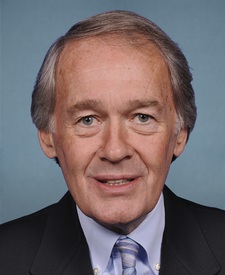 Rep. Ed MarkeyD-MA-7
- Rep. Norman MinetaD-CA-13
- Rep. William GrayD-PA-2
- Rep. Gerry StuddsD-MA-10
 Rep. Barney FrankD-MA-4
- Rep. Alton WaldonD-NY-6
 Rep. Daniel AkakaD-HI-2
- Rep. Michael LowryD-WA-7
- Rep. Robert KastenmeierD-WI-2
 Rep. Dale KildeeD-MI-7
- Rep. William FordD-MI-15
 Rep. Neil AbercrombieD-HI-1
- Rep. Esteban TorresD-CA-34
- Rep. Lane EvansD-IL-17
 Rep. Henry WaxmanD-CA-24
- Rep. Victor FazioD-CA-4
- Rep. Gus HawkinsD-CA-29
- Rep. Bill AlexanderD-AR-1
- Rep. John WilliamsD-MT-1
- Rep. Robert MatsuiD-CA-3
- Rep. James ScheuerD-NY-8
 Rep. George MillerD-CA-7
- Rep. John SeiberlingD-OH-14
 Rep. John DingellD-MI-16
- Rep. Thomas FogliettaD-PA-1
 Rep. Howard BermanD-CA-26
- Rep. Meldon LevineD-CA-27
- Rep. Bruce MorrisonD-CT-3
- Rep. James WrightD-TX-12
- Rep. Allan SwiftD-WA-2
- Rep. James HowardD-NJ-3
- Rep. Matthew MartínezD-CA-30
- Rep. Michael BarnesD-MD-8
- Rep. Jim MoodyD-WI-5
- Rep. Morris UdallD-AZ-2
- Rep. Anthony CoelhoD-CA-15
- Rep. Lindy BoggsD-LA-2
- Rep. Claude PepperD-FL-18
- Rep. James WeaverD-OR-4
- Rep. Anthony BeilensonD-CA-23
- Rep. Bruce VentoD-MN-4
- Rep. Thomas FoleyD-WA-5
- Rep. Thomas MantonD-NY-9
 Rep. Dave ObeyD-WI-7
- Rep. Albert BustamanteD-TX-23
- Rep. Stephen SolarzD-NY-13
- Rep. Matthew McHughD-NY-28
 Rep. Sander LevinD-MI-17
- Rep. Bernard DwyerD-NJ-6
- Rep. Richard LehmanD-CA-18
- Rep. Chester AtkinsD-MA-5
- Rep. Jack BrooksD-TX-9
- Rep. Brian DonnellyD-MA-11
- Rep. John MoakleyD-MA-9
- Rep. Thomas DowneyD-NY-2
- Rep. Sam GejdensonD-CT-2
- Rep. Robert RoeD-NJ-8
- Rep. Edward BolandD-MA-2
- Rep. Dante FascellD-FL-19
- Rep. Nicholas MavroulesD-MA-6
- Rep. Charles PriceD-IL-21
 Rep. Barbara MikulskiD-MD-3
- Rep. Joseph EarlyD-MA-3
- Rep. Robert EdgarD-PA-7
- Rep. Martin FrostD-TX-24
- Rep. Daniel RostenkowskiD-IL-8
- Rep. Jerome TraxlerD-MI-8
 Rep. Solomon OrtizD-TX-27
- Rep. Robert YoungD-MO-2
- Rep. Walter JonesD-NC-1
 Rep. Chuck SchumerD-NY-10
- Rep. Henry NowakD-NY-33
- Rep. Howard WolpeD-MI-3
- Rep. Fernand St. GermainD-RI-1
- Rep. Kenneth GrayD-IL-22
- Rep. Frank GuariniD-NJ-14
- Rep. Kika de la GarzaD-TX-15
- Rep. Catherine LongD-LA-8
 Rep. Norm DicksD-WA-6
 Rep. Peter ViscloskyD-IN-1
- Rep. Stanley LundineD-NY-34
- Rep. Tom LantosD-CA-11
- Rep. James FlorioD-NJ-1
- Rep. Don BonkerD-WA-3
- Rep. Harley StaggersD-WV-2
- Rep. Berkley BedellD-IA-6
- Rep. Frank AnnunzioD-IL-11
- Rep. Jerry KleczkaD-WI-4
 Rep. John MurthaD-PA-12
- Rep. Leon PanettaD-CA-16
- Rep. Robert MrazekD-NY-3
- Rep. William NatcherD-KY-2
- Rep. Barbara KennellyD-CT-1
- Rep. Bill HefnerD-NC-8
- Rep. Ronald ColemanD-TX-16
- Rep. Donald PeaseD-OH-13
- Rep. Leslie AspinD-WI-1
- Rep. Peter KostmayerD-PA-8
- Rep. William RichardsonD-NM-3
 Rep. Alan MollohanD-WV-1
 Rep. Rick BoucherD-VA-9
- Rep. Edward FeighanD-OH-19
- Rep. Douglas BoscoD-CA-1
- Rep. Mario BiaggiD-NY-19
- Rep. Douglas WalgrenD-PA-18
- Rep. Robert TorricelliD-NJ-9
- Rep. Joseph GaydosD-PA-20
 Rep. Marcy KapturD-OH-9
- Rep. Jamie WhittenD-MS-1
- Rep. Robert WiseD-WV-3
- Rep. John BryantD-TX-5
- Rep. Joseph KolterD-PA-4
- Rep. James TraficantD-OH-17
- Rep. Dennis HertelD-MI-14
- Rep. Beryl AnthonyD-AR-4
- Rep. Michael SynarD-OK-2
- Rep. Lawrence SmithD-FL-16
- Rep. Neal SmithD-IA-4
- Rep. Jim BatesD-CA-44
- Rep. Charles WilsonD-TX-2
- Rep. Glenn AndersonD-CA-32
- Rep. Francis McCloskeyD-IN-8
- Rep. Ed JonesD-TN-8
- Rep. Martin RussoD-IL-3
- Rep. Terry BruceD-IL-19
- Rep. Charles WhitleyD-NC-3
- Rep. Daniel MicaD-FL-14
- Rep. Tom DaschleD-SD
- Rep. William LipinskiD-IL-5
- Rep. Charles DowdyD-MS-4
 Rep. Harry ReidD-NV-1
- Rep. Tony HallD-OH-3
 Rep. Bart GordonD-TN-6
- Rep. Dennis EckartD-OH-11
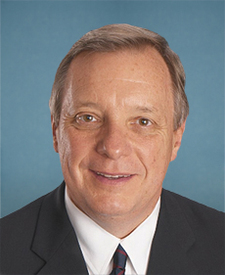 Rep. Richard DurbinD-IL-20
- Rep. William BonerD-TN-5
- Rep. John LaFalceD-NY-32
- Rep. Charles HatcherD-GA-2
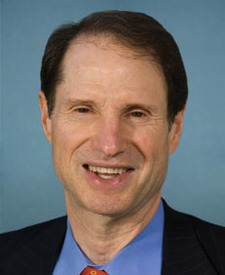 Rep. Ron WydenD-OR-3
 Rep. Jim CooperD-TN-4
 Rep. Byron DorganD-ND
- Rep. Don FuquaD-FL-2
- Rep. Tom BevillD-AL-4
- Rep. Timothy WirthD-CO-2
- Rep. Les AuCoinD-OR-1
 Rep. John SprattD-SC-5
 Rep. Paul KanjorskiD-PA-11
- Rep. Thomas LukenD-OH-1
- Rep. Norman SisiskyD-VA-4
- Rep. Gerald SikorskiD-MN-6
- Rep. William ChappellD-FL-4
- Rep. Gus YatronD-PA-6
- Rep. Ronnie FlippoD-AL-5
- Rep. Bob CarrD-MI-6
- Rep. Charles BennettD-FL-3
- Rep. Austin MurphyD-PA-22
- Rep. Wes WatkinsD-OK-3
- Rep. Lee HamiltonD-IN-9
- Rep. Jake PickleD-TX-10
- Rep. Stephen NealD-NC-5
- Rep. Michael AndrewsD-TX-25
- Rep. Butler DerrickD-SC-3
- Rep. Philip SharpD-IN-2
- Rep. James RowlandD-GA-8
- Rep. Patricia SchroederD-CO-1
- Rep. Buddy MacKayD-FL-6
 Rep. Ike SkeltonD-MO-4
- Rep. Robert ThomasD-GA-1
- Rep. Sam GibbonsD-FL-7
- Rep. Harold VolkmerD-MO-9
- Rep. Tim ValentineD-NC-2
- Rep. Daniel GlickmanD-KS-4
- Rep. David McCurdyD-OK-4
- Rep. Jim ChapmanD-TX-1
 Rep. Thomas CarperD-DE
- Rep. William HughesD-NJ-2
- Rep. Robin TallonD-SC-6
- Rep. Douglas ApplegateD-OH-18
- Rep. Ed JenkinsD-GA-9
- Rep. Romano MazzoliD-KY-3
- Rep. Ben ErdreichD-AL-6
- Rep. James OlinD-VA-6
- Rep. James SlatteryD-KS-2
- Rep. Richard StallingsD-ID-2
- Rep. Andrew JacobsD-IN-10
- Rep. Samuel StrattonD-NY-23
- Rep. Buddy DardenD-GA-7
 Rep. Bill NelsonD-FL-11
- Rep. James JonesD-OK-1
 Rep. Richard ShelbyD-AL-7
- Rep. Beverly ByronD-MD-6
- Rep. Timothy PennyD-MN-1
- Rep. William NicholsD-AL-3
- Rep. Royden DysonD-MD-1
- Rep. Thomas HuckabyD-LA-5
- Rep. Billy TauzinD-LA-3
- Rep. James LeathD-TX-11
- Rep. Earl HuttoD-FL-1
- Rep. Sonny MontgomeryD-MS-3
- Rep. Marilyn LloydD-TN-3
- Rep. Richard RayD-GA-3
- Rep. Carroll HubbardD-KY-1
- Rep. Dan DanielD-VA-5
 Rep. Ralph HallD-TX-4
- Rep. Charlie StenholmD-TX-17











Republicans who voted yea(149)
- Rep. Stewart McKinneyR-CT-4
- Rep. Silvio ConteR-MA-1
- Rep. Bill GreenR-NY-15
- Rep. Frank HortonR-NY-29
- Rep. Claudine SchneiderR-RI-2
- Rep. Jim JeffordsR-VT
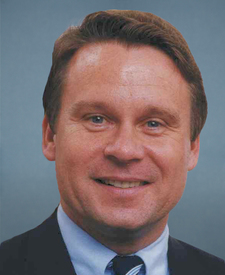 Rep. Chris SmithR-NJ-4
- Rep. Benjamin GilmanR-NY-22
- Rep. Matthew RinaldoR-NJ-7
- Rep. Hamilton FishR-NY-21
- Rep. Joseph McDadeR-PA-10
- Rep. Nancy JohnsonR-CT-6
 Rep. Olympia SnoweR-ME-2
- Rep. Sherry BoehlertR-NY-25
- Rep. Robert DavisR-MI-11
- Rep. William ClingerR-PA-23
- Rep. Jim LeachR-IA-1
- Rep. Carl PursellR-MI-2
 Rep. Ralph RegulaR-OH-16
- Rep. Marge RoukemaR-NJ-5
- Rep. Robert CoughlinR-PA-13
- Rep. George WortleyR-NY-27
- Rep. Joseph DioGuardiR-NY-20
- Rep. Thomas RidgeR-PA-21
- Rep. John McKernanR-ME-1
- Rep. Chalmers WylieR-OH-15
- Rep. John MillerR-WA-1
- Rep. Sidney MorrisonR-WA-4
- Rep. John MyersR-IN-7
- Rep. Willis GradisonR-OH-2
- Rep. John DuncanR-TN-2
- Rep. David MartinR-NY-26
- Rep. James QuillenR-TN-1
- Rep. John RowlandR-CT-5
- Rep. Raymond McGrathR-NY-5
- Rep. Paul HenryR-MI-5
- Rep. Virginia SmithR-NE-3
- Rep. Jan MeyersR-KS-3
- Rep. Norman LentR-NY-4
- Rep. Herbert BatemanR-VA-1
- Rep. Elwood HillisR-IN-5
 Rep. Jim SaxtonR-NJ-13
- Rep. Steven GundersonR-WI-3
 Rep. Tom PetriR-WI-6
- Rep. Richard SchulzeR-PA-5
- Rep. William BroomfieldR-MI-18
- Rep. Marion SnyderR-KY-4
- Rep. Helen BentleyR-MD-2
- Rep. Doug BereuterR-NE-1
 Rep. Frank WolfR-VA-10
- Rep. Rodney ChandlerR-WA-8
- Rep. Guy MolinariR-NY-14
- Rep. Charles PashayanR-CA-17
- Rep. John PorterR-IL-10
- Rep. Dean GalloR-NJ-11
- Rep. William GoodlingR-PA-19
- Rep. Donald RitterR-PA-15
- Rep. Earl ColemanR-MO-6
- Rep. James CourterR-NJ-12
- Rep. Stanford ParrisR-VA-8
- Rep. George WhitehurstR-VA-2
- Rep. Larry HopkinsR-KY-6
- Rep. Edward MadiganR-IL-15
- Rep. Manuel LujánR-NM-1
- Rep. Thomas TaukeR-IA-2
 Rep. John McCainR-AZ-1
- Rep. Marjorie HoltR-MD-4
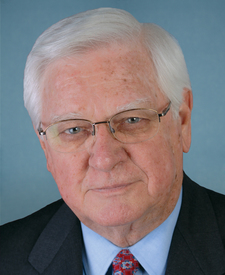 Rep. Hal RogersR-KY-5
- Rep. Alex McMillanR-NC-9
- Rep. Thomas EvansR-IA-3
- Rep. William FranklinR-MS-2
- Rep. Bill SchuetteR-MI-10
- Rep. William HendonR-NC-11
- Rep. Arlan StangelandR-MN-7
- Rep. John KasichR-OH-12
- Rep. Bill EmersonR-MO-8
- Rep. Guy Vander JagtR-MI-9
 Rep. W. Bill YoungR-FL-8
- Rep. Bob McEwenR-OH-6
- Rep. Floyd SpenceR-SC-2
 Rep. Daniel CoatsR-IN-4
- Rep. William LoweryR-CA-41
- Rep. Robert LivingstonR-LA-1
- Rep. Tom BlileyR-VA-3
- Rep. Robert WhittakerR-KS-5
- Rep. Henry HydeR-IL-6
- Rep. Thomas LewisR-FL-12
- Rep. William CarneyR-NY-1
- Rep. William FrenzelR-MN-3
- Rep. Mac SweeneyR-TX-14
 Rep. Jerry LewisR-CA-35
- Rep. Toby RothR-WI-8
- Rep. Robert SmithR-OR-2
- Rep. Edwin ZschauR-CA-12
- Rep. Robert MichelR-IL-18
- Rep. Clarence MillerR-OH-10
- Rep. Bill ThomasR-CA-20
- Rep. Jim KolbeR-AZ-5
- Rep. Donald SundquistR-TN-7
- Rep. Harris FawellR-IL-13
- Rep. Lynn MartinR-IL-16
- Rep. Clay ShawR-FL-15
- Rep. Bill McCollumR-FL-5
- Rep. Daniel SlaughterR-VA-7
- Rep. George GekasR-PA-17
- Rep. Delbert LattaR-OH-5
- Rep. Mike DeWineR-OH-7
- Rep. Michael BilirakisR-FL-9
- Rep. Fred EckertR-NY-30
- Rep. Ron PackardR-CA-43
 Rep. Howard CobleR-NC-6
- Rep. Newton GingrichR-GA-6
- Rep. Kenneth KramerR-CO-5
- Rep. Robert LagomarsinoR-CA-19
- Rep. Mark SiljanderR-MI-4
- Rep. Thomas LoefflerR-TX-21
- Rep. John WeberR-MN-2
- Rep. Andy IrelandR-FL-10
- Rep. John HilerR-IN-3
- Rep. Bobbi FiedlerR-CA-21
- Rep. Michael OxleyR-OH-4
- Rep. Barbara VucanovichR-NV-2
- Rep. Eldon BoulterR-TX-13
- Rep. Eugene ChappieR-CA-2
 Rep. Duncan HunterR-CA-45
- Rep. Michael StrangR-CO-3
- Rep. Gerald SolomonR-NY-24
- Rep. William CobeyR-NC-4
 Rep. Judd GreggR-NH-2
- Rep. Dan SchaeferR-CO-6
 Rep. James SensenbrennerR-WI-9
- Rep. Howard NielsonR-UT-3
- Rep. Robert DornanR-CA-38
 Rep. Larry CraigR-ID-1
- Rep. Patrick SwindallR-GA-4
- Rep. Carlos MoorheadR-CA-22
- Rep. Alfred McCandlessR-CA-37
 Rep. Daniel LungrenR-CA-42
- Rep. Robert BadhamR-CA-40
- Rep. Jack FieldsR-TX-8
 Rep. Joe BartonR-TX-6
- Rep. Bob SmithR-NH-1
- Rep. Norman ShumwayR-CA-14
- Rep. Steve BartlettR-TX-3
- Rep. James HansenR-UT-1
- Rep. Hank BrownR-CO-4
- Rep. David MonsonR-UT-2
 Rep. David DreierR-CA-33
- Rep. William DannemeyerR-CA-39





Data notes
The House’s recorded vote on the final version of the law (roll call 847 in Voteview), matched to the vote the record cites and checked against its totals. Positions are each member’s DW-NOMINATE score for that Congress, as on the Ideology page; left to right is more liberal to more conservative. Paired and announced yea votes count as yea. Lists follow the compass, most liberal first. A name links to a profile only for members of the current Congress. A law passed by voice vote or unanimous consent has no member list, and neither does a vote Voteview has not yet recorded.
Committees
The committees the bill was sent to, and what each did with it.
 Ways and Means Committee · House · markup by, referred to, reported bySubcommittee: Social Security Subcommittee

Data notes
A committee links to its page only where it exists in the current Congress; older and renamed committees are named without a link.
Timeline
From introduction to signing, newest first: the committees, the floor and the president. 72 actions.
- Oct 17, 1986Became lawBecame law · Became Public Law No: 99-499.
- Became lawBecame law · Signed by President.
- Oct 9, 1986PresidentPresident · Presented to President.
- Oct 8, 1986Resolving differencesResolving differences · House Agreed to Conference Report by Yea-Nay Vote: 386 - 27 (Record Vote No: 443).House roll call 443
- Resolving differencesResolving differences · Conference report agreed to in House: House Agreed to Conference Report by Yea-Nay Vote: 386 - 27 (Record Vote No: 443).House roll call 443
- Oct 7, 1986FloorFloor · Committee on Rules Granted a Rule Providing Three Hours and Thirty Minutes of Debate on the Conference Report; Waiving All Points of Order Against the Conference Report and Against Its Consideration.
- Oct 3, 1986Resolving differencesResolving differences · Senate agreed to conference report by Yea-Nay Vote. 88-8. Record Vote No: 329.Senate roll call 329
- Resolving differencesResolving differences · Conference report agreed to in Senate: Senate agreed to conference report by Yea-Nay Vote. 88-8. Record Vote No: 329.Senate roll call 329
- Resolving differencesResolving differences · Conference report considered in Senate.
- Resolving differencesResolving differences · Conference papers, Senate report and managers' statement and official papers held at the desk.
- Resolving differencesResolving differences · Conference Report 99-962 Filed in House.
- Resolving differencesResolving differences · Conference report filed: Conference Report 99-962 Filed in House.
- Oct 2, 1986Resolving differencesResolving differences · Conferees agreed to file conference report.
- Resolving differencesResolving differences · Conference committee actions: Conferees agreed to file conference report.
- Sep 24, 1986Resolving differencesResolving differences · Conference held.
- Resolving differencesResolving differences · Conference committee actions: Conference held.
- Jul 31, 1986Resolving differencesResolving differences · Conference held.
- Resolving differencesResolving differences · Conference committee actions: Conference held.
- Jul 25, 1986Resolving differencesResolving differences · Conference held.
- Resolving differencesResolving differences · Conference committee actions: Conference held.
- Jul 24, 1986Resolving differencesResolving differences · Conference held.
- Resolving differencesResolving differences · Conference committee actions: Conference held.
- Jul 21, 1986Resolving differencesResolving differences · Speaker Appointed Additional Conferee: Tauke in Lieu of Broyhill.
- Jun 26, 1986Resolving differencesResolving differences · Conference held.
- Resolving differencesResolving differences · Conference committee actions: Conference held.
- Jun 19, 1986Resolving differencesResolving differences · Conference held.
- Resolving differencesResolving differences · Conference committee actions: Conference held.
- Jun 18, 1986Resolving differencesResolving differences · Conference held.
- Resolving differencesResolving differences · Conference committee actions: Conference held.
- May 20, 1986Resolving differencesResolving differences · Conference held.
Data notes
Shows the introduction, each committee and subcommittee step the source dates (referral, hearings, markup, report, discharge), and the floor, conference, presidential and became-law steps. Calendar placements, messages between the chambers, amendments and committee report numbers are not shown for laws before the 108th Congress. Two entries the source lists twice are shown once.
Official record
The bill’s full text and every action, including introduction and committee steps, are on Congress.gov. Data through Oct 7, 2026.