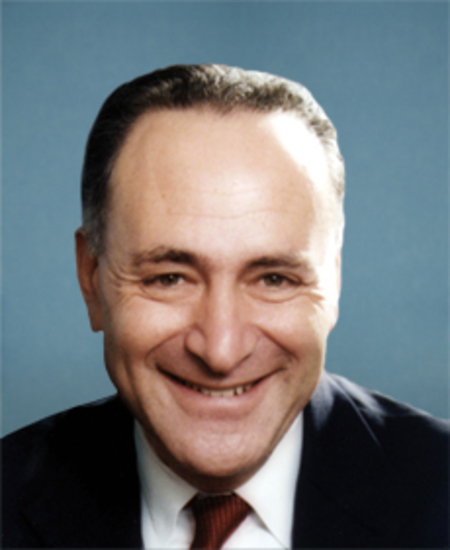
Senator
Chuck Schumer
New York · Democrat
In the Senate since 1999 · 14 Congresses served
About
Charles Ellis Schumer is an American politician serving since 1999 as a United States senator from New York. A member of the Democratic Party, he has led the Senate Democratic Caucus since 2017 and served as Senate majority leader from 2021 to 2025.
From Wikipedia (text may be abridged), licensed under CC BY-SA 4.0.
In the 119th Congress
Chuck Schumer sits 21st from the left of 102 scored senators (2 of them since left office, marked "former" below). Ringed below; the rest of the chamber is faded.
A–Z by last name · 101 members
 Sen. Angela Alsobrooks D-MDD-MD-0.46
 Sen. Alan Armstrong R-OKR-OK0.65
 Sen. Tammy Baldwin D-WID-WI-0.39
 Sen. Jim Banks R-INR-IN0.68
 Sen. John Barrasso R-WYR-WY0.65
 Sen. Michael Bennet D-COD-CO-0.31
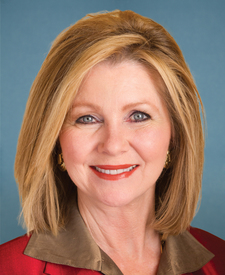 Sen. Marsha Blackburn R-TNR-TN0.65
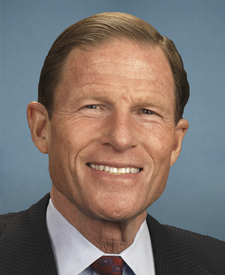 Sen. Richard Blumenthal D-CTD-CT-0.42
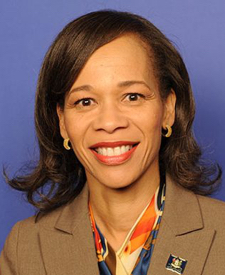 Sen. Lisa Blunt Rochester D-DED-DE-0.47
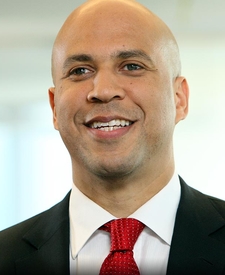 Sen. Cory Booker D-NJD-NJ-0.49
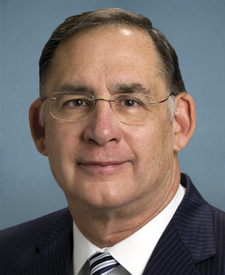 Sen. John Boozman R-ARR-AR0.40
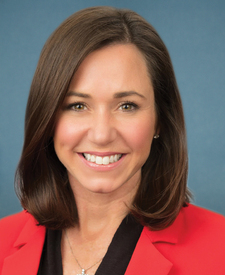 Sen. Katie Britt R-ALR-AL0.68
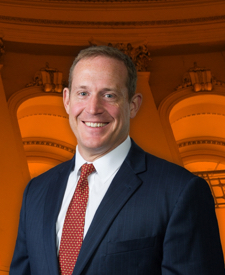 Sen. Ted Budd R-NCR-NC0.69
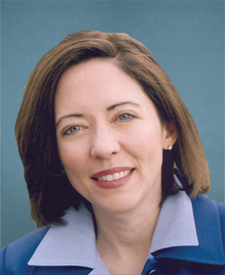 Sen. Maria Cantwell D-WAD-WA-0.34
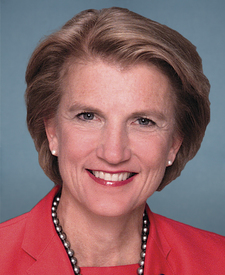 Sen. Shelley Capito R-WVR-WV0.41
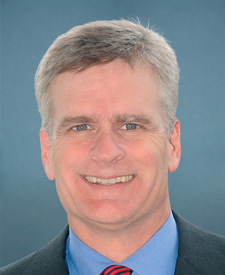 Sen. Bill Cassidy R-LAR-LA0.43
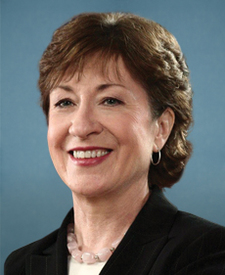 Sen. Susan Collins R-MER-ME0.17
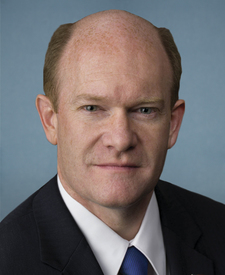 Sen. Christopher Coons D-DED-DE-0.26
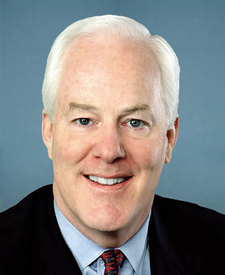 Sen. John Cornyn R-TXR-TX0.59
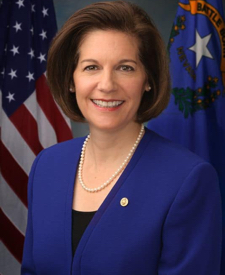 Sen. Catherine Cortez Masto D-NVD-NV-0.33
 Sen. Tom Cotton R-ARR-AR0.52
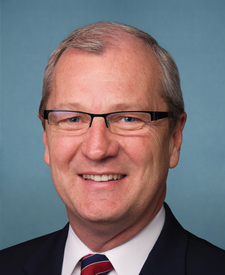 Sen. Kevin Cramer R-NDR-ND0.49
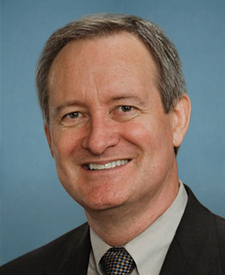 Sen. Mike Crapo R-IDR-ID0.56
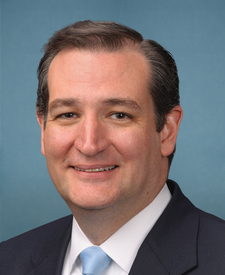 Sen. Ted Cruz R-TXR-TX0.85
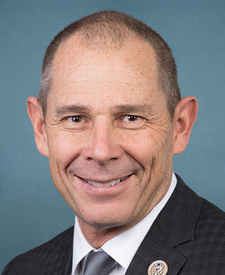 Sen. John Curtis R-UTR-UT0.67
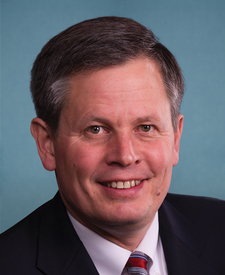 Sen. Steve Daines R-MTR-MT0.61
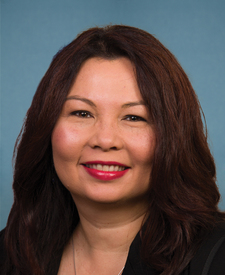 Sen. Tammy Duckworth D-ILD-IL-0.41
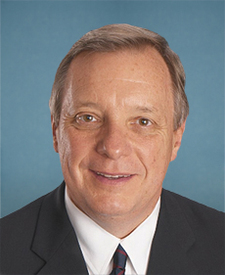 Sen. Richard Durbin D-ILD-IL-0.26
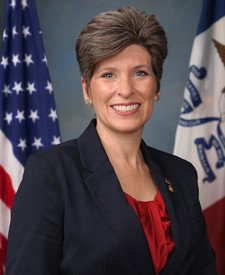 Sen. Joni Ernst R-IAR-IA0.55
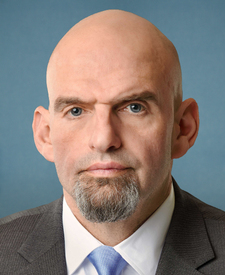 Sen. John Fetterman D-PAD-PA-0.16
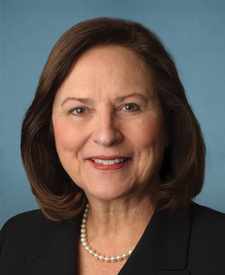 Sen. Deb Fischer R-NER-NE0.44
 Sen. Ruben Gallego D-AZD-AZ-0.30
 Sen. Kirsten Gillibrand D-NYD-NY-0.37Sen. Darline Graham R-SCR-SC0.52
 Sen. Lindsey Graham R-SC · formerR-SC (fmr)0.41
 Sen. Chuck Grassley R-IAR-IA0.46
 Sen. Bill Hagerty R-TNR-TN0.73
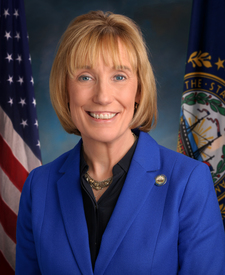 Sen. Maggie Hassan D-NHD-NH-0.21
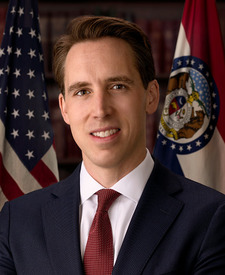 Sen. Josh Hawley R-MOR-MO0.52
 Sen. Martin Heinrich D-NMD-NM-0.34
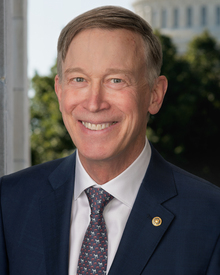 Sen. John Hickenlooper D-COD-CO-0.32
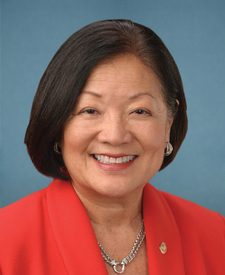 Sen. Mazie Hirono D-HID-HI-0.49
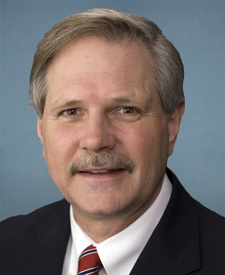 Sen. John Hoeven R-NDR-ND0.51Sen. Jon Husted R-OHR-OH0.58
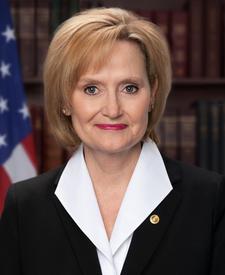 Sen. Cindy Hyde-Smith R-MSR-MS0.45
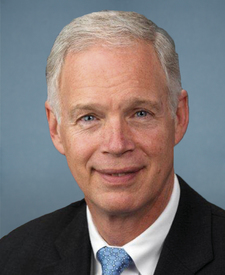 Sen. Ron Johnson R-WIR-WI0.88
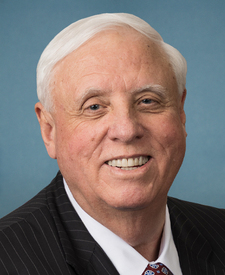 Sen. Jim Justice R-WVR-WV0.56
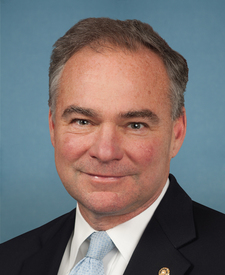 Sen. Tim Kaine D-VAD-VA-0.21
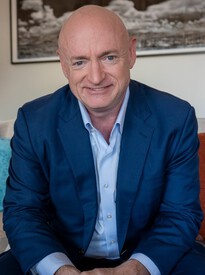 Sen. Mark Kelly D-AZD-AZ-0.30
 Sen. John Kennedy R-LAR-LA0.63
 Sen. Andy Kim D-NJD-NJ-0.46
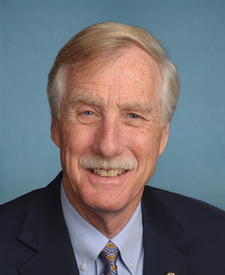 Sen. Angus King I-MEI-ME-0.18
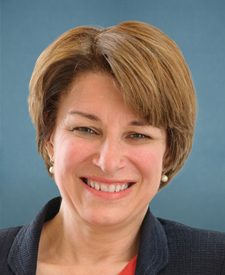 Sen. Amy Klobuchar D-MND-MN-0.26
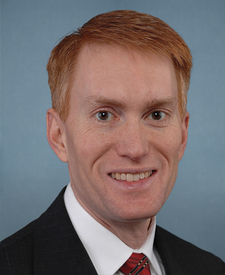 Sen. James Lankford R-OKR-OK0.53
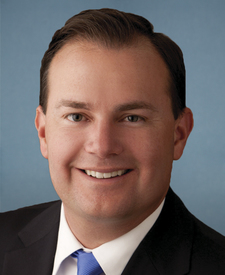 Sen. Mike Lee R-UTR-UT0.89
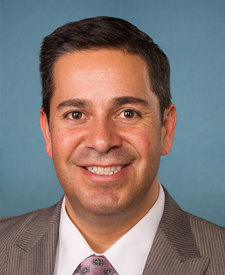 Sen. Ben Luján D-NMD-NM-0.47
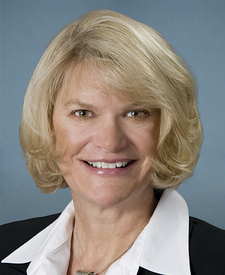 Sen. Cynthia Lummis R-WYR-WY0.86
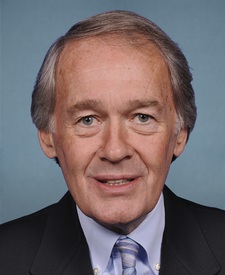 Sen. Ed Markey D-MAD-MA-0.75
 Sen. Roger Marshall R-KSR-KS0.58
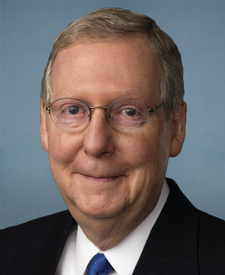 Sen. Mitch McConnell R-KYR-KY0.33
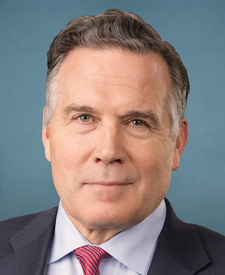 Sen. Dave McCormick R-PAR-PA0.60
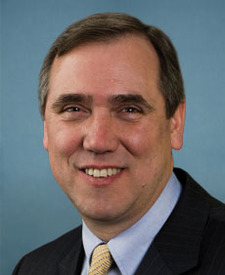 Sen. Jeff Merkley D-ORD-OR-0.50
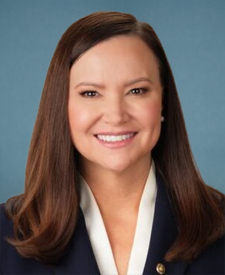 Sen. Ashley Moody R-FLR-FL0.69
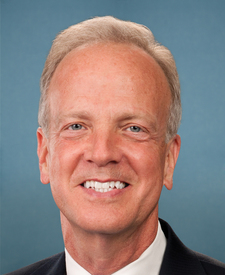 Sen. Jerry Moran R-KSR-KS0.38
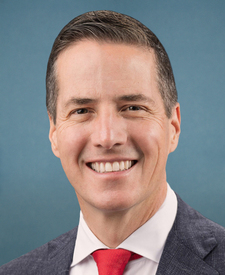 Sen. Bernie Moreno R-OHR-OH0.72
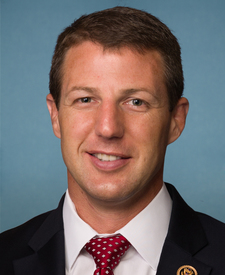 Sen. Markwayne Mullin R-OK · formerR-OK (fmr)0.43
 Sen. Lisa Murkowski R-AKR-AK0.18
 Sen. Christopher Murphy D-CTD-CT-0.52
 Sen. Patty Murray D-WAD-WA-0.44
 Sen. Jon Ossoff D-GAD-GA-0.52
 Sen. Alex Padilla D-CAD-CA-0.52
 Sen. Rand Paul R-KYR-KY0.81
 Sen. Gary Peters D-MID-MI-0.28
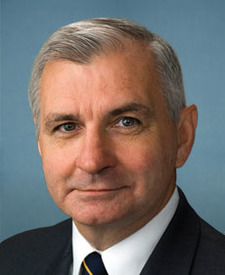 Sen. Jack Reed D-RID-RI-0.31
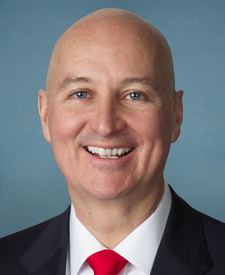 Sen. Pete Ricketts R-NER-NE0.47
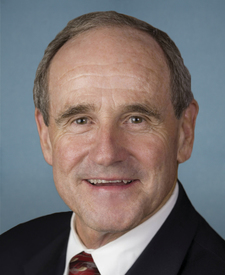 Sen. James Risch R-IDR-ID0.64
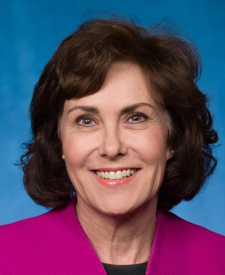 Sen. Jacky Rosen D-NVD-NV-0.28
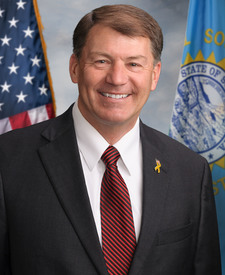 Sen. Mike Rounds R-SDR-SD0.41
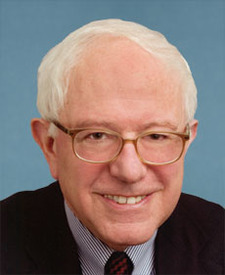 Sen. Bernie Sanders I-VTI-VT-0.70
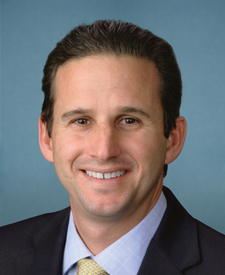 Sen. Brian Schatz D-HID-HI-0.42
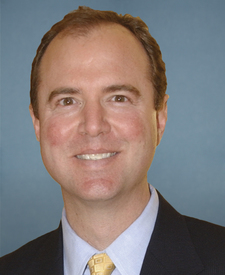 Sen. Adam Schiff D-CAD-CA-0.39
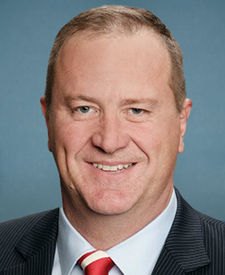 Sen. Eric Schmitt R-MOR-MO0.71
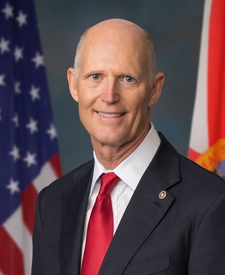 Sen. Rick Scott R-FLR-FL0.99
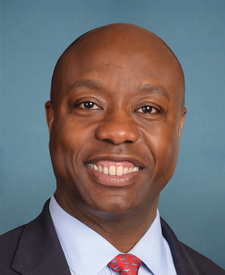 Sen. Tim Scott R-SCR-SC0.53
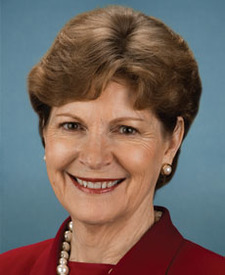 Sen. Jeanne Shaheen D-NHD-NH-0.16
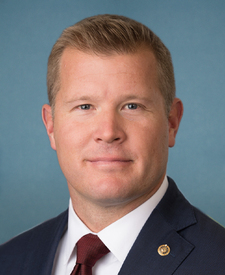 Sen. Tim Sheehy R-MTR-MT0.64
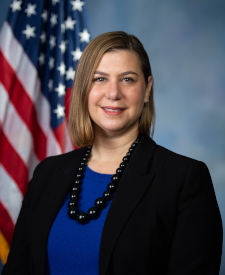 Sen. Elissa Slotkin D-MID-MI-0.37
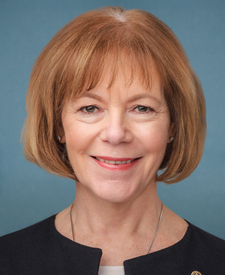 Sen. Tina Smith D-MND-MN-0.45
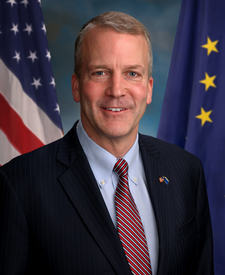 Sen. Dan Sullivan R-AKR-AK0.29
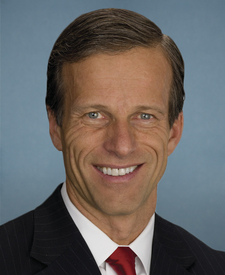 Sen. John Thune R-SDR-SD0.36
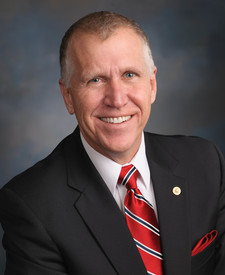 Sen. Thom Tillis R-NCR-NC0.36
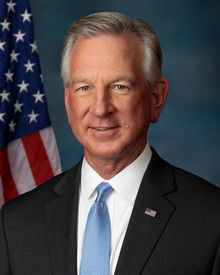 Sen. Tommy Tuberville R-ALR-AL0.94
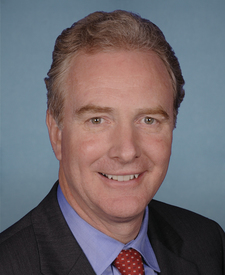 Sen. Chris Van Hollen D-MDD-MD-0.48
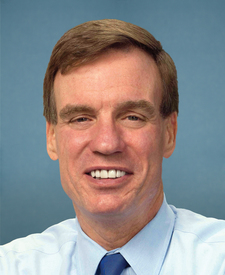 Sen. Mark Warner D-VAD-VA-0.25
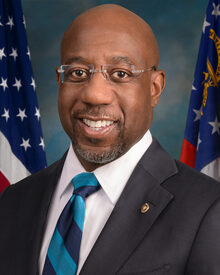 Sen. Raphael Warnock D-GAD-GA-0.48
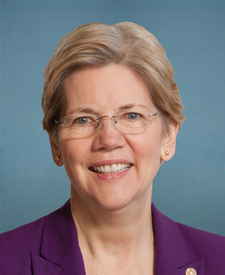 Sen. Elizabeth Warren D-MAD-MA-0.73
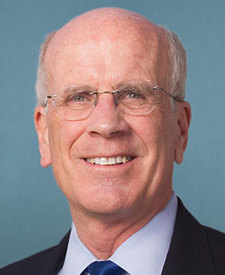 Sen. Peter Welch D-VTD-VT-0.34
 Sen. Sheldon Whitehouse D-RID-RI-0.29
 Sen. Roger Wicker R-MSR-MS0.41
 Sen. Ron Wyden D-ORD-OR-0.44
 Sen. Todd Young R-INR-IN0.55
Ideological trajectory · dimension 1 by Congress
Chuck Schumer's per-Congress position (nokken–poole), against the party mean.
New York delegation · both senators on dimension 1
Chuck Schumer and their seatmate, gap 0.04. All 50 delegations →
Committee memberships
Chuck Schumer’s 2 committee assignments in the 119th Congress ranked by seniority. Each row also shows how Chuck Schumer’s own position compares to that committee’s overall blend.

Laws Chuck Schumer sponsored or cosponsored
Every public law that Chuck Schumer sponsored or cosponsored, newest first. Each law shows the part Chuck Schumer played, the policy area, and its closest recorded final-passage vote. Only bills that became law appear: most bills a member sponsors never do.
Data notes
Public laws from the 93rd Congress (1973) on, from Congress.gov and GovInfo bill data, listed under the bill that was enacted. Cosponsors who withdrew are not counted. “Major” follows David Mayhew’s list of important enactments, which stops at the 118th Congress; later laws are not yet assessed. Votes and policy areas are as on the Laws page.
Financial disclosures · Senate
Net worth over time
Net worth for 2025
$2.67M
Range $1.37M – $3.97M
TIAA Brokerage DGVMM - Dreyfus Govt Cash Mgmt Investor Shs (Charlotte, NC) Type: Money Market Account
Joint · Bank Deposit
$250,001 - $500,000
Congressional Federal Credit Union (Washington, DC) Type: Certificate of Deposit, Savings
Joint · Bank Deposit
$100,001 - $250,000
NEH 3 LLC Company: NEH 3 LLC (Brooklyn, NY) Description: Writer Filer comment: Entity established to receive income from book pursuant to agreement listed on Part 9, line 2.
Spouse · Business Entity Limited Liability Company (LLC)
$100,001 - $250,000
Values are the bands reported on the filing; midpoints are our estimate. Source: Senate eFD PDF, filed in 2026.
Members of Congress don't report a net worth. They file annual disclosures listing assets and liabilities as value ranges, like “$15,001-$50,000.” We take the midpoint of each range and subtract liabilities from assets to estimate net worth. Expect wide margins: these are estimates, best read as trends and comparisons rather than exact totals.
How to read this
What's in a filing. Each year, members report the previous year's assets (stocks, funds, real estate other than a personal residence, retirement accounts, business interests, bank accounts) and liabilities. A spouse's or dependent child's holdings are included; a member's home, vehicles and household goods generally are not.
Why ranges. Each item is reported within a set band, not as an exact amount, and the bands widen as values grow. The top band is open-ended (“over $X”), so a very large holding is shown with a floor, not an estimate.
How we estimate. Net worth is the sum of asset midpoints minus the sum of liability midpoints, so the true figure could sit well above or below ours. Filings we couldn't read with confidence are flagged, and some years are missing.
What it can and can't tell you. Comparing a member to themselves over time is more reliable than comparing two members. A year-to-year jump can be an asset crossing into the next band.
Years are the year each report covers, so a report filed in 2025 appears as 2024. The line traces the midpoint and the shaded band shows the full reported range. Source: Senate eFD.