SUPPORT for Patients and Communities Act
Public Law 115-271 · H.R. 6 · 115th Congress · began in the House
Signed by Donald Trump (R) on Oct 24, 2018 · Health
Major law
Sponsor: Rep. Greg Walden (R-OR-2)
Cosponsors (16): Rep. Frank Pallone, Rep. Kevin Brady,
Passage votesYeaNay
- HouseMethod not stated
- SenateRecorded vote: 98 yea, 1 nay98–1
Data notes
The final version of the law, as each chamber passed it. A chamber that passed it by voice vote or unanimous consent has no count. “Method not stated” means the record does not say how the chamber voted. Where the record has a member-by-member vote, the “Who voted for it” section shows who voted yea.
Summary
The Congressional Research Service’s plain-language summary of what the law does.
Substance Use-Disorder Prevention that Promotes Opioid Recovery and Treatment for Patients and Communities Act or the SUPPORT for Patients and Communities Act
TITLE I--MEDICAID PROVISIONS TO ADDRESS THE OPIOID CRISIS
(Sec. 1001) The bill prohibits termination of Medicaid eligibility for juveniles who are inmates of public institutions.
(Sec. 1003) The Centers for Medicare & Medicaid Services (CMS) must establish a demonstration project to increase provider treatment capacity for substance-use disorders.
(Sec. 1004) State Medicaid programs must establish drug-review and utilization requirements, including safety measures for subsequent prescriptions of opioids.
(Sec. 1006) The bill extends the enhanced federal matching rate for expenditures regarding substance-use disorder health-home services under Medicaid.
The bill also temporarily requires coverage of medication-assisted treatment under Medicaid.
(Sec. 1007) The bill allows state Medicaid programs to cover residential pediatric recovery center services for infants with neonatal abstinence syndrome.
(Sec. 1012) States may also receive federal payment under Medicaid for outside services that are provided to pregnant and postpartum women who are substance-use disorder patients at institutions for mental diseases (IMDs).
(Sec. 1016) State Medicaid agencies, to the extent permitted under state law, may also access prescription drug monitoring programs (PDMPs), facilitate access to PDMPs for Medicaid providers and managed care entities, and share accessed information with such providers and entities.
TITLE II--MEDICARE PROVISIONS TO ADDRESS THE OPIOID CRISIS
(Sec. 2001) The bill exempts substance-use disorder telehealth services from specified requirements, such as geographic restrictions, under Medicare.
(Sec. 2002) The initial examination for new enrollees and annual wellness visits under Medicare must include a substance-use disorder screening and a review of any current opioid prescriptions.
(Sec. 2003) In general, prescriptions for controlled substances that are covered drugs under Medicare must be transmitted through electronic prescription programs.
(Sec. 2004) Medicare prescription drug plan sponsors must establish drug-management programs for at-risk beneficiaries.
(Sec. 2005) The bill also requires coverage for services provided by certified opioid-treatment programs under Medicare.
(Sec. 2006) The CMS must notify Medicare prescription drug plan sponsors about individuals who have a history of opioid-related overdoses, so that such individuals are included in drug-management programs for at-risk beneficiaries.
(Sec. 2008) The bill authorizes the suspension of payments to a pharmacy under the Medicare prescription drug benefit and Medicare Advantage (MA) prescription drug plans pending the investigation of a credible allegation of fraud by the pharmacy.
TITLE III--FDA AND CONTROLLED SUBSTANCE PROVISIONS
Subtitle A--FDA Provisions
Chapter 1--In General
(Sec. 3001) The Food and Drug Administration (FDA) must issue guidance that addresses the challenges of developing nonaddictive products to treat pain and addiction.
(Sec. 3002) The FDA must also issue guidance regarding the prescription of opioid analgesics for pain management.
Chapter 2--Stop Counterfeit Drugs by Regulating and Enhancing Enforcement Now
Stop Counterfeit Drugs by Regulating and Enhancing Enforcement Now Act or the SCREEN Act
(Sec. 3012) The bill requires the FDA to halt the distribution of a controlled substance that is found to be a public hazard and, if appropriate, order the controlled substance to be recalled.
(Sec. 3013) The FDA may consider all drugs from a single manufacturer, distributor, or importer as adulterated or misbranded if a pattern emerges, unless otherwise shown.
(Sec. 3014) The FDA must coordinate with the Department of Homeland Security and the U.S. Postal Service to improve screening and identification of unlawful controlled substances at international drug import facilities.
Chapter 3--Stop Illicit Drug Importation
Stop Illicit Drug Importation Act of 2018
(Sec. 3022) The FDA may prohibit a person from importing drugs or controlled substances under specified circumstances, including if the person has shown a pattern of importing adulterated or misbranded drugs that pose a serious health threat.
The bill also prohibits the importation, in accordance with specified criteria, of counterfeit drugs and drugs that pose a significant public health concern.
Chapter 4--Securing Opioids and Unused Narcotics with Deliberate Disposal and Packaging
Securing Opioids and Unused Narcotics with Deliberate Disposal and Packaging Act of 2018 or the SOUND Disposal and Packaging Act
(Sec. 3032) The FDA may require certain packaging and disposal measures to mitigate the risk of abuse or misuse of a drug.
Chapter 5--Postapproval Study Requirements
(Sec. 3041) The FDA may also require a post-approval study for certain drugs in order to assess potential reduced effectiveness.
Subtitle B--Controlled Substance Provisions
Chapter 1--More Flexibility with Respect to Medication-Assisted Treatment for Opioid Use Disorders
(Sec. 3201) The bill increases the maximum number of patients that health care practitioners may initially treat with medication-assisted treatment (i.e., under a buprenorphine waiver).
(Sec. 3204) The bill amends the Controlled Substances Act to allow a pharmacy to deliver a controlled substance to a practitioner, in accordance with a prescription, to be administered to a specific patient for maintenance or detoxification treatment.
Chapter 2--Empowering Pharmacists in the Fight Against Opioid Abuse
Empowering Pharmacists in the Fight Against Opioid Abuse Act
(Sec. 3212) The Department of Health and Human Services (HHS) must develop training programs and materials on the circumstances under which a pharmacist may refuse to fill a controlled substance prescription suspected to be fraudulent, forged, or of suspicious origin.
Chapter 3--Safe Disposal of Unused Medication
Safe Disposal of Unused Medication Act
(Sec. 3222) The bill allows a hospice employee, under specified circumstances, to handle lawfully dispensed controlled substances of a hospice patient in order to assist with disposal of the controlled substances, so long as such disposal occurs onsite in accordance with applicable law.
Chapter 4--Special Registration for Telemedicine Clarification
Special Registration for Telemedicine Clarification Act of 2018
(Sec. 3232) The bill establishes a deadline for the Drug Enforcement Administration (DEA) to promulgate regulations for the special registration of practitioners to practice telemedicine.
Chapter 5--Synthetic Abuse and Labeling of Toxic Substances
(Sec. 3241) The bill also sets forth factors that may be considered to determine whether a controlled substance analogue is intended for human consumption. Under current law, a controlled substance analogue that is intended for human consumption is treated as a schedule I controlled substance and is subject to certain regulatory controls.
Chapter 6--Access to Increased Drug Disposal
Access to Increased Drug Disposal Act of 2018
(Sec. 3252) The bill directs the Office of Justice Programs in the Department of Justice (DOJ) to award grants to states to increase the number of pharmacies and other eligible entities (e.g., narcotic treatment programs) that collect unused prescription drugs for disposal. Grants must be used for costs associated with the collection and disposal of such drugs.
Chapter 7--Using Data to Prevent Opioid Diversion
Using Data to Prevent Opioid Diversion Act of 2018
(Sec. 3272) In order to identify and prevent drug diversion, the DEA must use an automated data system to inform drug manufacturers and distributors about the quantity and type of opioids that are distributed to pharmacies and practitioners.
Chapter 8--Opioid Quota Reform
Opioid Quota Reform Act
(Sec. 3282) The DEA must also estimate the extent of any diversion of specified controlled substances (e.g., fentanyl) when determining manufacturing quotas for such substances. In estimating diversion rates, the DEA must consider information relating to overdose deaths and abuse of such substances.
Chapter 9--Preventing Drug Diversion
Preventing Drug Diversion Act of 2018
(Sec. 3292) The bill also establishes reporting requirements regarding suspicious orders of controlled substances; information must be collected in a centralized DEA database and shared with states.
TITLE IV--OFFSETS
(Sec. 4001) The bill temporarily eliminates the enhanced federal matching rate for Medicaid expenditures regarding specified medical services provided by certain managed care organizations.
(Sec. 4003) The bill amends the Internal Revenue Code to expand the religious conscience exemption under the Patient Protection and Affordable Care Act to exempt individuals who rely solely on a religious method of healing and for whom the acceptance of medical health services would be inconsistent with their religious beliefs from the requirement to purchase and maintain minimum essential health care coverage.
TITLE V--OTHER MEDICAID PROVISIONS
Subtitle A--Mandatory Reporting with Respect to Adult Behavioral Health Measures
(Sec. 5001) The bill requires certain Medicaid quality health measures to include behavioral health measures.
Subtitle B--Medicaid IMD Additional Info
Medicaid Institutes for Mental Disease Are Decisive in Delivering Inpatient Treatment for Individuals but Opportunities for Needed Access are Limited without Information Needed about Facility Obligations Act or the Medicaid IMD ADDITIONAL INFO Act
(Sec. 5012) The Medicaid and Children's Health Insurance Program (CHIP) Payment and Access Commission must report on information relating to services for Medicaid enrollees who are patients in IMDs, including the number and type of IMDs in each sampled state, services offered, and funding sources.
Subtitle C--CHIP Mental Health and Substance Use Disorder Parity
CHIP Mental Health and Substance Use Disorder Parity Act
(Sec. 5022) CHIP plans must cover mental health and substance-use disorder services. Financial requirements and treatment limitations applicable to such services shall not differ from those applicable to other medical services under CHIP.
Subtitle D--Medicaid Reentry
Medicaid Reentry Act
(Sec. 5032) The CMS must convene a stakeholder workgroup in order to develop best practices for states to help inmates released from public institutions transition to the community with health care (such as by ensuring continuity of health insurance or Medicaid coverage). The CMS must also issue a letter to states outlining opportunities for Medicaid demonstration waivers based on identified best practices.
Subtitle E--Medicaid Partnership
Medicaid Providers Are Required To Note Experiences in Record Systems to Help In-need Patients Act or the Medicaid PARTNERSHIP Act
(Sec. 5042) Each state must establish a qualifying PDMP and require health care providers to check the PDMP for a Medicaid enrollee's prescription drug history before prescribing controlled substances to the enrollee.
Subtitle F--IMD CARE Act
Individuals in Medicaid Deserve Care that is Appropriate and Responsible in its Execution Act or the IMD CARE Act
(Sec. 5052) The bill temporarily allows states to apply to receive federal Medicaid payment for specified services provided in IMDs for enrollees (aged 21 to 64) with substance-use disorders. Services may be covered for a total of up to 30 days in a 12-month period for an eligible enrollee.
Current law generally prohibits federal payment under Medicaid for services provided in IMDs for individuals under the age of 65 (although states may receive payment through certain mechanisms, such as through a Medicaid demonstration waiver).
Subtitle G--Medicaid Improvement Fund
(Sec. 5061) The bill reauthorizes annual funding for the Medicaid Improvement Fund beginning in FY2021. (The fund is used to improve management of the Medicaid program by the CMS, such as through demonstration project evaluations.)
TITLE VI--OTHER MEDICARE PROVISIONS
Subtitle A--Testing of Incentive Payments for Behavioral Health Providers for Adoption and Use of Certified Electronic Health Record Technology
(Sec. 6001) The Center for Medicare and Medicaid Innovation may test models to provide incentive payments to behavioral health providers for adopting electronic health records technology and for using that technology to improve the quality and coordination of care.
Subtitle B--Abuse Deterrent Access
Abuse Deterrent Access Act of 2018
(Sec. 6012) The CMS must report on the adequacy of access to abuse-deterrent opioid formulations for individuals with chronic pain enrolled in a prescription drug plan under Medicare or MA, as well as the effectiveness and impact of such formulations.
Subtitle C--Medicare Opioid Safety Education
(Sec. 6021) The CMS must provide Medicare beneficiaries with educational resources regarding opioid use and pain management, as well as descriptions of covered alternative (non-opioid) pain-management treatments.
Subtitle D--Opioid Addiction Action Plan
Opioid Addiction Action Plan Act
(Sec. 6032) The CMS must develop an action plan to provide recommendations on changes to the Medicare and Medicaid programs to enhance the treatment and prevention of opioid addiction, as well as coverage and payment of medication-assisted treatment.
The CMS must also publish a report that includes an evaluation of price trends for opioid overdose-reversal drugs (e.g., naloxone) and recommendations on ways to lower consumer prices for such drugs.
Subtitle E--Advancing High Quality Treatment for Opioid Use Disorders in Medicare
Advancing High Quality Treatment for Opioid Use Disorders in Medicare Act
(Sec. 6042) The CMS must carry out a demonstration program to increase access to opioid-use disorder treatment services for Medicare beneficiaries, improve physical and mental health outcomes for such beneficiaries, and reduce Medicare expenditures.
Subtitle F--Responsible Education Achieves Care and Healthy Outcomes for Users' Treatment
Responsible Education Achieves Care and Healthy Outcomes for Users' Treatment Act of 2018 or the REACH OUT Act of 2018
(Sec. 6052) The CMS must also award grants, contracts, or cooperative agreements to qualifying organizations in order to support efforts to curb outlier prescribers of opioids under the Medicare prescription drug benefit and MA prescription drug plans.
Subtitle G--Preventing Addiction for Susceptible Seniors
Preventing Addiction for Susceptible Seniors Act of 2018 or the PASS Act of 2018
(Sec. 6062) The bill requires electronic prescription programs to be able to securely transmit prior authorization requests for covered drugs under Medicare.
(Sec. 6063) The CMS must also establish a secure online portal to allow data sharing among the CMS, Medicare prescription drug benefit plans, and MA plans. The portal must also support referrals by such plans of substantiated fraud, waste, or abuse.
(Sec. 6064) The bill also establishes individuals who are identified as at-risk beneficiaries for prescription drug abuse as qualifying participants in medication therapy management programs under the Medicare prescription drug benefit.
(Sec. 6065) The CMS must also identify outlier prescribers of opioids under Medicare prescription drug benefit plans and MA plans, based on specialty and geographic area, and annually notify such prescribers of their status.
Subtitle H--Expanding Oversight of Opioid Prescribing and Payment
Expanding Oversight of Opioid Prescribing and Payment Act of 2018
(Sec. 6072) The Medicare Payment Advisory Commission must report on Medicare payment for opioid and non-opioid pain management treatments, current incentives for prescribing opioid and non-opioid treatments, and how opioid use is currently tracked and monitored.
Subtitle I--Dr. Todd Graham Pain Management, Treatment, and Recovery
Dr. Todd Graham Pain Management, Treatment, and Recovery Act of 2018
(Sec. 6082) The CMS must review payments under Medicare for opioid and non-opioid pain-management procedures, specifically with respect to ambulatory outpatient surgical procedures and hospital outpatient department services. The CMS must ensure that there are no payment incentives for using opioids instead of non-opioid alternatives and must make revisions accordingly.
(Sec. 6083) The bill also requires payment under Medicare to federally qualified health centers and rural health clinics that have health care practitioners who are newly certified to provide medication-assisted treatment (e.g., buprenorphine).
(Sec. 6085) The Center for Medicare and Medicaid Innovation may test models to help individuals learn about the availability of psychologist services under Medicare, as well as to explore the use of a behavioral health help-line that is available 24-7 to prevent unnecessary hospitalizations and emergency department visits.
Subtitle J--Combating Opioid Abuse for Care in Hospitals
Combating Opioid Abuse for Care in Hospitals Act of 2018 or the COACH Act of 2018
(Sec. 6092) The CMS must publish guidance for hospitals on pain management and opioid-use disorder prevention strategies for Medicare beneficiaries.
Technical expert panels must also recommend opioid-use disorder quality measures for hospital reports, methods to reduce opioid use in surgical settings, and pain-management strategies.
Subtitle K--Providing Reliable Options for Patients and Educational Resources
Providing Reliable Options for Patients and Educational Resources Act of 2018 or the PROPER Act of 2018
(Sec. 6102) Medicare and MA prescription drug plan sponsors must annually disclose information to enrollees about the risks of prolonged opioid use, as well as coverage of nonpharmacological therapies, devices, and non-opioid medications.
(Sec. 6103) The bill also requires Medicare medication therapy management programs and MA in-home health-risk assessments to include information about the safe disposal of prescription drugs.
(Sec. 6104) The bill prohibits inclusion of pain-management questions in certain health care system surveys, unless the questions address the risks of opioid use and the availability of non-opioid alternatives.
Subtitle L--Fighting the Opioid Epidemic With Sunshine
(Sec. 6111) The bill expands Medicaid and Medicare reporting requirements related to the transparency of physician ownership or investment interests by including additional health care practitioners (e.g., physician assistants and nurses) in such requirements.
TITLE VII--PUBLIC HEALTH PROVISIONS
Subtitle A--Awareness and Training
(Sec. 7001) The bill requires HHS and the Surgeon General to report on the health effects of new psychoactive substances (also known as "synthetic drugs") that are used by adolescents and young adults. Examples of synthetic drugs include synthetic marijuana (also known as "spice") and synthetic amphetamines (also known as "bath salts").
(Sec. 7002) The bill also reauthorizes through FY2023 and revises the grant program for first responders regarding opioid overdose treatment, which is administered by the Substance Abuse and Mental Health Services Administration (SAMHSA). The bill includes safety training for handling specified drugs (e.g., fentanyl) as a component of the grant program.
Subtitle B--Pilot Program for Public Health Laboratories to Detect Fentanyl and Other Synthetic Opioids
(Sec. 7011) HHS must establish a grant program to improve coordination between public health laboratories and law enforcement regarding synthetic opioid detection.
Subtitle C-- Indexing Narcotics, Fentanyl, and Opioids
(Sec. 7021) HHS must establish a public information dashboard that coordinates programs related to opioid-abuse reduction, allows data sharing between different programs and regions of the country, and provides information on alternatives to controlled substances for pain management.
(Sec. 7023) HHS must also develop national milestones to measure progress in reducing the opioid crisis over a five-year period based on certain metrics.
Subtitle D--Ensuring Access to Quality Sober Living
(Sec. 7031) The bill amends the Public Health Service Act to require SAMHSA to develop best practices for operating recovery housing (shared living environments free from alcohol and illegal drug use and centered on peer support and connection to services that promote recovery from substance-use disorders).
Subtitle E--Advancing Cutting Edge Research
(Sec. 7041) The bill expands the National Institutes of Health's unique research initiatives to include cutting-edge research that is urgently required to respond to a public health threat. (Unique research initiatives may be supported through transactions other than contracts, grants, or cooperative agreements.)
Subtitle F--Jessie's Law
(Sec. 7051) HHS must develop best practices for health care providers and state agencies regarding the display of a patient's history of opioid addiction in the patient's medical records.
(Sec. 7052) The bill also requires the CMS and the Health Resources and Services Administration to notify annually health care providers about health information that may be disclosed under federal privacy laws to families, caregivers, and health care providers during emergencies, including overdoses.
Subtitle G--Protecting Pregnant Women and Infants
(Sec. 7061) The bill requires HHS to issue several reports relating to pregnant and postpartum women with substance-use disorders, including non-opioid pain management practices.
(Sec. 7065) The bill also authorizes a grant program that supports the care of infants who are affected by substance-use disorders (e.g., infants with neonatal abstinence syndrome).
Subtitle H--Substance Use Disorder Treatment Workforce
(Sec. 7071) The bill creates a loan repayment program for individuals who complete a period of service in a substance-use disorder treatment job in a mental health professional shortage area or a county where the drug overdose death rate is higher than the national average.
(Sec. 7073) The bill also reauthorizes through FY2023 and revises a grant program regarding pain care training for health care professionals. The bill specifically requires information about opioid misuse and nonaddictive treatments to be incorporated into the grant program.
Subtitle I--Preventing Overdoses While in Emergency Rooms
(Sec. 7081) HHS must establish a grant program to implement best practices (as developed by HHS) regarding treatment for individuals who experience a drug overdose, including emergency treatment and the use of recovery coaches.
Subtitle J--Alternatives to Opioids in the Emergency Department
(Sec. 7091) HHS must also establish a demonstration program through which hospitals and emergency departments receive grants to support alternatives to opioids for pain management.
Subtitle K--Treatment, Education, and Community Help to Combat Addiction
(Sec. 7101) The bill requires SAMHSA to designate Regional Centers of Excellence in Substance Use Disorder Education. Such centers must improve substance-use disorder training through the distribution of evidence-based resources for health care professional schools.
(Sec. 7102) HHS must also award grants to support substance-use disorder prevention and treatment programs for children, adolescents, and young adults.
Subtitle L--Information from National Mental Health and Substance Use Policy Laboratory
(Sec. 7111) The National Mental Health and Substance Use Policy Laboratory within SAMHSA must issue guidance for SAMHSA grant applicants in order to encourage funding of evidence-based practices and to help applicants properly articulate funding rationales.
Subtitle M--Comprehensive Opioid Recovery Centers
(Sec. 7121) The bill also requires SAMHSA to award grants to establish or operate at least 10 comprehensive opioid recovery centers across the country. Such centers must conduct outreach and provide specified treatment and recovery services, including approved drug treatments (e.g., methadone), counseling, residential rehabilitation, and job-placement assistance.
Subtitle N--Trauma-Informed Care
(Sec. 7131) The Centers for Disease Control and Prevention (CDC) may collect and report data using specified surveys regarding adverse childhood experiences, particularly with respect to rural and tribal areas.
(Sec. 7135) HHS must provide resources to early childhood care and education providers and other professionals working with young children on ways to recognize and respond to children who may be affected by a family member's or other adult's substance abuse.
Subtitle O--Eliminating Opioid Related Infectious Diseases
(Sec. 7141) The bill expands the CDC grant program for combating hepatitis C infections to include other infections associated with illicit drug use (e.g., HIV). The bill also includes Indian tribes in the program.
Subtitle P--Peer Support Communities of Recovery
(Sec. 7151) SAMHSA must award grants to support recovery community organizations (nonprofit organizations that are wholly or principally governed by individuals in recovery for substance-use disorders).
Subtitle Q--Creating Opportunities that Necessitate New and Enhanced Connections that Improve Opioid Navigation Strategies
(Sec. 7161) The CDC may provide technical assistance and award grants in order to improve PDMPs, promote new approaches for responding to emerging public health crises, and improve overdose data reporting.
(Sec. 7162) The bill also alters requirements relating to PDMPs. Among other changes, the bill authorizes federal support for specific PDMP improvements regarding use, data reporting, and intrastate and interstate interoperability.
Subtitle R--Review of Substance Use Disorder Treatment Providers Receiving Federal Funding
(Sec. 7171) HHS must review entities that receive federal funds for substance-use disorder treatment services; the scope of the review must include the types of services provided, the populations served, and the adequacy of services.
Subtitle S--Other Health Provisions
(Sec. 7183) HHS must establish a grant program to help individuals who are in substance-use disorder treatment or recovery to live independently and to participate in the workforce.
TITLE VIII--MISCELLANEOUS
Subtitle A--Synthetics Trafficking and Overdose Prevention
Synthetics Trafficking and Overdose Prevention Act of 2018 or STOP Act of 2018
(Sec. 8002) The bill increases shipment-tracking responsibilities and coordination between the U.S. Postal Service and the U.S. Customs and Border Protection regarding international shipments of controlled substances, such as through communication requirements and the development of technology to detect illicit fentanyl.
Subtitle B--Opioid Addiction Recovery Fraud Prevention
Opioid Addiction Recovery Fraud Prevention Act of 2018
(Sec. 8022) The bill prohibits unfair or deceptive trade practices regarding substance-use disorder treatment services or products.
Subtitle C--Addressing Economic and Workforce Impacts of the Opioid Crisis
(Sec. 8041) The Department of Labor must establish a pilot program that awards grants in order to address the economic and workforce impacts of substance-use disorders, such as through treatment services for employees.
Subtitle D--Peer Support Counseling Program for Women Veterans
(Sec. 8051) The Department of Veterans Affairs (VA) must also emphasize appointing peer-support counselors for women veterans. The VA shall recruit women peer-support counselors with expertise in gender-specific issues and services, VA services and benefits, and employment mentoring.
Subtitle E--Treating Barriers to Prosperity
Treating Barriers to Prosperity Act of 2018
(Sec. 8062) The bill allows the Appalachian Regional Commission to support projects and activities addressing drug abuse, such as infrastructure development for telemedicine.
Subtitle F--Pilot Program to Help Individuals in Recovery from a Substance Use Disorder Become Stably Housed
(Sec. 8071) The bill authorizes a grant program, based on funding formulas determined by the Department of Housing and Urban Development, to help states provide temporary housing for individuals who are in recovery from a substance-use disorder.
Subtitle G--Human Services
(Sec. 8081) HHS must develop guidance for states on ways to support family-focused residential treatment programs (substance-use disorder treatment programs for pregnant and postpartum women, as well as parents and guardians, which allow their children to remain with them during treatment). The guidance must include descriptions of funding opportunities under Medicaid and federal foster care and adoption assistance programs.
Subtitle H--Reauthorizing and Extending Grants for Recovery from Opioid Use Programs
Reauthorizing and Extending Grants for Recovery from Opioid Use Programs Act of 2018 or the REGROUP Act of 2018
(Sec. 8092) The bill reauthorizes through FY2023 the comprehensive opioid abuse grant program administered by DOJ.
Subtitle I--Fighting Opioid Abuse in Transportation
Fighting Opioid Abuse in Transportation Act
(Sec. 8102) The bill institutes a series of requirements relating to transportation workplace drug- and alcohol-testing. Among other things, the bill requires the Department of Transportation (DOT) to establish a public database with testing results for each mode of transportation; DOT must also include fentanyl in drug-testing policies, if HHS determines that inclusion is justified based on the reliability and cost-effectiveness of available testing.
Subtitle J--Eliminating Kickbacks in Recovery
Eliminating Kickbacks in Recovery Act of 2018
(Sec.8122) The bill amends the federal criminal code make it a crime to knowingly and willfully solicit, receive, pay, or offer payment for referrals to a recovery home, clinical treatment facility, or laboratory, subject to limitations.
Subtitle K--Substance Abuse Prevention
Substance Abuse Prevention Act of 2018
(Sec. 8202) The bill reauthorizes several programs relating to drug control through FY2023, including the Office of National Drug Control Policy, the Drug-Free Communities Program, and the High-Intensity Drug Trafficking Area Program.
The bill also reauthorizes and establishes several other judicial, treatment, and administrative programs relating to controlled substances. Among other things, the bill reauthorizes funding for drug courts, authorizes grants to support the safe handling of fentanyl by first responders, and authorizes grants for family substance-use disorder treatment services.
Who voted for it
Every senator of the 115th Congress on the ideology compass. Highlighted: the 98 who voted yea on final passage. Faded: everyone else, including those who voted nay, did not vote, or had not yet taken office.
98 yea1 nay1 present or did not vote
Democrats who voted yea(49)
 Sen. Kirsten GillibrandD-NY
 Sen. Elizabeth WarrenD-MA
 Sen. Bernie SandersD-VT
 Sen. Kamala HarrisD-CA
 Sen. Cory BookerD-NJ
 Sen. Ed MarkeyD-MA
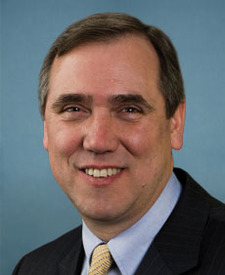 Sen. Jeff MerkleyD-OR
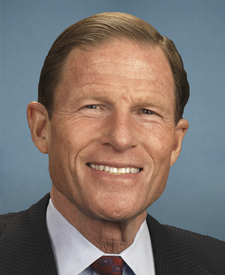 Sen. Richard BlumenthalD-CT
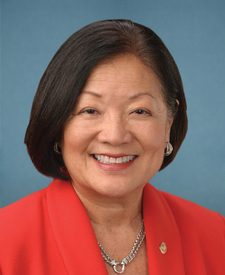 Sen. Mazie HironoD-HI
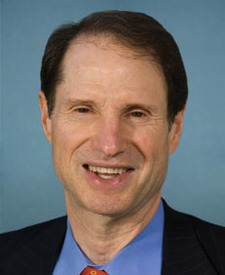 Sen. Ron WydenD-OR
 Sen. Tom UdallD-NM
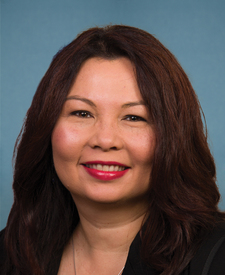 Sen. Tammy DuckworthD-IL
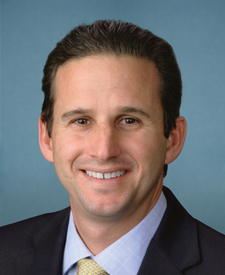 Sen. Brian SchatzD-HI
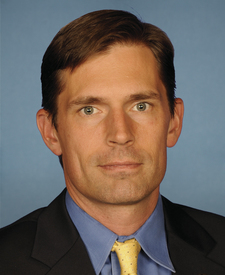 Sen. Martin HeinrichD-NM
 Sen. Sherrod BrownD-OH
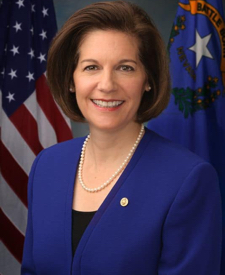 Sen. Catherine Cortez MastoD-NV
 Sen. Chuck SchumerD-NY
 Sen. Bob MenendezD-NJ
 Sen. Debbie StabenowD-MI
 Sen. Patty MurrayD-WA
 Sen. Sheldon WhitehouseD-RI
 Sen. Maria CantwellD-WA
 Sen. Chris Van HollenD-MD
 Sen. Tammy BaldwinD-WI
 Sen. Tina SmithD-MN
 Sen. Dianne FeinsteinD-CA
 Sen. Richard DurbinD-IL
 Sen. Bob CaseyD-PA
 Sen. Jack ReedD-RI
 Sen. Patrick LeahyD-VT
 Sen. Benjamin CardinD-MD
 Sen. Christopher MurphyD-CT
 Sen. Amy KlobucharD-MN
 Sen. Gary PetersD-MI
 Sen. Maggie HassanD-NH
 Sen. Tim KaineD-VA
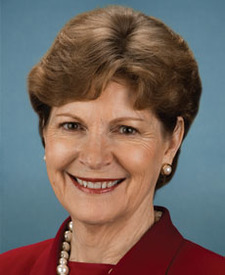 Sen. Jeanne ShaheenD-NH
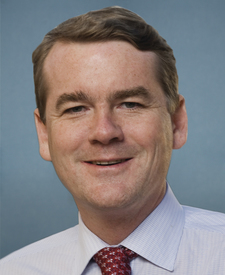 Sen. Michael BennetD-CO
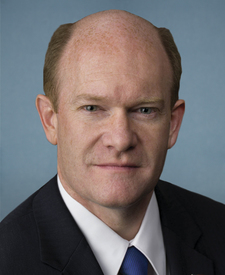 Sen. Christopher CoonsD-DE
 Sen. Bill NelsonD-FL
 Sen. Jon TesterD-MT
 Sen. Thomas CarperD-DE
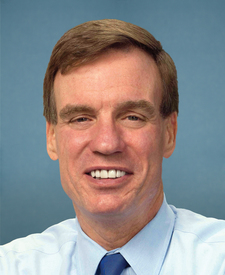 Sen. Mark WarnerD-VA
 Sen. Claire McCaskillD-MO
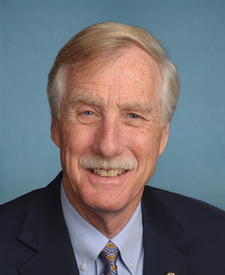 Sen. Angus KingD-ME
 Sen. Joe DonnellyD-IN
 Sen. Doug JonesD-AL
 Sen. Heidi HeitkampD-ND
 Sen. Joe ManchinD-WV
Republicans who voted yea(49)
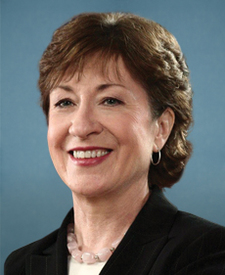 Sen. Susan CollinsR-ME
 Sen. Lisa MurkowskiR-AK
 Sen. Rob PortmanR-OH
 Sen. Lamar AlexanderR-TN
 Sen. Pat RobertsR-KS
 Sen. Orrin HatchR-UT
 Sen. Johnny IsaksonR-GA
 Sen. Lindsey GrahamR-SC
 Sen. Shelley CapitoR-WV
 Sen. Roy BluntR-MO
 Sen. Todd YoungR-IN
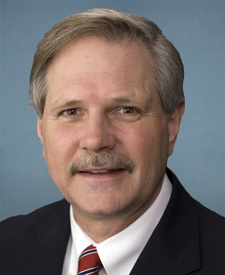 Sen. John HoevenR-ND
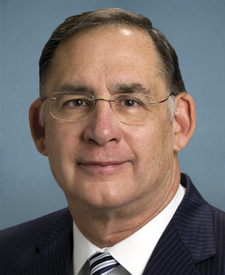 Sen. John BoozmanR-AR
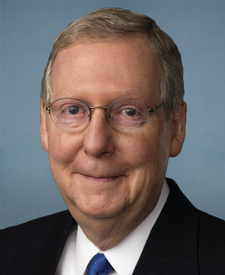 Sen. Mitch McConnellR-KY
 Sen. Richard ShelbyR-AL
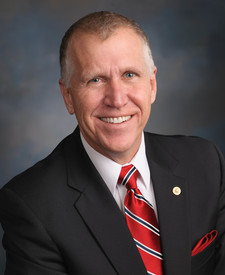 Sen. Thom TillisR-NC
 Sen. Cindy Hyde-SmithR-MS
 Sen. Mike RoundsR-SD
 Sen. Roger WickerR-MS
 Sen. John CornynR-TX
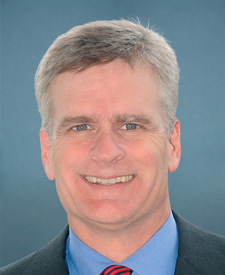 Sen. Bill CassidyR-LA
 Sen. Cory GardnerR-CO
 Sen. Richard BurrR-NC
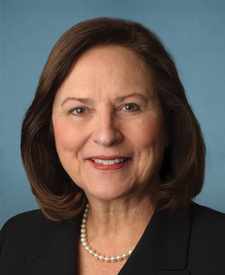 Sen. Deb FischerR-NE
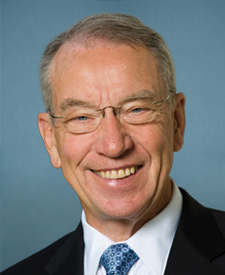 Sen. Chuck GrassleyR-IA
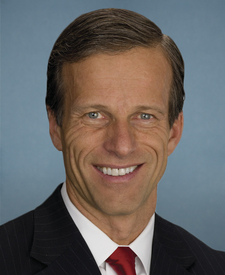 Sen. John ThuneR-SD
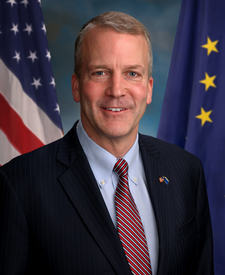 Sen. Dan SullivanR-AK
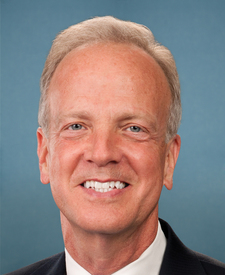 Sen. Jerry MoranR-KS
 Sen. Dean HellerR-NV
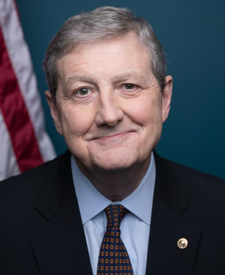 Sen. John KennedyR-LA
 Sen. Bob CorkerR-TN
 Sen. David PerdueR-GA
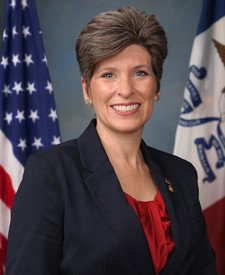 Sen. Joni ErnstR-IA
 Sen. Tim ScottR-SC
 Sen. Marco RubioR-FL
 Sen. Jim InhofeR-OK
 Sen. Tom CottonR-AR
 Sen. Mike CrapoR-ID
 Sen. Jon KylR-AZ
 Sen. Michael EnziR-WY
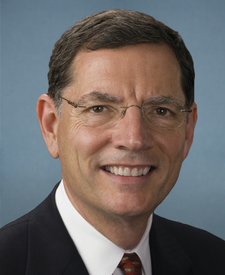 Sen. John BarrassoR-WY
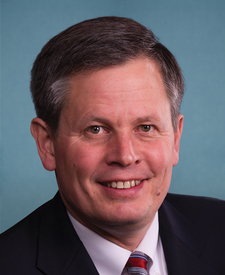 Sen. Steve DainesR-MT
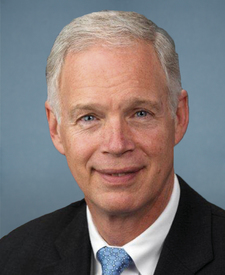 Sen. Ron JohnsonR-WI
 Sen. James LankfordR-OK
 Sen. James RischR-ID
 Sen. Pat ToomeyR-PA
 Sen. Ben SasseR-NE
 Sen. Jeff FlakeR-AZ
 Sen. Rand PaulR-KY
Data notes
The Senate’s recorded vote on the final version of the law (roll call 546 in Voteview), matched to the vote the record cites and checked against its totals. Positions are each member’s DW-NOMINATE score for that Congress, as on the Ideology page; left to right is more liberal to more conservative. Paired and announced yea votes count as yea. Lists follow the compass, most liberal first. A name links to a profile only for members of the current Congress. A law passed by voice vote or unanimous consent has no member list, and neither does a vote Voteview has not yet recorded.
Committees
The committees the bill was sent to, and what each did with it.

- Judiciary Committee · House · referred toSubcommittee: Crime and Federal Government Surveillance Subcommittee
Data notes
A committee links to its page only where it exists in the current Congress; older and renamed committees are named without a link.
Related bills
122 bills the Library of Congress relates to this one.
H.R. 449Related bill
Synthetic Drug Awareness Act of 2018
H.R. 1925Related bill
At-Risk Youth Medicaid Protection Act of 2018
H.R. 2147 · became Public Law 115-240Related bill
Veterans Treatment Court Improvement Act of 2018
H.R. 2851Related bill
SITSA Act
H.R. 3192Related bill
CHIP Mental Health Parity Act
H.R. 3331Related bill
To amend title XI of the Social Security Act to promote testing of incentive payments for behavioral health providers for adoption and use of certified electronic health record technology.
H.R. 3528Related bill
Every Prescription Conveyed Securely Act
H.R. 4005Related bill
Medicaid Reentry Act
H.R. 4275Related bill
Empowering Pharmacists in the Fight Against Opioid Abuse Act
H.R. 4284Related bill
INFO Act
H.R. 4635Related bill
To direct the Secretary of Veterans Affairs to increase the number of peer-to-peer counselors providing counseling for women veterans, and for other purposes.
H.R. 4684Related bill
Ensuring Access to Quality Sober Living Act of 2018
H.R. 4841Related bill
Standardizing Electronic Prior Authorization for Safe Prescribing Act of 2018
H.R. 4998Related bill
Health Insurance for Former Foster Youth Act
H.R. 5002Related bill
Advancing Cutting Edge Research Act
H.R. 5009Related bill
Jessie's Law
H.R. 5021Related bill
Stop Online Opioid Sales Act of 2018
H.R. 5041Related bill
Safe Disposal of Unused Medication Act
H.R. 5102Related bill
Substance Use Disorder Workforce Loan Repayment Act of 2018
H.R. 5151Related bill
To amend the Public Health Service Act to reauthorize a grant program improving treatment for pregnant and postpartum women.
H.R. 5176Related bill
Preventing Overdoses While in Emergency Rooms Act of 2018
H.R. 5197Related bill
ALTO Act
H.R. 5228Related bill
SCREEN Act
H.R. 5261Related bill
Treatment, Education, and Community Help to Combat Addiction Act of 2018
H.R. 5272Related bill
To provide additional guidance to grantees seeking funding to treat or prevent mental health or substance use disorders.
H.R. 5294Related bill
Treating Barriers to Prosperity Act of 2018
H.R. 5327Related bill
Comprehensive Opioid Recovery Centers Act of 2018
H.R. 5329Related bill
Poison Center Network Enhancement Act of 2018
H.R. 5353Related bill
Eliminating Opioid Related Infectious Diseases Act of 2018
H.R. 5477Related bill
Rural DOCS Act
H.R. 5483Related bill
Special Registration for Telemedicine Clarification Act of 2018
H.R. 5580Related bill
STOP Fentanyl Deaths Act of 2018
H.R. 5582Related bill
Abuse Deterrent Access Act of 2018
H.R. 5583Related bill
To amend title XI of the Social Security Act to require States to annually report on certain adult health quality measures, and for other purposes.
H.R. 5587Related bill
Peer Support Communities of Recovery Act
H.R. 5590Related bill
Opioid Addiction Action Plan Act
H.R. 5603Related bill
Access to Telehealth Services for Substance Use Disorders Act
H.R. 5605Related bill
Advancing High Quality Treatment for Opioid Use Disorders in Medicare Act
H.R. 5646Related bill
POPPY Study Act
H.R. 5675Related bill
To amend title XVIII of the Social Security Act to require prescription drug plan sponsors under the Medicare program to establish drug management programs for at-risk beneficiaries.
H.R. 5676Related bill
Stop Excessive Narcotics in our Retirement Communities Protection Act of 2018
H.R. 5679Related bill
Jobs Plus Recovery Act of 2018
H.R. 5684Related bill
Protecting Seniors From Opioid Abuse Act
H.R. 5685Related bill
Medicare Opioid Safety Education Act of 2018
H.R. 5686Related bill
Medicare Clear Health Options in Care for Enrollees Act of 2018
H.R. 5687Related bill
SOUND Disposal and Packaging Act
H.R. 5695Related bill
Emmett's Law
H.R. 5714Related bill
EDU Act of 2018
H.R. 5715Related bill
Strengthening Partnerships to Prevent Opioid Abuse Act
H.R. 5716Related bill
COMPASS Act
H.R. 5722Related bill
Dr. Todd Graham Pain Management Improvement Act of 2018
H.R. 5723Related bill
Expanding Oversight of Opioid Prescribing and Payment Act of 2018
H.R. 5725Related bill
BEST Act
H.R. 5735Related bill
THRIVE Act
H.R. 5752Related bill
Stop Illicit Drug Importation Act of 2018
H.R. 5769Related bill
Expanding Access to Treatment Act
H.R. 5773Related bill
Preventing Addiction for Susceptible Seniors Act of 2018
H.R. 5774Related bill
COACH Act of 2018
H.R. 5775Related bill
PROPER Act of 2018
H.R. 5776Related bill
MOST Act
H.R. 5778Related bill
Promoting Outpatient Access to Non-Opioid Treatments Act
H.R. 5788Related bill
STOP Act of 2018
H.R. 5789Related bill
To amend title XIX of the Social Security Act to provide for Medicaid coverage protections for pregnant and post-partum women while receiving inpatient treatment for a substance use disorder, and for other purposes.
H.R. 5790Related bill
To amend title XI of the Social Security Act to provide for clinical psychologist services models to be tested by the Center for Medicare and Medicaid Innovation, and for other purposes.
H.R. 5796Related bill
REACH OUT Act of 2018
H.R. 5797Related bill
Individuals in Medicaid Deserve Care that is Appropriate and Responsible in its Execution Act
H.R. 5798Related bill
Opioid Screening and Chronic Pain Management Alternatives for Seniors Act
H.R. 5799Related bill
Medicaid Drug Review, Utilization, Good Governance Improvement Act
H.R. 5800Related bill
Medicaid IMD ADDITIONAL INFO Act
H.R. 5801Related bill
Medicaid PARTNERSHIP Act
H.R. 5802Related bill
Ensuring Complete Coverage of Medication-Assisted Treatment Act
H.R. 5804Related bill
Post-Surgical Injections as an Opioid Alternative Act
H.R. 5806Related bill
21st Century Tools for Pain and Addiction Treatment Act
H.R. 5808Related bill
Medicaid Pharmaceutical Home Act of 2018
H.R. 5809Related bill
Postoperative Opioid Prevention Act of 2018
H.R. 5810Related bill
Medicaid Health Homes for Opioid-Use-Disorder Medicaid Enrollees Encouraged Act
H.R. 5811Related bill
Long-Term Opioid Efficacy Act of 2018
H.R. 5812Related bill
Creating Opportunities that Necessitate New and Enhanced Connections That Improve Opioid Navigation Strategies Act of 2018
H.R. 5889Related bill
Recognizing Early Childhood Trauma Related to Substance Abuse Act of 2018
H.R. 5890Related bill
Assisting States' Implementation of Plans of Safe Care Act
H.R. 5891Related bill
Improving the Federal Response to Families Impacted by Substance Use Disorder Act
H.R. 5892Related bill
To establish an Advisory Committee on Opioids and the Workplace to advise the Secretary of Labor on actions the Department of Labor can take to address the impact of opioid abuse on the workplace.
H.R. 5926Related bill
Naloxone Guidelines Act of 2018
H.R. 6004Related bill
CRIB Act
H.R. 6029Related bill
REGROUP Act of 2018
H.R. 6047Related bill
SALTS Act
H.R. 6110Related bill
Dr. Todd Graham Pain Management, Treatment, and Recovery Act of 2018
H.R. 6133Related bill
Informing Opioid Prescribing Through Evidence-Based Guidelines Act of 2018
H.R. 6778Related bill
Medicaid Substance Use Disorder Treatment via Telehealth Act
H.R. 6779Related bill
Using Data to Prevent Opioid Diversion Act of 2018
H.R. 6878Related bill
Eliminating Kickbacks in Recovery Act of 2018
H.R. 6902Related bill
Eliminating Kickbacks in Recovery Act of 2018
H.Res. 949Procedurally-relatedRelated bill
Providing for consideration of the bill (H.R. 6) to provide for opioid use disorder prevention, recovery, and treatment, and for other purposes; providing for consideration of the bill (H.R. 5797) to amend title XIX of …
H.Res. 1099Related bill
Substance Use-Disorder Prevention that Promotes Opioid Recovery and Treatment for Patients and Communities Act
S. 1091 · became Public Law 115-196Related bill
Supporting Grandparents Raising Grandchildren Act
S. 1327Related bill
SITSA Act
S. 1732Related bill
Improving Access to Behavioral Health Information Technology Act
S. 2524Related bill
Substance Use Disorder Workforce Loan Repayment Act of 2018
S. 2568Related bill
EACH Act
S. 2711Related bill
Enhancing Access to Addiction Treatment Act of 2018
S. 2837Related bill
Preventing Drug Diversion Act of 2018
S. 2842Related bill
Opioid Addiction Recovery Fraud Prevention Act of 2018
S. 2875Related bill
COMBAT Act of 2018
S. 2899Related bill
CRIB Act
S. 2905Related bill
Strengthening Partnerships to Prevent Opioid Abuse Act of 2018
S. 2908Related bill
A bill to amend title XVIII of the Social Security Act to provide for electronic prior authorization under Medicare part D for covered part D drugs, and for other purposes.
S. 2909Related bill
Assessing Barriers to Opioid Use Disorder Treatment Act
S. 2911Related bill
Enhancing Patient Access to Non-Opioid Treatment Options
S. 2921Related bill
Securing Flexibility to Treat Substance Use Disorders Act
S. 2923Related bill
Building Capacity for Family-Focused Residential Treatment Act
S. 2926Related bill
Improving Recovery and Reunifying Families Act
S. 3008Related bill
Dr. Todd Graham Pain Management Improvement Act of 2018
S. 3053Related bill
CHIP Mental Health and Addiction Parity Act
S. 3057Related bill
STOP Act of 2018
S. 3120Related bill
HEAL Act of 2018
S. 3327Related bill
SENIOR Communities Protection Act
S. 3356Related bill
Synthetic Drug Awareness Act of 2018
S. 3383Related bill
Rural DOCS Act
S. 3384Related bill
Medicaid Health HOME Act
S. 3489Related bill
EDU Act of 2018
S. 3500Related bill
STOP Fentanyl Deaths Act of 2018
S. 3509 · became Public Law 115-268Related bill
Congressional Award Program Reauthorization Act of 2018
Data notes
Related bills are identified by the Congressional Research Service, the House and the Senate: companion and identical bills, bills with similar text, bills that were folded into this law, and rules that brought it to the floor. A bill that is itself a public law in this site’s data links here; the others link to Congress.gov.
Timeline
From introduction to signing, newest first: the committees, the floor and the president. 43 actions.
- Oct 24, 2018Became lawBecame law · Became Public Law No: 115-271.
- Became lawBecame law · Signed by President.
- Oct 16, 2018FloorFloor · Presented to President.
- Oct 4, 2018FloorFloor · Message on Senate action sent to the House.
- Oct 3, 2018Resolving differencesResolving differences · Senate agreed to the House amendment to the Senate amendment to H.R. 6. by Yea-Nay Vote. 98 - 1. Record Vote Number: 221.Senate roll call 221
- FloorFloor · Motion by Senator Thune to concur in the House amendment to the Senate amendment to H.R. 6 made in Senate.
- FloorFloor · Measure laid before Senate by unanimous consent.
- OtherOther · Resolving differences -- Senate actions: Senate agreed to the House amendment to the Senate amendment to H.R. 6. by Yea-Nay Vote. 98 - 1. Record Vote Number: 221.Senate roll call 221
- Oct 1, 2018FloorFloor · Message on House action received in Senate and at desk: House amendment to Senate amendment.
- Sep 28, 2018FloorFloor · House agreed to Senate amendment with an amendment pursuant to H. Res. 1099.
- OtherOther · Resolving differences -- House actions: House agreed to Senate amendment with an amendment pursuant to H. Res. 1099.
- Sep 18, 2018FloorFloor · Message on Senate action sent to the House.
- Sep 17, 2018FloorFloor · Passed Senate with an amendment by Yea-Nay Vote. 99 - 1. Record Vote Number: 210.Senate roll call 210
- FloorFloor · Measure laid before Senate by unanimous consent.
- Jun 26, 2018CalendarCalendar · Read the second time. Placed on Senate Legislative Calendar under General Orders. Calendar No. 485.
- Jun 25, 2018CalendarCalendar · Received in the Senate. Read the first time. Placed on Senate Legislative Calendar under Read the First Time.
- Jun 22, 2018FloorFloor · Motion to reconsider laid on the table Agreed to without objection.
- FloorFloor · On passage Passed by the Yeas and Nays: 396 - 14 (Roll no. 288).House roll call 288
- FloorFloor · On motion to recommit with instructions Failed by the Yeas and Nays: 185 - 226 (Roll no. 287).House roll call 287
- FloorFloor · The previous question on the motion to recommit with instructions was ordered without objection.
- FloorFloor · DEBATE - The House proceeded with 10 minutes of debate on the motion to recommit with instructions. The instructions contained in the motion seek to require the bill to be reported back to the House with an amendment to add 2 sections to the bill titled "Distribution of Addition…
- FloorFloor · Mr. Tonko moved to recommit with instructions to the Committees on Energy and Commerce and Ways and Means.
- FloorFloor · The House adopted the amendments en gross as agreed to by the Committee of the Whole House on the state of the Union.
- FloorFloor · The previous question was ordered pursuant to the rule.
- FloorFloor · The House rose from the Committee of the Whole House on the state of the Union to report H.R. 6.
- FloorFloor · DEBATE - Pursuant to the provisions of H. Res. 949, the Committee of the Whole proceeded with 10 minutes of debate on the Maxine Waters amendment No. 7.
- FloorFloor · DEBATE - Pursuant to the provisions of H. Res. 949, the Committee of the Whole proceeded with 10 minutes of debate on the Keating amendment No. 5.
- FloorFloor · DEBATE - Pursuant to the provisions of H. Res. 949, the Committee of the Whole proceeded with 10 minutes of debate on the Curtis amendment No. 4.
- FloorFloor · DEBATE - Pursuant to the provisions of H. Res. 949, the Committee of the Whole proceeded with 10 minutes of debate on the Barton amendment No. 3.
- FloorFloor · DEBATE - Pursuant to the provisions of H. Res. 949, the Committee of the Whole proceeded with 10 minutes of debate on the Dunn amendment No. 2.
Data notes
Every action the Library of Congress lists for the bill, from introduction to signing, plus the dated committee hearings. The source lists many steps twice (the chamber’s own entry and the Library of Congress copy, or a presidential and a became-law entry with the same words); those are shown once. Amendments are listed in their own section.
Amendments
10 amendments offered to the bill, with the last recorded step of each.
- Agreed to
H.Amdt. 802HouseRep. Maxine WatersD-CA-43· offered Jun 22, 2018Agreed to
An amendment numbered 7 printed in Part B of House Report 115-766 to direct the Secretary of Health and Human Services (HHS) to conduct a survey of organizations that provide substance abuse treatment services. Under the amendment, HHS is …
Jun 22, 2018: On agreeing to the Waters, Maxine amendment (A006) Agreed to by voice vote.
- Agreed to
H.Amdt. 801HouseRep. William KeatingD-MA-9· offered Jun 22, 2018Agreed to
An amendment numbered 5 printed in Part B of House Report 115-766 to direct HHS to issue guidelines for prescribing naloxone in situations involving any type of prescription or illicit opioid use.
Jun 22, 2018: On agreeing to the Keating amendment (A005) Agreed to by voice vote.
- Agreed to
H.Amdt. 800HouseRep. John CurtisR-UT-3· offered Jun 22, 2018Agreed to
An amendment numbered 4 printed in Part B of House Report 115-766 to require a report from HHS on opioid prescribing practices and opioid misuse during pregnancy, and evaluating non-opiate pain management practices during pregnancy.
Jun 22, 2018: On agreeing to the Curtis amendment (A004) Agreed to by voice vote.
- Agreed to
H.Amdt. 799HouseRep. Joe BartonR-TX-6· offered Jun 22, 2018Agreed to
An amendment numbered 3 printed in Part B of House Report 115-766 to direct the Commissioner of Food and Drugs to develop high-quality, evidence-based opioid analgesic prescribing guidelines for the indication-specific treatment of acute p…
Jun 22, 2018: On agreeing to the Barton amendment (A003) Agreed to by voice vote.
- Withdrawn
H.Amdt. 798HouseRep. Neal DunnR-FL-2· offered Jun 22, 2018Withdrawn
An amendment numbered 2 printed in Part B of House Report 115-766 to strike language expanding the classes of health care workers who are authorized to dispense narcotics for narcotic treatment.
Jun 22, 2018: By unanimous consent, the Dunn amendment was withdrawn.
- Agreed to
H.Amdt. 797HouseRep. Greg WaldenR-OR-2· offered Jun 22, 2018Agreed to
An amendment numbered 1 printed in Part B of House Report 115-766 to call for Medicaid, Medicare, and public health reforms to help combat the opioid crisis.
Jun 22, 2018: On agreeing to the Walden amendment (A001) Agreed to by voice vote.
- Offered, no vote recorded
S.Amdt. 4019SenateSen. Jeff MerkleyD-OR· offered Sep 17, 2018No vote recorded
Sep 17, 2018: Senate amendment submitted
- Offered, no vote recorded
S.Amdt. 4018SenateSen. Ed MarkeyD-MA· offered Sep 17, 2018No vote recorded
Sep 17, 2018: Senate amendment submitted
- Offered, no vote recorded
S.Amdt. 4017SenateSen. Ed MarkeyD-MA· offered Sep 17, 2018No vote recorded
Sep 17, 2018: Senate amendment submitted
- Agreed to
S.Amdt. 4013SenateSen. Lamar AlexanderR-TN· offered Sep 6, 2018Agreed to
In the nature of a substitute.
Sep 17, 2018: Amendment SA 4013 agreed to in Senate by Unanimous Consent.
Data notes
Amendments offered to this bill in either chamber, as the Library of Congress records them: each with a status read from its last recorded step: agreed to, rejected, withdrawn, ruled out of order, fell with another amendment, or offered with no vote recorded (most Senate amendments are only ever offered). The wording of each amendment is the source’s. Amendments to amendments and amendments to other bills are not listed.
Official record
The bill’s full text is on Congress.gov. Data through Oct 7, 2026.