Terrorism Risk Insurance Act of 2002
Public Law 107-297 · H.R. 3210 · 107th Congress · began in the House
Signed by George W. Bush (R) on Nov 26, 2002 · Finance and Financial Sector
Major law
Sponsor: Rep. Michael Oxley (R-OH-4)
Cosponsors (35): Rep. Richard Baker, Rep. Marge Roukema,
Passage votesYeaNay
- HouseVoice vote
- SenateRecorded vote: 86 yea, 11 nay86–11
Data notes
The final version of the law, as each chamber passed it. A chamber that passed it by voice vote or unanimous consent has no count. “Method not stated” means the record does not say how the chamber voted. Where the record has a member-by-member vote, the “Who voted for it” section shows who voted yea.
Summary
The Congressional Research Service’s plain-language summary of what the law does.
Terrorism Risk Insurance Act of 2002 - Title I: Terrorism Insurance Program - (Sec. 103) Establishes a three-year Terrorism Insurance Program in the Department of the Treasury, administered by the Secretary of the Treasury, to pay the Federal share of compensation for insured losses resulting from acts of terrorism.
Cites conditions for Federal payments. Mandates insurer participation in the Program.
Sets forth a transition period followed by an initial Program period (January 1, 2003, to December 31, 2005) during which insurers must make available: (1) coverage for insured losses in all property and casualty insurance policies; and (2) property and casualty insurance for insured losses that does not differ materially from coverage limitations applicable to losses from events other than acts of terrorism.
Directs the Secretary to promulgate regulations that apply this title to State residual market insurance entities and State workers' compensation funds.
States that the Federal share of compensation for insured losses of an insurer shall be 90 percent of the portion of such losses exceeding the insurer deductible required to be paid during the Program Year.
Prohibits duplicative compensation for insurance losses under any other Federal program.
Caps at $100 billion the annual aggregate insured losses for which either the Secretary or an insurer that has met its insurer deductible shall be liable. Directs the Secretary to determine the pro rata share of insured losses to be paid by each insurer that incurs insured losses under the Program.
Requires the Secretary to notify Congress if estimated or actual aggregate annual insured losses during the Program exceed $100 billion. States that Congress shall determine payment procedures and the source of payments for excess insured losses.
Grants the Secretary sole discretion to determine the time at which claims for insured losses or acts of terrorism become final. States that such determination is final (unless expressly provided) and not subject to judicial review.
Prescribes formulae and other requirements for the: (1) insurance marketplace aggregate retention amount; (2) mandatory recoupment amount of the Federal share; and (3) policyholder premium surcharge for terrorism loss risk-spreading premiums (including certain adjustments for urban and smaller commercial and rural areas and different lines of insurance).
Authorizes the Secretary to apply this title to other types of captive insurers and self-insurance arrangements by municipalities and other entities (such as workers' compensation self-insurance programs and State workers' compensation reinsurance pools), but only if such application is determined before the occurrence of an act of terrorism in which the entity incurs an insured loss and all provisions of this title are applied comparably to such entities.
Provides that this title neither prevents nor limits insurers from obtaining reinsurance coverage for insurer deductibles or insured losses, nor does obtaining such coverage affect the calculation of deductibles or retentions.
Prohibits the combined amount of Federal financial assistance and reinsurance proceeds from exceeding the aggregate amount of the insurer's insured losses for specified periods.
Directs the Secretary to study: (1) whether adequate and affordable catastrophe reinsurance for acts of terrorism is available to issuers of group life insurance, and the extent to which the threat of terrorism reduces the availability of group life insurance for consumers; and (2) the potential effects of acts of terrorism on the availability of life insurance and other lines of insurance coverage, including personal lines.
(Sec. 104) Cites the powers and authorities granted to the Secretary for Program implementation, including authority to assess a civil monetary penalty against any insurer for violation of this title.
Makes appropriations for Federal payments and administration expenses under the Program.
(Sec. 105) Preempts and nullifies any pre-existing terrorism exclusion clause in a property and casualty insurance contract (including a State-approved contract) to the extent that it excludes losses that would otherwise be insured losses. Allows reinstatement of such exclusion, however, upon an affirmative written authorization from the insured, or upon the insured's failure to pay an increased premium for terrorism coverage despite due notice from the insurer.
(Sec. 106) Preserves the jurisdiction or regulatory authority of the State insurance commissioner (or any State agency or office performing like functions over any insurer), except as specifically provided in this title.
(Sec. 107) Declares that a Federal cause of action is the exclusive cause of action and remedy for claims for property damage, personal injury, or death arising out of, or resulting from an act of terrorism (thus preempting a State cause of action).
(Sec. 108) Sunsets the Program on December 31, 2005.
Directs the Secretary to study and report to Congress on: (1) Program effectiveness and the likely capacity of the property and casualty insurance industry to offer terrorism risk insurance after Program termination; and (2) the availability and affordability of such insurance for various policyholders, including railroads, trucking, and public transit.
Title II: Treatment of Terrorist Assets - (Sec. 201) Subjects to execution or attachment in aid of execution the blocked assets of terrorists (including terrorist organizations and state sponsors of terrorism) in order to satisfy a judgment on a claim based upon an act of terrorism, to the extent that the parties have been adjudged liable for compensatory damages.
Permits a Presidential waiver (with certain exceptions) of such attachment against property subject to the Vienna Convention on Diplomatic Relations, or the Vienna Convention on Consular Relations, after the President determines on an asset-by-asset basis that it is necessary in the national security interest.
Amends the Victims of Trafficking and Violence Protection Act of 2000 to: (1) revise the time frame under which certain claimants who filed suit are considered eligible for payment in connection with certain anti-terrorism judgments against Iran or Cuba; (2) prescribe guidelines for the distribution of account balances and proceeds inadequate to satisfy the full amount of compensatory awards against Iran; and (3) authorize the Secretary to promulgate guidelines for establishing claims of a right to payment.
Title III: Federal Reserve Board Provisions - (Sec. 301) Amends the Federal Reserve Act to state that certain actions that currently require the affirmative vote of five members of the Board of Governors of the Federal Reserve System may nevertheless be taken upon the unanimous vote of all members then in office if fewer than five.
Authorizes the Board to take action upon the unanimous vote of all available members then in office with respect to discounts for individuals, partnerships, and corporations, if at least two members are available, all available members participate in the action and unanimously determine that: (1) unusual and exigent circumstances exist and the borrower is unable to secure adequate credit accommodations from other sources; (2) action on the matter is necessary to prevent, correct, or mitigate serious harm to the economy or the stability of the financial system of the United States; (3) the other Board members have not been able to be contacted and action is required before the number of Board members otherwise required to vote on the matter can be contacted; and (4) any credit extended by a Federal reserve bank pursuant to such action is payable upon demand of the Board.
Mandates Board documentation of such determinations.
Who voted for it
Every senator of the 107th Congress on the ideology compass. Highlighted: the 86 who voted yea on final passage. Faded: everyone else, including those who voted nay, did not vote, or had not yet taken office.
86 yea11 nay3 present or did not vote
Democrats who voted yea(49)
- Sen. Jon CorzineD-NJ
- Sen. Mark DaytonD-MN
 Sen. Barbara BoxerD-CA
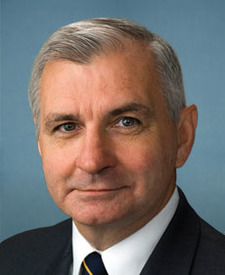 Sen. Jack ReedD-RI
- Sen. Paul SarbanesD-MD
 Sen. Ted KennedyD-MA
 Sen. Carl LevinD-MI
 Sen. Daniel AkakaD-HI
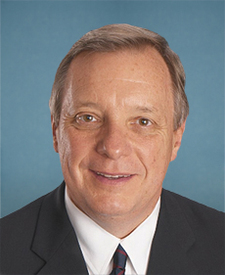 Sen. Richard DurbinD-IL
 Sen. Patrick LeahyD-VT
- Sen. Fritz HollingsD-SC
 Sen. Barbara MikulskiD-MD
 Sen. Christopher DoddD-CT
 Sen. Daniel InouyeD-HI
 Sen. Tom HarkinD-IA
 Sen. Debbie StabenowD-MI
 Sen. Hillary ClintonD-NY
 Sen. John KerryD-MA
 Sen. Harry ReidD-NV
 Sen. Jay RockefellerD-WV
 Sen. Kent ConradD-ND
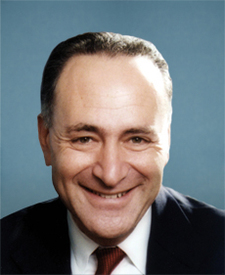 Sen. Chuck SchumerD-NY
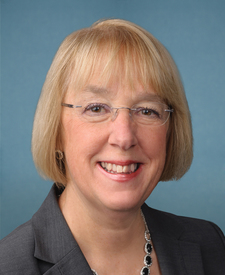 Sen. Patty MurrayD-WA
 Sen. Robert ByrdD-WV
 Sen. Byron DorganD-ND
 Sen. Joseph BidenD-DE
 Sen. Maria CantwellD-WA
- Sen. Tom DaschleD-SD
 Sen. Bill NelsonD-FL
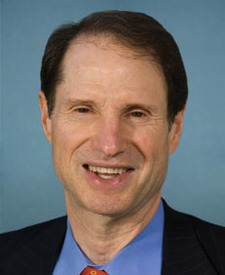 Sen. Ron WydenD-OR
 Sen. Russell FeingoldD-WI
 Sen. Joseph LiebermanD-CT
- Sen. Bob GrahamD-FL
- Sen. John EdwardsD-NC
 Sen. Jeff BingamanD-NM
 Sen. Tim JohnsonD-SD
 Sen. Herb KohlD-WI
- Sen. Jean CarnahanD-MO
 Sen. Dianne FeinsteinD-CA
- Sen. Robert TorricelliD-NJ
 Sen. Evan BayhD-IN
 Sen. Mary LandrieuD-LA
 Sen. Thomas CarperD-DE
- Sen. Maxwell ClelandD-GA
 Sen. Blanche LincolnD-AR
 Sen. Max BaucusD-MT
- Sen. John BreauxD-LA
 Sen. Ben NelsonD-NE
- Sen. Zell MillerD-GA
Republicans who voted yea(36)
- Sen. Jim JeffordsR-VT
- Sen. Lincoln ChafeeR-RI
 Sen. Arlen SpecterR-PA
 Sen. Olympia SnoweR-ME
 Sen. Susan CollinsR-ME
 Sen. Gordon SmithR-OR
 Sen. John McCainR-AZ
- Sen. Peter FitzgeraldR-IL
 Sen. John WarnerR-VA
- Sen. Mike DeWineR-OH
 Sen. Thad CochranR-MS
 Sen. Ted StevensR-AK
 Sen. Pete DomeniciR-NM
- Sen. Ben CampbellR-CO
 Sen. Richard LugarR-IN
- Sen. George AllenR-VA
 Sen. George VoinovichR-OH
 Sen. John EnsignR-NV
 Sen. Chuck HagelR-NE
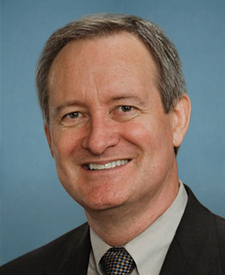 Sen. Mike CrapoR-ID
- Sen. Fred ThompsonR-TN
 Sen. Kit BondR-MO
 Sen. Orrin HatchR-UT
 Sen. Robert BennettR-UT
 Sen. Judd GreggR-NH
- Sen. Conrad BurnsR-MT
 Sen. Pat RobertsR-KS
 Sen. Sam BrownbackR-KS
- Sen. Bill FristR-TN
- Sen. Rick SantorumR-PA
 Sen. Trent LottR-MS
 Sen. Jim InhofeR-OK
 Sen. Jim BunningR-KY
- Sen. Strom ThurmondR-SC
 Sen. Wayne AllardR-CO
- Sen. Bob SmithR-NH
Data notes
The Senate’s recorded vote on the final version of the law (roll call 632 in Voteview), matched to the vote the record cites and checked against its totals. Positions are each member’s DW-NOMINATE score for that Congress, as on the Ideology page; left to right is more liberal to more conservative. Paired and announced yea votes count as yea. Lists follow the compass, most liberal first. 1 yea vote was cast by members of neither major party and is highlighted on the compass but not listed. A name links to a profile only for members of the current Congress. A law passed by voice vote or unanimous consent has no member list, and neither does a vote Voteview has not yet recorded.
Committees
The committees the bill was sent to, and what each did with it.

Data notes
A committee links to its page only where it exists in the current Congress; older and renamed committees are named without a link.
Timeline
From introduction to signing, newest first: the committees, the floor and the president. 50 actions.
- Nov 26, 2002Became lawBecame law · Became Public Law No: 107-297.
- Became lawBecame law · Signed by President.
- Nov 22, 2002PresidentPresident · Presented to President.
- Nov 19, 2002Resolving differencesResolving differences · Senate agreed to conference report by Yea-Nay Vote. 86 - 11. Record Vote Number: 252.Senate roll call 252
- Resolving differencesResolving differences · Conference report agreed to in Senate: Senate agreed to conference report by Yea-Nay Vote. 86 - 11. Record Vote Number: 252.Senate roll call 252
- Resolving differencesResolving differences · Conference report considered in Senate by Unanimous Consent.
- FloorFloor · Cloture on the conference report to accompany H.R. 3210 invoked in Senate by Yea-Nay Vote. 85 - 12. Record Vote Number: 251.Senate roll call 251
- FloorFloor · Cloture motion on the conference report to accompany H.R. 3210 presented in Senate.
- Nov 14, 2002Resolving differencesResolving differences · On agreeing to the conference report Agreed to by voice vote.
- Resolving differencesResolving differences · Motions to reconsider laid on the table Agreed to without objection.
- Resolving differencesResolving differences · Conference report agreed to in House: On agreeing to the conference report Agreed to by voice vote.
- Resolving differencesResolving differences · The previous question was ordered without objection.
- Resolving differencesResolving differences · Mr. Oxley brought up conference report H. Rept. 107-779 for consideration under the provisions of H. Res. 607.
- Resolving differencesResolving differences · Conference papers: Senate report and manager's statement and message on House action held at the desk in Senate.
- FloorFloor · DEBATE - The House proceeded with one hour of debate on the conference report.
- FloorFloor · Rule H. Res. 607 passed House.
- Nov 13, 2002Resolving differencesResolving differences · Conference report H. Rept. 107-779 filed.
- Resolving differencesResolving differences · Conference report filed: Conference report H. Rept. 107-779 filed.
- FloorFloor · Rules Committee Resolution H. Res. 607 Reported to House. Rule provides for consideration of the conference report to H.R. 3210.
- Sep 10, 2002Resolving differencesResolving differences · Motion to reconsider laid on the table Agreed to without objection.
- Resolving differencesResolving differences · On motion that the House instruct conferees Agreed to by the Yeas and Nays: 373 - 0 (Roll no. 379).House roll call 379
- Resolving differencesResolving differences · Mr. Fossella asked unanimous consent that the House instruct conferees.
- FloorFloor · POSTPONED VOTE - The Chair put the question on the motion to instruct conferees and announced that the ayes had prevailed. Mr. Fossella objected to the voice vote based on the absence of a quorum and the Chair postponed further proceedings until later in the day.
- FloorFloor · DEBATE - The House proceeded with one hour of debate on the motion to instruct conferees on H.R. 3210. The instructions contained in the motion seek to require the managers on the part of the House to agree to the provisions contained in section 11 of the Senate amendment, relat…
- Sep 9, 2002FloorFloor · NOTICE OF INTENT TO OFFER MOTION - Mr. Fossella notified the House of his intent to offer a motion to instruct conferees on H.R. 3210. The instructions contained in the motion seek to require the managers on the part of the House to agree to the provisions contained in section 1…
- Jul 27, 2002Resolving differencesResolving differences · Motion to reconsider laid on the table Agreed to without objection.
- Resolving differencesResolving differences · The Speaker appointed conferees - from the Committee on the Judiciary for consideration of sec. 15 of the House bill and secs. 10 and 11 of the Senate amendment thereto, and modifications committed to conference: Sensenbrenner, Goodlatte, and Conyers.
- Resolving differencesResolving differences · The Speaker appointed conferees - from the Committee on Financial Services for consideration of the House bill and the Senate amendment thereto, and modifications committed to conference: Oxley, Baker, Ney, Kelly, Shays, Fossella, Ferguson, LaFalce, Kanjorski, Bentsen, Maloney (…
- Resolving differencesResolving differences · On motion that the House disagree to the Senate amendment, and agree to a conference Agreed to without objection.
- Resolving differencesResolving differences · Mr. Oxley asked unanimous consent that the House disagree to the Senate amendment, and agree to a conference.
Data notes
Shows the introduction, each committee and subcommittee step the source dates (referral, hearings, markup, report, discharge), and the floor, conference, presidential and became-law steps. Calendar placements, messages between the chambers, amendments and committee report numbers are not shown for laws before the 108th Congress. Two entries the source lists twice are shown once.
Official record
The bill’s full text and every action, including introduction and committee steps, are on Congress.gov. Data through Oct 7, 2026.