Sherbert v. Verner et al., Members of South Carolina Employment Security Commission, et al.
The Court held that the Free Exercise Clause required the government to show a compelling interest and narrow tailoring before denying unemployment compensation to a woman fired because her job conflicted with her religion.· AI-written
374 U.S. 398 · No. 526 · 1962 term · Warren Court
Decided Jun 17, 1963 · argued Apr 24, 1963
First Amendment · Free exercise of religion
Landmark · Freedom of religionStruck down a state law
Majority opinion: William Brennan
The voteMajorityDissent
7–27 in the majority, 2 in dissent
2 dissents (7–2)
Reversed and remanded. Sherbert won.
What this ruling means
Reversed and remanded: the Supreme Court overturned the decision of the South Carolina Supreme Court and sent the case back to that court for further proceedings that follow the Supreme Court’s ruling.
Sherbert was the petitioner, the side that asked the Supreme Court to review the case. “Won” means the Court gave that side the result it asked for.
From the Supreme Court Database. A justice who agreed with the result but not the reasoning counts in the majority.
Summary
The opening of the case’s Wikipedia article: what the case was about and what the Court held.
Sherbert v. Verner, 374 U.S. 398 (1963), was a case in which the Supreme Court of the United States held that the Free Exercise Clause of the First Amendment required the government to demonstrate both a compelling interest and that the law in question was narrowly tailored before it denied unemployment compensation to someone who was fired because her job requirements substantially conflicted with her religion.
The case established the Sherbert Test, requiring demonstration of such a compelling interest and narrow tailoring in all Free Exercise cases in which a religious person was substantially burdened by a law. The conditions are the key components of what is usually called strict scrutiny. This means that if someone's religious beliefs faced a serious burden due to a law and the government had no reasonable alternatives for that law, the government would have the burden to prove that the law was justified. The Sherbert test has received praise by legal scholars at the time and thereafter.
In 1990, the Supreme Court decided that the Sherbert Test, as a judicial constitutional analysis tool, was too broad when applied to all laws. With respect to religiously neutral, generally applicable laws that incidentally burden religious exercise, the Sherbert Test was eliminated in Employment Division v. Smith. For laws that discriminate along religious/secular lines or neutral laws that are enforced in a discriminatory way, the components of the Sherbert Test are still appropriate constitutional tools for courts to use.
In response to the 1990 Smith decision, Congress created an enhanced version of the Sherbert Test as a statutory, rather than constitutional, right in the federal Religious Freedom Restoration Act (RFRA) of 1993. Its provisions were designed to apply broadly to all laws and regulations, both federal and state. Although Congress replaced the "narrowly tailored" constitutional requirement with a "least restrictive means" statutory requirement, the enhanced test is still referred to as the Sherbert Test.
However, the Supreme Court held in City of Boerne v. Flores that the law was unconstitutional because its enhanced Sherbert Test, as a purported change in constitutional rights, could not be enforced against the states. It impermissibly interfered with the judiciary's sole power to interpret the Constitution. However, the ruling did not necessarily limit its effect on interpretation of federal statutes.
Data notes
The text is Wikipedia’s (CC BY-SA 4.0), matched to the case by its citation, docket number or name and year, and is not checked against the opinion. The site keeps the article’s opening section, ending on its last full sentence. The one-sentence summary under the title is the Decisions list’s: Wikipedia’s own ruling sentence, or, tagged “AI-written”, one Claude wrote from this opening.
How the justices voted
Each justice who took part, placed by their Martin–Quinn ideology score for the 1962 term. Filled: the 7 in the majority. Hollow: the 2 in dissent. Colour is the party of the president who appointed them.
Majority(7)
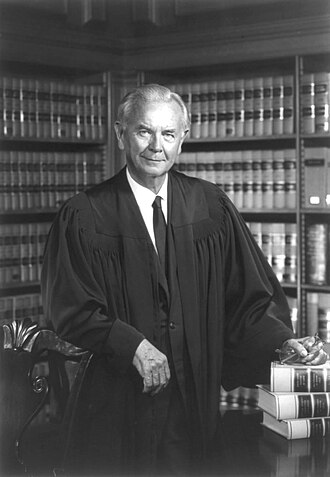 William BrennanWrote the majority opinion
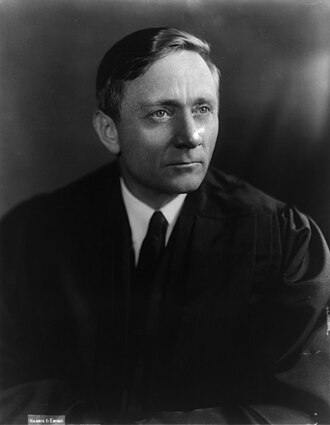 William DouglasWrote a concurrence
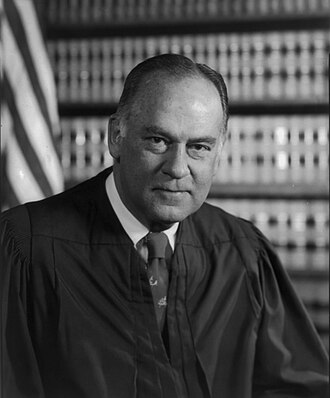 Potter StewartWrote a concurrence
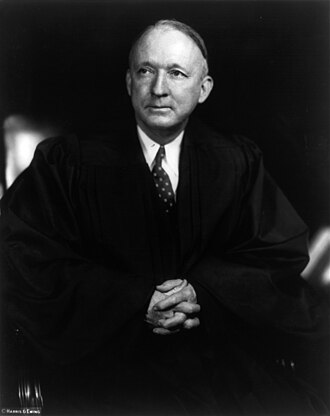 Hugo BlackJoined the majority
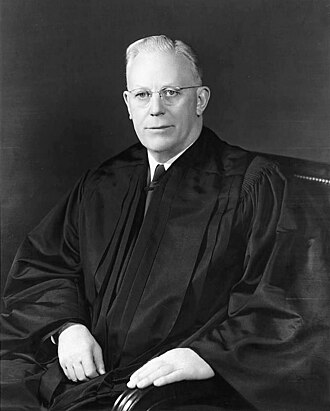 Earl WarrenJoined the majority
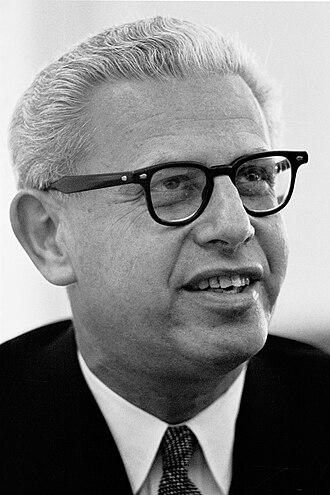 Arthur GoldbergJoined the majority
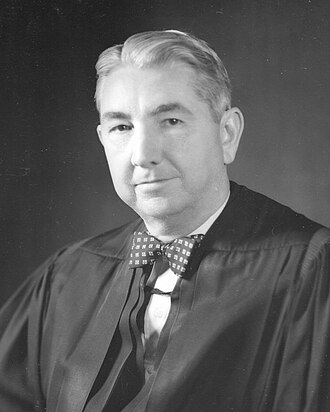 Tom ClarkJoined the majority
Dissent(2)
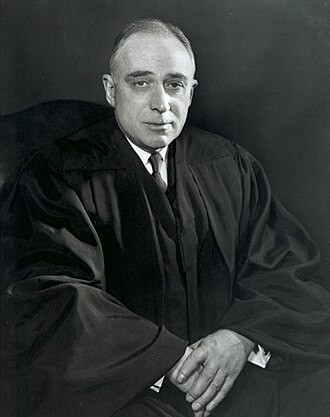 John HarlanWrote a dissent
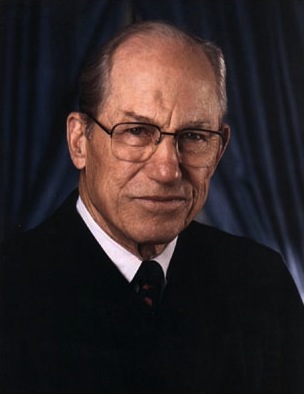 Byron WhiteJoined a dissent
Data notes
Each justice’s vote and what they wrote are from the justice-centered file of the Supreme Court Database. “Wrote a concurrence” means the justice sided with the majority and wrote separately; a justice who dissented in part is counted on the side they took overall. A justice who wrote nothing is listed as joining their side.
Positions are each justice’s Martin–Quinn score for the case’s term, the same scores as the Ideology page: negative is more liberal, positive more conservative. A score sums up a justice’s votes across the whole term, so it says where they usually sit, not why they voted as they did here. The median line is the Court’s median justice that term.
The parties
Who brought the case to the Court, who answered it, and how it got there.
- Petitioner
- SherbertUnemployed person or unemployment compensation applicant or claimant
- Respondent
- Verner et al., Members of South Carolina Employment Security Commission, et al.State commission, board, committee, or authority (South Carolina)
- Reached the Court by
- Appeal (the Court was required to hear it)
Data notes
The names are the two sides of the case’s title. The description under each is the Supreme Court Database’s category for that party, in its own wording. The petitioner is the side that asked the Supreme Court to review the decision below. “Why it was taken” appears only when the majority opinion says lower courts disagreed or were unsure about the question; reasons that would fit any case (“to resolve the question presented”, “an important question”) are left out.
The law at issue
The law the Court was asked to apply, and the kind of power it used to decide.
- Provision
- First Amendment (free exercise of religion)
- Kind of law
- Constitutional Amendment
- Decided by
- Judicial review (state level)
- Struck down
- A state law, as unconstitutional
Data notes
The Supreme Court Database codes the main constitutional provision, statute or court rule each case turned on, and the basis of the decision: judicial review of a federal or state law, interpreting a statute, supervising the lower courts, and so on. A case can rest on more than one. “Overruled” counts only where the majority opinion says so.
Timeline
What happened at the Court and how the case got there, newest first.
- Jun 17, 1963DecidedDecided · Decided 7–2: reversed and remanded. Sherbert won.
- Apr 24, 1963ArguedArgued · Oral argument before the Court.
- Not datedTaken upTaken up · Reached the Supreme Court on appeal, which the Court had to hear.
- Not datedCourt belowCourt below · Decided by the South Carolina Supreme Court: affirmed.
- Not datedBeganBegan · The case began in the South Carolina trial court.
Data notes
From the Supreme Court Database: the court the case began in, the court whose decision the Supreme Court reviewed and what that court did, how the case came to the Court, and the dates of argument and decision. The database does not date the steps in the lower courts. Court names are the database’s.
Other decisions on the same issue
42 other argued cases since 1946 on free exercise of religion, newest first.
- Mahmoud v. TaylorLandmark145 S. Ct. 2332Jun 27, 2025 · 145 S. Ct. 2332First AmendmentLandmark6–36–3 band
- Ramirez v. Collier142 S. Ct. 1264Mar 24, 2022 · 142 S. Ct. 1264First Amendment8–18–1 band
- Tanzin v. Tanvir141 S. Ct. 486Dec 10, 2020 · 141 S. Ct. 486First Amendment8–0Unanimous band
- Our Lady of Guadalupe School v. Morrissey-Berru140 S. Ct. 2049Jul 8, 2020 · 140 S. Ct. 2049First Amendment7–27–2 band
- Zubik v. Burwell578 U.S. 403May 16, 2016 · 578 U.S. 403First Amendment8–0Unanimous band
- Holt v. Hobbs574 U.S. 352Jan 20, 2015 · 574 U.S. 352First Amendment9–0Unanimous band
- Burwell v. Hobby Lobby StoresLandmark · Freedom of religion573 U.S. 682Jun 30, 2014 · 573 U.S. 682First AmendmentLandmark · Freedom of religion5–45–4 band
- Hosanna-Tabor Evangelical Lutheran Church and School v. Equal Employment Opportunity Commission, et al.Landmark · Freedom of religion565 U.S. 171Jan 11, 2012 · 565 U.S. 171First AmendmentLandmark · Freedom of religion9–0Unanimous band
- Christian Legal Society Chapter of the University of California, Hastings College of the Law, aka Hastings Christian Fellowship v. Leo P. Martinez et al.561 U.S. 661Jun 28, 2010 · 561 U.S. 661First Amendment5–45–4 band
- Alberto R. Gonzales, Attorney General, et al. v. O Centro Espirita Beneficente Uniao Do Vegetal et al.546 U.S. 418Feb 21, 2006 · 546 U.S. 418First Amendment8–0Unanimous band
- Watchtower Bible and Tract Society of New York, Inc., et al. v. Village of Stratton et al.536 U.S. 150Jun 17, 2002 · 536 U.S. 150First Amendment8–18–1 band
- City of Boerne v. P. F. Flores, Archbishop of San Antonio, and United StatesLandmark · Power of Congress to enforce civil rights521 U.S. 507Jun 25, 1997 · 521 U.S. 507First AmendmentLandmark · Power of Congress to enforce civil rights6–36–3 band
- Church of the Lukumi Babalu Aye, Inc. and Ernesto Pichardo v. City of HialeahLandmark · Freedom of religion508 U.S. 520Jun 11, 1993 · 508 U.S. 520First AmendmentLandmark · Freedom of religion9–0Unanimous band
- Lamb's Chapel and John Steigerwald v. Center Moriches Union Free School District et al.508 U.S. 384Jun 7, 1993 · 508 U.S. 384First Amendment9–0Unanimous band
- Employment Division, Department of Human Resources of Oregon, et al. v. Smith et al.Landmark · Freedom of religion494 U.S. 872Apr 17, 1990 · 494 U.S. 872First AmendmentLandmark · Freedom of religion6–36–3 band
- Jimmy Swaggart Ministries v. Board of Equalization of California493 U.S. 378Jan 17, 1990 · 493 U.S. 378First Amendment9–0Unanimous band
- Frazee v. Illinois Department of Employment Security et al.489 U.S. 829Mar 29, 1989 · 489 U.S. 829First Amendment9–0Unanimous band
- Employment Division, Department of Human Resources of the State of Oregon, et al. v. Smith485 U.S. 660Apr 27, 1988 · 485 U.S. 660First Amendment5–36–3 band
- Richard E. Lyng, Secretary of Agriculture, et al. v. Northwest Indian Cemetery Protective Association et al.Landmark · Native American law485 U.S. 439Apr 19, 1988 · 485 U.S. 439First AmendmentLandmark · Native American law5–36–3 band
- O'Lone, Administrator, Leesburg Prison Complex, et al. v. Estate of Shabazz et al.482 U.S. 342Jun 9, 1987 · 482 U.S. 342First Amendment5–45–4 band
- Hobbie v. Unemployment Appeals Commission of Florida et al.480 U.S. 136Feb 25, 1987 · 480 U.S. 136First Amendment8–18–1 band
- Bowen, Secretary of Health and Human Services, et al. v. Roy et al.476 U.S. 693Jun 11, 1986 · 476 U.S. 693First Amendment8–18–1 band
- Goldman v. Weinberger, Secretary of Defense, et al.475 U.S. 503Mar 25, 1986 · 475 U.S. 503First Amendment5–45–4 band
- Jensen, Director, Department of Motor Vehicles of Nebraska, et al. v. Quaring472 U.S. 478Jun 17, 1985 · 472 U.S. 478First Amendment4–45–4 band
- United States v. Lee455 U.S. 252Feb 23, 1982 · 455 U.S. 252First Amendment9–0Unanimous band
- Heffron, Secretary and Manager of the Minnesota State Agricultural Society Board of Managers, et al. v. International Society for Krishna Consciousness, Inc., et al.452 U.S. 640Jun 22, 1981 · 452 U.S. 640First Amendment5–45–4 band
- Thomas v. Review Board of the Indiana Employment Security Division et al.450 U.S. 707Apr 6, 1981 · 450 U.S. 707First Amendment8–18–1 band
- Jones et al. v. Wolf et al.443 U.S. 595Jul 2, 1979 · 443 U.S. 595First Amendment5–45–4 band
- McDaniel v. Paty et al.435 U.S. 618Apr 19, 1978 · 435 U.S. 618First Amendment8–0Unanimous band
- Wooley, Chief of Police of Lebanon, et al. v. Maynard et ux.430 U.S. 705Apr 20, 1977 · 430 U.S. 705First Amendment6–36–3 band
- Parker Seal Co. v. Cummins429 U.S. 65Nov 2, 1976 · 429 U.S. 65First Amendment4–45–4 band
- Serbian Eastern Orthodox Diocese for the United States of America and Canada et al. v. Milivojevich et al.426 U.S. 696Jun 21, 1976 · 426 U.S. 696First Amendment7–27–2 band
- Wisconsin v. Yoder et al.Landmark · Freedom of religion406 U.S. 205May 15, 1972 · 406 U.S. 205First AmendmentLandmark · Freedom of religion7–0Unanimous band
- Dewey v. Reynolds Metals Co.402 U.S. 689Jun 1, 1971 · 402 U.S. 689First Amendment4–45–4 band
- Presbyterian Church in the United States et al. v. Mary Elizabeth Blue Hull Memorial Presbyterian Church et al.393 U.S. 440Jan 27, 1969 · 393 U.S. 440First Amendment9–0Unanimous band
- Braunfeld et al. v. Brown, Commissioner of Police of Philadelphia, et al.Landmark · Freedom of religion366 U.S. 599May 29, 1961 · 366 U.S. 599First AmendmentLandmark · Freedom of religion5–45–4 band
- Gallagher, Chief of Police of Springfield, Massachusetts, et al. v. Crown Kosher Super Market of Massachusetts, Inc., et al.366 U.S. 617May 29, 1961 · 366 U.S. 617First Amendment6–36–3 band
- Poulos v. New Hampshire345 U.S. 395Apr 27, 1953 · 345 U.S. 395First Amendment7–27–2 band
- Fowler v. Rhode Island345 U.S. 67Mar 9, 1953 · 345 U.S. 67First Amendment9–0Unanimous band
- Kedroff et al. v. Saint Nicholas Cathedral of the Russian Orthodox Church in North America344 U.S. 94Nov 24, 1952 · 344 U.S. 94First Amendment8–18–1 band
- Kunz v. New YorkLandmark · Freedom of religion340 U.S. 290Jan 15, 1951 · 340 U.S. 290First AmendmentLandmark · Freedom of religion8–18–1 band
- Niemotko v. Maryland340 U.S. 268Jan 15, 1951 · 340 U.S. 268First Amendment9–0Unanimous band
Data notes
Every other orally argued case with a clear vote, from the 1946 term on, that the Supreme Court Database files under the same issue as this one. The database gives each case one issue from a list of about 270 (abortion, search and seizure of vehicles, the death penalty, and so on), whatever law it turned on.
Official record
Read the full opinion on Justia, the argument audio on Oyez and Wikipedia. Case data from the Supreme Court Database, Version 2026 Release 01, through the 2025 term.