Rehabilitation Act Amendments of 1986
Public Law 99-506 · H.R. 4021 · 99th Congress · began in the House
Signed by Ronald Reagan (R) on Oct 21, 1986 · Labor and Employment
Sponsor: Rep. John Williams (D-MT-1)
Cosponsors (6): Rep. Gus Hawkins, Rep. Charles Hayes,
Passage votesYeaNay
- HouseRecorded vote: 408 yea, 0 nay408–0
- SenateVoice vote
Data notes
The final version of the law, as each chamber passed it. A chamber that passed it by voice vote or unanimous consent has no count. “Method not stated” means the record does not say how the chamber voted. Where the record has a member-by-member vote, the “Who voted for it” section shows who voted yea.
Summary
The Congressional Research Service’s plain-language summary of what the law does.
Rehabilitation Act Amendments of 1986 - Amends the Rehabilitation Act of 1973 (the Act) to revise and extend provisions under the Act.
Title I: Amendments to the General Provisions - Amends the Rehabilitation Act of 1973 (the Act) to direct the Secretary of Education (the Secretary) to ensure that the Rehabilitation Services Administration staff shall: (1) be in sufficient numbers to meet program needs and at levels to attract and maintain the most qualified personnel; and (2) include individuals with training experience in rehabilitation services and with competencies which meet professional standards.
Requires that the Commissioner of the Rehabilitation Services Administration (the Commissioner) have substantial experience in rehabilitation and rehabilitation program management.
Revises the formula for the Federal share under the Act.
Revises the definitions of "evaluation of rehabilitation potential" and "severe handicap." Adds defintions of "employability," "rehabilitation engineering," and "supported employment."
Replaces the phrase "handicapped individual" with the phrase "individual with handicaps."
Redefines "individual with severe handicaps."
Includes Indian tribal organizations under the term "public or nonprofit agency or organization."
Authorizes the Commissioner to: (1) provide monitoring and conduct evaluations; and (2) appoint necessary task forces.
Requires that the Commissioner's reports to the President and the Congress include statistical data on the activities and staffing of a certain information clearinghouse.
Requires that the annual report include an evaluation of the status of individuals with severe handicaps participating in programs under this Act.
Requires that the Secretary's annually published summaries of program and project evaluations include the standards used for such evaluations.
Revises provisions for program and project evaluation to: (1) require the use of appropriate methodology and evaluative research designs; and (2) give the Commissioner, rather than the Secretary, responsibility for carrying out such evaluations.
Permits up to one-half of one percent of funds appropriated for discretionary grants, contracts, or cooperative agreements under the Act to be used to provide non-Federal panels of experts to review applications for such grants, contracts, or cooperative agreements.
Requires that the application of any State rule or policy relating to the administration and operation of programs funded by the Act (including rules or policies based on State interpretations of Federal requirements) be identified as a State-imposed requirement.
Adds provisions for review of grant or contract applications.
Title II: Vocational Rehabilitation Services - Extends through FY 1991 the authorization of appropriations for grants to States (and Indian tribes) for provision of vocational rehabilitation services and for innovation and expansion of such services.
Revises requirements for State plans for vocational rehabilitation services. Requires such plans to: (1) include the results of a comprehensive, State-wide assessment of the rehabilitation needs of all individuals with severe handicaps residing within the State and the State's response to the assessment; (2) describe the manner in which rehabilitation engineering services will be used to provide aid to individuals with the most severe handicaps; (3) contain provisions relating to the standards governing the qualified personnel used in the provision of vocational rehabilitation services; (4) provide for other services as are specified after a determination that comparable services and benefits are not available under any other program; (5) provide for cooperative agreements with community mental health programs; (6) provide that the State shall consult with Indian tribal organizations and native Hawaiian organizations in the development of such plans; (7) provide for public meetings and comments on the State plan; (8) contain plans, policies, and methods to be followed to assist in the transition from education to employment related activities; (9) provide for conducting a full needs assessment for serving individuals with severe handicaps; and (10) provide satisfactory assurances that the State has an acceptable plan for supported employment services for severely handicapped individuals.
Revises provisions for individualized written rehabilitation programs. Requires each such program to: (1) be developed to achieve the vocational objective of the individual; (2) include, where appropriate, a statement of the specific rehabilitation engineering services to be provided; (3) include an assessment of the expected need for post-employment services; and (4) provide for a reassessment of the need for post-employment services prior to case closure and a statement, where appropriate for severely handicapped individuals, of how such services will be provided.
Requires that the procedures for review of a decision by a rehabilitation counselor or coordinator on an individualized written rehabilitation program shall provide an opportunity for the submission of additional evidence and information. Requires the grounds for the decision to be included in the final decision. Requires a copy of the decision to be provided to the affected individuals.
Authorizes State fair hearing boards to review certain determinations under the Act under specified conditions.
Changes the scope of vocational rehabilitation services that must be provided under the Act to include: (1) evaluations of rehabilitation potential by personnel skilled in rehabilitation technology, where appropriate; (2) "specific" (rather than "other") postemployment services necessary to assist handicapped individuals to maintain their employment; and (3) rehabilitation engineering services designed to assist severely handicapped individuals to increase their functional abilities and potential for self-sufficiency.
Extends the method for determining the non-Federal share for construction of a rehabilitation facility to Indian tribal organization programs.
Sets certain time limits on the reallocation of State allotments.
Requires that at least one quarter of one percent but not more than one percent of the basic State grant be reserved for American Indian vocational rehabilitation services.
Revises provisions for payments to States and maintenance of effort by States. Reduces the amount which a State is eligible to receive for vocational rehabilitation services by any amount by which non-Federal expenditures under the State plan are less than the average of the total of such expenditures for the three preceding fiscal years. Authorizes the Commissioner to waive or modify such maintenance of effort requirements when exceptional or uncontrollable circumstances affect a State.
Revises provisions for the client assistance program.
Permits the Governor of a State to remove an agency designated as a client assistance agency only for good cause.
Authorizes the Commissioner to increase minimum allotments under the client assistance program under specified circumstances. Directs the Secretary to pay to a client assistance agency a specified amount.
Authorizes appropriations for vocational rehabilitation assistance for FY 1987 through 1991. Extends the duration of the program of grants to States for such assistance through FY 1991.
Provides that the non-Federal share of costs for American Indian vocational rehabilitation services grants may be in cash or in kind. Authorizes the Commissioner to waive the non-Federal share requirement.
Changes the requirements for a State's application for a grant for American Indian vocational rehabilitation programs. Requires such application to include assurances that the services provided may include services traditionally used by the tribal organization. Limits the duration of the application's effectiveness to 36 months.
Requires the Secretary to give priority consideration to applications for the continuation of programs that have been funded in the past.
Deletes the provision that sets forth the method of computing a State allotment for vocational rehabilitation services based upon the number of Indians living on a reservation in the State.
Directs the Secretary to: (1) conduct a study on the special problems and needs of American Indians with handicaps both on and off the reservation (including an evaluation of the nature and extent of cooperative efforts between programs under this Act); and (2) submit the results of such study to the President and the appropriate committees of the Congress within 12 months of enactment of this Act.
Title III: Research and Training - Authorizes appropriations for FY 1987 through 1991 for the National Institute of Handicapped Research (the Institute) and for research grants for methods and devices to assist in the provision of vocational and rehabilitation services for handicapped individuals.
Redesignates the National Institute of Handicapped Research as the National Research Institute on Disability and Rehabilitation.
Requires the Director of the Institute (the Director) to disseminate research information to tribal rehabilitation research or service agencies.
Requires the Director, in conjunction with the Bureau of Indian Affairs and the Indian Health Service as well as other agencies, to produce and disseminate reports on the demographic characteristics of handicapped individuals.
Adds provisions specifying the purpose and functions of the Pacific Basin Research and Training Center.
Requires the Director to establish at a higher education institution a center for research and training on the delivery of rehabilitation services to rural areas.
Requires the Director to make grants to higher education institutions to train researchers in the field of rehabilitation of individuals with handicaps.
Requires the Director to submit to the Congress, within one year of enactment of this Act, policy recommendations for the establishment by the Congress of an agency designed to ensure: (1) the development and cost-effective production and marketing of technological devices; and (2) the efficient distribution of such technology to individuals with disabilities.
Requires the Director to: (1) study health insurance practices and policies which affect individuals with handicaps; and (2) report on such study to the appropriate congressional committees by February 1, 1990.
Includes the Director of the National Institute of Mental Health, the Assistant Secretary of the Interior for Indian Affairs, and the Director of the Indian Health Service on the Interagency Committee on Handicapped Research.
Includes among research projects which may receive funding: (1) studies and analyses of recreational factors affecting rehabilitation of handicapped individuals; and (2) studies, analyses, and other activities related to supported employment.
Requires that peer review of all applications for renewal of Rehabilitation Research and Training Center grants take into account past performance of the applicant.
Prohibits the host institution with which the Rehabilitation Research and Training Center is affiliated from collecting more than 15 percent in indirect cost charges.
Adds to the functions of Rehabilitation Engineering Research Centers the demonstration and dissemination of innovative models for the delivery of cost-effective rehabilitation engineering services to meet the needs of, and address barriers confronted by, individuals with handicaps. Requires that at least two such Centers be established in FY 1987, one in South Carolina and one in Connecticut.
Includes the National Institute of Mental Health among agencies to be in joint projects involving rehabilitation.
Provides that Federal grants for specialized rehabilitation research may include grants to: (1) Indian tribes and tribal organizations for rehabilitation research; (2) rehabilitation research programs for handicapped Indian Americans age 55 (currently 60) and older; (3) model research and demonstration programs providing, among other services, psychological services for preschool age handicapped children and their parents; and (4) studies of the rehabilitation needs of American Indians and methods of delivering such services.
Authorizes grants for demonstration projects to provide incentive for the development, manufacturing, and marketing of orphan technological devices designed to enable individuals with handicaps to achieve independence and accessibility to gainful employment.
Authorizes the Director to arrange for site visits in evaluating research demonstration and related projects. Requires site visits as part of the peer review for research grants exceeding a specified amount.
Title IV: Supplementary Services and Facilities - Authorizes appropriations for FY 1987 through 1991 for: (1) grants for construction of rehabilitation facilities, staffing, and planning assistance; (2) vocational training services for handicapped individuals; (3) training for personnel involved in providing rehabilitation services for handicapped individuals; (4) comprehensive rehabilitation centers; (5) special projects and supplementary services; (6) special demonstration programs; and (7) special recreational programs.
Includes, under provisions for personnel training grants and contracts, personnel specifically trained to identify, assess, and meet the individual rehabilitation needs of individuals with severe handicaps. Requires recipients of such grants and contracts to give due regard to the training of individuals with handicaps as part of the effort to increase the number of qualified personnel available to provide rehabilitation services.
Includes among the areas to which personnel training funds may be targeted: (1) rehabilitation engineering; (2) rehabilitation dentistry; (3) physical education; (4) therapeutic recreation; (5) specialized personnel in providing employment training for supported employment; and (6) other specialized personnel for those individuals who meet the definition of severely handicapped.
Allows an exception for a four-year limitation on individual study under a training grant in cases where the individual has a handicap which seriously affects the completion of training.
Sets forth requirements for scholarships using funds from a grant for training personnel involved in providing rehabilitation services.
Authorizes the Commissioner to provide technical assistance to State rehabilitation agencies and facilities. Sets the pay rate for experts hired by contract to provide such assistance.
Authorizes the Commissioner to make grants for special demonstration projects operating programs to meet the needs of isolated populations of handicapped individuals, particularly among American Indians.
Sets forth provisions relating to "supported employment" (competitve work in integrated work settings for individuals with severe handicaps who need intensive, on-going, post-employment support services to perform such work).
Authorizes the Commissioner to make supported employment demonstration grants. Directs the Commissioner, on June 1, 1988, and annually thereafter, to report to the Congress on activities funded under such grants.
Directs the Commissioner to make grants to develop, expand, and disseminate model statewide transitional planning services to severely handicapped youth. Requires that some of such grants be made to public agencies: (1) in a predominantly urban State in New England, for an existing program; (2) in a predominantly rural western State; and (3) in a predominantly rural southwestern State.
Revises provisions for special recreational programs. Allows grants for such programs to be made to nonprofit private organizations. Includes among authorized program activities leisure education, leisure networking, leisure resource development, physical education, and sports. Requires that, whenever possible and appropriate, such programs and activities be: (1) provided in settings with nonhandicapped peers; and (2) designed to demonstrate ways of assisting in maximizing the independence and community integration of individuals with handicaps. Requires that each such grant be for a minimum three-year period.
Title V: National Council on the Handicapped - Revises the purpose and duties of the National Council on the Handicapped (the Council).
Directs the Council to review and evaluate all statutes pertaining to Federal programs which assisted handicapped individuals and persons with disabilities.
Directs the Council to assess the extent to which certain policies, programs, and activities provide incentives or disincentives to the establishment of community-based services for handicapped individuals, promote the full integration of such individuals in the community, in schools, and in the workplace, and contribute to the independence and dignity of such individuals.
Directs the Council, by January 30, 1988, and annually thereafter, to report to the President and the Congress on progress made in implementing the recommendation in the Council's 1986 report.
Authorizes appropriations for the Council for FY 1987 through 1991.
Title VI: Architectural and Transportation Barriers Compliance Board - Requires the Chairperson and vice-chairperson of the Architectural and Transportation Barriers Compliance Board to be elected by a majority vote of the Board members. Requires that a Federal official and a member of the general public annually alternate in the respective positions of Chairperson and vice-chairperson. Requires 12 (currently 11) Board members to be appointed by the President from among members of the general public. Increases from five to six the number of members who are individuals with handicaps. Authorizes a member of the Board whose term has expired to continue to serve until a successor has been appointed. Requires the Board to establish bylaws which include specified quorum requirements.
Directs the Board to submit by February 1, 1988, additional reports on activities in the fields of: (1) transportation barriers of handicapped individuals; and (2) housing needs of handicapped individuals.
Authorizes appropriations for the Board for FY 1987 through 1991.
Includes the Assistant Secretary of the Interior for Indian Affairs on the Interagency Coordinating Council established by the Act.
Directs the Secretary, through the National Institute on Disability and Rehabilitation Research and in consultation with the electronics industry, to develop and establish guidelines for electronic equipment accessibility designed to insure that handicapped individuals may use electronic office equipment with or without peripherals. Requires initial guidelines to be established by October 1, 1987, and continually revised as technologies advance or change. Directs the Administrator of the General Services Administration, beginning after September 30, 1988, to adopt such guidelines for Federal procurement of electronic equipment.
Title VII: Employment Opportunities for Individuals with Handicaps - Requires the Secretary to provide equitable distribution of assistance for grants for employment opportunities for handicapped individuals, taking into account the needs of underserved States and the needs of Indian tribes. Provides for including consideration of the individuals living on Indian reservations in apportioning such funds.
Authorizes appropriations for FY 1987 through 1991 for community services employment pilot programs for individuals with handicaps.
Revises provisions for projects with industry to provide for: (1) an annual review of project evaluation reports; and (2) a five-year maximum funding cycle (with opportunity for renewal for an additional five years).
Authorizes appropriations for FY 1987 through 1991 for: (1) projects with industry; and (2) business opportunities for individuals with handicaps.
Establishes a new part C of title VI of the Act: Supported Employment Services for Severely Handicapped Individuals. Authorizes grants under such part C to assist States in developing collaborative programs with appropriate public agencies and private nonprofit organizations for training and short-term post-employment services leading to supported employment for severely handicapped individuals. Sets forth provisions relating to: (1) eligibility; (2) State allotments; (3) State plans; and (4) availability and comparability of services. Authorizes appropriations for such services for FY 1987 through 1991.
Title VIII: Services for Independent Living - Revises provisions for comprehensive services for independent living. Requires State plans to provide assurances that the State will consider recommendations of the State Independent Living Council in determining how independent living services will be expanded or modified. Requires each State receiving such assistance to establish a State Independent Living Council. Sets forth the duties of, and membership guidelines for, such councils.
Requires each Center for Independent Living to have a board which is composed of a majority of handicapped individuals. Includes recreation among the services offered by such centers. Shortens the deadline for State applications for assistance for such centers. Provides for evaluation and review of grants for such centers.
Authorizes appropriations for FY 1987 through 1991 for the following provisions under title VII (Comprehensive Services for Independent Living) of the Act: (1) comprehensive services; (2) centers for independent living; (3) independent living services for older blind individuals; and (4) general provisions (protection and advocacy of individual rights and employment of handicapped individuals).
Title IX: Amendments to Other Laws - Amends the Helen Keller National Center Act to authorize appropriations for such Act for FY 1987 through 1990.
Amends specified Federal law to authorize appropriations for FY 1987 through 1991 for the President's Committee on Employment of the Handicapped. Provides that such Committee shall be guided by the general policies of the National Council on the Handicapped.
Title X: Technical and Conforming Amendments to the Act - Makes technical and conforming amendments with respect to gender neutral terminology in the Act.
Declares that States shall not be immune from suit in Federal court for violations of any Federal statute prohibiting discrimination by recipients of Federal financial assistance, and that remedies in such suits shall be available to the same extent as in suits against public or private entities other than States.
Directs the Secretary to conduct an assessment of the direct and indirect cost rates charged to State agencies designated to administer or supervise the administration of the State plan under the Rehabilitation Act of 1973 by other State agencies. Directs the Secretary to report on such assessment to the Congress by February 1, 1987.
Sets forth a special rule relating to maintenance of effort under the Education of the Handicapped Act.
Who voted for it
Every House member of the 99th Congress on the ideology compass. Highlighted: the 408 who voted yea on final passage. Faded: everyone else, including those who voted nay, did not vote, or had not yet taken office.
408 yea0 nay24 present or did not vote
Democrats who voted yea(237)
- Rep. Henry GonzálezD-TX-20
- Rep. Mervyn DymallyD-CA-31
- Rep. Gus SavageD-IL-2
- Rep. Charles HayesD-IL-1
- Rep. Edward RoybalD-CA-25
- Rep. Mickey LelandD-TX-18
- Rep. Ronald DellumsD-CA-8
- Rep. Louis StokesD-OH-21
- Rep. Don EdwardsD-CA-10
 Rep. Ed TownsD-NY-11
- Rep. Major OwensD-NY-12
- Rep. George CrockettD-MI-13
- Rep. Theodore WeissD-NY-17
- Rep. Robert GarciaD-NY-18
 Rep. Charlie RangelD-NY-16
- Rep. Carl PerkinsD-KY-7
 Rep. Pete StarkD-CA-9
- Rep. William LehmanD-FL-17
- Rep. Cardiss CollinsD-IL-7
- Rep. David BoniorD-MI-12
- Rep. Peter RodinoD-NJ-10
- Rep. Alan WheatD-MO-5
- Rep. Harold FordD-TN-9
 Rep. Steny HoyerD-MD-5
- Rep. William CoyneD-PA-14
 Rep. Nick RahallD-WV-4
 Rep. Barbara BoxerD-CA-6
 Rep. James OberstarD-MN-8
- Rep. Mary OakarD-OH-20
- Rep. George BrownD-CA-36
- Rep. Julian DixonD-CA-28
- Rep. Martin SaboD-MN-5
 Rep. Gary AckermanD-NY-7
- Rep. Sidney YatesD-IL-9
 Rep. Ed MarkeyD-MA-7
- Rep. Norman MinetaD-CA-13
- Rep. William GrayD-PA-2
- Rep. Gerry StuddsD-MA-10
 Rep. Barney FrankD-MA-4
 Rep. Daniel AkakaD-HI-2
- Rep. Michael LowryD-WA-7
- Rep. Robert KastenmeierD-WI-2
 Rep. Dale KildeeD-MI-7
- Rep. William FordD-MI-15
 Rep. Neil AbercrombieD-HI-1
- Rep. Esteban TorresD-CA-34
- Rep. Lane EvansD-IL-17
- Rep. Victor FazioD-CA-4
- Rep. Gus HawkinsD-CA-29
- Rep. Bill AlexanderD-AR-1
- Rep. John WilliamsD-MT-1
- Rep. Robert MatsuiD-CA-3
- Rep. James ScheuerD-NY-8
 Rep. George MillerD-CA-7
- Rep. John SeiberlingD-OH-14
 Rep. John DingellD-MI-16
- Rep. Thomas FogliettaD-PA-1
 Rep. Howard BermanD-CA-26
- Rep. Meldon LevineD-CA-27
- Rep. Bruce MorrisonD-CT-3
- Rep. James WrightD-TX-12
- Rep. Allan SwiftD-WA-2
- Rep. James HowardD-NJ-3
- Rep. Matthew MartínezD-CA-30
- Rep. Michael BarnesD-MD-8
- Rep. Jim MoodyD-WI-5
- Rep. Morris UdallD-AZ-2
- Rep. Anthony CoelhoD-CA-15
- Rep. Lindy BoggsD-LA-2
- Rep. Claude PepperD-FL-18
- Rep. James WeaverD-OR-4
- Rep. Anthony BeilensonD-CA-23
- Rep. Bruce VentoD-MN-4
- Rep. Thomas FoleyD-WA-5
- Rep. Thomas MantonD-NY-9
 Rep. Dave ObeyD-WI-7
- Rep. Albert BustamanteD-TX-23
- Rep. Stephen SolarzD-NY-13
- Rep. Matthew McHughD-NY-28
 Rep. Sander LevinD-MI-17
- Rep. Bernard DwyerD-NJ-6
- Rep. Richard LehmanD-CA-18
- Rep. Jack BrooksD-TX-9
- Rep. Brian DonnellyD-MA-11
- Rep. John MoakleyD-MA-9
- Rep. Robert BorskiD-PA-3
- Rep. Thomas DowneyD-NY-2
- Rep. Dick GephardtD-MO-3
- Rep. Sam GejdensonD-CT-2
- Rep. Robert RoeD-NJ-8
- Rep. Edward BolandD-MA-2
- Rep. Dante FascellD-FL-19
- Rep. Nicholas MavroulesD-MA-6
- Rep. Charles PriceD-IL-21
- Rep. Joseph EarlyD-MA-3
- Rep. Robert EdgarD-PA-7
- Rep. Martin FrostD-TX-24
- Rep. Daniel RostenkowskiD-IL-8
 Rep. Solomon OrtizD-TX-27
- Rep. Robert YoungD-MO-2
- Rep. Walter JonesD-NC-1
 Rep. Chuck SchumerD-NY-10
- Rep. Henry NowakD-NY-33
- Rep. Howard WolpeD-MI-3
- Rep. Fernand St. GermainD-RI-1
- Rep. Kenneth GrayD-IL-22
- Rep. Frank GuariniD-NJ-14
- Rep. Catherine LongD-LA-8
 Rep. Norm DicksD-WA-6
 Rep. Peter ViscloskyD-IN-1
- Rep. Stanley LundineD-NY-34
- Rep. Tom LantosD-CA-11
- Rep. James FlorioD-NJ-1
- Rep. Don BonkerD-WA-3
- Rep. Harley StaggersD-WV-2
- Rep. Berkley BedellD-IA-6
- Rep. Frank AnnunzioD-IL-11
- Rep. Jerry KleczkaD-WI-4
 Rep. John MurthaD-PA-12
- Rep. Leon PanettaD-CA-16
- Rep. William NatcherD-KY-2
- Rep. Barbara KennellyD-CT-1
- Rep. Bill HefnerD-NC-8
- Rep. Charles RoseD-NC-7
- Rep. Ronald ColemanD-TX-16
- Rep. Donald PeaseD-OH-13
- Rep. Leslie AspinD-WI-1
- Rep. Peter KostmayerD-PA-8
- Rep. William RichardsonD-NM-3
 Rep. Alan MollohanD-WV-1
 Rep. Rick BoucherD-VA-9
- Rep. Edward FeighanD-OH-19
- Rep. Mario BiaggiD-NY-19
- Rep. Douglas WalgrenD-PA-18
- Rep. Robert TorricelliD-NJ-9
- Rep. Joseph GaydosD-PA-20
 Rep. Marcy KapturD-OH-9
- Rep. Jamie WhittenD-MS-1
- Rep. John BryantD-TX-5
- Rep. Joseph KolterD-PA-4
- Rep. James TraficantD-OH-17
- Rep. Dennis HertelD-MI-14
- Rep. Beryl AnthonyD-AR-4
- Rep. Michael SynarD-OK-2
- Rep. Lawrence SmithD-FL-16
- Rep. Neal SmithD-IA-4
- Rep. Jim BatesD-CA-44
- Rep. Charles WilsonD-TX-2
- Rep. Glenn AndersonD-CA-32
- Rep. Francis McCloskeyD-IN-8
- Rep. Ed JonesD-TN-8
- Rep. Martin RussoD-IL-3
- Rep. Terry BruceD-IL-19
- Rep. Charles WhitleyD-NC-3
- Rep. Daniel MicaD-FL-14
- Rep. Tom DaschleD-SD
- Rep. William LipinskiD-IL-5
- Rep. Charles DowdyD-MS-4
 Rep. Harry ReidD-NV-1
- Rep. Tony HallD-OH-3
 Rep. Bart GordonD-TN-6
- Rep. Dennis EckartD-OH-11
 Rep. Richard DurbinD-IL-20
- Rep. William BonerD-TN-5
- Rep. John LaFalceD-NY-32
- Rep. Charles HatcherD-GA-2
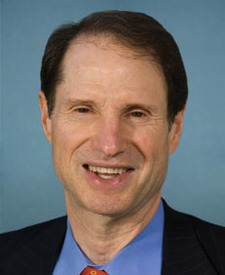 Rep. Ron WydenD-OR-3
 Rep. Jim CooperD-TN-4
 Rep. Byron DorganD-ND
- Rep. Don FuquaD-FL-2
- Rep. Tom BevillD-AL-4
- Rep. Timothy WirthD-CO-2
- Rep. Les AuCoinD-OR-1
 Rep. John SprattD-SC-5
 Rep. Paul KanjorskiD-PA-11
- Rep. Thomas LukenD-OH-1
- Rep. Norman SisiskyD-VA-4
- Rep. Gerald SikorskiD-MN-6
- Rep. William ChappellD-FL-4
- Rep. Gus YatronD-PA-6
- Rep. Ronnie FlippoD-AL-5
- Rep. Bob CarrD-MI-6
- Rep. Charles BennettD-FL-3
- Rep. Austin MurphyD-PA-22
- Rep. Wes WatkinsD-OK-3
- Rep. Lee HamiltonD-IN-9
- Rep. Jake PickleD-TX-10
- Rep. Stephen NealD-NC-5
- Rep. Michael AndrewsD-TX-25
- Rep. Butler DerrickD-SC-3
- Rep. Philip SharpD-IN-2
- Rep. James RowlandD-GA-8
- Rep. Patricia SchroederD-CO-1
- Rep. Buddy MacKayD-FL-6
 Rep. Ike SkeltonD-MO-4
- Rep. Robert ThomasD-GA-1
- Rep. Sam GibbonsD-FL-7
- Rep. Harold VolkmerD-MO-9
- Rep. Tim ValentineD-NC-2
- Rep. Daniel GlickmanD-KS-4
- Rep. David McCurdyD-OK-4
- Rep. Jim ChapmanD-TX-1
 Rep. Thomas CarperD-DE
- Rep. William HughesD-NJ-2
- Rep. Robin TallonD-SC-6
- Rep. Douglas ApplegateD-OH-18
- Rep. Ed JenkinsD-GA-9
- Rep. Romano MazzoliD-KY-3
- Rep. Ben ErdreichD-AL-6
- Rep. James OlinD-VA-6
- Rep. James SlatteryD-KS-2
- Rep. Richard StallingsD-ID-2
- Rep. Andrew JacobsD-IN-10
- Rep. Samuel StrattonD-NY-23
- Rep. Buddy DardenD-GA-7
 Rep. Bill NelsonD-FL-11
- Rep. James JonesD-OK-1
 Rep. Richard ShelbyD-AL-7
- Rep. Beverly ByronD-MD-6
- Rep. Timothy PennyD-MN-1
- Rep. Tommy RobinsonD-AR-2
- Rep. William NicholsD-AL-3
- Rep. Royden DysonD-MD-1
- Rep. Druie BarnardD-GA-10
- Rep. Glenn EnglishD-OK-6
- Rep. Thomas HuckabyD-LA-5
- Rep. Billy TauzinD-LA-3
- Rep. James LeathD-TX-11
- Rep. Earl HuttoD-FL-1
- Rep. Sonny MontgomeryD-MS-3
- Rep. Marilyn LloydD-TN-3
- Rep. Richard RayD-GA-3
- Rep. Carroll HubbardD-KY-1
- Rep. Dan DanielD-VA-5
- Rep. Buddy RoemerD-LA-4
 Rep. Ralph HallD-TX-4
- Rep. Charlie StenholmD-TX-17
Republicans who voted yea(171)
- Rep. Stewart McKinneyR-CT-4
- Rep. Silvio ConteR-MA-1
- Rep. Bill GreenR-NY-15
- Rep. Frank HortonR-NY-29
- Rep. Claudine SchneiderR-RI-2
- Rep. Jim JeffordsR-VT
 Rep. Chris SmithR-NJ-4
- Rep. Benjamin GilmanR-NY-22
- Rep. Matthew RinaldoR-NJ-7
- Rep. Hamilton FishR-NY-21
- Rep. Joseph McDadeR-PA-10
- Rep. Nancy JohnsonR-CT-6
 Rep. Olympia SnoweR-ME-2
- Rep. Sherry BoehlertR-NY-25
- Rep. Robert DavisR-MI-11
- Rep. William ClingerR-PA-23
- Rep. Jim LeachR-IA-1
- Rep. Carl PursellR-MI-2
 Rep. Ralph RegulaR-OH-16
- Rep. Marge RoukemaR-NJ-5
- Rep. Robert CoughlinR-PA-13
- Rep. George WortleyR-NY-27
- Rep. Joseph DioGuardiR-NY-20
- Rep. Thomas RidgeR-PA-21
- Rep. John McKernanR-ME-1
- Rep. Chalmers WylieR-OH-15
- Rep. John MillerR-WA-1
- Rep. Sidney MorrisonR-WA-4
- Rep. John MyersR-IN-7
- Rep. Willis GradisonR-OH-2
- Rep. John DuncanR-TN-2
 Rep. Don YoungR-AK
- Rep. James QuillenR-TN-1
- Rep. John RowlandR-CT-5
- Rep. Raymond McGrathR-NY-5
- Rep. Paul HenryR-MI-5
- Rep. Virginia SmithR-NE-3
- Rep. Jan MeyersR-KS-3
- Rep. Norman LentR-NY-4
- Rep. Herbert BatemanR-VA-1
- Rep. Elwood HillisR-IN-5
 Rep. Jim SaxtonR-NJ-13
- Rep. Steven GundersonR-WI-3
 Rep. Tom PetriR-WI-6
- Rep. Richard SchulzeR-PA-5
- Rep. William BroomfieldR-MI-18
- Rep. Marion SnyderR-KY-4
- Rep. Helen BentleyR-MD-2
- Rep. Doug BereuterR-NE-1
 Rep. Frank WolfR-VA-10
- Rep. Rodney ChandlerR-WA-8
- Rep. Guy MolinariR-NY-14
- Rep. Charles PashayanR-CA-17
- Rep. John PorterR-IL-10
- Rep. Dean GalloR-NJ-11
- Rep. Jack KempR-NY-31
- Rep. William GoodlingR-PA-19
- Rep. John HammerschmidtR-AR-3
- Rep. Donald RitterR-PA-15
- Rep. Earl ColemanR-MO-6
- Rep. James CourterR-NJ-12
- Rep. Stanford ParrisR-VA-8
- Rep. George WhitehurstR-VA-2
- Rep. Larry HopkinsR-KY-6
- Rep. Edward MadiganR-IL-15
- Rep. Manuel LujánR-NM-1
- Rep. Thomas TaukeR-IA-2
 Rep. John McCainR-AZ-1
- Rep. Marjorie HoltR-MD-4
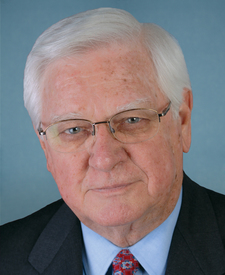 Rep. Hal RogersR-KY-5
- Rep. Alex McMillanR-NC-9
- Rep. Thomas EvansR-IA-3
- Rep. William FranklinR-MS-2
- Rep. Bill SchuetteR-MI-10
- Rep. William HendonR-NC-11
- Rep. Arlan StangelandR-MN-7
- Rep. John KasichR-OH-12
- Rep. Gene TaylorR-MO-7
- Rep. Bill EmersonR-MO-8
- Rep. Guy Vander JagtR-MI-9
 Rep. W. Bill YoungR-FL-8
- Rep. Bob McEwenR-OH-6
- Rep. Floyd SpenceR-SC-2
 Rep. Daniel CoatsR-IN-4
- Rep. William LoweryR-CA-41
- Rep. Joseph SkeenR-NM-2
- Rep. Robert LivingstonR-LA-1
- Rep. Mickey EdwardsR-OK-5
- Rep. James LightfootR-IA-5
- Rep. Tom BlileyR-VA-3
- Rep. Robert WhittakerR-KS-5
- Rep. Henry HydeR-IL-6
- Rep. Thomas LewisR-FL-12
- Rep. William CarneyR-NY-1
- Rep. H. CallahanR-AL-1
- Rep. William DickinsonR-AL-2
- Rep. William FrenzelR-MN-3
- Rep. Mac SweeneyR-TX-14
 Rep. Jerry LewisR-CA-35
- Rep. Toby RothR-WI-8
- Rep. Robert SmithR-OR-2
- Rep. Robert MichelR-IL-18
- Rep. Clarence MillerR-OH-10
- Rep. Bill ThomasR-CA-20
- Rep. Jim KolbeR-AZ-5
- Rep. Donald SundquistR-TN-7
- Rep. Harris FawellR-IL-13
- Rep. Lynn MartinR-IL-16
- Rep. Clay ShawR-FL-15
- Rep. Daniel SlaughterR-VA-7
- Rep. George GekasR-PA-17
- Rep. Delbert LattaR-OH-5
- Rep. Eldon RuddR-AZ-4
- Rep. Thomas KindnessR-OH-8
- Rep. Michael BilirakisR-FL-9
- Rep. Fred EckertR-NY-30
- Rep. Hal DaubR-NE-2
- Rep. Ron PackardR-CA-43
 Rep. Pat RobertsR-KS-1
 Rep. Howard CobleR-NC-6
- Rep. Newton GingrichR-GA-6
- Rep. Kenneth KramerR-CO-5
- Rep. Robert LagomarsinoR-CA-19
- Rep. Mark SiljanderR-MI-4
- Rep. Thomas LoefflerR-TX-21
- Rep. John WeberR-MN-2
- Rep. Andy IrelandR-FL-10
- Rep. John HilerR-IN-3
- Rep. Bobbi FiedlerR-CA-21
 Rep. Trent LottR-MS-5
- Rep. Michael OxleyR-OH-4
- Rep. Barbara VucanovichR-NV-2
- Rep. Larry CombestR-TX-19
- Rep. Bud ShusterR-PA-9
- Rep. Eldon BoulterR-TX-13
- Rep. Eugene ChappieR-CA-2
 Rep. Duncan HunterR-CA-45
- Rep. Michael StrangR-CO-3
- Rep. Ronald MarleneeR-MT-2
- Rep. Gerald SolomonR-NY-24
- Rep. William CobeyR-NC-4
 Rep. Judd GreggR-NH-2
- Rep. Dan SchaeferR-CO-6
 Rep. James SensenbrennerR-WI-9
- Rep. Howard NielsonR-UT-3
- Rep. Robert DornanR-CA-38
 Rep. Larry CraigR-ID-1
- Rep. Bill ArcherR-TX-7
- Rep. Carlos MoorheadR-CA-22
- Rep. Alfred McCandlessR-CA-37
 Rep. Daniel LungrenR-CA-42
- Rep. Robert BadhamR-CA-40
- Rep. Jack FieldsR-TX-8
 Rep. Joe BartonR-TX-6
 Rep. Dan BurtonR-IN-6
- Rep. Bob SmithR-NH-1
- Rep. Norman ShumwayR-CA-14
- Rep. Steve BartlettR-TX-3
- Rep. James HansenR-UT-1
- Rep. Hank BrownR-CO-4
- Rep. Connie MackR-FL-13
- Rep. Robert WalkerR-PA-16
- Rep. David MonsonR-UT-2
- Rep. Denny SmithR-OR-5
- Rep. Richard CheneyR-WY
 Rep. David DreierR-CA-33
- Rep. Robert StumpR-AZ-3
- Rep. Tom DeLayR-TX-22
- Rep. William DannemeyerR-CA-39
- Rep. Richard ArmeyR-TX-26
- Rep. Phil CraneR-IL-12
Data notes
The House’s recorded vote on the final version of the law (roll call 837 in Voteview), matched to the vote the record cites and checked against its totals. Positions are each member’s DW-NOMINATE score for that Congress, as on the Ideology page; left to right is more liberal to more conservative. Paired and announced yea votes count as yea. Lists follow the compass, most liberal first. A name links to a profile only for members of the current Congress. A law passed by voice vote or unanimous consent has no member list, and neither does a vote Voteview has not yet recorded.
Committees
The committees the bill was sent to, and what each did with it.
 Education and Workforce Committee · House · markup by, referred to, reported bySubcommittee: Healthy Families and Communities Subcommittee
 Health, Education, Labor, and Pensions Committee · Senate · discharged from, referred toSubcommittee: Disability Policy Subcommittee
Data notes
A committee links to its page only where it exists in the current Congress; older and renamed committees are named without a link.
Timeline
From introduction to signing, newest first: the committees, the floor and the president. 31 actions.
- Oct 21, 1986Became lawBecame law · Became Public Law No: 99-506.
- Became lawBecame law · Signed by President.
- Oct 10, 1986PresidentPresident · Presented to President.
- Oct 3, 1986Resolving differencesResolving differences · Senate agreed to conference report by Voice Vote.
- Resolving differencesResolving differences · Conference report agreed to in Senate: Senate agreed to conference report by Voice Vote.
- Resolving differencesResolving differences · Conference papers, Senate report and managers' statement and message on House action held at the desk.
- Oct 2, 1986Resolving differencesResolving differences · House Agreed to Conference Report by Yea-Nay Vote: 408 - 0 (Record Vote No: 433).House roll call 433
- Resolving differencesResolving differences · Conference report agreed to in House: House Agreed to Conference Report by Yea-Nay Vote: 408 - 0 (Record Vote No: 433).House roll call 433
- Resolving differencesResolving differences · Conference Report 99-955 Filed in House.
- Resolving differencesResolving differences · Conference report filed: Conference Report 99-955 Filed in House.
- Resolving differencesResolving differences · Conferees agreed to file conference report.
- Resolving differencesResolving differences · Conference committee actions: Conferees agreed to file conference report.
- Oct 1, 1986FloorFloor · Committee on Rules Granted a Rule Waiving All Points of Order Against the Conference Report and Against Its Consideration.
- Sep 15, 1986Resolving differencesResolving differences · Senate agreed to request for conference. Appointed conferees. Hatch; Weicker; Stafford; Nickles; Thurmond; Kerry; Simon; Kennedy; Dodd.
- FloorFloor · Senate insists on its amendments by Voice Vote.
- FloorFloor · Message on House action received in Senate and held at desk: House requests a conference.
- Sep 12, 1986Resolving differencesResolving differences · House Requested a Conference and Speaker Appointed Conferees: Hawkins, Biaggi, Williams, Martinez, Hayes, Eckart (OH), Waldon, Jeffords, Goodling, Coleman (MO).
- Resolving differencesResolving differences · House Disagreed to Senate Amendments by Unanimous Consent.
- Sep 8, 1986FloorFloor · Passed Senate with an amendment by Voice Vote.
- CommitteeCommittee · Discharged from Senate Health, Education, Labor, and Pensions Committee
- May 15, 1986CommitteeCommittee · Referred to Disability Policy Subcommittee of the Senate Health, Education, Labor, and Pensions Committee
- May 12, 1986CommitteeCommittee · Referred to Senate Health, Education, Labor, and Pensions Committee
- May 7, 1986FloorFloor · Passed House (Amended) by Yea-Nay Vote: 401 - 0 (Record Vote No: 111).House roll call 111
- May 5, 1986CommitteeCommittee · Reported by House Education and Workforce Committee
- Mar 11, 1986CommitteeCommittee · Markup by House Education and Workforce Committee
- Feb 25, 1986CommitteeCommittee · Reported by Healthy Families and Communities Subcommittee of the House Education and Workforce Committee
- CommitteeCommittee · Markup by Healthy Families and Communities Subcommittee of the House Education and Workforce Committee
- Jan 29, 1986CommitteeCommittee · Hearings by Healthy Families and Communities Subcommittee of the House Education and Workforce Committee
- Jan 23, 1986CommitteeCommittee · Referred to Healthy Families and Communities Subcommittee of the House Education and Workforce Committee
- Jan 21, 1986CommitteeCommittee · Referred to House Education and Workforce Committee
Data notes
Shows the introduction, each committee and subcommittee step the source dates (referral, hearings, markup, report, discharge), and the floor, conference, presidential and became-law steps. Calendar placements, messages between the chambers, amendments and committee report numbers are not shown for laws before the 108th Congress. Two entries the source lists twice are shown once.
Official record
The bill’s full text and every action, including introduction and committee steps, are on Congress.gov. Data through Oct 7, 2026.