Crude Oil Windfall Profit Tax Act of 1980
Public Law 96-223 · H.R. 3919 · 96th Congress · began in the House
Signed by Jimmy Carter (D) on Apr 2, 1980 · Taxation
Major law
Sponsor: Rep. Albert Ullman (D-OR-2)
Cosponsors: None
Passage votesYeaNay
- HouseRecorded vote: 302 yea, 107 nay302–107
- SenateRecorded vote: 66 yea, 31 nay66–31
Data notes
The final version of the law, as each chamber passed it. A chamber that passed it by voice vote or unanimous consent has no count. “Method not stated” means the record does not say how the chamber voted. Where the record has a member-by-member vote, the “Who voted for it” section shows who voted yea.
Summary
The Congressional Research Service’s plain-language summary of what the law does.
Crude Oil Windfall Profit Tax Act of 1980 - =Title I: Windfall Profit Tax on Domestic Crude Oil= - Amends the Internal Revenue Code to impose upon domestic oil producers an excise tax on the windfall profit from taxable crude oil produced during each taxable period (March 1980 and each calendar quarter thereafter). Defines "taxable crude oil" as all domestic crude oil other than: (1) any crude oil from a qualified governmental or charitable interest; (2) any exempt Indian oil; (3) any exempt Alaskan oil; and (4) any exempt front-end oil.
Sets the rate of such tax with respect to each barrel of taxable crude oil at 70 percent of the windfall profit on tier one oil (50 percent for independent producer oil), 60 percent of the windfall profit on tier two oil (30 percent for independent producer oil), and 30 percent of the windfall profit on tier three oil. Defines "tier one oil" as taxable crude oil other than tier two or three oil. Defines "tier two oil" as stripper well oil and oil from an economic interest in a National Petroleum Reserve held by the United States. Defines "tier three oil" as newly discovered oil, heavy oil, and incremental tertiary oil. Defines "independent producer oil", for purposes of the reduced tax rates, as daily oil production which does not exceed 1,000 barrels.
Defines "windfall profit" as the excess of the removal price of a barrel of crude oil (amount for which barrel is sold) over the sum of the base price adjusted for inflation and the amount of the severance tax adjustment. Specifies that the windfall profit on any barrel of crude oil may not exceed 90 percent of the net income attributable to such barrel. Provides that the net income attributable to a barrel shall be determined by dividing the taxable income from property attributable to the taxable crude oil by the number of barrels of such oil produced from the property during the taxable year. Specifies that taxable income from the property attributable to taxable crude oil shall be determined without any deductions for depletion, intangible drilling and development costs, the windfall profit tax or qualified tertiary injectant expenses. Provides that taxable income shall be reduced by the deduction for cost depletion which would have been allowable if all intangible drilling costs and qualified tertiary injectant expenses had been capitalized and taken into account in computing cost depletion for the property for all periods. Prescribes special rules for determining the taxable income limit in the case of certain transfers of proven oil or gas properties transferred after 1978 and where a portion of the taxable crude oil produced is applied in discharge of a production payment.
Permits a taxpayer election to capitalize qualified tertiary injectant expense. Defines "qualified tertiary injectant expenses" as expenses incurred for non-hydrocarbon injectants used in the recovery of oil and gas.
Sets forth base prices for the three tiers of oil.
Exempts income from any interest in oil production owned by Federal, State or local governments, Indian tribes, or medical or educational charities from the windfall profit tax.
Imposes requirements upon the first purchaser of crude oil with respect to the withholding of windfall profit tax amounts.
Provides for a phase-out of the windfall profit tax over a 33-month period starting with the latter of January 1988 or the first month (but not later than January 1991) after the Secretary of the Treasury estimates the aggregate net windfall profit tax revenue will exceed $227,300,000,000.
Requires oil producers to maintain such records with respect to oil production as the Secretary may require.
Allows an income tax deduction for amounts paid as a windfall profit tax.
Specifies that windfall profit tax returns must be filed not later than the last day of the second month following the close of the taxable period.
Requires the operator of the well which produces taxable crude oil to certify to the purchaser or producer of such oil the following information: (1) the adjusted base price for such oil; (2) the tier and category of such oil for purposes of the windfall profit tax; (3) any certification of exemption; (4) the amount of crude oil; and (5) other information required by the Secretary. Provides criminal penalties for willful failure to certify such information.
Sets forth procedures for refund of overpayments of the windfall profit tax.
States that the amendments made by this title shall apply to periods after February 29, 1980.
Establishes a Windfall Profit Tax Account as a separate account in the Treasury into which windfall tax revenues shall be deposited. Allocates tax revenues for income tax reductions (60 percent), low-income assistance (25 percent) and energy and transportation programs (15 percent).
Directs the President to submit to Congress a report on the effect of decontrol of oil prices and the windfall profit tax on: (1) domestic oil production; (2) foreign oil imports; (3) profits of the oil industry; (4) inflation; (5) employment; (6) economic growth; (7) Federal revenues; and (8) national security.
=Title II: Energy Conservation and Production Incentives= - Amends the Internal Revenue Code to entitle joint owners of energy property to separate dollar amount limits with respect to the residential energy credit. Specifies standards to guide the Secretary's discretion in determining whether certain energy properties should be added to the list of items eligible for the residential energy credit. Prohibits the Secretary from adding energy properties to such list unless the Secretary determines that: (1) such properties will bring about reduced oil and natural gas consumption; (2) such properties pose no danger to public health, safety, or the environment; and (3) available Federal subsidies do not make the addition of such properties unnecessary or inappropriate.
Increases the amount of the credit for renewable energy source property to 40 percent of the first $10,000 of expenditures. Qualifies expenditures for the drilling of an onsite well drilled for any geothermal deposit for the residential energy credit, but disallows an income tax deduction for such expenditures if the credit is taken. Qualifies solar panels installed on roofs for the residential energy credit.
Sets forth requirements for the reduction of the residential energy credit amount if the taxpayer receives subsidized energy financing. Requires administrators of Federal, State, or local programs for subsidizing low-income household energy costs to file informational returns with respect to recipients of assistance.
Increases the investment tax credit energy percentage for solar, wind, or geothermal energy property from 10 to 15 percent between 1980 and 1985. Allows a similar 15 percent credit for certain ocean thermal equipment. Provides for an 11 percent credit for expenditures with respect to small scale hydroelectric facilities. Provides for ten percent credits for nonoil or gas cogeneration equipment, for modifications to alumina electrolytic cells, for coke and coke gas equipment, and for certain intercity buses acquired to increase seating capacity. Restores investment tax credit and accelerated depreciation treatment to petroleum coke and pitch equipment.
Allows an income tax credit for the production and sale of alternative fuels to unrelated persons after December 31, 1979, and before January 1, 2001, from facilities placed in service after December 31, 1979, and before January 1, 1990, or from wells drilled after December 31, 1979, and before January 1, 1990, on properties which first began production after January 1, 1980. Sets the amount of such credit at $3, multiplied by the barrel-of-oil equivalent of the following fuels: (1) oil produced from shale and tar sands; (2) gas produced from geopressured brine, Devonian shale, coal seams, or a tight formation, or biomass; (3) liquid, gaseous, or solid synthetic fuel produced from coal; (4) steam produced from solid agricultural byproducts (not including timber byproducts).
Provides that such credit shall phase-out as the average wellhead price of uncontrolled domestic oil rises from $23.50 to $29.50. Requires inflation adjustments to the amount of the credit and the range of the phase-out amount.
Extends the exemption from the excise tax on motor fuels for gasohol and other alcohol fuels through December 31, 1992.
Allows a nonrefundable income tax credit for the use of certain alcohol fuels (including methanol and ethanol, but not alcohol produced from petroleum, natural gas, coal, or alcohol with a proof of less than 150). Sets the amount of such credit at $.40 for each gallon of alcohol used in the production of alcohol-based fuels, plus $.40 for each gallon of alcohol used by the taxpayer as a fuel in a trade or business, or sold by the taxpayer at retail as a motor vehicle fuel. Terminates the credit after December 31, 1992.
Allows a refund of the taxes paid on the purchase of tax-paid gasoline which is used in the production of tax-exempt alcohol fuels (including gasohol), if the amount of the purchase is $200 or more during any of the first three quarters of the taxable year.
Permits distilled spirits plants to be established solely for producing, processing, storing, using, and distributing distilled spirits exclusively for fuel use. Authorizes the Secretary to exempt such plants from the requirements of the Internal Revenue Code pertaining to distilled spirits, wines, and beers necessary to facilitate the production of fuel. Permits distilled spirits to be withdrawn free of tax from the bonded premises of a distilled spirit plant exclusively for fuel use. Prohibits distilled spirits to be withdrawn, used, sold, or disposed of for any purpose other than fuel use. Specifies that the term "distilled spirits" does not include distilled spirits produced from petroleum or natural gas. Directs the Secretary to submit recommendations to specified Congressional committees as to what methods may be used to limit the importing of alcohol into the United States for fuel purposes.
Requires the Secretary of Energy, in consultation with the Secretaries of Transportation and the Treasury, to submit to Congress annual reports on the use of alcohol in fuel.
Provides for a tax exclusion of the interest on industrial development bonds issued to finance: (1) steam-generating and alcohol-producing facilities which utilize solid wastes; (2) hydroelectric generating facilities; and (3) property which produces energy from renewable sources.
Allows an income tax deduction for the cost of tertiary injectants used to enhance the recovery of crude oil in the year in which the tertiary substance is injected into the reservoir.
=Title III: Low-Income Energy Assistance= - Home Energy Assistance Act of 1980 - Makes findings with respect to the economic and social effects of escalating energy costs upon low-income households. States as the purpose of this Act the establishment of a grant program to provide assistance at the State level to low-income households in meeting rising energy costs.
Authorizes the Secretary of Health and Human Services to make grants to States on behalf of low-income households receiving assistance under specified programs of the Social Security Act, the Food Stamp Program, and veterans' programs to assist such households in meeting the rising cost of home energy. Authorizes $3,115,000,000 for fiscal year 1981 for such purpose.
Sets forth criteria for the allotment of funds to the States. Requires each State receiving grants under this title to develop and submit to the Secretary plans for providing home energy assistance to eligible households. Directs the Secretary, after consultation with the Secretary of Energy, to establish uniform standards for collecting data with respect to the energy consumption of eligible households.
Prescribes fines and criminal penalties for intentionally providing false information in any report required by the Secretary with respect to the home energy assistance program established by this title.
Permits the Secretary to delegate any function under the home energy assistance program, except the making of regulations, to any officer or employee of the Department of Health and Human Services. Directs the Secretary to issue regulations under this title within 60 days after the date of its enactment. Provides that assistance received under this title shall not be considered income for purposes of any Federal or State law.
=Title IV: Miscellaneous Provisions= - Amends the Internal Revenue Code to repeal the carryover basis provisions enacted by the Tax Reform Act of 1976 which provide that beneficiaries receiving property from a decedent's estate will retain the decedent's basis in the property. Restores prior law which "stepped up" or "stepped down" the property's basis to its market value at the time of death without imposing tax consequences on the appreciation or depreciation the property underwent while held by the decedent.
Permits the executor of an estate to elect to use carryover basis if the decedent died after 1976 and before November 7, 1978.
Amends the Trade Expansion Act of 1962 to eliminate the President's authority under that Act to impose oil import quotas whenever a Joint Resolution of Congress is enacted which disapproves such executive action.
Permits taxpayers who liquidate their LIFO inventories in response to a Department of Energy regulation or request to apply for a refund of taxes paid on the profits of such inventories if the liquidated inventories are replaced within three years.
Allows an exclusion from gross income of the total amount of savings account interest and dividends received from domestic corporations up to $200 ($400 for married couples filing jointly) for taxable years beginning after December 31, 1980 and before January 1, 1983. Disqualifies dividends which are received from tax-exempt organizations and farmers' cooperative associations.
Who voted for it
Every House member of the 96th Congress on the ideology compass. Highlighted: the 305 who voted yea on final passage. Faded: everyone else, including those who voted nay, did not vote, or had not yet taken office.
305 yea109 nay18 present or did not vote
Democrats who voted yea(218)
- Rep. Parren MitchellD-MD-7
- Rep. Phillip BurtonD-CA-6
 Rep. John ConyersD-MI-1
- Rep. Louis StokesD-OH-21
- Rep. Ronald DellumsD-CA-8
- Rep. Frederick RichmondD-NY-14
- Rep. Edward RoybalD-CA-25
- Rep. Anthony BeilensonD-CA-23
 Rep. Charlie RangelD-NY-19
- Rep. Don EdwardsD-CA-10
- Rep. Mickey LelandD-TX-18
- Rep. Richard BollingD-MO-5
- Rep. James CormanD-CA-21
- Rep. Edward PattenD-NJ-15
- Rep. James ScheuerD-NY-11
- Rep. Robert EckhardtD-TX-8
- Rep. Paul SimonD-IL-24
- Rep. William GrayD-PA-2
- Rep. Jonathan BinghamD-NY-22
- Rep. Theodore WeissD-NY-20
- Rep. Julian DixonD-CA-28
- Rep. Shirley ChisholmD-NY-12
- Rep. David BoniorD-MI-12
- Rep. Charles DiggsD-MI-13
- Rep. Bill ClayD-MO-1
- Rep. William LehmanD-FL-13
- Rep. Dante FascellD-FL-15
- Rep. Sidney YatesD-IL-9
- Rep. Stephen SolarzD-NY-13
 Rep. Pete StarkD-CA-9
- Rep. George BrownD-CA-36
- Rep. George DanielsonD-CA-30
- Rep. John SeiberlingD-OH-14
- Rep. Charles PriceD-IL-23
- Rep. Lucien NedziD-MI-14
- Rep. Gus HawkinsD-CA-29
- Rep. William FordD-MI-15
- Rep. Daniel RostenkowskiD-IL-8
- Rep. John BrademasD-IN-3
- Rep. Frank ThompsonD-NJ-4
- Rep. Claude PepperD-FL-14
- Rep. Martin SaboD-MN-5
- Rep. Thomas AshleyD-OH-9
 Rep. James OberstarD-MN-8
- Rep. Richard OttingerD-NY-24
- Rep. William MoorheadD-PA-14
 Rep. John DingellD-MI-16
- Rep. William BrodheadD-MI-17
- Rep. James ShannonD-MA-5
- Rep. Robert KastenmeierD-WI-2
- Rep. Lionel Van DeerlinD-CA-42
 Rep. Dave ObeyD-WI-7
- Rep. Peter RodinoD-NJ-10
- Rep. John FaryD-IL-5
- Rep. Norman MinetaD-CA-13
- Rep. Robert DrinanD-MA-4
- Rep. Victor FazioD-CA-4
 Rep. Daniel AkakaD-HI-2
- Rep. Robert GiaimoD-CT-3
- Rep. Bruce VentoD-MN-4
- Rep. Robert MatsuiD-CA-3
- Rep. Harold FordD-TN-8
- Rep. William BurlisonD-MO-10
- Rep. James WrightD-TX-12
- Rep. Bill AlexanderD-AR-1
- Rep. Elizabeth HoltzmanD-NY-16
- Rep. James BlanchardD-MI-18
- Rep. Alvin BaldusD-WI-3
- Rep. Harold JohnsonD-CA-1
- Rep. John MoakleyD-MA-9
- Rep. Gerry StuddsD-MA-12
- Rep. Frank AnnunzioD-IL-11
- Rep. Charles VanikD-OH-22
- Rep. Clement ZablockiD-WI-4
- Rep. Joseph AddabboD-NY-7
- Rep. Albert UllmanD-OR-2
- Rep. Jerry PattersonD-CA-38
- Rep. Gene MaguireD-NJ-7
- Rep. Thomas DowneyD-NY-2
- Rep. James HowardD-NJ-3
 Rep. Barbara MikulskiD-MD-3
- Rep. Edward StackD-FL-12
- Rep. John MurphyD-NY-17
- Rep. Allan SwiftD-WA-2
- Rep. Michael LowryD-WA-7
- Rep. Michael BarnesD-MD-8
 Rep. George MillerD-CA-7
 Rep. Nick RahallD-WV-4
- Rep. Matthew McHughD-NY-27
- Rep. Tony HallD-OH-3
- Rep. Raymond LedererD-PA-3
- Rep. Peter PeyserD-NY-23
- Rep. Leslie AspinD-WI-1
- Rep. Harley StaggersD-WV-2
- Rep. Robert MollohanD-WV-1
- Rep. Don BonkerD-WA-3
- Rep. Geraldine FerraroD-NY-9
- Rep. Anthony CoelhoD-CA-15
- Rep. Howard WolpeD-MI-3
 Rep. John MurthaD-PA-12
- Rep. Timothy WirthD-CO-2
- Rep. Thomas FoleyD-WA-5
- Rep. Mike McCormackD-WA-4
- Rep. Bob CarrD-MI-6
- Rep. Robert DuncanD-OR-3
- Rep. Mario BiaggiD-NY-10
- Rep. Albert GoreD-TN-4
- Rep. James FlorioD-NJ-1
- Rep. Herbert HarrisD-VA-8
 Rep. Christopher DoddD-CT-2
- Rep. Fernand St. GermainD-RI-1
- Rep. Mary OakarD-OH-20
- Rep. Morris UdallD-AZ-2
 Rep. Dale KildeeD-MI-7
- Rep. John LaFalceD-NY-36
- Rep. Kenneth HollandD-SC-5
- Rep. Henry NowakD-NY-37
- Rep. Donald PeaseD-OH-13
- Rep. James HanleyD-NY-32
 Rep. Norm DicksD-WA-6
- Rep. Donald BaileyD-PA-21
- Rep. Joseph FisherD-VA-10
- Rep. Gladys SpellmanD-MD-5
- Rep. Jerome TraxlerD-MI-8
- Rep. Robert EdgarD-PA-7
- Rep. Edward BolandD-MA-2
- Rep. Lunsford PreyerD-NC-6
- Rep. Charles RoseD-NC-7
- Rep. William CotterD-CT-1
- Rep. Robert YoungD-MO-2
- Rep. Butler DerrickD-SC-3
- Rep. Dick GephardtD-MO-3
- Rep. Stanley LundineD-NY-39
- Rep. Cecil HeftelD-HI-1
- Rep. Leo ZeferettiD-NY-15
- Rep. Martin FrostD-TX-24
- Rep. Frank GuariniD-NJ-14
- Rep. Robert RoeD-NJ-8
- Rep. Raymond KogovsekD-CO-3
- Rep. Lester WolffD-NY-6
- Rep. Joseph MinishD-NJ-11
- Rep. Charles WilsonD-CA-31
- Rep. Nicholas MavroulesD-MA-6
- Rep. Sam GibbonsD-FL-7
- Rep. Peter KostmayerD-PA-8
- Rep. Neal SmithD-IA-4
- Rep. Beryl AnthonyD-AR-4
- Rep. John CavanaughD-NE-2
- Rep. Bo GinnD-GA-1
- Rep. Berkley BedellD-IA-6
- Rep. Adam BenjaminD-IN-1
- Rep. Carl PerkinsD-KY-7
- Rep. Donald AlbostaD-MI-10
- Rep. Les AuCoinD-OR-1
- Rep. Douglas WalgrenD-PA-18
- Rep. Clarence LongD-MD-2
- Rep. Ike AndrewsD-NC-4
- Rep. Don FuquaD-FL-2
- Rep. Charles WhitleyD-NC-3
- Rep. Bill HefnerD-NC-8
- Rep. Wyche FowlerD-GA-5
- Rep. William BonerD-TN-5
- Rep. James LloydD-CA-35
- Rep. John WilliamsD-MT-1
 Rep. Ike SkeltonD-MO-4
 Rep. Tom HarkinD-IA-5
- Rep. Brian DonnellyD-MA-11
- Rep. Tom BevillD-AL-4
- Rep. Leon PanettaD-CA-16
- Rep. Earl HuttoD-FL-1
- Rep. William NatcherD-KY-2
- Rep. Glenn AndersonD-CA-32
- Rep. Allen ErtelD-PA-17
- Rep. Ed JonesD-TN-7
- Rep. Romano MazzoliD-KY-3
- Rep. Joseph GaydosD-PA-20
- Rep. Tom DaschleD-SD-1
- Rep. Martin RussoD-IL-3
- Rep. Samuel StrattonD-NY-28
- Rep. Vonno GudgerD-NC-11
- Rep. James WeaverD-OR-4
- Rep. Edward BeardD-RI-2
- Rep. Ronnie FlippoD-AL-5
- Rep. Floyd FithianD-IN-2
- Rep. Norman D’AmoursD-NH-1
- Rep. Daniel MicaD-FL-11
- Rep. Thomas LukenD-OH-2
- Rep. Jerome AmbroD-NY-3
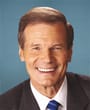 Rep. Bill NelsonD-FL-9
- Rep. Joseph EarlyD-MA-3
- Rep. Jamie WhittenD-MS-1
- Rep. Austin MurphyD-PA-22
- Rep. Harold VolkmerD-MO-9
- Rep. Lee HamiltonD-IN-9
- Rep. David BowenD-MS-2
- Rep. Philip SharpD-IN-10
- Rep. Stephen NealD-NC-5
- Rep. Charles BennettD-FL-3
- Rep. William HughesD-NJ-2
- Rep. Billy EvansD-GA-8
- Rep. Ed JenkinsD-GA-9
- Rep. Marilyn LloydD-TN-3
- Rep. Daniel GlickmanD-KS-4
- Rep. Jack BrinkleyD-GA-3
- Rep. Patricia SchroederD-CO-1
- Rep. Andy IrelandD-FL-8
- Rep. Elliott LevitasD-GA-4
- Rep. Gus YatronD-PA-6
- Rep. Eugene AtkinsonD-PA-25
- Rep. Beverly ByronD-MD-6
- Rep. William NicholsD-AL-3
- Rep. Lawrence FountainD-NC-2
- Rep. James SantiniD-NV
 Rep. Richard ShelbyD-AL-7
- Rep. David EvansD-IN-6
- Rep. Douglas ApplegateD-OH-18
- Rep. Ronald MottlD-OH-23
- Rep. Sonny MontgomeryD-MS-3



Republicans who voted yea(87)
- Rep. Stewart McKinneyR-CT-4
- Rep. Bill GreenR-NY-18
- Rep. Harold HollenbeckR-NJ-9
- Rep. Silvio ConteR-MA-1
- Rep. Pete McCloskeyR-CA-12
- Rep. Marc MarksR-PA-24
- Rep. Charles DoughertyR-PA-4
- Rep. Margaret HecklerR-MA-10
- Rep. Carl PursellR-MI-2
- Rep. Benjamin GilmanR-NY-26
- Rep. Matthew RinaldoR-NJ-12
- Rep. John BuchananR-AL-6
- Rep. Joel PritchardR-WA-1
- Rep. Thomas RailsbackR-IL-19
- Rep. Lyle WilliamsR-OH-19
- Rep. Joseph McDadeR-PA-10
- Rep. Hamilton FishR-NY-25
- Rep. Tim CarterR-KY-5
- Rep. Jim JohnsonR-CO-4
- Rep. John StantonR-OH-11
- Rep. Paul FindleyR-IL-20
- Rep. William WamplerR-VA-9
- Rep. Donald MitchellR-NY-31
- Rep. John DuncanR-TN-2
- Rep. Robert DavisR-MI-11
- Rep. Norman LentR-NY-4
- Rep. Millicent FenwickR-NJ-5
 Rep. Olympia SnoweR-ME-2
- Rep. James QuillenR-TN-1
- Rep. Henry HydeR-IL-6
- Rep. William ClingerR-PA-23
- Rep. Jim LeachR-IA-1
- Rep. Thomas EvansR-DE
- Rep. Edward MadiganR-IL-21
- Rep. Elwood HillisR-IN-5
- Rep. William RoyerR-CA-11
- Rep. Mark AndrewsR-ND
- Rep. David EmeryR-ME-1
- Rep. George WhitehurstR-VA-2
- Rep. Robert CoughlinR-PA-13
- Rep. James BroyhillR-NC-10
- Rep. Harold SawyerR-MI-5
- Rep. Robert McCloryR-IL-13
- Rep. John ErlenbornR-IL-14
- Rep. Chalmers WylieR-OH-15
- Rep. George O’BrienR-IL-17
 Rep. Ralph RegulaR-OH-16
- Rep. Virginia SmithR-NE-3
- Rep. Robin BeardR-TN-6
- Rep. Arlen ErdahlR-MN-1
- Rep. Paul TribleR-VA-1
- Rep. John HammerschmidtR-AR-3
- Rep. Thomas TaukeR-IA-2
- Rep. John PorterR-IL-10
- Rep. Floyd SpenceR-SC-2
- Rep. James AbdnorR-SD-2
- Rep. Marion SnyderR-KY-4
- Rep. Tennyson GuyerR-OH-4
- Rep. Larry HopkinsR-KY-6
- Rep. Charles PashayanR-CA-17
 Rep. W. Bill YoungR-FL-6
- Rep. William BroomfieldR-MI-19
- Rep. Clarence BrownR-OH-7
 Rep. Tom PetriR-WI-6
- Rep. James CourterR-NJ-13
- Rep. William FrenzelR-MN-3
- Rep. Edwin BethuneR-AR-2
- Rep. Ronald MarleneeR-MT-2
- Rep. Donald RitterR-PA-15
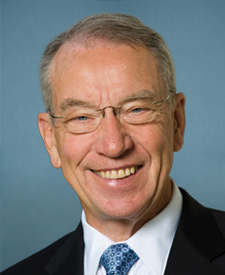 Rep. Chuck GrassleyR-IA-3
- Rep. Thomas HagedornR-MN-2
- Rep. Gary LeeR-NY-33
- Rep. James MartinR-NC-9
- Rep. Robert MichelR-IL-18
- Rep. Barber ConableR-NY-35
- Rep. Edward DerwinskiR-IL-4
- Rep. Skip BafalisR-FL-10
- Rep. William GoodlingR-PA-19
- Rep. Arlan StangelandR-MN-7
- Rep. Toby RothR-WI-8
- Rep. William CarneyR-NY-1
- Rep. Gerald SolomonR-NY-29
- Rep. Dan QuayleR-IN-4
- Rep. Delbert LattaR-OH-5
- Rep. Marjorie HoltR-MD-4
- Rep. Robert WalkerR-PA-16
- Rep. Robert BaumanR-MD-1

Data notes
The House’s recorded vote on the final version of the law (roll call 800 in Voteview), matched to the vote the record cites and checked against its totals. Positions are each member’s DW-NOMINATE score for that Congress, as on the Ideology page; left to right is more liberal to more conservative. Paired and announced yea votes count as yea. Lists follow the compass, most liberal first. A name links to a profile only for members of the current Congress. A law passed by voice vote or unanimous consent has no member list, and neither does a vote Voteview has not yet recorded.
Committees
The committees the bill was sent to, and what each did with it.


Data notes
A committee links to its page only where it exists in the current Congress; older and renamed committees are named without a link.
Timeline
From introduction to signing, newest first: the committees, the floor and the president. 42 actions.
- Apr 2, 1980Became lawBecame law · Signed by President.
- PresidentPresident · Public Law 96-223.
- Mar 28, 1980PresidentPresident · Measure presented to President.
- Mar 27, 1980PresidentPresident · Measure enrolled in Senate.
- PresidentPresident · Measure enrolled in House.
- Resolving differencesResolving differences · Senate agreed to conference report, roll call #67 (66-31).Senate roll call 67
- Resolving differencesResolving differences · Conference report agreed to in Senate: Senate agreed to conference report, roll call #67 (66-31).Senate roll call 67
- Resolving differencesResolving differences · Motion to refer conference report to Committee on Finance with instructions rejected in Senate, roll call #66 (35-61).Senate roll call 66
- Mar 26, 1980Resolving differencesResolving differences · Conference report considered in Senate.
- Mar 25, 1980Resolving differencesResolving differences · Cloture motion vitiated in Senate.
- Resolving differencesResolving differences · Cloture motion filed in Senate on conference report (Second Motion).
- Resolving differencesResolving differences · Conference report considered in Senate.
- Mar 24, 1980Resolving differencesResolving differences · Cloture motion filed in Senate on conference report.
- Resolving differencesResolving differences · Conference report considered in Senate.
- Mar 21, 1980Resolving differencesResolving differences · Conference report considered in Senate.
- Mar 20, 1980Resolving differencesResolving differences · Conference report considered in Senate.
- Mar 19, 1980Resolving differencesResolving differences · Conference report considered in Senate.
- Mar 13, 1980Resolving differencesResolving differences · House agreed to conference report, roll call #143 (302-107).House roll call 143
- Resolving differencesResolving differences · Conference report agreed to in House: House agreed to conference report, roll call #143 (302-107).House roll call 143
- Resolving differencesResolving differences · Motion to recommit conference report to the Committee of Conference rejected in House, roll call #142 (185-227).House roll call 142
- Mar 7, 1980Resolving differencesResolving differences · Conference report filed in House, H. Rept. 96-817.
- Resolving differencesResolving differences · Conference report filed: Conference report filed in House, H. Rept. 96-817.
- Feb 28, 1980Resolving differencesResolving differences · Point of order against motion to instruct House conferees sustained.
- Feb 27, 1980Resolving differencesResolving differences · Motion to instruct House conferees tabled in House, roll call #85 (294-118).House roll call 85
- Feb 20, 1980Resolving differencesResolving differences · Motion to instruct House conferees rejected in House, roll call #60 (195-207).House roll call 60
- Resolving differencesResolving differences · Motion rejected to table motion to instruct House conferees, roll call #59 (130-272).House roll call 59
- Dec 18, 1979Resolving differencesResolving differences · Motion to instruct House conferees passed House, roll call #742 (326-77).House roll call 742
- Resolving differencesResolving differences · Conference scheduled in House.
- Dec 17, 1979Resolving differencesResolving differences · Conference scheduled in Senate.
- FloorFloor · Measure passed Senate, amended, roll call #496 (74-24).Senate roll call 496
Data notes
Shows the introduction, each committee and subcommittee step the source dates (referral, hearings, markup, report, discharge), and the floor, conference, presidential and became-law steps. Calendar placements, messages between the chambers, amendments and committee report numbers are not shown for laws before the 108th Congress. Two entries the source lists twice are shown once.
Official record
The bill’s full text and every action, including introduction and committee steps, are on Congress.gov. Data through Oct 7, 2026.