Trade Act of 1974
Public Law 93-618 · H.R. 10710 · 93rd Congress · began in the House
Signed by Gerald Ford (R) on Jan 3, 1975 · Foreign Trade and International Finance
Major law
Sponsor: Rep. Albert Ullman (D-OR-2)
Cosponsors (1): Rep. Herman Schneebeli
Passage votesYeaNay
- HouseRecorded vote: 323 yea, 36 nay323–36
- SenateRecorded vote: 72 yea, 4 nay72–4
Data notes
The final version of the law, as each chamber passed it. A chamber that passed it by voice vote or unanimous consent has no count. “Method not stated” means the record does not say how the chamber voted. Where the record has a member-by-member vote, the “Who voted for it” section shows who voted yea.
Summary
The Congressional Research Service’s plain-language summary of what the law does.
Trade Act - =Title I: Negotiating Authority= - Authorizes the President for a period of five years to enter into trade agreements with other countries, for the purpose of harmonizing, reducing, or eliminating tariff and nontariff barriers to, and other distortions of, international trade, subject to specified limitations and conditions.
Authorizes the President to proclaim modifications in rates of duties pursuant to trade agreements whenever he determines that existing duties or other import restrictions of a foreign country or of the United States are unduly burdening and restricting the foreign trade of the United States.
Establishes prenegotiation procedures, including public hearings and advice by the Tariff Commission (renamed the United States International Trade Commission), to assess the probable economic effect of such potential duty reductions on industries producing like or directly competitive articles and on consumers for the purpose of avoiding serious injury to the U. S. economy.
Provides that negotiated duty reductions which exceed ten percent of the prior rate would be staged over a period of time at an annual rate not exceeding the greater of 3 percent ad valorem or one-tenth of the total reduction.
Authorizes the President as part of negotiated trade agreements, to increase (or impose) rates of duties up to specified levels.
Authorizes the President to enter into trade agreements to harmonize, reduce, or eliminate nontariff barriers and distortions, including subsidies, to international trade in goods and services which he determines are unduly burdening or restricting the foreign commerce of the United States, adversely affecting the U. S. economy, preventing fair and equitable access to supplies, and preventing the development of open and nondiscriminatory trade among nations. All agreements involving nontariff barriers and distortions, together with a draft of any necessary implementing legislation and a statement of any administrative action proposed to implement the agreement, must be submitted to the Congress for consideration.
Provides that the overall negotiating objective of the United States under this Act is to obtain more open and equitable market access for U.S. exports of goods and services and to harmonize, reduce and eliminate barriers to international trade.
Makes it a principal U.S. negotiating objective to obtain, to the maximum extent feasible, with respect to appropriate sectors of manufacturing and with respect to the agricultural sector, competitive opportunities for United States exports to developed countries equivalent to competitive opportunities afforded similar products in United States markets.
States that a further negotiating objective of the United States in the nontariff barrier negotiations is to obtain international safeguard procedures designed to permit the use of temporary measures to ease the adjustment to change brought about by the effect of such negotiations upon the growth of international trade.
Establishes as a principal negotiating objective the entering into of trade agreements with any foreign country or group of countries which supply the United States with articles of commerce which are essential for U.S. economic requirements, and for which the United States does not have, or cannot easily develop, the necessary productive capacity to supply its own requirements.
Authorizes the President to enter into bilateral trade agreements where such agreements would better serve U.S. economic interests than agreements undertaken on a multilateral basis. Provides that the President may enter into a trade agreement with Canada aimed at eliminating or moving to eliminate trade barriers between the two countries on a reciprocal basis.
Directs the President to seek reform of the General Agreement on Tariffs and Trade (or through negotiation of other agreements) to establish principles promoting the development of an open, nondiscriminatory and fair world economic system.
Requires that any trade agreement entered into by the President which would change domestic Federal law (or materially change administrative regulations) will not take effect unless implementing legislation has been approved by both Houses of Congress.
Directs the President to proclaim, for a period of up to 150 days, such import surcharges (up to 15 percent ad valorem) or, under specified circumstances, import quotas, or a combination of the two, as may be necessary to deal with large and serious U.S. balance of payments deficits, to prevent an imminent and significant depreciation of the dollar, or to cooperate with other countries in correcting international balance of payments disequilibria.
Authorizes the President to proclaim for a period of up to 150 days, a temporary reduction in the rate of duty of not more than 5 percent ad valorem on any article or an increase in quotas or a temporary suspension of other import restrictions where the United States has had large persistent trade surpluses.
Provides permanent authority following expiration of the basic tariff reduction authority for the President to compensate foreign countries for increasing trade restrictions as import relief through new trade agreement concessions.
Provides the President limited residual authority to negotiate duties during the two years following the expiration of the tariff authority. States that tariffs cannot be reduced by more than 20 percent or reduced or increased to more than the maximum level authorized under the basic tariff authority.
Provides that the Congress may deny the application of U.S. concessions to countries which have failed to provide substantially equivalent market opportunities for U.S. commerce.
Establishes, within the Executive Office of the President, the Office of the Special Representative for Trade Negotiations. States that the Special Trade Representative will report directly, as well as be responsible, to the President and to the Congress for the administration of the trade agreements program.
Provides that both Houses must approve by concurrent resolution the extension of trade benefits under future trade agreements negotiated by the President with nonmarket countries.
=Title II: Relief From Injury Caused By Import Competition= - Requires the President, if the International Trade Commission finds that imports are a substantial cause of serious injury (or threat thereof) to an industry, with certain exceptions, to provide some form of import relief (duty increases, tariff-rate quotas, quantitative restrictions, orderly marketing agreements, or, under appropriate circumstances and upon a recommendation of the Commission, adjustment assistance).
Provides, under the worker adjustment assistance provisions, that workers in a firm qualify for trade adjustment benefits if the Secretary of Labor, within sixty days after the filing of a petition, finds that an absolute or relative increase in imports contributed importantly to the workers' unemployment, and to a decrease in sales or production of the firm from which they have become unemployed. States that workers certified as eligible for trade adjustment assistance are to receive benefits equal to 70 percent of each worker's average weekly earnings prior to the time he or she became unemployed for a period of up to 52 weeks (the duration of benefit eligibility could be extended for older workers and workers in training). Provides that this benefit level cannot exceed 100 percent of the national average weekly wage in manufacturing.
Establishes a new program of community adjustment assistance intended to help restore the economic viability of areas adversely affected by increased imports by creating new job opportunities in trade impacted areas.
Authorizes eligible communities to receive developmental assistance including technical assistance and direct grants for the acquisition and development of land and improvements of public works and public services.
Authorizes the Secretary of Commerce to make loans and loan guarantees to qualified applicants to acquire, construct, or modernize plant facilities or for such other purposes as the Secretary determines are likely to attract new investment and to create new, long-term employment opportunities within the area.
Establishes a statistical monitoring system to correlate increases in imports with employment levels by economic sectors. Directs the Bureau of Census and the Bureau of Labor Statistics to develop a program to monitor import trends and to signal abrupt increases in imports which are likely to adversely affect employment in particular sectors of the economy which may be concentrated in particular geographic regions.
Provides for the protection of employees displaced by foreign production.
=Title III: Relief From Unfair Trade Practices= - Revises Presidential authority under prior law to respond to foreign unfair trade practices, including authorities under the Trade Expansion Act of 1962, the Antidumping Act of 1921, and the Tariff Act of 1930.
Authorizes the President to retaliate against foreign countries which impose unjustifiable or unreasonable restrictions against U.S. commerce. The Act also provides the President with explicit authority to retaliate against countries which maintain such restrictions against U.S. services as well as U.S. trade in goods.
Provides a complaint procedure whereby interested parties can petition the Special Representative for Trade Negotiations to conduct a review, with public hearings of alleged practices and policies.
Requires that actions taken by the President should generally be on a selective basis, that is, only against those countries found to discriminate against U.S. commerce.
Grants the President the power to act on a most-favored-nation basis when retaliating against unjustifiable or unreasonable import restrictions. Provides that Congress can overrule any Presidential determination to act against "innocent" countries and require by concurrent resolution that the President act only against the offending country (or countries) maintaining unreasonable or unjustifiable restrictions against U.S. commerce or withholding supplies.
Provides that U.S. manufacturers, producers, or wholesalers of the merchandise, as well as foreign manufacturers, exporters and domestic importers, have an equal and automatic right to appear at hearings before the Secretary of the Treasury or the Commission in connection with less-than-fair-value or injury determinations made under the Antidumping Act.
Requires that the initial determination whether there is reason to believe that there are less-than-fair-value sales be made within 6 months from the date on which the antidumping proceeding notice is published (the period for initial determination may be extended to 9 months in complicated cases). Provides that the antidumping proceeding notice must be published within 30 days of the receipt of information alleging dumping by the Secretary of the Treasury.
Authorizes judicial review for U.S. producers and manufacturers in the U.S. customs courts of negative antidumping decisions made by the Secretary of the Treasury.
Requires the Secretary of the Treasury to impose countervailing duties upon imported merchandise if its manufacture, production, or export has benefited directly or indirectly from a bounty or grant (subsidy).
Authorizes the Tariff Commission to investigate alleged unfair methods of competition in the importation of articles or in the sale of imported articles in the United States.
=Title IV: Trade Relations With Countries Whose Products Are Not Currently Receiving Most-Favored- Nation (Non Discriminatory) Treatment In The U.S. Market= - Authorizes the President to extend, under specified circumstances, most-favored-nation (nondiscriminatory) trade concessions to countries whose products do not currently receive such treatment.
Imposes specified conditions on the delegation of authority to the President to extend nondiscriminatory treatment. Provides that no country would be eligible to receive nondiscriminatory tariff treatment or U.S. Government credits, credit guarantees or investment guarantees if the President determines such country: (1) denies its citizens the right or opportunity to emigrate; (2) imposes more than a nominal tax on emigration or on the visas or other documents required for emigration, for any purpose or cause whatsoever; or (3) imposes more than a nominal tax, levy, fine, fee or other charge on any citizen as a consequence of the desire of such citizen to emigrate to the country of his choice.
Provides, in order to safeguard the provisions in commercial agreements, for consultation procedures and rules to be written into all commercial agreements with nonmarket countries.
Directs the President to renegotiate the agreement with Czechoslavakia on the settlement of U.S. claims. Requires a full and fair settlement before most-favored-nation treatment will be granted.
Directs the President to deny the extension of most-favored-nation treatment and government credits to nonmarket economies upon his determination that such countries have not undertaken to obtain the cooperation of the pertinent governments in Southeast Asia in locating U.S. personnel missing in action, in repatriating those who are alive, and in recovering the remains of those who are dead.
Directs the President to establish an East-West Foreign Trade Board within the Executive branch to monitor trade, credits and technology transfers between the United States and nonmarket economy countries.
=Title V: Generalized System of Preferences= - Authorizes the President to extend duty-free treatment to eligible products imported into the United States from beneficiary developing countries for a 10-year period. Excludes countries within specified categories from eligibility to receive generalized preference under this title.
Stipulates that insular possessions of the United States must receive treatment no less favorable than that accorded any other developing country with respect to any eligible product under this title. Specifies sensitive articles to be excluded from such preference eligibility.
States that any product which is imported into the United States from any developing country in an amount equal to more than $25,000,000 in value in any one calendar year loses its eligibility for duty-free treatment under this title.
=Title VI: General Provisions= - Contains general provisions covering definitions, relations to other laws, conforming changes in the tariff schedules and other matters.
Conditions the extension of preferential treatment to a developing country upon a requirement that it take adequate steps to prevent narcotics and other controlled substances from unlawfully entering the United States.
Directs appropriate agencies to collect and publish uniform statistics on imports, exports, and production.
Immunizes persons from prosecution under State and Federal antitrust laws by reason of their participation in the voluntary arrangement regarding steel imports to the United States which expires December 31, 1974.
Imposes a $300,000,000 ceiling on credits, insurance, and guarantees to the Soviet Union by any government agency (except the Commodity Credit Corporation).
Who voted for it
Every House member of the 93rd Congress on the ideology compass. Highlighted: the 323 who voted yea on final passage. Faded: everyone else, including those who voted nay, did not vote, or had not yet taken office.
323 yea36 nay75 present or did not vote
Democrats who voted yea(175)
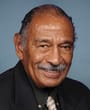 Rep. John ConyersD-MI-1
- Rep. Elizabeth HoltzmanD-NY-16
- Rep. Bella AbzugD-NY-20
- Rep. Edward RoybalD-CA-30
- Rep. Phillip BurtonD-CA-5
- Rep. Herman BadilloD-NY-21
- Rep. Louis StokesD-OH-21
- Rep. Robert EckhardtD-TX-8
- Rep. Robert KastenmeierD-WI-2
- Rep. Parren MitchellD-MD-7
- Rep. John BurtonD-CA-6
- Rep. Gus HawkinsD-CA-21
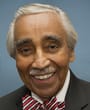 Rep. Charlie RangelD-NY-19
- Rep. Patricia SchroederD-CO-1
- Rep. Shirley ChisholmD-NY-12
- Rep. Jerome WaldieD-CA-14
- Rep. Ralph MetcalfeD-IL-1
- Rep. Andrew YoungD-GA-5
 Rep. John DingellD-MI-16
- Rep. Benjamin RosenthalD-NY-8
- Rep. Leo RyanD-CA-11
- Rep. Yvonne BurkeD-CA-37
- Rep. Patsy MinkD-HI-2
- Rep. Barbara JordanD-TX-18
- Rep. George BrownD-CA-38
- Rep. Cardiss CollinsD-IL-7
- Rep. Frank ThompsonD-NJ-4
- Rep. Robert NixD-PA-2
- Rep. Charles DiggsD-MI-13
- Rep. Lucien NedziD-MI-14
- Rep. John SeiberlingD-OH-14
- Rep. William BarrettD-PA-1
- Rep. Henry HelstoskiD-NJ-9
- Rep. Lloyd MeedsD-WA-2
- Rep. John BrademasD-IN-3
- Rep. James CormanD-CA-22
- Rep. Teno RoncalioD-WY
- Rep. George DanielsonD-CA-29
- Rep. Donald FraserD-MN-5
- Rep. Robert LeggettD-CA-4
- Rep. Jonathan BinghamD-NY-22
- Rep. Richard Vander VeenD-MI-5
- Rep. Robert DrinanD-MA-4
- Rep. William LehmanD-FL-13
- Rep. Dante FascellD-FL-15
- Rep. Tip O’NeillD-MA-8
- Rep. Joshua EilbergD-PA-4
- Rep. Henry ReussD-WI-5
- Rep. Paul SarbanesD-MD-3
- Rep. Edward KochD-NY-18
- Rep. Spark MatsunagaD-HI-1
- Rep. Joseph AddabboD-NY-7
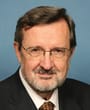 Rep. Dave ObeyD-WI-7
- Rep. Thomas ReesD-CA-26
- Rep. Chester HolifieldD-CA-19
- Rep. Clarence LongD-MD-2
- Rep. Gerry StuddsD-MA-12
- Rep. Frank DenholmD-SD-1
- Rep. William GreenD-PA-3
- Rep. Jack BrooksD-TX-9
- Rep. Leslie AspinD-WI-1
- Rep. Mike McCormackD-WA-4
- Rep. John PatmanD-TX-1
- Rep. Harold JohnsonD-CA-2
- Rep. William HungateD-MO-9
- Rep. Ogden ReidD-NY-24
- Rep. Ray MaddenD-IN-1
- Rep. James WrightD-TX-12
- Rep. John McFallD-CA-15
- Rep. Peter RodinoD-NJ-10
- Rep. Claude PepperD-FL-14
- Rep. Fernand St. GermainD-RI-1
- Rep. Edward MezvinskyD-IA-1
- Rep. Harley StaggersD-WV-2
- Rep. Peter KyrosD-ME-1
- Rep. Charles VanikD-OH-22
- Rep. Frank AnnunzioD-IL-11
- Rep. Charles WilsonD-TX-2
- Rep. John MurphyD-NY-17
- Rep. Robert BerglandD-MN-7
- Rep. Thomas FoleyD-WA-5
- Rep. Charles PriceD-IL-23
- Rep. Bill AlexanderD-AR-1
- Rep. Morris UdallD-AZ-2
- Rep. Bernice SiskD-CA-16
- Rep. Joseph KarthD-MN-4
- Rep. John KluczynskiD-IL-5
- Rep. Gillis LongD-LA-8
- Rep. William MoorheadD-PA-14
- Rep. Kenneth HechlerD-WV-4
- Rep. Richard BollingD-MO-5
- Rep. Morgan MurphyD-IL-2
- Rep. Harold DonohueD-MA-3
- Rep. Dominick DanielsD-NJ-14
- Rep. Lionel Van DeerlinD-CA-41
- Rep. Abraham KazenD-TX-23
- Rep. Joseph VigoritoD-PA-24
- Rep. Lindy BoggsD-LA-2
- Rep. Martha GriffithsD-MI-17
- Rep. Robert MollohanD-WV-1
- Rep. Frederick RooneyD-PA-15
- Rep. Daniel FloodD-PA-11
- Rep. Carl PerkinsD-KY-7
- Rep. Edward PattenD-NJ-15
- Rep. Gus YatronD-PA-6
- Rep. Robert RoeD-NJ-8
- Rep. Neal SmithD-IA-4
- Rep. James SymingtonD-MO-2
- Rep. Clement ZablockiD-WI-4
- Rep. Daniel RostenkowskiD-IL-8
- Rep. John SlackD-WV-3
- Rep. Joseph MinishD-NJ-11
- Rep. Robert GiaimoD-CT-3
- Rep. William NatcherD-KY-2
- Rep. Thomas AshleyD-OH-9
- Rep. John CulverD-IA-2
- Rep. Thomas SteedD-OK-4
- Rep. Jake PickleD-TX-10
- Rep. James HanleyD-NY-32
- Rep. Jerry LittonD-MO-6
- Rep. Koln McKayD-UT-1
- Rep. Ray ThorntonD-AR-4
- Rep. Charles RoseD-NC-7
- Rep. Edward BolandD-MA-2
- Rep. Clem McSpaddenD-OK-2
- Rep. John BreauxD-LA-7
- Rep. John RoushD-IN-4
- Rep. Sam GibbonsD-FL-7
- Rep. Tom BevillD-AL-4
- Rep. Albert UllmanD-OR-2
- Rep. Richard WhiteD-TX-16
- Rep. Bo GinnD-GA-1
- Rep. John BreckinridgeD-KY-6
- Rep. Mendel DavisD-SC-1
- Rep. William RandallD-MO-4
- Rep. Ed JonesD-TN-7
- Rep. William RoyD-KS-2
- Rep. Otis PikeD-NY-1
- Rep. Frank StubblefieldD-KY-1
- Rep. Thaddeus DulskiD-NY-37
- Rep. Lunsford PreyerD-NC-6
- Rep. Ike AndrewsD-NC-4
- Rep. Lee HamiltonD-IN-9
- Rep. James StantonD-OH-20
- Rep. Robert CaseyD-TX-22
- Rep. David HendersonD-NC-3
- Rep. Romano MazzoliD-KY-3
- Rep. Walter FlowersD-AL-7
- Rep. James JonesD-OK-1
- Rep. Bill GunterD-FL-5
- Rep. David BowenD-MS-2
- Rep. Thomas GettysD-SC-5
- Rep. Don FuquaD-FL-2
- Rep. George MahonD-TX-19
- Rep. Otto PassmanD-LA-5
- Rep. Roy TaylorD-NC-11
- Rep. Jamie WhittenD-MS-1
- Rep. William PoageD-TX-11
- Rep. Jack BrinkleyD-GA-3
- Rep. Robert SikesD-FL-1
- Rep. William NicholsD-AL-3
- Rep. William DornD-SC-3
- Rep. Edith GreenD-OR-3
- Rep. Lawrence FountainD-NC-2
- Rep. Paul RogersD-FL-11
- Rep. Charles BennettD-FL-3
- Rep. Thomas DowningD-VA-1
- Rep. James MannD-SC-4
- Rep. Joseph WaggonnerD-LA-4
- Rep. James HaleyD-FL-8
- Rep. Goodloe ByronD-MD-6
- Rep. Ovie FisherD-TX-21
- Rep. Sonny MontgomeryD-MS-3
- Rep. Omar BurlesonD-TX-17
- Rep. Dan DanielD-VA-5
Republicans who voted yea(148)
- Rep. Donald RiegleR-MI-7
- Rep. Charles WhalenR-OH-3
- Rep. Gilbert GudeR-MD-8
- Rep. Robert SteeleR-CT-2
- Rep. Peter PeyserR-NY-23
- Rep. Matthew RinaldoR-NJ-12
- Rep. Edward BiesterR-PA-8
- Rep. Paul CroninR-MA-5
- Rep. Mark AndrewsR-ND
- Rep. Joseph McDadeR-PA-10
- Rep. John StantonR-OH-11
- Rep. Frank HortonR-NY-34
- Rep. Ronald SarasinR-CT-5
- Rep. Stewart McKinneyR-CT-4
- Rep. Benjamin GilmanR-NY-26
- Rep. Charles MosherR-OH-13
- Rep. William WidnallR-NJ-7
- Rep. William CohenR-ME-2
- Rep. William WalshR-NY-33
- Rep. Tim CarterR-KY-5
- Rep. Marvin EschR-MI-2
- Rep. Charles SandmanR-NJ-2
- Rep. Hamilton FishR-NY-25
- Rep. Donald MitchellR-NY-31
- Rep. Henry HeinzR-PA-18
- Rep. Donald ClausenR-CA-1
- Rep. Joel PritchardR-WA-1
- Rep. Robert CoughlinR-PA-13
- Rep. Donald BrotzmanR-CO-2
- Rep. Elwood HillisR-IN-5
- Rep. Charles ThoneR-NE-1
- Rep. John HammerschmidtR-AR-3
- Rep. Pierre du PontR-DE
- Rep. William HarshaR-OH-6
- Rep. James AbdnorR-SD-2
- Rep. William WamplerR-VA-9
- Rep. Garner ShriverR-KS-4
- Rep. John AndersonR-IL-16
- Rep. Tennyson GuyerR-OH-4
- Rep. Norman LentR-NY-4
- Rep. Lawrence WilliamsR-PA-7
- Rep. Orval HansenR-ID-2
- Rep. Edward MadiganR-IL-21
- Rep. Jerry PettisR-CA-33
- Rep. Vernon ThomsonR-WI-3
- Rep. Guy Vander JagtR-MI-9
- Rep. Lawrence HoganR-MD-5
- Rep. Albert QuieR-MN-1
- Rep. James ClevelandR-NH-2
- Rep. Herbert BurkeR-FL-12
 Rep. Thad CochranR-MS-4
- Rep. George WhitehurstR-VA-2
- Rep. James HastingsR-NY-39
- Rep. James BroyhillR-NC-10
- Rep. Bob WilsonR-CA-40
- Rep. Albert JohnsonR-PA-23
- Rep. Alan SteelmanR-TX-5
- Rep. Philip RuppeR-MI-11
- Rep. Louis FreyR-FL-9
 Rep. Ralph RegulaR-OH-16
- Rep. John MyersR-IN-7
 Rep. Trent LottR-MS-5
- Rep. John BuchananR-AL-6
- Rep. Samuel YoungR-IL-10
- Rep. David TowellR-NV
- Rep. Burt TalcottR-CA-12
- Rep. Edwin ForsytheR-NJ-6
- Rep. Jack EdwardsR-AL-1
- Rep. Charles GubserR-CA-10
- Rep. Vinegar Bend MizellR-NC-5
- Rep. William BroomfieldR-MI-19
- Rep. Paul FindleyR-IL-20
- Rep. Victor VeyseyR-CA-43
- Rep. Elford CederbergR-MI-10
- Rep. James QuillenR-TN-1
- Rep. John HuntR-NJ-1
- Rep. Robert BaumanR-MD-1
- Rep. William BrayR-IN-6
- Rep. George O’BrienR-IL-17
- Rep. Charles ChamberlainR-MI-6
- Rep. John DellenbackR-OR-4
- Rep. John McCollisterR-NE-2
- Rep. Robert PriceR-TX-13
- Rep. Stanford ParrisR-VA-8
- Rep. Clarence BrownR-OH-7
- Rep. Henry SmithR-NY-36
- Rep. John RhodesR-AZ-1
- Rep. Delbert LattaR-OH-5
- Rep. Roger ZionR-IN-8
- Rep. Marjorie HoltR-MD-4
- Rep. Richard MallaryR-VT
- Rep. William FrenzelR-MN-3
- Rep. Howard RobisonR-NY-27
- Rep. William MinshallR-OH-23
- Rep. Robert HanrahanR-IL-3
- Rep. Edward DerwinskiR-IL-4
- Rep. Floyd SpenceR-SC-2
- Rep. Robert McCloryR-IL-13
- Rep. Manley ButlerR-VA-6
- Rep. Alphonzo BellR-CA-28
- Rep. Andrew HinshawR-CA-39
- Rep. Robert DanielR-VA-4
- Rep. Keith SebeliusR-KS-1
- Rep. Clair BurgenerR-CA-42
- Rep. Garry BrownR-MI-3
- Rep. Robert McEwenR-NY-30
- Rep. Wiley MayneR-IA-6
- Rep. Carleton KingR-NY-29
- Rep. William DickinsonR-AL-2
- Rep. William HudnutR-IN-11
- Rep. Edward YoungR-SC-6
- Rep. Jack KempR-NY-38
- Rep. John ErlenbornR-IL-14
- Rep. John WareR-PA-5
- Rep. James MartinR-NC-9
- Rep. William SteigerR-WI-6
- Rep. Leslie ArendsR-IL-15
- Rep. LaMar BakerR-TN-3
- Rep. Marion SnyderR-KY-4
- Rep. Peter FrelinghuysenR-NJ-5
- Rep. Carlos MoorheadR-CA-20
- Rep. Barry GoldwaterR-CA-27
- Rep. Gene TaylorR-MO-7
- Rep. James RobinsonR-VA-7
- Rep. Chalmers WylieR-OH-15
- Rep. Skip BafalisR-FL-10
- Rep. Robin BeardR-TN-6
- Rep. Robert LagomarsinoR-CA-13
- Rep. Donald ClancyR-OH-2
- Rep. Clarence MillerR-OH-10
- Rep. William KetchumR-CA-36
- Rep. David TreenR-LA-3
- Rep. William ArmstrongR-CO-5
- Rep. Edward HutchinsonR-MI-4
- Rep. Barber ConableR-NY-35
- Rep. Herman SchneebeliR-PA-17
- Rep. Charles WigginsR-CA-25
- Rep. Craig HosmerR-CA-32
- Rep. Robert MichelR-IL-18
- Rep. Robert HuberR-MI-18
- Rep. Delwin ClawsonR-CA-23
- Rep. Bud ShusterR-PA-9
- Rep. David DennisR-IN-10
- Rep. Bill ArcherR-TX-7
- Rep. Samuel DevineR-OH-12
- Rep. George GoodlingR-PA-19
- Rep. John RousselotR-CA-24
- Rep. James CollinsR-TX-3
Data notes
The House’s recorded vote on the final version of the law (roll call 1073 in Voteview), matched to the vote the record cites and checked against its totals. Positions are each member’s DW-NOMINATE score for that Congress, as on the Ideology page; left to right is more liberal to more conservative. Paired and announced yea votes count as yea. Lists follow the compass, most liberal first. A name links to a profile only for members of the current Congress. A law passed by voice vote or unanimous consent has no member list, and neither does a vote Voteview has not yet recorded.
Committees
The committees the bill was sent to, and what each did with it.


Data notes
A committee links to its page only where it exists in the current Congress; older and renamed committees are named without a link.
Timeline
From introduction to signing, newest first: the committees, the floor and the president. 19 actions.
- Jan 3, 1975Became lawBecame law · Signed by President.
- PresidentPresident · Public law 93-618.
- Dec 24, 1974PresidentPresident · Measure presented to President.
- Dec 20, 1974Resolving differencesResolving differences · Senate agreed to conference report, roll call #578 (72-4).Senate roll call 578
- Resolving differencesResolving differences · Conference report agreed to in Senate: Senate agreed to conference report, roll call #578 (72-4).Senate roll call 578
- Resolving differencesResolving differences · House agreed to conference report, roll call #722 (323-36).House roll call 722
- Resolving differencesResolving differences · Conference report agreed to in House: House agreed to conference report, roll call #722 (323-36).House roll call 722
- Dec 19, 1974Resolving differencesResolving differences · Conference report filed in House, H. Rept. 93-1644.
- Resolving differencesResolving differences · Conference report filed: Conference report filed in House, H. Rept. 93-1644.
- Dec 16, 1974Resolving differencesResolving differences · Conference scheduled in House.
- Dec 13, 1974Resolving differencesResolving differences · Conference scheduled in Senate.
- FloorFloor · Measure passed Senate, amended, roll call #538 (77-4).Senate roll call 538
- FloorFloor · Cloture motion passed Senate, roll call #532 (71-19).Senate roll call 532
- Nov 26, 1974CommitteeCommittee · Reported by Senate Finance Committee
- Dec 12, 1973CommitteeCommittee · Referred to Senate Finance Committee
- Dec 11, 1973FloorFloor · Measure passed House, amended, roll call #645 (272-140).House roll call 645
- Oct 10, 1973CommitteeCommittee · Reported by House Ways and Means Committee
- Oct 3, 1973CommitteeCommittee · Referred to House Ways and Means Committee
- IntroducedIntroduced · Introduced in the House
Data notes
Shows the introduction, each committee and subcommittee step the source dates (referral, hearings, markup, report, discharge), and the floor, conference, presidential and became-law steps. Calendar placements, messages between the chambers, amendments and committee report numbers are not shown for laws before the 108th Congress. Two entries the source lists twice are shown once.
Official record
The bill’s full text and every action, including introduction and committee steps, are on Congress.gov. Data through Oct 7, 2026.