Federal Disaster Tax Relief Act of 2023
Public Law 118-148 · H.R. 5863 · 118th Congress · began in the House
Signed by Joe Biden (D) on Dec 12, 2024 · Taxation
Sponsor: Rep. Gregory Steube (R-FL-17)
Cosponsors (35): Rep. Doug LaMalfa, Rep. Mike Thompson,
Passage votesYeaNay
- HouseRecorded vote: 382 yea, 7 nay382–7
- SenateVoice vote
Data notes
The final version of the law, as each chamber passed it. A chamber that passed it by voice vote or unanimous consent has no count. “Method not stated” means the record does not say how the chamber voted. Where the record has a member-by-member vote, the “Who voted for it” section shows who voted yea.
Summary
The Congressional Research Service’s plain-language summary of what the law does.
This act extends the time period during which an area impacted by a major disaster may be considered a qualified disaster area, which allows certain taxpayers to qualify for an increased tax deduction for losses attributable to the disaster. This act also excludes East Palestine, Ohio, train derailment payments and qualified wildfire relief payments from income for federal tax purposes and extends the statute of limitations period for some refund or credit claims resulting from qualified wildfire relief payments.
Generally, individual taxpayers may claim an itemized tax deduction for unreimbursed personal casualty losses attributable to a federally declared disaster, to the extent that the loss exceeds $100 per casualty and total annual losses exceed 10% of adjusted gross income. However, personal casualty losses attributable to a qualified disaster area are deductible to the extent that they exceed $500 per casualty even if the taxpayer claims the standard deduction (rather than itemizing tax deductions) and are not subject to the 10% of adjusted gross income limitation. A qualified disaster area is an area impacted by a major disaster during a specific period of time.
The act extends the time period during which an area impacted by a major disaster may be considered a qualified disaster area and, therefore, allows disaster-related personal casualty losses sustained within those areas to be deducted to the extent such losses exceed $500 per casualty.
The act also treats East Palestine train derailment payments as qualified disaster relief payments, which allows such payments to be excluded from income for federal tax purposes. East Palestine train derailment payments include compensation received on or after February 3, 2023, for losses, damages, expenses, reduction in real property value, closing costs, or inconvenience resulting from the East Palestine train derailment if such amount was provided by
• federal, state, or local government agencies;
• Norfolk Southern Railway; or
• any subsidiary, agent, or insurer of Norfolk Southern Railway.
Further, the act allows individuals to exclude from income qualified wildfire relief payments received between 2020 and 2025. Under the act, qualified wildfire relief payments include any unreimbursed amounts received in compensation for losses, expenses, or damages resulting from a forest or range fire that is a federally declared disaster declared after December 31, 2014. Damages include compensation for lost wages, personal injury, death, and emotional distress.
Finally, the act extends the statute of limitations for claiming a refund or credit related to qualified wildfire relief payments previously included in income on a federal tax return.
Who voted for it
Every House member of the 118th Congress on the ideology compass. Highlighted: the 382 who voted yea on final passage. Faded: everyone else, including those who voted nay, did not vote, or had not yet taken office.
382 yea7 nay40 present or did not vote
Democrats who voted yea(195)
 Rep. Cori BushD-MO-1
 Rep. Hank JohnsonD-GA-4
 Rep. Jamaal BowmanD-NY-16
 Rep. Lauren UnderwoodD-IL-14
 Rep. Sean CastenD-IL-6
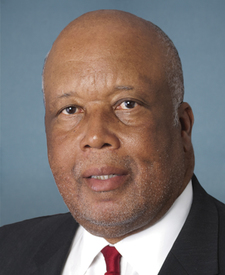 Rep. Bennie ThompsonD-MS-2
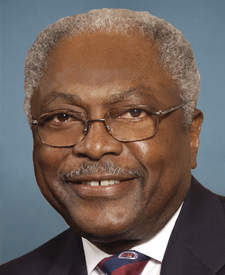 Rep. Jim ClyburnD-SC-6
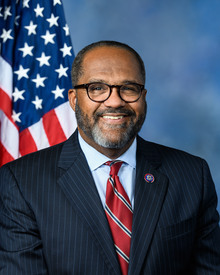 Rep. Troy CarterD-LA-2
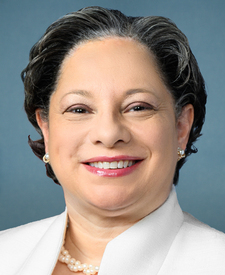 Rep. Jennifer McClellanD-VA-4
 Rep. Robin KellyD-IL-2
 Rep. Sydney Kamlager-DoveD-CA-37
 Rep. Morgan McGarveyD-KY-3
 Rep. Marc VeaseyD-TX-33
 Rep. Gabe AmoD-RI-1
 Rep. Valerie FousheeD-NC-4
 Rep. Linda SánchezD-CA-38
 Rep. Lizzie FletcherD-TX-7
 Rep. Veronica EscobarD-TX-16
 Rep. Terri SewellD-AL-7
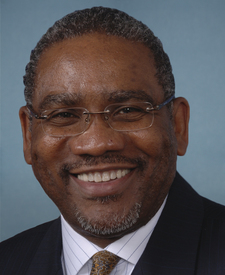 Rep. Gregory MeeksD-NY-5
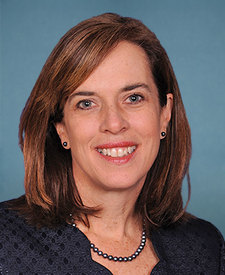 Rep. Katherine ClarkD-MA-5
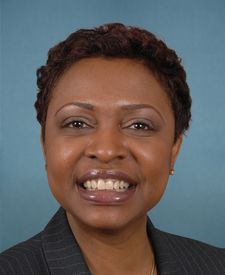 Rep. Yvette ClarkeD-NY-9
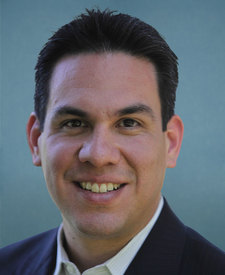 Rep. Pete AguilarD-CA-33
 Rep. Barbara LeeD-CA-12
 Rep. Jasmine CrockettD-TX-30
 Rep. Al GreenD-TX-9
 Rep. Bill PascrellD-NJ-9
 Rep. Glenn IveyD-MD-4
 Rep. Delia RamirezD-IL-3
 Rep. André CarsonD-IN-7
 Rep. Betty McCollumD-MN-4
 Rep. Hakeem JeffriesD-NY-8
 Rep. Adam SmithD-WA-9
 Rep. Danny DavisD-IL-7
 Rep. Steny HoyerD-MD-5
 Rep. Maxine WatersD-CA-43
 Rep. Robert MenendezD-NJ-8
 Rep. Sylvia GarciaD-TX-29
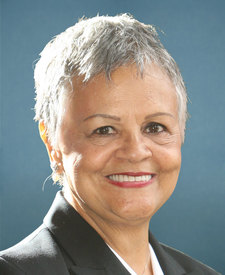 Rep. Bonnie Watson ColemanD-NJ-12
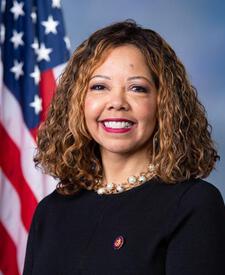 Rep. Lucy McBathD-GA-7
 Rep. Tony CárdenasD-CA-29
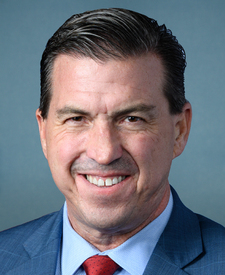 Rep. Kevin MullinD-CA-15
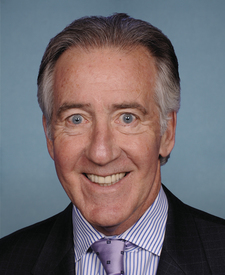 Rep. Richard NealD-MA-1
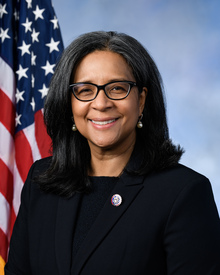 Rep. Marilyn StricklandD-WA-10
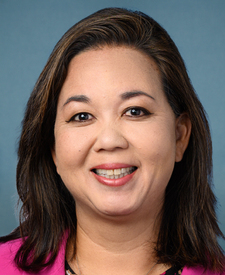 Rep. Jill TokudaD-HI-2
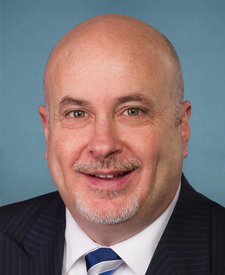 Rep. Mark PocanD-WI-2
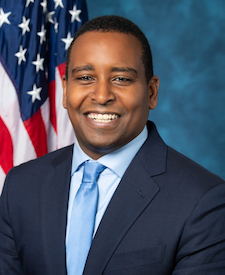 Rep. Joe NeguseD-CO-2
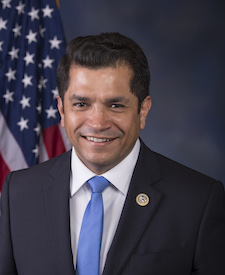 Rep. Jimmy GomezD-CA-34
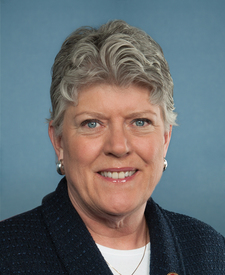 Rep. Julia BrownleyD-CA-26
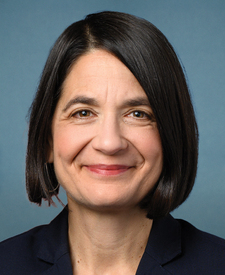 Rep. Becca BalintD-VT
 Rep. Grace NapolitanoD-CA-31
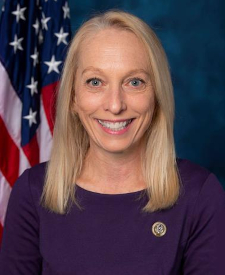 Rep. Mary ScanlonD-PA-5
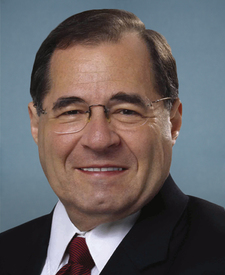 Rep. Jerrold NadlerD-NY-12
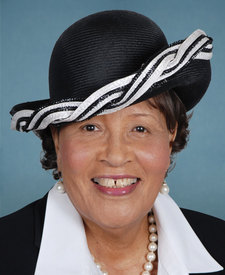 Rep. Alma AdamsD-NC-12
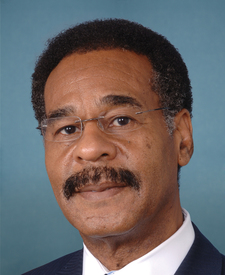 Rep. Emanuel CleaverD-MO-5
 Rep. Alexandria Ocasio-CortezD-NY-14
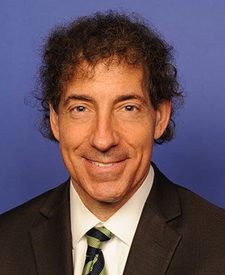 Rep. Jamie RaskinD-MD-8
 Rep. Colin AllredD-TX-32
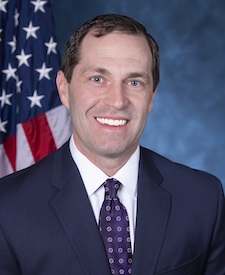 Rep. Jason CrowD-CO-6
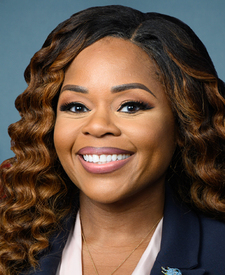 Rep. Sheila Cherfilus-McCormickD-FL-20
 Rep. John SarbanesD-MD-3
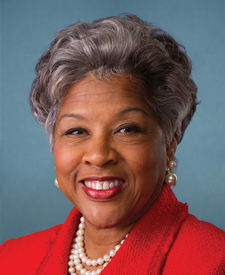 Rep. Joyce BeattyD-OH-3
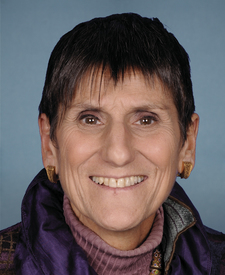 Rep. Rosa DeLauroD-CT-3
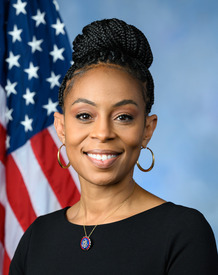 Rep. Shontel BrownD-OH-11
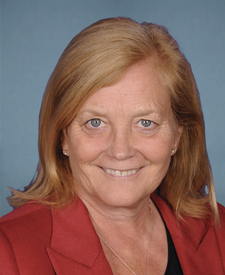 Rep. Chellie PingreeD-ME-1
 Rep. Sanford BishopD-GA-2
 Rep. Suzanne BonamiciD-OR-1
 Rep. Nanette BarragánD-CA-44
 Rep. Jan SchakowskyD-IL-9
 Rep. Jared HuffmanD-CA-2
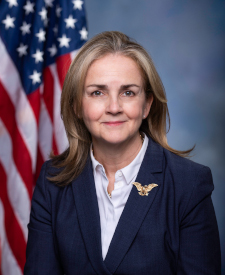 Rep. Madeleine DeanD-PA-4
 Rep. Kathy CastorD-FL-14
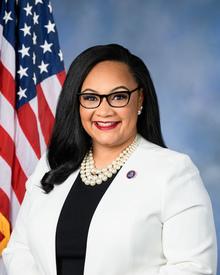 Rep. Nikema WilliamsD-GA-5
 Rep. Mark TakanoD-CA-39
 Rep. Andy KimD-NJ-3
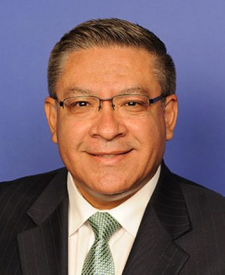 Rep. Salud CarbajalD-CA-24
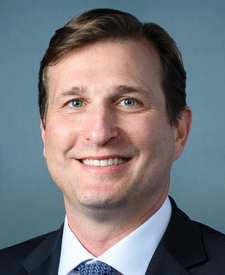 Rep. Dan GoldmanD-NY-10
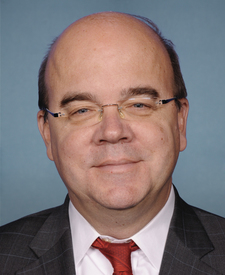 Rep. Jim McGovernD-MA-2
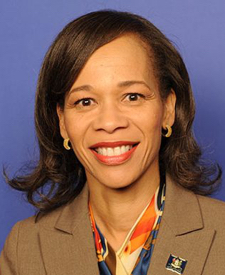 Rep. Lisa Blunt RochesterD-DE
 Rep. Maxwell FrostD-FL-10
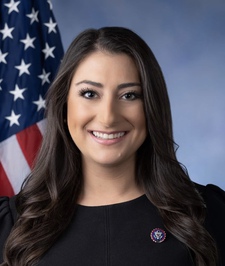 Rep. Sara JacobsD-CA-51
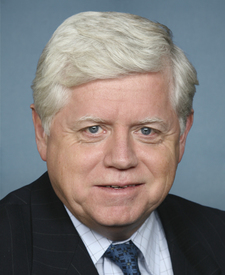 Rep. John LarsonD-CT-1
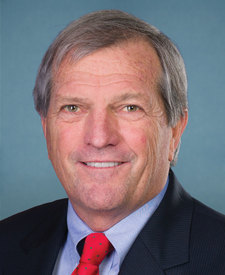 Rep. Mark DeSaulnierD-CA-10
 Rep. Jennifer WextonD-VA-10
 Rep. Chuy GarcíaD-IL-4
 Rep. Kweisi MfumeD-MD-7
 Rep. Lori TrahanD-MA-3
 Rep. Summer LeeD-PA-12
 Rep. Raja KrishnamoorthiD-IL-8
 Rep. Donald BeyerD-VA-8
 Rep. Norma TorresD-CA-35
 Rep. Diana DeGetteD-CO-1
 Rep. Judy ChuD-CA-28
 Rep. Anna EshooD-CA-16
 Rep. Doris MatsuiD-CA-7
 Rep. Greg CasarD-TX-35
 Rep. Bobby ScottD-VA-3
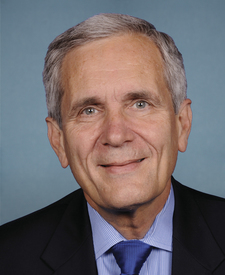 Rep. Lloyd DoggettD-TX-37
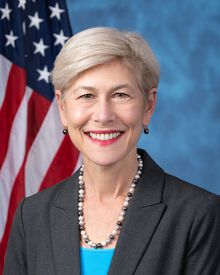 Rep. Deborah RossD-NC-2
 Rep. Haley StevensD-MI-11
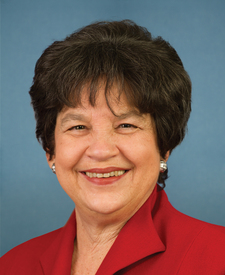 Rep. Lois FrankelD-FL-22
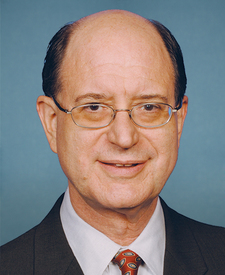 Rep. Brad ShermanD-CA-32
 Rep. Joaquin CastroD-TX-20
 Rep. Derek KilmerD-WA-6
 Rep. Jonathan JacksonD-IL-1
 Rep. Debbie Wasserman SchultzD-FL-25
 Rep. Donald NorcrossD-NJ-1
 Rep. Raul RuizD-CA-25
 Rep. Robert GarciaD-CA-42
 Rep. Ayanna PressleyD-MA-7
 Rep. Rashida TlaibD-MI-12
 Rep. Katie PorterD-CA-47
 Rep. Mike ThompsonD-CA-4
 Rep. Timothy KennedyD-NY-26
 Rep. Ted LieuD-CA-36
 Rep. William KeatingD-MA-9
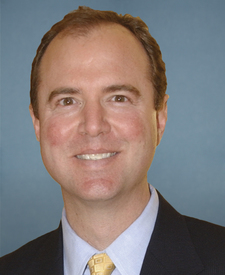 Rep. Adam SchiffD-CA-30
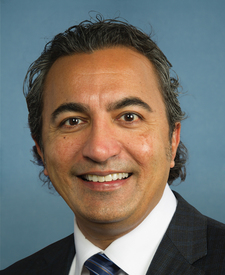 Rep. Ami BeraD-CA-6
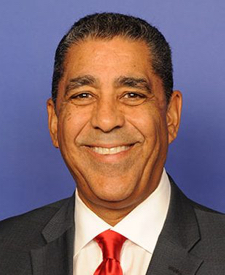 Rep. Adriano EspaillatD-NY-13
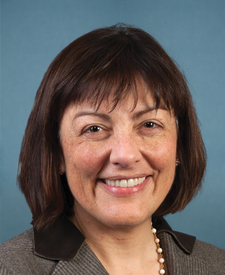 Rep. Suzan DelBeneD-WA-1
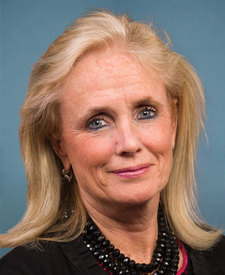 Rep. Debbie DingellD-MI-6
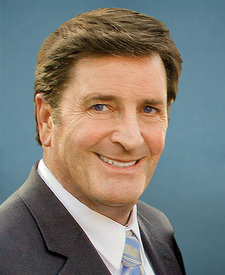 Rep. John GaramendiD-CA-8
 Rep. Brittany PettersenD-CO-7
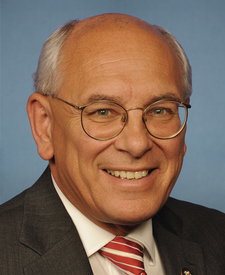 Rep. Paul TonkoD-NY-20
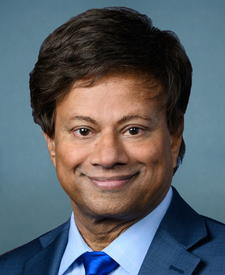 Rep. Shri ThanedarD-MI-13
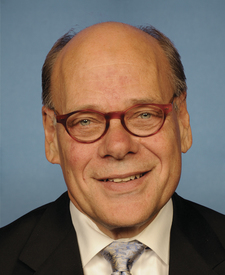 Rep. Steve CohenD-TN-9
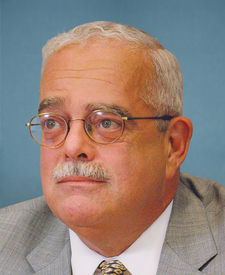 Rep. Gerald ConnollyD-VA-11
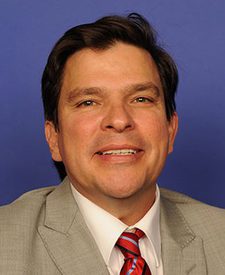 Rep. Vicente GonzalezD-TX-34
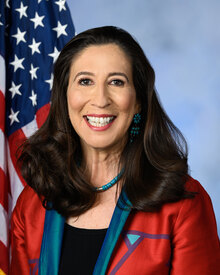 Rep. Teresa Leger FernandezD-NM-3
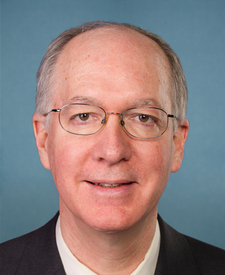 Rep. Bill FosterD-IL-11
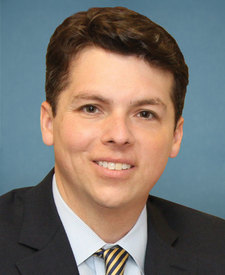 Rep. Brendan BoyleD-PA-2
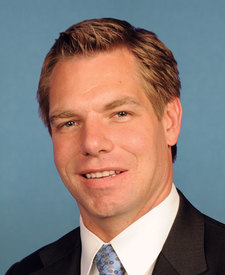 Rep. Eric SwalwellD-CA-14
 Rep. Emilia SykesD-OH-13
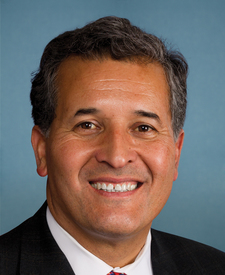 Rep. Juan VargasD-CA-52
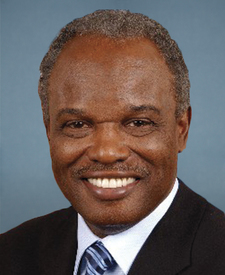 Rep. David ScottD-GA-13
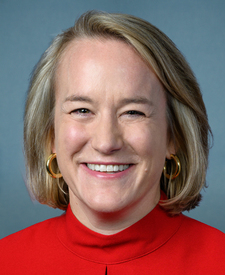 Rep. Nikki BudzinskiD-IL-13
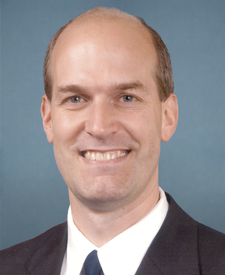 Rep. Rick LarsenD-WA-2
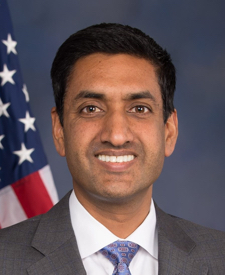 Rep. Ro KhannaD-CA-17
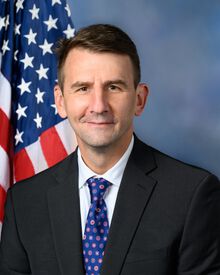 Rep. Frank MrvanD-IN-1
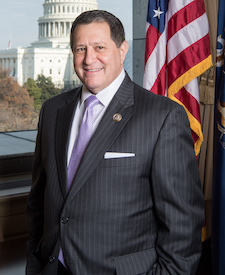 Rep. Joseph MorelleD-NY-25
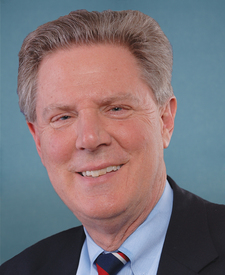 Rep. Frank PalloneD-NJ-6
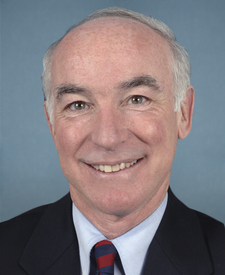 Rep. Joe CourtneyD-CT-2
 Rep. Zoe LofgrenD-CA-18
 Rep. Ritchie TorresD-NY-15
 Rep. Jake AuchinclossD-MA-4
 Rep. Jahana HayesD-CT-5
 Rep. Brad SchneiderD-IL-10
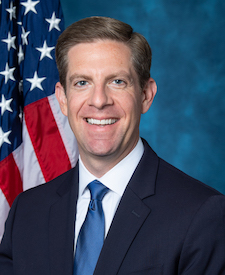 Rep. Mike LevinD-CA-49
 Rep. Matt CartwrightD-PA-8
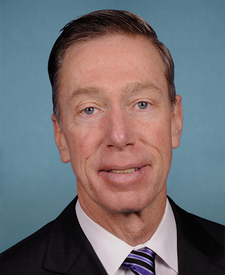 Rep. Stephen LynchD-MA-8
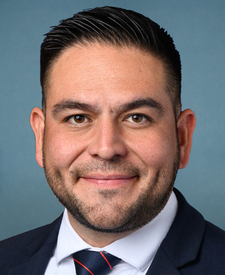 Rep. Gabe VasquezD-NM-2
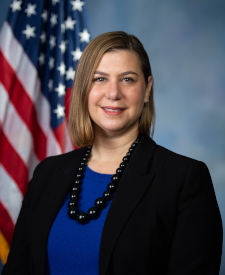 Rep. Elissa SlotkinD-MI-7
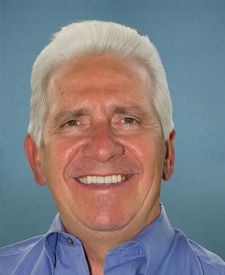 Rep. Jim CostaD-CA-21
 Rep. Ilhan OmarD-MN-5
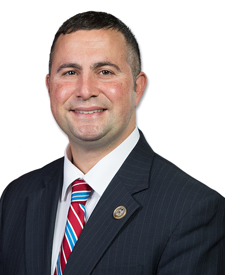 Rep. Darren SotoD-FL-9
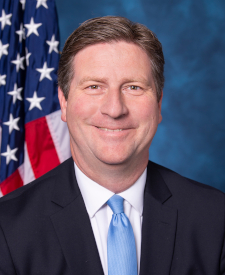 Rep. Greg StantonD-AZ-4
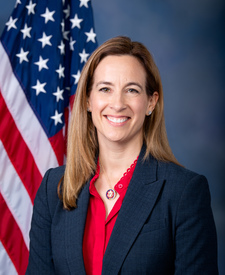 Rep. Mikie SherrillD-NJ-11
 Rep. Sharice DavidsD-KS-3
 Rep. Marcy KapturD-OH-9
 Rep. Josh HarderD-CA-9
 Rep. Luis CorreaD-CA-46
 Rep. Seth MoultonD-MA-6
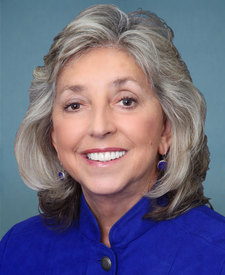 Rep. Dina TitusD-NV-1
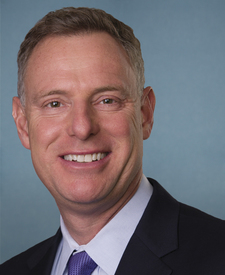 Rep. Scott PetersD-CA-50
 Rep. Dean PhillipsD-MN-3
 Rep. Kathy ManningD-NC-6
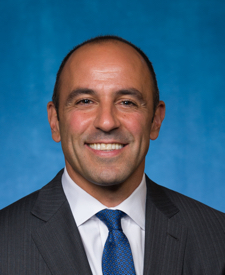 Rep. Jimmy PanettaD-CA-19
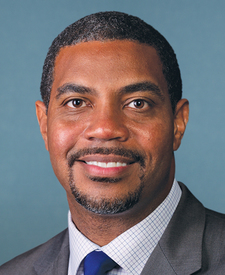 Rep. Steven HorsfordD-NV-4
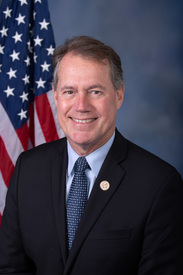 Rep. Ed CaseD-HI-1
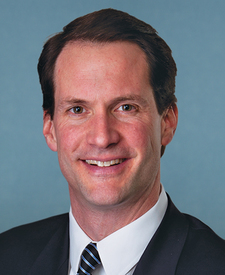 Rep. Jim HimesD-CT-4
 Rep. Jeffrey JacksonD-NC-14
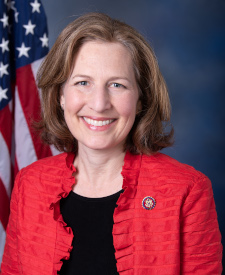 Rep. Kim SchrierD-WA-8
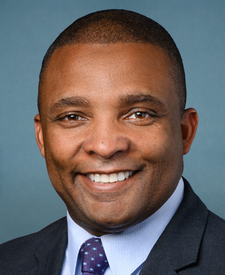 Rep. Donald DavisD-NC-1
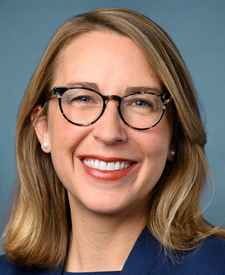 Rep. Hillary ScholtenD-MI-3
 Rep. Yadira CaraveoD-CO-8
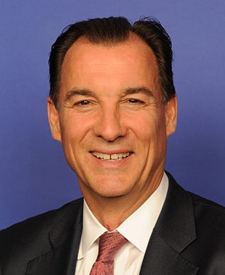 Rep. Thomas SuozziD-NY-3
 Rep. Abigail SpanbergerD-VA-7
 Rep. Susan WildD-PA-7
 Rep. Eric SorensenD-IL-17
 Rep. Wiley NickelD-NC-13
 Rep. Angie CraigD-MN-2
 Rep. Chris DeluzioD-PA-17
 Rep. Patrick RyanD-NY-18
 Rep. Daniel KildeeD-MI-8
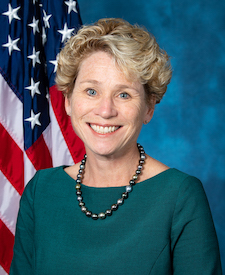 Rep. Chrissy HoulahanD-PA-6
 Rep. Jared MoskowitzD-FL-23
 Rep. Val HoyleD-OR-4
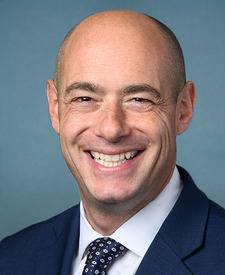 Rep. Greg LandsmanD-OH-1
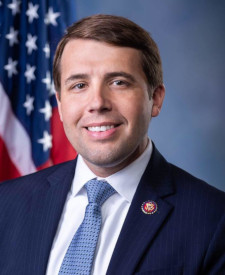 Rep. Chris PappasD-NH-1
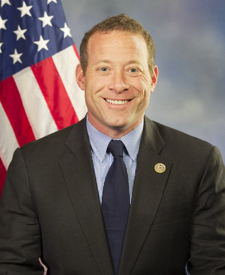 Rep. Josh GottheimerD-NJ-5
 Rep. Andrea SalinasD-OR-6
 Rep. Henry CuellarD-TX-28
 Rep. Mary PeltolaD-AK
 Rep. Jared GoldenD-ME-2
 Rep. Marie Gluesenkamp PerezD-WA-3
Republicans who voted yea(187)
 Rep. Brian FitzpatrickR-PA-1
 Rep. Lori Chavez-DeRemerR-OR-5
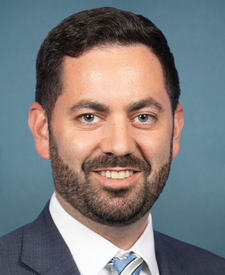 Rep. Michael LawlerR-NY-17
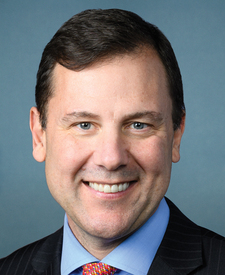 Rep. Thomas KeanR-NJ-7
 Rep. Andrew GarbarinoR-NY-2
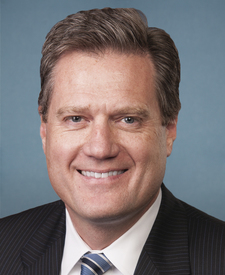 Rep. Michael TurnerR-OH-10
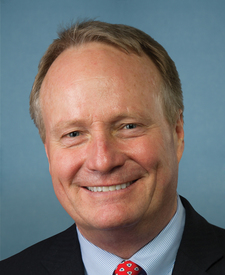 Rep. David JoyceR-OH-14
 Rep. Don BaconR-NE-2
 Rep. Anthony D'EspositoR-NY-4
 Rep. Young KimR-CA-40
 Rep. Marcus MolinaroR-NY-19
 Rep. Kevin KileyR-CA-3
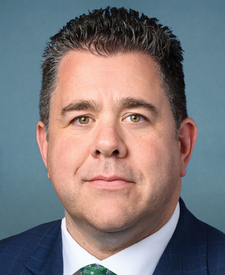 Rep. Nick LaLotaR-NY-1
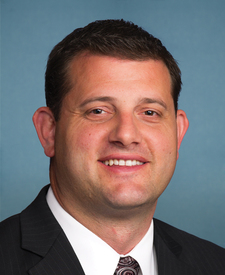 Rep. David ValadaoR-CA-22
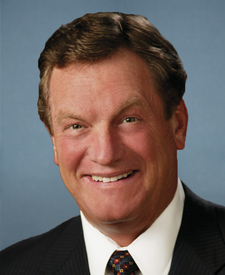 Rep. Mike SimpsonR-ID-2
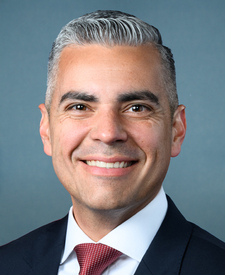 Rep. Juan CiscomaniR-AZ-6
 Rep. Zach NunnR-IA-3
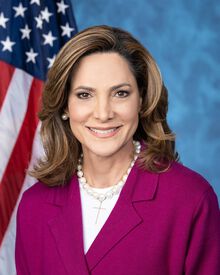 Rep. Maria SalazarR-FL-27
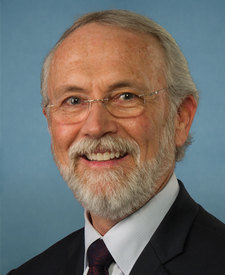 Rep. Dan NewhouseR-WA-4
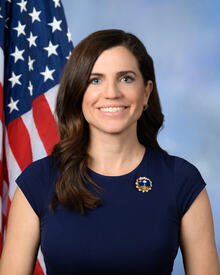 Rep. Nancy MaceR-SC-1
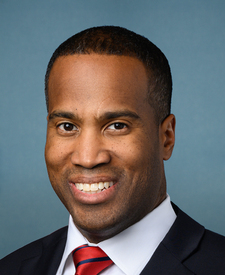 Rep. John JamesR-MI-10
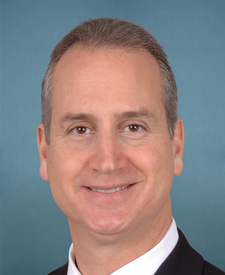 Rep. Mario Diaz-BalartR-FL-26
 Rep. Brandon WilliamsR-NY-22
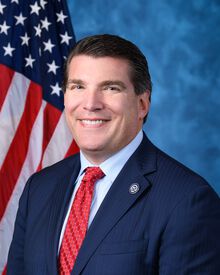 Rep. Jay ObernolteR-CA-23
 Rep. Larry BucshonR-IN-8
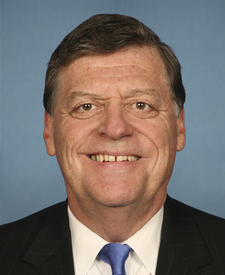 Rep. Tom ColeR-OK-4
 Rep. John DuarteR-CA-13
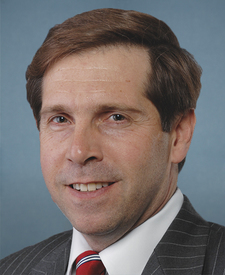 Rep. Chuck FleischmannR-TN-3
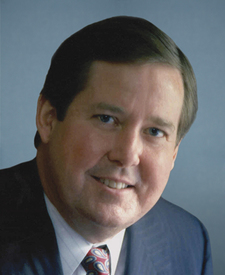 Rep. Ken CalvertR-CA-41
 Rep. Mike GarciaR-CA-27
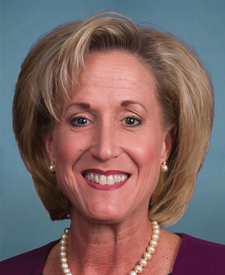 Rep. Ann WagnerR-MO-2
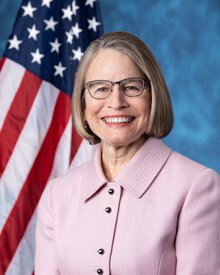 Rep. Mariannette Miller-MeeksR-IA-1
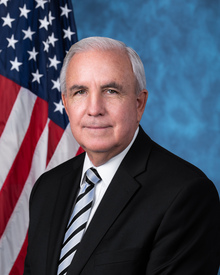 Rep. Carlos GimenezR-FL-28
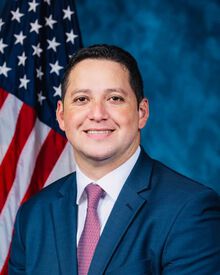 Rep. Tony GonzalesR-TX-23
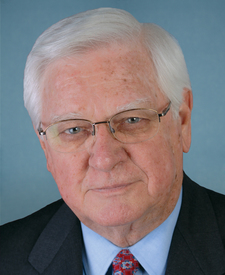 Rep. Hal RogersR-KY-5
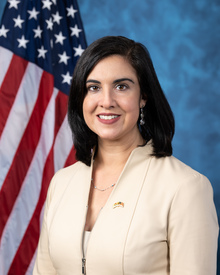 Rep. Nicole MalliotakisR-NY-11
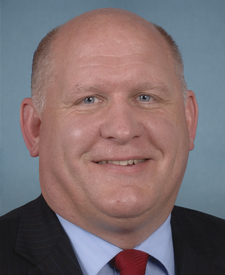 Rep. Glenn ThompsonR-PA-15
 Rep. James BairdR-IN-4
 Rep. Steve WomackR-AR-3
 Rep. Michelle SteelR-CA-45
 Rep. Derrick Van OrdenR-WI-3
 Rep. Blake MooreR-UT-1
 Rep. Chuck EdwardsR-NC-11
 Rep. Frank LucasR-OK-3
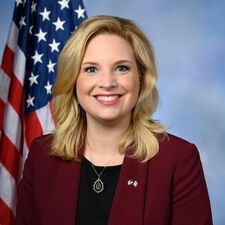 Rep. Ashley HinsonR-IA-2
 Rep. Max MillerR-OH-7
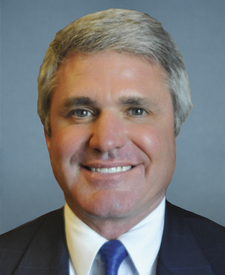 Rep. Michael McCaulR-TX-10
 Rep. Garret GravesR-LA-6
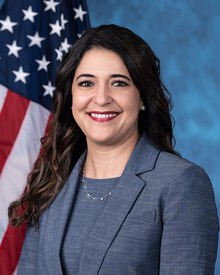 Rep. Stephanie BiceR-OK-5
 Rep. Laurel LeeR-FL-15
 Rep. Mike CareyR-OH-15
 Rep. Julia LetlowR-LA-5
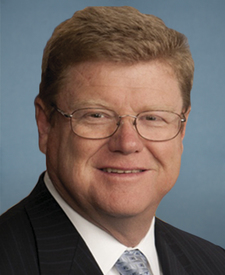 Rep. Mark AmodeiR-NV-2
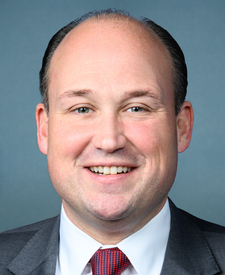 Rep. Nicholas LangworthyR-NY-23
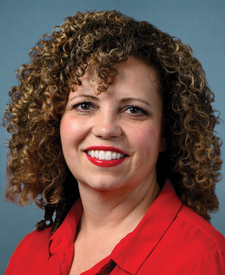 Rep. Celeste MaloyR-UT-2
 Rep. Greg PenceR-IN-6
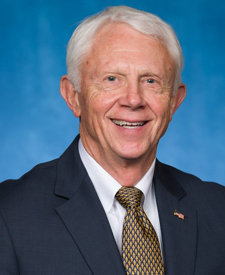 Rep. Jack BergmanR-MI-1
 Rep. John MoolenaarR-MI-2
 Rep. Darrell IssaR-CA-48
 Rep. Mike KellyR-PA-16
 Rep. John CarterR-TX-31
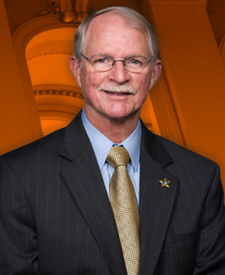 Rep. John RutherfordR-FL-5
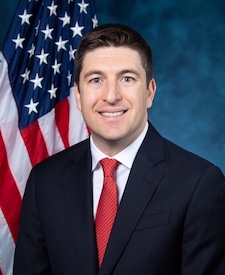 Rep. Bryan SteilR-WI-1
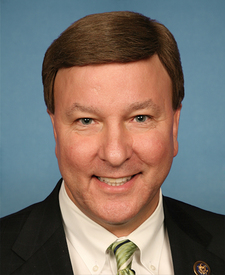 Rep. Mike RogersR-AL-3
 Rep. Mike FloodR-NE-1
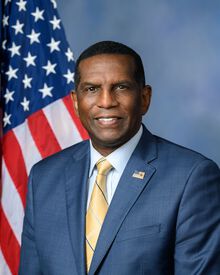 Rep. Burgess OwensR-UT-4
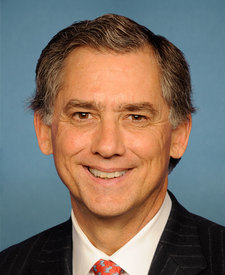 Rep. French HillR-AR-2
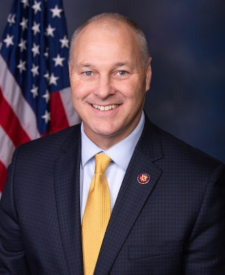 Rep. Pete StauberR-MN-8
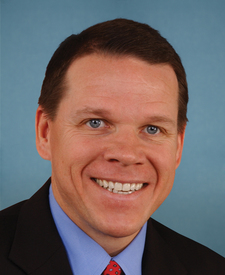 Rep. Sam GravesR-MO-6
 Rep. Jake LaTurnerR-KS-2
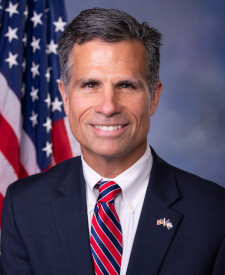 Rep. Daniel MeuserR-PA-9
 Rep. Robert AderholtR-AL-4
 Rep. Ryan ZinkeR-MT-1
 Rep. Darin LaHoodR-IL-16
 Rep. Mónica De La CruzR-TX-15
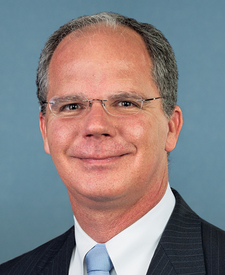 Rep. Brett GuthrieR-KY-2
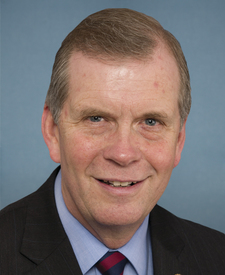 Rep. Tim WalbergR-MI-5
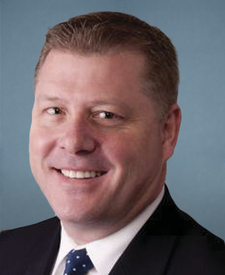 Rep. Rick CrawfordR-AR-1
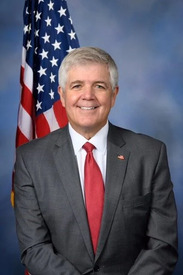 Rep. Cliff BentzR-OR-2
 Rep. David SchweikertR-AZ-1
 Rep. Brian MastR-FL-21
 Rep. Robert LattaR-OH-5
 Rep. Elise StefanikR-NY-21
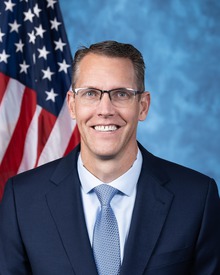 Rep. Randy FeenstraR-IA-4
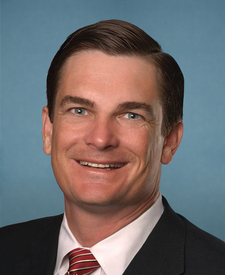 Rep. Austin ScottR-GA-8
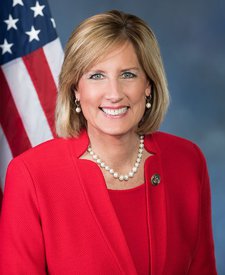 Rep. Claudia TenneyR-NY-24
 Rep. Blaine LuetkemeyerR-MO-3
 Rep. Gus BilirakisR-FL-12
 Rep. Neal DunnR-FL-2
 Rep. Daniel WebsterR-FL-11
 Rep. Michael BurgessR-TX-26
 Rep. Richard HudsonR-NC-9
 Rep. Dusty JohnsonR-SD
 Rep. Bruce WestermanR-AR-4
 Rep. Adrian SmithR-NE-3
 Rep. Troy BaldersonR-OH-12
 Rep. Mike BostR-IL-12
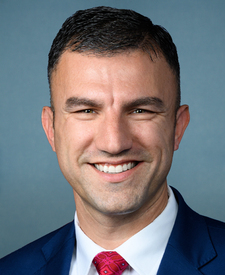 Rep. Rudy YakymR-IN-2
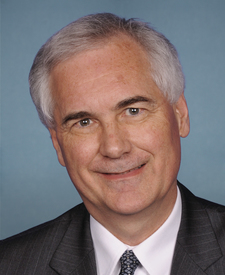 Rep. Tom McClintockR-CA-5
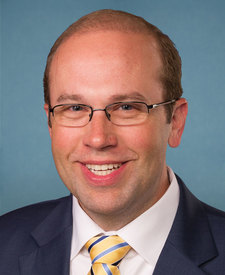 Rep. Jason SmithR-MO-8
 Rep. Michael GuestR-MS-3
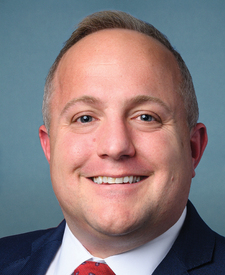 Rep. Russell FryR-SC-7
 Rep. Drew FergusonR-GA-3
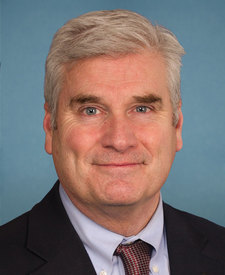 Rep. Tom EmmerR-MN-6
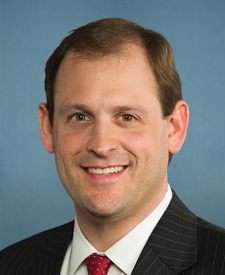 Rep. Andy BarrR-KY-6
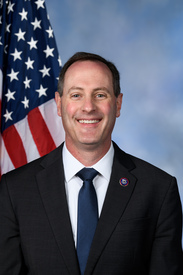 Rep. Tracey MannR-KS-1
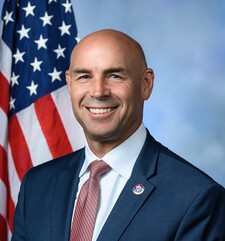 Rep. Jake EllzeyR-TX-6
 Rep. Matt GaetzR-FL-1
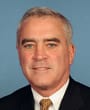 Rep. Brad WenstrupR-OH-2
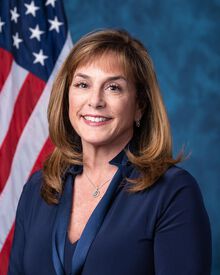 Rep. Lisa McClainR-MI-9
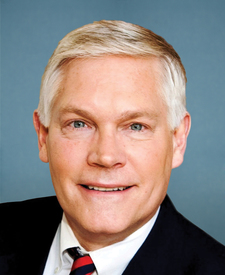 Rep. Pete SessionsR-TX-17
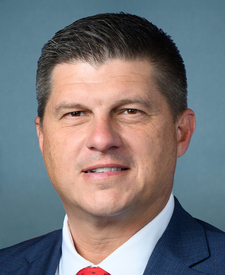 Rep. Brad FinstadR-MN-1
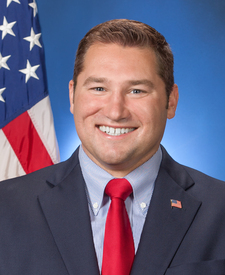 Rep. Guy ReschenthalerR-PA-14
 Rep. Victoria SpartzR-IN-5
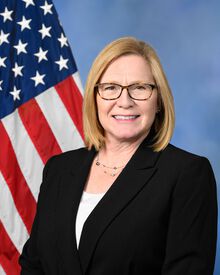 Rep. Michelle FischbachR-MN-7
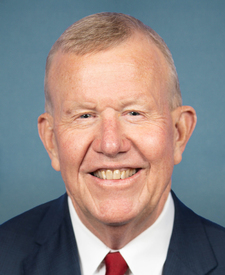 Rep. Mike EzellR-MS-4
 Rep. Cathy McMorris RodgersR-WA-5
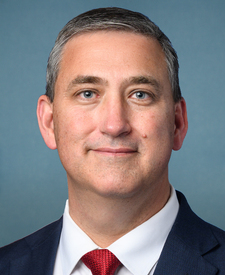 Rep. Nathaniel MoranR-TX-1
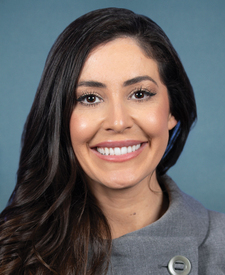 Rep. Anna LunaR-FL-13
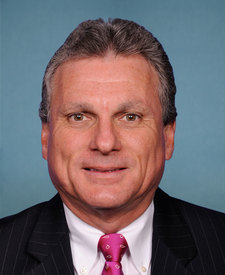 Rep. Buddy CarterR-GA-1
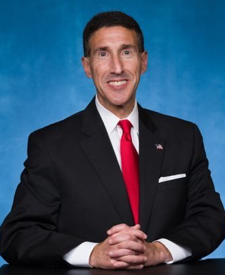 Rep. David KustoffR-TN-8
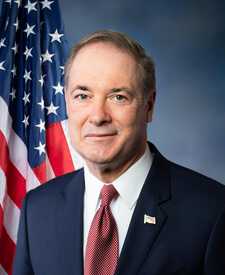 Rep. John JoyceR-PA-13
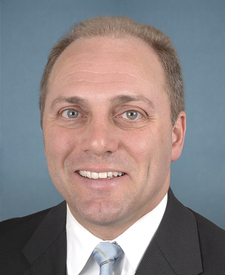 Rep. Steve ScaliseR-LA-1
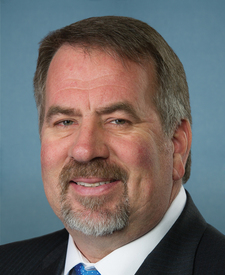 Rep. Doug LaMalfaR-CA-1
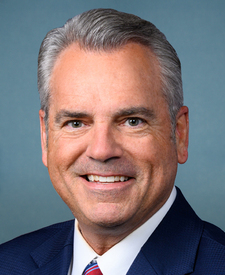 Rep. Mark AlfordR-MO-4
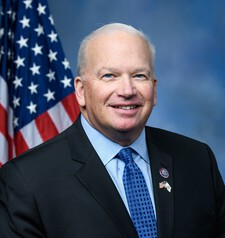 Rep. Scott FitzgeraldR-WI-5
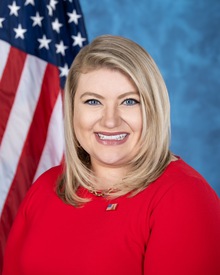 Rep. Kat CammackR-FL-3
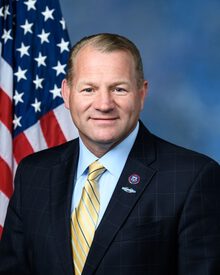 Rep. Troy NehlsR-TX-22
 Rep. Bill PoseyR-FL-8
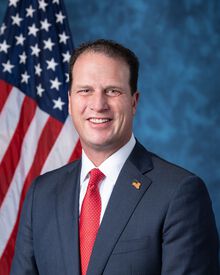 Rep. August PflugerR-TX-11
 Rep. Jerry CarlR-AL-1
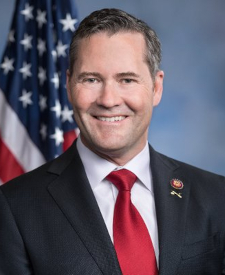 Rep. Michael WaltzR-FL-6
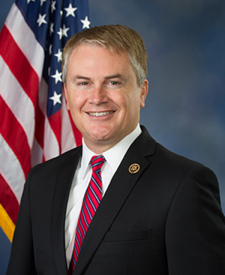 Rep. James ComerR-KY-1
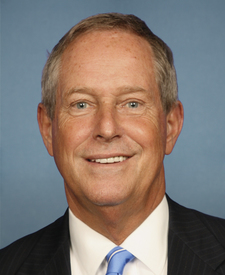 Rep. Joe WilsonR-SC-2
 Rep. Cory MillsR-FL-7
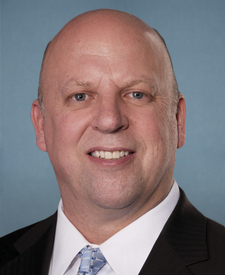 Rep. Scott DesJarlaisR-TN-4
 Rep. Morgan LuttrellR-TX-8
 Rep. Lance GoodenR-TX-5
 Rep. Warren DavidsonR-OH-8
 Rep. Jodey ArringtonR-TX-19
 Rep. Carol MillerR-WV-1
 Rep. John RoseR-TN-6
 Rep. William TimmonsR-SC-4
 Rep. Clay HigginsR-LA-3
 Rep. Erin HouchinR-IN-9
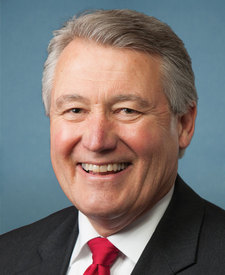 Rep. Rick AllenR-GA-12
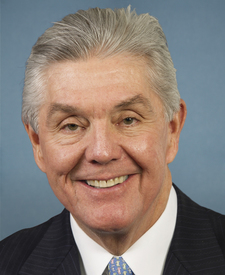 Rep. Roger WilliamsR-TX-25
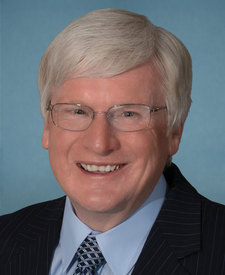 Rep. Glenn GrothmanR-WI-6
 Rep. Jeff DuncanR-SC-3
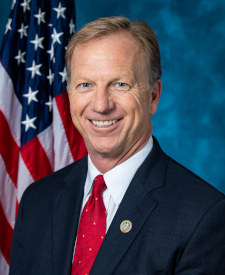 Rep. Kevin HernR-OK-1
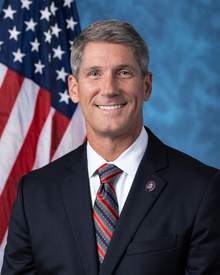 Rep. Scott FranklinR-FL-18
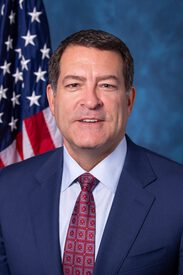 Rep. Mark GreenR-TN-7
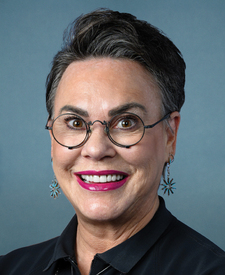 Rep. Harriet HagemanR-WY
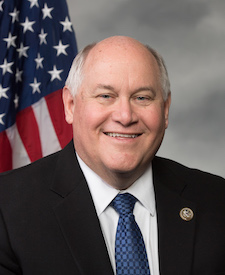 Rep. Ron EstesR-KS-4
 Rep. Jim BanksR-IN-3
 Rep. Randy WeberR-TX-14
 Rep. Mike CollinsR-GA-10
 Rep. Aaron BeanR-FL-4
 Rep. Marjorie GreeneR-GA-14
 Rep. Thomas TiffanyR-WI-7
 Rep. David RouzerR-NC-7
 Rep. Jim JordanR-OH-4
 Rep. Russ FulcherR-ID-1
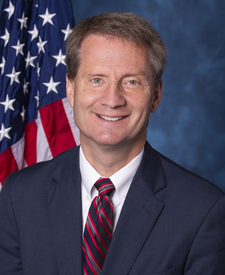 Rep. Tim BurchettR-TN-2
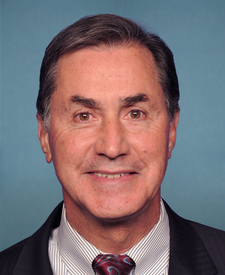 Rep. Gary PalmerR-AL-6
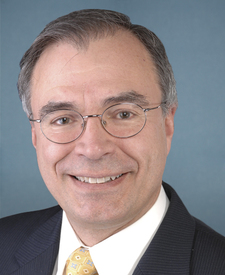 Rep. Andy HarrisR-MD-1
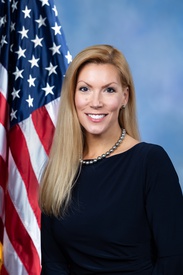 Rep. Beth Van DuyneR-TX-24
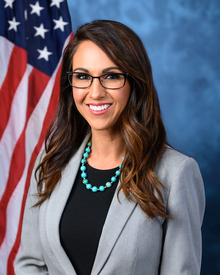 Rep. Lauren BoebertR-CO-3
 Rep. Doug LambornR-CO-5
 Rep. Trent KellyR-MS-1
 Rep. Diana HarshbargerR-TN-1
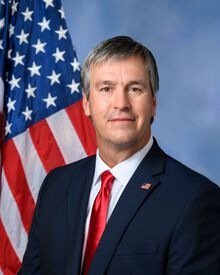 Rep. Barry MooreR-AL-2
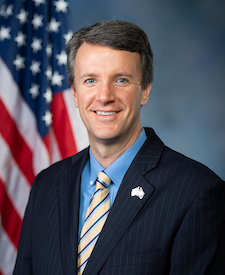 Rep. Ben ClineR-VA-6
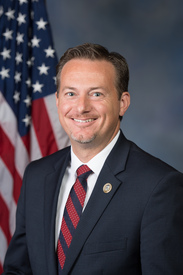 Rep. Michael CloudR-TX-27
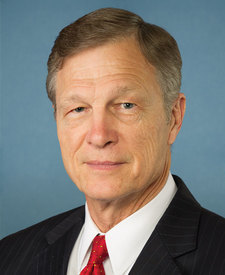 Rep. Brian BabinR-TX-36
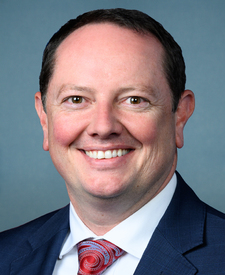 Rep. Eric BurlisonR-MO-7
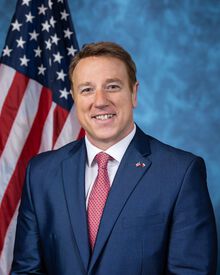 Rep. Pat FallonR-TX-4
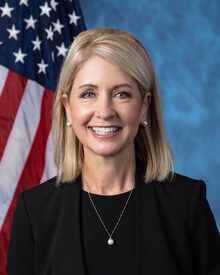 Rep. Mary MillerR-IL-15
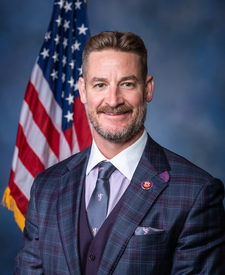 Rep. Gregory SteubeR-FL-17
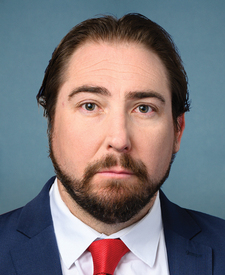 Rep. Eli CraneR-AZ-2
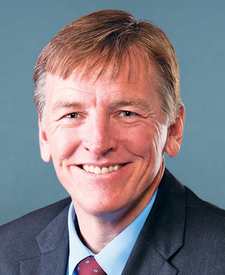 Rep. Paul GosarR-AZ-9
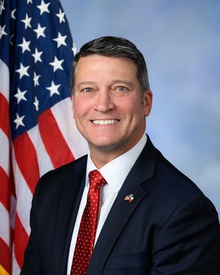 Rep. Ronny JacksonR-TX-13
 Rep. Andrew OglesR-TN-5
 Rep. Ralph NormanR-SC-5
 Rep. Keith SelfR-TX-3
 Rep. Rich McCormickR-GA-6
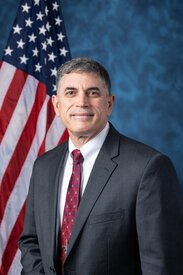 Rep. Andrew ClydeR-GA-9
Data notes
The House’s recorded vote on the final version of the law (roll call 937 in Voteview), matched to the vote the record cites and checked against its totals. Positions are each member’s DW-NOMINATE score for that Congress, as on the Ideology page; left to right is more liberal to more conservative. Paired and announced yea votes count as yea. Lists follow the compass, most liberal first. A name links to a profile only for members of the current Congress. A law passed by voice vote or unanimous consent has no member list, and neither does a vote Voteview has not yet recorded.
Committees
The committees the bill was sent to, and what each did with it.


Data notes
A committee links to its page only where it exists in the current Congress; older and renamed committees are named without a link.
Related bills
4 bills the Library of Congress relates to this one.
H.R. 7024Related bill
Tax Relief for American Families and Workers Act of 2024
H.Res. 961Related bill
Providing for the consideration of the bill (H.R. 5863) to provide tax relief with respect to certain Federal disasters.
S. 3678Related bill
Federal Disaster Tax Relief Act of 2024
S. 3711Related bill
Protect Innocent Victims Of Taxation After Fire Act
Data notes
Related bills are identified by the Congressional Research Service, the House and the Senate: companion and identical bills, bills with similar text, bills that were folded into this law, and rules that brought it to the floor. A bill that is itself a public law in this site’s data links here; the others link to Congress.gov.
Timeline
From introduction to signing, newest first: the committees, the floor and the president. 20 actions.
- Dec 12, 2024Became lawBecame law · Became Public Law No: 118-148.
- Became lawBecame law · Signed by President.
- Dec 10, 2024FloorFloor · Presented to President.
- Dec 5, 2024FloorFloor · Message on Senate action sent to the House.
- Dec 4, 2024FloorFloor · Passed Senate without amendment by Voice Vote.
- CommitteeCommittee · Senate Committee on Finance discharged by Unanimous Consent.
- May 22, 2024CommitteeCommittee · Received in the Senate and Read twice and referred to the Committee on Finance.
- May 21, 2024FloorFloor · Motion to reconsider laid on the table Agreed to without objection.
- FloorFloor · On motion to suspend the rules and pass the bill, as amended Agreed to by the Yeas and Nays: (2/3 required): 382 - 7 (Roll no. 219).House roll call 219
- FloorFloor · Considered as unfinished business.
- FloorFloor · At the conclusion of debate, the Yeas and Nays were demanded and ordered. Pursuant to the provisions of clause 8, rule XX, the Chair announced that further proceedings on the motion would be postponed.
- FloorFloor · DEBATE - The House proceeded with forty minutes of debate on H.R. 5863.
- FloorFloor · Considered under suspension of the rules.
- FloorFloor · Mr. Smith (MO) moved to suspend the rules and pass the bill, as amended.
- Jan 16, 2024CalendarCalendar · Placed on the Union Calendar, Calendar No. 284.
- CommitteeCommittee · Reported (Amended) by the Committee on Ways and Means. H. Rept. 118-348.
- Nov 2, 2023CommitteeCommittee · Ordered to be Reported in the Nature of a Substitute (Amended) by the Yeas and Nays: 38 - 0.
- CommitteeCommittee · Committee Consideration and Mark-up Session Held
- Oct 2, 2023CommitteeCommittee · Referred to the House Committee on Ways and Means.
- IntroducedIntroduced · Introduced in House
Data notes
Every action the Library of Congress lists for the bill, from introduction to signing, plus the dated committee hearings. The source lists many steps twice (the chamber’s own entry and the Library of Congress copy, or a presidential and a became-law entry with the same words); those are shown once. Amendments are listed in their own section.
Amendments
No amendments to this bill are on record.
Data notes
Amendments offered to this bill in either chamber, as the Library of Congress records them: each with a status read from its last recorded step: agreed to, rejected, withdrawn, ruled out of order, fell with another amendment, or offered with no vote recorded (most Senate amendments are only ever offered). The wording of each amendment is the source’s. Amendments to amendments and amendments to other bills are not listed.
Official record
The bill’s full text is on Congress.gov. Data through Oct 7, 2026.