Housing Opportunity Through Modernization Act of 2016
Public Law 114-201 · H.R. 3700 · 114th Congress · began in the House
Signed by Barack Obama (D) on Jul 29, 2016 · Housing and Community Development
Sponsor: Rep. Blaine Luetkemeyer (R-MO-3)
Cosponsors (11): Rep. Emanuel Cleaver, Rep. Brad Sherman,
Passage votesYeaNay
- HouseRecorded vote: 427 yea, 0 nay427–0
- SenateUnanimous consent
Data notes
The final version of the law, as each chamber passed it. A chamber that passed it by voice vote or unanimous consent has no count. “Method not stated” means the record does not say how the chamber voted. Where the record has a member-by-member vote, the “Who voted for it” section shows who voted yea.
Summary
The Congressional Research Service’s plain-language summary of what the law does.
Housing Opportunity Through Modernization Act of 2016
This bill amends the United States Housing Act of 1937 and other housing laws to modify the Department of Housing and Urban Development's (HUD's) rental assistance (including section 8 low-income [voucher]) and public housing programs, the Federal Housing Administration's (FHA's) requirements for condominium mortgage insurance, and the Department of Agriculture's (USDA's) single family housing guaranteed loan program.
TITLE I--SECTION 8 RENTAL ASSISTANCE AND PUBLIC HOUSING
(Sec. 101) This section revises the requirements for Public House Agencies (PHAs) to inspect dwelling units before making housing assistance payments to ensure that units comply with housing quality standards. If the PHA determines that a unit has defects, the bill sets forth procedures and requirements for determining noncompliance, correcting defects, withholding assistance payments, terminating a housing payments contract for a unit, notifying tenants, and relocating a tenant.
(Sec. 102) A PHA must review the incomes of assisted families in dwelling units: (1) upon the initial provision of housing assistance for the family, (2) annually thereafter, and (3) any time the family's income and deductions are estimated to increase by 10%. A family may request a review at any time its income and deductions are estimated to decrease by 10%. The PHA must follow specified requirements in calculating income and deductions.
HUD must: (1) develop a mechanism for disclosing information to PHAs for employment and income verification, and (2) ensure that PHAs have access to information contained in the Do Not Pay system established by the Improper Payments Elimination and Recovery Improvement Act of 2012.
(Sec. 103) If a PHA determines that a tenant's income is greater than 120% of the area median income for two consecutive years, the PHA must: (1) charge the tenant the greater of the fair market rent or the amount of the government subsidy for the unit, or (2) terminate the tenancy. HUD may increase or decrease the income limitation based on unique local conditions, such as construction costs, unusually high or low family incomes, vacancy rates, or rental costs.
(Sec. 104) A PHA may not rent a dwelling unit to or assist families with net family assets exceeding $100,000 annually (adjusted for inflation) or an ownership interest in property that is suitable for occupancy. This restriction does not apply to victims of domestic violence, individuals using housing assistance for homeownership opportunities, or a family that is offering a property for sale. PHAs must require applicants to authorize financial institutions to disclose records necessary to determine eligibility for benefits.
(Sec. 105) A unit owned by a PHA means any dwelling unit located in a project owned by: (1) the PHA, (2) an entity wholly controlled by the PHA, or (3) a limited liability company or limited partnership in which the PHA holds a controlling interest.
A unit shall not be deemed to be owned by a PHA if the agency only holds an interest in the ground lease, holds a security interest under a mortgage or deed of trust on the unit, or holds a non-controlling interest in an entity that owns the unit.
(Sec. 106) This section changes requirements for PHA project-based assistance. (Project-based rental assistance is a subsidy attached to a unit of privately-owned housing that houses low-income tenants. If the family moves, the subsidy remains with the housing unit. In contrast, tenant-based rental assistance vouchers permit families to move and retain their vouchers.)
A PHA may not use more than 20% of its authorized units for project-based vouchers (PBVs), except for an additional 10% that a PHA may use for PBVs that target the homeless, veterans, the elderly, the disabled, or for units in areas where vouchers are difficult to use due to market conditions.
Calculation of the 20% limit shall not include units subject to federal rent restrictions or receiving another type of long-term housing subsidy from HUD.
A PHA may not provide PBVs in a project that exceed the greater of 25% of the units in a property or 25 units, subject to exceptions for units: (1) exclusively made available to elderly families or to households eligible for supportive service, or (2) located in areas where vouchers are difficult to use or where the poverty rate is 20% or lower.
This section extends the permissible term for PBV contracts from 15 to 20 years, subject to the availability of funds and inspection requirements. If there are insufficient funds, a PHA must prioritize payments for units subject to a PBV contract if other cost-saving measures that do not require the termination of contracts are available. Subject to these limitations, a PHA and the owner may: (1) add eligible units within the same project during the term of a contract, and (2) enter into a housing assistance payments contract with an owner for housing under construction or recently constructed.
If a PBV contract is not extended or is terminated, this section extends tenant-based rental assistance for households to continue to reside in the property or to choose to move.
Subject to existing rent restrictions, a PHA and owner may agree to limit rent increases to the operating cost adjustment factor (OCAF) established by HUD pursuant to the Multifamily Assisted Housing Reform and Affordability Act of 1997. Owners may request an additional adjustment periodically subject to rent reasonableness.
Residents may place their names on site-specific waiting lists managed by owners, in addition to waiting lists established by PHAs.
A PHA may provide PBV assistance to improve, develop, or replace a public housing property or property that it controls or has an ownership interest in without using a competitive process if it notifies the public of its intent through its public housing agency plan.
PHAs may use project-based HUD-Veterans Affairs Supportive Housing (HUD-VASH) and Family Unification Program (FUP) vouchers under the same policies and procedures applicable to general purpose vouchers.
(Sec. 107) This section modifies the public notice requirements for proposed Fair Market Rents (FMRs). PHAs may request exception payment standards within fair market rental areas, subject to HUD procedures and criteria. (Payment standards are used to calculate the housing assistance payment that the PHA pays to the owner on behalf of the family leasing the unit.) No PHA shall be required to reduce any payment standard for a unit based on a reduction in the fair market rent determination if the family occupying the unit before the FMR analysis continues to reside in the unit.
(Sec. 108) HUD must collect and publish utility consumption data to assist in establishing tenant-paid utility allowances.
(Sec. 109) PHAs may establish a replacement reserve to fund specified capital fund activities, subject to specified requirements and restrictions on the transfer of operating funds into the replacement reserve.
(Sec. 110) This section increases: (1) to 36 months the time-period for which a child aging out of foster care may use a family unification housing voucher, and (2) to 24 the maximum age for an individual using the Family Unification Program (FUP). HUD must issue guidance to improve coordination between PHAs and public child welfare agencies in carrying out the FUP.
(Sec. 111) HUD must publish guidelines for minimum heating requirements in public housing units operated by PHAs.
(Sec. 112) This section revises the requirements for providing and calculating voucher rental assistance for families living in manufactured housing.
(Sec. 113) HUD must prioritize financial assistance for U.S. citizens or nationals over aliens who are eligible for assistance.
(Sec. 114) This section exempts PHAs in the county of Los Angeles, California, and in the states of Alaska, Iowa, and Mississippi from the requirement to include public housing residents on their governing boards. PHAs that do not include residents on their boards must establish an advisory board of at least six public housing residents or recipients of section 8 assistance.
TITLE II--RURAL HOUSING
(Sec. 201) This section amends the Housing Act of 1949 to permit USDA to delegate to preferred lenders its loan approval authority for the Rural Housing Service's single family housing guaranteed loan program.
(Sec. 202) USDA may charge lenders a fee of up to $50 per loan to use USDA's automated underwriting systems for the single family loan program.
TITLE III--FHA MORTGAGE INSURANCE FOR CONDOMINIUMS
(Sec. 301) This title amends the National Housing Act to require the FHA to modify its certification requirements for condominium mortgage insurance to make recertifications substantially less burdensome than original certifications. The FHA must consider lengthening the time between certifications for approved properties and allowing information to be updated rather than resubmitted.
A HUD field office must make decisions regarding exemptions to current FHA commercial space requirements and must consider factors relating to the economy of the locality in which the project is located.
The FHA must apply to FHA condominium mortgage insurance the existing standards of the Federal Housing Finance Agency (FHFA) relating to encumbrances under private transfer fee covenants to the same extent and in the same manner as those standards apply to mortgage investments by the Federal National Mortgage Association (Fannie Mae) and the Federal Home Loan Mortgage Corporation (Freddie Mac). If the FHFA changes its standards after enactment of this bill, the FHA must adopt the changes or disregard them with an explanatory notice within 90 days.
The FHA must issue guidance regarding the percentage of units that must be occupied by the owners (or sold to owners intending to meet such occupancy requirements) in order for a condominium to be eligible for FHA mortgage insurance. If the guidance is not issued within 90 days of enactment of this bill: (1) at least 35% of all family units must be occupied by the owners or sold to owners who intend to meet the occupancy requirement, and (2) the FHA may increase the requirement for a project on a project-by-project or regional basis after considering factors relating to the economy of the locality in which the project is located.
TITLE IV--HOUSING REFORMS FOR THE HOMELESS AND FOR VETERANS
(Sec. 401) This section amends the McKinney-Vento Homeless Assistance Act to require HUD to define the ''geographic area'' for purposes of the Continuum of Care Program (which awards project sponsors or unified funding agencies competitive grants focused on addressing the long-term housing and services needs of homeless individuals and families).
(Sec. 402) Local governments receiving Emergency Solutions Grants may distribute all or part of the assistance to PHAs or Local Redevelopment Authorities. (The grants are awarded to assist the homeless and prevent homelessness. Distribution of the grants is currently limited to nonprofit organizations.)
(Sec. 403) This section amends the Department of Housing and Urban Development Act to require HUD to transfer the position of Special Assistant for Veterans Affairs from the Office of the Deputy Assistant Secretary for Special Needs to the Office of the Secretary.
(Sec. 404) HUD and the Department of Veterans Affairs must submit annually to Congress reports regarding: the number of veterans assisted by HUD programs, coordination of services for veterans, and the cost of administering programs to veterans.
(Sec. 405) HUD must reopen the public comment period for the interim rule entitled "Homeless Emergency Assistance and Rapid Transition to Housing: Continuum of Care Program."
TITLE V--MISCELLANEOUS
(Sec. 501) All recipients of HUD Disaster Housing Assistance Program funds must meet specified income verification requirements.
(Sec. 502) This section amends the Housing Opportunity Program Extension Act of 1996 to prohibit HUD from requiring any dwelling in the Self-Help Ownership Opportunity Program to meet energy efficiency standards other than those included in the Cranston-Gonzalez National Affordable Housing Act.
(Sec. 503) HUD must create data exchange standards to improve interoperability between federal and state agencies.
TITLE VI--REPORTS
(Sec. 601) HUD, in consultation with the Department of Labor, must report to Congress on their interagency strategies to improve family economic empowerment by linking housing assistance with other support services, such as employment counseling and training, financial education and growth, childcare, transportation, meals, and youth recreational activities.
TITLE VII--HOUSING OPPORTUNITIES FOR PERSONS WITH AIDS
(Sec. 701) This title revises the formula and requirements for distributing funds under the Housing Opportunities for Persons With Aids (HOPWA) Program.
A grantee that received an allocation in FY2016 shall continue to be eligible for such allocations in subsequent fiscal years, subject to HUD approval and the amounts available from appropriations Acts. HUD shall:
• redetermine a grantee's eligibility at least once every 10 years, and
• ensure that a grantee that received an allocation in the prior fiscal year does not receive an allocation 5% less than or 10% greater than the amount allocated to that grantee in the preceding fiscal year.
HUD may also award such funds to an alternative grantee if the original grantee agrees in a written document meeting HUD approval.
Who voted for it
Every House member of the 114th Congress on the ideology compass. Highlighted: the 427 who voted yea on final passage. Faded: everyone else, including those who voted nay, did not vote, or had not yet taken office.
427 yea0 nay6 present or did not vote
Democrats who voted yea(184)
 Rep. Raúl GrijalvaD-AZ-3
 Rep. Barbara LeeD-CA-13
 Rep. Karen BassD-CA-37
 Rep. Yvette ClarkeD-NY-9
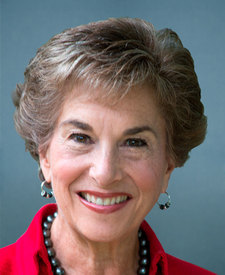 Rep. Jan SchakowskyD-IL-9
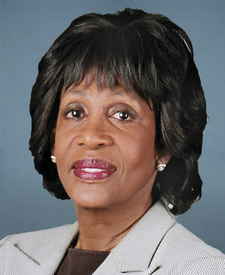 Rep. Maxine WatersD-CA-43
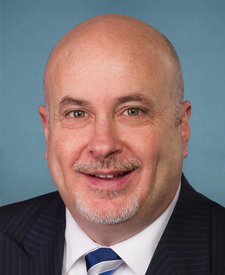 Rep. Mark PocanD-WI-2
 Rep. Grace NapolitanoD-CA-32
 Rep. John ConyersD-MI-13
 Rep. John LewisD-GA-5
 Rep. Bennie ThompsonD-MS-2
 Rep. Marcia FudgeD-OH-11
 Rep. Eddie JohnsonD-TX-30
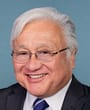 Rep. Mike HondaD-CA-17
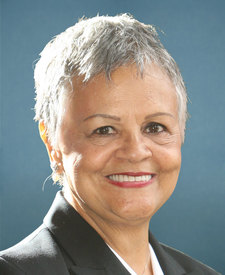 Rep. Bonnie Watson ColemanD-NJ-12
 Rep. Donald PayneD-NJ-10
 Rep. Lucille Roybal-AllardD-CA-40
 Rep. Elijah CummingsD-MD-7
 Rep. Frederica WilsonD-FL-24
 Rep. Corrine BrownD-FL-5
 Rep. Linda SánchezD-CA-38
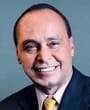 Rep. Luis GutiérrezD-IL-4
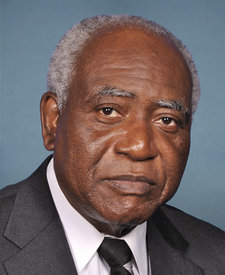 Rep. Danny DavisD-IL-7
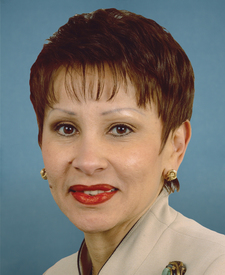 Rep. Nydia VelázquezD-NY-7
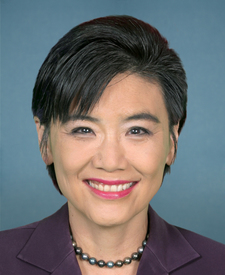 Rep. Judy ChuD-CA-27
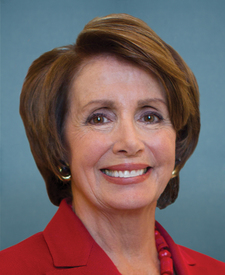 Rep. Nancy PelosiD-CA-12
 Rep. Charlie RangelD-NY-13
 Rep. John SarbanesD-MD-3
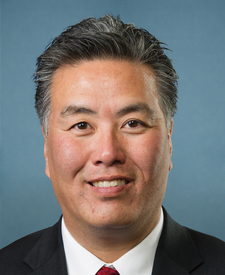 Rep. Mark TakanoD-CA-41
 Rep. Sam FarrD-CA-20
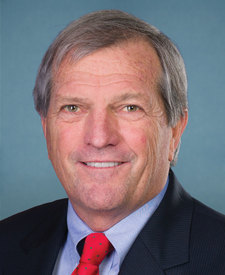 Rep. Mark DeSaulnierD-CA-11
 Rep. Cedric RichmondD-LA-2
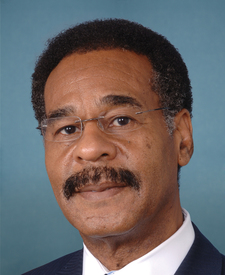 Rep. Emanuel CleaverD-MO-5
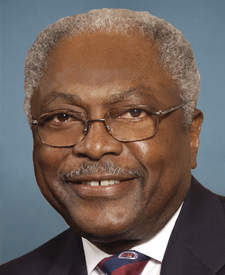 Rep. Jim ClyburnD-SC-6
 Rep. Louise SlaughterD-NY-25
 Rep. Xavier BecerraD-CA-34
 Rep. Sheila Jackson LeeD-TX-18
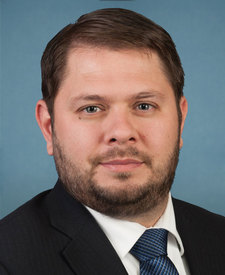 Rep. Ruben GallegoD-AZ-7
 Rep. Wm. ClayD-MO-1
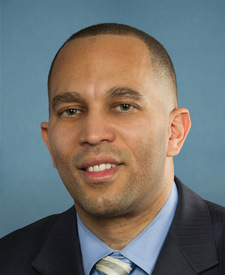 Rep. Hakeem JeffriesD-NY-8
 Rep. Keith EllisonD-MN-5
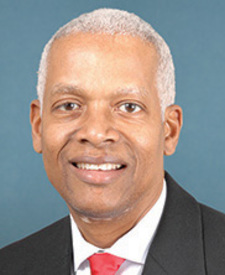 Rep. Hank JohnsonD-GA-4
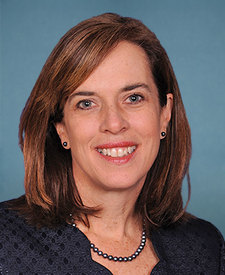 Rep. Katherine ClarkD-MA-5
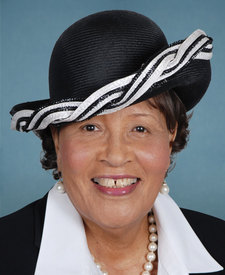 Rep. Alma AdamsD-NC-12
 Rep. Bobby RushD-IL-1
 Rep. Gwen MooreD-WI-4
 Rep. Donna EdwardsD-MD-4
 Rep. Chris Van HollenD-MD-8
 Rep. André CarsonD-IN-7
 Rep. José SerranoD-NY-15
 Rep. Alcee HastingsD-FL-20
 Rep. Jerrold NadlerD-NY-10
 Rep. Al GreenD-TX-9
 Rep. Debbie Wasserman SchultzD-FL-23
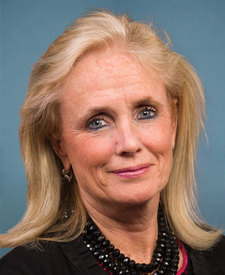 Rep. Debbie DingellD-MI-12
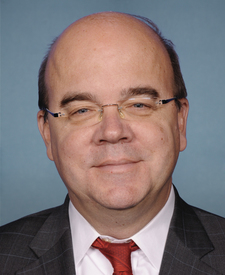 Rep. Jim McGovernD-MA-2
 Rep. Robert BradyD-PA-1
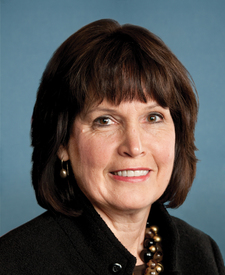 Rep. Betty McCollumD-MN-4
 Rep. Bobby ScottD-VA-3
 Rep. Brenda LawrenceD-MI-14
 Rep. Frank PalloneD-NJ-6
 Rep. Peter ViscloskyD-IN-1
 Rep. David PriceD-NC-4
 Rep. Joseph KennedyD-MA-4
 Rep. Michael CapuanoD-MA-7
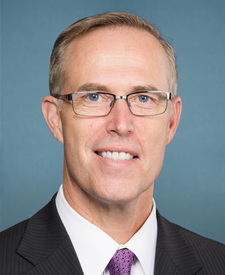 Rep. Jared HuffmanD-CA-2
 Rep. G.K. ButterfieldD-NC-1
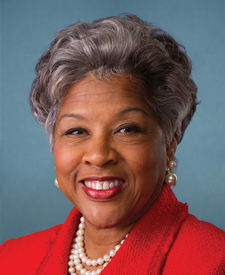 Rep. Joyce BeattyD-OH-3
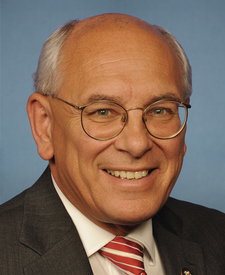 Rep. Paul TonkoD-NY-20
 Rep. Sander LevinD-MI-9
 Rep. Daniel KildeeD-MI-5
 Rep. Doris MatsuiD-CA-6
 Rep. Diana DeGetteD-CO-1
 Rep. Eliot EngelD-NY-16
 Rep. Kathy CastorD-FL-14
 Rep. Robin KellyD-IL-2
 Rep. Lois FrankelD-FL-22
 Rep. Ted DeutchD-FL-21
 Rep. Rosa DeLauroD-CT-3
 Rep. John YarmuthD-KY-3
 Rep. Steny HoyerD-MD-5
 Rep. Adam SchiffD-CA-28
 Rep. Bill PascrellD-NJ-9
 Rep. Zoe LofgrenD-CA-19
 Rep. Jackie SpeierD-CA-14
 Rep. Peter WelchD-VT
 Rep. Nita LoweyD-NY-17
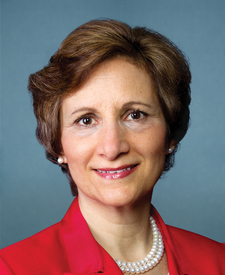 Rep. Suzanne BonamiciD-OR-1
 Rep. Michael DoyleD-PA-14
 Rep. Joe CrowleyD-NY-14
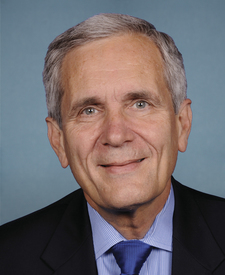 Rep. Lloyd DoggettD-TX-35
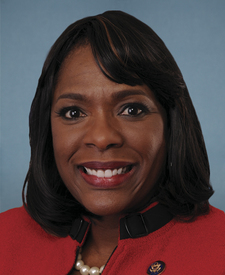 Rep. Terri SewellD-AL-7
 Rep. Alan LowenthalD-CA-47
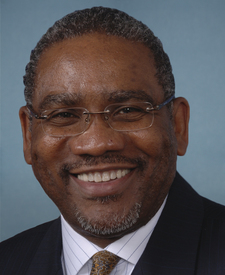 Rep. Gregory MeeksD-NY-5
 Rep. Rubén HinojosaD-TX-15
 Rep. Matt CartwrightD-PA-17
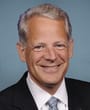 Rep. Steve IsraelD-NY-3
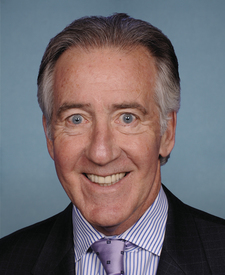 Rep. Richard NealD-MA-1
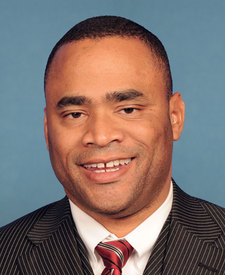 Rep. Marc VeaseyD-TX-33
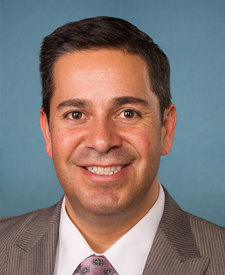 Rep. Ben LujánD-NM-3
 Rep. Earl BlumenauerD-OR-3
 Rep. Marcy KapturD-OH-9
 Rep. Chellie PingreeD-ME-1
 Rep. David CicillineD-RI-1
 Rep. Niki TsongasD-MA-3
 Rep. Susan DavisD-CA-53
 Rep. Tim RyanD-OH-13
 Rep. Grace MengD-NY-6
 Rep. Carolyn MaloneyD-NY-12
 Rep. Donald NorcrossD-NJ-1
 Rep. Anna EshooD-CA-18
 Rep. Lois CappsD-CA-24
 Rep. Jim LangevinD-RI-2
 Rep. John LarsonD-CT-1
 Rep. Mike ThompsonD-CA-5
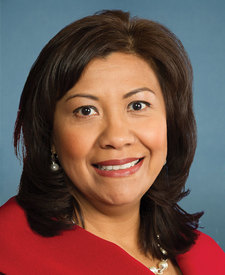 Rep. Norma TorresD-CA-35
 Rep. Mark TakaiD-HI-1
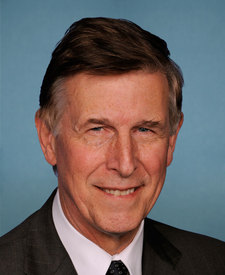 Rep. Donald BeyerD-VA-8
 Rep. Brian HigginsD-NY-26
 Rep. Michelle Lujan GrishamD-NM-1
 Rep. Albio SiresD-NJ-8
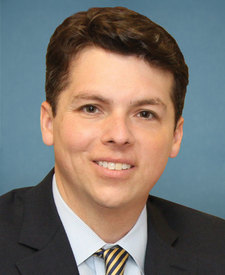 Rep. Brendan BoyleD-PA-13
 Rep. Tony CárdenasD-CA-29
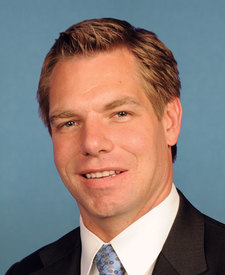 Rep. Eric SwalwellD-CA-15
 Rep. Loretta SanchezD-CA-46
 Rep. Gene GreenD-TX-29
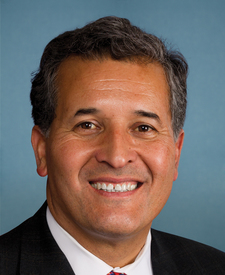 Rep. Juan VargasD-CA-51
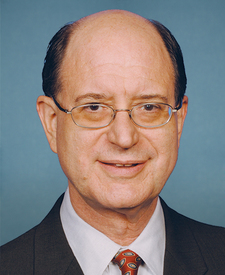 Rep. Brad ShermanD-CA-30
 Rep. Jerry McNerneyD-CA-9
 Rep. Rick LarsenD-WA-2
 Rep. Stephen LynchD-MA-8
 Rep. Steve CohenD-TN-9
 Rep. Janice HahnD-CA-44
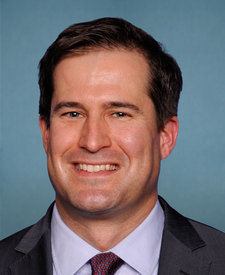 Rep. Seth MoultonD-MA-6
 Rep. Alan GraysonD-FL-9
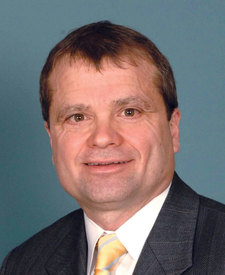 Rep. Mike QuigleyD-IL-5
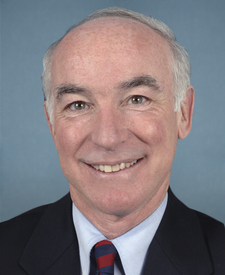 Rep. Joe CourtneyD-CT-2
 Rep. Denny HeckD-WA-10
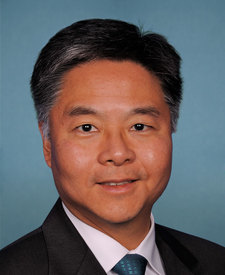 Rep. Ted LieuD-CA-33
 Rep. Filemon VelaD-TX-34
 Rep. David LoebsackD-IA-2
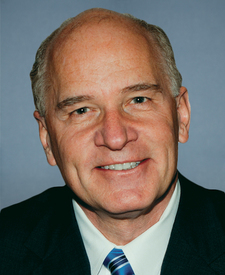 Rep. William KeatingD-MA-9
 Rep. Ed PerlmutterD-CO-7
 Rep. Elizabeth EstyD-CT-5
 Rep. Suzan DelBeneD-WA-1
 Rep. Gerald ConnollyD-VA-11
 Rep. Sanford BishopD-GA-2
 Rep. Tammy DuckworthD-IL-8
 Rep. Beto O’RourkeD-TX-16
 Rep. Derek KilmerD-WA-6
 Rep. Dina TitusD-NV-1
 Rep. A. Dutch RuppersbergerD-MD-2
 Rep. Tulsi GabbardD-HI-2
 Rep. John GaramendiD-CA-3
 Rep. Raul RuizD-CA-36
 Rep. Bill FosterD-IL-11
 Rep. David ScottD-GA-13
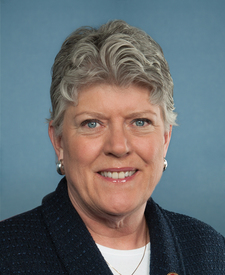 Rep. Julia BrownleyD-CA-26
 Rep. John CarneyD-DE
 Rep. Richard NolanD-MN-8
 Rep. Cheri BustosD-IL-17
 Rep. Kathleen RiceD-NY-4
 Rep. Peter DeFazioD-OR-4
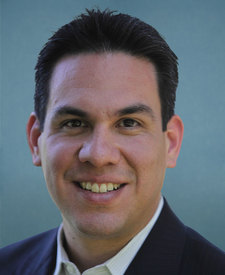 Rep. Pete AguilarD-CA-31
 Rep. Timothy WalzD-MN-1
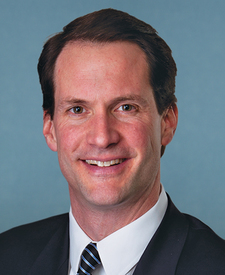 Rep. Jim HimesD-CT-4
 Rep. John DelaneyD-MD-6
 Rep. Sean MaloneyD-NY-18
 Rep. Ann KusterD-NH-2
 Rep. Jared PolisD-CO-2
 Rep. Ron KindD-WI-3
 Rep. Ann KirkpatrickD-AZ-1
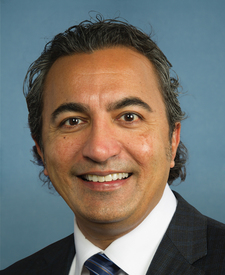 Rep. Ami BeraD-CA-7
 Rep. Patrick MurphyD-FL-18
 Rep. Henry CuellarD-TX-28
 Rep. Gwen GrahamD-FL-2
 Rep. Daniel LipinskiD-IL-3
 Rep. Scott PetersD-CA-52
 Rep. Brad AshfordD-NE-2
 Rep. Jim CooperD-TN-5
 Rep. Kurt SchraderD-OR-5
 Rep. Jim CostaD-CA-16
 Rep. Kyrsten SinemaD-AZ-9
 Rep. Collin PetersonD-MN-7
Republicans who voted yea(243)
 Rep. Bob DoldR-IL-10
 Rep. Carlos CurbeloR-FL-26
 Rep. John KatkoR-NY-24
 Rep. Richard HannaR-NY-22
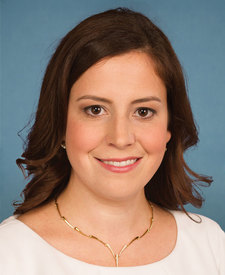 Rep. Elise StefanikR-NY-21
 Rep. Ileana Ros-LehtinenR-FL-27
 Rep. Christopher GibsonR-NY-19
 Rep. Tom MacArthurR-NJ-3
 Rep. Ryan CostelloR-PA-6
 Rep. Daniel DonovanR-NY-11
 Rep. Pete KingR-NY-2
 Rep. Michael FitzpatrickR-PA-8
 Rep. Charles DentR-PA-15
 Rep. David ReichertR-WA-8
 Rep. Patrick MeehanR-PA-7
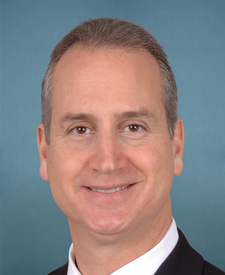 Rep. Mario Diaz-BalartR-FL-25
 Rep. David JollyR-FL-13
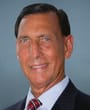 Rep. Frank LoBiondoR-NJ-2
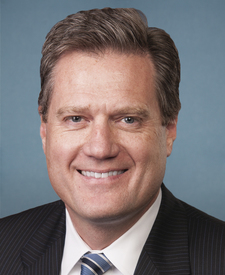 Rep. Michael TurnerR-OH-10
 Rep. Adam KinzingerR-IL-16
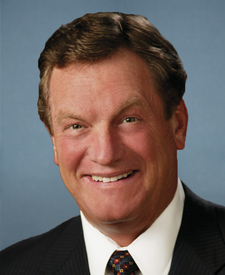 Rep. Mike SimpsonR-ID-2
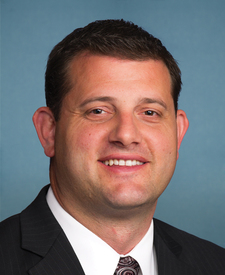 Rep. David ValadaoR-CA-21
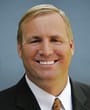 Rep. Jeff DenhamR-CA-10
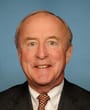 Rep. Rodney FrelinghuysenR-NJ-11
 Rep. Barbara ComstockR-VA-10
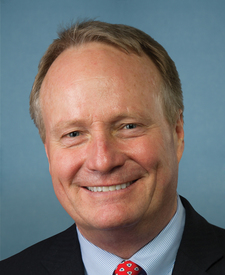 Rep. David JoyceR-OH-14
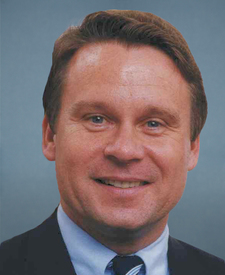 Rep. Chris SmithR-NJ-4
 Rep. Tom ReedR-NY-23
 Rep. Mike BostR-IL-12
 Rep. Rodney DavisR-IL-13
 Rep. Tom ColeR-OK-4
 Rep. Don YoungR-AK
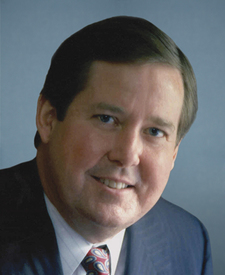 Rep. Ken CalvertR-CA-42
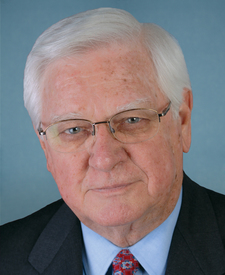 Rep. Hal RogersR-KY-5
 Rep. Ander CrenshawR-FL-4
 Rep. Lou BarlettaR-PA-11
 Rep. Evan JenkinsR-WV-3
 Rep. Ed WhitfieldR-KY-1
 Rep. Fred UptonR-MI-6
 Rep. Steve StiversR-OH-15
 Rep. Jeff FortenberryR-NE-1
 Rep. Martha McSallyR-AZ-2
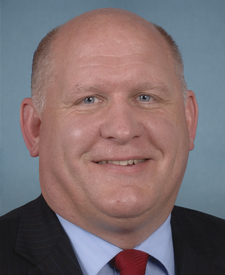 Rep. Glenn ThompsonR-PA-5
 Rep. Bill ShusterR-PA-9
 Rep. Mark AmodeiR-NV-2
 Rep. John ShimkusR-IL-15
 Rep. Mike KellyR-PA-3
 Rep. David McKinleyR-WV-1
 Rep. Lee ZeldinR-NY-1
 Rep. Devin NunesR-CA-22
 Rep. Scott RigellR-VA-2
 Rep. Tim MurphyR-PA-18
 Rep. Tom MarinoR-PA-10
 Rep. Gregg HarperR-MS-3
 Rep. Steve WomackR-AR-3
 Rep. Greg WaldenR-OR-2
 Rep. Pat TiberiR-OH-12
 Rep. Frank LucasR-OK-3
 Rep. Cresent HardyR-NV-4
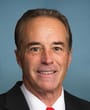 Rep. Chris CollinsR-NY-27
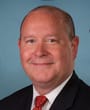 Rep. Larry BucshonR-IN-8
 Rep. Susan BrooksR-IN-5
 Rep. Charles BoustanyR-LA-3
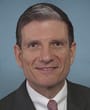 Rep. Joseph HeckR-NV-3
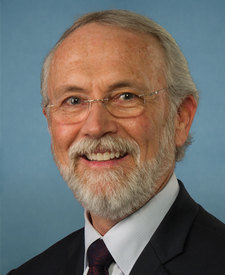 Rep. Dan NewhouseR-WA-4
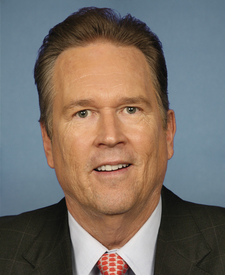 Rep. Vern BuchananR-FL-16
 Rep. Bruce PoliquinR-ME-2
 Rep. James RenacciR-OH-16
 Rep. Dave TrottR-MI-11
 Rep. Leonard LanceR-NJ-7
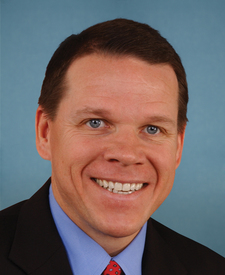 Rep. Sam GravesR-MO-6
 Rep. Bill JohnsonR-OH-6
 Rep. Jaime Herrera BeutlerR-WA-3
 Rep. Candice MillerR-MI-10
 Rep. Renee EllmersR-NC-2
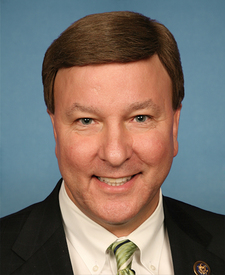 Rep. Mike RogersR-AL-3
 Rep. Mimi WaltersR-CA-45
 Rep. Paul CookR-CA-8
 Rep. Erik PaulsenR-MN-3
 Rep. Kay GrangerR-TX-12
 Rep. John KlineR-MN-2
 Rep. Kevin CramerR-ND
 Rep. Martha RobyR-AL-2
 Rep. Robert AderholtR-AL-4
 Rep. Dan BenishekR-MI-1
 Rep. Peter RoskamR-IL-6
 Rep. Ryan ZinkeR-MT
 Rep. Will HurdR-TX-23
 Rep. Walter JonesR-NC-3
 Rep. Kristi NoemR-SD
 Rep. Tom EmmerR-MN-6
 Rep. Darin LaHoodR-IL-18
 Rep. Blaine LuetkemeyerR-MO-3
 Rep. Frank GuintaR-NH-1
 Rep. John MoolenaarR-MI-4
 Rep. Rick CrawfordR-AR-1
 Rep. Cathy McMorris RodgersR-WA-5
 Rep. Mike BishopR-MI-8
 Rep. Ann WagnerR-MO-2
 Rep. Mac ThornberryR-TX-13
 Rep. David YoungR-IA-3
 Rep. John MicaR-FL-7
 Rep. Steve KnightR-CA-25
 Rep. Jackie WalorskiR-IN-2
 Rep. Steve RussellR-OK-5
 Rep. Thomas RooneyR-FL-17
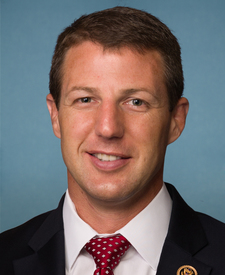 Rep. Markwayne MullinR-OK-2
 Rep. Mike CoffmanR-CO-6
 Rep. Richard NugentR-FL-11
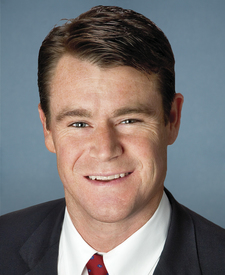 Rep. Todd YoungR-IN-9
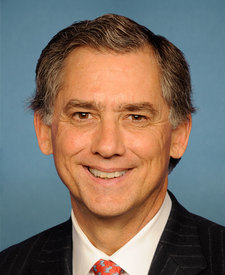 Rep. French HillR-AR-2
 Rep. Kevin McCarthyR-CA-23
 Rep. Randy HultgrenR-IL-14
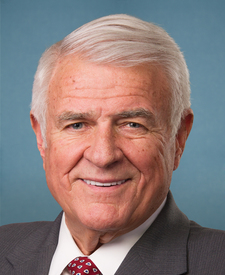 Rep. John CarterR-TX-31
 Rep. Ed RoyceR-CA-39
 Rep. Bob GibbsR-OH-7
 Rep. Ralph AbrahamR-LA-5
 Rep. Steven PalazzoR-MS-4
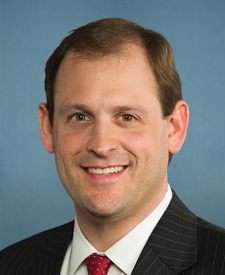 Rep. Andy BarrR-KY-6
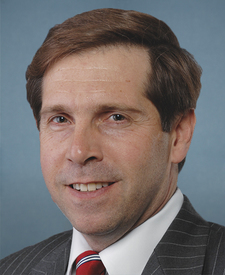 Rep. Chuck FleischmannR-TN-3
 Rep. Joe BartonR-TX-6
 Rep. Dennis RossR-FL-15
 Rep. Garret GravesR-LA-6
 Rep. Joseph PittsR-PA-16
 Rep. Duncan HunterR-CA-50
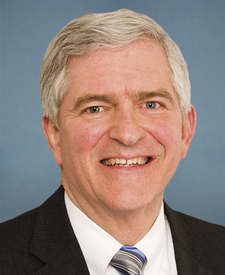 Rep. Daniel WebsterR-FL-10
 Rep. Stephen FincherR-TN-8
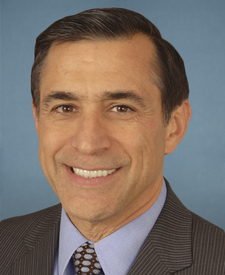 Rep. Darrell IssaR-CA-49
 Rep. Billy LongR-MO-7
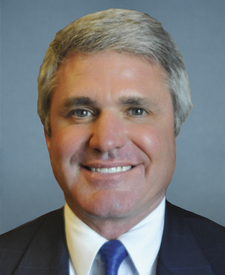 Rep. Michael McCaulR-TX-10
 Rep. Patrick McHenryR-NC-10
 Rep. Randy ForbesR-VA-4
 Rep. Steve PearceR-NM-2
 Rep. Vicky HartzlerR-MO-4
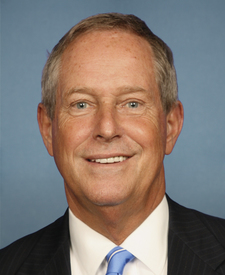 Rep. Joe WilsonR-SC-2
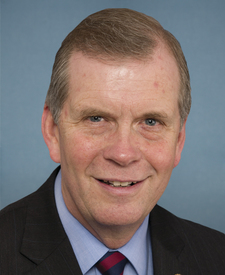 Rep. Tim WalbergR-MI-7
 Rep. John CulbersonR-TX-7
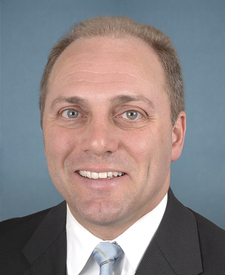 Rep. Steve ScaliseR-LA-1
 Rep. Bradley ByrneR-AL-1
 Rep. Kevin BradyR-TX-8
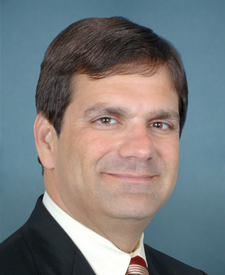 Rep. Gus BilirakisR-FL-12
 Rep. Rod BlumR-IA-1
 Rep. Brett GuthrieR-KY-2
 Rep. Keith RothfusR-PA-12
 Rep. Sean DuffyR-WI-7
 Rep. Bruce WestermanR-AR-4
 Rep. Scott TiptonR-CO-3
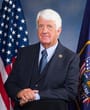 Rep. Rob BishopR-UT-1
 Rep. Lynn JenkinsR-KS-2
 Rep. Robert PittengerR-NC-9
 Rep. Ted PoeR-TX-2
 Rep. Reid RibbleR-WI-8
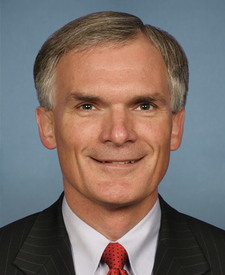 Rep. Robert LattaR-OH-5
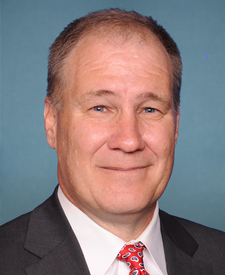 Rep. Trent KellyR-MS-1
 Rep. Chris StewartR-UT-2
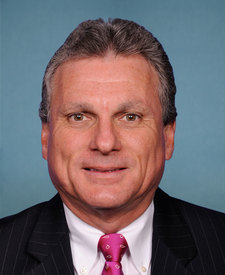 Rep. Buddy CarterR-GA-1
 Rep. Luke MesserR-IN-6
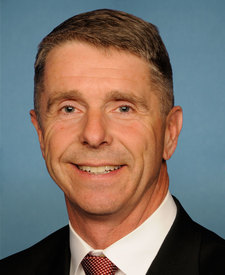 Rep. Robert WittmanR-VA-1
 Rep. Doug LaMalfaR-CA-1
 Rep. Kevin YoderR-KS-3
 Rep. Adrian SmithR-NE-3
 Rep. Todd RokitaR-IN-4
 Rep. Alexander MooneyR-WV-2
 Rep. Tom RiceR-SC-7
 Rep. Bob GoodlatteR-VA-6
 Rep. Morgan GriffithR-VA-9
 Rep. Virginia FoxxR-NC-5
 Rep. Jason ChaffetzR-UT-3
 Rep. Lamar SmithR-TX-21
 Rep. Robert HurtR-VA-5
 Rep. Justin AmashR-MI-3
 Rep. Steve KingR-IA-4
 Rep. Phil RoeR-TN-1
 Rep. Mia LoveR-UT-4
 Rep. Michael ConawayR-TX-11
 Rep. Blake FarentholdR-TX-27
 Rep. Curt ClawsonR-FL-19
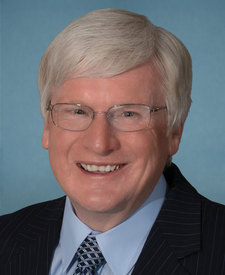 Rep. Glenn GrothmanR-WI-6
 Rep. Brad WenstrupR-OH-2
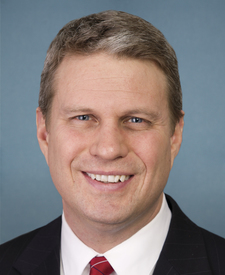 Rep. Bill HuizengaR-MI-2
 Rep. Rob WoodallR-GA-7
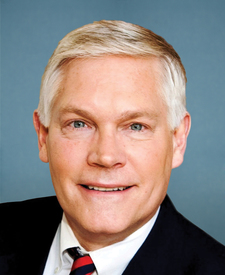 Rep. Pete SessionsR-TX-32
 Rep. Bill PoseyR-FL-8
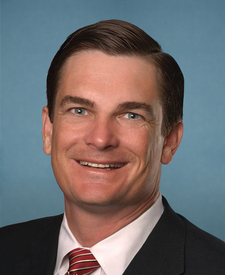 Rep. Austin ScottR-GA-8
 Rep. Pete OlsonR-TX-22
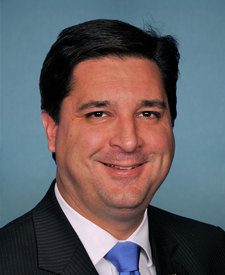 Rep. David RouzerR-NC-7
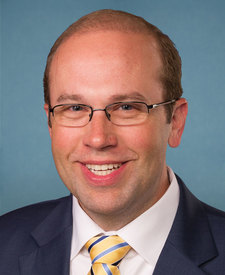 Rep. Jason SmithR-MO-8
 Rep. Bill FloresR-TX-17
 Rep. Dana RohrabacherR-CA-48
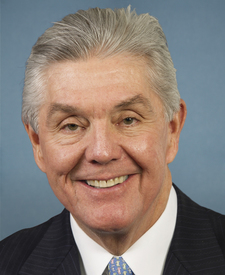 Rep. Roger WilliamsR-TX-25
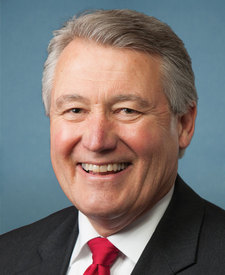 Rep. Rick AllenR-GA-12
 Rep. Jeff MillerR-FL-1
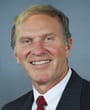 Rep. Steve ChabotR-OH-1
 Rep. Mark WalkerR-NC-6
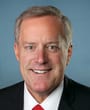 Rep. Mark MeadowsR-NC-11
 Rep. Scott GarrettR-NJ-5
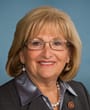 Rep. Diane BlackR-TN-6
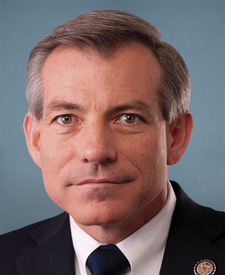 Rep. David SchweikertR-AZ-6
 Rep. Ron DeSantisR-FL-6
 Rep. Tom GravesR-GA-14
 Rep. Kenny MarchantR-TX-24
 Rep. Mike PompeoR-KS-4
 Rep. Tom PriceR-GA-6
 Rep. Matt SalmonR-AZ-5
 Rep. Jeb HensarlingR-TX-5
 Rep. Trey GowdyR-SC-4
 Rep. Randy WeberR-TX-14
 Rep. Richard HudsonR-NC-8
 Rep. Jim BridenstineR-OK-1
 Rep. George HoldingR-NC-13
 Rep. Doug LambornR-CO-5
 Rep. Sam JohnsonR-TX-3
 Rep. Doug CollinsR-GA-9
 Rep. Randy NeugebauerR-TX-19
 Rep. James SensenbrennerR-WI-5
 Rep. Ted YohoR-FL-3
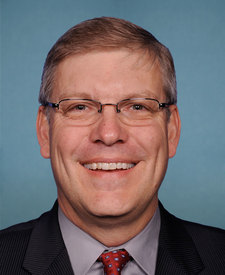 Rep. Barry LoudermilkR-GA-11
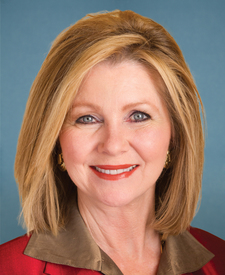 Rep. Marsha BlackburnR-TN-7
 Rep. Michael BurgessR-TX-26
 Rep. John FlemingR-LA-4
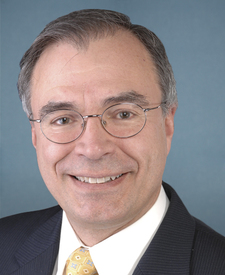 Rep. Andy HarrisR-MD-1
 Rep. Scott PerryR-PA-4
 Rep. Jeff DuncanR-SC-3
 Rep. Trent FranksR-AZ-8
 Rep. Scott DesJarlaisR-TN-4
 Rep. Tom McClintockR-CA-4
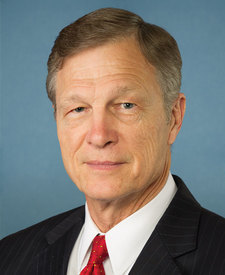 Rep. Brian BabinR-TX-36
 Rep. Jody HiceR-GA-10
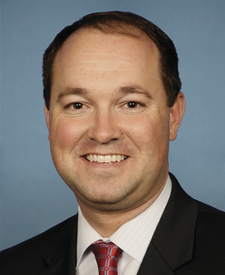 Rep. Marlin StutzmanR-IN-3
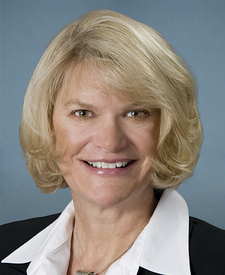 Rep. Cynthia LummisR-WY
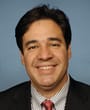 Rep. Raúl LabradorR-ID-1
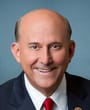 Rep. Louie GohmertR-TX-1
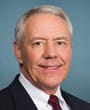 Rep. Ken BuckR-CO-4
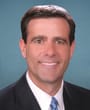 Rep. John RatcliffeR-TX-4
 Rep. Mick MulvaneyR-SC-5
 Rep. Jim JordanR-OH-4
 Rep. Paul GosarR-AZ-4
 Rep. Gary PalmerR-AL-6
 Rep. Dave BratR-VA-7
 Rep. Jimmy DuncanR-TN-2
 Rep. Mark SanfordR-SC-1
 Rep. Mo BrooksR-AL-5
 Rep. Tim HuelskampR-KS-1
Data notes
The House’s recorded vote on the final version of the law (roll call 752 in Voteview), matched to the vote the record cites and checked against its totals. Positions are each member’s DW-NOMINATE score for that Congress, as on the Ideology page; left to right is more liberal to more conservative. Paired and announced yea votes count as yea. Lists follow the compass, most liberal first. A name links to a profile only for members of the current Congress. A law passed by voice vote or unanimous consent has no member list, and neither does a vote Voteview has not yet recorded.
Committees
The committees the bill was sent to, and what each did with it.
 Financial Services Committee · House · markup by, referred to, reported bySubcommittee: Housing and Insurance Subcommittee

Data notes
A committee links to its page only where it exists in the current Congress; older and renamed committees are named without a link.
Related bills
9 bills the Library of Congress relates to this one.
H.R. 251Related bill
Homes for Heroes Act of 2015
H.R. 1047Related bill
Housing Assistance Efficiency Act
H.R. 1816Related bill
Vulnerable Veterans Housing Reform Act of 2015
H.R. 2482Related bill
Preservation Enhancement and Savings Opportunity Act of 2015
H.R. 2997Related bill
Private Investment in Housing Act of 2015
H.R. 3827Related bill
Project-Based Voucher Improvement Act of 2015
H.R. 4707Related bill
Housing Opportunities for Persons With AIDS Modernization Act of 2016
H.Res. 594Procedurally-related
Providing for consideration of the bill (H.R. 3700) to provide housing opportunities in the United States through modernization of various housing programs, and for other purposes.
S. 3083Related bill
Housing Opportunity Through Modernization Act of 2016
Data notes
Related bills are identified by the Congressional Research Service, the House and the Senate: companion and identical bills, bills with similar text, bills that were folded into this law, and rules that brought it to the floor. A bill that is itself a public law in this site’s data links here; the others link to Congress.gov.
Timeline
From introduction to signing, newest first: the committees, the floor and the president. 45 actions.
- Jul 29, 2016Became lawBecame law · Became Public Law No: 114-201.
- Became lawBecame law · Signed by President.
- Jul 19, 2016FloorFloor · Presented to President.
- Jul 15, 2016FloorFloor · Message on Senate action sent to the House.
- Jul 14, 2016FloorFloor · Passed Senate without amendment by Unanimous Consent.
- CommitteeCommittee · Senate Committee on Banking, Housing, and Urban Affairs discharged by Unanimous Consent.
- Feb 3, 2016CommitteeCommittee · Received in the Senate and Read twice and referred to the Committee on Banking, Housing, and Urban Affairs.
- Feb 2, 2016FloorFloor · Motion to reconsider laid on the table Agreed to without objection.
- FloorFloor · On passage Passed by the Yeas and Nays: 427 - 0 (Roll no. 52).House roll call 52
- FloorFloor · The House adopted the amendment in the nature of a substitute as agreed to by the Committee of the Whole House on the state of the Union.
- FloorFloor · The previous question was ordered pursuant to the rule.
- FloorFloor · The House rose from the Committee of the Whole House on the state of the Union to report H.R. 3700.
- FloorFloor · DEBATE - Pursuant to the provisions of H. Res. 594, the Committee of the Whole proceeded with 10 minutes of debate on the Price (NC) amendment No. 14.
- FloorFloor · DEBATE - The Committee of the Whole proceeded with debate on the Jackson Lee amendment, as modified.
- FloorFloor · DEBATE - Pursuant to the provisions of H. Res. 594, the Committee of the Whole proceeded with 10 minutes of debate on the Jackson Lee amendment No. 13.
- FloorFloor · POSTPONED PROCEEDINGS - At the conclusion of debate on the Al Green amendment, the Chair put the question on adoption of the amendment and by voice vote, announced that the noes had prevailed. Mr. Al Green demanded a recorded vote and the Chair postponed further proceedings on t…
- FloorFloor · DEBATE - Pursuant to the provisions of H. Res. 594, the Committee of the Whole proceeded with 10 minutes of debate on the Al Green amendment No. 12.
- FloorFloor · DEBATE - Pursuant to the provisions of H. Res. 594, the Committee of the Whole proceeded with 10 minutes of debate on the Ellison amendment No. 11.
- FloorFloor · DEBATE - Pursuant to the provisions of H. Res. 594, the Committee of the Whole proceeded with 10 minutes of debate on the Peters amendment No. 10.
- FloorFloor · DEBATE - Pursuant to the provisions of H. Res. 594, the Committee of the Whole proceeded with 10 minutes of debate on the Peters amendment No. 9.
- FloorFloor · DEBATE - Pursuant to the provisions of H. Res. 594, the Committee of the Whole proceeded with 10 minutes of debate on the Welch amendment No. 8.
- FloorFloor · POSTPONED PROCEEDINGS - At the conclusion of debate on the Palazzo amendment, the Chair put the question on adoption of the amendment and by voice vote, announced that the noes had prevailed. Mr. Palazzo demanded a recorded vote and the Chair postponed further proceedings on the…
- FloorFloor · DEBATE - Pursuant to the provisions of H. Res. 594, the Committee of the Whole proceeded with 10 minutes of debate on the Palazzo amendment No. 7.
- FloorFloor · RISING INFORMALLY - The Committee of the Whole rose informally to receive a message. Subsequently, the Committee resumed its sitting.
- FloorFloor · DEBATE - Pursuant to the provisions of H. Res. 594, the Committee of the Whole proceeded with 10 minutes of debate on the Meng amendment No. 6.
- FloorFloor · DEBATE - Pursuant to the provsions of H. Res. 594, the Committee of the Whole proceeded with 10 minutes of debate on the Hinojosa amendment No. 5.
- FloorFloor · DEBATE - Pursuant to the provisions of H. Res. 594, the Committee of the Whole proceeded with 10 minutes of debate on the Sewell amendment No. 3.
- FloorFloor · DEBATE - Pursuant to the provisions of H. Res. 594, the Committee of the Whole proceeded with 10 minutes of debate on the Maxine Waters (CA) amendment No. 2.
- FloorFloor · DEBATE - Pursuant to the provisions of H. Res. 594, the Committee of the Whole proceeded with 10 minutes of debate on the Buchanan amendment No. 1.
- FloorFloor · GENERAL DEBATE - The Committee of the Whole proceeded with one hour of general debate on H.R. 3700.
Data notes
Every action the Library of Congress lists for the bill, from introduction to signing, plus the dated committee hearings. The source lists many steps twice (the chamber’s own entry and the Library of Congress copy, or a presidential and a became-law entry with the same words); those are shown once. Amendments are listed in their own section.
Amendments
13 amendments offered to the bill, with the last recorded step of each.
- Agreed to
H.Amdt. 921HouseRep. David PriceD-NC-4· offered Feb 2, 2016Agreed to
Amendment updates and modernizes HUD's funding formula for the Housing Opportunities for Persons With AIDS (HOPWA) program so that funding is distributed to jurisdictions based on living cases of HIV/AIDS.
Feb 2, 2016: On agreeing to the Price (NC) amendment (A013) Agreed to by voice vote.
- Agreed to
H.Amdt. 920HouseRep. Sheila Jackson LeeD-TX-18· offered Feb 2, 2016Agreed to
Amendment directs the Secretary of Housing and Urban Development to work with the Secretary of Labor to produce an annual report on interagency strategies to strengthen family economic empowerment by linking housing with essential supporti…
Feb 2, 2016: On agreeing to the Jackson Lee amendment (A012) as modified Agreed to by voice vote.
- Rejected
H.Amdt. 919HouseRep. Al GreenD-TX-9· offered Feb 2, 2016Rejected
Amendment sought to reauthorize the FHA pilot program to establish an automated process for providing additional credit rating information to help determine creditworthiness for families with insufficient credit histories.
Feb 2, 2016: On agreeing to the Green, Al amendment (A011) Failed by recorded vote: 181 - 239 (Roll no. 51).
- Rejected
H.Amdt. 918HouseRep. Keith EllisonD-MN-5· offered Feb 2, 2016Rejected
Amendment sought to provide affirmative permission for housing providers who administer U.S. Department of Housing and Urban Development funds to report on-time rental payment data for their tenants to credit reporting agencies without req…
Feb 2, 2016: On agreeing to the Ellison amendment (A010) Failed by voice vote.
- Agreed to
H.Amdt. 917HouseRep. Scott PetersD-CA-52· offered Feb 2, 2016Agreed to
Amendment requires the Secretary of Housing and Urban Development to reopen the public comment period on the Continuum of Care formula.
Feb 2, 2016: On agreeing to the Peters amendment (A009) Agreed to by voice vote.
- Agreed to
H.Amdt. 916HouseRep. Scott PetersD-CA-52· offered Feb 2, 2016Agreed to
Amendment ensures that there will be collaboration between the Department of Veterans' Affairs and the Department of Housing and Urban Development on how to better coordinate and improve veterans housing services.
Feb 2, 2016: On agreeing to the Peters amendment (A008) Agreed to by voice vote.
- Agreed to
H.Amdt. 915HouseRep. Peter WelchD-VT· offered Feb 2, 2016Agreed to
Amendment allows the property taxes paid on mobile homes, insurance payments, utilities and financing to be included as components of the housing costs eligible for Section 8 payments.
Feb 2, 2016: On agreeing to the Welch amendment (A007) Agreed to by voice vote.
- Agreed to
H.Amdt. 914HouseRep. Steven PalazzoR-MS-4· offered Feb 2, 2016Agreed to
Amendment makes permanent the exception to the PHA resident board member requirement.
Feb 2, 2016: On agreeing to the Palazzo amendment (A006) Agreed to by recorded vote: 236 - 178 (Roll no. 50).
- Agreed to
H.Amdt. 913HouseRep. Grace MengD-NY-6· offered Feb 2, 2016Agreed to
Amendment requires HUD to publish model guidelines for minimum heating requirements for units operated by public housing agencies receiving Federal assistance.
Feb 2, 2016: On agreeing to the Meng amendment (A005) Agreed to by voice vote.
- Agreed to
H.Amdt. 912HouseRep. Rubén HinojosaD-TX-15· offered Feb 2, 2016Agreed to
Amendment allows the USDA to assess a nominal fee (maximum of $50) per loan under the Section 502 single family guaranteed home loan program in order to fund needed technological improvements and investments into the guaranteed underwritin…
Feb 2, 2016: On agreeing to the Hinojosa amendment (A004) Agreed to by voice vote.
- Agreed to
H.Amdt. 911HouseRep. Terri SewellD-AL-7· offered Feb 2, 2016Agreed to
Amendment requires the Secretary of HUD to conduct a study to determine the impacts of the decreased deductions on rents paid by elderly and disabled individuals and families assisted under the Section 8 rental assistance and housing progr…
Feb 2, 2016: On agreeing to the Sewell (AL) amendment (A003) Agreed to by voice vote.
- Agreed to
H.Amdt. 910HouseRep. Maxine WatersD-CA-43· offered Feb 2, 2016Agreed to
Amendment removes language that would limit the amount that families receiving certain Federal housing assistance can deduct from their income for childcare expenses.
Feb 2, 2016: On agreeing to the Waters, Maxine amendment (A002) Agreed to by voice vote.
- Agreed to
H.Amdt. 909HouseRep. Vern BuchananR-FL-16· offered Feb 2, 2016Agreed to
Amendment promotes efficient and accurate administration of income reviews and the collection of asset information when determining eligibility for rental assistance, consistent with other means-tested programs.
Feb 2, 2016: On agreeing to the Buchanan amendment (A001) Agreed to by voice vote.
Data notes
Amendments offered to this bill in either chamber, as the Library of Congress records them: each with a status read from its last recorded step: agreed to, rejected, withdrawn, ruled out of order, fell with another amendment, or offered with no vote recorded (most Senate amendments are only ever offered). The wording of each amendment is the source’s. Amendments to amendments and amendments to other bills are not listed.
Official record
The bill’s full text is on Congress.gov. Data through Oct 7, 2026.