Making further continuing appropriations for fiscal year 2014, and for other purposes.
Public Law 113-73 · H.J.Res. 106 · 113th Congress · began in the House
Signed by Barack Obama (D) on Jan 15, 2014 · Economics and Public Finance
Sponsor: Rep. Hal Rogers (R-KY-5)
Cosponsors: None
Passage votesYeaNay
- HouseVoice vote
- SenateRecorded vote: 86 yea, 14 nay86–14
Data notes
The final version of the law, as each chamber passed it. A chamber that passed it by voice vote or unanimous consent has no count. “Method not stated” means the record does not say how the chamber voted. Where the record has a member-by-member vote, the “Who voted for it” section shows who voted yea.
Summary
The Congressional Research Service’s plain-language summary of what the law does.
Amends the Continuing Appropriations Act, 2014 (P.L. 113-46) to extend through January 18, 2014, specified continuing appropriations for FY2014.
Who voted for it
Every senator of the 113th Congress on the ideology compass. Highlighted: the 86 who voted yea on final passage. Faded: everyone else, including those who voted nay, did not vote, or had not yet taken office.
86 yea14 nay
Democrats who voted yea(55)
 Sen. Bernie SandersD-VT
 Sen. Elizabeth WarrenD-MA
 Sen. Kirsten GillibrandD-NY
 Sen. Patrick LeahyD-VT
 Sen. Barbara BoxerD-CA
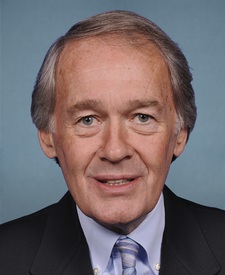 Sen. Ed MarkeyD-MA
 Sen. Bob MenendezD-NJ
 Sen. Sherrod BrownD-OH
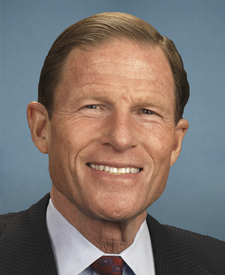 Sen. Richard BlumenthalD-CT
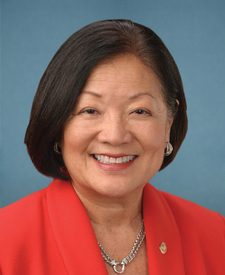 Sen. Mazie HironoD-HI
 Sen. Christopher MurphyD-CT
 Sen. Jack ReedD-RI
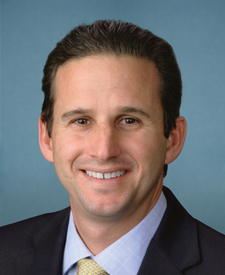 Sen. Brian SchatzD-HI
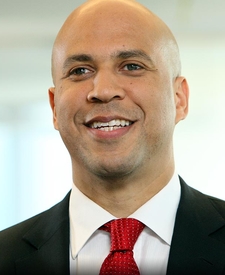 Sen. Cory BookerD-NJ
 Sen. Benjamin CardinD-MD
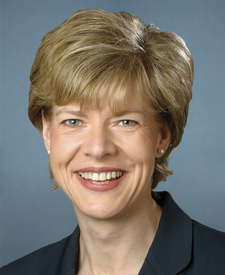 Sen. Tammy BaldwinD-WI
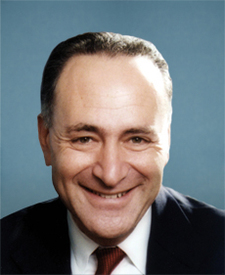 Sen. Chuck SchumerD-NY
 Sen. Maria CantwellD-WA
 Sen. Debbie StabenowD-MI
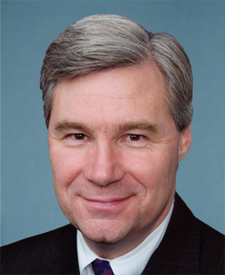 Sen. Sheldon WhitehouseD-RI
 Sen. Barbara MikulskiD-MD
 Sen. Jeff MerkleyD-OR
 Sen. Tom UdallD-NM
 Sen. Al FrankenD-MN
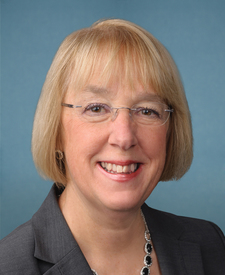 Sen. Patty MurrayD-WA
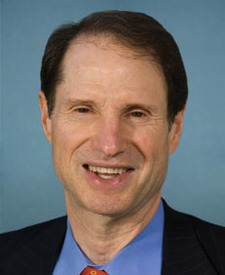 Sen. Ron WydenD-OR
 Sen. Tim JohnsonD-SD
 Sen. Dianne FeinsteinD-CA
 Sen. Jay RockefellerD-WV
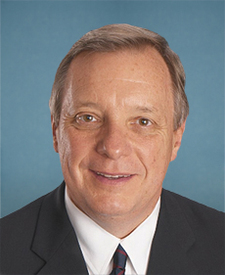 Sen. Richard DurbinD-IL
 Sen. Carl LevinD-MI
 Sen. Tom HarkinD-IA
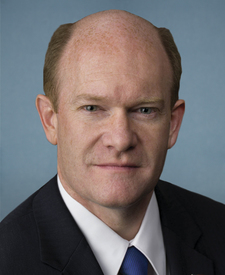 Sen. Christopher CoonsD-DE
 Sen. Harry ReidD-NV
 Sen. Bill NelsonD-FL
 Sen. Amy KlobucharD-MN
 Sen. Jeanne ShaheenD-NH
 Sen. Bob CaseyD-PA
 Sen. Thomas CarperD-DE
 Sen. Martin HeinrichD-NM
 Sen. Mark UdallD-CO
 Sen. Michael BennetD-CO
 Sen. Tim KaineD-VA
 Sen. Mark BegichD-AK
 Sen. Mark WarnerD-VA
 Sen. Mary LandrieuD-LA
 Sen. Heidi HeitkampD-ND
 Sen. Angus KingD-ME
 Sen. Kay HaganD-NC
 Sen. Joe DonnellyD-IN
 Sen. Jon TesterD-MT
 Sen. Mark PryorD-AR
 Sen. Claire McCaskillD-MO
 Sen. Max BaucusD-MT
 Sen. Joe ManchinD-WV
Republicans who voted yea(31)
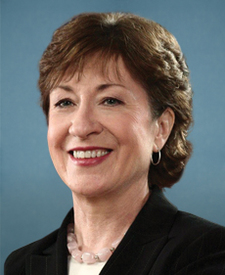 Sen. Susan CollinsR-ME
 Sen. Lisa MurkowskiR-AK
 Sen. Lamar AlexanderR-TN
 Sen. Johnny IsaksonR-GA
 Sen. Thad CochranR-MS
 Sen. Kelly AyotteR-NH
 Sen. Saxby ChamblissR-GA
 Sen. Mark KirkR-IL
 Sen. Orrin HatchR-UT
 Sen. Lindsey GrahamR-SC
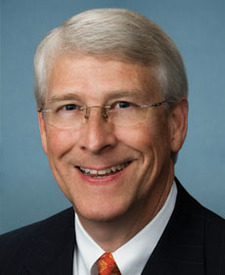 Sen. Roger WickerR-MS
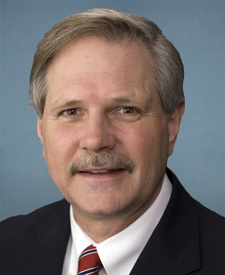 Sen. John HoevenR-ND
 Sen. Rob PortmanR-OH
 Sen. Bob CorkerR-TN
 Sen. Roy BluntR-MO
 Sen. Mike JohannsR-NE
 Sen. Daniel CoatsR-IN
 Sen. John McCainR-AZ
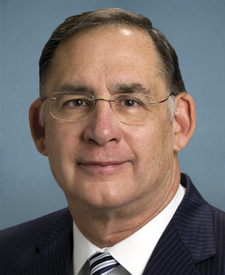 Sen. John BoozmanR-AR
 Sen. Richard BurrR-NC
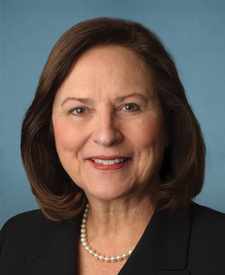 Sen. Deb FischerR-NE
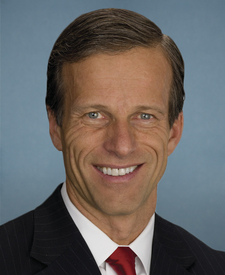 Sen. John ThuneR-SD
 Sen. Jeff FlakeR-AZ
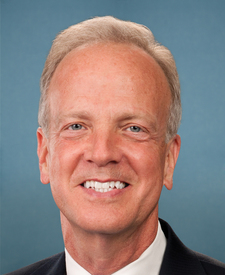 Sen. Jerry MoranR-KS
 Sen. Mitch McConnellR-KY
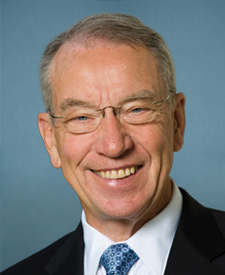 Sen. Chuck GrassleyR-IA
 Sen. Richard ShelbyR-AL
 Sen. Pat ToomeyR-PA
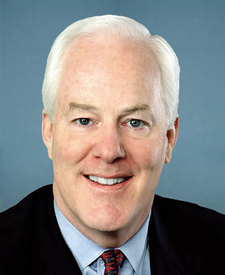 Sen. John CornynR-TX
 Sen. Jeff SessionsR-AL
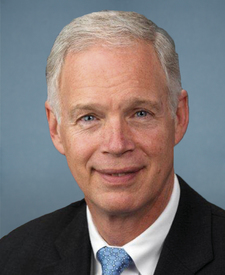 Sen. Ron JohnsonR-WI
Data notes
The Senate’s recorded vote on the final version of the law (roll call 302 in Voteview), matched to the vote the record cites and checked against its totals. Positions are each member’s DW-NOMINATE score for that Congress, as on the Ideology page; left to right is more liberal to more conservative. Paired and announced yea votes count as yea. Lists follow the compass, most liberal first. A name links to a profile only for members of the current Congress. A law passed by voice vote or unanimous consent has no member list, and neither does a vote Voteview has not yet recorded.
Committees
The committees the bill was sent to, and what each did with it.

Data notes
A committee links to its page only where it exists in the current Congress; older and renamed committees are named without a link.
Related bills
The record lists no related bills.
Data notes
Related bills are identified by the Congressional Research Service, the House and the Senate: companion and identical bills, bills with similar text, bills that were folded into this law, and rules that brought it to the floor. A bill that is itself a public law in this site’s data links here; the others link to Congress.gov.
Timeline
From introduction to signing, newest first: the committees, the floor and the president. 13 actions.
- Jan 15, 2014Became lawBecame law · Became Public Law No: 113-73.
- Became lawBecame law · Signed by President.
- FloorFloor · Presented to President.
- FloorFloor · Message on Senate action sent to the House.
- FloorFloor · Passed Senate without amendment by Yea-Nay Vote. 86 - 14. Record Vote Number: 11.Senate roll call 11
- FloorFloor · Measure laid before Senate by unanimous consent.
- Jan 14, 2014FloorFloor · On motion to suspend the rules and pass the resolution Agreed to by voice vote.
- FloorFloor · DEBATE - The House proceeded with forty minutes of debate on H.J. Res. 106.
- FloorFloor · Considered under suspension of the rules.
- FloorFloor · Mr. Rogers (KY) moved to suspend the rules and pass the resolution.
- CommitteeCommittee · Received in the Senate, read twice.
- Jan 10, 2014CommitteeCommittee · Referred to the House Committee on Appropriations.
- IntroducedIntroduced · Introduced in House
Data notes
Every action the Library of Congress lists for the bill, from introduction to signing, plus the dated committee hearings. The source lists many steps twice (the chamber’s own entry and the Library of Congress copy, or a presidential and a became-law entry with the same words); those are shown once. Amendments are listed in their own section.
Amendments
No amendments to this bill are on record.
Data notes
Amendments offered to this bill in either chamber, as the Library of Congress records them: each with a status read from its last recorded step: agreed to, rejected, withdrawn, ruled out of order, fell with another amendment, or offered with no vote recorded (most Senate amendments are only ever offered). The wording of each amendment is the source’s. Amendments to amendments and amendments to other bills are not listed.
Official record
The bill’s full text is on Congress.gov. Data through Oct 7, 2026.