Workforce Innovation and Opportunity Act
Public Law 113-128 · H.R. 803 · 113th Congress · began in the House
Signed by Barack Obama (D) on Jul 22, 2014 · Labor and Employment
Sponsor: Rep. Virginia Foxx (R-NC-5)
Cosponsors (23): Rep. John Kline, Rep. Phil Roe,
Passage votesYeaNay
- HouseRecorded vote: 415 yea, 6 nay415–6
- SenateRecorded vote: 95 yea, 3 nay95–3
Data notes
The final version of the law, as each chamber passed it. A chamber that passed it by voice vote or unanimous consent has no count. “Method not stated” means the record does not say how the chamber voted. Where the record has a member-by-member vote, the “Who voted for it” section shows who voted yea.
Summary
The Congressional Research Service’s plain-language summary of what the law does.
Workforce Innovation and Opportunity Act - Amends the Workforce Investment Act of 1998 (WIA) to revise requirements and reauthorize appropriations for: (1) WIA title I, workforce development systems for job training and employment services; and (2) WIA title II, adult education and family literacy education programs.
(Sec. 3) Defines "core programs" to mean: (1) youth workforce investment activities and adult and dislocated worker employment and training activities, (2) adult education and literacy activities, (3) employment services, and (4) vocational rehabilitation services.
Title I: Workforce Development Activities - Subtitle A: System Alignment - Chapter 1: State Provisions - (Sec. 101) Revises member composition of state workforce development boards (currently state workforce investment boards) to require at least 20% of a board to be composed of representatives of the workforce within the state.
Requires a state board to assist the state governor in: (1) the review of statewide policies, statewide programs, and recommendations on actions to be taken by a state to align statewide workforce development programs that support a comprehensive and streamlined statewide workforce development system, and (2) the development of a statewide workforce and labor market information system.
(Sec. 102) Requires states to have approved unified state plans with a four-year strategy for the core programs.
Requires unified state plans to include: (1) a strategy, based on certain analyses, for aligning the core programs, as well as other state resources, to achieve the state's vision and goals for preparing an educated and skilled workforce (including youth and individuals with barriers to employment) and meeting the skilled workforce needs of employers; (2) a description of state operating systems and policies for supporting that strategy; and (3) certain requirements and state assurances with respect to statewide and local workforce investment system and adult education and family literacy education programs.
(Sec. 103) Allows a state to develop for approval a combined state plan for the core programs and one or more of the programs and activities from a specified list.
Chapter 2: Local Provisions - (Sec. 106) Converts local workforce investment areas into local workforce development areas, and revises requirements for their designation by the state governor.
Requires a state, when developing a state plan, to identify regions composed of one local area or two or more local areas which are interstate areas contained within two or more states aligned with them.
Requires local boards and chief elected officials in planning regions composed of two or more local areas aligned with the region or interstate areas within two or more states to engage in a regional planning process that results in: (1) the preparation of a regional plan; (2) the establishment of regional service strategies, including use of cooperative service delivery agreements; (3) the development and implementation of sector initiatives for in-demand industry sectors or occupations; and (4) the collection and analysis of regional labor market data.
Requires local boards and chief elected officials within a planning region to have an approved regional plan that incorporates local plans for each of the local areas in the planning area.
Requires, in cases where a state is designated as a single state local area, that a local plan be approved as part of the state plan.
(Sec. 107) Revises requirements for local workforce development (currently, investment) boards, requiring at least 20% of a board to be composed of representatives of the local area workforce.
Requires a local board to conduct, and regularly update, a workforce research and regional labor market analysis and assist the state governor in developing a statewide workforce and labor market information system.
(Sec. 108) Revises requirements for the comprehensive local plan and its contents, contracting its range from five years to four years.
Chapter 3: Board Provisions - (Sec. 111) Requires states to use certain allocations of funds for state and local workforce development boards. Authorizes state use of non-federal funds for such boards.
Chapter 4: Performance Accountability - (Sec. 116) Establishes state and local performance accountability measures for core programs.
Requires the Secretary of Labor (Secretary in this title) and the Secretary of Education to provide technical assistance for the development of performance improvement plans for states and local areas that fail to meet state and local performance accountability measures.
Subtitle B: Workforce Investment Activities and Providers - Chapter 1: Workforce Investment Activities and Providers - (Sec. 121) Revises requirements for the roles and responsibilities of one-stop partners in one-stop delivery systems.
Adds to mandatory programs and activities of the one-stop delivery system the grants program for mentoring and other transitional services to reintegrate offenders into the community under the Second Chance Act of 2007, and the Temporary Assistance for Needy Families (TANF) grant program under part A of title IV of the Social Security Act (SSA) (including the welfare-to-work grants program currently covered). Requires each entity carrying out TANF activities to carry out the required one-stop partner activities, unless the state governor determines that they shall not.
Authorizes additional one-stop partners, with the approval of the local board and chief elected official, to carry out specified employment and training programs and other workforce development programs.
Revises requirements for a memorandum of understanding between the local board and a one-stop partner.
Revises eligibility requirements for one-stop operators.
Prescribes requirements for one-stop delivery systems. Requires the state board to establish objective criteria and procedures for assessing, at least triennially, the continuous improvement of one-stop centers and the one-stop delivery system.
Prescribes requirements for one-stop infrastructure funding.
(Sec. 122) Revises requirements for identification of eligible providers of training services.
Requires a state governor to establish eligibility criteria and information requirements (as well as procedures required by current law) for providers of training services in local areas of the state, taking into account specified factors.
(Sec. 123) Requires local boards to award competitive grants or contracts to providers of youth workforce investment activities identified based on criteria in the state plan, including quality criteria a state governor shall establish for a training program that leads to a recognized postsecondary credential), while taking into consideration the ability of those providers to meet certain performance accountability measures.
Chapter 2: Youth Workforce Investment Activities - (Sec. 127) Prescribes requirements for allotment of funds for state and local youth workforce investment activities, including within-state allocations of funds.
(Sec. 129) Prescribes youth workforce investment program eligibility requirements.
Chapter 3: Adult and Dislocated Worker Employment and Training Activities - (Sec. 132) Prescribes requirements for the allotment of federal funds among states for adult and dislocated worker employment and training, including within-state allocations.
(Sec. 134) Prescribes requirements for the use of funds for state and local employment and training activities, including statewide rapid response, incumbent worker training programs, and transitional jobs.
Chapter 4: General Workforce Investment Provisions - (Sec. 136) Authorizes appropriations for FY2015-FY2020 for the youth workforce investment and the adult and dislocated employment and training programs.
Subtitle C: Job Corps - (Sec. 141) Revises the purposes of the Job Corps to specify assisting eligible youth to connect to the labor force by providing them with intensive social, academic, career and technical education, and service-learning opportunities, in primarily residential centers, to enable them to obtain secondary school diplomas or recognized postsecondary credentials leading to successful careers in in-demand industries or the Armed Forces that will result in economic self-sufficiency and opportunities for advancement, or enrollment in postsecondary education, including an apprenticeship program.
(Sec. 144) Revises Job Corps program eligibility requirements.
Renames area vocational schools as area career and technical education schools.
Prescribes a special rule to make veterans of the Armed Forces eligible for the Job Corps if certain requirements are met.
(Sec. 145) Requires standards and procedures for the recruitment, screening, and selection of eligible Job Corps applicants to be arranged, in addition to current types of agencies, through child welfare agencies responsible for children in foster care and children eligible for assistance under the John H. Chafee Foster Care Independence Program under SSA title IV part E (Foster Care and Adoption Assistance).
Adds to the factors the Secretary must analyze, in developing and implementing a plan for assigning enrollees to Job Corps centers, the performance of the centers, based on certain expected performance indicators.
Revises the requirement that an enrollee be assigned to the Job Corps center closest to the enrollee's home. Requires the Job Corps center closest to home to offer the type of career and technical education and training selected by that individual.
(Sec. 146) Allows an individual to be enrolled in the Job Corps for more than the regular two years if: (1) an individual with a disability would reasonably be expected to meet Job Corps graduate standards if allowed to participate for one additional year; or (2) an individual is participating in national service under a Civilian Conservation Center program, and so would be granted a Job Corps enrollment extension equal to the period of national service.
(Sec. 147) Revises factors the Secretary must consider in selecting an entity (including Civilian Conservation Centers) to operate a Job Corps center.
Prescribes requirements for an entity to operate as a high-performing Job Corps center.
Authorizes Job Corps enrollees in Civilian Conservation Centers to provide assistance during natural disasters.
Requires the Secretary of Agriculture to designate a Job Corps National Liaison.
(Sec. 148) Revises activities provided by a Job Corps center to enrollees to include English language acquisition programs, career and technical education and training, work-based learning, driver's education, and counseling, which may include information about financial literacy.
Makes enrolling in and completing suitable career and technical education and training programs and apprenticeship programs one of the purposes of targeted Job Corps activities.
Eliminates the requirement that the total amount of benefits for which an enrollee shall be eligible be reduced by the amount of any scholarship or other educational grant assistance received for advanced career training.
Specifies that the continued services provided graduates for up to 12 months after graduation shall be job placement and support services.
(Sec. 150) Replaces readjustment allowances for Job Corps graduates and former enrollees with transition allowances for graduates only. Requires the transition allowance to be incentive-based to reflect a graduate's completion of academic, career, and technical education or training, and attainment of a recognized post-secondary credential.
Authorizes the Secretary to arrange for three months of employment services to former Job Corps enrollees.
(Sec. 152) Expands the reasons for dismissal of Job Corps enrollees who have violated Job Corps standards of conduct to include that retention of an enrollee will threaten the safety of the staff, students, or the local community.
(Sec. 153) Revises requirements for Job Corps center participation in the community. Eliminates the requirement that each center have a Business and Community Liaison. Requires instead that the director of each Job Corps center ensure the establishment and development of mutually beneficial business and community relationships and networks, including the use of local boards, in order to enhance center effectiveness.
(Sec. 154) Revises composition requirements for the workforce council, appointed by the center director, for each Job Corps center.
Allows councils to include employers from outside the local area who are likely to hire a significant number of enrollees from the center. Prescribes a special rule for single state local areas to require the council to include a representative of the state board.
(Sec. 156) Revises experimental, research, and demonstration projects requirements.
Authorizes the waiver of any requirements of this subtitle that would prevent the Secretary from carrying out such projects, subject to written notice to Congress at least 90 days before issuing the waiver.
Authorizes the Secretary to reserve a specified percentage of program funds to provide, directly or through grants, contracts, or other agreements or arrangements, technical assistance to improve Job Corps program quality.
(Sec. 159) Revises performance indicators for Job Corps centers, the Job Corps program, and recruitment service providers serving the Job Corps program. Requires such indicators to measure the number of enrollees who remain committed to the program for 90 days after enrollment.
Prescribes also performance indicators for career transition service providers serving the Job Corps program.
Directs the Secretary, with respect to a Civilian Conservation Center that fails to meet expected performance levels relating to specified primary performance indicators after three program years, to select, competitively, an entity to operate that Center in accordance with specified requirements.
Directs the Secretary to ensure the annual review by an appropriate federal, state, or local entity of the physical condition and health-related activities of each Job Corps center.
Directs the Secretary to require that an entity that has contracted to provide work-based learning activities for any Job Corps enrollee to comply with the Occupational Safety and Health Act of 1970, or, as appropriate, corresponding state Occupational Safety and Health Act of 1970 requirements.
(Sec. 161) Directs the Secretary to submit periodically to Congress financial reports on the Job Corps program.
Directs the Secretary to arrange for a third-party review of the Job Corps program every five years.
Directs the Secretary to establish written criteria that shall be used in closing a Job Corps center.
(Sec. 162) Reauthorizes appropriations for FY2015-FY2020 for the Job Corps program.
Subtitle D: National Programs - (Sec. 166) Revises the principal purpose of Native American programs to add equipping Indian, Alaska Native, and Native Hawaiian individuals with entrepreneurial skills necessary to obtain employment.
Requires the award of competitive grants to, or contracts or cooperative agreements with, Indian tribes tribal organizations, Alaska Native entities, Indian-controlled organizations serving Indians, or Native Hawaiian organizations for certain workforce development activities and supplemental services to be made quadrennially instead of biennially.
Revises program plan requirements, requiring a four-year, instead of a two-year, strategy.
Requires the Secretary to develop a set of performance indicators and standards applicable to the Native American programs in addition to the primary indicators of performance for core programs.
Authorizes the Secretary to award competitive grants to certain entities for the unique populations who reside in Alaska or Hawaii, including public and private nonprofit organizations, tribal organizations, American Indian tribal colleges or universities, institutions of higher education, or consortia of them, to improve job training and workforce investment activities.
Repeals the Secretary's current authority to provide assistance to American Samoans who reside in Hawaii for the co-location of federally funded and state-funded workforce investment activities.
Authorizes appropriations for FY2015-FY2020.
(Sec. 167) Revises requirements for migrant and seasonal farmworker programs.
Requires competitive grants to, or contracts with, eligible entities for workforce investment activities (including youth workforce investment activities) and related assistance for eligible migrant and seasonal farmworkers to be made quadrennially instead of biennially.
Revises program plan requirements, requiring a four-year, instead of a two-year, strategy.
Requires the Secretary and an eligible entity, for incorporation in the program plan, to reach agreement on the levels of performance for each of the primary indicators of performance, taking into account economic conditions, characteristics of the individuals served, and other appropriate factors, using a specified statistical adjustment model.
Requires the Secretary to reserve at least 1% of program funds for discretionary purposes, such as providing technical assistance to eligible entities.
(Sec. 168) Revises requirements for technical assistance for states and recipients of financial assistance under the Native American, migrant and seasonal farmworker, and veterans' workforce investment programs.
Directs the Secretary to establish a system through which states may share information regarding promising and proven practices with regard to the operation of workforce investment activities.
(Sec. 169) Revises requirements for demonstration, pilot, multiservice, research, and multistate workforce investment projects and the evaluation of workforce investment programs (effectively consolidating them).
Requires the independent evaluation, at least quadrennially, of workforce investment programs and activities.
Directs the Secretary to publish biennially in the Federal Register a five-year plan for the Department of Labor's research, studies, and multistate project priorities for employment and training.
Authorizes studies on:
• the net impact and best practices of programs, services, and activities carried out under this Act,
• resources available to assist disconnected youth,
• the effectiveness of the workforce development system in meeting business needs,
• the number and percentage of individuals who receive employment and training activities and who enter nontraditional occupations,
• performance indicators,
• job training for recipients of public housing assistance,
• improvement of the employment prospects for older individuals,
• prior learning,
• career pathways for low-wage health care or early education and child care providers, and
• equivalent pay.
Directs the Secretary to use up to 10% of certain funds for any adult and dislocated worker employment and training program year to carry out demonstration and pilot projects, multiservice projects, and multistate projects relating to the employment and training needs of dislocated workers.
(Sec. 170) Converts the national emergency grants program into a national dislocated worker grants program.
Retains disaster relief employment assistance requirements, but without health insurance coverage assistance currently addressed for individuals employed under national emergency grants.
(Sec. 171) Revises requirements, and reauthorizes appropriations for FY2015-FY2020, for the Youthbuild grants program.
(Sec. 172) Reauthorizes appropriations and makes certain reservations of funds for FY2015-FY2020 for the Native American and migrant and seasonal farmworker workforce investment programs.
Reauthorizes appropriations for FY2015-FY2020 for: (1) technical assistance, and (2) Department of Labor evaluations and research of workforce investment programs.
Continues the use of any unobligated funds for the veterans' workforce investment program until all such funds are expended.
Subtitle E: Administration - (Sec. 181) Revises certain administrative requirements with respect to this Act.
(Sec. 189) Repeals the requirement that funds obligated for any program year for a demonstration, pilot, multiservice, research, and multistate projects remain available until expended.Allows a contract or arrangement entered for evaluations, research projects, studies and reports, and multistate projects, including a long-term, nonseverable services contract, to be funded on an incremental basis with annual appropriations or other available funds.
Repeals the requirement that the authority provided under waivers granted a state with respect to Department of Labor training and employment services in title I of the Departments of Labor, Health and Human Services, and Education, and Related Agencies Appropriations Act, 1997, including a waiver of the related requirements for statewide and local workforce investment systems as well as certain administrative requirements, continue in effect and apply for the duration of the initial waiver.
Requires the Secretary, with respect to an approved waiver of statutory or regulatory requirements for a state or local area, to expedite that waiver for another state or local area if the waiver is in accordance with the approved state or local plan.
(Sec. 190) Permits a state to request, and the Secretary to approve, a workforce flexibility plan under which the state is authorized to waive specified statutory or regulatory requirements.,
(Sec. 191) Declares that nothing in this title shall be interpreted to preclude the enactment of state legislation providing for the implementation of the activities assisted under this title.
Grants the consent of Congress to states to enter into interstate compacts and agreements to facilitate compliance with this title, subject to the Secretary's approval.
(Sec. 192) Declares that any federal equity acquired in real property through grants to states for unemployment compensation or with respect to the U.S. Employment Service is transferred to the states that used the grants for the acquisition of such equity.
(Sec. 194) Prohibits the use of funds under this title to establish or operate stand-alone fee-for-service enterprises, except one-stop centers, that compete with private sector employment agencies that fully meet the identified need.
Prohibits the use of funds by a recipient or subrecipient to pay the salary and bonuses of an individual (except certain vendors), either as direct costs or indirect costs, at a rate in excess of Level II of the Federal Executive Pay Schedule.
(Sec. 195) Prohibits the use of funds for lobbying activities, with specified exceptions.
Title II: Adult Education and Literacy - Adult Education and Family Literacy Act - Revises the entire Adult Education and Family Literacy Education Act (while retaining most of it as is).
(Sec. 203) Redefines "adult education" to mean academic instruction and education services below the postsecondary level that increase an individual's ability to: (1) read, write, and speak English and perform mathematics necessary for attaining a secondary school diploma or its equivalent; (2) transition to postsecondary education and training; and (3) obtain employment.
Targets individuals who are at least 16 and are not enrolled or required to be enrolled in secondary school under state law and who also: (1) lack basic skills, (2) do not have a secondary school diploma or its equivalent and have not achieved an equivalent level of education, or (3) are English learners.
Changes the term "individual of limited English proficiency" to "English learner."
(Sec. 206) Reauthorizes appropriations for FY2015-FY2020.
Subtitle A: Federal Provisions - (Sec. 211) Increases the mandatory reservation of funds from 1.5% to 2.0% for national leadership activities and specified additional assistance. Requires the Secretary of Education (Secretary in this title) to reserve 12% of those funds for integrated English literacy and civics education.
Removes the Republic of the Marshall Islands and the Federated States of Micronesia from the special rule for the award of competitive grants under this title.
(Sec. 212) Subjects these programs and activities to the performance accountability requirements of subtitle A of title I of this Act.
Subtitle B: State Provisions - (Sec. 221) Revises requirements for state administration, unified or combined plans, state leadership and other activities, including corrections education and education for other institutionalized individuals, as well as distribution of local funds.
Subtitle C: Local Provisions - (Sec. 231) Revises requirements for grants and contracts for eligible providers on the local level, as well as grant and contract applications, and local administrative cost limits.
Subtitle D: General Provisions - (Sec. 242) Revises requirements for the program of national leadership activities the Secretary is required to carry on to enhance the quality and outcomes of adult education and literacy activities and programs nationwide.
(Sec. 243) Directs the Secretary to award grants to states for integrated English literacy and civics education, in combination with integrated education and training activities.
Title III: Amendments to the Wagner-Peyser Act - (Sec. 301) Amends the Wagner-Peyser Act to rename public employment offices as public employment service offices, and requires them to be co-located with one-stop centers.
(Sec. 303) Authorizes the Secretary of Labor (Secretary in this title) to assist the states in the development of national electronic tools that may be used to improve access to workforce information for individuals through one-stop delivery systems established under title I of this Act and other appropriate delivery systems.
(Sec. 305) Authorizes use of a state's allotment of public employment services funds to provide: (1) unemployment insurance claimants with referrals to, and application assistance for, training and education resources and programs, including student assistance under specified federal law; and (2) the extra costs of models for enhancing professional development and career advancement opportunities of state agency staff who provide public labor exchange services as part of the one-stop customer service system.
(Sec. 308) Replaces the nationwide employment statistics system, which the Secretary is required to oversee, with a nationwide workforce and labor market information system.
Directs the Secretary to establish a Workforce Information Advisory Council.
Authorizes appropriations for FY2015-FY2020.
Title IV: Amendments to the Rehabilitation Act of 1973 - Subtitle A: Introductory Provisions - (Sec. 403) Amends the Rehabilitation Act of 1973 (RA73) to require the Rehabilitation Services Administration (RSA), in the Department of Education, to be the principal agency to administer vocational rehabilitation services programs under titles I, III, and VI, and chapter 2 of title VII of that Act. (Currently, these are administered by the Rehabilitation Services Administration [RSA] of the Office of Special Education and Rehabilitative Services of the Department of Education.)
Subtitle B: Vocational Rehabilitation Services - (Sec. 411) Reauthorizes appropriations for FY2015-FY2020 for vocational rehabilitation service grants to states for individuals with disabilities.
States that gainful employment of persons with disabilities in integrated settings shall be competitive integrated employment.
(Sec. 412) Revises requirements for: (1) state plans for vocational rehabilitation services to individuals with disabilities, (2) eligibility for this assistance and individualized plans for employment, (3) monitoring and review of vocational rehabilitation programs, (4) training and technical assistance to employers of individuals with disabilities, and (5) state allotments for all such assistance and program operations.
(Sec. 421) Requires a reservation of certain appropriations to make a grant to the protection and advocacy system serving the American Indian Consortium to provide client assistance services.
(Sec. 422) Requires: (1) states to make certain funds available to designated state units for pre-employment transition services for students with disabilities transitioning to employment from education or training, and (2) each local office of a state unit to coordinate with local workforce development boards, one-stop centers, employers, and schools in providing such services.
(Sec. 423) Revises American Indian vocational rehabilitation services grant program eligibility requirements to require governing bodies of Indian tribes to apply to the RSA Commissioner with a proposal for its training and technical assistance needs, as well as such additional information as the Commissioner may require.
Subtitle C: Research and Training - (Sec. 432) Reauthorizes programs and activities under this subtitle for FY2015-FY2020.
Renames the National Institute on Disability and Rehabilitation Research (NIDRR) as the National Institute on Disability, Independent Living, and Rehabilitation Research (NIDILRR)
(Sec. 433) Establishes the NIDILRR within the Administration for Community Living (ACL) of HHS (effectively transferring it to HHS from the Department of Education).
Requires the NIDILRR Director to be responsible for: (1) coordinating all federal programs and policies for research on independent living of individuals with disabilities, and (2) identifying independent living and rehabilitation programs and policies that promote the independence of such individuals and achievement of long-term independent living and employment goals.
(Sec. 434) Requires the Interagency Committee on Disability Research to develop a comprehensive government wide strategic plan for disability, independent living, and rehabilitation research.
(Sec. 435) Revises requirements with regard to research and other activities.
(Sec. 436) Shifts the Disability, Independent Living, and Rehabilitation Research Advisory Council from the Department of Education to the Department of Health and Human Services.
Subtitle D: Professional Development and Special Projects and Demonstration - (Sec. 442) Requires the RSA Commissioner, in the award of competitive grants for rehabilitative services demonstration programs, to give priority consideration to initiatives focused on improving transition of youths with significant disabilities from school to employment, particularly competitive integrated employment.
Authorizes appropriations for FY2015-FY2020.
(Sec. 443) Eliminates: (1) vocational rehabilitation services grants to individuals with disabilities who are migrant or seasonal farmworkers, and (2) recreational programs for individuals with disabilities.
Subtitle E: National Council on Disability - (Sec. 451) Revises requirements for the number of members of the National Council on Disability.
(Sec. 453) Reauthorizes appropriations for FY2015-FY2020.
Subtitle F: Rights and Advocacy - (Sec. 456) Reauthorizes appropriations for FY2015-FY2020 for: (1) the Architectural and Transportation Barriers Compliance Board (Access Board), and (2) grants to support state systems to protect the legal and human rights of certain individuals with disabilities.
Repeals the requirement that selections for all positions in the Interagency Committee on Employees who are Individuals with Disabilities give special consideration to qualified individuals with disabilities.
(Sec. 458) Prohibits an entity (including a contractor or subcontractor) which holds a special wage certificate from compensating a disabled individual who is age 24 or younger at a wage less than the federal minimum wage (a subminimum wage) unless one of specified conditions are met.
Subtitle G: Employment Opportunities for Individuals With Disabilities - (Sec. 461) Eliminates grants for Projects With Industry creating and expanding job and career opportunities for individuals with disabilities.
Authorizes allotments to assist states in developing collaborative programs to provide supported employment services for individuals (including youth) with the most significant disabilities to enable them to achieve supported employment in competitive integrated employment.
Directs the Secretary of Labor to establish an Advisory Committee on Increasing Competitive Integrated Employment for Individuals with Disabilities.
Reauthorizes appropriations for FY2015-FY2020.
Subtitle H: Independent Living Services and Centers for Independent Living - Chapter 1: Individuals With Significant Disabilities - Subchapter A: General Provisions - (Sec. 472) Establishes within the HHS ACL an Independent Living Administration (ILA).
(Sec. 473) States that a center for independent living is an agency for individuals with significant disabilities (regardless of age or income).
(Sec. 474) Revises requirements for a state plan for independent living services for individuals with significant disabilities.
(Sec. 475) Revises the composition and functions of State Independent Living Councils (SILCs).
(Sec. 475A) Transfers to the ACL Administrator the responsibilities of the RSA Commissioner to make allotments to states for independent living services to individuals with significant disabilities.
Subchapter B: Independent Living Services - (Sec. 476) Directs the ACL Administrator to make specified fund allocations for grants, contracts, or cooperative agreements with certain entities to provide training and technical assistance for developing, conducting, administering, and evaluating SILCs.
Reauthorizes appropriations for FY2015-FY2020.
Subchapter C: Centers for Independent Living - (Sec. 481) Revises requirements and reauthorizes appropriations for FY2015-FY2020 for the centers for independent living grant program.
Chapter 2: Independent Living Services For Older Individuals Who Are Blind - (Sec. 486) Directs the RSA Commissioner to reserve specified percentages of funds for grants, contracts, or cooperative agreements with an eligible entity to provide training and technical assistance for developing, conducting, administering, and evaluating independent living service programs for older individuals who are blind.
(Sec. 488) Reauthorizes appropriations for FY2015-FY2020.
Subtitle I: General Provisions - (Sec. 491) Transfers all functions of: (1) the RSA Commissioner under title VII (independent living services for individuals with disabilities) of RA73 to the ACL, (2) the RSA Commissioner under the Assistive Technology Act of 1988 (assistive technology to individuals with disabilities) to the ACL, and (3) the NIDRR to the NIDILRR.
Title V: General Provisions - Subtitle A: Workforce Investment - (Sec. 501) Declares that nothing in this Act shall be construed to: (1) supersede specified privacy protections afforded parents and students under the General Education Provisions Act, or (2) permit development of a national database of personally identifiable information on individuals receiving job training and employment and vocational rehabilitation services.
(Sec. 502) Prohibits an entity from using funds made available under the Act unless it agrees to comply with Buy American requirements.
Sec. 505) Directs the Comptroller General (GAO) to report on the data capability of existing federal and state databases and data exchange agreements.
Subtitle B: Amendments to Other Laws - (Sec. 511) Repeals the WIA.
Who voted for it
Every House member of the 113th Congress on the ideology compass. Highlighted: the 415 who voted yea on final passage. Faded: everyone else, including those who voted nay, did not vote, or had not yet taken office.
415 yea6 nay11 present or did not vote
Democrats who voted yea(192)
 Rep. Jan SchakowskyD-IL-9
 Rep. Jim McGovernD-MA-2
 Rep. Jim McDermottD-WA-7
 Rep. Barbara LeeD-CA-13
 Rep. Donna EdwardsD-MD-4
 Rep. Yvette ClarkeD-NY-9
 Rep. Mark PocanD-WI-2
 Rep. Nydia VelázquezD-NY-7
 Rep. Rush HoltD-NJ-12
 Rep. Marcia FudgeD-OH-11
 Rep. Frank PalloneD-NJ-6
 Rep. John LewisD-GA-5
 Rep. Karen BassD-CA-37
 Rep. Maxine WatersD-CA-43
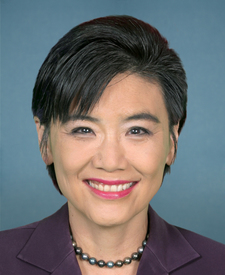 Rep. Judy ChuD-CA-27
 Rep. Keith EllisonD-MN-5
 Rep. Michael CapuanoD-MA-7
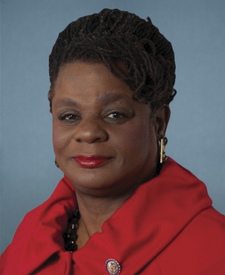 Rep. Gwen MooreD-WI-4
 Rep. John SarbanesD-MD-3
 Rep. Alcee HastingsD-FL-20
 Rep. Jerrold NadlerD-NY-10
 Rep. John ConyersD-MI-13
 Rep. José SerranoD-NY-15
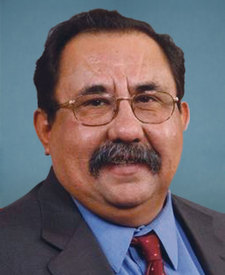 Rep. Raúl GrijalvaD-AZ-3
 Rep. Xavier BecerraD-CA-34
 Rep. George MillerD-CA-11
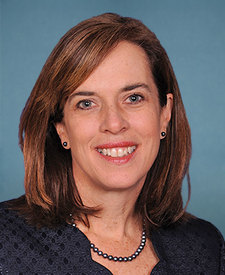 Rep. Katherine ClarkD-MA-5
 Rep. Robert BradyD-PA-1
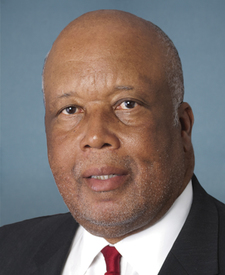 Rep. Bennie ThompsonD-MS-2
 Rep. Mike HondaD-CA-17
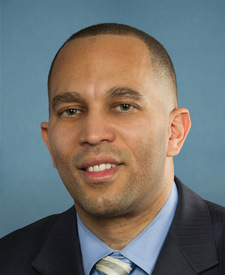 Rep. Hakeem JeffriesD-NY-8
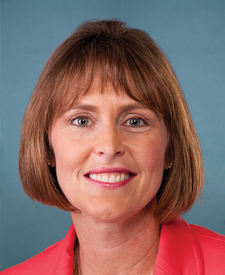 Rep. Kathy CastorD-FL-14
 Rep. Donald PayneD-NJ-10
 Rep. Lucille Roybal-AllardD-CA-40
 Rep. Elijah CummingsD-MD-7
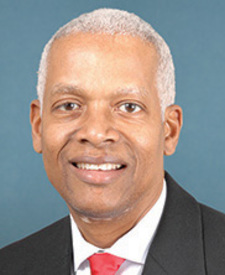 Rep. Hank JohnsonD-GA-4
 Rep. Grace NapolitanoD-CA-32
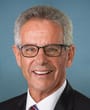 Rep. Alan LowenthalD-CA-47
 Rep. Joe CrowleyD-NY-14
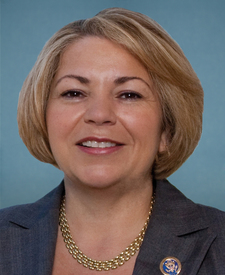 Rep. Linda SánchezD-CA-38
 Rep. Henry WaxmanD-CA-33
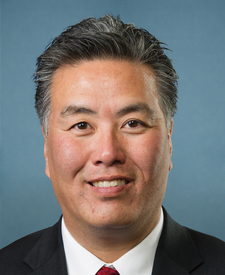 Rep. Mark TakanoD-CA-41
 Rep. Louise SlaughterD-NY-25
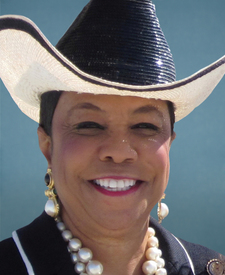 Rep. Frederica WilsonD-FL-24
 Rep. Luis GutiérrezD-IL-4
 Rep. Robin KellyD-IL-2
 Rep. Sheila Jackson LeeD-TX-18
 Rep. Chris Van HollenD-MD-8
 Rep. Joyce BeattyD-OH-3
 Rep. Danny DavisD-IL-7
 Rep. Bobby RushD-IL-1
 Rep. Chaka FattahD-PA-2
 Rep. Doris MatsuiD-CA-6
 Rep. Jim ClyburnD-SC-6
 Rep. Sam FarrD-CA-20
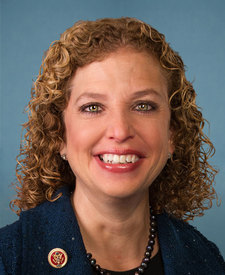 Rep. Debbie Wasserman SchultzD-FL-23
 Rep. Joseph KennedyD-MA-4
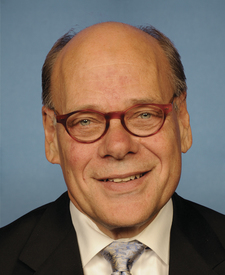 Rep. Steve CohenD-TN-9
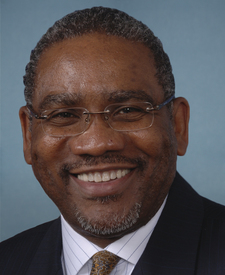 Rep. Gregory MeeksD-NY-5
 Rep. Michael DoyleD-PA-14
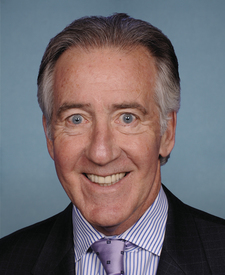 Rep. Richard NealD-MA-1
 Rep. Albio SiresD-NJ-8
 Rep. Matt CartwrightD-PA-17
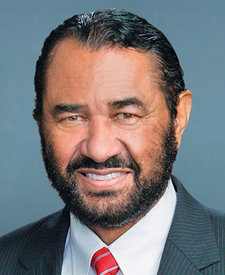 Rep. Al GreenD-TX-9
 Rep. Earl BlumenauerD-OR-3
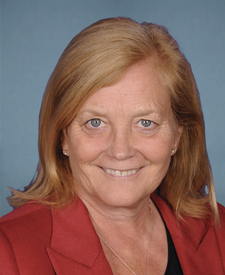 Rep. Chellie PingreeD-ME-1
 Rep. Corrine BrownD-FL-5
 Rep. Gloria Negrete McLeodD-CA-35
 Rep. Steny HoyerD-MD-5
 Rep. Jared HuffmanD-CA-2
 Rep. Paul TonkoD-NY-20
 Rep. Janice HahnD-CA-44
 Rep. Marc VeaseyD-TX-33
 Rep. G.K. ButterfieldD-NC-1
 Rep. Niki TsongasD-MA-3
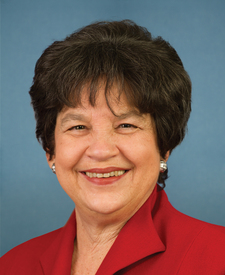 Rep. Lois FrankelD-FL-22
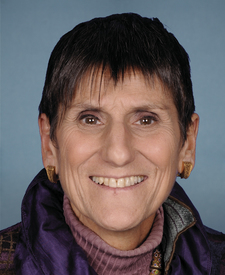 Rep. Rosa DeLauroD-CT-3
 Rep. Jackie SpeierD-CA-14
 Rep. Sander LevinD-MI-9
 Rep. Wm. ClayD-MO-1
 Rep. Ted DeutchD-FL-21
 Rep. Emanuel CleaverD-MO-5
 Rep. Peter WelchD-VT
 Rep. Bobby ScottD-VA-3
 Rep. Charlie RangelD-NY-13
 Rep. David PriceD-NC-4
 Rep. Daniel KildeeD-MI-5
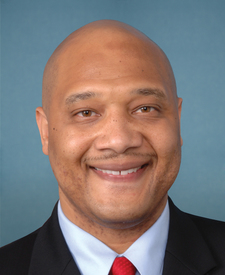 Rep. André CarsonD-IN-7
 Rep. David CicillineD-RI-1
 Rep. John YarmuthD-KY-3
 Rep. Terri SewellD-AL-7
 Rep. Ed PastorD-AZ-7
 Rep. John DingellD-MI-12
 Rep. Eliot EngelD-NY-16
 Rep. Marcy KapturD-OH-9
 Rep. Bill PascrellD-NJ-9
 Rep. Peter ViscloskyD-IN-1
 Rep. Diana DeGetteD-CO-1
 Rep. Alan GraysonD-FL-9
 Rep. Mike ThompsonD-CA-5
 Rep. Suzanne BonamiciD-OR-1
 Rep. Jim LangevinD-RI-2
 Rep. Adam SchiffD-CA-28
 Rep. John LarsonD-CT-1
 Rep. Susan DavisD-CA-53
 Rep. Joaquin CastroD-TX-20
 Rep. Allyson SchwartzD-PA-13
 Rep. Brian HigginsD-NY-26
 Rep. Tim RyanD-OH-13
 Rep. Ben LujánD-NM-3
 Rep. Juan VargasD-CA-51
 Rep. Steve IsraelD-NY-3
 Rep. Grace MengD-NY-6
 Rep. Lloyd DoggettD-TX-35
 Rep. Adam SmithD-WA-9
 Rep. Anna EshooD-CA-18
 Rep. Nita LoweyD-NY-17
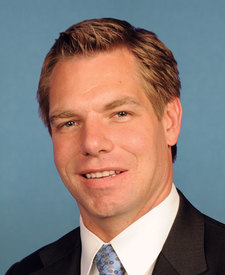 Rep. Eric SwalwellD-CA-15
 Rep. Rubén HinojosaD-TX-15
 Rep. Carolyn MaloneyD-NY-12
 Rep. Beto O’RourkeD-TX-16
 Rep. John TierneyD-MA-6
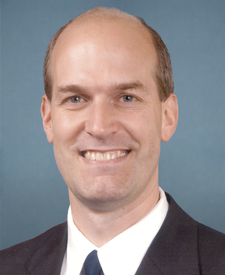 Rep. Rick LarsenD-WA-2
 Rep. Betty McCollumD-MN-4
 Rep. Lois CappsD-CA-24
 Rep. Tony CárdenasD-CA-29
 Rep. Zoe LofgrenD-CA-19
 Rep. Peter DeFazioD-OR-4
 Rep. Steven HorsfordD-NV-4
 Rep. Gerald ConnollyD-VA-11
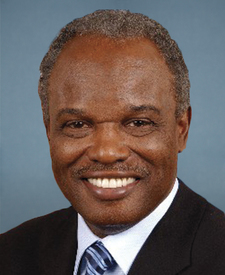 Rep. David ScottD-GA-13
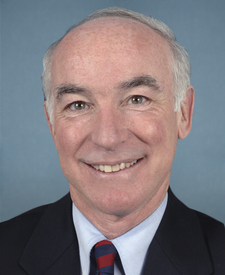 Rep. Joe CourtneyD-CT-2
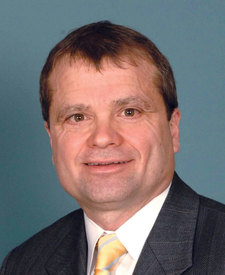 Rep. Mike QuigleyD-IL-5
 Rep. Timothy BishopD-NY-1
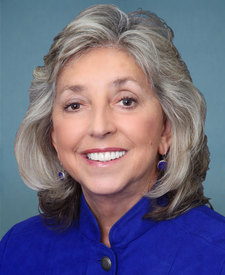 Rep. Dina TitusD-NV-1
 Rep. Loretta SanchezD-CA-46
 Rep. Jim MoranD-VA-8
 Rep. Richard NolanD-MN-8
 Rep. Denny HeckD-WA-10
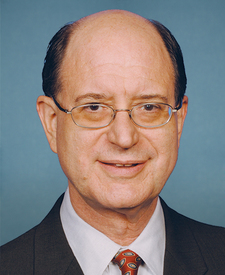 Rep. Brad ShermanD-CA-30
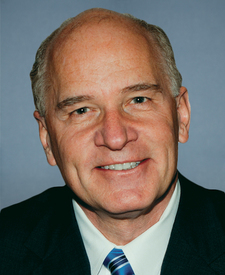 Rep. William KeatingD-MA-9
 Rep. Michelle Lujan GrishamD-NM-1
 Rep. A. Dutch RuppersbergerD-MD-2
 Rep. Stephen LynchD-MA-8
 Rep. Jerry McNerneyD-CA-9
 Rep. Carol Shea-PorterD-NH-1
 Rep. Elizabeth EstyD-CT-5
 Rep. Ron KindD-WI-3
 Rep. Sanford BishopD-GA-2
 Rep. Derek KilmerD-WA-6
 Rep. Gene GreenD-TX-29
 Rep. Michael MichaudD-ME-2
 Rep. Filemon VelaD-TX-34
 Rep. John DelaneyD-MD-6
 Rep. Jim HimesD-CT-4
 Rep. Tammy DuckworthD-IL-8
 Rep. John GaramendiD-CA-3
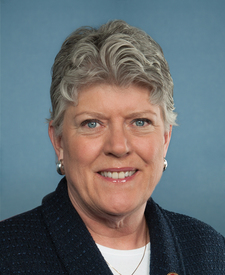 Rep. Julia BrownleyD-CA-26
 Rep. Tulsi GabbardD-HI-2
 Rep. Ann KusterD-NH-2
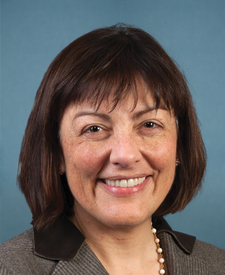 Rep. Suzan DelBeneD-WA-1
 Rep. Timothy WalzD-MN-1
 Rep. Ann KirkpatrickD-AZ-1
 Rep. Bruce BraleyD-IA-1
 Rep. Jared PolisD-CO-2
 Rep. William EnyartD-IL-12
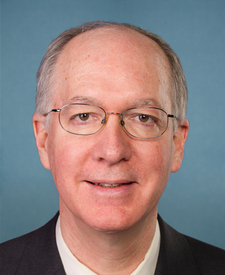 Rep. Bill FosterD-IL-11
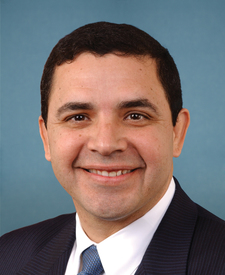 Rep. Henry CuellarD-TX-28
 Rep. David LoebsackD-IA-2
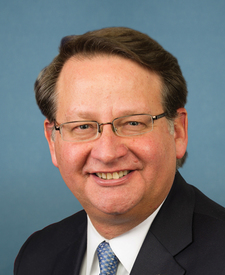 Rep. Gary PetersD-MI-14
 Rep. Jim CooperD-TN-5
 Rep. Cheri BustosD-IL-17
 Rep. Pete GallegoD-TX-23
 Rep. Daniel LipinskiD-IL-3
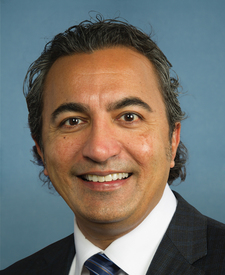 Rep. Ami BeraD-CA-7
 Rep. Joe GarciaD-FL-26
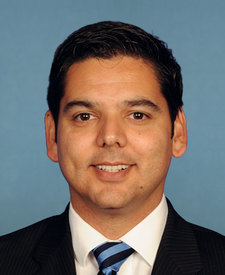 Rep. Raul RuizD-CA-36
 Rep. Sean MaloneyD-NY-18
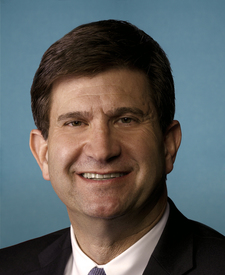 Rep. Brad SchneiderD-IL-10
 Rep. Kurt SchraderD-OR-5
 Rep. Nick RahallD-WV-3
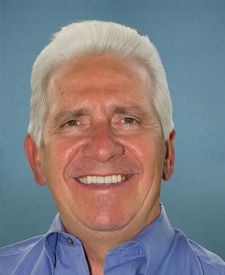 Rep. Jim CostaD-CA-16
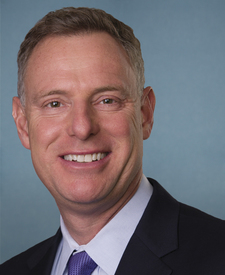 Rep. Scott PetersD-CA-52
 Rep. William OwensD-NY-21
 Rep. Daniel MaffeiD-NY-24
 Rep. Collin PetersonD-MN-7
 Rep. Patrick MurphyD-FL-18
 Rep. John BarrowD-GA-12
 Rep. Kyrsten SinemaD-AZ-9
 Rep. Ron BarberD-AZ-2
 Rep. Jim MathesonD-UT-4
 Rep. Mike McIntyreD-NC-7




















Republicans who voted yea(223)
 Rep. Christopher GibsonR-NY-19
 Rep. Michael FitzpatrickR-PA-8
 Rep. Pete KingR-NY-2
 Rep. Jon RunyanR-NJ-3
 Rep. Frank LoBiondoR-NJ-2
 Rep. David ReichertR-WA-8
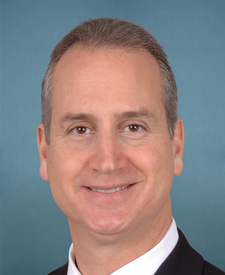 Rep. Mario Diaz-BalartR-FL-25
 Rep. David JollyR-FL-13
 Rep. Jim GerlachR-PA-6
 Rep. Richard HannaR-NY-22
 Rep. Charles DentR-PA-15
 Rep. Patrick MeehanR-PA-7
 Rep. Ileana Ros-LehtinenR-FL-27
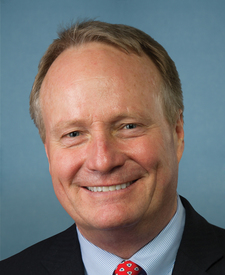 Rep. David JoyceR-OH-14
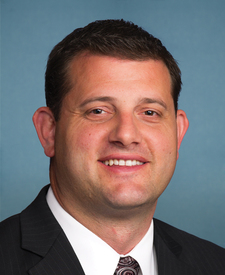 Rep. David ValadaoR-CA-21
 Rep. Chris SmithR-NJ-4
 Rep. Michael TurnerR-OH-10
 Rep. Rodney FrelinghuysenR-NJ-11
 Rep. Tom LathamR-IA-3
 Rep. Tom ReedR-NY-23
 Rep. Jeff FortenberryR-NE-1
 Rep. Frank WolfR-VA-10
 Rep. Don YoungR-AK
 Rep. Lou BarlettaR-PA-11
 Rep. Jeff DenhamR-CA-10
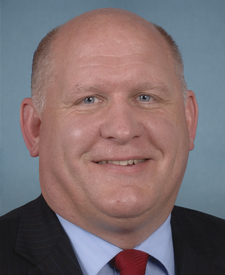 Rep. Glenn ThompsonR-PA-5
 Rep. John ShimkusR-IL-15
 Rep. Adam KinzingerR-IL-16
 Rep. Ander CrenshawR-FL-4
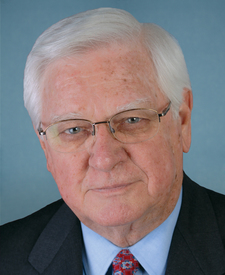 Rep. Hal RogersR-KY-5
 Rep. Tom ColeR-OK-4
 Rep. Mike SimpsonR-ID-2
 Rep. Shelley CapitoR-WV-2
 Rep. Ken CalvertR-CA-42
 Rep. Aaron SchockR-IL-18
 Rep. Buck McKeonR-CA-25
 Rep. David McKinleyR-WV-1
 Rep. Martha RobyR-AL-2
 Rep. Doc HastingsR-WA-4
 Rep. Frank LucasR-OK-3
 Rep. Joseph HeckR-NV-3
 Rep. Gregg HarperR-MS-3
 Rep. Ed WhitfieldR-KY-1
 Rep. Rodney DavisR-IL-13
 Rep. Steve StiversR-OH-15
 Rep. Rick CrawfordR-AR-1
 Rep. Spencer BachusR-AL-6
 Rep. Steve WomackR-AR-3
 Rep. Tom MarinoR-PA-10
 Rep. Gary MillerR-CA-31
 Rep. Mike KellyR-PA-3
 Rep. Greg WaldenR-OR-2
 Rep. James RenacciR-OH-16
 Rep. Kevin CramerR-ND
 Rep. Randy ForbesR-VA-4
 Rep. Devin NunesR-CA-22
 Rep. Jaime Herrera BeutlerR-WA-3
 Rep. Tim MurphyR-PA-18
 Rep. Leonard LanceR-NJ-7
 Rep. Kristi NoemR-SD
 Rep. Renee EllmersR-NC-2
 Rep. Chris CollinsR-NY-27
 Rep. Mike RogersR-MI-8
 Rep. Tim GriffinR-AR-2
 Rep. Bill ShusterR-PA-9
 Rep. Peter RoskamR-IL-6
 Rep. John CulbersonR-TX-7
 Rep. Charles BoustanyR-LA-3
 Rep. Fred UptonR-MI-6
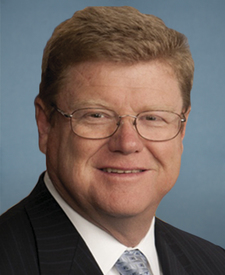 Rep. Mark AmodeiR-NV-2
 Rep. Vance McAllisterR-LA-5
 Rep. Kevin McCarthyR-CA-23
 Rep. Lee TerryR-NE-2
 Rep. Susan BrooksR-IN-5
 Rep. Dave CampR-MI-4
 Rep. Jackie WalorskiR-IN-2
 Rep. Pat TiberiR-OH-12
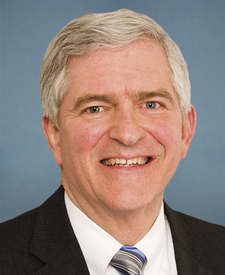 Rep. Daniel WebsterR-FL-10
 Rep. Blaine LuetkemeyerR-MO-3
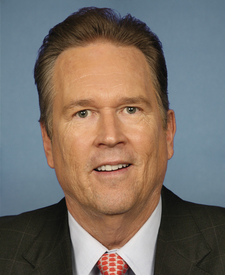 Rep. Vern BuchananR-FL-16
 Rep. Brett GuthrieR-KY-2
 Rep. Cory GardnerR-CO-4
 Rep. Kay GrangerR-TX-12
 Rep. Bob GibbsR-OH-7
 Rep. Eric CantorR-VA-7
 Rep. Robert WittmanR-VA-1
 Rep. Bill CassidyR-LA-6
 Rep. Cathy McMorris RodgersR-WA-5
 Rep. Paul CookR-CA-8
 Rep. John CarterR-TX-31
 Rep. Thomas RooneyR-FL-17
 Rep. Steve PearceR-NM-2
 Rep. Larry BucshonR-IN-8
 Rep. John KlineR-MN-2
 Rep. Todd YoungR-IN-9
 Rep. Andy BarrR-KY-6
 Rep. Mike RogersR-AL-3
 Rep. Dan BenishekR-MI-1
 Rep. Mike CoffmanR-CO-6
 Rep. Vicky HartzlerR-MO-4
 Rep. Sam GravesR-MO-6
 Rep. Ann WagnerR-MO-2
 Rep. Darrell IssaR-CA-49
 Rep. Bill JohnsonR-OH-6
 Rep. Keith RothfusR-PA-12
 Rep. Richard NugentR-FL-11
 Rep. Scott RigellR-VA-2
 Rep. Gus BilirakisR-FL-12
 Rep. Scott TiptonR-CO-3
 Rep. Ralph HallR-TX-4
 Rep. Chris StewartR-UT-2
 Rep. Howard CobleR-NC-6
 Rep. Steve DainesR-MT
 Rep. Candice MillerR-MI-10
 Rep. Chuck FleischmannR-TN-3
 Rep. Adrian SmithR-NE-3
 Rep. Dennis RossR-FL-15
 Rep. Phil RoeR-TN-1
 Rep. Steve SoutherlandR-FL-2
 Rep. Erik PaulsenR-MN-3
 Rep. Lamar SmithR-TX-21
 Rep. Michael McCaulR-TX-10
 Rep. Bob GoodlatteR-VA-6
 Rep. Blake FarentholdR-TX-27
 Rep. John MicaR-FL-7
 Rep. Paul RyanR-WI-1
 Rep. Robert LattaR-OH-5
 Rep. Markwayne MullinR-OK-2
 Rep. Steve KingR-IA-4
 Rep. Morgan GriffithR-VA-9
 Rep. Duncan HunterR-CA-50
 Rep. Pete SessionsR-TX-32
 Rep. Lynn JenkinsR-KS-2
 Rep. Mac ThornberryR-TX-13
 Rep. Sean DuffyR-WI-7
 Rep. Joe BartonR-TX-6
 Rep. Joseph PittsR-PA-16
 Rep. Austin ScottR-GA-8
 Rep. Bill PoseyR-FL-8
 Rep. Randy HultgrenR-IL-14
 Rep. Kevin YoderR-KS-3
 Rep. Tom PetriR-WI-6
 Rep. Patrick McHenryR-NC-10
 Rep. Stephen FincherR-TN-8
 Rep. Kevin BradyR-TX-8
 Rep. Brad WenstrupR-OH-2
 Rep. Diane BlackR-TN-6
 Rep. Billy LongR-MO-7
 Rep. Luke MesserR-IN-6
 Rep. Robert HurtR-VA-5
 Rep. Ed RoyceR-CA-39
 Rep. Tim WalbergR-MI-7
 Rep. Pete OlsonR-TX-22
 Rep. Sam JohnsonR-TX-3
 Rep. Doug LaMalfaR-CA-1
 Rep. Bradley ByrneR-AL-1
 Rep. Phil GingreyR-GA-11
 Rep. Joe WilsonR-SC-2
 Rep. Jeff MillerR-FL-1
 Rep. Mo BrooksR-AL-5
 Rep. Michele BachmannR-MN-6
 Rep. Robert PittengerR-NC-9
 Rep. Marsha BlackburnR-TN-7
 Rep. James LankfordR-OK-5
 Rep. Jason SmithR-MO-8
 Rep. Roger WilliamsR-TX-25
 Rep. Todd RokitaR-IN-4
 Rep. Jason ChaffetzR-UT-3
 Rep. Scott PerryR-PA-4
 Rep. Steven PalazzoR-MS-4
 Rep. Steve ScaliseR-LA-1
 Rep. Bill FloresR-TX-17
 Rep. Rob BishopR-UT-1
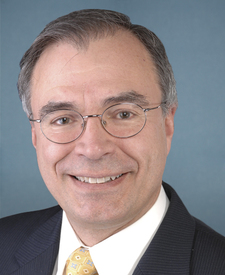 Rep. Andy HarrisR-MD-1
 Rep. Tom RiceR-SC-7
 Rep. Michael ConawayR-TX-11
 Rep. Doug LambornR-CO-5
 Rep. Mark MeadowsR-NC-11
 Rep. Paul GosarR-AZ-4
 Rep. Scott DesJarlaisR-TN-4
 Rep. Tom CottonR-AR-4
 Rep. Mike PompeoR-KS-4
 Rep. Steve ChabotR-OH-1
 Rep. Doug CollinsR-GA-9
 Rep. Bill HuizengaR-MI-2
 Rep. Jeb HensarlingR-TX-5
 Rep. Ted PoeR-TX-2
 Rep. David SchweikertR-AZ-6
 Rep. Lynn WestmorelandR-GA-3
 Rep. Tom PriceR-GA-6
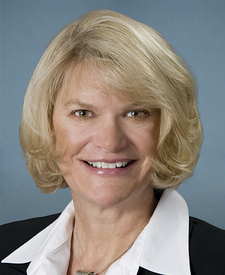 Rep. Cynthia LummisR-WY
 Rep. Curt ClawsonR-FL-19
 Rep. James SensenbrennerR-WI-5
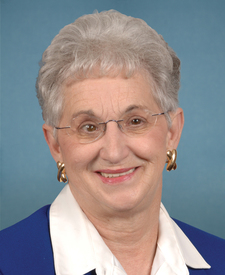 Rep. Virginia FoxxR-NC-5
 Rep. John FlemingR-LA-4
 Rep. George HoldingR-NC-13
 Rep. Dana RohrabacherR-CA-48
 Rep. Trey GowdyR-SC-4
 Rep. Scott GarrettR-NJ-5
 Rep. Randy NeugebauerR-TX-19
 Rep. Michael BurgessR-TX-26
 Rep. Mark SanfordR-SC-1
 Rep. Jack KingstonR-GA-1
 Rep. Ron DeSantisR-FL-6
 Rep. Reid RibbleR-WI-8
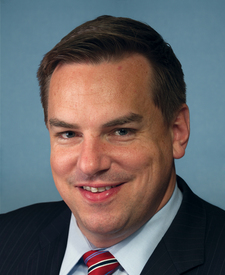 Rep. Richard HudsonR-NC-8
 Rep. Rob WoodallR-GA-7
 Rep. Trent FranksR-AZ-8
 Rep. Matt SalmonR-AZ-5
 Rep. Mick MulvaneyR-SC-5
 Rep. Kerry BentivolioR-MI-11
 Rep. Kenny MarchantR-TX-24
 Rep. Ted YohoR-FL-3
 Rep. Tom McClintockR-CA-4
 Rep. Marlin StutzmanR-IN-3
 Rep. Jim BridenstineR-OK-1
 Rep. Jim JordanR-OH-4
 Rep. Tom GravesR-GA-14
 Rep. Raúl LabradorR-ID-1
 Rep. Louie GohmertR-TX-1
 Rep. Randy WeberR-TX-14
 Rep. Jeff DuncanR-SC-3
 Rep. Tim HuelskampR-KS-1






Data notes
The House’s recorded vote on the final version of the law (roll call 1016 in Voteview), matched to the vote the record cites and checked against its totals. Positions are each member’s DW-NOMINATE score for that Congress, as on the Ideology page; left to right is more liberal to more conservative. Paired and announced yea votes count as yea. Lists follow the compass, most liberal first. A name links to a profile only for members of the current Congress. A law passed by voice vote or unanimous consent has no member list, and neither does a vote Voteview has not yet recorded.
Committees
The committees the bill was sent to, and what each did with it.

- Energy and Commerce Committee · House · discharged from, referred toSubcommittee: Environment, Manufacturing, and Critical Materials Subcommittee
- Transportation and Infrastructure Committee · House · discharged from, referred toSubcommittee: Water Resources and Environment Subcommittee
- Veterans' Affairs Committee · House · discharged from, referred toSubcommittee: Economic Opportunity Subcommittee

Data notes
A committee links to its page only where it exists in the current Congress; older and renamed committees are named without a link.
Related bills
3 bills the Library of Congress relates to this one.
H.Res. 113Procedurally-related
Providing for consideration of the bill (H.R. 803) to reform and strengthen the workforce investment system of the Nation to put Americans back to work and make the United States more competitive in the 21st century.
S. 1911Related bill
Supporting Knowledge and Investing in Lifelong Skills Act
S. 2038Related bill
Solutions to Long-Term Unemployment Act
Data notes
Related bills are identified by the Congressional Research Service, the House and the Senate: companion and identical bills, bills with similar text, bills that were folded into this law, and rules that brought it to the floor. A bill that is itself a public law in this site’s data links here; the others link to Congress.gov.
Timeline
From introduction to signing, newest first: the committees, the floor and the president. 52 actions.
- Jul 22, 2014Became lawBecame law · Became Public Law No: 113-128.
- Became lawBecame law · Signed by President.
- Jul 15, 2014FloorFloor · Presented to President.
- Jul 9, 2014Resolving differencesResolving differences · Motion to reconsider laid on the table Agreed to without objection.
- Resolving differencesResolving differences · On motion that the House suspend the rules and agree to the Senate amendments Agreed to by the Yeas and Nays: (2/3 required): 415 - 6 (Roll no. 378).House roll call 378
- Resolving differencesResolving differences · At the conclusion of debate, the Yeas and Nays were demanded and ordered. Pursuant to the provisions of clause 8, rule XX, the chair announced that further proceedings on the motion would be postponed.
- Resolving differencesResolving differences · Mr. Kline moved that the House suspend the rules and agree to the Senate amendments.
- FloorFloor · Considered as unfinished business.
- FloorFloor · DEBATE - The House proceeded with forty minutes of debate on agreeing to the Senate amendments to H.R. 803.
- OtherOther · Resolving differences -- House actions: On motion that the House suspend the rules and agree to the Senate amendments Agreed to by the Yeas and Nays: (2/3 required): 415 - 6 (Roll no. 378).House roll call 378
- Jun 26, 2014FloorFloor · Message on Senate action sent to the House.
- Jun 25, 2014FloorFloor · Passed Senate with an amendment and an amendment to the Title by Yea-Nay Vote. 95 - 3. Record Vote Number: 214.Senate roll call 214
- FloorFloor · Measure laid before Senate by unanimous consent.
- CommitteeCommittee · Senate Committee on Health, Education, Labor, and Pensions discharged by Unanimous Consent.
- Mar 18, 2013CommitteeCommittee · Received in the Senate and Read twice and referred to the Committee on Health, Education, Labor, and Pensions.
- Mar 15, 2013FloorFloor · On passage Passed by the Yeas and Nays: 215 - 202 (Roll no. 75).House roll call 75
- FloorFloor · Motion to reconsider laid on the table Agreed to without objection.
- FloorFloor · On motion to recommit with instructions Failed by the Yeas and Nays: 184 - 233 (Roll no. 74).House roll call 74
- FloorFloor · The previous question on the motion to recommit with instructions was ordered without objection.
- FloorFloor · DEBATE - The House proceeded with 10 minutes of debate on the George Miller (CA) motion to recommit with instructions. The instructions contained in the motion seek to require the bill to be reported back to the House with an amendment to ensure that nothing in the underlying bi…
- FloorFloor · Mr. Miller, George moved to recommit with instructions to Education and the Workforce.
- FloorFloor · The House adopted the amendment in the nature of a substitute as agreed to by the Committee of the Whole House on the state of the Union.
- FloorFloor · The previous question was ordered pursuant to the rule.
- FloorFloor · The House rose from the Committee of the Whole House on the state of the Union to report H.R. 803.
- FloorFloor · DEBATE - Pursuant to the provisions of H. Res. 113, the Committee of the Whole proceeded with 20 minutes of debate on the Tierney substitute amendment No. 6.
- FloorFloor · DEBATE - Pursuant to the provisions of H. Res. 113, the Committee of the Whole proceeded with 10 minutes of debate on the Garrett amendment No. 5.
- FloorFloor · DEBATE - Pursuant to the provisions of H. Res. 113, the Committee of the Whole proceeded with 10 minutes of debate on the Black amendment No. 4.
- FloorFloor · DEBATE - Pursuant to the provisions of H. Res. 113, the Committee of the Whole proceeded with 10 minutes of debate on the Young (AK) amendment No. 3.
- FloorFloor · DEBATE - Pursuant to the provisions of H. Res. 113, the Committee of the Whole proceeded with 10 minutes of debate on the Gallego amendment No. 2.
- FloorFloor · DEBATE - Pursuant to the provisions of H. Res. 113, the Committee of the Whole proceeded with 10 minutes of debate on the Foxx amendment No. 1.
Data notes
Every action the Library of Congress lists for the bill, from introduction to signing, plus the dated committee hearings. The source lists many steps twice (the chamber’s own entry and the Library of Congress copy, or a presidential and a became-law entry with the same words); those are shown once. Amendments are listed in their own section.
Amendments
14 amendments offered to the bill, with the last recorded step of each.
- Offered, no vote recorded
S.Amdt. 3385SenateSen. Rob PortmanR-OH· offered Jun 25, 2014No vote recorded
Jun 25, 2014: Senate amendment submitted
- Offered, no vote recorded
S.Amdt. 3384SenateSen. Rob PortmanR-OH· offered Jun 25, 2014No vote recorded
Jun 25, 2014: Senate amendment submitted
- Offered, no vote recorded
S.Amdt. 3383SenateSen. Rob PortmanR-OH· offered Jun 25, 2014No vote recorded
Jun 25, 2014: Senate amendment submitted
- Agreed to
S.Amdt. 3382SenateSen. Patty MurrayD-WA· offered Jun 25, 2014Agreed to
To amend the title.
Jun 25, 2014: Amendment SA 3382 agreed to in Senate by Unanimous Consent.
- Agreed to
S.Amdt. 3381SenateSen. Patty MurrayD-WA· offered Jun 25, 2014Agreed to
To improve the bill.
Jun 25, 2014: Amendment SA 3381 agreed to in Senate by Voice Vote.
- Rejected
S.Amdt. 3380SenateSen. Mike LeeR-UT· offered Jun 25, 2014Rejected
To require that evaluation reports are due every fourth year, to establish a reservation of funds in a fiscal year in which a report is due, and to establish a reduction in funds if a report is not submitted.
Jun 25, 2014: Amendment SA 3380 not agreed to in Senate by Yea-Nay Vote. 40 - 58. Record Vote Number: 213.
- Rejected
S.Amdt. 3379SenateSen. Jeff FlakeR-AZ· offered Jun 25, 2014Rejected
To make the appointment and certification of a new local board permissible instead of required.
Jun 25, 2014: Amendment SA 3379 not agreed to in Senate by Yea-Nay Vote. 33 - 63. Record Vote Number: 212.
- Agreed to
S.Amdt. 3378SenateSen. Patty MurrayD-WA· offered Jun 25, 2014Agreed to
In the nature of a substitute.
Jun 25, 2014: Amendment SA 3378 agreed to in Senate by Unanimous Consent.
- Rejected
H.Amdt. 31HouseRep. John TierneyD-MA-6· offered Mar 15, 2013Rejected
Amendment in the nature of a substitute sought to reauthorize the Workforce Investment Act in such a way that workers can be assured of obtaining jobs and building careers through strategic partnerships and that businesses are more easily …
Mar 15, 2013: On agreeing to the Tierney amendment (A006) Failed by recorded vote: 192 - 227 (Roll no. 73).
- Agreed to
H.Amdt. 30HouseRep. Scott GarrettR-NJ-5· offered Mar 15, 2013Agreed to
Amendment requires that, if reports due to Congress which evaluate the programs that are covered by this legislation are not transmitted on or before the time period specified for that report, amounts authorized to be appropriated under th…
Mar 15, 2013: On agreeing to the Garrett amendment (A005) Agreed to by voice vote.
- Withdrawn
H.Amdt. 29HouseRep. Diane BlackR-TN-6· offered Mar 15, 2013Withdrawn
An amendment numbered 4 printed in House Report 113-16 to express a sense of Congress that any administrative costs to federal, state, or local entities as a result of this act be off-set by funds currently being used for marketing and out…
Mar 15, 2013: By unanimous consent, the Black amendment was withdrawn.
- Agreed to
H.Amdt. 28HouseRep. Don YoungR-AK· offered Mar 15, 2013Agreed to
Amendment changes the percentage of the authorized State Allotment funding set aside for American Indian, Alaska Native, and Native Hawaiian employment and training grants by replacing a provision that limits the set aside to no more than …
Mar 15, 2013: On agreeing to the Young (AK) amendment (A003) Agreed to by voice vote.
- Agreed to
H.Amdt. 27HouseRep. Pete GallegoD-TX-23· offered Mar 15, 2013Agreed to
Amendment advances manufacturing in the state and local plans sections to assist American Veterans in obtaining better job opportunities in that field.
Mar 15, 2013: On agreeing to the Gallego amendment (A002) Agreed to by voice vote.
- Agreed to
H.Amdt. 26HouseRep. Virginia FoxxR-NC-5· offered Mar 15, 2013Agreed to
Amendment provides an application process for local or regional boards to be designated as a local workforce investment area; authorizes GAO to complete two studies related to Workforce Investment Act programs and makes technical and clari…
Mar 15, 2013: On agreeing to the Foxx amendment (A001) Agreed to by voice vote.
Data notes
Amendments offered to this bill in either chamber, as the Library of Congress records them: each with a status read from its last recorded step: agreed to, rejected, withdrawn, ruled out of order, fell with another amendment, or offered with no vote recorded (most Senate amendments are only ever offered). The wording of each amendment is the source’s. Amendments to amendments and amendments to other bills are not listed.
Official record
The bill’s full text is on Congress.gov. Data through Oct 7, 2026.