Consumer Product Safety Improvement Act of 2008
Public Law 110-314 · H.R. 4040 · 110th Congress · began in the House
Signed by George W. Bush (R) on Aug 14, 2008 · Commerce
Sponsor: Rep. Bobby Rush (D-IL-1)
Cosponsors (106): Rep. Cliff Stearns, Rep. John Dingell,
Passage votesYeaNay
- HouseRecorded vote: 424 yea, 1 nay424–1
- SenateRecorded vote: 89 yea, 3 nay89–3
Data notes
The final version of the law, as each chamber passed it. A chamber that passed it by voice vote or unanimous consent has no count. “Method not stated” means the record does not say how the chamber voted. Where the record has a member-by-member vote, the “Who voted for it” section shows who voted yea.
Summary
The Congressional Research Service’s plain-language summary of what the law does.
Consumer Product Safety Improvement Act of 2008 - Title I: Children's Product Safety - (Sec. 101) Treats as a banned hazardous substance under the Federal Hazardous Substances Act (FHSA) any children's product (a consumer product designed or intended primarily for children 12 years of age or younger) containing more than specified amounts of lead. Allows alternate limits if the specified limits are not technologically feasible. Requires periodic review and, when technologically feasible, more stringent limits. Makes the limits inapplicable to any component that is not accessible to a child through such use and abuse.
Allows exclusion of specific products or materials if the products or materials will neither: (1) result in the human lead absorption, taking into account reasonably foreseeable use and abuse by a child; nor (2) have any other adverse impact on public health or safety. Prohibits considering paint, coatings, or electroplating to be a barrier rendering substrate lead inaccessible to a child, or to prevent human absorption of lead. Provides for special regulations for certain electronic devices.
Establishes a more stringent limit on the amount of lead allowed in paint. Requires the Consumer Product Safety Commission (CPSC) to: (1) evaluate the effectiveness, precision, and reliability of x-ray fluorescence technology and other alternative methods for measuring lead in paint or other surface coatings when used on a children's product or furniture article in order to determine compliance with specified regulations; and (2) conduct an ongoing effort to study and encourage the further development of alternative methods for measuring lead in paint and other surface coatings.
Considers such ban on lead in children's products and such limit on lead in paint to be CPSC regulations under the FHSA.
(Sec. 102) Amends the Consumer Product Safety Act (CPSA) to revise requirements regarding manufacturer certification of products subject to a safety rule as being compliant with safety standards with provisions requiring a manufacturer of a product that is subject to a safety rule to certify that, based on a test of each product or on a reasonable testing program, the product complies with all rules, bans, standards, or regulations applicable to the product under the CPSA or any other CPSC-enforced Act.
Requires a manufacturer of a children's product, before importing any children's product that is subject to a safety rule, to have the product tested by an accredited third party for compliance with such rule and to certify that such product complies. Requires the CPSC to: (1) publish accreditation requirements and a list of accredited entities; (2) initiate a program by which a manufacturer may label a product as complying with the certification requirements; and (3) establish protocols and standards relating to the testing of children's products. Provides for accreditation withdrawal. Allows the CPSC, on request, to accredit an assessment body that is owned, managed, or controlled by a manufacturer if certain conditions are met. (Bodies that meet those requirements are sometimes referred to as being firewalled.)
Authorizes the CPSC to prescribe reasonable testing programs for products that are subject to a safety rule under the CPSA or under any other CPSC-enforced Act. (Current law authorizes such programs regarding the CPSA but does not mention other CPSC-enforced Acts.)
(Sec. 103) Requires the manufacturer of a children's product to label the product and its packaging, to the extent practicable, to identify the product's location and date of production and cohort information.
Prohibits advertising, labeling, and packaging for a product subject to a safety rule from containing a reference to the rule or a voluntary safety standard unless the product conforms with the requirements of such rule or standard.
(Sec. 104) Danny Keysar Child Product Safety Notification Act - Requires the CPSC to assess the effectiveness of any voluntary consumer product safety standards for durable infant or toddler products and promulgate consumer product safety standards that are substantially the same as or more stringent than the voluntary standards.
Makes it a violation of the CPSA for certain commercial entities (including, but not limited to manufacturers, distributors, hotels, motels, or similar transient lodging facilities and day care centers) to manufacture, sell, lease, or otherwise place in the stream of commerce any crib that is not in compliance with such standard.
Requires each manufacturer of a durable product for infants or toddlers under five years to provide consumers with a postage-paid consumer registration form, maintain a record of consumer contact information to improve recall effectiveness, and permanently label the product with the manufacturer's name and contact information, model name and number, and the manufacturing date.
Requires the CPSC to study and report to specified congressional committees regarding: (1) consumer registration form effectiveness in facilitating recalls and whether such forms should be required for other children's products; and (2) recall notification technology. Allows the CPSC to authorize the use of recall notification technology in lieu of registration forms when the technology becomes at least as effective as the forms.
(Sec. 105) Amends the FHSA to require, when a product's packaging or retail display must, under current law, include a choking warning (as with balloons, small balls, or marbles), that associated advertising (including on Internet sites or in catalogs or other distributed materials) also bear the warning. Treats that requirement as a consumer product safety standard.
(Sec. 106) Considers a specified ASTM International Standard for toy safety to be a consumer product safety standard. Requires the CPSC to assess the standard's effectiveness as it relates to specified aspects of safety requirements, safety labeling requirements, test methods, and flammability. Considers related rules to be consumer product safety standards.
Allows the CPSC, on application from a state or subdivision, to exempt the state or subdivision if the state's or subdivision's standard or regulation provides more protection and does not unduly burden interstate commerce. Allows a state or subdivision to continue safety requirements that were in effect before enactment of this Act if the state or subdivision files the requirement with the CPSC within 90 days after enactment of this Act.
(Sec. 107) Requires the Comptroller General to study disparities in the risks and incidence of preventable injuries and deaths among children of minority populations, including Black, Hispanic, American Indian, Alaska Native, Native Hawaiian, and Asian/Pacific Islander children and report to specified congressional committees.
(Sec. 108) Makes it unlawful to manufacture, sell, distribute, or import a children's toy or child care article containing specified concentrations of specified phthalates. Requires the CPSC to begin appointing a Chronic Hazard Advisory Panel to study the effects on children's health of all phthalates and phthalate alternatives as used in children's toys and child care articles. Requires the CPSC to promulgate a final rule to determine whether to continue such prohibition and whether to declare any children's product containing any phthalates to be a banned hazardous product under the CPSA. Considers these requirements to be consumer product safety standards.
Title II: Consumer Product Safety Commission Reform - Subtitle A: Administrative Improvements - (Sec. 201) Authorizes appropriations through FY2014 to carry out the CPSA. Requires the CPSC to report to specified congressional committees regarding the allocation of that funding.
(Sec. 202) Sets a temporary quorum for the transaction of CPSC business of two CPSC members, so long as they are not of the same political party. Repeals provisions limiting funding to no more than three CPSC commissioners.
Requires, subject to the availability of appropriations: (1) the CPSC to increase the number of its full-time personnel to at least 500 by October 1, 2013; and (2) assigning part of the 500 employees to duty stations at U.S. ports of entry or to inspect overseas manufacturing facilities.
(Sec. 204) Allows (current law requires) a proceeding for the development of a consumer product safety rule to be commenced by the publication of an advance notice of proposed rulemaking.
Modifies procedures for promulgating rules and regulations under the CPSA, the FHSA, and the Flammable Fabrics Act (FFA).
(Sec. 205) Requires the inspector general to assess and report to specified congressional committees on: (1) the CPSC's capital improvement efforts, including improvements and upgrades of the CPSC's information technology architecture and systems and the development of the database of publicly available information on incidents involving injury or death; and (2) the adequacy of procedures for accrediting conformity assessment bodies.
Requires the inspector general to assess: (1) complaints from CPSC employees about failures of other employees to enforce the rules or regulations of the CPSA or any other CPSC-enforced Act or otherwise carry out their responsibilities under such Acts if such alleged failures raise issues of conflicts of interest, ethical violations, or the absence of good faith; and (2) CPSC actions to address such failures and complaints.
Requires the CPSC to establish and maintain establish and maintain a link on its website to its Office of Inspector General and, on that page, a mechanism by which individuals may anonymously report cases of waste, fraud, or abuse.
Requires the inspector general to report to specified congressional committees on the inspector general's activities, any structural barriers which prevent the inspector general from providing robust oversight, and any additional authority or resources needed.
(Sec. 206) Prohibits, notwithstanding specified provisions, CPSC commissioners or employees from accepting travel, subsistence, or related expenses with respect to official duties from a person seeking official action from, doing business with, or conducting activities regulated by, the CPSC or whose interests may be substantially affected by the performance or nonperformance of the commissioner's or employee's official duties.
(Sec. 207) Authorizes the CPSC to make information obtained by the CPSC under the CPSA available to any government agency, provided there is an agreement that the information will be maintained in confidence and used only for law enforcement or consumer protection.
Requires the CPSC, when it is notified of any voluntary corrective action by a manufacturer or retailer, or when it issues an order under provisions relating to substantial product hazards, to notify each state's health department (or other agency designated by the state) of the recall or order.
(Sec. 208) Authorizes the CPSC, with or without reimbursement and with or without reciprocal arrangements, to: (1) retain or employ officers or employees of foreign government agencies on a temporary basis; and (2) detail CPSC officers or employees to work on a temporary basis for appropriate foreign government agencies for the purpose of providing or receiving training. Considers an individual of a foreign agency so retained or employed to be a federal employee only for the purposes of injury compensation, tort claims liability, the Ethics in Government Act, provisions relating to bribery, graft, and conflicts of interest, and any other statute or regulation governing the conduct of federal employees.
(Sec. 209) Adds to the CPSC's annual reporting requirements by requiring the inclusion of certain information on recall orders, voluntary corrective actions, action plans, injuries and deaths associated with products that present a substantial product hazard, and consumers' communications to the CPSC.
Subtitle B: Enhanced Enforcement Authority - (Sec. 211) Modifies provisions concerning the public disclosure of information regarding a consumer product where disclosure will permit the public to ascertain readily the identity of the manufacturer or private labeler, including decreasing some waiting periods before the CPSC may disclose information and providing for expedited court actions.
(Sec. 212) Requires the CPSC, subject to appropriations, to establish and maintain a consumer product safety database that is publicly available, searchable, and accessible through the CPSC's website. Requires submission to Congress of an implementation plan, including plans to increase consumer awareness of the database. Requires an annual report to specified congressional committees on the database and a report by the Comptroller General. Exempts certain information from disclosure.
(Sec. 213) Expands the authority of the CPSC to prohibit the stockpiling of a product for the purpose of circumventing a consumer product safety rule to explicitly include stockpiling to avoid any similar rule, regulation, standard, or ban.
(Sec. 214) Expands the definition of "substantial product hazard" to include failure to comply not only with an applicable consumer product safety rule under the CPSA, but also failure to comply with a similar rule, regulation, standard, or ban under any other CPSC-enforced Act.
Expands the notification of substantial product hazards requirement to include not only a consumer product, but also any other product or substance over which the CPSC has jurisdiction under any other Act enforced by the agency, except motor vehicle equipment. Disallows the use of such a notification as the basis for criminal prosecution of the reporting person under specified provisions of the FHSA, except for offenses requiring a showing of intent to defraud or mislead.
Authorizes the CPSC, if it determines there is a substantial product hazard, to order the manufacturer, distributor, or retailer to: (1) cease distribution and to notify all persons that transport, store, distribute, or otherwise handle the product to cease distribution immediately; (2) notify state and local public health officials; and (3) post a notice on its website, provide notice to any third party website on which the product was placed for sale, and make announcements in languages other than English and on radio and television.
Modifies requirements regarding action plans of manufacturers, distributors, or retailers to deal with products that present a substantial hazard, including by requiring them to take certain corrective actions. (Current law allows a manufacturer, distributor, or retailer to choose certain corrective actions.)
Requires CPSC rules establishing guidlelines for recall notices.
(Sec. 215) Allows CPSC designates to enter and inspect any accredited firewalled assessment body that is owned, managed, or controlled by a manufacturer.
Requires manufacturers and their supply chain subcontractors, importers, retailers, or distributors to identify each other on CPSC request.
(Sec. 216) Makes a variety of acts unlawful and modifies existing unlawful acts, including regarding: (1) Acts other than the CPSA that are enforced by the CPSC; (2) manufacturers' voluntary corrective actions; (3) the failure to furnish a required certificate; (4) registered safety certification marks owned by an accredited conformity assessment body; (5) undue influence on a third party conformity assessment body; and (6) violation of a CPSC order prohibiting the export of a product.
Revises provisions concerning the refusal of admission into the United States of products not accompanied by the required certifications to expand such coverage to include any CPSC enforced Act.
(Sec. 217) Increases the maximum civil and criminal penalties and modifies provisions relating to the determination of penalties under the CPSA, the FHSA, and the FFA.
(Sec. 218) Amends the CPSA and the Poison Prevention Packaging Act of 1970 (PPPA) to allow the attorney general of a state to bring an action for injunctive relief.
(Sec. 219) Provides whistleblower protections for employees of manufacturers, private labelers, retailers, and distributors regarding alleged violations of any CPSC-enforced product safety requirements.
Subtitle C: Specific Import-Export Provisions - (Sec. 221) Amends the CPSA and the FFA to authorize the CPSC to prohibit exportation of any consumer product that is not in conformity with a consumer product safety rule unless the importing country has notified the CPSC that such country accepts the importation.
(Sec. 222) Requires the CPSC to develop a risk assessment methodology for identification of shipments of consumer products that are intended for import and are likely to include consumer products in violation CPSC-enforced import provisions, including, as far as practicable, using the International Trade Data System (ITDS) to evaluate and assess information and incorporating the risk assessment methodology.
Requires the CPSC to develop a plan for sharing information and coordinating with U.S. Customs and Border Protection.
Requires a report to specified congressional committees on specified topics, including such plan, the status of the Automated Targeting System rule, the effectiveness of the International Trade Data System in identifying shipments of consumer products in violation CPSC-enforced import provisions, whether the CPSC needs additional statutory authority in order to implement the risk assessment methodology, and the level of appropriations necessary to implement that methodology.
(Sec. 223) Authorizes the CPSC to specify, by rule, for any consumer product or class of consumer products, characteristics whose existence or absence must be deemed a substantial product hazard if the characteristics are readily observable and have been addressed by voluntary standards, the standards have been effective in reducing the risk of injury from consumer products, and there is substantial compliance with the standards.
Requires that products refused admission be destroyed unless, on application, the Secretary of the Treasury permits export. (Current law requires export unless, on application, such Secretary permits destruction.)
Requires that manufacturers of imported products be in compliance with all inspection and record keeping requirements. (Current law permits conditioning importation on compliance with such requirments.)
Requires the CPSC, by rule, to condition manufacturing, offering for sale, distribution, or importation of any consumer product or other product on the manufacturer's compliance with the inspection and record keeping requirements of the CPSA and related CPSC rules.
(Sec. 224) Requires the CPSC to: (1) identify any CPSC-regulated product or substance for which the cost of destruction would normally exceed bond amounts determined under specified provisions of the Tariff Act of 1930; and (2) recommend to U.S. Customs and Border Protection a bond amount sufficient to cover the cost of destruction of such products or substances.
Requires the Comptroller General to study and report to specified congressional committees on the feasibility of requiring the posting of an escrow, proof of insurance, or security sufficient to cover the cost of: (1) destruction of a domestically-produced product or substance regulated under any CPSC-enforced Act; and (2) an effective recall of a product or substance, domestic or imported, so regulated.
(Sec. 225) Requires the Comptroller General to: (1) study CPSA authorities and provisions to assess the authorities' effectiveness in preventing unsafe consumer products from entering U.S. customs territory; (2) review and provide recommendations with respect to plans to prevent unsafe consumer products from entering that territory; and (3) report legislative recommendations regarding CPSC inspection of foreign manufacturing plants and the requirement for foreign manufacturers' consent to U.S. jurisdiction regarding CPSC enforcement actions.
Subtitle D: Miscellaneous Provisions and Conforming Amendments - (Sec. 231) Prohibits expanding, contracting, limiting, modifying or extending specified preemption provisions of the CPSA, FHSA, FFA, and PPPA by any rule or regulation or by reference to any statement of policy, executive branch statement, or other matter associated with a rule or regulation. Prohibits the CPSC from construing any such Act as preempting any cause of action under state or local common law or state statutory law regarding damage claims. Prohibits construing this Act or the FHSA to preempt or otherwise affect any warning requirement relating to consumer products or substances established pursuant to state law that was in effect on August 31, 2003.
(Sec. 232) Requires the CPSC, notwithstanding any other provision of law, to establish as a mandatory consumer product safety standard a specified American National Standard for four-wheeled all-terrain vehicles developed by the Specialty Vehicle Institute of America. Makes it unlawful for any manufacturer or distributor to import or distribute any new all-terrain vehicle unless: (1) the vehicle complies with the standard, is subject to an all-terrain vehicle action plan, and bears a label certifying such compliance and certain other information; and (2) the manufacturer or distributor is in compliance with the action plan.
Prohibits the importation of new three-wheeled all-terrain vehicles until a mandatory consumer product safety standard applicable to three-wheeled all-terrain vehicles is in effect.
Requires the CPSC to issue a final rule in its proceeding entitled "Standards for All Terrain Vehicles and Ban of Three-wheeled All Terrain Vehicles."
Requires the Comptroller General to study the utility, recreational, and other benefits of certain all-terrain vehicles and the costs associated with accidents and injuries involving all-terrain vehicles.
(Sec. 233) Prohibits anything in the PPPA from being construed to require the CPSC, in establishing packaging standards to protect children, to prepare a comparison of the costs that would be incurred in complying with such standard with the benefits of such standard.
(Sec. 234) Requires the Comptroller General to conduct a study to identify any risks to consumers relating to the use of formaldehyde in the manufacture of textile and apparel articles.
(Sec. 235) Defines "third-party logistics provider" as a person who solely receives, holds, or otherwise transports a consumer product in the ordinary course of business but who does not take title to the product. Prohibits deeming a logistics provider to be a manufacturer, distributor, or retailer solely by reason of receiving or transporting a consumer product in the ordinary course of its business.
Revises provisions concerning the CPSC providing copies of accident or investigation reports to other agencies.
(Sec. 236) Allows any person adversely affected by a CPSC rule or standard relating to the identification of substantial hazards, all-terrain vehicles, durable infant and toddler products, or mandatory toy safety standards to petition, within 60 days after promulgation of the rule or standard, for review by the U.S. Court of Appeals for the District of Columbia Circuit. Makes that court's judgment final, except for review by the U.S. Supreme Court on certiorari or certification. Makes rules or standards on those topics not subject to judicial review in proceedings under provisions relating to imported products or in civil or criminal enforcement proceedings.
(Sec. 237) Repeals a provision allowing a risk of injury which is associated with a consumer product and which could be eliminated or reduced to a sufficient extent by action under the FHSA, the PPPA, or the FFA to be regulated under the CPSA only if the CPSC by rule finds it in the public interest.
(Sec. 238) Amends the Virginia Graeme Baker Pool and Spa Safety Act to define "state" as it is defined in the CPSA, and includes the Northern Mariana Islands. Applies such Act to the United States and its territories, including American Samoa, the Commonwealth of Puerto Rico, Guam, the Commonwealth of the Northern Mariana Islands, and the United States Virgin Islands.
Who voted for it
Every House member of the 110th Congress on the ideology compass. Highlighted: the 424 who voted yea on final passage. Faded: everyone else, including those who voted nay, did not vote, or had not yet taken office.
424 yea1 nay9 present or did not vote
Democrats who voted yea(231)
 Rep. Dennis KucinichD-OH-10
 Rep. Pete StarkD-CA-13
 Rep. Barbara LeeD-CA-9
 Rep. Jim McDermottD-WA-7
 Rep. Lynn WoolseyD-CA-6
 Rep. Yvette ClarkeD-NY-11
 Rep. Keith EllisonD-MN-5
 Rep. Maurice HincheyD-NY-22
 Rep. John OlverD-MA-1
 Rep. Mike HondaD-CA-15
 Rep. Raúl GrijalvaD-AZ-7
 Rep. Maxine WatersD-CA-35
 Rep. George MillerD-CA-7
 Rep. Tammy BaldwinD-WI-2
 Rep. Donald PayneD-NJ-10
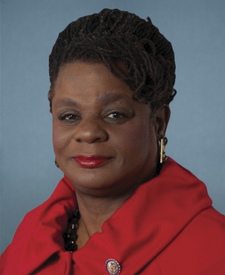 Rep. Gwen MooreD-WI-4
 Rep. Barney FrankD-MA-4
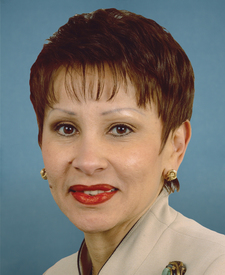 Rep. Nydia VelázquezD-NY-12
 Rep. Bob FilnerD-CA-51
 Rep. John LewisD-GA-5
 Rep. Louise SlaughterD-NY-28
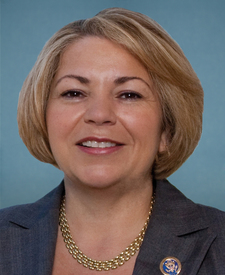 Rep. Linda SánchezD-CA-39
 Rep. Jan SchakowskyD-IL-9
 Rep. Wm. ClayD-MO-1
 Rep. Danny DavisD-IL-7
 Rep. Diane WatsonD-CA-33
 Rep. Luis GutiérrezD-IL-4
 Rep. Sheila Jackson LeeD-TX-18
 Rep. Jesse JacksonD-IL-2
 Rep. José SerranoD-NY-16
 Rep. Donna EdwardsD-MD-4
 Rep. Eddie JohnsonD-TX-30
 Rep. Mel WattD-NC-12
 Rep. Jim McGovernD-MA-3
 Rep. Ed MarkeyD-MA-7
 Rep. Mazie HironoD-HI-2
 Rep. Carolyn KilpatrickD-MI-13
 Rep. Michael CapuanoD-MA-8
 Rep. Neil AbercrombieD-HI-1
 Rep. Alcee HastingsD-FL-23
 Rep. Bennie ThompsonD-MS-2
 Rep. Hilda SolisD-CA-32
 Rep. Ed TownsD-NY-10
- Rep. Stephanie JonesD-OH-11
 Rep. Bill DelahuntD-MA-10
 Rep. Niki TsongasD-MA-5
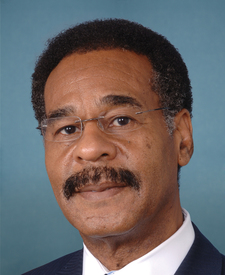 Rep. Emanuel CleaverD-MO-5
 Rep. Lois CappsD-CA-23
 Rep. Sam FarrD-CA-17
 Rep. Grace NapolitanoD-CA-38
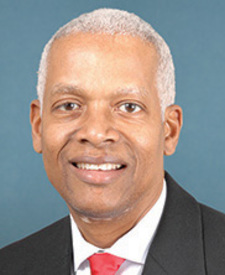 Rep. Hank JohnsonD-GA-4
 Rep. Ed PastorD-AZ-4
 Rep. Earl BlumenauerD-OR-3
 Rep. Xavier BecerraD-CA-31
 Rep. Jackie SpeierD-CA-12
 Rep. John DingellD-MI-15
 Rep. Rush HoltD-NJ-12
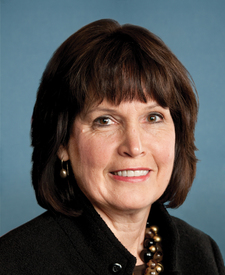 Rep. Betty McCollumD-MN-4
 Rep. John TierneyD-MA-6
 Rep. Jim ClyburnD-SC-6
 Rep. Robert WexlerD-FL-19
 Rep. Frank PalloneD-NJ-6
 Rep. David PriceD-NC-4
 Rep. G.K. ButterfieldD-NC-1
 Rep. Jerrold NadlerD-NY-8
 Rep. Betty SuttonD-OH-13
 Rep. Doris MatsuiD-CA-5
 Rep. Joe CrowleyD-NY-7
 Rep. Richard NealD-MA-2
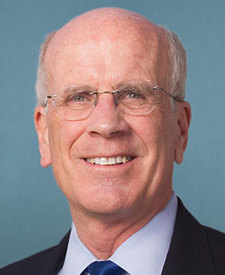 Rep. Peter WelchD-VT
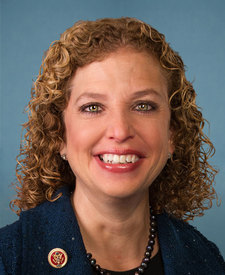 Rep. Debbie Wasserman SchultzD-FL-20
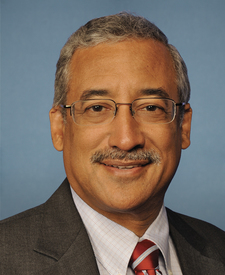 Rep. Bobby ScottD-VA-3
 Rep. Lucille Roybal-AllardD-CA-34
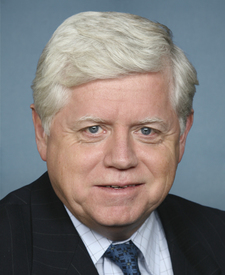 Rep. John LarsonD-CT-1
 Rep. William JeffersonD-LA-2
 Rep. Kathy CastorD-FL-11
 Rep. Robert BradyD-PA-1
 Rep. Gregory MeeksD-NY-6
 Rep. Zoe LofgrenD-CA-16
 Rep. Chaka FattahD-PA-2
 Rep. Steny HoyerD-MD-5
 Rep. Al GreenD-TX-9
 Rep. Charlie GonzalezD-TX-20
 Rep. Michael DoyleD-PA-14
 Rep. Bill PascrellD-NJ-8
 Rep. Henry WaxmanD-CA-30
 Rep. James OberstarD-MN-8
 Rep. Laura RichardsonD-CA-37
 Rep. Alan MollohanD-WV-1
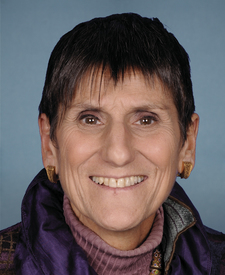 Rep. Rosa DeLauroD-CT-3
 Rep. Elijah CummingsD-MD-7
 Rep. Bobby RushD-IL-1
 Rep. John SarbanesD-MD-3
 Rep. Peter ViscloskyD-IN-1
 Rep. Jay InsleeD-WA-1
 Rep. Jim MoranD-VA-8
 Rep. Nick RahallD-WV-3
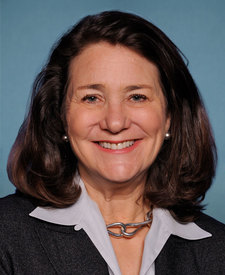 Rep. Diana DeGetteD-CO-1
 Rep. Tim RyanD-OH-17
 Rep. Corrine BrownD-FL-3
 Rep. Gary AckermanD-NY-5
 Rep. Dave ObeyD-WI-7
 Rep. Patrick KennedyD-RI-1
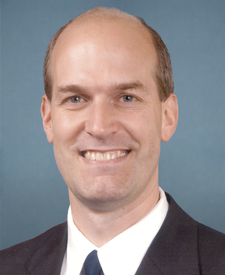 Rep. Rick LarsenD-WA-2
 Rep. John MurthaD-PA-12
 Rep. Michael McNultyD-NY-21
 Rep. Brad ShermanD-CA-27
 Rep. Kendrick MeekD-FL-17
 Rep. Loretta SanchezD-CA-47
 Rep. Steven RothmanD-NJ-9
 Rep. Lloyd DoggettD-TX-25
 Rep. André CarsonD-IN-7
 Rep. Nita LoweyD-NY-18
 Rep. Anna EshooD-CA-14
 Rep. Eliot EngelD-NY-17
 Rep. Howard BermanD-CA-28
 Rep. Steve CohenD-TN-9
 Rep. Anthony WeinerD-NY-9
 Rep. Chris Van HollenD-MD-8
 Rep. Joe BacaD-CA-43
 Rep. Albio SiresD-NJ-13
 Rep. Marion BerryD-AR-1
 Rep. Rubén HinojosaD-TX-15
 Rep. Timothy BishopD-NY-1
 Rep. Sander LevinD-MI-12
 Rep. Dale KildeeD-MI-5
 Rep. Brian HigginsD-NY-27
 Rep. Jim LangevinD-RI-2
 Rep. Tom AllenD-ME-1
 Rep. Paul KanjorskiD-PA-11
 Rep. Rahm EmanuelD-IL-5
 Rep. Stephen LynchD-MA-9
 Rep. Ellen TauscherD-CA-10
 Rep. Brad MillerD-NC-13
 Rep. David ScottD-GA-13
 Rep. Jerry CostelloD-IL-12
 Rep. Rob AndrewsD-NJ-1
 Rep. Sanford BishopD-GA-2
 Rep. David WuD-OR-1
 Rep. Marcy KapturD-OH-9
 Rep. Susan DavisD-CA-53
 Rep. Steve IsraelD-NY-2
 Rep. Carolyn McCarthyD-NY-4
 Rep. Phil HareD-IL-17
 Rep. Silvestre ReyesD-TX-16
 Rep. John YarmuthD-KY-3
 Rep. Solomon OrtizD-TX-27
 Rep. David LoebsackD-IA-2
 Rep. Paul HodesD-NH-2
 Rep. Carol Shea-PorterD-NH-1
 Rep. Tom UdallD-NM-3
 Rep. Adam SchiffD-CA-29
 Rep. Gene GreenD-TX-29
 Rep. Joe CourtneyD-CT-2
 Rep. Russ CarnahanD-MO-3
 Rep. A. Dutch RuppersbergerD-MD-2
 Rep. Jane HarmanD-CA-36
 Rep. Christopher MurphyD-CT-5
 Rep. Dennis CardozaD-CA-18
 Rep. John HallD-NY-19
 Rep. Rick BoucherD-VA-9
 Rep. Allyson SchwartzD-PA-13
 Rep. Mike ThompsonD-CA-1
 Rep. Ciro RodriguezD-TX-23
 Rep. Bruce BraleyD-IA-1
 Rep. Michael ArcuriD-NY-24
 Rep. Michael MichaudD-ME-2
 Rep. Darlene HooleyD-OR-5
 Rep. Vic SnyderD-AR-2
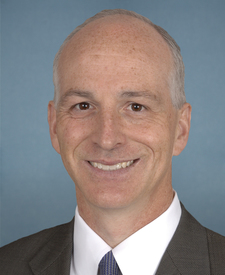 Rep. Adam SmithD-WA-9
 Rep. Bob EtheridgeD-NC-2
 Rep. Timothy WalzD-MN-1
 Rep. Artur DavisD-AL-7
 Rep. John SprattD-SC-5
 Rep. Ike SkeltonD-MO-4
 Rep. Leonard BoswellD-IA-3
 Rep. Ron KindD-WI-3
 Rep. Steve KagenD-WI-8
 Rep. Bart StupakD-MI-1
 Rep. Peter DeFazioD-OR-4
 Rep. Shelley BerkleyD-NV-1
 Rep. Charles WilsonD-OH-6
 Rep. Daniel LipinskiD-IL-3
 Rep. John SalazarD-CO-3
 Rep. Dennis MooreD-KS-3
 Rep. Chet EdwardsD-TX-17
 Rep. Ed PerlmutterD-CO-7
 Rep. Joe SestakD-PA-7
 Rep. Earl PomeroyD-ND
 Rep. Ron KleinD-FL-22
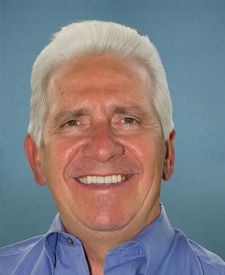 Rep. Jim CostaD-CA-20
 Rep. Tim HoldenD-PA-17
 Rep. Brian BairdD-WA-3
 Rep. Mark UdallD-CO-2
 Rep. Mike RossD-AR-4
 Rep. Ben ChandlerD-KY-6
 Rep. Charles MelanconD-LA-3
 Rep. Collin PetersonD-MN-7
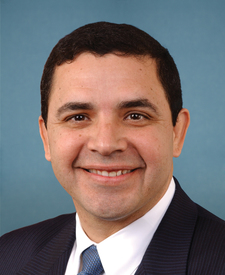 Rep. Henry CuellarD-TX-28
 Rep. Allen BoydD-FL-2
 Rep. Bud CramerD-AL-5
 Rep. Stephanie Herseth SandlinD-SD
 Rep. Jim CooperD-TN-5
 Rep. Lincoln DavisD-TN-4
 Rep. John TannerD-TN-8
 Rep. Nancy BoydaD-KS-2
 Rep. Kirsten GillibrandD-NY-20
 Rep. Jerry McNerneyD-CA-11
 Rep. Bart GordonD-TN-6
 Rep. Bill FosterD-IL-14
 Rep. Patrick MurphyD-PA-8
 Rep. Zack SpaceD-OH-18
 Rep. Tim MahoneyD-FL-16
 Rep. Mike McIntyreD-NC-7
 Rep. Dan BorenD-OK-2
 Rep. Gabrielle GiffordsD-AZ-8
 Rep. Melissa BeanD-IL-8
 Rep. Jim MathesonD-UT-2
 Rep. Gene TaylorD-MS-4
 Rep. Brad EllsworthD-IN-8
 Rep. Christopher CarneyD-PA-10
 Rep. Harry MitchellD-AZ-5
 Rep. Jason AltmireD-PA-4
 Rep. Jim MarshallD-GA-8
 Rep. Heath ShulerD-NC-11
 Rep. Joe DonnellyD-IN-2
 Rep. Baron HillD-IN-9
 Rep. John BarrowD-GA-12
 Rep. Donald CazayouxD-LA-6
 Rep. Nick LampsonD-TX-22
 Rep. Travis ChildersD-MS-1






































Republicans who voted yea(193)
 Rep. Wayne GilchrestR-MD-1
 Rep. Chris SmithR-NJ-4
 Rep. Frank LoBiondoR-NJ-2
 Rep. Christopher ShaysR-CT-4
 Rep. Tim MurphyR-PA-18
 Rep. John McHughR-NY-23
 Rep. Timothy JohnsonR-IL-15
 Rep. Mike FergusonR-NJ-7
 Rep. Jim WalshR-NY-25
 Rep. Steven LaTouretteR-OH-14
 Rep. Ray LaHoodR-IL-18
 Rep. Walter JonesR-NC-3
 Rep. Ileana Ros-LehtinenR-FL-18
 Rep. David ReichertR-WA-8
 Rep. Jim GerlachR-PA-6
 Rep. Jon PorterR-NV-3
 Rep. Jim SaxtonR-NJ-3
 Rep. Mark KirkR-IL-10
 Rep. Michael CastleR-DE
 Rep. Charles DentR-PA-15
 Rep. Jo Ann EmersonR-MO-8
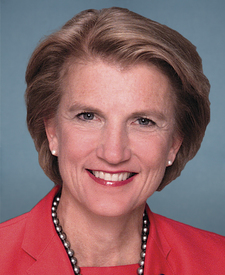 Rep. Shelley CapitoR-WV-2
 Rep. Rick RenziR-AZ-1
 Rep. Phil EnglishR-PA-3
 Rep. Ralph RegulaR-OH-16
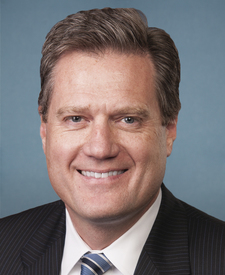 Rep. Michael TurnerR-OH-3
 Rep. Randy KuhlR-NY-29
 Rep. Mike SimpsonR-ID-2
 Rep. Jerry WellerR-IL-11
 Rep. Lincoln Diaz-BalartR-FL-21
 Rep. Todd PlattsR-PA-19
 Rep. Heather WilsonR-NM-1
 Rep. Frank WolfR-VA-10
 Rep. Don YoungR-AK
 Rep. Pete KingR-NY-3
 Rep. Candice MillerR-MI-10
 Rep. Jeff FortenberryR-NE-1
 Rep. Mario Diaz-BalartR-FL-25
 Rep. Ed WhitfieldR-KY-1
 Rep. Deborah PryceR-OH-15
 Rep. Jim RamstadR-MN-3
 Rep. Rodney FrelinghuysenR-NJ-11
 Rep. Dave HobsonR-OH-7
 Rep. Greg WaldenR-OR-2
 Rep. Thad McCotterR-MI-11
 Rep. Tom LathamR-IA-4
 Rep. W. Bill YoungR-FL-10
 Rep. Robin HayesR-NC-8
 Rep. Tom DavisR-VA-11
 Rep. Denny RehbergR-MT
 Rep. Charles BoustanyR-LA-7
 Rep. John PetersonR-PA-5
 Rep. Chip PickeringR-MS-3
 Rep. Rodney AlexanderR-LA-5
 Rep. Fred UptonR-MI-6
 Rep. Joe KnollenbergR-MI-9
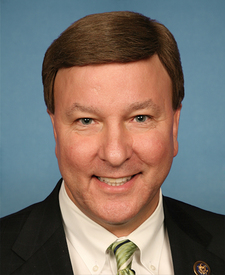 Rep. Mike RogersR-AL-3
 Rep. Vernon EhlersR-MI-3
 Rep. Thomas ReynoldsR-NY-26
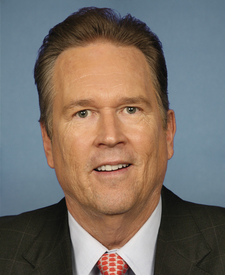 Rep. Vern BuchananR-FL-13
 Rep. Jerry LewisR-CA-41
 Rep. Mary Bono MackR-CA-45
 Rep. Jerry MoranR-KS-1
 Rep. Gus BilirakisR-FL-9
 Rep. Robert AderholtR-AL-4
 Rep. John BoozmanR-AR-3
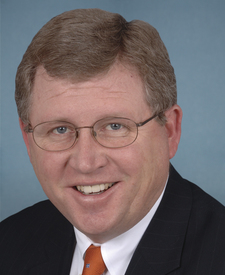 Rep. Frank LucasR-OK-3
 Rep. Henry BrownR-SC-1
 Rep. Todd TiahrtR-KS-4
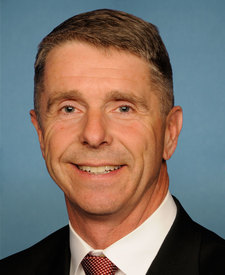 Rep. Robert WittmanR-VA-1
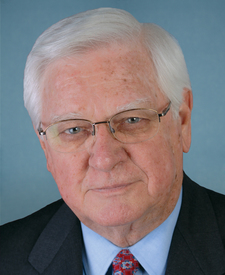 Rep. Hal RogersR-KY-5
 Rep. Ander CrenshawR-FL-4
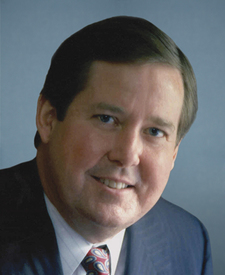 Rep. Ken CalvertR-CA-44
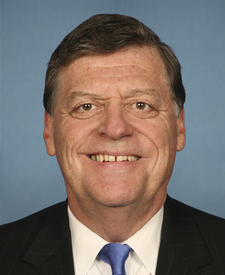 Rep. Tom ColeR-OK-4
 Rep. Judy BiggertR-IL-13
 Rep. Cathy McMorris RodgersR-WA-5
 Rep. Terry EverettR-AL-2
 Rep. Jim McCreryR-LA-4
 Rep. Jo BonnerR-AL-1
 Rep. Pat TiberiR-OH-12
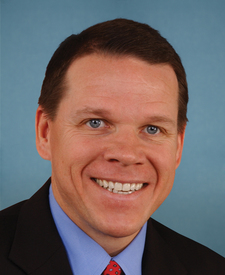 Rep. Sam GravesR-MO-6
 Rep. Mike RogersR-MI-8
 Rep. Bill ShusterR-PA-9
 Rep. Randy ForbesR-VA-4
 Rep. Thelma DrakeR-VA-2
 Rep. John ShimkusR-IL-19
 Rep. Mary FallinR-OK-5
 Rep. Mark SouderR-IN-3
 Rep. Duncan HunterR-CA-52
 Rep. Ralph HallR-TX-4
 Rep. Spencer BachusR-AL-6
 Rep. Ron LewisR-KY-2
 Rep. Elton GalleglyR-CA-24
 Rep. Geoff DavisR-KY-4
 Rep. Dave CampR-MI-4
 Rep. Zach WampR-TN-3
 Rep. Lamar SmithR-TX-21
 Rep. Kay GrangerR-TX-12
 Rep. John DoolittleR-CA-4
 Rep. Lee TerryR-NE-2
 Rep. Roscoe BartlettR-MD-6
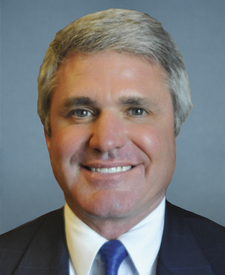 Rep. Michael McCaulR-TX-10
 Rep. Vito FossellaR-NY-13
 Rep. Doc HastingsR-WA-4
 Rep. Ric KellerR-FL-8
 Rep. Buck McKeonR-CA-25
 Rep. Bob GoodlatteR-VA-6
 Rep. Virgil GoodeR-VA-5
 Rep. Jean SchmidtR-OH-2
 Rep. Kevin McCarthyR-CA-22
 Rep. Peter RoskamR-IL-6
 Rep. Steve PearceR-NM-2
 Rep. David DreierR-CA-26
 Rep. Donald ManzulloR-IL-16
 Rep. John MicaR-FL-7
 Rep. Adam PutnamR-FL-12
 Rep. Gary MillerR-CA-42
 Rep. Roy BluntR-MO-7
 Rep. Dave WeldonR-FL-15
 Rep. Kevin BradyR-TX-8
 Rep. Pete HoekstraR-MI-2
 Rep. Michael BurgessR-TX-26
 Rep. Dean HellerR-NV-2
 Rep. Louie GohmertR-TX-1
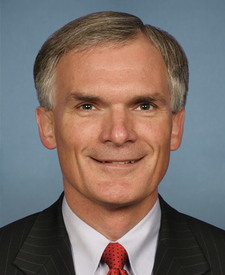 Rep. Robert LattaR-OH-5
 Rep. Tom PetriR-WI-6
 Rep. Devin NunesR-CA-21
 Rep. George RadanovichR-CA-19
 Rep. Rob BishopR-UT-1
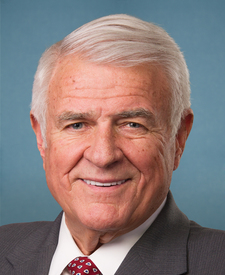 Rep. John CarterR-TX-31
 Rep. Tim WalbergR-MI-7
 Rep. Wally HergerR-CA-2
 Rep. Adrian SmithR-NE-3
 Rep. Joe BartonR-TX-6
 Rep. John CulbersonR-TX-7
 Rep. Daniel LungrenR-CA-3
 Rep. Brian BilbrayR-CA-50
 Rep. Howard CobleR-NC-6
 Rep. Marilyn MusgraveR-CO-4
 Rep. John KlineR-MN-2
 Rep. John SullivanR-OK-1
 Rep. Steve ChabotR-OH-1
 Rep. Jack KingstonR-GA-1
 Rep. Steve ScaliseR-LA-1
 Rep. David DavisR-TN-1
 Rep. Cliff StearnsR-FL-6
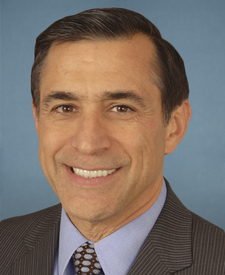 Rep. Darrell IssaR-CA-49
 Rep. Mac ThornberryR-TX-13
 Rep. John BoehnerR-OH-8
 Rep. Ted PoeR-TX-2
 Rep. Michele BachmannR-MN-6
 Rep. Joseph PittsR-PA-16
 Rep. Dan BurtonR-IN-5
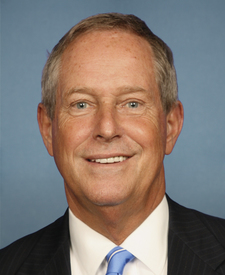 Rep. Joe WilsonR-SC-2
 Rep. Kenny MarchantR-TX-24
 Rep. Bob InglisR-SC-4
 Rep. Sue MyrickR-NC-9
 Rep. Michael ConawayR-TX-11
 Rep. Paul RyanR-WI-1
 Rep. Pete SessionsR-TX-32
 Rep. Phil GingreyR-GA-11
 Rep. Eric CantorR-VA-7
 Rep. Connie MackR-FL-14
 Rep. Patrick McHenryR-NC-10
 Rep. Dana RohrabacherR-CA-46
 Rep. Randy NeugebauerR-TX-19
 Rep. John LinderR-GA-7
 Rep. Todd AkinR-MO-2
 Rep. Tom FeeneyR-FL-24
 Rep. Marsha BlackburnR-TN-7
 Rep. Tom PriceR-GA-6
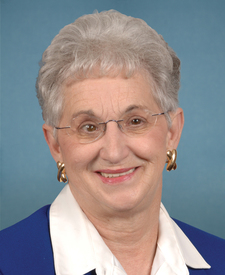 Rep. Virginia FoxxR-NC-5
 Rep. Steve KingR-IA-5
 Rep. Chris CannonR-UT-3
 Rep. Sam JohnsonR-TX-3
 Rep. Bill SaliR-ID-1
 Rep. Jeff MillerR-FL-1
 Rep. Jim JordanR-OH-4
 Rep. Scott GarrettR-NJ-5
 Rep. Nathan DealR-GA-9
 Rep. Lynn WestmorelandR-GA-3
 Rep. J. Gresham BarrettR-SC-3
 Rep. Ed RoyceR-CA-40
 Rep. Jimmy DuncanR-TN-2
 Rep. Mike PenceR-IN-6
 Rep. James SensenbrennerR-WI-5
 Rep. Tom TancredoR-CO-6
 Rep. Doug LambornR-CO-5
 Rep. John ShadeggR-AZ-3
 Rep. Jeb HensarlingR-TX-5
 Rep. John CampbellR-CA-48
 Rep. Trent FranksR-AZ-2
 Rep. Jeff FlakeR-AZ-6




























Data notes
The House’s recorded vote on the final version of the law (roll call 1718 in Voteview), matched to the vote the record cites and checked against its totals. Positions are each member’s DW-NOMINATE score for that Congress, as on the Ideology page; left to right is more liberal to more conservative. Paired and announced yea votes count as yea. Lists follow the compass, most liberal first. A name links to a profile only for members of the current Congress. A law passed by voice vote or unanimous consent has no member list, and neither does a vote Voteview has not yet recorded.
Committees
The committees the bill was sent to, and what each did with it.
 Energy and Commerce Committee · House · markup by, referred to, reported bySubcommittee: Innovation, Data, and Commerce Subcommittee
 Appropriations Committee · SenateSubcommittee: Financial Services and General Government Subcommittee
Data notes
A committee links to its page only where it exists in the current Congress; older and renamed committees are named without a link.
Related bills
2 bills the Library of Congress relates to this one.
S. 2045Related bill
CPSC Reform Act of 2007
S. 2663Procedurally-relatedRelated billRelated document
CPSC Reform Act
Data notes
Related bills are identified by the Congressional Research Service, the House and the Senate: companion and identical bills, bills with similar text, bills that were folded into this law, and rules that brought it to the floor. A bill that is itself a public law in this site’s data links here; the others link to Congress.gov.
Timeline
From introduction to signing, newest first: the committees, the floor and the president. 65 actions.
- Aug 14, 2008Became lawBecame law · Became Public Law No: 110-314.
- Became lawBecame law · Signed by President.
- Aug 6, 2008FloorFloor · Presented to President.
- Jul 31, 2008Resolving differencesResolving differences · Senate agreed to conference report by Yea-Nay Vote. 89 - 3. Record Vote Number: 193.Senate roll call 193
- Resolving differencesResolving differences · Conference report agreed to in Senate: Senate agreed to conference report by Yea-Nay Vote. 89 - 3. Record Vote Number: 193.Senate roll call 193
- Resolving differencesResolving differences · Conference report considered in Senate.
- FloorFloor · Message on Senate action sent to the House.
- OtherOther · Cleared for White House.
- Jul 30, 2008Resolving differencesResolving differences · Conference papers: Senate report and manager's statement and message on House action held at the desk in Senate.
- Resolving differencesResolving differences · On motion to suspend the rules and agree to the conference report Agreed to by the Yeas and Nays: (2/3 required): 424 - 1 (Roll no. 543).House roll call 543
- Resolving differencesResolving differences · Motions to reconsider laid on the table Agreed to without objection.
- Resolving differencesResolving differences · Conference report agreed to in House: On motion to suspend the rules and agree to the conference report Agreed to by the Yeas and Nays: (2/3 required): 424 - 1 (Roll no. 543).House roll call 543
- Resolving differencesResolving differences · The House proceeded to consider the conference report H.Rept. 110-787 as unfinished business.
- Resolving differencesResolving differences · Mr. Dingell moved to suspend the rules and agree to the conference report, H. Rept. 110-787.
- FloorFloor · At the conclusion of debate, the Yeas and Nays were demanded and ordered. Pursuant to the provisions of clause 8, rule XX, the Chair announced that further proceedings on the motion would be postponed.
- FloorFloor · DEBATE - Mr. Dingell asked unanimous consent that debate on the motion to suspend the rules and pass the conference report to accompany H.R. 4040 be extended by 20 minutes, equally divided and controlled. Agreed to without objection.
- FloorFloor · DEBATE - The House proceeded with forty minutes of debate on the conference report to accompany H.R. 4040.
- Jul 29, 2008Resolving differencesResolving differences · Conference report H. Rept. 110-787 filed.
- Resolving differencesResolving differences · Conference report filed: Conference report H. Rept. 110-787 filed.
- Jul 17, 2008Resolving differencesResolving differences · Conference held.
- Resolving differencesResolving differences · Conference committee actions: Conference held.
- Jun 25, 2008Resolving differencesResolving differences · Conference held.
- Resolving differencesResolving differences · Conference committee actions: Conference held.
- Resolving differencesResolving differences · Motion to reconsider laid on the table Agreed to without objection.
- Resolving differencesResolving differences · On motion that the House instruct conferees Agreed to by the Yeas and Nays: 415 - 0 (Roll no. 461).House roll call 461
- Jun 24, 2008Resolving differencesResolving differences · The previous question was ordered without objection.
- Resolving differencesResolving differences · Mr. Kirk moved that the House instruct conferees.
- FloorFloor · POSTPONED PROCEEDINGS - At the conclusion of debate on the Kirk motion to instruct conferees on H.R. 4040, the Chair put the question on adoption of the motion to instruct conferees and by voice vote, announced that the noes had prevailed. Mr. Kirk demanded the yeas and nays and…
- FloorFloor · DEBATE - The House proceeded with one hour of debate on the Kirk motion to instruct conferees on H.R. 4040. The instructions contained in the motion seek to insist on the provisions contained in the House bill with regard to the definition of "children's product".
- Jun 23, 2008FloorFloor · NOTICE OF INTENT TO OFFER MOTION TO INSTRUCT - Mr. Kirk notified the House of his intent to offer a motion to instruct conferees on H.R. 4040.
Data notes
Every action the Library of Congress lists for the bill, from introduction to signing, plus the dated committee hearings. The source lists many steps twice (the chamber’s own entry and the Library of Congress copy, or a presidential and a became-law entry with the same words); those are shown once. Amendments are listed in their own section.
Amendments
No amendments to this bill are on record.
Data notes
Amendments offered to this bill in either chamber, as the Library of Congress records them: each with a status read from its last recorded step: agreed to, rejected, withdrawn, ruled out of order, fell with another amendment, or offered with no vote recorded (most Senate amendments are only ever offered). The wording of each amendment is the source’s. Amendments to amendments and amendments to other bills are not listed.
Official record
The bill’s full text is on Congress.gov. Data through Oct 7, 2026.