International Religious Freedom Act of 1998
Public Law 105-292 · H.R. 2431 · 105th Congress · began in the House
Signed by Bill Clinton (D) on Oct 27, 1998 · International Affairs
Sponsor: Rep. Frank Wolf (R-VA-10)
Cosponsors (131): Rep. John Porter, Rep. J.C. Watts,
Passage votesYeaNay
- HouseVoice vote
- SenateRecorded vote: 98 yea, 0 nay98–0
Data notes
The final version of the law, as each chamber passed it. A chamber that passed it by voice vote or unanimous consent has no count. “Method not stated” means the record does not say how the chamber voted. Where the record has a member-by-member vote, the “Who voted for it” section shows who voted yea.
Summary
The Congressional Research Service’s plain-language summary of what the law does.
TABLE OF CONTENTS:
Title I: Department of State Activities
Title II: Commission on International Religious Freedom
Title III: National Security Council
Title IV: Presidential Actions
Subtitle I: Targeted Responses to Violations of
Religious Freedom Abroad
Subtitle II: Strengthening Existing Law
Title V: Promotion of Religious Freedom
Title VI: Refugee, Asylum, and Consular Matters
Title VII: Miscellaneous Provisions
International Religious Freedom Act of 1998 - Declares it to be U.S. policy to: (1) condemn violations of religious freedom, and to promote, and to assist other governments in the promotion of, the fundamental right to freedom of religion; and (2) seek to channel U.S. security and development assistance to governments that are found not to be engaged in gross violations of the right to freedom of religion.
Title I: Department of State Activities - Establishes within the Department of State an Office on International Religious Freedom which shall be headed by an Ambassador at Large for International Religious Freedom.
(Sec. 102) Directs the Ambassador at Large to assist the Secretary of State in preparing those portions of the Human Rights Reports that relate to freedom of religion and freedom from religious discrimination. Directs the Secretary of State to submit to the Congress, in conjunction with the Human Rights Reports, an Annual Report on International Religious Freedom describing: (1) the status of religious freedom in each foreign country, including trends toward improvement in the respect and protection of the right to religious freedom and trends toward deterioration of such right; (2) violations of religious freedom (including particularly severe ones) engaged in or tolerated by the government of that country; (3) the nature and extent of violations of religious freedom in each foreign country; (4) U.S. actions and policies in support of religious freedom in each such country engaging in or tolerating violations of religious freedom; (5) any binding agreement between the United States and a foreign government calling for such government to cease violations of religious freedom; (6) training on violations of religious freedom given to immigration judges and consular, refugee, immigration, and asylum officers; and (7) (in an Executive Summary) the status of religious freedom in certain foreign countries.
(Sec. 103) Requires the Secretary, in order to facilitate access by nongovernmental organizations (NGOs) and the public around the world to international documents on the protection of religious freedom, to establish an Internet site containing major international documents relating to religious freedom, the Annual Report on Religious Persecution, the Executive Summary, and any other relevant documentation or references to other sites.
(Sec. 104) Amends the Foreign Service Act of 1980 to direct the Secretary to establish as part of the standard training for Foreign Service officers, including chiefs of mission, instruction in the field of internationally-recognized human rights.
(Sec. 105) Directs U.S. chiefs of mission to seek out and meet with religious NGOs, including imprisoned religious leaders where appropriate.
(Sec. 106) Expresses the sense of the Congress that: (1) U.S. diplomatic missions in countries where the government engages in or tolerates violations of the internationally recognized right to freedom of religion should develop, as part of annual program planning, a strategy to promote freedom of religion; and (2) in allocating funds or recommending candidates for U.S. programs and grants, U.S. missions should give particular consideration to those programs and candidates deemed to assist in the promotion of the right to religious freedom.
(Sec. 107) Directs the Secretary to permit, on terms no less favorable than those accorded other nongovernmental activities unrelated to the conduct of the diplomatic mission, access to the premises of U.S. diplomatic missions by U.S. citizens seeking to conduct religious activities.
(Sec. 108) Expresses the sense of the Congress that, in order to encourage involvement with religious freedom concerns at every possible opportunity and by all appropriate U.S. Government representatives, officials of the executive branch should promote increased advocacy on such issues during meetings between foreign dignitaries and executive branch officials or Members of Congress.
Requires the Secretary to prepare and maintain issue briefs consisting of country-by-country lists of persons believed to be imprisoned, detained, or placed under house arrest for their religious faith.
Title II: Commission on International Religious Freedom - Establishes the United States Commission on International Religious Freedom (Commission).
(Sec. 202) Makes the Commission's primary responsibility: (1) the annual and ongoing review of the facts and circumstances of violations of religious freedom presented in the Country Reports on Human Rights Practices, the Annual Report on Religious Persecution, and the Executive Summary, as well as information from other appropriate sources; and (2) the making of policy recommendations to the President, the Secretary, and the Congress with respect to international religious freedom.
(Sec. 205) Authorizes appropriations for FY 1999 and 2000.
Title III: National Security Council - Amends the National Security Act of 1947 to express the sense of the Congress that there should be within the staff of the National Security Council a Special Adviser to the President on International Religious Freedom, serving as a resource for executive branch officials, compiling information on the facts and circumstances of violations of religious freedom, and making policy recommendations.
Title IV: Presidential Actions - Subtitle I: Targeted Responses to Violations of Religious Freedom Abroad - Directs the President, for each foreign country in which the government engages in or tolerates violations of religious freedom (including particularly severe violations), to oppose such violations by taking certain actions and promoting the right to freedom of religion in that country.
(Sec. 402) Requires the President to review annually the status of religious freedom in each foreign country during the preceding 12 months, and to designate countries of particular concern for religious freedom, including agencies, instrumentalities, and officials responsible for particularly severe violations of religious freedom.
(Sec. 403) Directs the President to: (1) consult with the violating foreign government prior to taking any action against it; and (2) report to the Congress.
(Sec. 405) Specifies among the actions the President may take: (1) public condemnation; (2) delay or cancellation of scientific and cultural exchanges; (3) withdrawal, limitation, or suspension of U.S. development assistance and U.S. security assistance; (4) instruction of U.S. executive directors of international financial institutions to vote against loans primarily benefiting the foreign government responsible for such violations; (5) restrictions on the issuance of licenses to export any goods or technology to such foreign government; (6) prohibition against the making, guaranteeing, or insuring of loans, or extension of credit by certain U.S. financial institutions to the violating government; and (7) prohibition of U.S. Government procurement of goods or services from such government. Provides for: (1) commensurate actions in substitution for any of the above presidential actions; and (2) binding agreements with foreign governments obliging them to cease, or take substantial steps to address and phase out, the acts, policies, or practices constituting violations of religious freedom.
Declares that any such action may not prohibit or restrict the provision of humanitarian assistance.
(Sec. 407) Authorizes the President to waive the requirements of this Act if certain conditions are met.
(Sec. 410) Prohibits judicial review of presidential actions or agency actions taken under this Act.
Subtitle II: Strengthening Existing Law - Amends the Foreign Assistance Act of 1961 and the International Financial Institutions Act to add as a factor for consideration in formulating U.S. development assistance, military assistance, and multilateral assistance programs whether the government of a foreign country has: (1) engaged in or tolerated particularly severe violations of religious freedom; or (2) failed to undertake serious and sustained efforts to combat particularly severe violations of religious freedom, when such efforts could have been reasonably undertaken.
(Sec. 423) Requires the inclusion on the list of crime control and detection instruments or equipment controlled for export or reexport under the Export Administration Act of 1979 (and so subject to mandatory licensing) items the Secretary of Commerce has determined are being used or are intended for use directly and in significant measure to carry out particularly severe violations of religious freedom. Declares that the prohibition on the issuance of a license for export of crime control and detection instruments or equipment under the Foreign Assistance Act of 1961 shall apply to the export or reexport of such items.
Title V: Promotion of Religious Freedom - Amends the Foreign Assistance Act of 1961 to authorize the use of development assistance funds to carry out programs and activities in foreign countries which will encourage and promote the right to free religious belief and practice.
(Sec. 502) Amends the United States International Broadcasting Act of 1994 and the Mutual Educational and Cultural Exchange Act of 1961 with respect to promoting respect for freedom of religion.
(Sec. 504) Amends the Foreign Service Act of 1980 to state that service in the promotion of internationally recognized human rights, including the right to religious freedom, shall serve as a basis for the award of performance pay and Foreign Service awards to Foreign Service employees.
Title VI: Refugee, Asylum, and Consular Matters - Requires the Annual Report on International Religious Freedom to serve as a resource for immigration judges and consular, refugee, and asylum officers in cases involving claims of persecution on the grounds of religion.
(Sec. 602) Amends the Immigration and Nationality Act to direct the Attorney General to provide all U.S. officials adjudicating refugee cases with the same training provided to officers adjudicating asylum cases, including training on the internationally recognized right to religious freedom and religious persecution.
Requires the Attorney General and the Secretary of State to develop and implement guidelines that address potential biases in Immigration and Naturalization Service personnel hired abroad and involved with duties which could constitute an effective barrier to a refugee claim if such personnel carry a bias toward the claimant on the grounds of religion, race, nationality, membership in a particular social group or political opinion.
Requires the Attorney General and the Secretary of State to develop and implement guidelines to ensure: (1) uniform procedures for establishing agreements with U.S. Government-designated refugee processing entities and personnel, including uniform procedures for entities and personnel responsible for preparing refugee case files for use by the Immigration and Naturalization Service during refugee adjudications; and (2) that case files prepared by such entities accurately reflect information provided by the refugee applicants, and that genuine refugee applicants are not disadvantaged or denied refugee status due to faulty case file preparation.
(Sec. 603) Requires the Attorney General and the Secretary of State to develop guidelines to ensure that persons with potential biases against individuals on the grounds of religion, race, nationality, membership in a particular social group, or political opinion, including interpreters and personnel of airlines owned by governments known to be involved in practices which would meet the definition of persecution under international refugee law, shall not in any manner be used to interpret conversations between aliens and inspection or asylum officers.
Requires the Attorney General to provide training to all officers adjudicating asylum cases, including immigration officers who inspect incoming aliens for possible asylum, on the right to religious freedom and the nature of religious persecution abroad, including country-specific conditions.
Requires the Executive Office of Immigration Review of the Department of Justice to incorporate into its initial and ongoing training of immigration judges training on the extent and nature of religious persecution internationally, including country-specific conditions.
(Sec. 604) Makes inadmissible for naturalization any alien (including a spouse and children) who, while serving as a foreign government official, directly was responsible for or carried out, at any time during the preceding 24-month period, particularly severe violations of religious freedom.
(Sec. 605) Directs the Attorney General, if the Commission so requests, to invite experts on refugee and asylum issues to study and report to specified congressional committees whether immigration officers with alien inspection duties are engaging in: (1) improperly encouraging aliens to withdraw their applications for admission; (2) incorrectly failing to refer aliens for an interview by an asylum officer for a determination of whether they have a credible fear of persecution; (3) incorrectly removing aliens to a country where they may be persecuted; or (4) detaining aliens improperly or in inappropriate conditions.
Title VII: Miscellaneous Provisions - Expresses the sense of the Congress that transnational corporations operating in countries in which the government engages in or tolerates violations of religious freedom should adopt codes of conduct: (1) upholding the right to freedom of religion of their employees; and (2) ensuring that a worker's religious views in no way affect the status or terms of his or her employment.
Who voted for it
Every senator of the 105th Congress on the ideology compass. Highlighted: the 98 who voted yea on final passage. Faded: everyone else, including those who voted nay, did not vote, or had not yet taken office.
98 yea0 nay2 present or did not vote
Democrats who voted yea(43)
- Sen. Paul WellstoneD-MN
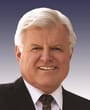 Sen. Ted KennedyD-MA
- Sen. Paul SarbanesD-MD
 Sen. Tom HarkinD-IA
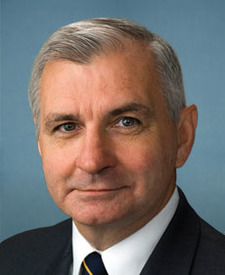 Sen. Jack ReedD-RI
- Sen. Dale BumpersD-AR
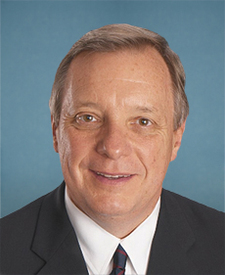 Sen. Richard DurbinD-IL
 Sen. Daniel AkakaD-HI
 Sen. Russell FeingoldD-WI
 Sen. Frank LautenbergD-NJ
 Sen. Carl LevinD-MI
 Sen. Barbara BoxerD-CA
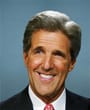 Sen. John KerryD-MA
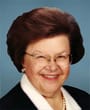 Sen. Barbara MikulskiD-MD
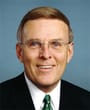 Sen. Byron DorganD-ND
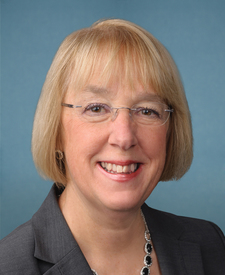 Sen. Patty MurrayD-WA
- Sen. Tom DaschleD-SD
 Sen. Kent ConradD-ND
 Sen. Daniel InouyeD-HI
 Sen. Tim JohnsonD-SD
 Sen. Patrick LeahyD-VT
 Sen. Jay RockefellerD-WV
- Sen. Carol Moseley BraunD-IL
 Sen. Christopher DoddD-CT
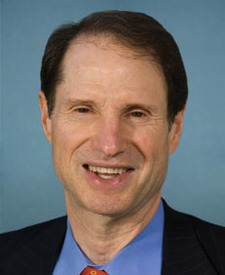 Sen. Ron WydenD-OR
 Sen. Jeff BingamanD-NM
- Sen. Robert TorricelliD-NJ
 Sen. Robert ByrdD-WV
- Sen. Wendell FordD-KY
 Sen. Herb KohlD-WI
- Sen. Maxwell ClelandD-GA
 Sen. Dianne FeinsteinD-CA
 Sen. Harry ReidD-NV
 Sen. Joseph BidenD-DE
- Sen. Robert KerreyD-NE
- Sen. Richard BryanD-NV
- Sen. Daniel MoynihanD-NY
 Sen. Mary LandrieuD-LA
 Sen. Max BaucusD-MT
- Sen. Bob GrahamD-FL
- Sen. Charles RobbD-VA
 Sen. Joseph LiebermanD-CT
- Sen. John BreauxD-LA
Republicans who voted yea(55)
 Sen. Arlen SpecterR-PA
- Sen. Jim JeffordsR-VT
- Sen. John ChafeeR-RI
 Sen. Olympia SnoweR-ME
- Sen. Alfonse D’AmatoR-NY
 Sen. Susan CollinsR-ME
 Sen. Ted StevensR-AK
- Sen. William RothR-DE
 Sen. Gordon SmithR-OR
 Sen. Pete DomeniciR-NM
- Sen. Ben CampbellR-CO
 Sen. Thad CochranR-MS
 Sen. Robert BennettR-UT
- Sen. Slade GortonR-WA
 Sen. Richard LugarR-IN
- Sen. Mike DeWineR-OH
 Sen. Kit BondR-MO
 Sen. Orrin HatchR-UT
 Sen. John WarnerR-VA
- Sen. Bill FristR-TN
- Sen. Frank MurkowskiR-AK
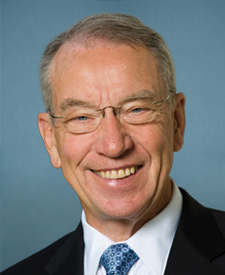 Sen. Chuck GrassleyR-IA
- Sen. Rick SantorumR-PA
 Sen. Chuck HagelR-NE
 Sen. Pat RobertsR-KS
- Sen. Spencer AbrahamR-MI
- Sen. Connie MackR-FL
 Sen. John McCainR-AZ
- Sen. Conrad BurnsR-MT
 Sen. Kay HutchisonR-TX
- Sen. Paul CoverdellR-GA
- Sen. Strom ThurmondR-SC
 Sen. Trent LottR-MS
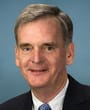 Sen. Judd GreggR-NH
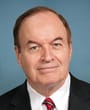 Sen. Richard ShelbyR-AL
- Sen. Dirk KempthorneR-ID
- Sen. Fred ThompsonR-TN
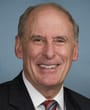 Sen. Daniel CoatsR-IN
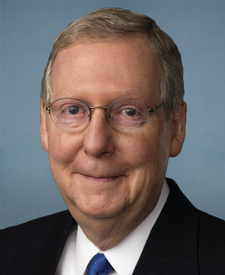 Sen. Mitch McConnellR-KY
- Sen. Craig ThomasR-WY
 Sen. Larry CraigR-ID
 Sen. Michael EnziR-WY
- Sen. Rod GramsR-MN
 Sen. Sam BrownbackR-KS
- Sen. Tim HutchinsonR-AR
 Sen. Wayne AllardR-CO
- Sen. Don NicklesR-OK
 Sen. Jon KylR-AZ
 Sen. Jeff SessionsR-AL
- Sen. Phil GrammR-TX
- Sen. Lauch FairclothR-NC
 Sen. Jim InhofeR-OK
- Sen. Jesse HelmsR-NC
- Sen. John AshcroftR-MO
- Sen. Bob SmithR-NH
Data notes
The Senate’s recorded vote on the final version of the law (roll call 608 in Voteview), matched to the vote the record cites and checked against its totals. Positions are each member’s DW-NOMINATE score for that Congress, as on the Ideology page; left to right is more liberal to more conservative. Paired and announced yea votes count as yea. Lists follow the compass, most liberal first. A name links to a profile only for members of the current Congress. A law passed by voice vote or unanimous consent has no member list, and neither does a vote Voteview has not yet recorded.
Committees
The committees the bill was sent to, and what each did with it.

- Foreign Affairs Committee · House · hearings by (full committee), markup by, referred to, reported bySubcommittee: International Economic Policy and Trade Subcommittee; Africa Subcommittee; International Operations and Human Rights Subcommittee
- Judiciary Committee · House · markup by, referred to, reported bySubcommittee: Immigration Integrity, Security, and Enforcement Subcommittee
Data notes
A committee links to its page only where it exists in the current Congress; older and renamed committees are named without a link.
Timeline
From introduction to signing, newest first: the committees, the floor and the president. 38 actions.
- Oct 27, 1998Became lawBecame law · Became Public Law No: 105-292.
- Became lawBecame law · Signed by President.
- Oct 16, 1998PresidentPresident · Presented to President.
- Oct 10, 1998Resolving differencesResolving differences · Motion to reconsider laid on the table Agreed to without objection.
- Resolving differencesResolving differences · On motion that the House suspend the rules and agree to the Senate amendments Agreed to by voice vote.
- Resolving differencesResolving differences · Mr. Gilman moved that the House suspend the rules and agree to the Senate amendments.
- Oct 9, 1998FloorFloor · Passed Senate with an amendment and an amendment to the Title by Yea-Nay Vote. 98-0. Record Vote No: 310.Senate roll call 310
- Oct 8, 1998FloorFloor · Amendment SP 3789 agreed to in Senate by Unanimous Consent.
- FloorFloor · Measure laid before Senate by unanimous consent.
- FloorFloor · Cloture motion on motion to proceed withdrawn by unanimous consent in Senate.
- May 14, 1998FloorFloor · Motion to reconsider laid on the table Agreed to without objection.
- FloorFloor · On passage Passed by the Yeas and Nays: 375 - 41, 1 Present (Roll No. 155).House roll call 155
- FloorFloor · The House adopted the amendment in the nature of a substitute as agreed to by the Committee of the Whole House on the state of the Union.
- FloorFloor · Rule H. Res. 430 passed House.
- May 8, 1998CommitteeCommittee · Discharged from House Financial Services Committee
- CommitteeCommittee · Reported by House Judiciary Committee
- CommitteeCommittee · Discharged from House Rules Committee
- CommitteeCommittee · Reported by House Ways and Means Committee
- May 6, 1998CommitteeCommittee · Markup by House Judiciary Committee
- CommitteeCommittee · Markup by House Ways and Means Committee
- Apr 30, 1998CommitteeCommittee · Reported by Immigration Integrity, Security, and Enforcement Subcommittee of the House Judiciary Committee
- CommitteeCommittee · Markup by Immigration Integrity, Security, and Enforcement Subcommittee of the House Judiciary Committee
- Apr 2, 1998CommitteeCommittee · Reported by House Foreign Affairs Committee
- Mar 25, 1998CommitteeCommittee · Markup by House Foreign Affairs Committee
- Mar 24, 1998CommitteeCommittee · Hearings by Immigration Integrity, Security, and Enforcement Subcommittee of the House Judiciary Committee
- Sep 18, 1997CommitteeCommittee · Referred to International Economic Policy and Trade Subcommittee of the House Foreign Affairs Committee
- CommitteeCommittee · Referred to Africa Subcommittee of the House Foreign Affairs Committee
- CommitteeCommittee · Reported by International Operations and Human Rights Subcommittee of the House Foreign Affairs Committee
- CommitteeCommittee · Markup by International Operations and Human Rights Subcommittee of the House Foreign Affairs Committee
- CommitteeCommittee · Referred to International Operations and Human Rights Subcommittee of the House Foreign Affairs Committee
Data notes
Shows the introduction, each committee and subcommittee step the source dates (referral, hearings, markup, report, discharge), and the floor, conference, presidential and became-law steps. Calendar placements, messages between the chambers, amendments and committee report numbers are not shown for laws before the 108th Congress. Two entries the source lists twice are shown once.
Official record
The bill’s full text and every action, including introduction and committee steps, are on Congress.gov. Data through Oct 7, 2026.