Food Quality Protection Act of 1996
Public Law 104-170 · H.R. 1627 · 104th Congress · began in the House
Signed by Bill Clinton (D) on Aug 3, 1996 · Environmental Protection
Major law
Sponsor: Rep. Tom Bliley (R-VA-7)
Cosponsors (243): Rep. Ed Towns, Rep. Pat Roberts,
Passage votesYeaNay
- HouseRecorded vote: 417 yea, 0 nay417–0
- SenateUnanimous consent
Data notes
The final version of the law, as each chamber passed it. A chamber that passed it by voice vote or unanimous consent has no count. “Method not stated” means the record does not say how the chamber voted. Where the record has a member-by-member vote, the “Who voted for it” section shows who voted yea.
Summary
The Congressional Research Service’s plain-language summary of what the law does.
TABLE OF CONTENTS:
Title I: Suspension-Applicators
Subtitle A: Suspension
Subtitle B: Training for Maintenance Applicators and
Service Technicians
Title II: Minor Use Crop Protection, Antimicrobial Pesticide
Registration Reform, and Public Health Pesticides
Subtitle A: Minor Use Crop Protection
Subtitle B: Antimicrobial Pesticide Registration Reform
Subtitle C: Public Health Pesticides
Subtitle D: Expedited Registration of Reduced Risk
Pesticides
Title III: Data Collection Activities to Assure the Health
of Infants and Children and Other Measures
Title IV: Amendments to the Federal Food, Drug, and Cosmetic
Act
Title V: Fees
Food Quality Protection Act of 1996 - Title I: Suspension- Applicators - Subtitle A: Suspension - Amends the Federal Insecticide, Fungicide, and Rodenticide Act (FIFRA) to allow the Administrator of the Environmental Protection Agency to issue an emergency order suspending a pesticide registration before issuing a notice of intent to cancel a registration or change its classification if the latter notice is issued within 90 days of issuance of the suspension order. Provides that if a cancellation notice is not issued within such time period, the emergency order shall expire.
(Sec. 103) Revises procedures for reregistration of pesticides first registered before November 1, 1984, to require the Administrator to reassess tolerances and exemptions issued under the Federal Food, Drug, and Cosmetic Act (FDCA).
(Sec. 104) Establishes a Science Review Board to assist the scientific advisory panel that comments on decisions of the Administrator to cancel a pesticide's registration or change its classification and on regulations issued under FIFRA.
(Sec. 105) Provides a definition of "nitrogen stabilizer." Exempts from certain FIFRA requirements any mixture or other combination of one or more registered nitrogen stabilizers and one or more fertilizer products if the mixture or combination: (1) meets labeling requirements for the nitrogen stabilizer; (2) is mixed or combined in accordance with its labeling; and (3) contains no active ingredient other than the nitrogen stabilizer.
(Sec. 106) Eliminates the requirement of mandatory cancellation of a pesticide's registration after five years and revises the provision permitting continued sale and use of existing stocks of a suspended or cancelled (under current law, only cancelled) pesticides. Removes the requirement that the Administrator determine that such use will not have unreasonable adverse environmental effects. Establishes a requirement of periodic review of pesticide registration, with a goal of review every 15 years.
Subtitle B: Training for Maintenance Applicators and Service Technicians - Allows States to establish minimum requirements for training of maintenance applicators and service technicians and defines such terms.
Title II: Minor Use Crop Protection, Antimicrobial Pesticide Registration Reform, and Public Health Pesticides - Subtitle A: Minor Use Crop Protection - Amends FIFRA to define "minor use" as the use of a pesticide on an animal or commercial agricultural crop or site or for public health protection where: (1) the total U.S. acreage for the crop is less than 300,000 acres; or (2) the Administrator determines that the use does not provide sufficient economic incentive to support the initial or continuing registration of a pesticide for such use and there are insufficient alternatives available for the use, the alternatives pose greater environmental or health risks, or the pesticide plays or will play a significant part in managing pest resistance or in an integrated pest management program.
Extends the period of exclusive data use for data submitted to support original registration applications for pesticides for an additional year for each three minor uses registered after this Act's enactment and within seven years of commencement of the exclusive use period, up to a total of three additional years for all minor uses registered by the Administrator if the Administrator determines that: (1) there are insufficient alternatives available for the use or the alternatives pose greater environmental or health risks; or (2) the pesticide plays or will play a significant part in managing pest resistance or in an integrated pest management program. States requirements regarding protection of data submitted to support a new minor use after the lapse of the original exclusive use period.
Requires the Administrator, upon the application of a registrant, to extend the deadline for the production of residue chemistry data required solely to support a minor use subject to specified conditions. Applies the same extension conditions to data for reregistrations. Authorizes the Administrator to modify or revoke such extensions if the use may cause unreasonable adverse environmental effects.
Permits the Administrator, in handling the registration of a pesticide for a minor use, to waive applicable data requirements if the absence of data will not prevent the Administrator from determining the risk presented by the pesticide and that the risk would not have an adverse environmental effect.
Provides for expedited review (within 12 months of submission) of applications to support minor use pesticide registrations.
Sets forth conditions for extensions of registrations for unsupported minor uses.
Provides a procedure for meeting data requirements where a registrant has voluntarily cancelled a registration and another application is pending for registration of a pesticide that is for a minor use and is identical or substantially similar to, or for an identical or substantially similar use as, the cancelled pesticide.
Directs the Administrator to establish a minor use program. Requires a report by the Office of Pesticide Programs regarding progress made on minor use pesticide registration.
Directs the Secretary of Agriculture to establish a Department of Agriculture minor use program and a data development grant program, to be funded by a Minor Use Pesticide Data Revolving Fund established in the Treasury.
Authorizes appropriations.
Subtitle B: Antimicrobial Pesticide Registration Reform - Amends FIFRA to exclude liquid chemical sterilant products for use on a critical or semi-critical device, as defined in FDCA, from the definition of "pesticide."
(Sec. 222) Directs the Administrator to: (1) coordinate data requirements, test protocols, timetables, and standards of review and reduce burdens and redundancy caused to the registrant, whenever data in support of a pesticide registration is requested by one or more State or Federal agencies; and (2) develop a process to identify and assist in alleviating future disparities between Federal and State data requirements.
(Sec. 223) Provides, with respect to the labeling of an antimicrobial pesticide product, that: (1) a registrant may modify the labeling to include relevant information on the product's efficacy, composition, or container or other characteristics unrelated to a pesticidal claim or activity; (2) such labeling shall not be false or misleading or in conflict with statements required as a condition of registration and shall be substantiated upon request; (3) modifications shall be subject to a notification and approval process; and (4) different cautionary statements for use dilutions may be included in the labeling upon approval of the Administrator.
(Sec. 224) Directs the Administrator to identify and evaluate changes to the process for registration of antimicrobial pesticides that will reduce current time periods for review. Details rulemaking requirements regarding the review of such pesticides. Requires an annual report to the Congress on measures taken to effect such changes.
(Sec. 225) Exempts from applicability of certain FIFRA storage, disposal, transportation, and container requirements household, industrial, or institutional antimicrobial products that are not subject to regulation under the Solid Waste Disposal Act, unless the Administrator determines that their application is necessary to prevent an unreasonable adverse effect on the environment.
Subtitle C: Public Health Pesticides - Amends FIFRA to direct the Administrator to consider the risks and benefits of public health pesticides separately from the risks and benefits of other pesticides. Requires the Administrator, in weighing any regulatory action concerning a public health pesticide, to weigh any risks of the pesticide against the health risks to be controlled by the pesticide.
Defines: (1) a "public health pesticide" as a minor use pesticide registered for use and used predominantly in public health programs for vector control or other health protection uses; and (2) "vector" as any animal capable of transmitting the causative agent of human disease or of producing human discomfort or injury.
(Sec. 232) Exempts from reregistration fees public health pesticides regarding which the Administrator determines that the economic return to the registrant from sales does not support the pesticide's registration or reregistration.
Provides for expedited processing and review of pesticide applications that propose the initial or amended registration of an end use pesticide that, if registered as proposed, would be used as a public health pesticide.
(Sec. 233) Provides for comment by the Secretary of Health and Human Services (HHS) on registrations of public health pesticides proposed for cancellation.
(Sec. 236) Directs the Administrator to identify pests of significant public health importance and to implement programs to improve and facilitate the safe use of methods to combat such pests.
(Sec. 237) Requires the Administrator to consult with the Secretary prior to taking final action to suspend or cancel a registration. Directs the Administrator to determine whether the potential benefits of continued use of a pesticide for public health purposes are of such significance as to warrant studies to support continued registration. Requires the Secretary to make arrangements for the conduct of studies and submission of data, including congressional notification. Authorizes appropriations.
Subtitle D: Expedited Registration of Reduced Risk Pesticides - Directs the Administrator to develop procedures for expedited review of applications for registration, or amendments thereof, of pesticides whose use may reasonably be expected to: (1) reduce the risks of pesticides to human health or non-target organisms; (2) reduce potential for water or other resource contamination; or (3) further integrated pest management strategies.
Title III: Data Collection Activities to Assure the Health of Infants and Children and Other Measures - Directs the Secretary of Agriculture, in consultation with the Administrator and the (HHS) Secretary, to coordinate the development and implementation of survey procedures to ensure collection of adequate data on food consumption patterns of infants and children. Requires residue data collection activities of the Department of Agriculture to provide for the improved surveillance of pesticide residues, including increased sampling of foods most likely consumed by infants and children.
(Sec. 302) Directs the Secretary of Agriculture to: (1) collect pesticide use data of statewide or regional significance for all the major crops and crops of dietary significance; and (2) in cooperation with the Administrator, implement research, demonstration, and education programs to support adoption of integrated pest management. Requires Federal agencies to use and promote integrated pest management techniques.
(Sec. 304) Revises the definition of "unreasonable adverse effects on the environment" to include human dietary risk from pesticide residues inconsistent with the standard determined adequate to protect the public health under FDCA.
(Sec. 305) Directs the Secretary to submit to the Congress an evaluation of the status of, and potential improvements in, Federal pesticide use information gathering activities.
Title IV: Amendments to the Federal Food, Drug, and Cosmetic Act - Food Quality Protection Act of 1996 - Amends FDCA to redefine "pesticide chemical," subject to exception, as any substance that is a pesticide, or any active ingredient thereof, within the meaning of FIFRA. Defines "pesticide chemical residue," subject to exception, as a residue in or on a raw agricultural commodity or processed food of a pesticide chemical or any other added substance present as a result of a pesticide chemical's metabolism or other degradation.
(Sec. 404) Deems a processed food not to be adulterated, within the meaning of FDCA, if there are present pesticide chemical residues at tolerance levels not considered unsafe. (Current law treats only raw agricultural commodities in this manner.)
(Sec. 405) Sets forth requirements relating to tolerances and exemptions from tolerances for pesticide chemical residues in food, including residues of degradation products, which allow the presence in processed food at the tolerance applicable to the raw agricultural commodity from which the processed food is made if the pesticide chemical was used in or on the raw agricultural commodity in conformity with FDCA provisions governing such tolerances and residue in or on the commodity has been removed to the extent possible in good manufacturing practice. Allows the Administrator to establish or leave in effect a tolerance (or exemption from a tolerance) for a pesticide chemical residue only upon a determination that the tolerance (or exemption) is safe, defined to mean that there is a reasonable certainty that no harm will result from aggregate exposure to the residue, including all anticipated dietary exposures and all other exposures for which there is reliable information.
Creates a separate category of other pesticide chemical residues: (1) which do not meet this standard; (2) for which, under certain conditions, tolerances will be allowed to remain in effect or be modified; and (3) with respect to which the Administrator is unable to identify an exposure level at which the residue will not cause or contribute to a known or anticipated harm to human health ("nonthreshold effect"), but which presents a lifetime risk of such effect appropriately assessed by quantitative risk assessment. Describes these conditions as follows: (1) use of the pesticide chemical protects consumers from adverse health effects that pose a risk greater than that posed by the pesticide exposure or is necessary to avoid a significant disruption in the domestic food supply; (2) the yearly risk associated with the nonthreshold effect from aggregate exposure does not exceed ten times the yearly risk allowed under the general standard of safety; and (3) the tolerance is limited to ensure that lifetime risk associated with the nonthreshold effect from aggregate exposure is not greater than twice the lifetime risk allowed under the general standard. Requires a review of tolerance determinations made according to these procedures five years after the determination and thereafter as deemed appropriate.
Requires the Administrator, in taking actions regarding a tolerance or exemption, to: (1) assess the risk of the residue based on available information about infants' and children's consumption patterns, their special susceptibility, and cumulative effects; and (2) ensure that there is a reasonable certainty that no harm will result to infants and children from aggregate exposure to the residue and publish a specific determination regarding its safety. Requires the Secretaries of HHS and of Agriculture to document dietary exposure of infants and children to pesticides. Requires, for infants and children, the application in the case of "threshold effects" (effects for which an exposure level is identifiable at which the residue will not cause or contribute to a known or anticipated harm) of an additional ten-fold safety margin for the residue and other sources of exposure. Allows use of a different margin only if it will be safe for infants and children. Sets forth factors to be considered in tolerance decisions, requirements regarding data on anticipated or actual residue levels, and guidelines concerning the percentage of food actually treated.
Imposes requirements, in establishment and modification of tolerances, for practical residue detection and measurement methods and consideration of international standards set by the Codex Alimentarius Commission.
Sets forth procedures for establishing, modifying, or revoking an exemption from a tolerance requirement that conform with the standards of safety described above.
Revises requirements regarding petitions by any person (under current law, any registrant or applicant for registration under FIFRA) for proposing issuance of regulations concerning actions on tolerances or exemptions. Requires the Administrator to give priority to petitions concerning tolerances for a residue that appears to pose a significantly lower health risk than others with tolerances in effect for the same uses. Revises procedures for rulemaking on the Administrator's initiative.
Establishes procedures for requiring submission of additional data where the Administrator determines this is necessary to continue a tolerance or exemption, including requiring data pertaining to possible estrogenic or other endocrine effects.
Prohibits issuance of a final rule that revokes, modifies, or suspends a tolerance or exemption until the Administrator has taken any necessary action under FIFRA with respect to the registration of the pesticide involved. Requires the Administrator, where a pesticide is labeled for use on a particular food, to: (1) revoke any tolerance or exemption that allows the presence of a particular chemical or its residue in or on such food if the Administrator cancels the registration of each pesticide that contains the chemical or modifies it to prohibit the pesticide's use in connection with such food; and (2) suspend any such tolerance or exemption upon the suspension of the use of each pesticide that contains the chemical. Provides for: (1) tolerances for unavoidable residues in the case of a residue of a canceled or suspended pesticide chemical that will unavoidably persist in the environment and be present in or on a food; and (2) residues resulting from an application which was lawful at the time of application but with respect to which the tolerance or exemption has since been revoked, suspended, or modified.
Requires the Administrator, where an exemption for a pesticide chemical is granted under FIFRA to a Federal or State agency under emergency conditions, to establish a tolerance or exemption for the chemical residue to expire on a definite date. Allows this without provision of notice or a period for comment and requires promulgation of rules governing this establishment procedure. Requires such rules to be consistent with FDCA safety standards (as revised by this Act) and FIFRA exemption provisions.
Requires the deposit of fees collected to administer the tolerances and exemptions provisions in the Reregistration and Expedited Processing Fund (so named by title V of this Act).
Prohibits, subject to exception, a State from enforcing any limit on a qualifying pesticide chemical residue (as defined in this Act) in or on any food which is not identical to Federal requirements. Establishes petition procedures, including urgent petition procedures where a significant public health threat is posed by a pesticide residue level, to authorize States to set different regulatory limits despite these prohibitions. Prohibits a State, absent an unreasonable dietary risk, from enforcing a limit on the level of residues in any food if the sale of such food containing such residue level was lawful at the time of application of the pesticide. Excludes from these preemption provisions requirements regarding warnings or other statements concerning the presence of pesticide residues in or on food.
Requires the Administrator, in consultation with the Secretaries of Agriculture and of HHS, to annually publish (in a format understandable to a lay person) and distribute to large retail grocers for public display certain information concerning pesticide residues in or on food, including risk-benefit discussions and dietary recommendations.
Requires the Administrator, in consultation with the HHS Secretary, to: (1) develop a screening program (including testing, data collection, and sanctions for failure to submit information) to determine whether certain substances may have an effect in humans similar to one produced by naturally occurring estrogen or another designated endocrine effect; and (2) if a substance is found to have such effect, take action necessary to protect the public health.
Directs the Administrator to review expeditiously (for compliance with the standards instituted by this Act) tolerances and exemptions in effect before enactment of this Act.
(Sec. 406) Authorizes appropriations for increased monitoring of pesticide residues in imported and domestic food.
(Sec. 407) Amends FDCA to subject persons (other than growers) who introduce or deliver for introduction into interstate commerce adulterated food to a specified civil money penalty (in lieu of criminal prosecution or use of seizure or injunction authorities).
Title V: Fees - Amends FIFRA to extend pesticide reregistration fee authority. Authorizes the Administrator to collect up to an additional $2 million in fees in each of FY 1998 through 2000. Provides additional rules for the use and accounting of funds derived from fees and names the account into which these are deposited the Reregistration and Expedited Processing Fund. Revises and extends authority for funding of expedited processing of similar applications. Sets forth additional accounting and audit standards applicable to the Fund. Requires the Administrator to establish and publish annually performance measures and goals concerning reregistrations, amendments, and cancellations.
Who voted for it
Every House member of the 104th Congress on the ideology compass. Highlighted: the 417 who voted yea on final passage. Faded: everyone else, including those who voted nay, did not vote, or had not yet taken office.
417 yea0 nay16 present or did not vote
Democrats who voted yea(188)
 Rep. John ConyersD-MI-14
 Rep. Maxine WatersD-CA-35
- Rep. Barbara-Rose CollinsD-MI-15
- Rep. Ronald DellumsD-CA-9
 Rep. Donald PayneD-NJ-10
- Rep. Bill ClayD-MO-1
 Rep. Xavier BecerraD-CA-30
- Rep. Major OwensD-NY-11
 Rep. John LewisD-GA-5
 Rep. Nydia VelázquezD-NY-12
 Rep. Pete StarkD-CA-13
 Rep. Mel WattD-NC-12
 Rep. Alcee HastingsD-FL-23
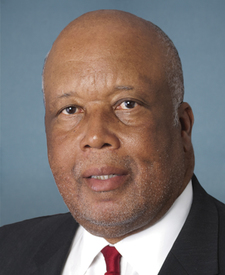 Rep. Bennie ThompsonD-MS-2
 Rep. Bob FilnerD-CA-50
 Rep. Jim McDermottD-WA-7
 Rep. Maurice HincheyD-NY-26
 Rep. Bobby RushD-IL-1
- Rep. Sidney YatesD-IL-9
- Rep. Earl HilliardD-AL-7
- Rep. Thomas FogliettaD-PA-1
- Rep. Cynthia McKinneyD-GA-11
- Rep. Patricia SchroederD-CO-1
- Rep. David BoniorD-MI-10
- Rep. Carrie MeekD-FL-17
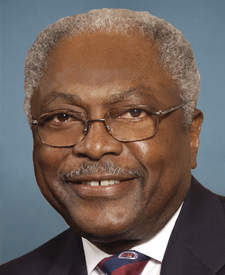 Rep. Jim ClyburnD-SC-6
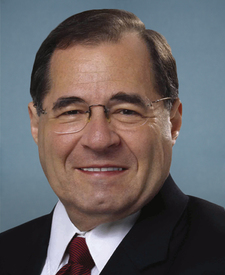 Rep. Jerrold NadlerD-NY-8
- Rep. Louis StokesD-OH-11
 Rep. Lucille Roybal-AllardD-CA-33
 Rep. Neil AbercrombieD-HI-1
 Rep. Jesse JacksonD-IL-2
 Rep. George MillerD-CA-7
 Rep. Bernie SandersD-VT
 Rep. Ed TownsD-NY-10
- Rep. Juanita Millender-McDonaldD-CA-37
- Rep. William CoyneD-PA-14
 Rep. José SerranoD-NY-16
- Rep. George BrownD-CA-42
 Rep. John OlverD-MA-1
 Rep. Eddie JohnsonD-TX-30
- Rep. Patsy MinkD-HI-2
 Rep. James OberstarD-MN-8
- Rep. Martin SaboD-MN-5
 Rep. Henry WaxmanD-CA-29
 Rep. Luis GutiérrezD-IL-4
- Rep. Lane EvansD-IL-17
- Rep. Bruce VentoD-MN-4
 Rep. Nancy PelosiD-CA-8
 Rep. Lynn WoolseyD-CA-6
 Rep. Eliot EngelD-NY-17
- Rep. Eva ClaytonD-NC-1
 Rep. Corrine BrownD-FL-3
- Rep. Gerry StuddsD-MA-10
 Rep. William JeffersonD-LA-2
 Rep. Ed MarkeyD-MA-7
- Rep. Dick GephardtD-MO-3
- Rep. Esteban TorresD-CA-34
- Rep. Floyd FlakeD-NY-6
 Rep. Louise SlaughterD-NY-28
 Rep. John DingellD-MI-16
 Rep. Bobby ScottD-VA-3
- Rep. Ronald ColemanD-TX-16
- Rep. Julian DixonD-CA-32
- Rep. Albert WynnD-MD-4
 Rep. Elijah CummingsD-MD-7
- Rep. Harry JohnstonD-FL-19
- Rep. Sam GibbonsD-FL-11
 Rep. Barney FrankD-MA-4
- Rep. Sam GejdensonD-CT-2
 Rep. Ed PastorD-AZ-2
- Rep. John LaFalceD-NY-29
 Rep. Sheila Jackson LeeD-TX-18
- Rep. Tom LantosD-CA-12
- Rep. Anthony BeilensonD-CA-24
 Rep. Carolyn MaloneyD-NY-14
- Rep. John MoakleyD-MA-9
- Rep. John BryantD-TX-5
 Rep. Zoe LofgrenD-CA-16
- Rep. Joseph KennedyD-MA-8
 Rep. Howard BermanD-CA-26
 Rep. Gary AckermanD-NY-5
 Rep. Richard DurbinD-IL-20
 Rep. Nita LoweyD-NY-18
- Rep. Elizabeth FurseD-OR-1
 Rep. Richard NealD-MA-2
 Rep. Sam FarrD-CA-17
- Rep. Henry GonzálezD-TX-20
 Rep. Patrick KennedyD-RI-1
 Rep. Sherrod BrownD-OH-13
 Rep. Dale KildeeD-MI-9
- Rep. Matthew MartínezD-CA-31
 Rep. Earl BlumenauerD-OR-3
 Rep. Peter DeFazioD-OR-4
 Rep. Rosa DeLauroD-CT-3
- Rep. Robert BorskiD-PA-3
- Rep. John WilliamsD-MT-1
 Rep. Sander LevinD-MI-12
 Rep. Anna EshooD-CA-14
- Rep. Lynn RiversD-MI-13
 Rep. Dave ObeyD-WI-7
- Rep. David SkaggsD-CO-2
 Rep. Gene GreenD-TX-29
- Rep. Robert WiseD-WV-2
 Rep. Jack ReedD-RI-2
- Rep. Thomas SawyerD-OH-14
- Rep. Thomas MantonD-NY-7
- Rep. Michael WardD-KY-3
 Rep. Steny HoyerD-MD-5
 Rep. Bart StupakD-MI-1
- Rep. William RichardsonD-NM-3
- Rep. Martin FrostD-TX-24
 Rep. Norm DicksD-WA-6
 Rep. Bob MenendezD-NJ-13
 Rep. Sanford BishopD-GA-2
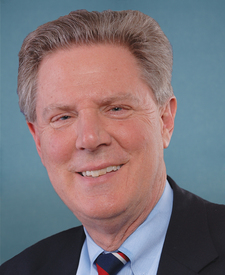 Rep. Frank PalloneD-NJ-6
 Rep. Paul KanjorskiD-PA-11
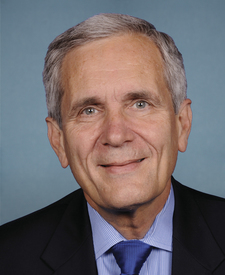 Rep. Lloyd DoggettD-TX-10
- Rep. Marty MeehanD-MA-5
 Rep. Marcy KapturD-OH-9
 Rep. Peter ViscloskyD-IN-1
- Rep. Thomas BarrettD-WI-5
- Rep. Barbara KennellyD-CT-1
 Rep. Alan MollohanD-WV-1
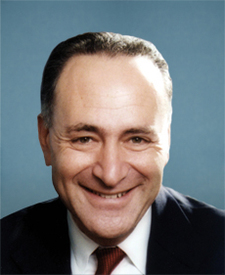 Rep. Chuck SchumerD-NY-9
- Rep. Bill HefnerD-NC-8
- Rep. Tony HallD-OH-3
- Rep. John BaldacciD-ME-2
- Rep. Ron KlinkD-PA-4
- Rep. Ken BentsenD-TX-25
 Rep. Earl PomeroyD-ND
- Rep. Frank MascaraD-PA-20
- Rep. Peter DeutschD-FL-20
 Rep. Nick RahallD-WV-3
- Rep. Ray ThorntonD-AR-2
- Rep. Karen McCarthyD-MO-5
 Rep. Jerry CostelloD-IL-12
 Rep. Benjamin CardinD-MD-3
- Rep. Kika de la GarzaD-TX-15
- Rep. Karen ThurmanD-FL-5
- Rep. William LutherD-MN-6
- Rep. Charles RoseD-NC-7
- Rep. Jerry KleczkaD-WI-4
 Rep. Tim JohnsonD-SD
 Rep. Jim MoranD-VA-8
- Rep. Pete PetersonD-FL-2
- Rep. Paul McHaleD-PA-15
- Rep. Frank TejedaD-TX-28
 Rep. Solomon OrtizD-TX-27
 Rep. John SprattD-SC-5
 Rep. Rick BoucherD-VA-9
- Rep. James BarciaD-MI-5
 Rep. Michael DoyleD-PA-18
 Rep. Michael McNultyD-NY-21
 Rep. Tim HoldenD-PA-6
 Rep. Chet EdwardsD-TX-11
- Rep. Glenn PoshardD-IL-19
 Rep. John MurthaD-PA-12
- Rep. Robert ClementD-TN-5
- Rep. David MingeD-MN-2
- Rep. Jim ChapmanD-TX-1
- Rep. Pat DannerD-MO-6
- Rep. William LipinskiD-IL-3
 Rep. Rob AndrewsD-NJ-1
 Rep. Jane HarmanD-CA-36
- Rep. Tom BevillD-AL-4
- Rep. Andrew JacobsD-IN-10
 Rep. Bart GordonD-TN-6
- Rep. William OrtonD-UT-3
- Rep. Cal DooleyD-CA-20
- Rep. Lee HamiltonD-IN-9
- Rep. Lewis PayneD-VA-5
- Rep. Timothy RoemerD-IN-3
 Rep. John TannerD-TN-8
- Rep. John BrowderD-AL-3
 Rep. Bud CramerD-AL-5
- Rep. Scotty BaeslerD-KY-6
- Rep. Owen PickettD-VA-2
 Rep. Ike SkeltonD-MO-4
 Rep. Collin PetersonD-MN-7
- Rep. Norman SisiskyD-VA-4
- Rep. James TraficantD-OH-17
- Rep. Charlie StenholmD-TX-17
- Rep. Gary ConditD-CA-18
 Rep. Gene TaylorD-MS-5
- Rep. William BrewsterD-OK-3
- Rep. Pete GerenD-TX-12
- Rep. Sonny MontgomeryD-MS-3
 Rep. Ralph HallD-TX-4
Republicans who voted yea(229)
- Rep. Constance MorellaR-MD-8
- Rep. Sherry BoehlertR-NY-23
- Rep. Benjamin GilmanR-NY-20
- Rep. Marge RoukemaR-NJ-5
- Rep. Peter TorkildsenR-MA-6
 Rep. Christopher ShaysR-CT-4
- Rep. Jim LeachR-IA-1
- Rep. Michael ForbesR-NY-1
- Rep. Jack QuinnR-NY-30
 Rep. Tom DavisR-VA-11
- Rep. Amo HoughtonR-NY-31
- Rep. Nancy JohnsonR-CT-6
 Rep. Lincoln Diaz-BalartR-FL-21
 Rep. Chris SmithR-NJ-4
- Rep. Jim BunnR-OR-5
- Rep. Steven SchiffR-NM-1
- Rep. Peter BluteR-MA-3
- Rep. Stephen HornR-CA-38
 Rep. Jim WalshR-NY-25
- Rep. William MartiniR-NJ-8
 Rep. Ileana Ros-LehtinenR-FL-18
- Rep. Jon FoxR-PA-13
- Rep. Steven GundersonR-WI-3
 Rep. Michael CastleR-DE
- Rep. Doug BereuterR-NE-1
 Rep. Jimmy DuncanR-TN-2
 Rep. John McHughR-NY-24
 Rep. Phil EnglishR-PA-21
 Rep. Ed WhitfieldR-KY-1
 Rep. Steven LaTouretteR-OH-19
 Rep. Wayne GilchrestR-MD-1
- Rep. Richard ZimmerR-NJ-12
- Rep. Rick LazioR-NY-2
 Rep. Frank LoBiondoR-NJ-2
- Rep. Jim GreenwoodR-PA-8
- Rep. Curt WeldonR-PA-7
- Rep. Jan MeyersR-KS-3
 Rep. Pete KingR-NY-3
 Rep. Ralph RegulaR-OH-16
- Rep. Sue KellyR-NY-19
- Rep. William ClingerR-PA-5
- Rep. Gary FranksR-CT-5
- Rep. Bob FranksR-NJ-7
 Rep. Frank WolfR-VA-10
- Rep. Bob NeyR-OH-18
- Rep. Michael FlanaganR-IL-5
- Rep. Dan FrisaR-NY-4
- Rep. James LongleyR-ME-1
- Rep. Herbert BatemanR-VA-1
 Rep. Vernon EhlersR-MI-3
- Rep. John PorterR-IL-10
 Rep. Don YoungR-AK
 Rep. Fred UptonR-MI-6
 Rep. Ray LaHoodR-IL-18
- Rep. Frank RiggsR-CA-1
- Rep. Joseph SkeenR-NM-2
- Rep. William GoodlingR-PA-19
 Rep. Rodney FrelinghuysenR-NJ-11
 Rep. Dave HobsonR-OH-7
- Rep. Fred HeinemanR-NC-4
 Rep. John EnsignR-NV-1
 Rep. Brian BilbrayR-CA-49
- Rep. Paul GillmorR-OH-5
- Rep. James QuillenR-TN-1
- Rep. Susan MolinariR-NY-13
- Rep. Tom CampbellR-CA-15
- Rep. Bill ThomasR-CA-21
- Rep. Tillie FowlerR-FL-4
- Rep. Billy TauzinD-LA-3
- Rep. Robert EhrlichR-MD-2
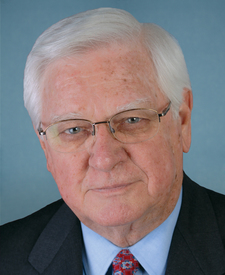 Rep. Hal RogersR-KY-5
- Rep. James LightfootR-IA-3
 Rep. Pat RobertsR-KS-1
 Rep. Deborah PryceR-OH-15
 Rep. Jerry WellerR-IL-11
- Rep. Robert LivingstonR-LA-1
- Rep. Greg GanskeR-IA-4
- Rep. James HayesD-LA-7
 Rep. Joe KnollenbergR-MI-11
- Rep. Clay ShawR-FL-22
- Rep. Harris FawellR-IL-13
 Rep. Jim RamstadR-MN-3
- Rep. Scott KlugR-WI-2
 Rep. Jim McCreryR-LA-5
- Rep. Michael BilirakisR-FL-9
- Rep. Bill BarrettR-NE-3
- Rep. Richard BakerR-LA-6
- Rep. Charles CanadyR-FL-12
- Rep. John MyersR-IN-7
- Rep. Michael OxleyR-OH-4
- Rep. Henry HydeR-IL-6
- Rep. Mark FoleyR-FL-16
- Rep. George GekasR-PA-17
 Rep. Ken CalvertR-CA-43
- Rep. Bill McCollumR-FL-8
 Rep. Nathan DealD-GA-9
- Rep. Henry BonillaR-TX-23
- Rep. H. CallahanR-AL-1
- Rep. Barbara VucanovichR-NV-2
- Rep. J.C. WattsR-OK-4
- Rep. George NethercuttR-WA-5
- Rep. Jim KolbeR-AZ-5
 Rep. Steve BuyerR-IN-5
- Rep. Floyd SpenceR-SC-2
 Rep. Jack KingstonR-GA-1
 Rep. Rob PortmanR-OH-2
- Rep. Sonny BonoR-CA-44
 Rep. Spencer BachusR-AL-6
- Rep. Ron PackardR-CA-48
 Rep. Bob GoodlatteR-VA-6
 Rep. Dave CampR-MI-4
 Rep. Charlie BassR-NH-2
 Rep. Elton GalleglyR-CA-23
- Rep. Jack MetcalfR-WA-2
- Rep. Tom BlileyR-VA-7
- Rep. Jennifer DunnR-WA-8
- Rep. Martin HokeR-OH-10
 Rep. Lamar SmithR-TX-21
- Rep. Mike ParkerD-MS-4
- Rep. Frank CremeansR-OH-6
 Rep. Frank LucasR-OK-6
- Rep. Thomas EwingR-IL-15
 Rep. Zach WampR-TN-3
- Rep. Bud ShusterR-PA-9
 Rep. Tom LathamR-IA-5
 Rep. Saxby ChamblissR-GA-8
 Rep. Roger WickerR-MS-1
- Rep. Tim HutchinsonR-AR-3
- Rep. Rick WhiteR-WA-1
 Rep. Terry EverettR-AL-2
 Rep. Lindsey GrahamR-SC-3
- Rep. Jay DickeyR-AR-4
 Rep. Dave WeldonR-FL-15
 Rep. Richard BurrR-NC-5
- Rep. Porter GossR-FL-14
- Rep. Enid Greene WaldholtzR-UT-2
- Rep. Charles TaylorR-NC-11
- Rep. Duke CunninghamR-CA-51
- Rep. Linda SmithR-WA-3
 Rep. Walter JonesR-NC-3
- Rep. William ZeliffR-NH-1
- Rep. Cass BallengerR-NC-10
 Rep. Buck McKeonR-CA-25
- Rep. Dan MillerR-FL-13
- Rep. Jim NussleR-IA-2
 Rep. Ron LewisR-KY-2
- Rep. Carlos MoorheadR-CA-27
 Rep. Duncan HunterR-CA-52
 Rep. John LinderR-GA-4
- Rep. Jack FieldsR-TX-8
 Rep. Roscoe BartlettR-MD-6
- Rep. Denny HastertR-IL-14
- Rep. James HansenR-UT-1
- Rep. Scott McInnisR-CO-3
- Rep. Jay KimR-CA-41
 Rep. Doc HastingsR-WA-4
 Rep. John MicaR-FL-7
 Rep. John BoehnerR-OH-8
- Rep. Toby RothR-WI-8
- Rep. Ed BryantR-TN-7
- Rep. Gerald SolomonR-NY-22
- Rep. John KasichR-OH-12
- Rep. Randy TateR-WA-9
 Rep. David DreierR-CA-28
- Rep. Dick ChryslerR-MI-8
- Rep. Charlie NorwoodR-GA-10
- Rep. Jim TalentR-MO-2
 Rep. Sam BrownbackR-KS-2
- Rep. William PaxonR-NY-27
 Rep. George RadanovichR-CA-19
 Rep. Howard CobleR-NC-6
 Rep. Barbara CubinR-WY
- Rep. Nick SmithR-MI-7
 Rep. Mike CrapoR-ID-2
 Rep. Donald ManzulloR-IL-16
 Rep. Mac CollinsR-GA-3
- Rep. Robert DornanR-CA-46
- Rep. Larry CombestR-TX-19
 Rep. Jim BunningR-KY-4
- Rep. Robert WalkerR-PA-16
- Rep. Bill ArcherR-TX-7
- Rep. Van HillearyR-TN-4
- Rep. Andrea SeastrandR-CA-22
- Rep. Tom DeLayR-TX-22
- Rep. Dan SchaeferR-CO-6
- Rep. David FunderburkR-NC-2
- Rep. J.D. HayworthR-AZ-6
 Rep. Tom PetriR-WI-6
- Rep. Ernest IstookR-OK-5
- Rep. Bob BarrR-GA-7
 Rep. Dan BurtonR-IN-6
- Rep. David McIntoshR-IN-2
 Rep. Mac ThornberryR-TX-13
 Rep. Sue MyrickR-NC-9
 Rep. Wayne AllardR-CO-4
- Rep. Richard ArmeyR-TX-26
- Rep. Jon ChristensenR-NE-2
 Rep. Wally HergerR-CA-2
 Rep. John DoolittleR-CA-4
 Rep. Joe BartonR-TX-6
 Rep. Bob InglisR-SC-4
 Rep. Steve ChabotR-OH-1
 Rep. Pete HoekstraR-MI-2
- Rep. Christopher CoxR-CA-47
- Rep. William BakerR-CA-10
 Rep. Mark SanfordR-SC-1
 Rep. Matt SalmonR-AZ-1
- Rep. Gil GutknechtR-MN-1
 Rep. Cliff StearnsR-FL-6
 Rep. Sam JohnsonR-TX-3
 Rep. Todd TiahrtR-KS-4
- Rep. Richard PomboR-CA-11
- Rep. Steve LargentR-OK-1
- Rep. Phil CraneR-IL-8
- Rep. John HostettlerR-IN-8
 Rep. Dana RohrabacherR-CA-45
- Rep. Mark NeumannR-WI-1
 Rep. Mark SouderR-IN-4
 Rep. James SensenbrennerR-WI-9
 Rep. John ShadeggR-AZ-4
- Rep. Robert StumpR-AZ-3
- Rep. Helen Chenoweth-HageR-ID-1
 Rep. Ed RoyceR-CA-39
- Rep. Mel HancockR-MO-7
- Rep. Wes CooleyR-OR-2
- Rep. Joe ScarboroughR-FL-1
 Rep. Thomas CoburnR-OK-2
- Rep. Joel HefleyR-CO-5
 Rep. Steve StockmanR-TX-9
Data notes
The House’s recorded vote on the final version of the law (roll call 1205 in Voteview), matched to the vote the record cites and checked against its totals. Positions are each member’s DW-NOMINATE score for that Congress, as on the Ideology page; left to right is more liberal to more conservative. Paired and announced yea votes count as yea. Lists follow the compass, most liberal first. A name links to a profile only for members of the current Congress. A law passed by voice vote or unanimous consent has no member list, and neither does a vote Voteview has not yet recorded.
Committees
The committees the bill was sent to, and what each did with it.
 Agriculture Committee · House · markup by, referred to, reported bySubcommittee: Department Operations, Nutrition and Foreign Agriculture Subcommittee
- Energy and Commerce Committee · House · markup by, referred to, reported bySubcommittee: Health and Environment Subcommittee
Data notes
A committee links to its page only where it exists in the current Congress; older and renamed committees are named without a link.
Timeline
From introduction to signing, newest first: the committees, the floor and the president. 23 actions.
- Aug 3, 1996Became lawBecame law · Became Public Law No: 104-170.
- Became lawBecame law · Signed by President.
- Jul 26, 1996PresidentPresident · Presented to President.
- Jul 24, 1996FloorFloor · Passed Senate without amendment by Unanimous Consent.
- Jul 23, 1996FloorFloor · Motion to reconsider laid on the table Agreed to without objection.
- FloorFloor · On motion to suspend the rules and pass the bill, as amended Agreed to by the Yeas and Nays (2/3 required): 417 - 0 (Roll No. 339).House roll call 339
- FloorFloor · At the conclusion of debate, the Yeas and Nays were demanded and ordered. Pursuant to the provisions of clause 5, rule I, the Chair announced that further proceedings on the motion would be postponed.
- FloorFloor · Mr. Roberts moved to suspend the rules and pass the bill, as amended.
- CommitteeCommittee · Reported by House Energy and Commerce Committee
- Jul 17, 1996CommitteeCommittee · Markup by House Energy and Commerce Committee
- CommitteeCommittee · Reported by Health and Environment Subcommittee of the House Energy and Commerce Committee
- CommitteeCommittee · Markup by Health and Environment Subcommittee of the House Energy and Commerce Committee
- Jul 11, 1996CommitteeCommittee · Reported by House Agriculture Committee
- Jun 19, 1996CommitteeCommittee · Markup by House Agriculture Committee
- Jun 29, 1995CommitteeCommittee · Hearings by Health and Environment Subcommittee of the House Energy and Commerce Committee
- May 26, 1995CommitteeCommittee · Referred to Health and Environment Subcommittee of the House Energy and Commerce Committee
- May 23, 1995CommitteeCommittee · Reported by Department Operations, Nutrition and Foreign Agriculture Subcommittee of the House Agriculture Committee
- CommitteeCommittee · Markup by Department Operations, Nutrition and Foreign Agriculture Subcommittee of the House Agriculture Committee
- May 16, 1995CommitteeCommittee · Hearings by Department Operations, Nutrition and Foreign Agriculture Subcommittee of the House Agriculture Committee
- CommitteeCommittee · Referred to Department Operations, Nutrition and Foreign Agriculture Subcommittee of the House Agriculture Committee
- May 12, 1995CommitteeCommittee · Referred to House Agriculture Committee
- CommitteeCommittee · Referred to House Energy and Commerce Committee
- IntroducedIntroduced · Introduced in the House
Data notes
Shows the introduction, each committee and subcommittee step the source dates (referral, hearings, markup, report, discharge), and the floor, conference, presidential and became-law steps. Calendar placements, messages between the chambers, amendments and committee report numbers are not shown for laws before the 108th Congress. Two entries the source lists twice are shown once.
Official record
The bill’s full text and every action, including introduction and committee steps, are on Congress.gov. Data through Oct 7, 2026.