Military Construction Appropriations Act, 1994
Public Law 103-110 · H.R. 2446 · 103rd Congress · began in the House
Signed by Bill Clinton (D) on Oct 21, 1993 · Armed Forces and National Security
Sponsor: Rep. Bill Hefner (D-NC-8)
Cosponsors: None
Passage votesYeaNay
- HouseVoice vote
- SenateRecorded vote: 94 yea, 5 nay94–5
Data notes
The final version of the law, as each chamber passed it. A chamber that passed it by voice vote or unanimous consent has no count. “Method not stated” means the record does not say how the chamber voted. Where the record has a member-by-member vote, the “Who voted for it” section shows who voted yea.
Summary
The Congressional Research Service’s plain-language summary of what the law does.
Military Construction Appropriations Act, 1994 - Appropriates funds for FY 1994 for military construction functions administered by the Department of Defense (DOD) in specified amounts for: (1) military construction for the Army, Navy, Air Force, DOD (including a transfer of funds), Army and Air National Guards, and Army, Navy, and Air Force Reserves; (2) North Atlantic Treaty Organization (NATO) Infrastructure; (3) family housing for the Army, Navy, Marine Corps and Air Force, and DOD; (4) the homeowners assistance fund, defense; and (5) the Base Realignment and Closure Accounts, Parts I through III. Rescinds certain military construction and family housing funds.
Specifies prohibited uses of funds appropriated through this Act.
Conditions the availability of certain funds for overseas military basing activities on negotiations to provide for the assumption by host nations of greater costs of U.S. military installations.
Directs the Secretary of Defense to provide certain congressional notification 30 days in advance of the plans and scope of any proposed military exercise involving U.S. personnel for which construction amounts are expected to exceed $100,000.
Provides for the transfer of certain funds from the Military Family Housing Management Account to the appropriations for family housing.
Provides for the transfer of lapsed unobligated military construction and family housing funds into the Foreign Currency Fluctuations, Construction, Defense account.
Directs the Secretary to report to the Congress on actions proposed by DOD to encourage other member nations of NATO, Japan, and Korea to assume a greater share of the common defense burden of such nations and the United States.
Directs the Secretary of the Army to transfer to the Architect of the Capitol specified real property of Fort George G. Meade, Maryland, to be used to provide facilities for varied long-term storage and service needs of the Library of Congress and other legislative branch agencies. Authorizes appropriations.
Requires compliance with Buy American Act provisions for expenditures of appropriations in this Act. Expresses the sense of the Congress that entities receiving financial assistance provided under this Act should purchase only American-made equipment and products with such assistance.
Provides that if a court or Federal agency determines that a person has intentionally affixed a "Made in America" label to any product sold in or shipped to the United States that was not made in America, such person shall be ineligible to receive any contract or subcontract made with funds provided under this Act.
Who voted for it
Every senator of the 103rd Congress on the ideology compass. Highlighted: the 94 who voted yea on final passage. Faded: everyone else, including those who voted nay, did not vote, or had not yet taken office.
94 yea5 nay1 present or did not vote
Democrats who voted yea(54)
- Sen. Paul WellstoneD-MN
- Sen. Howard MetzenbaumD-OH
 Sen. Barbara BoxerD-CA
- Sen. Paul SimonD-IL
- Sen. Paul SarbanesD-MD
- Sen. George MitchellD-ME
- Sen. Claiborne PellD-RI
- Sen. Donald RiegleD-MI
 Sen. Patty MurrayD-WA
 Sen. Patrick LeahyD-VT
- Sen. Daniel MoynihanD-NY
 Sen. Tom HarkinD-IA
- Sen. David PryorD-AR
- Sen. Carol Moseley BraunD-IL
 Sen. Daniel AkakaD-HI
 Sen. Ted KennedyD-MA
 Sen. Carl LevinD-MI
 Sen. Jay RockefellerD-WV
- Sen. Tom DaschleD-SD
 Sen. Daniel InouyeD-HI
- Sen. James SasserD-TN
 Sen. Kent ConradD-ND
- Sen. Harlan MathewsD-TN
 Sen. Joseph BidenD-DE
- Sen. Bill BradleyD-NJ
 Sen. Barbara MikulskiD-MD
 Sen. John KerryD-MA
 Sen. Robert ByrdD-WV
 Sen. Christopher DoddD-CT
- Sen. Harris WoffordD-PA
- Sen. John GlennD-OH
 Sen. Dianne FeinsteinD-CA
- Sen. Wendell FordD-KY
 Sen. Byron DorganD-ND
 Sen. Harry ReidD-NV
 Sen. Frank LautenbergD-NJ
- Sen. Fritz HollingsD-SC
 Sen. Max BaucusD-MT
- Sen. Richard BryanD-NV
- Sen. Bob GrahamD-FL
- Sen. John JohnstonD-LA
- Sen. John BreauxD-LA
- Sen. Dennis DeConciniD-AZ
- Sen. Charles RobbD-VA
 Sen. Jeff BingamanD-NM
 Sen. Herb KohlD-WI
- Sen. David BorenD-OK
 Sen. Joseph LiebermanD-CT
- Sen. Ben CampbellD-CO
- Sen. Robert KerreyD-NE
- Sen. James ExonD-NE
- Sen. Samuel NunnD-GA
- Sen. Howell HeflinD-AL
 Sen. Richard ShelbyD-AL
Republicans who voted yea(40)
- Sen. Jim JeffordsR-VT
- Sen. Mark HatfieldR-OR
- Sen. John ChafeeR-RI
- Sen. David DurenbergerR-MN
 Sen. Arlen SpecterR-PA
- Sen. William CohenR-ME
- Sen. Robert PackwoodR-OR
- Sen. Nancy KassebaumR-KS
 Sen. Ted StevensR-AK
- Sen. John DanforthR-MO
 Sen. Pete DomeniciR-NM
 Sen. John WarnerR-VA
 Sen. Kit BondR-MO
- Sen. Slade GortonR-WA
- Sen. Alfonse D’AmatoR-NY
 Sen. Richard LugarR-IN
 Sen. Thad CochranR-MS
- Sen. Conrad BurnsR-MT
- Sen. Alan SimpsonR-WY
- Sen. William RothR-DE
 Sen. Kay HutchisonR-TX
 Sen. Robert BennettR-UT
 Sen. Daniel CoatsR-IN
 Sen. Chuck GrassleyR-IA
- Sen. Strom ThurmondR-SC
- Sen. Frank MurkowskiR-AK
 Sen. Orrin HatchR-UT
- Sen. Connie MackR-FL
- Sen. Paul CoverdellR-GA
 Sen. Mitch McConnellR-KY
- Sen. Robert DoleR-KS
- Sen. Larry PresslerR-SD
 Sen. John McCainR-AZ
 Sen. Trent LottR-MS
- Sen. Phil GrammR-TX
- Sen. Dirk KempthorneR-ID
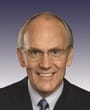 Sen. Larry CraigR-ID
- Sen. Don NicklesR-OK
- Sen. Malcolm WallopR-WY
- Sen. Jesse HelmsR-NC
Data notes
The Senate’s recorded vote on the final version of the law (roll call 316 in Voteview), matched to the vote the record cites and checked against its totals. Positions are each member’s DW-NOMINATE score for that Congress, as on the Ideology page; left to right is more liberal to more conservative. Paired and announced yea votes count as yea. Lists follow the compass, most liberal first. A name links to a profile only for members of the current Congress. A law passed by voice vote or unanimous consent has no member list, and neither does a vote Voteview has not yet recorded.
Committees
The committees the bill was sent to, and what each did with it.
 Appropriations Committee · House · markup by, referred to, reported original measureSubcommittee: Military Construction Subcommittee

Data notes
A committee links to its page only where it exists in the current Congress; older and renamed committees are named without a link.
Timeline
From introduction to signing, newest first: the committees, the floor and the president. 91 actions.
- Oct 21, 1993Became lawBecame law · Became Public Law No: 103-110.
- Became lawBecame law · Signed by President.
- Oct 20, 1993PresidentPresident · Presented to President.
- Oct 19, 1993Resolving differencesResolving differences · Senate agreed to the House amendments to the Senate amendment nos. 1, 4, 6, 7, 9, 11, 13, 17, 20, 23, 24, 25, 26, 27, 28, 29, 38, 40, and 42. By Voice Vote.
- Resolving differencesResolving differences · Senate agreed to conference report by Yea-Nay Vote. 94-5. Record Vote No: 316.Senate roll call 316
- Resolving differencesResolving differences · Conference report agreed to in Senate: Senate agreed to conference report by Yea-Nay Vote. 94-5. Record Vote No: 316.Senate roll call 316
- Oct 13, 1993Resolving differencesResolving differences · Conference papers: Senate report and managers' statement and message on House action held at the desk in Senate.
- Resolving differencesResolving differences · On motion that the House recede and concur with amendment in the Senate amendment No. 42 Agreed to without objection.
- Resolving differencesResolving differences · Motions to reconsider laid on the table Agreed to without objection.
- Resolving differencesResolving differences · On motion that the House recede and concur with amendment in the Senate amendment No. 40 Agreed to without objection.
- Resolving differencesResolving differences · Mr. Hefner moved that the House recede and concur with an amendment in the Senate amendment No. 42.
- Resolving differencesResolving differences · On motion that the House recede and concur with amendment in the Senate amendment No. 38 Agreed to without objection.
- Resolving differencesResolving differences · Mr. Hefner moved that the House recede and concur with an amendment in the Senate amendment No. 40.
- Resolving differencesResolving differences · On motion that the House recede and concur in the Senate amendment No. 33 Agreed to without objection.
- Resolving differencesResolving differences · Mr. Hefner moved that the House recede and concur with an amendment in the Senate amendment No. 38.
- Resolving differencesResolving differences · On motion that the House recede and concur in the Senate amendment No. 30 Agreed to without objection.
- Resolving differencesResolving differences · Mr. Hefner moved that the House recede and concur in the Senate amendment No. 33.
- Resolving differencesResolving differences · On motion that the House recede and concur with amendment in the Senate amendment No. 29 Agreed to without objection.
- Resolving differencesResolving differences · Mr. Hefner moved that the House recede and concur in the Senate amendment No. 30.
- Resolving differencesResolving differences · On motion that the House recede and concur with amendment in the Senate amendment No. 28 Agreed to without objection.
- Resolving differencesResolving differences · Mr. Hefner moved that the House recede and concur with an amendment in the Senate amendment No. 29.
- Resolving differencesResolving differences · On motion that the House recede and concur with amendment in the Senate amendment No. 27 Agreed to without objection.
- Resolving differencesResolving differences · Mr. Hefner moved that the House recede and concur with an amendment in the Senate amendment No. 28.
- Resolving differencesResolving differences · On motion that the House recede and concur with amendment in the Senate amendment No. 26 Agreed to without objection.
- Resolving differencesResolving differences · Mr. Hefner moved that the House recede and concur with an amendment in the Senate amendment No. 27.
- Resolving differencesResolving differences · On motion that the House recede and concur with amendment in the Senate amendment No. 25 Agreed to without objection.
- Resolving differencesResolving differences · Mr. Hefner moved that the House recede and concur with an amendment in the Senate amendment No. 26.
- Resolving differencesResolving differences · On motion that the House recede and concur with amendment in the Senate amendment No. 24 Agreed to without objection.
- Resolving differencesResolving differences · Mr. Hefner moved that the House recede and concur with an amendment in the Senate amendment No. 25.
- Resolving differencesResolving differences · On motion that the House recede and concur with amendment in the Senate amendment No. 23 Agreed to without objection.
Data notes
Shows the introduction, each committee and subcommittee step the source dates (referral, hearings, markup, report, discharge), and the floor, conference, presidential and became-law steps. Calendar placements, messages between the chambers, amendments and committee report numbers are not shown for laws before the 108th Congress. Two entries the source lists twice are shown once.
Official record
The bill’s full text and every action, including introduction and committee steps, are on Congress.gov. Data through Oct 7, 2026.