Military Construction Appropriations Act, 1992
Public Law 102-136 · H.R. 2426 · 102nd Congress · began in the House
Signed by George H. W. Bush (R) on Oct 25, 1991 · Armed Forces and National Security
Sponsor: Rep. Bill Hefner (D-NC-8)
Cosponsors: None
Passage votesYeaNay
- HouseVoice vote
- SenateRecorded vote: 99 yea, 0 nay99–0
Data notes
The final version of the law, as each chamber passed it. A chamber that passed it by voice vote or unanimous consent has no count. “Method not stated” means the record does not say how the chamber voted. Where the record has a member-by-member vote, the “Who voted for it” section shows who voted yea.
Summary
The Congressional Research Service’s plain-language summary of what the law does.
Military Construction Appropriations Act, 1992 - Appropriates funds for FY 1992 for military construction functions administered by the Department of Defense (DOD) in specified amounts for: (1) military construction, Army (including such funds under prior law); (2) military construction, Navy (including a rescission); (3) military construction, Air Force (including rescissions); (4) military construction, defense agencies (including rescissions and a specified transfer of funds); (5) North Atlantic Treaty Organization (NATO) Infrastructure; (6) military construction, Army National Guard; (7) military construction, Air National Guard; (8) military construction, Army Reserve; (9) military construction, Naval Reserve; (10) military construction, Air Force Reserve; (11) family housing, Army; (12) family housing, Navy and Marine Corps; (13) family housing, Air Force; (14) family housing, defense agencies; (15) homeowners assistance fund, defense; and (16) the Department of Defense Base Closure Accounts.
Prohibits NATO Infrastructure funds from this or any other Act from being used to support the relocation of the 401st Tactical Fighter Wing to Crotone, Italy.
Prohibits funds appropriated in this Act from being used for payments under certain cost-plus-a-fixed-fee contracts without specific approval by the Secretary of Defense.
Authorizes funds appropriated in this Act to be used for: (1) the hire of passenger motor vehicles; and (2) advances to the Federal Highway Administration, Department of Transportation, for the construction of defense access roads.
Prohibits funds appropriated in this Act from being used for: (1) construction of new bases inside the continental United States for which specific appropriations have not been made; (2) the purchase of certain lands or easements for amounts in excess of 100 percent of their value as determined by the Corps of Engineers or the Naval Facilities Engineering Command, except under specified conditions; (3) acquisition, site preparation, or the installation of any utilities for family housing, except for housing for which funds have been made available under annual military construction appropriation Acts; (4) transferring or relocating any activity from one base or installation to another without prior notification to the Committees on Appropriations; and (5) the procurement of steel for any construction project or activity for which American steel producers have been denied the opportunity to compete.
Prohibits the use of funds available for military construction and housing during FY 1991 to pay real property taxes in any foreign nation.
Prohibits funds appropriated in this Act from being used for: (1) the initiation of a new installation overseas without prior notification to the Committees on Appropriations; (2) certain architect and engineer contracts for projects in Japan or in any NATO-member country, unless awarded to U.S. firms solely or in joint ventures; or (3) the award of any contract for military construction in the U.S. territories and possessions in the Pacific and on Kwajalein Island in excess of $1,000,000 to a foreign contractor, with specified exceptions.
Directs the Secretary to notify the Senate and House Armed Services and Appropriations Committees of the plans and scope of any military exercise involving U.S. personnel 30 days prior to its occurrence if amounts expended for construction are expected to exceed $100,000.
Transfers certain funds of the Military Family Housing Management Account to the appropriations for family housing provided in this Act.
Prohibits more than 20 percent of the funds appropriated in this Act which are limited for obligation during the current fiscal year from being obligated during the last two months of the fiscal year.
Makes certain prior year funds available for military construction authorized during the first session of the 102nd Congress.
Directs the Secretary, by February 15, 1992, to provide the Appropriations Committees with a report detailing the specific actions proposed to be taken by DOD during FY 1992 to encourage other members of NATO, Japan and Korea to assume a greater share of the common defense burden of such nations and the United States.
Permits certain expired or lapsed funds to be used to pay certain overhead and other costs associated with military construction or family housing projects.
Allows funds appropriated for military construction projects to be obligated until the end of the fourth year after such funds were appropriated, with certain conditions.
Limits the amount of funds that may be obligated for the contract cleaning of military family housing units.
Prohibits any funds appropriated in this Act from being used for new military family housing units in the Republic of Korea in connection with any increase in accompanied tours after June 6, 1988.
Authorizes the transfer of unobligated DOD military construction and family housing operation and maintenance and construction funds to the foreign currency fluctuations, construction, defense appropriation to be merged with, and available for, its purposes.
Prohibits any funds appropriated in this Act for planning and design activities from being used to initiate design of the Pentagon Annex.
Prohibits any funds appropriated in this Act from being available for study, planning, design, or architect and engineer services related to the relocation of the Yongsan Garrison, Korea.
Requires funds necessary for FY 1992 pay raises for programs funded by this Act to be absorbed within the levels appropriated in this Act.
Amends the Dire Emergency Supplemental Appropriations for Consequences of Operation Desert Shield/Desert Storm, Food Stamps, Unemployment Compensation Administration, Veterans Compensation and Pensions, and Other Urgent Needs Act of 1991 to extend until November 5, 1990, the effective date of the repeal of specified provisions of the Military Construction Appropriations Act, 1991 which: (1) authorize the President to seize and liquidate certain property to pay U.S. creditors holding claims against Iraq; and (2) provide criminal penalties against the perpetrators of, and remedies, jurisdiction, and venue for the victims of, international terrorism.
Directs the Secretary of the Army to transfer to the Secretary of the Interior specified real property located near Fort Meade, Maryland. Directs the Secretary of the Interior to administer such transferred property as part of the Patuxent Wildlife Research Center and in a manner consistent with wildlife conservation purposes, with continued access by Federal agencies currently using such property.
Requires the Secretary of the Army to carry out repairs and take other preservation and maintenance actions deemed necessary to ensure that all real property at Fort Douglas, Utah, that has been or is to be conveyed under specified Federal law, is free from natural gas leaks and other safety-threatening defects. Requires the Secretary to certify to the appropriations committees that such repairs and preservation and maintenance actions have been taken. Requires all such repairs and other actions to be completed by September 30, 1992.
Who voted for it
Every senator of the 102nd Congress on the ideology compass. Highlighted: the 99 who voted yea on final passage. Faded: everyone else, including those who voted nay, did not vote, or had not yet taken office.
99 yea0 nay1 present or did not vote
Democrats who voted yea(56)
- Sen. Paul WellstoneD-MN
- Sen. Howard MetzenbaumD-OH
- Sen. Brock AdamsD-WA
 Sen. Tom HarkinD-IA
- Sen. Paul SarbanesD-MD
 Sen. Ted KennedyD-MA
- Sen. James SasserD-TN
- Sen. Paul SimonD-IL
- Sen. Donald RiegleD-MI
- Sen. Alan CranstonD-CA
 Sen. Frank LautenbergD-NJ
 Sen. Patrick LeahyD-VT
 Sen. John KerryD-MA
- Sen. David PryorD-AR
- Sen. Bill BradleyD-NJ
 Sen. Joseph BidenD-DE
 Sen. Jay RockefellerD-WV
 Sen. Kent ConradD-ND
- Sen. George MitchellD-ME
- Sen. Tom DaschleD-SD
 Sen. Carl LevinD-MI
- Sen. Albert GoreD-TN
- Sen. Claiborne PellD-RI
 Sen. Daniel AkakaD-HI
- Sen. Quentin BurdickD-ND
 Sen. Barbara MikulskiD-MD
- Sen. Timothy WirthD-CO
 Sen. Robert ByrdD-WV
- Sen. Wyche FowlerD-GA
- Sen. Daniel MoynihanD-NY
 Sen. Max BaucusD-MT
 Sen. Jeff BingamanD-NM
- Sen. Dale BumpersD-AR
- Sen. James SanfordD-NC
- Sen. Dennis DeConciniD-AZ
- Sen. Robert KerreyD-NE
- Sen. John GlennD-OH
- Sen. Wendell FordD-KY
 Sen. Christopher DoddD-CT
 Sen. Daniel InouyeD-HI
 Sen. Herb KohlD-WI
 Sen. Harry ReidD-NV
- Sen. James ExonD-NE
- Sen. Richard BryanD-NV
- Sen. Lloyd BentsenD-TX
- Sen. Samuel NunnD-GA
- Sen. Alan DixonD-IL
- Sen. Bob GrahamD-FL
 Sen. Joseph LiebermanD-CT
- Sen. John JohnstonD-LA
- Sen. Fritz HollingsD-SC
- Sen. Charles RobbD-VA
- Sen. John BreauxD-LA
- Sen. David BorenD-OK
- Sen. Howell HeflinD-AL
 Sen. Richard ShelbyD-AL
Republicans who voted yea(43)
- Sen. Jim JeffordsR-VT
- Sen. Mark HatfieldR-OR
 Sen. Arlen SpecterR-PA
- Sen. Robert PackwoodR-OR
- Sen. John ChafeeR-RI
- Sen. William CohenR-ME
- Sen. David DurenbergerR-MN
- Sen. Alfonse D’AmatoR-NY
- Sen. John DanforthR-MO
- Sen. Nancy KassebaumR-KS
- Sen. Robert KastenR-WI
 Sen. Ted StevensR-AK
- Sen. Slade GortonR-WA
- Sen. Warren RudmanR-NH
 Sen. John WarnerR-VA
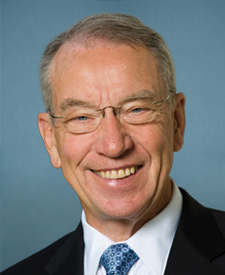 Sen. Chuck GrassleyR-IA
 Sen. Pete DomeniciR-NM
 Sen. Kit BondR-MO
 Sen. Thad CochranR-MS
- Sen. John SeymourR-CA
- Sen. Frank MurkowskiR-AK
 Sen. John McCainR-AZ
- Sen. Alan SimpsonR-WY
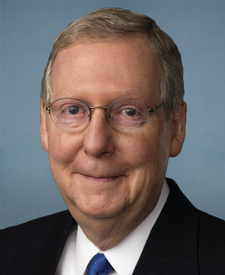 Sen. Mitch McConnellR-KY
 Sen. Richard LugarR-IN
- Sen. Strom ThurmondR-SC
- Sen. Conrad BurnsR-MT
- Sen. Larry PresslerR-SD
 Sen. Orrin HatchR-UT
 Sen. Daniel CoatsR-IN
- Sen. Robert DoleR-KS
- Sen. William RothR-DE
 Sen. Trent LottR-MS
- Sen. Connie MackR-FL
- Sen. Don NicklesR-OK
- Sen. Jake GarnR-UT
- Sen. Phil GrammR-TX
- Sen. Hank BrownR-CO
 Sen. Larry CraigR-ID
- Sen. Steven SymmsR-ID
- Sen. Malcolm WallopR-WY
- Sen. Jesse HelmsR-NC
- Sen. Bob SmithR-NH
Data notes
The Senate’s recorded vote on the final version of the law (roll call 222 in Voteview), matched to the vote the record cites and checked against its totals. Positions are each member’s DW-NOMINATE score for that Congress, as on the Ideology page; left to right is more liberal to more conservative. Paired and announced yea votes count as yea. Lists follow the compass, most liberal first. A name links to a profile only for members of the current Congress. A law passed by voice vote or unanimous consent has no member list, and neither does a vote Voteview has not yet recorded.
Committees
The committees the bill was sent to, and what each did with it.

 Appropriations Committee · Senate · markup by, referred to, reported bySubcommittee: Military Construction Subcommittee
Data notes
A committee links to its page only where it exists in the current Congress; older and renamed committees are named without a link.
Timeline
From introduction to signing, newest first: the committees, the floor and the president. 64 actions.
- Oct 25, 1991Became lawBecame law · Became Public Law No: 102-136.
- Became lawBecame law · Signed by President.
- Oct 18, 1991PresidentPresident · Presented to President.
- Oct 16, 1991Resolving differencesResolving differences · Senate agreed to the House amendment to the Senate amendments 1, 3, 5, 15, 19, 22, and 30. By Voice Vote.
- Resolving differencesResolving differences · Senate agreed to conference report by Yea-Nay Vote. 99-0. Record Vote No: 222.Senate roll call 222
- Resolving differencesResolving differences · Conference report agreed to in Senate: Senate agreed to conference report by Yea-Nay Vote. 99-0. Record Vote No: 222.Senate roll call 222
- Oct 8, 1991Resolving differencesResolving differences · Conference papers: message on House action held at the desk in Senate.
- Resolving differencesResolving differences · On motion that the House recede and concur with amendment in the Senate amendment No. 30 Agreed to without objection.
- Resolving differencesResolving differences · Motions to reconsider laid on the table Agreed to without objection.
- Resolving differencesResolving differences · On motion that the House recede and concur in the Senate amendment No. 29 Agreed to without objection.
- Resolving differencesResolving differences · Mr. Hefner moved that the House recede and concur with an amendment in the Senate amendment No. 30.
- Resolving differencesResolving differences · On motion that the House recede and concur in the Senate amendment No. 28 Agreed to without objection.
- Resolving differencesResolving differences · Mr. Hefner moved that the House recede and concur in the Senate amendment No. 29.
- Resolving differencesResolving differences · On motion that the House recede and concur with amendment in the Senate amendment No. 22 Agreed to without objection.
- Resolving differencesResolving differences · Mr. Hefner moved that the House recede and concur in the Senate amendment No. 28.
- Resolving differencesResolving differences · On motion that the House recede and concur with amendment in the Senate amendment No. 19 Agreed to without objection.
- Resolving differencesResolving differences · Mr. Hefner moved that the House recede and concur with an amendment in the Senate amendment No. 22.
- Resolving differencesResolving differences · On motion that the House recede and concur with amendment in the Senate amendment No. 15 Agreed to without objection.
- Resolving differencesResolving differences · Mr. Hefner moved that the House recede and concur with an amendment in the Senate amendment No. 19.
- Resolving differencesResolving differences · On motion that the House recede and concur in the Senate amendment No. 10 Agreed to without objection.
- Resolving differencesResolving differences · Mr. Hefner moved that the House recede and concur with an amendment in the Senate amendment No. 15.
- Resolving differencesResolving differences · On motion that the House recede and concur with amendment in the Senate amendment No. 5 Agreed to without objection.
- Resolving differencesResolving differences · Mr. Hefner moved that the House recede and concur in the Senate amendment No. 10.
- Resolving differencesResolving differences · Mr. Walker raised a point of order against the motion to recede and concur with an amendment. Mr. Walker stated that the provisions of the amendment relating to the Suitland Parkway constituted legislation on an Appropriations bill and was therefore in violation of the rules of …
- Resolving differencesResolving differences · Mr. Hefner moved that the House recede and concur with an amendment in the Senate amendment No. 5.
- Resolving differencesResolving differences · On motion that the House recede and concur with amendment in the Senate amendment No. 3 Agreed to without objection.
- Resolving differencesResolving differences · On motion that the House recede and concur with amendment in the Senate amendment No. 1 Agreed to without objection.
- Resolving differencesResolving differences · Mr. Hefner moved that the House recede and concur with an amendment in the Senate amendment No. 3.
- Resolving differencesResolving differences · On agreeing to the conference report Agreed to by voice vote.
- Resolving differencesResolving differences · Motion to reconsider laid on the table Agreed to without objection.
Data notes
Shows the introduction, each committee and subcommittee step the source dates (referral, hearings, markup, report, discharge), and the floor, conference, presidential and became-law steps. Calendar placements, messages between the chambers, amendments and committee report numbers are not shown for laws before the 108th Congress. Two entries the source lists twice are shown once.
Official record
The bill’s full text and every action, including introduction and committee steps, are on Congress.gov. Data through Oct 7, 2026.