Miranda v. Arizona
The Court ruled that police must warn a person in custody of their constitutional rights before interrogation, or the person's statements cannot be used as evidence against them at trial.· AI-written
384 U.S. 436 · No. 759 · 1965 term · Warren Court
Decided Jun 13, 1966 · argued Feb 28, 1966
Criminal procedure · Miranda warnings
Landmark · Right to counselOverruled precedent
Majority opinion: Earl Warren
The voteMajorityDissent
5–45 in the majority, 4 in dissent
4 dissents (5–4)
Reversed. Miranda won.
What this ruling means
Reversed: the Supreme Court overturned the decision of the Arizona Supreme Court, and its own ruling ends the case.
Miranda was the petitioner, the side that asked the Supreme Court to review the case. “Won” means the Court gave that side the result it asked for.
From the Supreme Court Database. A justice who agreed with the result but not the reasoning counts in the majority.
Summary
The opening of the case’s Wikipedia article: what the case was about and what the Court held.
Miranda v. Arizona, 384 U.S. 436 (1966), is a landmark decision of the U.S. Supreme Court in which the Court ruled that law enforcement must warn a person of their constitutional rights before interrogating them when they are in custody, or else the person's statements cannot be used as evidence against them at their trial. Specifically, the Court held that under the Fifth Amendment to the U.S. Constitution, the government cannot use a person's statements made in response to an interrogation while in police custody as evidence at the person's criminal trial unless they can show that the person was informed of the right to consult with a lawyer before and during questioning, and of the right against self-incrimination before police questioning, and that the defendant not only understood these rights but also voluntarily waived them before answering questions.
Miranda was viewed by many as a radical change in American criminal law, because the Due Process Clause was traditionally understood to protect Americans only from certain forms of formal coercion, such as threats of contempt of court. It transformed law enforcement in the United States by making what became known as the "Miranda warning" part of routine police procedure to ensure that suspects were informed of their rights, which came to be known as "Miranda rights". The Miranda warning concept quickly caught on across American law enforcement agencies, who came to call the practice "Mirandizing".
Pursuant to the U.S. Supreme Court decision Berghuis v. Thompkins (2010), a suspect must unambiguously invoke the right to remain silent or to counsel. If the suspect receives and understands the Miranda warnings and then voluntarily makes statements, those statements may be treated as establishing an implied waiver of those rights.
Data notes
The text is Wikipedia’s (CC BY-SA 4.0), matched to the case by its citation, docket number or name and year, and is not checked against the opinion. The site keeps the article’s opening section, ending on its last full sentence. The one-sentence summary under the title is the Decisions list’s: Wikipedia’s own ruling sentence, or, tagged “AI-written”, one Claude wrote from this opening.
How the justices voted
Each justice who took part, placed by their Martin–Quinn ideology score for the 1965 term. Filled: the 5 in the majority. Hollow: the 4 in dissent. Colour is the party of the president who appointed them.
Majority(5)
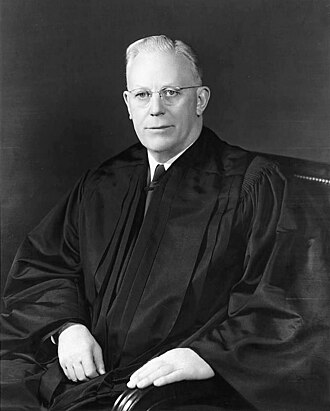 Earl WarrenWrote the majority opinion
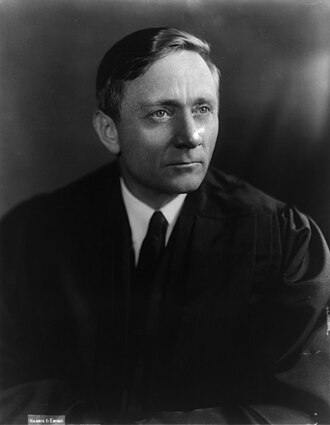 William DouglasJoined the majority
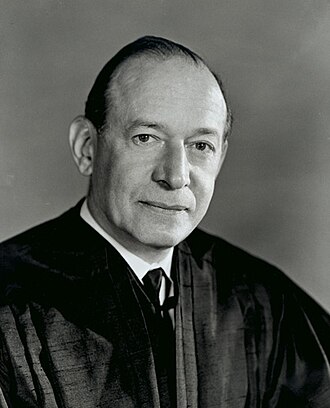 Abe FortasJoined the majority
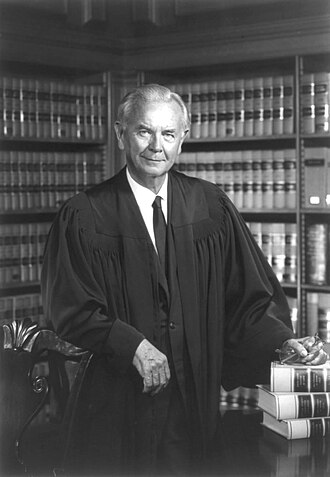 William BrennanJoined the majority
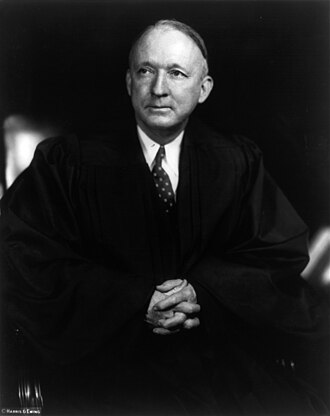 Hugo BlackJoined the majority
Dissent(4)
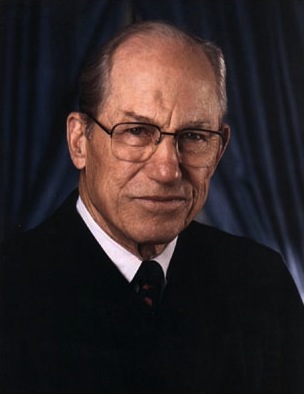 Byron WhiteWrote a dissent
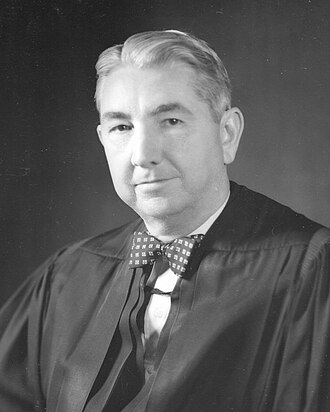 Tom ClarkWrote a dissent
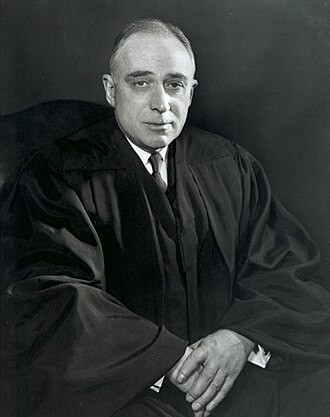 John HarlanWrote a dissent
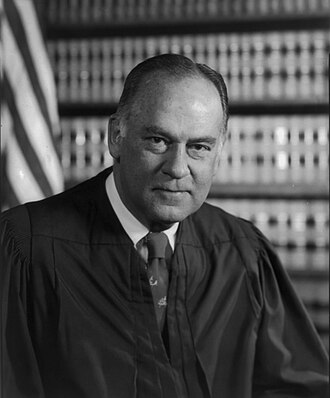 Potter StewartJoined a dissent
Data notes
Each justice’s vote and what they wrote are from the justice-centered file of the Supreme Court Database. “Wrote a concurrence” means the justice sided with the majority and wrote separately; a justice who dissented in part is counted on the side they took overall. A justice who wrote nothing is listed as joining their side.
Positions are each justice’s Martin–Quinn score for the case’s term, the same scores as the Ideology page: negative is more liberal, positive more conservative. A score sums up a justice’s votes across the whole term, so it says where they usually sit, not why they voted as they did here. The median line is the Court’s median justice that term.
The parties
Who brought the case to the Court, who answered it, and how it got there.
- Petitioner
- MirandaPerson accused, indicted, or suspected of crime
- Respondent
- ArizonaState (Arizona)
- Reached the Court by
- Certiorari (the Court chose to hear it)
Data notes
The names are the two sides of the case’s title. The description under each is the Supreme Court Database’s category for that party, in its own wording. The petitioner is the side that asked the Supreme Court to review the decision below. “Why it was taken” appears only when the majority opinion says lower courts disagreed or were unsure about the question; reasons that would fit any case (“to resolve the question presented”, “an important question”) are left out.
The law at issue
The law the Court was asked to apply, and the kind of power it used to decide.
- Provision
- Fifth Amendment (self-incrimination)
- Kind of law
- Constitutional Amendment
- Decided by
- Judicial review (state level)
- Precedent
- The Court overruled one of its own earlier decisions.
Data notes
The Supreme Court Database codes the main constitutional provision, statute or court rule each case turned on, and the basis of the decision: judicial review of a federal or state law, interpreting a statute, supervising the lower courts, and so on. A case can rest on more than one. “Overruled” counts only where the majority opinion says so.
Timeline
What happened at the Court and how the case got there, newest first.
- Jun 13, 1966DecidedDecided · Decided 5–4: reversed. Miranda won.
- Feb 28, 1966ArguedArgued · Oral argument before the Court.
- Not datedTaken upTaken up · The Supreme Court agreed to hear the case (certiorari).
- Not datedCourt belowCourt below · Decided by the Arizona Supreme Court: affirmed.
- Not datedBeganBegan · The case began in the Arizona trial court.
Data notes
From the Supreme Court Database: the court the case began in, the court whose decision the Supreme Court reviewed and what that court did, how the case came to the Court, and the dates of argument and decision. The database does not date the steps in the lower courts. Court names are the database’s.
Other decisions on the same issue
39 other argued cases since 1946 on miranda warnings, newest first.
- Vega v. Tekoh142 S. Ct. 2095Jun 23, 2022 · 142 S. Ct. 2095Criminal procedure6–36–3 band
- Carol Howes, Warden, Petitioner v. Randall Lee Fields565 U.S. 499Feb 21, 2012 · 565 U.S. 499Criminal procedure6–36–3 band
- J. D. B., Petitioner v. North Carolina564 U.S. 261Jun 16, 2011 · 564 U.S. 261Criminal procedure5–45–4 band
- Mary Berghuis, Warden v. Van Chester ThompkinsLandmark · Right to remain silent560 U.S. 370Jun 1, 2010 · 560 U.S. 370Criminal procedureLandmark · Right to remain silent5–45–4 band
- Maryland v. Michael Blaine Shatzer, Sr.559 U.S. 98Feb 24, 2010 · 559 U.S. 98Criminal procedure9–0Unanimous band
- Florida v. Kevin Dewayne Powell559 U.S. 50Feb 23, 2010 · 559 U.S. 50Criminal procedure7–27–2 band
- United States v. Samuel Francis Patane542 U.S. 630Jun 28, 2004 · 542 U.S. 630Criminal procedure5–45–4 band
- Missouri v. Patrice Seibert.542 U.S. 600Jun 28, 2004 · 542 U.S. 600Criminal procedure5–45–4 band
- Michael Yarborough, Warden v. Michael Alvarado541 U.S. 652Jun 1, 2004 · 541 U.S. 652Criminal procedure5–45–4 band
- Charles Thomas Dickerson v. United States530 U.S. 428Jun 26, 2000 · 530 U.S. 428Criminal procedure7–27–2 band
- Robert L. Davis v. United States512 U.S. 452Jun 24, 1994 · 512 U.S. 452Criminal procedure9–0Unanimous band
- Robert Edward Stansbury v. California511 U.S. 318Apr 26, 1994 · 511 U.S. 318Criminal procedure9–0Unanimous band
- Robert S. Minnick v. Mississippi498 U.S. 146Dec 3, 1990 · 498 U.S. 146Criminal procedure6–27–2 band
- Pennsylvania v. Inocencio Muniz496 U.S. 582Jun 18, 1990 · 496 U.S. 582Criminal procedure8–18–1 band
- Illinois v. Lloyd Perkins496 U.S. 292Jun 4, 1990 · 496 U.S. 292Criminal procedure8–18–1 band
- Duckworth v. Eagan492 U.S. 195Jun 26, 1989 · 492 U.S. 195Criminal procedure5–45–4 band
- Arizona v. Roberson486 U.S. 675Jun 15, 1988 · 486 U.S. 675Criminal procedure6–27–2 band
- Greer, Warden v. Miller483 U.S. 756Jun 26, 1987 · 483 U.S. 756Criminal procedure6–36–3 band
- Arizona v. Mauro481 U.S. 520May 4, 1987 · 481 U.S. 520Criminal procedure5–45–4 band
- Connecticut v. Barrett479 U.S. 523Jan 27, 1987 · 479 U.S. 523Criminal procedure7–27–2 band
- Moran, Superintendent, Rhode Island Department of Corrections v. Burbine475 U.S. 412Mar 10, 1986 · 475 U.S. 412Criminal procedure6–36–3 band
- Oregon v. ElstadLandmark470 U.S. 298Mar 4, 1985 · 470 U.S. 298Criminal procedureLandmark6–36–3 band
- Berkemer, Sheriff of Franklin County, Ohio v. McCarty468 U.S. 420Jul 2, 1984 · 468 U.S. 420Criminal procedure9–0Unanimous band
- New York v. Quarles467 U.S. 649Jun 12, 1984 · 467 U.S. 649Criminal procedure5–45–4 band
- Oregon v. Bradshaw462 U.S. 1039Jun 23, 1983 · 462 U.S. 1039Criminal procedure5–45–4 band
- Edwards v. Arizona451 U.S. 477May 18, 1981 · 451 U.S. 477Criminal procedure9–0Unanimous band
- Rhode Island v. Innis446 U.S. 291May 12, 1980 · 446 U.S. 291Criminal procedure6–36–3 band
- Fare, Acting Chief Probation Officer v. Michael C.442 U.S. 707Jun 20, 1979 · 442 U.S. 707Criminal procedure5–45–4 band
- North Carolina v. Butler441 U.S. 369Apr 24, 1979 · 441 U.S. 369Criminal procedure5–36–3 band
- Doyle v. Ohio426 U.S. 610Jun 17, 1976 · 426 U.S. 610Criminal procedure6–36–3 band
- United States v. Mandujano425 U.S. 564May 19, 1976 · 425 U.S. 564Criminal procedure8–0Unanimous band
- Beckwith v. United States425 U.S. 341Apr 21, 1976 · 425 U.S. 341Criminal procedure7–18–1 band
- Michigan v. Mosley423 U.S. 96Dec 9, 1975 · 423 U.S. 96Criminal procedure6–27–2 band
- United States v. Hale422 U.S. 171Jun 23, 1975 · 422 U.S. 171Criminal procedure9–0Unanimous band
- Oregon v. Hass420 U.S. 714Mar 19, 1975 · 420 U.S. 714Criminal procedure6–27–2 band
- Michigan v. Tucker417 U.S. 433Jun 10, 1974 · 417 U.S. 433Criminal procedure8–18–1 band
- Harris v. New York401 U.S. 222Feb 24, 1971 · 401 U.S. 222Criminal procedure5–45–4 band
- Orozco v. Texas394 U.S. 324Mar 25, 1969 · 394 U.S. 324Criminal procedure6–27–2 band
- Mathis v. United States391 U.S. 1May 6, 1968 · 391 U.S. 1Criminal procedure5–36–3 band
Data notes
Every other orally argued case with a clear vote, from the 1946 term on, that the Supreme Court Database files under the same issue as this one. The database gives each case one issue from a list of about 270 (abortion, search and seizure of vehicles, the death penalty, and so on), whatever law it turned on.
Official record
Read the full opinion on Justia, the argument audio on Oyez and Wikipedia. Case data from the Supreme Court Database, Version 2026 Release 01, through the 2025 term.