An act to provide assistance to improve elementary, secondary, and postsecondary education in mathematics and science; to provide a national policy for engineering, technical, and scientific personnel; to provide cost sharing by the private sector in training such personnel; to encourage creation of new engineering, technical, and scientific jobs, and for other purposes.
Public Law 98-377 · H.R. 1310 · 98th Congress · began in the House
Signed by Ronald Reagan (R) on Aug 11, 1984 · Education
Sponsor: Rep. Carl Perkins (D-KY-7)
Cosponsors (27): Rep. Don Fuqua, Rep. Gus Hawkins,
Passage votesYeaNay
- HouseRecorded vote: 393 yea, 15 nay393–15
- SenateVoice vote
Data notes
The final version of the law, as each chamber passed it. A chamber that passed it by voice vote or unanimous consent has no count. “Method not stated” means the record does not say how the chamber voted. Where the record has a member-by-member vote, the “Who voted for it” section shows who voted yea.
Summary
The Congressional Research Service’s plain-language summary of what the law does.
Education for Economic Security Act - Title I: National Science Foundation Mathematics and Science Programs - Part A: Teacher Institutes - Authorizes the National Science Foundation (the Foundation) to make grants to State educational agencies (SEAs) and local educational agencies (LEAs) and institutions of higher education, applying jointly, for teacher institutes to enhance the subject matter skills of public and private elementary and secondary school teachers of mathematics and physical and life sciences.
Sets forth application requirements for such grants. Directs the Director of the Foundation: (1) to assure an equitable distribution of such institutes among and within States; and (2) award at least one institute in each State, if each State submits a proposal meeting specified requirements.
Limits any such grant to a single applicant to $200,000 in any fiscal year.
Permits such institutes to involve the cooperation of advance technology and other businesses able to assist in mathematics and science teaching.
Directs the Foundation to ensure that consideration is given to applications designed to meet the needs of underrepresented and underserved populations.
Part B: Mathematics and Science Education Development Programs - Authorizes the Foundation to enter into agreements with eligible applicants for programs and materials for: (1) training, retraining, and inservice training of elementary and secondary school teachers in the fields of mathematics and science, including physical and life sciences and computer learning; and (2) elementary and secondary school courses of study in such fields.
Makes the following entities eligible applicants for such agreements: (1) an institution of higher education; (2) an SEA or LEA; and (3) a professional society or association in the fields of mathematics, physical or biological sciences, or engineering.
Sets forth application requirements for grants and cooperative agreements under this part.
Directs the Foundation to ensure that consideration is given to applications designed to meet the needs of underrepresented and underserved populations.
Part C: Congressional Merit Scholarships - Congressional Merit Scholarships in Mathematics, Science, and Engineering Education - Authorizes the Foundation to award scholarships to individuals enrolled at institutions of higher education who demonstrate outstanding potential for, and who plan to pursue, careers in teaching mathematics or science in elementary or secondary schools.
Limits the period of such a scholarship to: (1) four academic years at any institution of higher education offering educational activities designed to prepare individuals for such careers; and (2) periods of study commencing not sooner than the third undergraduate year.
Requires such individuals to concentrate, at the undergraduate level, in: (1) mathematics or science, and indicate a serious intent to teach such subject at the elementary or secondary school level; or (2) engineering, and indicate a serious intent to teach such subject at the postsecondary level, in an engineering discipline which the Foundation has determined a shortage of qualified teachers.
Authorizes the Foundation to establish criteria for the selection of merit scholars.
Limits the number of scholars selected to two times the number of Members of Congress from each State (and ten individuals in the case of the District of Columbia and the Commonwealth of Puerto Rico).
Requires each merit scholarship recipient to agree to pursue such a teaching career for at least two years for each academic year in which the scholarship is received.
Sets each merit scholarship award at $5,000 for each academic year of study.
Conditions scholarship payment upon the student's maintaining satisfactory progress and full-time study. Authorizes the Foundation to require reports on student progress.
Part D: Discretionary Funds of the Director - Authorizes the Director of the Foundation, from funds available for this part, to make grants to, and enter into contracts with, any public agency or any private organization to carry out any activity authorized by this title. Authorizes the Director to conduct directly or by grant or contract: (1) a faculty exchange program between institutions of higher education (particularly institutions having established and nationally recognized research facilities) and eligible institutions; and (2) programs of national significance promoting the improvement of instruction in the fields of mathematics, science, and engineering. (Defines "eligible institutions," for such purposes, as institutions of higher education which demonstrate a commitment to meet the special educational needs of students who are members of a minority group or who are economically or educationally disadvantaged and which: (1) have an enrollment which includes a substantial percentage of such students; or (2) are located in a community that is not within commuting distance of a major institution of higher education.)
Requires the Director, in carrying out this part, to give special consideration to programs and activities for women in science and minorities in science which have been assisted by the Foundation prior to the date of enactment of this Act.
Part E: General Provisions - Sets forth administrative provisions granting the Foundation specified powers to carry out this title.
Directs the Foundation to report annually to the President and the Congress on its operations under this title.
Directs the Foundation, after consultation with appropriate private school representatives, to make provision for the benefit of teachers in private elementary and secondary schools in the programs authorized by this title, in order to assure equitable participation of such teachers.
Applies to programs under this part specified provisions of the General Education Provisions Act prohibiting Federal control of education.
Authorizes appropriations to carry out: (1) part A for FY 1984 and 1985; (2) part B for FY 1985; (3) part C for FY 1984 and 1985; (4) part D for FY 1985; and (5) the graduate fellowship program under the National Science Foundation Act of 1950 for FY 1984 and 1985.
Title II: Education for Economic Security - Authorizes the Secretary of Education to make grants to States and discretionary grants to strengthen teacher skills and instruction in mathematics, science, computer learning, and foreign languages.
Authorizes appropriations for FY 1984 and 1985 to carry out this title.
Directs the Secretary to reserve ten percent of such appropriations for discretionary grants of national significance.
Directs the Secretary to allot to each State from 90 percent of such appropriations for each fiscal year an amount based on the relative number of children aged five through 17 in such State. Provides that no State shall receive less than one-half of one percent of the funds appropriated for any fiscal year. Provides for reallotments, based on the Secretary's estimates, of sums exceeding a State's needs.
Authorizes additional appropriations for allotment to: (1) Guam, American Samoa, and the Virgin Islands; and (2) the Secretary of the Interior for programs in schools operated for Indian children.
Apportions 70 percent of each State's allotment to elementary and secondary education programs and 30 percent to higher education programs.
Sets forth requirements for the State education agency (SEA) distribution of such funds for elementary and secondary education programs to local education agencies (LEAs) based on public and private school enrollment and on public school enrollment of children from families below the poverty level. Sets forth the uses for which specified portions of such elementary funds are to be put, including: (1) inservice training of teachers, including vocational educational teachers, and other appropriate school personnel in the fields of mathematics and science; (2) computer learning and instruction, foreign language instruction, and instructional materials and equipment related to mathematics and science instruction; (3) purchase of computer and computer-related instructional equipment; (4) strengthening instruction in foreign languages; (5) SEA demonstration and exemplary programs, including special projects for historically underrepresented and underserved populations (females, minorities, handicapped individuals, individuals with limited English proficiency, and migrant students) and for gifted and talented students (including magnet schools for such students); (6) SEA technical assistance to LEAs, institutions of higher education, and nonprofit organizations, including museums, libraries, and educational television stations in conducting programs for mathematics, science, languages, and computer learning; and (7) State assessment and administrative costs.
Sets forth requirements for distribution of funds for higher education programs by State agencies for higher education. Requires that at least 75 percent of such funds be used for grants to private and public institutions of higher education for: (1) traineeship programs for new teachers who will specialize in teaching secondary school mathematics and science; (2) retraining secondary school teachers with other specialties to specialize in teaching mathematics, science, or computer learning (including providing stipends for participation in institutes under title I); and (3) inservice training for elementary, secondary, and vocational school teachers, and other appropriate school personnel to improve teaching skills in mathematics, science, and computer learning (including providing stipends for participation in institutes under title I). Requires each grant recipient to: (1) consider the needs of historically underrepresented and underserved groups and the gifted and talented; and (2) enter into an agreement with an LEA or LEA consortium to provide inservice training and retraining for elementary and secondary school teachers in the public and private schools of the LEA school district. Requires that the State agency for higher education use at least 20 percent of such funds for cooperative programs among institutions of higher education, LEAs, SEAs, private industry, and private nonprofit organizations, including museums, libraries, educational television stations, and professional mathematics, science, and engineering societies, for projects to improve student understanding and performance in science, mathematics, and critical foreign languages. Permits the State agency for higher education to use up to five percent of such funds for State assessment and administrative costs.
Requires each State desiring to receive grants under this title to submit to the Secretary: (1) within nine months following the date for which funds under this title become available, a preliminary assessment of the status of mathematics, science, foreign language, and computer learning within the State; and (2) within the first year for which such funds are available, a final version of such assessment. Sets forth requirements relating to such assessments.
Sets forth requirements for State applications for funds under this title.
Sets forth requirements for assessments by LEAs.
Sets forth provisions for participation of children and teachers from private schools in programs under this title.
Sets forth requirements for the use of the ten percent of appropriations for this title reserved in the Secretary's discretionary fund for programs of national significance. Directs the Secretary, from 75 percent of such funds, to make to SEAs and LEAs, institutions of higher education, and private nonprofit organizations for programs of national significance in mathematics and science instruction, computer learning, and foreign language instruction in critical languages. Directs the Secretary to give special consideration to assistance for: (1) magnet schools for gifted and talented students; and (2) special services to historically underserved and underrepresented populations in the fields of mathematics and science. Directs the Secretary to reserve a specified amount from such grant funds for the Director of the National Institute of Education to conduct evaluation and research. Directs the Secretary, from 25 percent of such funds, to make grants to institutions of higher education for instruction in critical foreign languages. Directs the Secretary to: (1) consult with the Secretaries of State, Defense, and Health and Human Services, and the Director of the National Science Foundation in determining which languages are critical to national security, economic, and scientific needs; and (2) publish a list of such languages in the Federal Register.
Sets forth provisions for payments for programs under this title.
Title III: National Science Foundation Program for Partnerships in Education for Mathematics, Science, and Engineering - Partnerships in Education for Mathematics, Science, and Engineering Act - Authorizes the National Science Foundation to make grants to eligible applicants (including institutions of higher education, LEAs, and specified other program participants) to pay the Federal share of the costs of specified higher education programs and activities.
Authorizes appropriations for FY 1984 and 1985 to carry out this title.
Sets forth authorized activities for which applicants may use partnership in education program grants. Includes among authorized higher education partnership programs: (1) improvement of postsecondary instruction in mathematics, science, computer science, and engineering; (2) scholarships for students in such fields; (3) faculty exchange programs by institutions of higher education and businesses within the State; (4) research in such fields; (5) instructional equipment for such fields; and (6) promotion of public understanding of science, mathematics, and computer science. Includes among authorized elementary and secondary school partnership programs (to be carried out by LEAs): (1) exchange programs between teachers of mathematics, science, or computer science and personnel of local businesses; (2) training and retraining of teachers in such fields under cooperative arrangements between State or LEAs and appropriate businesses;(3) secondary school student observation, participation, and work in local businesses; and (4) computer clubs and extracurricular activities involving modern technologies.
Permits both higher education and elementary and secondary school partnerships to include institutions of higher education, businesses, nonprofit private organizations, local educational agencies, professional mathematics and scientific associations, museums, libraries, educational television stations, and State agencies.
Sets forth requirements for applications for grants under this title. Permits a regional consortium of applicants in two or more States to file a joint application.
Sets forth requirements for submission of applications.
Directs the Foundation to establish criteria for approval of applications. Prohibits the Foundation from approving any application unless the SEA or the State agency for higher education, as the case may be, determines that the application is consistent with State plans for elementary and secondary education or for higher education. Directs the Foundations to adopt approval procedures designed to assure equitable distribution of grants among the States.
Sets the Federal share of the cost of programs under this title at 50 percent. Permits the non-Federal share of such costs to be in cash or inkind. Limits to 15 percent that portion of funds appropriated under this title in any fiscal year which may be paid to applicants in any single State.
Title IV: Presidential Awards for Teaching Excellence in Mathematics and Science - Authorizes the President to make Presidential Awards for Teaching Excellence in Mathematics and Science to elementary and secondary school teachers. Authorizes the making of 100 such awards annually.
Directs the President to: (1) select for such awards at least one elementary and one secondary school teacher from each of the several States, the District of Columbia and the Commonwealth of Puerto Rico; and (2) carry out this title, including the establishment of selection procedures, after consultation with the Secretary of Education, the Director of the National Science Foundation, and other appropriate officials of Federal agencies.
Authorizes appropriations for FY 1985 to carry out this title.
Title V: Asbestos School Hazard Abatement - Asbestos School Hazard Abatement Act of 1984 - Establishes the Asbestos Hazards Abatement Program (the Program) within the Environmental Protection Agency (EPA).
Includes among the duties of the Administrator of the EPA in implementing and effectuating the Program: (1) compiling medical, scientific, and technical information on asbestos hazards, identification, sampling, testing, and methods of abatement; (2) distributing such information to State and local agencies and other institutions; (3) developing, within 45 days of enactment of this Act, an interim or final application form to be distributed promptly to LEAs; and (4) reviewing, and approving or disapproving applications for financial assistance.
Sets forth provisions for State plans.
Directs each State Governor, within three months after enactment of this Act, to submit to the Administrator a plan which describes the procedures to be used by the State for maintaining records on: (1) presence of asbestos materials in school buildings of LEAs; (2) asbestos detection and abatement activities conducted by LEAs (including replacement with other appropriate building materials); and (3) repairs made to restore school buildings to conditions comparable to those which existed before such abatement activities were undertaken.
Directs each State Governor, within six months after enactment of this Act and annually thereafter, to: (1) submit to the Administrator and the Secretary of Education a priority list of all public and private schools under the authority of an LEA within the State that are candidates for abatement; (2) forward to the Administrator and the Secretary for each candidate for abatement all applications for financial assistance prepared by the LEAs in accordance with specified provision; and (3) forward to the Secretary a copy of all information submitted to the Administrator in accordance with specified provisions. Requires that such priority list rank the potential candidates for abatement action on the basis of the nature and magnitude of the existing and potential exposure presented by the asbestos materials. Directs the Governor to: (1) certify that the statement of need in the application for assistance accurately reflects the financial resources available to the LEA for the asbestos abatement program; and (2) consider specified factors in determining the adequacy of the financial resources available to an LEA for the abatement of asbestos threats.
Directs each State Goveror, within nine months after the submission of the Sate plan and each 12 months thereafter, to report to the Administrator on the actions taken by the State in accordance with such plan.
Establishes an Asbestos Hazards Abatement Assistance Program (the Assistance Program) within the EPA.
Requires that applications for financial assistance under the Assistance Program be submitted: (1) by an LEA to the Governor, or the Governor's designee, who shall establish a priority list based on specified criteria; and (2) be submitted, with the Governor's report and priority list, to the Administrator for review, ranking, and proposal of financing.
Directs the Secretary, within 60 days of receipt of the priority list, to review such list and, in the Secretary's discretion, make comments and recommendations to the Administrator based on the needs of LEAs for such financial assistance.
Directs the Administrator to provide financial assistance on a school-by-school basis to LEAs to carry out projects for such abatement, replacement, and restoration. Sets forth factors which the Administrator must consider in ranking applications and in determining eligibility for, and the nature and amount of, financial assistance.
Provides, where necessary, for loans of up to 100 percent, or grants for up to 50 percent, of the costs of an LEA's abatement program.
Sets forth requirements relating to approval of applications for such financial assistance.
Directs the Administrator to establish: (1) procedures to be used by LEAs in abatement, replacement, and restoration programs for which such financial assistance is made available; and (2) within 90 days, standards for determining qualified contractors and adequate training, equipment, protective clothing, and other information and materials for school personnel used in such program.
Authorizes the Administrator to adopt any other procedures, standards, and regulations deemed necessary to effectuate the purposes of this title.
Directs the Administrator, during each of the ten calendar years after the year in which this Act is enacted, to report specified information on such programs by February 1 of each such year to specified congressional committees.
Requires any recipient of such financial assistance to permit the United States to sue on its behalf any person determined by the Attorney General to be liable to the recipient for the costs of any activities undertaken by the recipient under such program. Sets forth provisions relating to such suits.
Prohibits any SEA or LEA receiving assistance under this Act from discriminating against any employee for bringing to public attention information concerning any asbestos problem in the school buildings within the jurisdiction of such agency.
Authorizes appropriations for FY 1984 through 1990 for the asbestos abatement program. Sets forth provisions for allocation of such funds. Reserves from appropriations for this title up to ten percent for FY 1984 and up to five percent for FY 1985 for the administration of this title and for programs including: (1) a training center for asbestos assessment and abatement; (2) abatement guidance documents; (3) rules and regulations for inspection, reporting, and recordkeeping; and (4) a comprehensive testing and technical assistance program.
Title VI: Excellence in Education Program - Excellence in Education Act - Authorizes the Secretary of Education to make awards to LEAs for elementary and secondary school excellence programs.
Authorizes appropriations for FY 1984 and 1985 to carry out this title. Directs the Secretary to reserve from such funds specified amounts to carry out provisions for special school awards and for research, evaluation, dissemination, and monitoring activities.
Authorizes the Secretary to establish criteria, including specified standards, for the selection of schools to receive awards under this title. Requires each LEA desiring to participate in such awards program to nominate schools according to specified procedures. Directs the chief State school officer of each State to select, taking specified factors into account, 25 schools from such nominations for submission to the Secretary. Directs the Secretary to select up to 500 schools from such nominations after an impartial review panel has considered each submission. Directs the Secretary, in making such selection, to give priority to proposals which include specified types of activities.
Sets the amount and conditions of awards.
Authorizes the Secretary, from specified reserved funds, to make special school awards to nominated schools to pay a specified Federal share of the cost of the proposed activities, if the LEA provides further assurances that private sector funds will be contributed for carrying out such activities.
Directs the Secretary, from specified reserved funds, to conduct research, evaluation, and dissemination activities to assure that exemplary projects and practices developed with assistance under this title are made available to LEAs throughout the United States. Directs the Secretary to establish an independent panel to monitor the success of the programs assisted by this title in achieving national objectives in improving instruction and student achievement.
Title VII: Magnet School Assistance - Authorizes appropriations for FY 1984 through 1986 to carry out this title.
Makes an LEA eligible to receive assistance under this title if it: (1) has received $1,000,000 less in the first fiscal year after the repeal of the Emergency School Assistance Act by the Omnibus Budget Reconciliation Act of 1981 as a result of such repeal; or (2) is implementing a desegregation plan undertaken pursuant to a final order issued by a Federal or State court or any other State agency or official of competent jurisdiction; or (3) has adopted and is implementing, without having been required to do so, a desegregation plan approved as adequate by the Secretary of Education under the Civil Rights Act, or will adopt and implement such a plan if assistance is made available to it under this title.
Authorizes th Secretary to make grants to eligible LEAs for use in magnet schools which are part of an approved desegregation plan and which are designed to bring together students from different social, economic, ethnic, and racial backgrounds.
Sets forth authorized uses of such grants.
Sets forth grant application requirements.
Directs the Secretary, in approving such applications, to give special consideration to specified factors.
Prohibits use of such grants for consultants, transportation, any activity which does not augment academic improvement, or courses of instruction the substance of which is secular humanism.
Sets forth provisions relating to grant payments and limitations on and withholding of such payments.
Title VIII: The Equal Access Act - Equal Access Act - Prohibits any public secondary school which receives Federal financial assistance and which has a limited open forum from denying equal access or a fair opportunity to, or from discriminating against, any students who wish to conduct a meeting within that limited open forum on the basis of the religious, political, philosophical, or other content of the speech at such meetings.
Provides that a public secondary school has a limited open forum whenever such school grants an offering to or opportunity for one or more noncurriculum related student groups to meet on school premises during noninstructional time.
Provides that a school shall be deemed to offer a fair opportunity to students who wish to conduct a meeting within its limited open forum if such school uniformly provides that: (1) the meeting is voluntary and student-initiated; (2) there is no sponsorship of the meeting by the school, the government, or its agents, or employees; (3) government or school employees or agents are present at religious meetings only in a nonparticipatory capacity; (4) the meeting does not materially and substantially interfere with the orderly conduct of educational activities at the school; and (5) nonschool persons may not direct, conduct, control, or regularly attend activities of student groups.
Provides that nothing in this title shall be construed to authorize the United States or any State or local government to: (1) influence the form or content of any prayer or other religious activity; (2) require any person to participate in prayer or other regligious activity; (3) expend public funds beyond the incidental cost of providing space for student-initiated meetings; (4) compel any school agent or employee to attend a school meeting if the content of the speech at the meeting is contrary to the beliefs of the agent or employee; (5) sanction meetings that are otherwise unlawful; (6) limit the rights of groups of students which are not of a specified numerical size; or (7) abridge the constitutional rights of any person.
Provides that nothing in this title shall be construed to authorize the United States to deny or withhold Federal assistance to any school.
Who voted for it
Every House member of the 98th Congress on the ideology compass. Highlighted: the 393 who voted yea on final passage. Faded: everyone else, including those who voted nay, did not vote, or had not yet taken office.
393 yea15 nay25 present or did not vote
Democrats who voted yea(239)
- Rep. Parren MitchellD-MD-7
- Rep. Sam GejdensonD-CT-2
- Rep. Martin SaboD-MN-5
- Rep. Mickey LelandD-TX-18
- Rep. Julian DixonD-CA-28
- Rep. Henry GonzálezD-TX-20
- Rep. Sala BurtonD-CA-5
- Rep. William GrayD-PA-2
- Rep. William LehmanD-FL-17
- Rep. Robert GarciaD-NY-18
- Rep. Gus SavageD-IL-2
- Rep. Theodore WeissD-NY-17
- Rep. Mervyn DymallyD-CA-31
- Rep. Gus HawkinsD-CA-29
- Rep. William CoyneD-PA-14
 Rep. Ed MarkeyD-MA-7
- Rep. Charles HayesD-IL-1
- Rep. Joseph AddabboD-NY-6
- Rep. David BoniorD-MI-12
 Rep. Charlie RangelD-NY-16
 Rep. James OberstarD-MN-8
- Rep. Richard OttingerD-NY-20
- Rep. Cardiss CollinsD-IL-7
- Rep. Alan WheatD-MO-5
- Rep. Katie HallD-IN-1
- Rep. Major OwensD-NY-12
 Rep. Howard BermanD-CA-26
- Rep. Esteban TorresD-CA-34
 Rep. Barbara BoxerD-CA-6
- Rep. George CrockettD-MI-13
 Rep. Daniel AkakaD-HI-2
- Rep. Thomas FogliettaD-PA-1
- Rep. James HowardD-NJ-3
- Rep. Michael LowryD-WA-7
- Rep. Sidney YatesD-IL-9
- Rep. Matthew MartínezD-CA-30
- Rep. Norman MinetaD-CA-13
- Rep. John MoakleyD-MA-9
- Rep. Robert MatsuiD-CA-3
 Rep. Pete StarkD-CA-9
- Rep. Anthony CoelhoD-CA-15
- Rep. George BrownD-CA-36
- Rep. Robert KastenmeierD-WI-2
- Rep. Harold FordD-TN-9
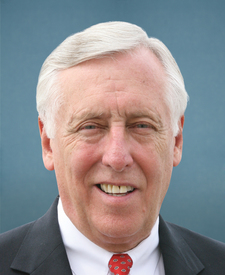 Rep. Steny HoyerD-MD-5
 Rep. Dale KildeeD-MI-7
- Rep. Bill AlexanderD-AR-1
- Rep. Carl PerkinsD-KY-7
 Rep. Dave ObeyD-WI-7
- Rep. Bruce VentoD-MN-4
- Rep. Victor FazioD-CA-4
 Rep. Barney FrankD-MA-4
- Rep. Barbara KennellyD-CT-1
- Rep. Nicholas MavroulesD-MA-6
- Rep. Thomas DowneyD-NY-2
- Rep. Thomas FoleyD-WA-5
- Rep. Tom LantosD-CA-11
- Rep. Richard LehmanD-CA-18
- Rep. Lane EvansD-IL-17
- Rep. Robert BorskiD-PA-3
- Rep. Gerry StuddsD-MA-10
- Rep. James ScheuerD-NY-8
- Rep. Claude PepperD-FL-18
- Rep. Frank HarrisonD-PA-11
- Rep. Robert EdgarD-PA-7
- Rep. Allan SwiftD-WA-2
- Rep. Bernard DwyerD-NJ-6
- Rep. Robert RoeD-NJ-8
 Rep. John DingellD-MI-16
- Rep. Henry NowakD-NY-33
- Rep. Jerome TraxlerD-MI-8
- Rep. Stephen SolarzD-NY-13
- Rep. Bruce MorrisonD-CT-3
- Rep. William RatchfordD-CT-5
- Rep. Frank AnnunzioD-IL-11
- Rep. Gillis LongD-LA-8
- Rep. Dick GephardtD-MO-3
- Rep. Charles PriceD-IL-21
 Rep. Barbara MikulskiD-MD-3
- Rep. Mary OakarD-OH-20
- Rep. Howard WolpeD-MI-3
- Rep. Charles RoseD-NC-7
- Rep. Frank GuariniD-NJ-14
 Rep. George MillerD-CA-7
- Rep. Raymond KogovsekD-CO-3
- Rep. Martin FrostD-TX-24
- Rep. Lawrence SmithD-FL-16
- Rep. Lindy BoggsD-LA-2
- Rep. Anthony BeilensonD-CA-23
- Rep. Dante FascellD-FL-19
- Rep. Edward BolandD-MA-2
- Rep. James WrightD-TX-12
- Rep. Jack BrooksD-TX-9
- Rep. Fernand St. GermainD-RI-1
 Rep. Sander LevinD-MI-17
- Rep. Timothy WirthD-CO-2
- Rep. Michael BarnesD-MD-8
- Rep. Walter JonesD-NC-1
- Rep. Joseph EarlyD-MA-3
- Rep. Matthew McHughD-NY-28
- Rep. Harley StaggersD-WV-2
- Rep. John BryantD-TX-5
- Rep. Brian DonnellyD-MA-11
 Rep. Rick BoucherD-VA-9
 Rep. John MurthaD-PA-12
- Rep. Don BonkerD-WA-3
- Rep. William RichardsonD-NM-3
- Rep. Jim MoodyD-WI-5
- Rep. Peter KostmayerD-PA-8
- Rep. Bob CarrD-MI-6
- Rep. William NatcherD-KY-2
 Rep. Ron WydenD-OR-3
 Rep. Solomon OrtizD-TX-27
 Rep. Alan MollohanD-WV-1
- Rep. Clarence LongD-MD-2
- Rep. Kika de la GarzaD-TX-15
- Rep. Leslie AspinD-WI-1
- Rep. Joseph KolterD-PA-4
 Rep. Harry ReidD-NV-1
- Rep. Douglas BoscoD-CA-1
- Rep. Robert TorricelliD-NJ-9
 Rep. Norm DicksD-WA-6
- Rep. Ronald ColemanD-TX-16
- Rep. Stanley LundineD-NY-34
- Rep. James McNultyD-AZ-5
- Rep. Jamie WhittenD-MS-1
- Rep. Jim BatesD-CA-44
- Rep. Francis McCloskeyD-IN-8
- Rep. John WilliamsD-MT-1
- Rep. Robert MrazekD-NY-3
- Rep. Donald PeaseD-OH-13
- Rep. Donald AlbostaD-MI-10
- Rep. Dennis HertelD-MI-14
- Rep. Joseph GaydosD-PA-20
- Rep. Michael SynarD-OK-2
- Rep. Jerry KleczkaD-WI-4
- Rep. James ClarkeD-NC-11
- Rep. Leon PanettaD-CA-16
 Rep. Nick RahallD-WV-4
- Rep. Gerald SikorskiD-MN-6
- Rep. John LaFalceD-NY-32
- Rep. William BonerD-TN-5
- Rep. James WeaverD-OR-4
 Rep. Marcy KapturD-OH-9
- Rep. Joseph MinishD-NJ-11
 Rep. Tom HarkinD-IA-5
- Rep. Jerry PattersonD-CA-38
- Rep. Bill HefnerD-NC-8
- Rep. Wyche FowlerD-GA-5
- Rep. Robert WiseD-WV-3
- Rep. Albert GoreD-TN-6
- Rep. Edward FeighanD-OH-19
- Rep. Douglas WalgrenD-PA-18
- Rep. Tom BevillD-AL-4
- Rep. Charles HatcherD-GA-2
- Rep. Tony HallD-OH-3
- Rep. Don FuquaD-FL-2
- Rep. Martin RussoD-IL-3
- Rep. Berkley BedellD-IA-6
- Rep. Dennis EckartD-OH-11
- Rep. Thomas LukenD-OH-1
- Rep. Gus YatronD-PA-6
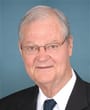 Rep. Ike SkeltonD-MO-4
- Rep. Beryl AnthonyD-AR-4
- Rep. Jake PickleD-TX-10
- Rep. Neal SmithD-IA-4
- Rep. Ronnie FlippoD-AL-5
- Rep. Butler DerrickD-SC-3
- Rep. Ike AndrewsD-NC-4
- Rep. Patricia SchroederD-CO-1
- Rep. Wes WatkinsD-OK-3
- Rep. Les AuCoinD-OR-1
- Rep. Charles BrittD-NC-6
- Rep. William ChappellD-FL-4
- Rep. Charles WhitleyD-NC-3
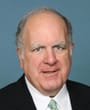 Rep. John SprattD-SC-5
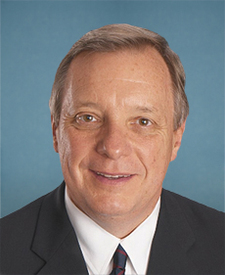 Rep. Richard DurbinD-IL-20
- Rep. Abraham KazenD-TX-23
- Rep. Daniel MicaD-FL-14
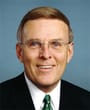 Rep. Byron DorganD-ND
 Rep. Jim CooperD-TN-4
- Rep. Stephen NealD-NC-5
- Rep. Romano MazzoliD-KY-3
- Rep. Royden DysonD-MD-1
- Rep. Austin MurphyD-PA-22
- Rep. Harold VolkmerD-MO-9
- Rep. James RowlandD-GA-8
- Rep. Glenn AndersonD-CA-32
- Rep. Lee HamiltonD-IN-9
- Rep. Timothy PennyD-MN-1
- Rep. Norman D’AmoursD-NH-1
- Rep. Robert ThomasD-GA-1
- Rep. Samuel StrattonD-NY-23
- Rep. Norman SisiskyD-VA-4
- Rep. William LipinskiD-IL-5
- Rep. Daniel GlickmanD-KS-4
- Rep. David McCurdyD-OK-4
- Rep. Philip SharpD-IN-2
- Rep. Sam GibbonsD-FL-7
- Rep. Douglas ApplegateD-OH-18
- Rep. William HughesD-NJ-2
 Rep. Thomas CarperD-DE
- Rep. Kent HanceD-TX-19
- Rep. Buddy MacKayD-FL-6
- Rep. Michael AndrewsD-TX-25
- Rep. Tim ValentineD-NC-2
- Rep. James JonesD-OK-1
- Rep. Ben ErdreichD-AL-6
- Rep. Buddy DardenD-GA-7
- Rep. James OlinD-VA-6
- Rep. Charles BennettD-FL-3
- Rep. Ed JenkinsD-GA-9
- Rep. Jack HightowerD-TX-13
- Rep. Elliott LevitasD-GA-4
 Rep. Bill NelsonD-FL-11
- Rep. Marilyn LloydD-TN-3
- Rep. Andrew JacobsD-IN-10
- Rep. James SlatteryD-KS-2
- Rep. Beverly ByronD-MD-6
- Rep. Earl HuttoD-FL-1
- Rep. William NicholsD-AL-3
- Rep. Glenn EnglishD-OK-6
- Rep. John BreauxD-LA-7
- Rep. Carroll HubbardD-KY-1
- Rep. Druie BarnardD-GA-10
- Rep. Thomas HuckabyD-LA-5
- Rep. William PatmanD-TX-14
- Rep. Tommy VandergriffD-TX-26
 Rep. Richard ShelbyD-AL-7
- Rep. Billy TauzinD-LA-3
- Rep. Richard RayD-GA-3
 Rep. Ralph HallD-TX-4
- Rep. Sam HallD-TX-1
- Rep. James LeathD-TX-11
- Rep. Andy IrelandD-FL-10
- Rep. Sonny MontgomeryD-MS-3
- Rep. Buddy RoemerD-LA-4
- Rep. Dan DanielD-VA-5
- Rep. Charlie StenholmD-TX-17
Republicans who voted yea(154)
- Rep. Claudine SchneiderR-RI-2
- Rep. Silvio ConteR-MA-1
- Rep. Stewart McKinneyR-CT-4
- Rep. Bill GreenR-NY-15
- Rep. Frank HortonR-NY-29
- Rep. Sherry BoehlertR-NY-25
- Rep. Matthew RinaldoR-NJ-7
- Rep. Jim JeffordsR-VT
- Rep. Lyle WilliamsR-OH-17
- Rep. Benjamin GilmanR-NY-22
 Rep. Chris SmithR-NJ-4
 Rep. Olympia SnoweR-ME-2
- Rep. Joseph McDadeR-PA-10
- Rep. Hamilton FishR-NY-21
- Rep. Robert DavisR-MI-11
- Rep. Jim LeachR-IA-1
- Rep. John McKernanR-ME-1
- Rep. Nancy JohnsonR-CT-6
- Rep. Thomas RidgeR-PA-21
- Rep. Marge RoukemaR-NJ-5
- Rep. Joel PritchardR-WA-1
- Rep. George O’BrienR-IL-4
- Rep. Carl PursellR-MI-2
- Rep. Harold SawyerR-MI-5
- Rep. John DuncanR-TN-2
- Rep. William ClingerR-PA-23
 Rep. Ralph RegulaR-OH-16
- Rep. Sidney MorrisonR-WA-4
- Rep. Rodney ChandlerR-WA-8
- Rep. Earl ColemanR-MO-6
- Rep. Robert CoughlinR-PA-13
- Rep. John MyersR-IN-7
- Rep. Norman LentR-NY-4
- Rep. James QuillenR-TN-1
- Rep. Doug BereuterR-NE-1
- Rep. David MartinR-NY-26
- Rep. Guy MolinariR-NY-14
 Rep. Don YoungR-AK
- Rep. John HammerschmidtR-AR-3
- Rep. Marion SnyderR-KY-4
- Rep. John PorterR-IL-10
- Rep. Steven GundersonR-WI-3
- Rep. Edward MadiganR-IL-15
 Rep. Frank WolfR-VA-10
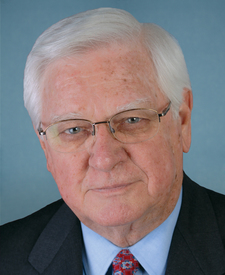 Rep. Hal RogersR-KY-5
- Rep. Raymond McGrathR-NY-5
- Rep. Thomas EvansR-IA-3
- Rep. Elwood HillisR-IN-5
- Rep. Virginia SmithR-NE-3
- Rep. Chalmers WylieR-OH-15
- Rep. Guy Vander JagtR-MI-9
- Rep. Thomas TaukeR-IA-2
- Rep. William MooreR-LA-6
- Rep. Stanford ParrisR-VA-8
- Rep. George WortleyR-NY-27
- Rep. George WhitehurstR-VA-2
 Rep. W. Bill YoungR-FL-8
- Rep. James CourterR-NJ-12
- Rep. Willis GradisonR-OH-2
- Rep. Gene TaylorR-MO-7
- Rep. Thomas LewisR-FL-12
- Rep. Arlan StangelandR-MN-7
- Rep. Toby RothR-WI-8
- Rep. Herbert BatemanR-VA-1
- Rep. Manuel LujánR-NM-1
- Rep. Donald SundquistR-TN-7
 Rep. Tom PetriR-WI-6
- Rep. William CarneyR-NY-1
- Rep. Ronald MarleneeR-MT-2
- Rep. William GoodlingR-PA-19
- Rep. William FranklinR-MS-2
- Rep. Bobbi FiedlerR-CA-21
- Rep. Richard SchulzeR-PA-5
- Rep. Robert SmithR-OR-2
- Rep. Robert MichelR-IL-18
- Rep. Edwin BethuneR-AR-2
- Rep. Floyd SpenceR-SC-2
- Rep. Jack KempR-NY-31
- Rep. Edwin ZschauR-CA-12
- Rep. Lynn MartinR-IL-16
 Rep. Jerry LewisR-CA-35
- Rep. William BroomfieldR-MI-18
- Rep. Carroll CampbellR-SC-4
- Rep. Donald RitterR-PA-15
- Rep. Larry HopkinsR-KY-6
- Rep. William LoweryR-CA-41
- Rep. John KasichR-OH-12
- Rep. Bob McEwenR-OH-6
- Rep. Henry HydeR-IL-6
- Rep. Charles PashayanR-CA-17
- Rep. James MartinR-NC-9
- Rep. Larry WinnR-KS-3
- Rep. Robert WhittakerR-KS-5
- Rep. Robert LivingstonR-LA-1
- Rep. Robert LagomarsinoR-CA-19
- Rep. Mickey EdwardsR-OK-5
- Rep. Tom BlileyR-VA-3
- Rep. Marjorie HoltR-MD-4
 Rep. John McCainR-AZ-1
- Rep. Clay ShawR-FL-15
- Rep. Joseph SkeenR-NM-2
- Rep. James RobinsonR-VA-7
 Rep. Trent LottR-MS-5
- Rep. Bill EmersonR-MO-8
 Rep. Duncan HunterR-CA-45
- Rep. George GekasR-PA-17
- Rep. John ErlenbornR-IL-13
- Rep. Hal DaubR-NE-2
- Rep. Michael OxleyR-OH-4
- Rep. Bill ThomasR-CA-20
 Rep. Daniel CoatsR-IN-4
- Rep. James BroyhillR-NC-10
- Rep. Clarence MillerR-OH-10
- Rep. Thomas CorcoranR-IL-14
- Rep. Thomas KindnessR-OH-8
- Rep. William DickinsonR-AL-2
- Rep. Eugene ChappieR-CA-2
- Rep. Mark SiljanderR-MI-4
- Rep. Michael BilirakisR-FL-9
- Rep. Bill McCollumR-FL-5
- Rep. Mike DeWineR-OH-7
- Rep. Eldon RuddR-AZ-4
- Rep. John WeberR-MN-2
- Rep. Kenneth KramerR-CO-5
- Rep. Ron PackardR-CA-43
- Rep. Bud ShusterR-PA-9
- Rep. Thomas LoefflerR-TX-21
 Rep. Judd GreggR-NH-2
- Rep. Barber ConableR-NY-30
- Rep. William FrenzelR-MN-3
- Rep. Delbert LattaR-OH-5
- Rep. Alfred McCandlessR-CA-37
 Rep. Pat RobertsR-KS-1
- Rep. John HilerR-IN-3
- Rep. Carlos MoorheadR-CA-22
 Rep. James SensenbrennerR-WI-9
- Rep. Barbara VucanovichR-NV-2
- Rep. Jack FieldsR-TX-8
- Rep. Hank BrownR-CO-4
- Rep. Steve BartlettR-TX-3
- Rep. Bill ArcherR-TX-7
- Rep. Connie MackR-FL-13
 Rep. Larry CraigR-ID-1
- Rep. Gerald SolomonR-NY-24
- Rep. Dan SchaeferR-CO-6
 Rep. Daniel LungrenR-CA-42
- Rep. James HansenR-UT-1
- Rep. Robert BadhamR-CA-40
- Rep. Thomas HartnettR-SC-1
- Rep. Richard CheneyR-WY
 Rep. Dan BurtonR-IN-6
- Rep. Robert WalkerR-PA-16
 Rep. David DreierR-CA-33
- Rep. Denny SmithR-OR-5
Data notes
The House’s recorded vote on the final version of the law (roll call 781 in Voteview), matched to the vote the record cites and checked against its totals. Positions are each member’s DW-NOMINATE score for that Congress, as on the Ideology page; left to right is more liberal to more conservative. Paired and announced yea votes count as yea. Lists follow the compass, most liberal first. A name links to a profile only for members of the current Congress. A law passed by voice vote or unanimous consent has no member list, and neither does a vote Voteview has not yet recorded.
Committees
The committees the bill was sent to, and what each did with it.

- Science, Space, and Technology Committee · House · hearings by (full committee), markup by, referred to, reported by
 Health, Education, Labor, and Pensions Committee · Senate · discharged from, referred toSubcommittee: Employment, Safety, and Training Subcommittee
Data notes
A committee links to its page only where it exists in the current Congress; older and renamed committees are named without a link.
Timeline
From introduction to signing, newest first: the committees, the floor and the president. 22 actions.
- Aug 11, 1984Became lawBecame law · Became Public Law No: 98-377.
- Became lawBecame law · Signed by President.
- Aug 3, 1984PresidentPresident · Presented to President.
- Jul 25, 1984Resolving differencesResolving differences · Pursuant to H.Res.554, the Entire Senate Amendment was Agreed to.
- Resolving differencesResolving differences · Pursuant to H.Res.554, a Motion to Suspend the Rules and Concur in Titles I through VII of the Senate Amendment was Agreed to by Yea-Nay Vote: 393-15 (Record Vote No: 314).House roll call 314
- Resolving differencesResolving differences · Pursuant to H.Res.554, a Motion to Suspend the Rules and Concur in Title VIII of the Senate Amendment was Agreed to by Yea-Nay Vote: 337-77 (Record Vote No: 313).House roll call 313
- OtherOther · Resolving differences -- House actions: Pursuant to H.Res.554, a Motion to Suspend the Rules and Concur in Titles I through VII of the Senate Amendment was Agreed to by Yea-Nay Vote: 393-15 (Record Vote No: 314).House roll call 314
- OtherOther · Resolving differences -- House actions: Pursuant to H.Res.554, a Motion to Suspend the Rules and Concur in Title VIII of the Senate Amendment was Agreed to by Yea-Nay Vote: 337-77 (Record Vote No: 313).House roll call 313
- Jun 27, 1984FloorFloor · Passed Senate in lieu of S. 1285 with an amendment by Voice Vote.
- CommitteeCommittee · Discharged from Senate Health, Education, Labor, and Pensions Committee
- Mar 14, 1983CommitteeCommittee · Referred to Employment, Safety, and Training Subcommittee of the Senate Health, Education, Labor, and Pensions Committee
- Mar 8, 1983CommitteeCommittee · Referred to Senate Health, Education, Labor, and Pensions Committee
- Mar 2, 1983FloorFloor · Passed House (Amended) by Yea-Nay Vote: 348 - 54 (Record Vote No: 14).House roll call 14
- FloorFloor · Rule Passed House.
- Feb 25, 1983CommitteeCommittee · Reported by House Science, Space, and Technology Committee
- Feb 22, 1983CommitteeCommittee · Markup by House Science, Space, and Technology Committee
- Feb 17, 1983CommitteeCommittee · Reported by House Education and Workforce Committee
- Feb 16, 1983CommitteeCommittee · Hearings by House Science, Space, and Technology Committee
- Feb 8, 1983CommitteeCommittee · Markup by House Education and Workforce Committee
- CommitteeCommittee · Referred to House Education and Workforce Committee
- CommitteeCommittee · Referred to House Science, Space, and Technology Committee
- IntroducedIntroduced · Introduced in the House
Data notes
Shows the introduction, each committee and subcommittee step the source dates (referral, hearings, markup, report, discharge), and the floor, conference, presidential and became-law steps. Calendar placements, messages between the chambers, amendments and committee report numbers are not shown for laws before the 108th Congress. Two entries the source lists twice are shown once.
Official record
The bill’s full text and every action, including introduction and committee steps, are on Congress.gov. Data through Oct 7, 2026.