International Development Cooperation Act of 1979
Public Law 96-53 · H.R. 3324 · 96th Congress · began in the House
Signed by Jimmy Carter (D) on Aug 14, 1979 · International Affairs
Sponsor: Rep. Clement Zablocki (D-WI-4)
Cosponsors (12): Rep. Dante Fascell, Rep. Lee Hamilton,
Passage votesYeaNay
- HouseRecorded vote: 223 yea, 181 nay223–181
- SenateMethod not stated
Data notes
The final version of the law, as each chamber passed it. A chamber that passed it by voice vote or unanimous consent has no count. “Method not stated” means the record does not say how the chamber voted. Where the record has a member-by-member vote, the “Who voted for it” section shows who voted yea.
Summary
The Congressional Research Service’s plain-language summary of what the law does.
International Development Cooperation Act of 1979 - =Title I: Development Assistance= - Amends the Foreign Assistance Act of 1961 to authorize appropriations for fiscal year 1980 for: (1) agriculture, rural development, and nutrition (with an emphasis on forestry projects); (2) population and health (including funds for the John Sparkman Center for International Public Health Education at the University of Alabama); (3) education and human resources development; (4) technical assistance for energy, research, reconstruction, and selected development problems; (5) human rights studies and activities; (6) Sahel development program; (7) American schools and hospitals abroad; (8) international organizations and programs; (9) international disaster assistance; (10) assistance to African refugees; (11) reimbursable development programs; and (12) operating expenses.
Includes energy development and production as part of the United States' development assistance policy. Authorizes the President to furnish such assistance with a specified amount to encourage exploration for potential oil, natural gas, and coal reserves in developing countries. Excludes members of the Organization of Petroleum Exporting Countries from receiving such assistance. Authorizes the President to include in the cooperative energy programs with developing countries; (1) research and development of small-scale, decentralized renewable energy sources for rural areas; (2) research and development of suitable energy technology; (3) analysis of energy needs and resources; (4) training; and (5) scientific interchanges.
Sets limits on the aggregate amount of interest that may be waived or amounts that may be paid into local currency accounts of the relatively least developed countries.
Requires agencies planning development assistance programs for countries in which there is illicit narcotics cultivation to give priority consideration to programs which would reduce such cultivation by stimulating broader development opportunities.
Increases the amount of housing guaranties that may be outstanding at any one time. Extends the housing guaranty program and the agricultural credit and self-help community development program through September 30, 1982. Authorizes pilot programs in six Latin American countries for agricultural credit and self-help community development projects. Increases the total amount of guaranties that may be outstanding. Repeals the minimum interest rate with regard to such housing guaranties. Repeals the requirement that housing guaranties be for specific types of projects. Specifies an amount to be issued for housing guaranties in Israel and Egypt.
Requires, to the maximum extent practicable, that any university research done in accordance with such Act in the developing countries themselves: (1) be directly related to the needs of the developing countries; (2) be carried out within the developing countries; (3) be adapted to local circumstances; (4) provide for the most effective interrelationship between research, education, and extension in promoting agricultural development in developing countries; and (5) emphasize the improvement of local systems for delivering the best available knowledge to the small farmers of such countries.
Earmarks a specified amount for voluntary contributions to the United Nations Relief and Works Agency for Palestine Refugees. Conditions the obligation of more than a certain amount of such funds upon the President's certification to the Congress that contributions above such level have been matched by equivalent contributions by members of the Organization of Petroleum Exporting Countries.
Revises the procedure for the computation of benefits and costs of water or land resource construction projects.
Permits the use of private voluntary agencies in carrying out certain assistance projects if such agencies are registered with the Agency for International Development.
Repeals: (1) the South African educational assistance program; and (2) the requirement of a Presidential report to Congress concerning major environment and natural resource problems; and (3) the exclusion of assistance to countries seizing or penalizing U.S. fishing vessels in international waters. Makes other technical changes.
Amends the International Development and Food Assistance Act of 1977 to designate the minority business section as the Minority Resource Center to be responsible for increasing participation of economically and socially disadvantaged business enterprises in foreign contract, procurement, grant, and research and development activities.
Directs the center to: (1) establish, maintain, and disseminate information as an international clearinghouse to furnish such business enterprises information regarding business opportunities in developing assistance programs; (2) design and conduct programs to encourage, promote, and assist such enterprises to secure contracts under such programs; (3) conduct market research, planning, economic and business analyses, and feasibility studies to identify business opportunities in such programs; (4) develop support mechanisms which would enable such businesses to take advantage of opportunities in such programs; and (5) enter into contracts, cooperative agreements, or other transactions as may be necessary.
Directs the Administrator of the Agency for International Development to report to the Congress annually on the activities of the Center.
Authorizes appropriations to carry out the provisions of this Title.
Permits the Administrator to consolidate the Center with the Office of Small and Disadvantaged Business Utilization.
Prohibits the use of appropriated funds for assistance to the Republic of Panama, its agencies or instrumentalities, unless the President determines that it is in the U.S. national interest.
Expresses the sense of Congress that the United States should provide significantly increased resources for development programs in Latin America and the Caribbean.
Expresses the sense of Congress that the President should negotiate with those nations with adequate financial resources to increase their contributions for development assistance through multilateral programs.
=Title II: Food for Peace= - Amends the Agricultural Trade Development and Assistance Act of 1954 to direct the President to give consideration to expanding markets for local foodstuffs, as well as U.S. agricultural commodities, by increasing demand and stimulating economic growth.
Requires entities distributing commodities to work with and support indigenous institutions. Stipulates that agreements allowing the sale of commodities for foreign currency provide that the currency be used to alleviate the causes of the need for assistance as well as increase the effectiveness of food distribution and the availability of food. Authorizes the value of U.S. agricultural commodities to be applied by the recipient country against its repayment obligation under the Food for Development Program.
Stipulates that consideration in carrying out Food for Development projects be given to programs using U.S. agriculture to further economic development and increase food production.
Deletes the requirement that a country's utilization proposal include an annual plan for the intended uses of the commodities only for the years such funds are to be disbursed.
Permits the value of the commodities or amounts received from the sale of commodities to be used against the recipient country's credit obligation to the Commodity Credit Corporation. Requires recipient countries to include in their report to the President a description of how the commodities were used. Requires the President to include in the annual report a review of agreements providing for the use of the value of agricultural commodities when the funds or commodities were not fully disbursed the preceding year.
Requires the President to take precautions that emergency commodity distributions do not interfere with local food production or marketing in the recipient country.
Requires the use of agricultural commodities under this Act for humanitarian and developmental objectives, as well as expansion of U.S. and recipient countries' agricultural commodity markets. Directs the carrying out of country assessments in order to determine the types and quantities of agricultural commodities needed.
Stipulates that commodities shall be made available on a multiyear basis to the maximum extent possible.
=Title III: Peace Corps= - Amends the Peace Corps Act to authorize appropriations for the Peace Corps through fiscal year 1980. Permits persons who have served at least 36 months in a Foreign Service Reserve or Staff appointment, to be appointed to a Federal position in the competitive service or in an established merit system in the excepted service, until Congress enacts Foreign Service personnel reform legislation.
=Title IV: Institute for Scientific and Technological Cooperation= - Authorizes the President to establish an Institute for Scientific and Technological Cooperation to: (1) assist developing countries to strengthen their technological capacity; (2) foster the exchange of scientists and other technical experts with developing countries; and (3) advise other Federal agencies and U.S. businesses as to scientific and technological cooperation with developing countries.
Authorizes the President to establish a Council on International Scientific and Technical Cooperation to advise the Institute. Requires the Institute Director to seek the Council's advice regarding: (1) any significant change in Institute's activities; and (2) any new programs or initiatives.
Authorizes the President to award Institute fellowships to citizens and foreigners in the fields of scientific, technological, economic or social endeavor. Directs Council members and Institute Fellows to avoid any action creating a conflict of interest.
Authorizes appropriations to carry out the provisions of this title through fiscal year 1980. Requires the President to submit annual reports to Congress on the Institute's operations, including: (1) a discussion of the impact of the Institute's programs; and (2) the percentage of funds used to further the development assistance policies. Stipulates that the Institute shall be established in an International Development Cooperation Agency, when such agency is established. Terminates the authorities contained in this title at the end of fiscal year 1984.
=Title V: Miscellaneous Provisions= - Earmarks a portion of the unobligated funds in the Middle East Special Requirements Fund for Lebanon.
Increases the authorization of appropriations for military assistance to be used for Sudan.
Amends the International Development and Food Assistance Act of 1978 to change from March 15, 1979 to May 1, 1979, the date by which the President shall submit to the Congress regulations establishing a uniform personnel system for all employees responsible for administering programs under certain provisions of the Foreign Assistance Act of 1961.
Directs the Secretary to include in the annual report on human rights practices, a report on such practices by countries which do not receive assistance but are members of the United Nations. Directs the Secretary to report to Congress on the impact on U.S. foreign relations of the reports on the human rights practices of foreign governments.
Prohibits the use of any funds authorized to furnish assistance to Afghanistan until the President certifies to Congress that the Government of Afghanistan: (1) has apologized officially and assumes responsibility for the death of Ambassador Adolph Dubs; and (2) agrees to provide adequate protection for all United States personnel in Afghanistan.
Prohibits the use of funds authorized to be appropriated in this Act for any form of aid, either by monetary payments or by sale or transfer of goods, to the Socialist Republic of Vietnam, Cambodia, or Cuba.
Urges all nations to become parties to the Treaty on Non-Proliferation of Nuclear Weapons. Directs the Secretary to report to Congress regarding the Department's implementation of this provision.
Directs the Administrator of the agency primarily responsible for administering loan repayments to conduct an annual review of bilateral concessional loan balances, and to determine and identify those countries whose financial resources make possible accelerated loan repayments. Requires that the criteria used in making such determinations be established in conjunction with the Committee on Foreign Affairs of the House of Representatives and the Committee on Foreign Relations of the Senate. Provides that an annual report of the status of such accelerated loan repayment shall be made to such committees.
Expresses the sense of Congress that the President should continue to support the U.N. Secretary General's efforts to use appropriate fora to deal with the refugee crisis in Southeast Asia.
Requires the President to study and report to Congress concerning the prospects for permanent resettlement of Indochinese refugees.
Provides additional travel allowances for dependents of employees of the State Department, the International Communication Agency, and the Agency for International Development.
Permits assistance to be furnished to any country significantly improving its human rights record.
Sets forth the effective date of this Act as October 1, 1979, unless otherwise provided.
Who voted for it
Every House member of the 96th Congress on the ideology compass. Highlighted: the 225 who voted yea on final passage. Faded: everyone else, including those who voted nay, did not vote, or had not yet taken office.
225 yea181 nay28 present or did not vote
Democrats who voted yea(177)
- Rep. Parren MitchellD-MD-7
- Rep. Phillip BurtonD-CA-6
- Rep. Robert GarciaD-NY-21
- Rep. Louis StokesD-OH-21
- Rep. Ronald DellumsD-CA-8
- Rep. Frederick RichmondD-NY-14
- Rep. Edward RoybalD-CA-25
- Rep. Anthony BeilensonD-CA-23
- Rep. Don EdwardsD-CA-10
- Rep. Henry GonzálezD-TX-20
- Rep. Mickey LelandD-TX-18
- Rep. James CormanD-CA-21
- Rep. Edward PattenD-NJ-15
- Rep. James ScheuerD-NY-11
- Rep. Robert EckhardtD-TX-8
- Rep. Paul SimonD-IL-24
- Rep. William GrayD-PA-2
- Rep. Jonathan BinghamD-NY-22
- Rep. Theodore WeissD-NY-20
- Rep. Julian DixonD-CA-28
- Rep. Shirley ChisholmD-NY-12
- Rep. David BoniorD-MI-12
- Rep. Bill ClayD-MO-1
- Rep. Bennett StewartD-IL-1
- Rep. William LehmanD-FL-13
- Rep. Dante FascellD-FL-15
- Rep. Sidney YatesD-IL-9
- Rep. Stephen SolarzD-NY-13
- Rep. George BrownD-CA-36
- Rep. George DanielsonD-CA-30
- Rep. Abner MikvaD-IL-10
- Rep. John SeiberlingD-OH-14
- Rep. Charles PriceD-IL-23
- Rep. Lucien NedziD-MI-14
- Rep. Gus HawkinsD-CA-29
- Rep. William FordD-MI-15
- Rep. Daniel RostenkowskiD-IL-8
- Rep. Henry ReussD-WI-5
- Rep. John BrademasD-IN-3
- Rep. Frank ThompsonD-NJ-4
- Rep. Claude PepperD-FL-14
- Rep. Martin SaboD-MN-5
- Rep. Thomas AshleyD-OH-9
 Rep. James OberstarD-MN-8
- Rep. Richard OttingerD-NY-24
- Rep. William MoorheadD-PA-14
 Rep. John DingellD-MI-16
- Rep. William BrodheadD-MI-17
- Rep. James ShannonD-MA-5
- Rep. Robert KastenmeierD-WI-2
- Rep. Lionel Van DeerlinD-CA-42
 Rep. Dave ObeyD-WI-7
- Rep. Peter RodinoD-NJ-10
- Rep. John FaryD-IL-5
- Rep. Cardiss CollinsD-IL-7
- Rep. Morgan MurphyD-IL-2
- Rep. Norman MinetaD-CA-13
- Rep. Victor FazioD-CA-4
- Rep. Bruce VentoD-MN-4
 Rep. Henry WaxmanD-CA-24
- Rep. Robert MatsuiD-CA-3
- Rep. Harold FordD-TN-8
- Rep. William BurlisonD-MO-10
- Rep. James WrightD-TX-12
- Rep. Bill AlexanderD-AR-1
- Rep. Elizabeth HoltzmanD-NY-16
- Rep. James BlanchardD-MI-18
- Rep. Alvin BaldusD-WI-3
- Rep. Harold JohnsonD-CA-1
- Rep. John MoakleyD-MA-9
- Rep. Gerry StuddsD-MA-12
- Rep. Frank AnnunzioD-IL-11
- Rep. Charles VanikD-OH-22
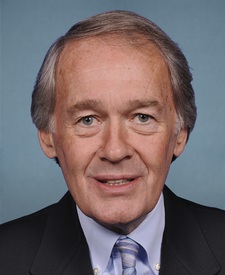 Rep. Ed MarkeyD-MA-7
- Rep. Clement ZablockiD-WI-4
- Rep. Joseph AddabboD-NY-7
- Rep. Albert UllmanD-OR-2
- Rep. Jerry PattersonD-CA-38
- Rep. Toby MoffettD-CT-6
- Rep. Gene MaguireD-NJ-7
- Rep. Gillis LongD-LA-8
- Rep. James HowardD-NJ-3
 Rep. Barbara MikulskiD-MD-3
- Rep. Lindy BoggsD-LA-2
- Rep. Edward StackD-FL-12
- Rep. John MurphyD-NY-17
- Rep. Allan SwiftD-WA-2
- Rep. Michael LowryD-WA-7
- Rep. Michael BarnesD-MD-8
- Rep. Ozzie MyersD-PA-1
- Rep. Matthew McHughD-NY-27
- Rep. Tony HallD-OH-3
- Rep. Raymond LedererD-PA-3
- Rep. Peter PeyserD-NY-23
- Rep. Leslie AspinD-WI-1
- Rep. Robert MollohanD-WV-1
- Rep. Don BonkerD-WA-3
- Rep. Geraldine FerraroD-NY-9
- Rep. Howard WolpeD-MI-3
 Rep. John MurthaD-PA-12
- Rep. Timothy WirthD-CO-2
- Rep. Thomas FoleyD-WA-5
- Rep. Mike McCormackD-WA-4
- Rep. Bob CarrD-MI-6
- Rep. Robert DuncanD-OR-3
- Rep. William RatchfordD-CT-5
- Rep. Mario BiaggiD-NY-10
- Rep. Albert GoreD-TN-4
- Rep. James FlorioD-NJ-1
- Rep. Herbert HarrisD-VA-8
- Rep. Thomas SteedD-OK-4
 Rep. Christopher DoddD-CT-2
- Rep. Fernand St. GermainD-RI-1
- Rep. Mary OakarD-OH-20
- Rep. Morris UdallD-AZ-2
 Rep. Dale KildeeD-MI-7
- Rep. John LaFalceD-NY-36
- Rep. Henry NowakD-NY-37
- Rep. Donald PeaseD-OH-13
- Rep. James HanleyD-NY-32
 Rep. Norm DicksD-WA-6
- Rep. Joseph FisherD-VA-10
- Rep. Gladys SpellmanD-MD-5
- Rep. Jerome TraxlerD-MI-8
- Rep. Robert EdgarD-PA-7
- Rep. Edward BolandD-MA-2
- Rep. Lunsford PreyerD-NC-6
- Rep. William CotterD-CT-1
- Rep. Dick GephardtD-MO-3
- Rep. Stanley LundineD-NY-39
- Rep. Cecil HeftelD-HI-1
- Rep. Leo ZeferettiD-NY-15
- Rep. Martin FrostD-TX-24
- Rep. Frank GuariniD-NJ-14
- Rep. Robert RoeD-NJ-8
- Rep. Raymond KogovsekD-CO-3
- Rep. Lester WolffD-NY-6
- Rep. Joseph MinishD-NJ-11
- Rep. Mendel DavisD-SC-1
- Rep. Nicholas MavroulesD-MA-6
- Rep. Sam GibbonsD-FL-7
- Rep. Peter KostmayerD-PA-8
- Rep. Neal SmithD-IA-4
- Rep. Beryl AnthonyD-AR-4
- Rep. John CavanaughD-NE-2
- Rep. Berkley BedellD-IA-6
- Rep. Adam BenjaminD-IN-1
- Rep. Carl PerkinsD-KY-7
- Rep. Les AuCoinD-OR-1
- Rep. Douglas WalgrenD-PA-18
- Rep. Clarence LongD-MD-2
- Rep. Wyche FowlerD-GA-5
- Rep. James LloydD-CA-35
- Rep. John WilliamsD-MT-1
 Rep. Ike SkeltonD-MO-4
 Rep. Tom HarkinD-IA-5
- Rep. Brian DonnellyD-MA-11
- Rep. Leon PanettaD-CA-16
- Rep. William NatcherD-KY-2
- Rep. Glenn AndersonD-CA-32
- Rep. Allen ErtelD-PA-17
- Rep. Romano MazzoliD-KY-3
- Rep. Koln McKayD-UT-1
- Rep. Floyd FithianD-IN-2
- Rep. Norman D’AmoursD-NH-1
- Rep. Daniel MicaD-FL-11
- Rep. Thomas LukenD-OH-2
- Rep. Jerome AmbroD-NY-3
 Rep. Bill NelsonD-FL-9
- Rep. Joseph EarlyD-MA-3
- Rep. Lee HamiltonD-IN-9
- Rep. Philip SharpD-IN-10
- Rep. Billy EvansD-GA-8
- Rep. Daniel GlickmanD-KS-4
- Rep. Andy IrelandD-FL-8
- Rep. Gus YatronD-PA-6
- Rep. Carroll HubbardD-KY-1
Republicans who voted yea(48)
- Rep. Stewart McKinneyR-CT-4
- Rep. John AndersonR-IL-16
- Rep. Bill GreenR-NY-18
- Rep. Harold HollenbeckR-NJ-9
- Rep. Silvio ConteR-MA-1
- Rep. Pete McCloskeyR-CA-12
- Rep. Marc MarksR-PA-24
- Rep. Charles DoughertyR-PA-4
- Rep. Margaret HecklerR-MA-10
- Rep. Carl PursellR-MI-2
- Rep. Benjamin GilmanR-NY-26
- Rep. Matthew RinaldoR-NJ-12
- Rep. John BuchananR-AL-6
- Rep. Joel PritchardR-WA-1
- Rep. Thomas RailsbackR-IL-19
- Rep. Hamilton FishR-NY-25
- Rep. Tim CarterR-KY-5
- Rep. Jim JeffordsR-VT
- Rep. Jim JohnsonR-CO-4
- Rep. John StantonR-OH-11
- Rep. Paul FindleyR-IL-20
- Rep. Norman LentR-NY-4
- Rep. Millicent FenwickR-NJ-5
 Rep. Olympia SnoweR-ME-2
- Rep. Henry HydeR-IL-6
- Rep. William ClingerR-PA-23
- Rep. Jim LeachR-IA-1
- Rep. Thomas EvansR-DE
- Rep. Edward MadiganR-IL-21
- Rep. William RoyerR-CA-11
- Rep. Robert CoughlinR-PA-13
- Rep. Larry WinnR-KS-3
- Rep. Robert McCloryR-IL-13
- Rep. John ErlenbornR-IL-14
- Rep. Arlen ErdahlR-MN-1
- Rep. Bob WilsonR-CA-41
- Rep. Doug BereuterR-NE-1
- Rep. Willis GradisonR-OH-1
- Rep. Tennyson GuyerR-OH-4
- Rep. Jack KempR-NY-38
- Rep. William BroomfieldR-MI-19
- Rep. James CourterR-NJ-13
- Rep. William FrenzelR-MN-3
- Rep. Edwin ForsytheR-NJ-6
 Rep. Jerry LewisR-CA-37
- Rep. Barber ConableR-NY-35
- Rep. Robert DornanR-CA-27
- Rep. William GoodlingR-PA-19
Data notes
The House’s recorded vote on the final version of the law (roll call 390 in Voteview), matched to the vote the record cites and checked against its totals. Positions are each member’s DW-NOMINATE score for that Congress, as on the Ideology page; left to right is more liberal to more conservative. Paired and announced yea votes count as yea. Lists follow the compass, most liberal first. A name links to a profile only for members of the current Congress. A law passed by voice vote or unanimous consent has no member list, and neither does a vote Voteview has not yet recorded.
Committees
The committees the bill was sent to, and what each did with it.


Data notes
A committee links to its page only where it exists in the current Congress; older and renamed committees are named without a link.
Timeline
From introduction to signing, newest first: the committees, the floor and the president. 22 actions.
- Aug 14, 1979Became lawBecame law · Signed by President.
- PresidentPresident · Public Law 96-53.
- Aug 3, 1979PresidentPresident · Measure presented to President.
- PresidentPresident · Measure enrolled in Senate.
- PresidentPresident · Measure enrolled in House.
- Aug 2, 1979Resolving differencesResolving differences · House agreed to conference report, roll call #430 (223-181).House roll call 430
- Resolving differencesResolving differences · Conference report agreed to in House: House agreed to conference report, roll call #430 (223-181).House roll call 430
- Jul 31, 1979Resolving differencesResolving differences · Senate agreed to conference report.
- Resolving differencesResolving differences · Conference report agreed to in Senate: Senate agreed to conference report.
- Jul 27, 1979Resolving differencesResolving differences · Conference report filed in House, H. Rept. 96-397.
- Resolving differencesResolving differences · Conference report filed: Conference report filed in House, H. Rept. 96-397.
- Jun 21, 1979Resolving differencesResolving differences · Conference scheduled in House.
- Jun 19, 1979Resolving differencesResolving differences · Conference scheduled in Senate.
- FloorFloor · Measure passed Senate, amended, in lieu of S. 588, roll call #137 (70-25).Senate roll call 137
- FloorFloor · Measure called up by unanimous consent in Senate.
- May 15, 1979CommitteeCommittee · Reported by Senate Foreign Relations Committee
- Apr 23, 1979CommitteeCommittee · Referred to Senate Foreign Relations Committee
- Apr 10, 1979FloorFloor · Measure passed House, amended, roll call #91 (200-173).House roll call 91
- FloorFloor · Motion to recommit to the Committee on Foreign Affairs rejected in House.
- Mar 31, 1979CommitteeCommittee · Reported by House Foreign Affairs Committee
- Mar 29, 1979CommitteeCommittee · Referred to House Foreign Affairs Committee
- IntroducedIntroduced · Introduced in the House
Data notes
Shows the introduction, each committee and subcommittee step the source dates (referral, hearings, markup, report, discharge), and the floor, conference, presidential and became-law steps. Calendar placements, messages between the chambers, amendments and committee report numbers are not shown for laws before the 108th Congress. Two entries the source lists twice are shown once.
Official record
The bill’s full text and every action, including introduction and committee steps, are on Congress.gov. Data through Oct 7, 2026.