Mental Health Systems Act
Public Law 96-398 · S. 1177 · 96th Congress · began in the Senate
Signed by Jimmy Carter (D) on Oct 7, 1980 · Health
Sponsor: Sen. Ted Kennedy (D-MA)
Cosponsors (5): Sen. Harrison Williams, Sen. Claiborne Pell,
Passage votesYeaNay
- HouseRecorded vote: 380 yea, 25 nay380–25
- SenateMethod not stated
Data notes
The final version of the law, as each chamber passed it. A chamber that passed it by voice vote or unanimous consent has no count. “Method not stated” means the record does not say how the chamber voted. Where the record has a member-by-member vote, the “Who voted for it” section shows who voted yea.
Summary
The Congressional Research Service’s plain-language summary of what the law does.
Mental Health Systems Act -
=Title I: General Provisions= - Defines "community mental health center" to mean an entity providing comprehensive mental health services to persons residing or working in a mental health service area, with special attention to the chronically mentally ill. Sets forth the services to be provided by such centers, including: (1) inpatient, outpatient, and emergency services; (2) consultation and education services; (3) assistance to courts and public agencies in placing such persons in treatment facilities; (4) specialized services for children and the elderly; and (5) half-way house services.
Requires a center to have: (1) a quality assurance program; (2) a medical records program; (3) a multidisciplinary professional advisory board; and (4) an administrative unit responsible for providing consultation and education services (unless waived by the Secretary of Health and Human Services).
Directs each State to designate a State mental health authority to be responsible for its mental health programs. Redesignates existing mental health areas as "mental health services areas." Directs that such areas, to the extent possible, conform to existing educational or political State subdivisions or to existing health service areas, and requires such authorities to review the boundaries of any nonconforming areas. Authorizes appropriations for fiscal years 1982-1984 to improve the administration of State mental health programs.
=Title II: Grant Programs= - Authorizes the Secretary to make nonconstruction operations grants to public and nonprofit private community mental health centers
(CMHCs). Prohibits approval of such a grant to a CMHC which has not received an operations grant under the Community Mental Health Centers Act unless the application is accompanied by assurances that the grant and all other funding sources the applicant CMHC may reasonably be expected to receive will cover the operating expenses for the year in which the grant is to be made. Limits grant eligibility to the first eight years of a CMHC's operation. Permits up to 50 percent of excess revenues to be carried over to the next fiscal year. Provides that the amount of the grant shall be the lesser of: (1) the amount equal to the amount by which a CMHC's annual operating costs exceed its revenues; or (2) a decreasing annual percentage of operating costs. Authorizes appropriations for fiscal years 1982-1984. Authorizes appropriations for fiscal years 1982-1991 for CMHC continuation grants.
Authorizes the Secretary to make grants to State mental health authorities, CMHCs, and other public and nonprofit private entities for services to the chronically mentally ill. Limits eligibility for such grants in a mental health service area to the State mental health authority or to a CMHC in that area. Stipulates that such limitation may be waived in order not to underserve an area. Directs that applications for projects designed to supplement and strengthen existing community support services be given special consideration. Prohibits an entity from receiving more than eight grants. Permits up to 50 percent of excess revenues to be carried over to the next fiscal year. Authorizes appropriations for fiscal years 1982-1984.
Authorizes the Secretary to make grants to State mental health authorities, CMHCs, and other public and nonprofit private entities for mental health services for severely disturbed children and adolescents and members of their families. Limits eligibility for such grants in a mental health service area to the State mental health authority or to a CMHC in that area. Stipulates that such limitation may be waived in order not to underserve an area. Prohibits an entity from receiving more than eight grants. Sets forth declining annual grant amounts. Permits up to 50 percent of excess revenues to be carried over to the next fiscal year. Authorizes appropriations for fiscal years 1982-1984.
Authorizes the Secretary to make grants to public and nonprofit private entities for mental health services for the elderly. Prohibits an entity from receiving more than eight grants. Sets forth maximum annual grant amounts. Authorizes the Secretary to make grants to public and nonprofit private entities for mental health services for priority population groups. Limits eligibility for such grants in a mental health service area to the State mental health authority or to a CMHC in that area. Stipulates that such limitation may be waived in order not to underserve an area. Prohibits: (1) more than two grants to a CMHC, or more than four grants to any other entity, for services to the same priority population; and (2) more than eight such grants in a fiscal year in any one mental health service area. Sets forth maximum annual grant amounts. Authorizes appropriations for fiscal years 1982-1984 for services for the elderly and for priority population groups. Permits up to 50 percent of excess revenues to be carried over to the next fiscal year. Stipulates that not less than 40 percent of such annual appropriations shall be obligated for services for the elderly.
Authorizes the Secretary to make grants to public or nonprofit private community mental health centers for nonrevenue producing services including: (1) consultation and educational services; (2) followup services; and (3) administrative and personnel services. Limits eligibility to those CMHCs which received a grant under this Act or under the Community Mental Health Centers Act and because of limitations on the duration or number of grants allowed are no longer eligible to receive such grant. Prohibits an entity from receiving more than five (nonrevenue) grants. Limits such grants to $1.25 per capita of the affected population. Authorizes appropriations for fiscal years 1982-1984.
Authorizes the Secretary to make grants to: (1) public or nonprofit private mental health care entities which provide emergency, outpatient, and educational services; or (2) ambulatory health care centers having mutual affiliation agreements to provide mental health services. Prohibits an entity from receiving more than eight grants. Sets forth declining annual grant amounts. Permits up to 50 percent of excess revenues to be carried over to the next fiscal year. Authorizes appropriations for fiscal years 1982-1984.
Authorizes the Secretary to make grants and enter into contracts for innovative projects, including employment-oriented retraining of personnel adversely affected by changes in the delivery of mental health services. Prohibits an entity from receiving more than five grants or contracts. Requires that at least 50 percent of the annual funds appropriated for such innovative project grants be obligated for personnel retraining.
Authorizes the Secretary to make grants to public or nonprofit private entities for projects for the prevention of mental illness and the promotion of mental health. Authorizes appropriations for fiscal years 1982-1984.
=Title III: General Provisions Respecting Grant Programs= - Prohibits any mental health entity in a State (including the State mental health authority) from receiving a grant under title II of this Act unless the State has in effect a mental health services program which: (1) has been prepared by the State mental health authority in consultation with the Statewide Health Coordinating Council; and (2) is consistent with applicable State mental health services provisions prepared in accordance with the Public Health Service Act.
States that a State mental health services plan shall consist of an administrative part and a services part. Requires the administrative part to provide for: (1) a State agency to administer the plan; (2) an advisory council to consult with such agency; (3) periodic reports to the Secretary and recordkeeping; (4) statistics collection; (5) periodic plan review and modification; (6) personnel standards on a merit basis; and (7) a plan for assistance to adversely-affected personnel. Requires the services part to: (1) identify the State's mental health service areas; (2) identify the needs and the adequacy of resources, and the methods used in making such evaluations; (3) identify measures to overcome geographic, economic, cultural, or linguistic barriers; (4) describe the legal rights of mentally ill persons; (5) describe measures to coordinate State and local services; (6) describe specified measures to be taken by the State mental health authority; and (7) describe services under relevant Federal statutes and actions taken to coordinate such services with State services.
Authorizes the Secretary to enter into an exclusive agreement with any qualified State mental health authority to administer programs under title II of this Act (other than innovative project grants and grants for the prevention of mental illness and the promotion of mental health). Sets forth qualification requirements for such authorities. Authorizes the Secretary to make operating cost grants to States which have entered into such agreements. Authorizes appropriations for fiscal years 1982-1984.
Requires a grant applicant to submit its application to the State mental health authority. Sets forth application processing procedures for situations in which the State authority is , or is not, the exclusive mental health services agent.
Prohibits a grant to be made under this Act without the approval of the Secretary. Sets forth additional application requirements for specified grants under title II of this Act including: (1) a financial plan and budget which shows funding sources and allocation, activities to be conducted, and target populations; (2) a statement of objectives; (3) in the case of any project under which health services are to be provided, assurances that the applicant: (a) has prepared a schedule of fees and discounts and has made reasonable effort to secure payment and reimbursement for services; and (b) will provide that all fees will be paid to the center and all services provided by health professionals will be performed only at the center; (4) arrangements, when necessary, for serving populations with limited English-speaking ability; (5) a system to assure that an employee who reports the applicant's failure to comply with applicable Federal or State law or regulations will not be discharged or discriminated against because of such report; (6) assurances that facilities meet State fire and safety codes; (7) assurances of reporting and recordkeeping accessibility; (8) assurances that funds under this Act will not supplant non-Federal funds; (9) assurances that the project is consistent with the State mental health services plan; (10) assurances of input by the public and interested groups and agencies; (11) assurances of coordination of services with other mental health and support services in the same area; and (12) with regard to operating grants and grants to serve the chronically mentally ill, information concerning prior and proposed experience with such persons.
Provides that Indian tribes or intertribal organizations may apply for grants: (1) directly to the Secretary; or (2) through the Indian Health Service. Prohibits the Secretary from approving such a direct application unless the Indian Health Service has certified that the application is consistent with the appropriate Tribal Specific Health Plan.
Requires the Secretary to: (1) provide an opportunity for submitting comments concerning a grant or contract under this Act; and (2) provide a statement of the reasons for disapproving any such grant or contract to the applicant and to the concerned State mental health authority.
Prohibits the Secretary from making any grant or contract payments unless the grantee has entered into a performance contract with the Secretary. Requires the Secretary to: (1) prescribe grantee performance standards; and (2) consider any prior performance under this Act by an applicant in determining whether or not to approve a new application. Provides that: (1) with the Secretary's approval, a grantee may use a portion of the grant for project evaluation; and (2) the Secretary may obligate in a fiscal year up to one percent of appropriations under this Act to monitor grantees.
Authorizes the Secretary, after giving notice and opportunity for a hearing, to discontinue funds for grantee noncompliance.
Amends the Public Health Service Act to require the Director of the Institute of Mental Health to designate an administrative unit to: (1) design national goals for the prevention of mental illness and the promotion of mental health; (2) assist State and local entities in achieving such goals; and (3) develop and coordinate related Federal efforts.
Authorizes: (1) the Secretary to use up to two percent of the annual appropriations under title II of this Act for technical assistance to any grantee; (2) a grantee to provide services indirectly through arrangements with other entities; and (3) the Secretary to provide grant funds under a cooperative agreement.
=Title IV: Associate Director for Minority Concerns= - Establishes as of October 1, 1981, the position of Associate Director for Minority Concerns within the National Institute of Mental Health. Directs the Secretary, acting through such Associate Director, to develop and coordinate prevention, treatment, and programs to assure increased emphasis on the mental health needs of minority populations.
=Title V: Mental Health Rights and Advocacy= - States that it is the sense of the Congress that each State should review and revise its laws to insure that mental health patients receive the protection and services they require. Sets forth a bill of rights for any person admitted to a mental health facility, including the right to: (1) appropriate treatment in a supportive and as nonrestrictive settling as possible; (2) individualized treatment and periodic review of such treatment and related services; (3) ongoing participation and input, to the extent possible, in the planning of such treatment, and reasonable explanation of state of health, treatment and objectives, and related matters; (4) not receive a course of treatment in the absence of informed, voluntary, written consent, except during an emergency or as legally permitted; (5) not participate in involuntary experimentation, and to appropriate protection during any such participation; (6) freedom from nontreatment restraint or seclusion, except during an emergency; (7) confidentiality of, and access to, medical records; and (8) be informed of these rights, and their exercise without reprisal. States that such rights are in addition to any other statutory or constitutional rights afforded to all persons, handicapped persons, or health care services recipients.
Requires that an authorized advocate of a person admitted to a mental health facility have reasonable access to such person, the treatment area, and the records and information to which such person has access under this Act.
Provides that where a person has been found incompetent by a court, such person's rights regarding consent, experimentation, and confidentiality and access to records may be exercised by his/her court-appointed guardian or representative. Authorizes a parent or legal guardian to exercise the rights of an incompetent minor. Prohibits anyone who is an employee or receiving remuneration from a facility from acting as a representative of a person admitted to such facility.
Authorizes the Secretary to make grants to public or nonprofit private entities: (1) for projects to protect and advocate the rights of mentally ill persons (limited in the first fiscal year to a State governmental entity designated by the Governor or a public or private entity recommended by the Governor); and (2) for technical and training assistance to such grantees. Authorizes appropriations for fiscal years 1982-1984. States that not more than ten nor less than five percent of such appropriated funds shall be obligated for technical and training grants.
=Title VI: Rape Prevention and Control= - Amends the Community Mental Health Centers Act to extend the authorization of funds for rape prevention and control projects through fiscal year 1983 (presently funded through fiscal 1980).
Authorizes the Secretary to make grants to public or nonprofit private entities for rape victim assistance including: (1) counseling; (2) assistance in securing mental health, medical, legal, and social services; and (3) projects to implement methods of rape prevention and victim assistance. Prohibits any such grant from exceeding 90 percent of a project's cost. Directs the Secretary to establish a grant review panel. Authorizes appropriations for fiscal years 1981-1984. Permits up to 7.5 percent of the annual appropriations for rape counceling projects to be used for technical assistance. Prohibits disclosure of information by a grant or contract recipient except for the purpose for which such information was obtained.
=Title VII: Extension of Community Mental Health Centers Act= - Amends the Community Mental Health Centers Act to extend through fiscal year 1981 grant authority for: (1) program planning; (2) initial operation costs; (3) consultation and education services; and (4) financial distress. Increases the maximum number of financial distress grants to a CMHC from five to six. Extends the waiver for CMHC's which do not meet certain requirements from fiscal year 1980 to fiscal year 1981.
=Title VIII: Miscellaneous= - Directs each State mental health authority to provide arrangements to preserve employee benefits and retrain adversely-affected personnel. Directs the Secretary to: (1) issue regulations (with the concurrence of the Secretary of Labor) respecting such arrangements within six months of enactment of this Act; and (2) report to the Senate Committee on Labor and Human Resources and to the House Committee on Interstate and Foreign Commerce not later than March 1, 1983, and March 1, 1984, respecting such employee arrangements. Authorizes the Secretary of Health and Human Services, after giving notice and an opportunity for a hearing, to suspend specified grant payments to a State mental health authority that has failed to comply with such regulations.
Directs the Secretaries of Health and Human Services and of Housing and Urban Development to jointly submit a report by January 1, 1981, to the House Committees on Interstate and Foreign Commerce and Banking, Finance, and Urban Affairs, and to the Senate Committees on Labor and Human Resources and Banking, Housing, and Urban Affairs, regarding shelter and basic living needs of the chronically mentally ill.
Amends the Public Health Service Act to require an individual who has received a clinical traineeship in psychology, psychiatry, nursing, or social work that was not of a limited duration or experimental nature to serve in a State mental institution, a health manpower shortage area, or other area designated by the Secretary. States that: (1) such service shall be at the rate of one year for each year of traineeship; (2) failure to fulfill such service shall obligate the individual to repay three times the cost of the traineeship plus interest; and (3) such service may not be used to concurrently repay obligations owed under this Act and under the National Research Service Award and the National Health Service Corps Scholarships programs.
Requires that commissioned medical and dental officers of the Public Health Service Corps receive special pay at the same rate as similar officers in the Armed Forces.
=Title IX: Mechanized Claims Processing and Information Retrieval Systems= - Amends title XIX (Medicaid) of the Social Security Act to require States to have mechanical Medicaid management systems operational by September 30, 1982, or within six months after the date specified for such system in their planning document submitted to the Department of Health and Human Services. Penalizes States which fail to meet such requirement by reducing the amount of Federal funds available for Medicaid administrative costs. Requires the Secretary to: (1) review all such approved systems at least once a year; and (2) develop performance standards, system requirements, and written approval procedures; (3) provide technical advice to the States for the development and improvement of such systems; and (4) report to Congress by October 1, 1981, regarding the extent to which such systems have been put into effect by the States.
Excuses a State from establishing such systems if such State: (1) had a 1976 population of less than 1,000,000; (2) made a total of less than $1,000,000,000 in reimbursable expenditures under the Medicaid program in 1976; (3) demonstrates that it would not significantly benefit from the implementation of such systems; or (4) is a Commonwealth, territory, or possession of the United States.
Who voted for it
Every House member of the 96th Congress on the ideology compass. Highlighted: the 380 who voted yea on final passage. Faded: everyone else, including those who voted nay, did not vote, or had not yet taken office.
380 yea25 nay27 present or did not vote
Democrats who voted yea(251)
- Rep. Parren MitchellD-MD-7
- Rep. Phillip BurtonD-CA-6
- Rep. Robert GarciaD-NY-21
 Rep. John ConyersD-MI-1
- Rep. Louis StokesD-OH-21
- Rep. Ronald DellumsD-CA-8
- Rep. Frederick RichmondD-NY-14
- Rep. Edward RoybalD-CA-25
- Rep. Anthony BeilensonD-CA-23
 Rep. Charlie RangelD-NY-19
- Rep. Benjamin RosenthalD-NY-8
- Rep. Don EdwardsD-CA-10
- Rep. Henry GonzálezD-TX-20
- Rep. Mickey LelandD-TX-18
- Rep. Richard BollingD-MO-5
- Rep. James CormanD-CA-21
- Rep. Edward PattenD-NJ-15
- Rep. James ScheuerD-NY-11
- Rep. Robert EckhardtD-TX-8
- Rep. William GrayD-PA-2
- Rep. Jonathan BinghamD-NY-22
- Rep. Theodore WeissD-NY-20
- Rep. David BoniorD-MI-12
- Rep. Bill ClayD-MO-1
- Rep. Bennett StewartD-IL-1
- Rep. William LehmanD-FL-13
- Rep. Dante FascellD-FL-15
- Rep. Sidney YatesD-IL-9
- Rep. Stephen SolarzD-NY-13
 Rep. Pete StarkD-CA-9
- Rep. George BrownD-CA-36
- Rep. George DanielsonD-CA-30
 Rep. Richard NolanD-MN-6
- Rep. John SeiberlingD-OH-14
- Rep. Charles PriceD-IL-23
- Rep. Lucien NedziD-MI-14
- Rep. Gus HawkinsD-CA-29
- Rep. William FordD-MI-15
- Rep. Daniel RostenkowskiD-IL-8
- Rep. Henry ReussD-WI-5
- Rep. John BrademasD-IN-3
- Rep. Frank ThompsonD-NJ-4
- Rep. Claude PepperD-FL-14
- Rep. Martin SaboD-MN-5
- Rep. Thomas AshleyD-OH-9
 Rep. James OberstarD-MN-8
- Rep. Richard OttingerD-NY-24
- Rep. William MoorheadD-PA-14
 Rep. John DingellD-MI-16
- Rep. William BrodheadD-MI-17
- Rep. Robert KastenmeierD-WI-2
- Rep. Lionel Van DeerlinD-CA-42
 Rep. Dave ObeyD-WI-7
- Rep. Peter RodinoD-NJ-10
- Rep. John FaryD-IL-5
- Rep. Cardiss CollinsD-IL-7
- Rep. Morgan MurphyD-IL-2
- Rep. Norman MinetaD-CA-13
- Rep. Robert DrinanD-MA-4
- Rep. Victor FazioD-CA-4
 Rep. Daniel AkakaD-HI-2
- Rep. Robert GiaimoD-CT-3
- Rep. Bruce VentoD-MN-4
 Rep. Henry WaxmanD-CA-24
- Rep. Robert MatsuiD-CA-3
- Rep. Harold FordD-TN-8
- Rep. William BurlisonD-MO-10
- Rep. James WrightD-TX-12
- Rep. James BlanchardD-MI-18
- Rep. Alvin BaldusD-WI-3
- Rep. Harold JohnsonD-CA-1
- Rep. John MoakleyD-MA-9
- Rep. Gerry StuddsD-MA-12
- Rep. Frank AnnunzioD-IL-11
- Rep. Charles VanikD-OH-22
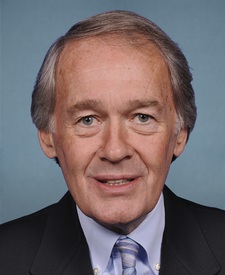 Rep. Ed MarkeyD-MA-7
- Rep. Clement ZablockiD-WI-4
- Rep. Joseph AddabboD-NY-7
- Rep. Albert UllmanD-OR-2
- Rep. Jerry PattersonD-CA-38
- Rep. Gene MaguireD-NJ-7
- Rep. Jack BrooksD-TX-9
- Rep. Gillis LongD-LA-8
- Rep. Thomas DowneyD-NY-2
- Rep. James HowardD-NJ-3
 Rep. Barbara MikulskiD-MD-3
- Rep. Lindy BoggsD-LA-2
- Rep. Edward StackD-FL-12
- Rep. John MurphyD-NY-17
- Rep. Allan SwiftD-WA-2
- Rep. Michael LowryD-WA-7
- Rep. Michael BarnesD-MD-8
 Rep. George MillerD-CA-7
 Rep. Nick RahallD-WV-4
- Rep. Matthew McHughD-NY-27
- Rep. Tony HallD-OH-3
- Rep. Raymond LedererD-PA-3
- Rep. Peter PeyserD-NY-23
- Rep. Leslie AspinD-WI-1
- Rep. Harley StaggersD-WV-2
- Rep. Robert MollohanD-WV-1
- Rep. Don BonkerD-WA-3
- Rep. Geraldine FerraroD-NY-9
- Rep. Anthony CoelhoD-CA-15
- Rep. Howard WolpeD-MI-3
 Rep. John MurthaD-PA-12
- Rep. Timothy WirthD-CO-2
- Rep. Thomas FoleyD-WA-5
- Rep. Mike McCormackD-WA-4
- Rep. Bob CarrD-MI-6
- Rep. Robert DuncanD-OR-3
- Rep. William RatchfordD-CT-5
- Rep. Mario BiaggiD-NY-10
- Rep. Albert GoreD-TN-4
- Rep. James FlorioD-NJ-1
- Rep. Herbert HarrisD-VA-8
- Rep. Fernand St. GermainD-RI-1
- Rep. Mary OakarD-OH-20
- Rep. Morris UdallD-AZ-2
 Rep. Dale KildeeD-MI-7
- Rep. John BurtonD-CA-5
- Rep. Raphael MustoD-PA-11
- Rep. John LaFalceD-NY-36
- Rep. Kenneth HollandD-SC-5
- Rep. Henry NowakD-NY-37
- Rep. Donald PeaseD-OH-13
- Rep. James HanleyD-NY-32
 Rep. Norm DicksD-WA-6
- Rep. Donald BaileyD-PA-21
- Rep. Joseph FisherD-VA-10
- Rep. Gladys SpellmanD-MD-5
- Rep. Jerome TraxlerD-MI-8
- Rep. Robert EdgarD-PA-7
- Rep. Edward BolandD-MA-2
- Rep. Lunsford PreyerD-NC-6
- Rep. Charles RoseD-NC-7
- Rep. William CotterD-CT-1
- Rep. Robert YoungD-MO-2
- Rep. Butler DerrickD-SC-3
- Rep. Dick GephardtD-MO-3
- Rep. Stanley LundineD-NY-39
- Rep. Cecil HeftelD-HI-1
- Rep. Leo ZeferettiD-NY-15
- Rep. Martin FrostD-TX-24
- Rep. Frank GuariniD-NJ-14
- Rep. Robert RoeD-NJ-8
- Rep. Raymond KogovsekD-CO-3
- Rep. Lester WolffD-NY-6
- Rep. Joseph MinishD-NJ-11
- Rep. Mendel DavisD-SC-1
- Rep. Nicholas MavroulesD-MA-6
- Rep. Sam GibbonsD-FL-7
- Rep. Peter KostmayerD-PA-8
- Rep. Walter JonesD-NC-1
- Rep. Michael SynarD-OK-2
- Rep. Neal SmithD-IA-4
- Rep. Beryl AnthonyD-AR-4
- Rep. John CavanaughD-NE-2
- Rep. Bo GinnD-GA-1
- Rep. Berkley BedellD-IA-6
- Rep. Adam BenjaminD-IN-1
- Rep. Carl PerkinsD-KY-7
- Rep. Donald AlbostaD-MI-10
- Rep. Les AuCoinD-OR-1
- Rep. Douglas WalgrenD-PA-18
- Rep. Clarence LongD-MD-2
- Rep. Ike AndrewsD-NC-4
- Rep. Charles WhitleyD-NC-3
- Rep. Bill HefnerD-NC-8
- Rep. Wyche FowlerD-GA-5
- Rep. John HutchinsonD-WV-3
- Rep. William BonerD-TN-5
- Rep. James LloydD-CA-35
- Rep. John WilliamsD-MT-1
 Rep. Ike SkeltonD-MO-4
 Rep. Tom HarkinD-IA-5
- Rep. Brian DonnellyD-MA-11
- Rep. Tom BevillD-AL-4
- Rep. Charles WilsonD-TX-2
- Rep. Leon PanettaD-CA-16
- Rep. Earl HuttoD-FL-1
- Rep. William NatcherD-KY-2
- Rep. Glenn AndersonD-CA-32
- Rep. James JonesD-OK-1
- Rep. Allen ErtelD-PA-17
- Rep. Jake PickleD-TX-10
- Rep. Ed JonesD-TN-7
- Rep. Romano MazzoliD-KY-3
- Rep. Joseph GaydosD-PA-20
- Rep. James MattoxD-TX-5
- Rep. Tom DaschleD-SD-1
- Rep. Martin RussoD-IL-3
- Rep. Samuel StrattonD-NY-28
- Rep. Vonno GudgerD-NC-11
- Rep. James WeaverD-OR-4
- Rep. Koln McKayD-UT-1
- Rep. Edward BeardD-RI-2
- Rep. Abraham KazenD-TX-23
- Rep. Ronnie FlippoD-AL-5
- Rep. Floyd FithianD-IN-2
- Rep. Norman D’AmoursD-NH-1
- Rep. Daniel MicaD-FL-11
- Rep. Thomas LukenD-OH-2
- Rep. Jerome AmbroD-NY-3
 Rep. Bill NelsonD-FL-9
- Rep. Joseph EarlyD-MA-3
- Rep. Jamie WhittenD-MS-1
- Rep. Austin MurphyD-PA-22
- Rep. Jack HightowerD-TX-13
- Rep. Lee HamiltonD-IN-9
- Rep. David BowenD-MS-2
- Rep. Philip SharpD-IN-10
- Rep. Stephen NealD-NC-5
- Rep. Charles BennettD-FL-3
- Rep. Billy TauzinD-LA-3
- Rep. Joseph WyattD-TX-14
- Rep. William HughesD-NJ-2
- Rep. Billy EvansD-GA-8
- Rep. Ed JenkinsD-GA-9
- Rep. Marilyn LloydD-TN-3
- Rep. Wes WatkinsD-OK-3
- Rep. Kika de la GarzaD-TX-15
- Rep. Daniel GlickmanD-KS-4
- Rep. Jack BrinkleyD-GA-3
- Rep. Patricia SchroederD-CO-1
- Rep. Andy IrelandD-FL-8
- Rep. Richard WhiteD-TX-16
- Rep. Druie BarnardD-GA-10
- Rep. Elliott LevitasD-GA-4
- Rep. Gus YatronD-PA-6
- Rep. Kent HanceD-TX-19
- Rep. Carroll HubbardD-KY-1
- Rep. Eugene AtkinsonD-PA-25
- Rep. Thomas HuckabyD-LA-5
- Rep. Beverly ByronD-MD-6
- Rep. William NicholsD-AL-3
- Rep. Lawrence FountainD-NC-2
- Rep. Marvin MathisD-GA-2
- Rep. James SantiniD-NV
- Rep. Glenn EnglishD-OK-6
- Rep. William ChappellD-FL-4
 Rep. Richard ShelbyD-AL-7
- Rep. David EvansD-IN-6
- Rep. Douglas ApplegateD-OH-18
- Rep. Sam HallD-TX-1
- Rep. Ronald MottlD-OH-23
- Rep. Sonny MontgomeryD-MS-3
- Rep. Phil GrammD-TX-6
- Rep. Andrew JacobsD-IN-11
- Rep. Dan DanielD-VA-5
- Rep. David SatterfieldD-VA-3
Republicans who voted yea(129)
- Rep. Stewart McKinneyR-CT-4
- Rep. Bill GreenR-NY-18
- Rep. Harold HollenbeckR-NJ-9
- Rep. Silvio ConteR-MA-1
- Rep. Pete McCloskeyR-CA-12
- Rep. Marc MarksR-PA-24
- Rep. Charles DoughertyR-PA-4
- Rep. Carl PursellR-MI-2
- Rep. Frank HortonR-NY-34
- Rep. Benjamin GilmanR-NY-26
- Rep. Matthew RinaldoR-NJ-12
- Rep. John BuchananR-AL-6
- Rep. Joel PritchardR-WA-1
- Rep. Thomas RailsbackR-IL-19
- Rep. Lyle WilliamsR-OH-19
- Rep. Joseph McDadeR-PA-10
- Rep. Hamilton FishR-NY-25
- Rep. Tim CarterR-KY-5
- Rep. Jim JeffordsR-VT
- Rep. Jim JohnsonR-CO-4
- Rep. John StantonR-OH-11
- Rep. Paul FindleyR-IL-20
- Rep. William WamplerR-VA-9
- Rep. Jack EdwardsR-AL-1
- Rep. Donald MitchellR-NY-31
- Rep. John DuncanR-TN-2
- Rep. Robert DavisR-MI-11
- Rep. Norman LentR-NY-4
 Rep. Olympia SnoweR-ME-2
- Rep. James QuillenR-TN-1
- Rep. Henry HydeR-IL-6
- Rep. William ClingerR-PA-23
- Rep. Jim LeachR-IA-1
- Rep. Thomas EvansR-DE
- Rep. Edward MadiganR-IL-21
- Rep. Elwood HillisR-IN-5
- Rep. Robert McEwenR-NY-30
- Rep. William RoyerR-CA-11
- Rep. Mark AndrewsR-ND
- Rep. David EmeryR-ME-1
- Rep. John RhodesR-AZ-1
- Rep. George WhitehurstR-VA-2
- Rep. Robert CoughlinR-PA-13
- Rep. James BroyhillR-NC-10
- Rep. Harold SawyerR-MI-5
- Rep. Larry WinnR-KS-3
- Rep. Robert McCloryR-IL-13
- Rep. John ErlenbornR-IL-14
- Rep. William HarshaR-OH-6
 Rep. Don YoungR-AK
- Rep. Chalmers WylieR-OH-15
- Rep. George O’BrienR-IL-17
 Rep. Ralph RegulaR-OH-16
- Rep. Virginia SmithR-NE-3
- Rep. David MarriottR-UT-2
- Rep. Robin BeardR-TN-6
- Rep. William MooreR-LA-6
- Rep. Arlen ErdahlR-MN-1
- Rep. Paul TribleR-VA-1
- Rep. Bob WilsonR-CA-41
- Rep. Doug BereuterR-NE-1
- Rep. John HammerschmidtR-AR-3
- Rep. Robert LivingstonR-LA-1
- Rep. Thomas TaukeR-IA-2
- Rep. Willis GradisonR-OH-1
- Rep. Earl ColemanR-MO-6
- Rep. Keith SebeliusR-KS-1
- Rep. Manley ButlerR-VA-6
- Rep. John PorterR-IL-10
- Rep. Floyd SpenceR-SC-2
- Rep. James AbdnorR-SD-2
- Rep. Carroll CampbellR-SC-4
- Rep. John WydlerR-NY-5
- Rep. Marion SnyderR-KY-4
- Rep. Huey DeckardR-IN-8
- Rep. Tennyson GuyerR-OH-4
- Rep. Larry HopkinsR-KY-6
- Rep. Charles PashayanR-CA-17
- Rep. Jack KempR-NY-38
- Rep. Thomas CorcoranR-IL-15
 Rep. W. Bill YoungR-FL-6
- Rep. Robert WhittakerR-KS-5
- Rep. William BroomfieldR-MI-19
- Rep. Clarence BrownR-OH-7
 Rep. Tom PetriR-WI-6
- Rep. James CourterR-NJ-13
- Rep. William FrenzelR-MN-3
- Rep. Edwin BethuneR-AR-2
- Rep. Ronald MarleneeR-MT-2
- Rep. Donald RitterR-PA-15
- Rep. Edwin ForsytheR-NJ-6
- Rep. Jon HinsonR-MS-4
- Rep. Clair BurgenerR-CA-43
 Rep. Trent LottR-MS-5
- Rep. James RobinsonR-VA-7
- Rep. Newton GingrichR-GA-6
- Rep. Gary LeeR-NY-33
- Rep. Richard SchulzeR-PA-5
- Rep. James MartinR-NC-9
- Rep. John MyersR-IN-7
- Rep. Edward DerwinskiR-IL-4
- Rep. Robert DornanR-CA-27
- Rep. Skip BafalisR-FL-10
- Rep. William GoodlingR-PA-19
- Rep. Arlan StangelandR-MN-7
- Rep. Toby RothR-WI-8
- Rep. William DickinsonR-AL-2
- Rep. Wayne GrishamR-CA-33
- Rep. William CarneyR-NY-1
- Rep. Barry GoldwaterR-CA-20
- Rep. Robert DanielR-VA-4
- Rep. Bill ThomasR-CA-18
- Rep. Mickey EdwardsR-OK-5
- Rep. Thomas LoefflerR-TX-21
- Rep. Gene TaylorR-MO-7
- Rep. Robert LagomarsinoR-CA-19
- Rep. Gerald SolomonR-NY-29
- Rep. Carlos MoorheadR-CA-22
- Rep. Dan QuayleR-IN-4
- Rep. Delbert LattaR-OH-5
- Rep. Marjorie HoltR-MD-4
- Rep. Thomas KindnessR-OH-8
- Rep. Robert WalkerR-PA-16
- Rep. Kenneth KramerR-CO-5
- Rep. Eldon RuddR-AZ-4
- Rep. Samuel DevineR-OH-12
- Rep. Bill ArcherR-TX-7
- Rep. John AshbrookR-OH-17
- Rep. Robert BaumanR-MD-1
Data notes
The House’s recorded vote on the final version of the law (roll call 1204 in Voteview), matched to the vote the record cites and checked against its totals. Positions are each member’s DW-NOMINATE score for that Congress, as on the Ideology page; left to right is more liberal to more conservative. Paired and announced yea votes count as yea. Lists follow the compass, most liberal first. A name links to a profile only for members of the current Congress. A law passed by voice vote or unanimous consent has no member list, and neither does a vote Voteview has not yet recorded.
Committees
The committees the bill was sent to, and what each did with it.

Data notes
A committee links to its page only where it exists in the current Congress; older and renamed committees are named without a link.
Timeline
From introduction to signing, newest first: the committees, the floor and the president. 21 actions.
- Oct 7, 1980Became lawBecame law · Signed by President.
- PresidentPresident · Public Law 96-398.
- Oct 2, 1980PresidentPresident · Measure presented to President.
- Oct 1, 1980PresidentPresident · Measure enrolled in Senate.
- PresidentPresident · Measure enrolled in House.
- Sep 30, 1980Resolving differencesResolving differences · House agreed to conference report, roll call #603 (380-25).House roll call 603
- Resolving differencesResolving differences · Conference report agreed to in House: House agreed to conference report, roll call #603 (380-25).House roll call 603
- Sep 24, 1980Resolving differencesResolving differences · Senate agreed to conference report.
- Resolving differencesResolving differences · Conference report agreed to in Senate: Senate agreed to conference report.
- Sep 23, 1980Resolving differencesResolving differences · Conference report filed in Senate, S. Rept. 96-980.
- Resolving differencesResolving differences · Conference report filed: Conference report filed in Senate, S. Rept. 96-980.
- Sep 22, 1980Resolving differencesResolving differences · Conference report filed in House, H. Rept. 96-1367.
- Resolving differencesResolving differences · Conference report filed: Conference report filed in House, H. Rept. 96-1367.
- Sep 3, 1980Resolving differencesResolving differences · Conference scheduled in House.
- Aug 26, 1980Resolving differencesResolving differences · Conference scheduled in Senate.
- Aug 22, 1980FloorFloor · Measure passed House, amended, in lieu of H.R. 7299.
- FloorFloor · Measure called up by unanimous consent in House.
- Jul 24, 1980FloorFloor · Measure passed Senate, amended, roll call #311 (93-3).Senate roll call 311
- May 15, 1980CommitteeCommittee · Reported by Senate Health, Education, Labor, and Pensions Committee
- May 17, 1979CommitteeCommittee · Referred to Senate Health, Education, Labor, and Pensions Committee
- IntroducedIntroduced · Introduced in the Senate
Data notes
Shows the introduction, each committee and subcommittee step the source dates (referral, hearings, markup, report, discharge), and the floor, conference, presidential and became-law steps. Calendar placements, messages between the chambers, amendments and committee report numbers are not shown for laws before the 108th Congress. Two entries the source lists twice are shown once.
Official record
The bill’s full text and every action, including introduction and committee steps, are on Congress.gov. Data through Oct 7, 2026.