Providing for congressional disapproval under chapter 8 of title 5, United States Code, of the rule submitted by the Department of Energy relating to "Energy Conservation Program: Energy Conservation Standards for Walk-In Coolers and Walk-In Freezers".
Public Law 119-7 · H.J.Res. 24 · 119th Congress · began in the House
Signed by Donald Trump (R) on May 9, 2025 · Energy
Sponsor: Rep. Stephanie Bice (R-OK-5)
Cosponsors (10): Rep. Claudia Tenney, Rep. Michael Rulli,
Passage votesYeaNay
- HouseRecorded vote: 203 yea, 182 nay203–182
- SenateRecorded vote: 53 yea, 42 nay53–42
Data notes
The final version of the law, as each chamber passed it. A chamber that passed it by voice vote or unanimous consent has no count. “Method not stated” means the record does not say how the chamber voted. Where the record has a member-by-member vote, the “Who voted for it” section shows who voted yea.
Summary
The Congressional Research Service’s plain-language summary of what the law does.
This joint resolution eliminates new, more stringent energy conservation standards for certain walk-in coolers and freezers, including the new limits on maximum daily energy consumption for walk-in non-display doors. Under the joint resolution, walk-in non-display doors and walk-in refrigeration systems are no longer required to comply with the new standards.
Specifically, the joint resolution nullifies the rule titled Energy Conservation Program: Energy Conservation Standards for Walk-In Coolers and Walk-In Freezers and submitted by the Department of Energy (DOE) on December 23, 2024. Under the rule, DOE adopted energy conservation standards for walk-in coolers and freezers to achieve the maximum improvement in energy efficiency that DOE determined was technologically feasible and economically justified. The rule required walk-in non-display doors to comply with those standards by December 23, 2027, and walk-in refrigeration systems to comply with them by December 31, 2028.
Who voted for it
Every House member of the 119th Congress on the ideology compass. Highlighted: the 203 who voted yea on final passage. Faded: everyone else, including those who voted nay, did not vote, or had not yet taken office.
203 yea182 nay45 present or did not vote
Democrats who voted yea(6)
 Rep. Vicente GonzalezD-TX-34
 Rep. Adam GrayD-CA-13
 Rep. Donald DavisD-NC-1
 Rep. Henry CuellarD-TX-28
 Rep. Marie Gluesenkamp PerezD-WA-3
 Rep. Jared GoldenD-ME-2
Republicans who voted yea(197)
 Rep. Kevin KileyR-CA-3
 Rep. Brian FitzpatrickR-PA-1
 Rep. Michael LawlerR-NY-17
 Rep. Don BaconR-NE-2
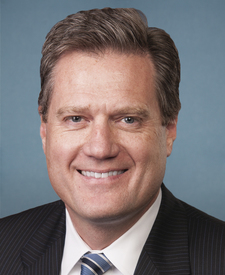 Rep. Michael TurnerR-OH-10
 Rep. David JoyceR-OH-14
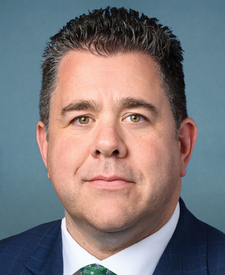 Rep. Nick LaLotaR-NY-1
 Rep. Thomas KeanR-NJ-7
 Rep. Andrew GarbarinoR-NY-2
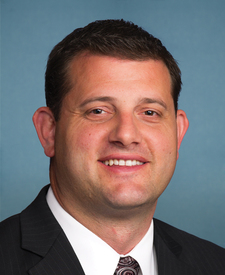 Rep. David ValadaoR-CA-22
 Rep. Robert BresnahanR-PA-8
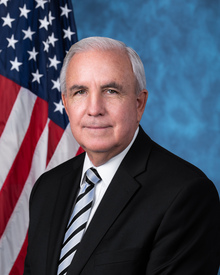 Rep. Carlos GimenezR-FL-28
 Rep. Nicole MalliotakisR-NY-11
 Rep. Dan NewhouseR-WA-4
 Rep. Zach NunnR-IA-3
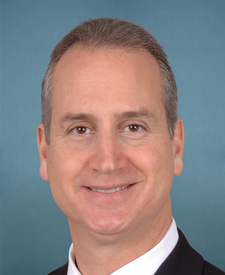 Rep. Mario Diaz-BalartR-FL-26
 Rep. Mike SimpsonR-ID-2
 Rep. Jeff HurdR-CO-3
 Rep. Ryan MackenzieR-PA-7
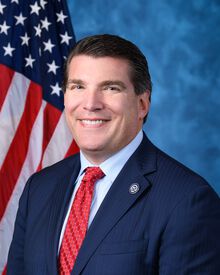 Rep. Jay ObernolteR-CA-23
 Rep. Steve WomackR-AR-3
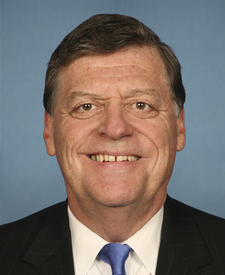 Rep. Tom ColeR-OK-4
 Rep. Mike CareyR-OH-15
 Rep. Gabe EvansR-CO-8
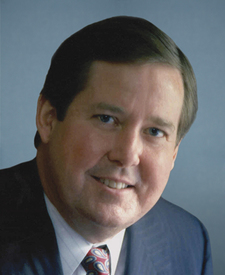 Rep. Ken CalvertR-CA-41
 Rep. Chris SmithR-NJ-4
 Rep. Mariannette Miller-MeeksR-IA-1
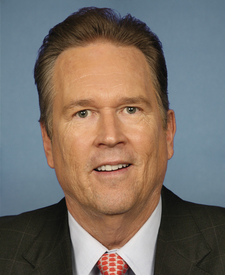 Rep. Vern BuchananR-FL-16
 Rep. Mike FloodR-NE-1
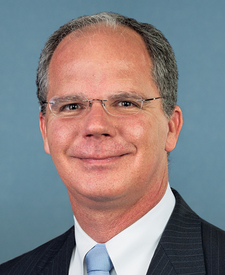 Rep. Brett GuthrieR-KY-2
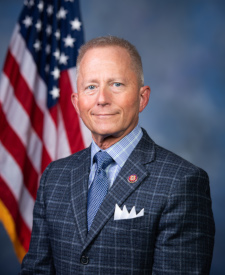 Rep. Jefferson Van DrewR-NJ-2
 Rep. Young KimR-CA-40
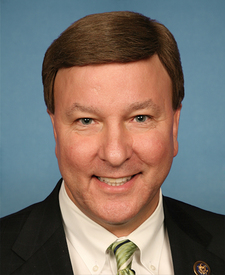 Rep. Mike RogersR-AL-3
 Rep. Chuck FleischmannR-TN-3
 Rep. Derrick Van OrdenR-WI-3
 Rep. Hal RogersR-KY-5
 Rep. Celeste MaloyR-UT-2
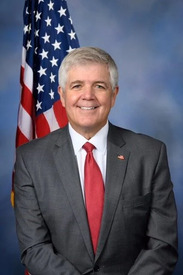 Rep. Cliff BentzR-OR-2
 Rep. Robert WittmanR-VA-1
 Rep. John JamesR-MI-10
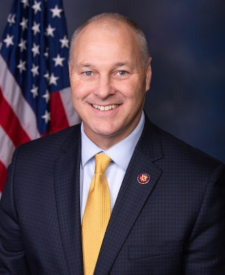 Rep. Pete StauberR-MN-8
 Rep. Chuck EdwardsR-NC-11
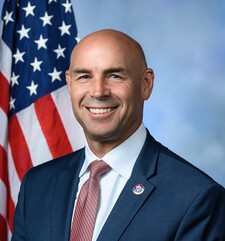 Rep. Jake EllzeyR-TX-6
 Rep. Robert AderholtR-AL-4
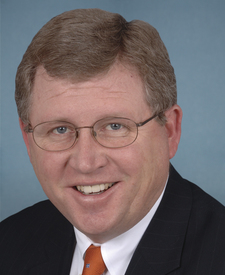 Rep. Frank LucasR-OK-3
 Rep. Juan CiscomaniR-AZ-6
 Rep. Stephanie BiceR-OK-5
 Rep. Blake MooreR-UT-1
 Rep. Randy FeenstraR-IA-4
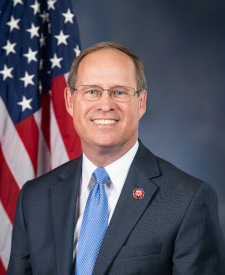 Rep. Gregory MurphyR-NC-3
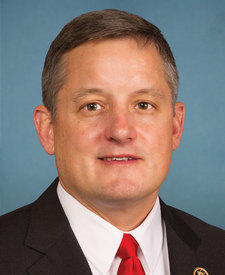 Rep. Bruce WestermanR-AR-4
 Rep. Nicholas LangworthyR-NY-23
 Rep. Burgess OwensR-UT-4
 Rep. Michael RulliR-OH-6
 Rep. Darin LaHoodR-IL-16
 Rep. Ryan ZinkeR-MT-1
 Rep. Tim WalbergR-MI-5
 Rep. Bill HuizengaR-MI-4
 Rep. John RutherfordR-FL-5
 Rep. Mike BostR-IL-12
 Rep. Morgan GriffithR-VA-9
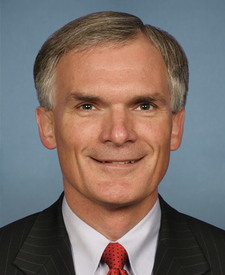 Rep. Robert LattaR-OH-5
 Rep. Lisa McClainR-MI-9
 Rep. Pete SessionsR-TX-17
 Rep. Adrian SmithR-NE-3
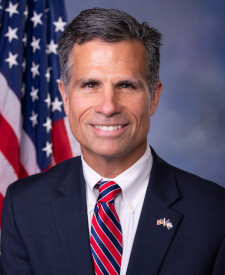 Rep. Daniel MeuserR-PA-9
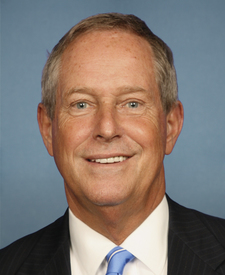 Rep. Joe WilsonR-SC-2
 Rep. Ashley HinsonR-IA-2
 Rep. Nancy MaceR-SC-1
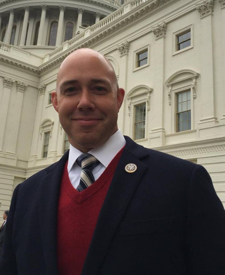 Rep. Brian MastR-FL-21
 Rep. Mike KellyR-PA-16
 Rep. Tom BarrettR-MI-7
 Rep. Laurel LeeR-FL-15
 Rep. David KustoffR-TN-8
 Rep. Lloyd SmuckerR-PA-11
 Rep. Mónica De La CruzR-TX-15
 Rep. Thomas MassieR-KY-4
 Rep. Jefferson ShreveR-IN-6
 Rep. Roger WilliamsR-TX-25
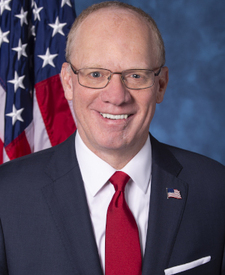 Rep. John RoseR-TN-6
 Rep. John MoolenaarR-MI-2
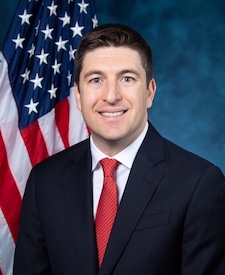 Rep. Bryan SteilR-WI-1
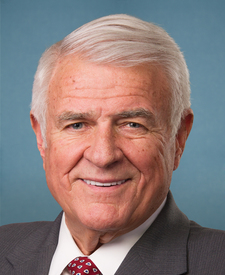 Rep. John CarterR-TX-31
 Rep. Buddy CarterR-GA-1
 Rep. Rick CrawfordR-AR-1
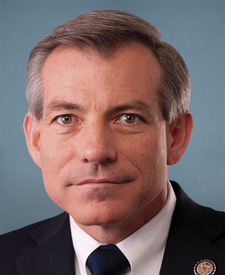 Rep. David SchweikertR-AZ-1
 Rep. Richard HudsonR-NC-9
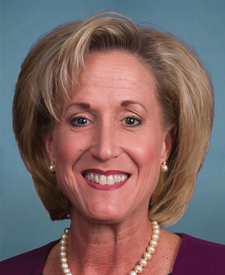 Rep. Ann WagnerR-MO-2
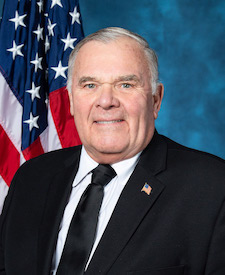 Rep. James BairdR-IN-4
 Rep. Anna LunaR-FL-13
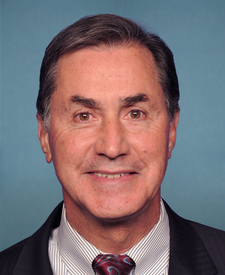 Rep. Gary PalmerR-AL-6
 Rep. Steve ScaliseR-LA-1
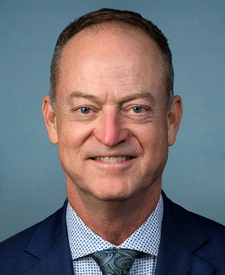 Rep. Mark MessmerR-IN-8
 Rep. Riley MooreR-WV-2
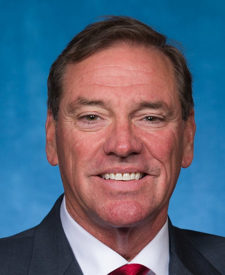 Rep. Neal DunnR-FL-2
 Rep. Victoria SpartzR-IN-5
 Rep. Michael GuestR-MS-3
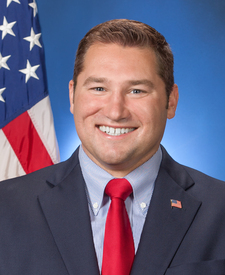 Rep. Guy ReschenthalerR-PA-14
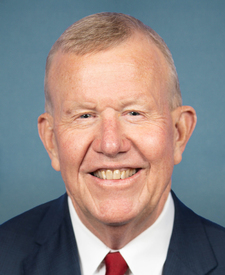 Rep. Mike EzellR-MS-4
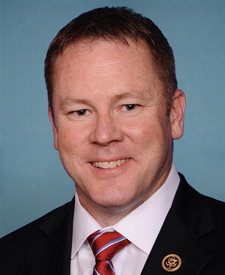 Rep. Warren DavidsonR-OH-8
 Rep. Addison McDowellR-NC-6
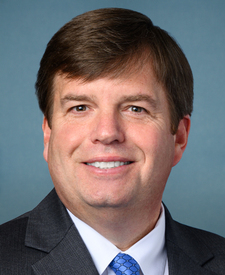 Rep. Dale StrongR-AL-5
 Rep. Morgan LuttrellR-TX-8
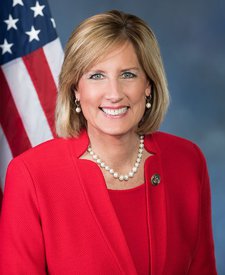 Rep. Claudia TenneyR-NY-24
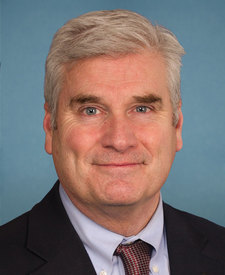 Rep. Tom EmmerR-MN-6
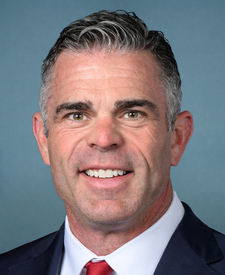 Rep. Tony WiedR-WI-8
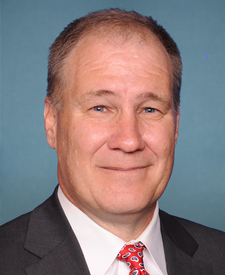 Rep. Trent KellyR-MS-1
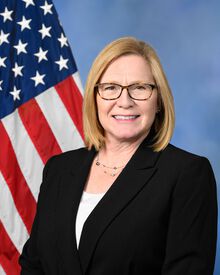 Rep. Michelle FischbachR-MN-7
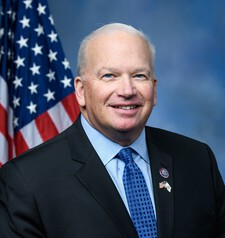 Rep. Scott FitzgeraldR-WI-5
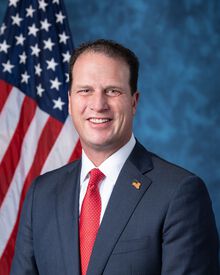 Rep. August PflugerR-TX-11
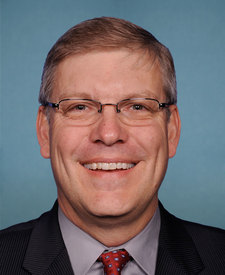 Rep. Barry LoudermilkR-GA-11
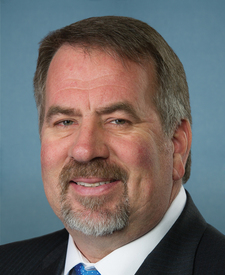 Rep. Doug LaMalfaR-CA-1
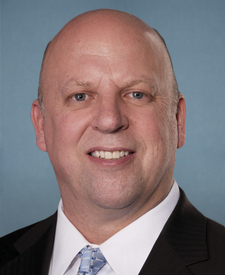 Rep. Scott DesJarlaisR-TN-4
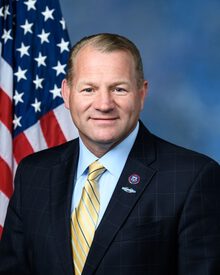 Rep. Troy NehlsR-TX-22
 Rep. Troy BaldersonR-OH-12
 Rep. Byron DonaldsR-FL-19
 Rep. Tony GonzalesR-TX-23
 Rep. Dusty JohnsonR-SD
 Rep. Tim MooreR-NC-14
- Rep. Nicholas BegichR-AK
 Rep. James ComerR-KY-1
 Rep. Julia LetlowR-LA-5
 Rep. Brian JackR-GA-3
 Rep. Michael BaumgartnerR-WA-5
 Rep. William TimmonsR-SC-4
 Rep. Kat CammackR-FL-3
 Rep. Austin ScottR-GA-8
 Rep. Marlin StutzmanR-IN-3
 Rep. Rudy YakymR-IN-2
 Rep. Jason SmithR-MO-8
 Rep. Cory MillsR-FL-7
 Rep. Harriet HagemanR-WY
 Rep. Sam GravesR-MO-6
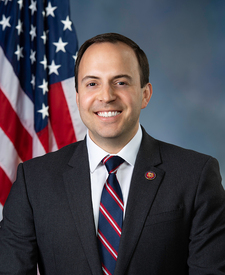 Rep. Lance GoodenR-TX-5
 Rep. Julie FedorchakR-ND
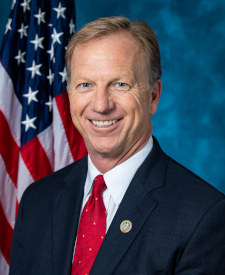 Rep. Kevin HernR-OK-1
 Rep. David TaylorR-OH-2
 Rep. Erin HouchinR-IN-9
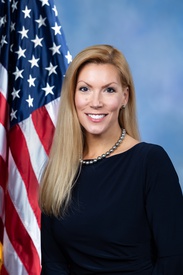 Rep. Beth Van DuyneR-TX-24
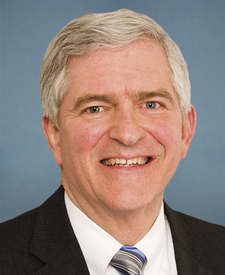 Rep. Daniel WebsterR-FL-11
 Rep. Lauren BoebertR-CO-4
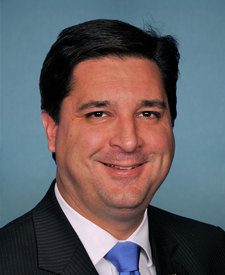 Rep. David RouzerR-NC-7
 Rep. Wesley HuntR-TX-38
 Rep. Brad FinstadR-MN-1
 Rep. Marjorie GreeneR-GA-14
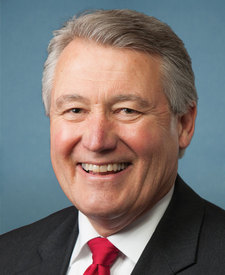 Rep. Rick AllenR-GA-12
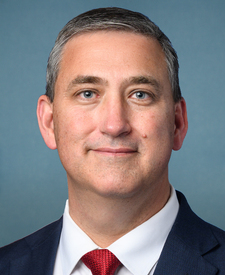 Rep. Nathaniel MoranR-TX-1
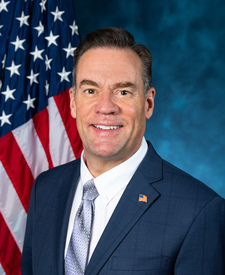 Rep. Russ FulcherR-ID-1
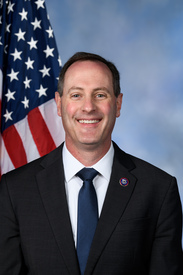 Rep. Tracey MannR-KS-1
 Rep. Randy WeberR-TX-14
 Rep. Russell FryR-SC-7
 Rep. Tom McClintockR-CA-5
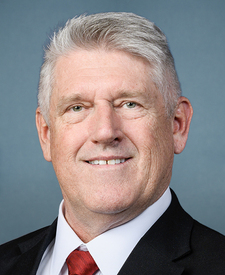 Rep. Troy DowningR-MT-2
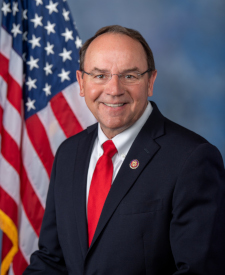 Rep. Thomas TiffanyR-WI-7
 Rep. Mike KennedyR-UT-3
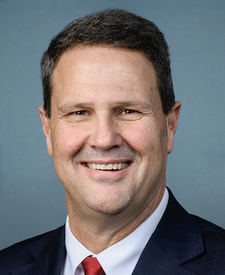 Rep. Jeff CrankR-CO-5
 Rep. Carol MillerR-WV-1
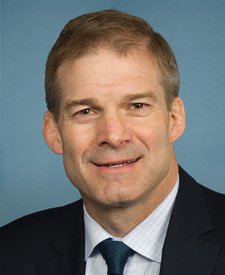 Rep. Jim JordanR-OH-4
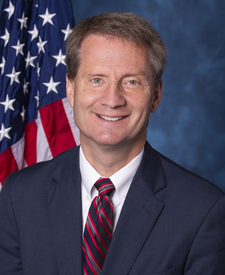 Rep. Tim BurchettR-TN-2
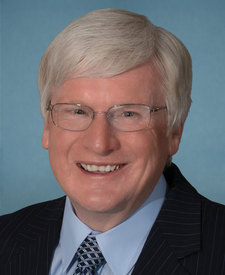 Rep. Glenn GrothmanR-WI-6
 Rep. Abraham HamadehR-AZ-8
 Rep. Paul GosarR-AZ-9
 Rep. Brian BabinR-TX-36
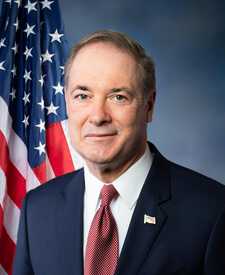 Rep. John JoyceR-PA-13
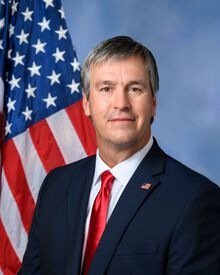 Rep. Barry MooreR-AL-1
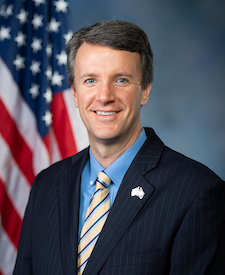 Rep. Ben ClineR-VA-6
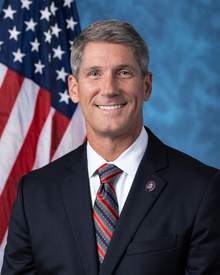 Rep. Scott FranklinR-FL-18
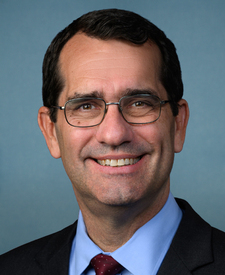 Rep. Derek SchmidtR-KS-2
 Rep. Andrew OglesR-TN-5
 Rep. Pat FallonR-TX-4
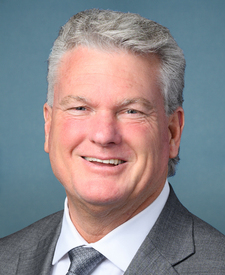 Rep. Mike CollinsR-GA-10
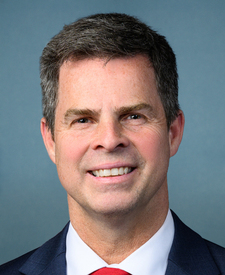 Rep. John McGuireR-VA-5
 Rep. Robert OnderR-MO-3
 Rep. Aaron BeanR-FL-4
 Rep. Diana HarshbargerR-TN-1
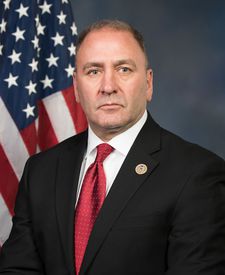 Rep. Clay HigginsR-LA-3
 Rep. Michael CloudR-TX-27
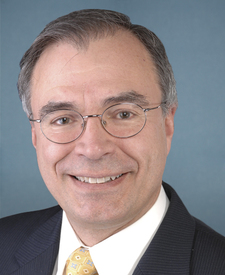 Rep. Andy HarrisR-MD-1
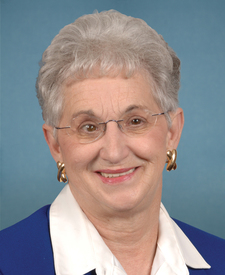 Rep. Virginia FoxxR-NC-5
 Rep. Eli CraneR-AZ-2
 Rep. Scott PerryR-PA-10
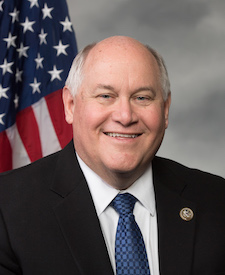 Rep. Ron EstesR-KS-4
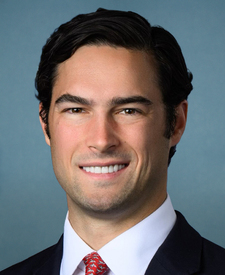 Rep. Brandon GillR-TX-26
 Rep. Craig GoldmanR-TX-12
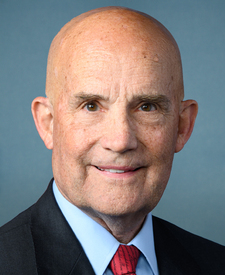 Rep. Keith SelfR-TX-3
 Rep. Mary MillerR-IL-15
 Rep. Andy BiggsR-AZ-5
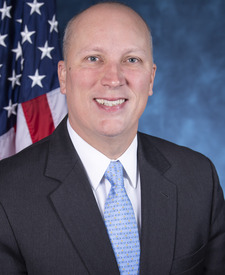 Rep. Chip RoyR-TX-21
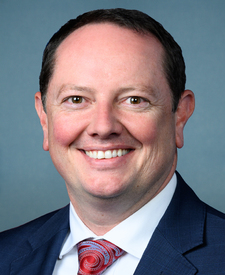 Rep. Eric BurlisonR-MO-7
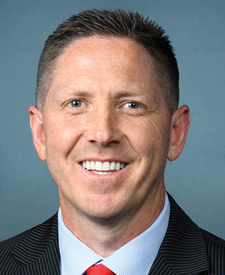 Rep. Josh BrecheenR-OK-2
 Rep. Mark HarrisR-NC-8
 Rep. Sheri BiggsR-SC-3
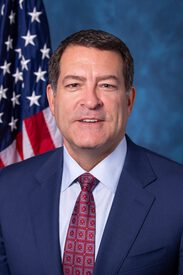 Rep. Mark GreenR-TN-7
 Rep. Andrew ClydeR-GA-9
 Rep. Rich McCormickR-GA-7
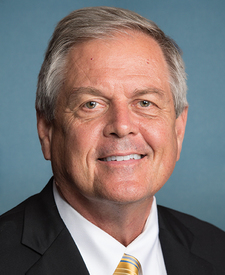 Rep. Ralph NormanR-SC-5
 Rep. Pat HarriganR-NC-10



















Data notes
The House’s recorded vote on the final version of the law (roll call 76 in Voteview), matched to the vote the record cites and checked against its totals. Positions are each member’s DW-NOMINATE score for that Congress, as on the Ideology page; left to right is more liberal to more conservative. Paired and announced yea votes count as yea. Lists follow the compass, most liberal first. A name links to a profile only for members of the current Congress. A law passed by voice vote or unanimous consent has no member list, and neither does a vote Voteview has not yet recorded.
Committees
The committees the bill was sent to, and what each did with it.

Data notes
A committee links to its page only where it exists in the current Congress; older and renamed committees are named without a link.
Related bills
1 bill the Library of Congress relates to this one.
H.Res. 242Procedurally relatedRelated bill
Providing for consideration of the joint resolution (H.J. Res. 24) providing for congressional disapproval under chapter 8 of title 5, United States Code, of the rule submitted by the Department of Energy relating to "E…
Data notes
Related bills are identified by the Congressional Research Service, the House and the Senate: companion and identical bills, bills with similar text, bills that were folded into this law, and rules that brought it to the floor. A bill that is itself a public law in this site’s data links here; the others link to Congress.gov.
Timeline
From introduction to signing, newest first: the committees, the floor and the president. 18 actions.
- May 9, 2025Became lawBecame law · Became Public Law No: 119-7.
- Became lawBecame law · Signed by President.
- May 5, 2025FloorFloor · Presented to President.
- Apr 7, 2025FloorFloor · Message on Senate action sent to the House.
- Apr 3, 2025FloorFloor · Passed Senate without amendment by Yea-Nay Vote. 53 - 42. Record Vote Number: 162.Senate roll call 162
- FloorFloor · Considered by Senate.
- Apr 2, 2025FloorFloor · Measure laid before Senate by motion.
- FloorFloor · Motion to proceed to consideration of measure agreed to in Senate by Yea-Nay Vote. 51 - 46. Record Vote Number: 161. (CR S2137-2138)Senate roll call 161
- Mar 31, 2025CommitteeCommittee · Received in the Senate, read twice.
- Mar 27, 2025FloorFloor · Motion to reconsider laid on the table Agreed to without objection.
- FloorFloor · On passage Passed by the Yeas and Nays: 203 - 182 (Roll no. 77).House roll call 77
- FloorFloor · The previous question was ordered pursuant to the rule.
- FloorFloor · DEBATE - The House proceeded with one hour of debate on H.J. Res. 24.
- FloorFloor · Rule provides for consideration of H.J. Res. 24, H.J. Res. 75 and H.R. 1048. The resolution provides for consideration of H.J. Res. 24 and H.J. Res. 75 under a closed rule, and provides for consideration of H.R. 1048 under a structured rule. Also, the resolution provides for one…
- FloorFloor · Considered under the provisions of rule H. Res. 242.
- Mar 24, 2025FloorFloor · Rules Committee Resolution H. Res. 242 Reported to House. Rule provides for consideration of H.J. Res. 24, H.J. Res. 75 and H.R. 1048. The resolution provides for consideration of H.J. Res. 24 and H.J. Res. 75 under a closed rule, and provides for consideration of H.R. 1048 unde…
- Jan 16, 2025CommitteeCommittee · Referred to the House Committee on Energy and Commerce.
- IntroducedIntroduced · Introduced in House
Data notes
Every action the Library of Congress lists for the bill, from introduction to signing, plus the dated committee hearings. The source lists many steps twice (the chamber’s own entry and the Library of Congress copy, or a presidential and a became-law entry with the same words); those are shown once. Amendments are listed in their own section.
Amendments
No amendments to this bill are on record.
Data notes
Amendments offered to this bill in either chamber, as the Library of Congress records them: each with a status read from its last recorded step: agreed to, rejected, withdrawn, ruled out of order, fell with another amendment, or offered with no vote recorded (most Senate amendments are only ever offered). The wording of each amendment is the source’s. Amendments to amendments and amendments to other bills are not listed.
Official record
The bill’s full text is on Congress.gov. Data through Oct 7, 2026.