Paycheck Protection Program and Health Care Enhancement Act
Public Law 116-139 · H.R. 266 · 116th Congress · began in the House
Signed by Donald Trump (R) on Apr 24, 2020 · Economics and Public Finance
Major law
Sponsor: Rep. Betty McCollum (D-MN-4)
Cosponsors: None
Passage votesYeaNay
- HouseRecorded vote: 388 yea, 5 nay388–5
- SenateVoice vote
Data notes
The final version of the law, as each chamber passed it. A chamber that passed it by voice vote or unanimous consent has no count. “Method not stated” means the record does not say how the chamber voted. Where the record has a member-by-member vote, the “Who voted for it” section shows who voted yea.
Summary
The Congressional Research Service’s plain-language summary of what the law does.
Paycheck Protection Program and Health Care Enhancement Act
This bill responds to the COVID-19 (i.e., coronavirus disease 2019) outbreak by providing additional funding for small business loans, health care providers, and COVID-19 testing.
DIVISION A--SMALL BUSINESS PROGRAMS
(Sec. 101) This division provides additional lending authority for certain Small Business Administration (SBA) programs in response to COVID-19.
Specifically, the division increases the authority for (1) the Paycheck Protection Program, under which the SBA may guarantee certain loans to small businesses during the COVID-19 pandemic; and (2) advances on emergency economic injury disaster loans made in response to COVID-19. The division also expands eligibility for such disaster loans and advances to include agricultural enterprises.
Additionally, the division requires the SBA to guarantee no less than a specified amount of paycheck protection loans made by certain insured depository institutions, community financial institutions, and credit unions.
(Sec. 102) The amounts provided under this division are designated as an emergency requirement pursuant to the Statutory Pay-As-You-Go Act of 2010 (PAYGO) and the Senate PAYGO rule.
DIVISION B--ADDITIONAL EMERGENCY APPROPRIATIONS FOR CORONAVIRUS RESPONSE
Additional Emergency Appropriations for Coronavirus Response
This division provides FY2020 supplemental appropriations for the Department of Health and Human Services (HHS) and the SBA in response to COVID-19.
The supplemental appropriations are designated as emergency spending, which is exempt from discretionary spending limits.
TITLE I--DEPARTMENT OF HEALTH AND HUMAN SERVICES
This title provides $100 billion in FY2020 supplemental appropriations to HHS for the Public Health and Social Services Emergency Fund, including
• $75 billion to reimburse health care providers for health care related expenses or lost revenues that are attributable to the coronavirus outbreak; and
• $25 billion for expenses to research, develop, validate, manufacture, purchase, administer, and expand capacity for COVID-19 tests to effectively monitor and suppress COVID-19.
The title allocates specified portions of the $25 billion for COVID-19 testing to
• states, localities, territories, and tribes;
• the Centers for Diseases Control and Prevention;
• the National Institutes of Health;
• the Biomedical Advanced Research and Development Authority;
• the Food and Drug Administration;
• community health centers;
• rural health clinics; and
• testing for the uninsured.
The title also establishes several reporting requirements for HHS, including requirements to submit to Congress details regarding COVID-19 cases and a strategic testing plan
(Sec. 101) This section specifies that certain authorities, conditions, and requirements included in the Coronavirus Aid, Relief, and Economic Security Act apply to the funds provided by this division to HHS.
(Sec. 102) This section sets forth authorities and restrictions that apply to transferring funds provided by this title.
(Sec. 103) This section requires specified funds provided by this title for the Public Health and Social Services Emergency Fund to be transferred to the HHS Office of Inspector General for oversight of activities supported with funds appropriated to HHS to respond to the COVID-19 outbreak.
TITLE II--INDEPENDENT AGENCIES
This title provides FY2020 supplemental appropriations to the SBA, including
• $2.1 billion for salaries and expenses to administer programs related to COVID-19,
• $50 billion for the Economic Injury Disaster Loan (EIDL) program, and
• $10 billion for Emergency EIDL grants.
TITLE III--GENERAL PROVISIONS--THIS ACT
(Sec. 301) This section specifies that the funds provided by this division are in addition to funds otherwise appropriated for the fiscal year involved.
(Sec. 302) Funds provided by this division may not remain available beyond the current fiscal year, unless this division provides otherwise.
(Sec. 303) Unless otherwise specified by this division, the funds provided by this division are subject to the authorities and conditions that apply to the applicable appropriations account for FY2020.
(Sec. 304) This section specifies that certain funds provided or transferred by this division may only be used to prevent, prepare for, and respond to the coronavirus outbreak.
(Sec. 305) For the purposes of this division, the term coronavirus means SARS-CoV-2 or another coronavirus with pandemic potential.
(Sec. 306) This section provides that amounts designated by this division as emergency requirements are only available (or rescinded, if applicable) if the President subsequently designates the amounts and transmits the designations to Congress.
(Sec. 307) This section specifies that the emergency funds that are transferred pursuant to this division retain the emergency designation.
(Sec. 308) This section exempts the budgetary effects of this division from the Statutory Pay-As-You-Go Act of 2010 (PAYGO), (2) the Senate PAYGO rule, and (3) certain budget scorekeeping rules.
Who voted for it
Every House member of the 116th Congress on the ideology compass. Highlighted: the 388 who voted yea on final passage. Faded: everyone else, including those who voted nay, did not vote, or had not yet taken office.
388 yea5 nay36 present or did not vote
Democrats who voted yea(211)
 Rep. Sylvia GarciaD-TX-29
 Rep. Cedric RichmondD-LA-2
 Rep. Joaquin CastroD-TX-20
 Rep. Maxine WatersD-CA-43
 Rep. Wm. ClayD-MO-1
 Rep. Karen BassD-CA-37
 Rep. Sheila Jackson LeeD-TX-18
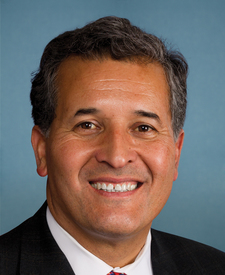 Rep. Juan VargasD-CA-51
 Rep. Bennie ThompsonD-MS-2
 Rep. Lauren UnderwoodD-IL-14
 Rep. Marcia FudgeD-OH-11
 Rep. André CarsonD-IN-7
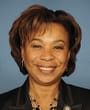 Rep. Barbara LeeD-CA-13
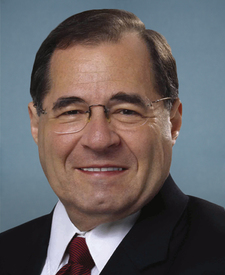 Rep. Jerrold NadlerD-NY-10
 Rep. Andy LevinD-MI-9
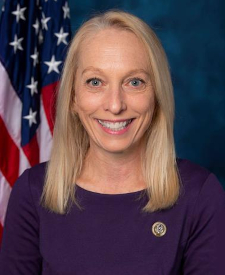 Rep. Mary ScanlonD-PA-5
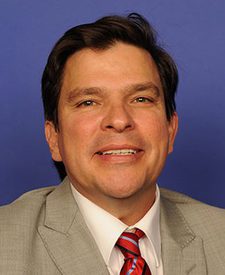 Rep. Vicente GonzalezD-TX-15
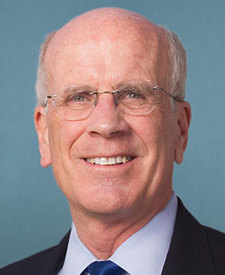 Rep. Peter WelchD-VT
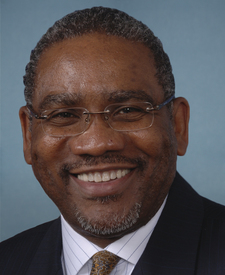 Rep. Gregory MeeksD-NY-5
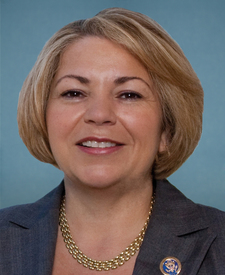 Rep. Linda SánchezD-CA-38
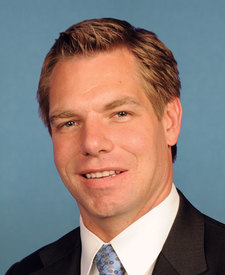 Rep. Eric SwalwellD-CA-15
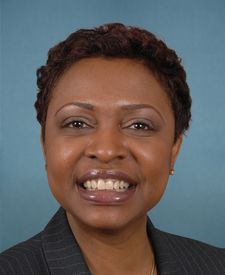 Rep. Yvette ClarkeD-NY-9
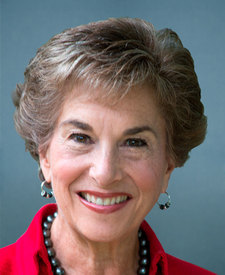 Rep. Jan SchakowskyD-IL-9
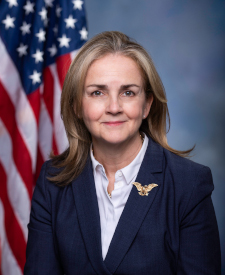 Rep. Madeleine DeanD-PA-4
 Rep. Donald PayneD-NJ-10
 Rep. Pramila JayapalD-WA-7
 Rep. Dwight EvansD-PA-3
 Rep. Hakeem JeffriesD-NY-8
 Rep. Daniel KildeeD-MI-5
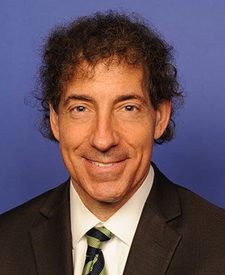 Rep. Jamie RaskinD-MD-8
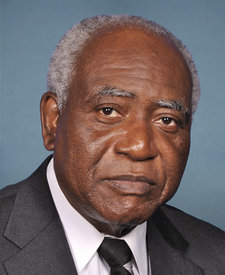 Rep. Danny DavisD-IL-7
 Rep. Bobby RushD-IL-1
 Rep. Nydia VelázquezD-NY-7
 Rep. Joyce BeattyD-OH-3
 Rep. Earl BlumenauerD-OR-3
 Rep. Lori TrahanD-MA-3
 Rep. Mark PocanD-WI-2
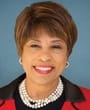 Rep. Brenda LawrenceD-MI-14
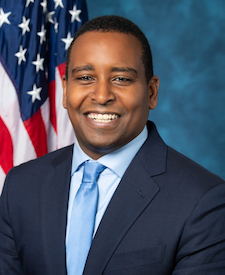 Rep. Joe NeguseD-CO-2
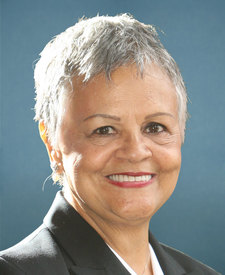 Rep. Bonnie Watson ColemanD-NJ-12
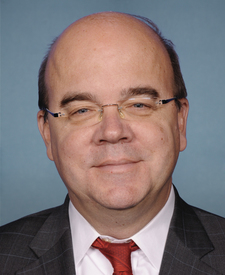 Rep. Jim McGovernD-MA-2
 Rep. Hank JohnsonD-GA-4
 Rep. Michael DoyleD-PA-18
 Rep. Chuy GarcíaD-IL-4
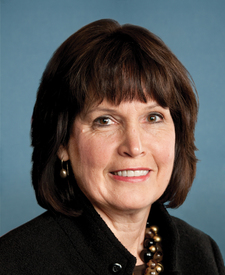 Rep. Betty McCollumD-MN-4
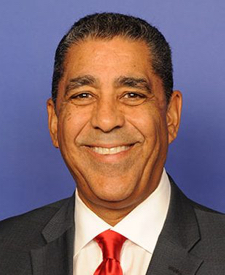 Rep. Adriano EspaillatD-NY-13
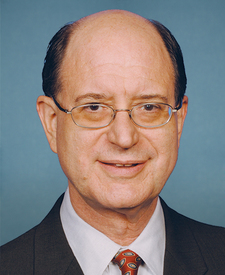 Rep. Brad ShermanD-CA-30
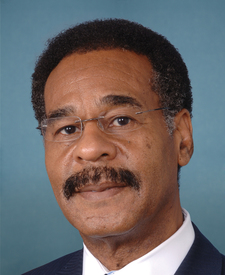 Rep. Emanuel CleaverD-MO-5
 Rep. Eliot EngelD-NY-16
 Rep. Colin AllredD-TX-32
 Rep. Suzanne BonamiciD-OR-1
 Rep. Filemon VelaD-TX-34
 Rep. Lizzie FletcherD-TX-7
 Rep. Robin KellyD-IL-2
 Rep. John YarmuthD-KY-3
 Rep. Joseph KennedyD-MA-4
 Rep. Pete AguilarD-CA-31
 Rep. Mike ThompsonD-CA-5
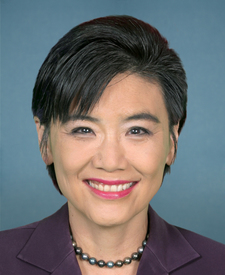 Rep. Judy ChuD-CA-27
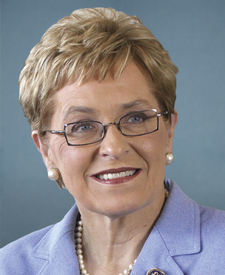 Rep. Marcy KapturD-OH-9
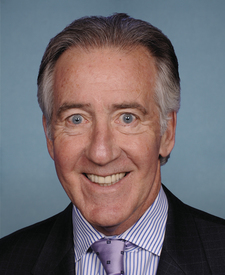 Rep. Richard NealD-MA-1
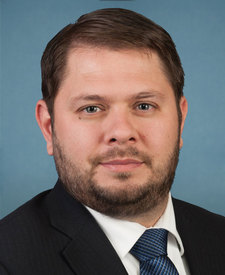 Rep. Ruben GallegoD-AZ-7
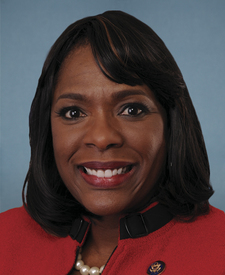 Rep. Terri SewellD-AL-7
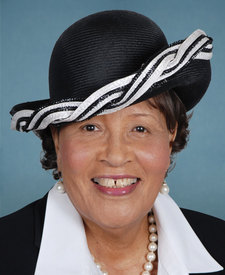 Rep. Alma AdamsD-NC-12
 Rep. David CicillineD-RI-1
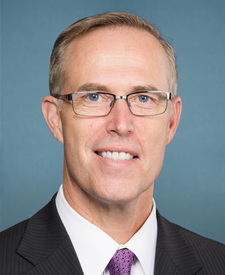 Rep. Jared HuffmanD-CA-2
 Rep. Jerry McNerneyD-CA-9
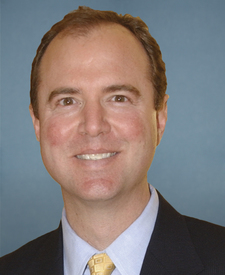 Rep. Adam SchiffD-CA-28
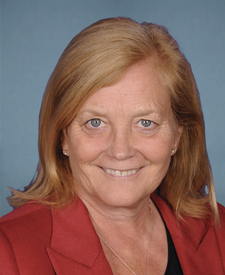 Rep. Chellie PingreeD-ME-1
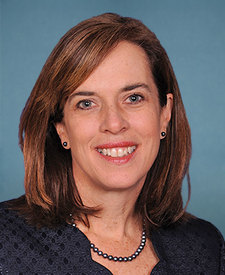 Rep. Katherine ClarkD-MA-5
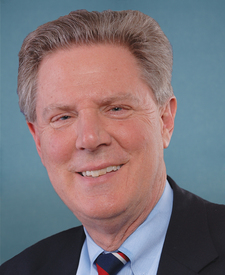 Rep. Frank PalloneD-NJ-6
 Rep. Albio SiresD-NJ-8
 Rep. G.K. ButterfieldD-NC-1
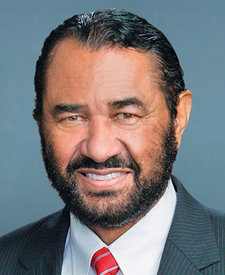 Rep. Al GreenD-TX-9
 Rep. Doris MatsuiD-CA-6
 Rep. Kathy CastorD-FL-14
 Rep. Carolyn MaloneyD-NY-12
 Rep. Jimmy GomezD-CA-34
 Rep. John SarbanesD-MD-3
 Rep. Derek KilmerD-WA-6
 Rep. Bill FosterD-IL-11
 Rep. Jennifer WextonD-VA-10
 Rep. Mark TakanoD-CA-41
 Rep. Steve CohenD-TN-9
 Rep. Sean CastenD-IL-6
 Rep. Diana DeGetteD-CO-1
 Rep. Lisa Blunt RochesterD-DE
 Rep. Lucille Roybal-AllardD-CA-40
 Rep. Nancy PelosiD-CA-12
 Rep. Debbie DingellD-MI-12
 Rep. Anna EshooD-CA-18
 Rep. Donald NorcrossD-NJ-1
 Rep. Norma TorresD-CA-35
 Rep. Ted DeutchD-FL-22
 Rep. Steven HorsfordD-NV-4
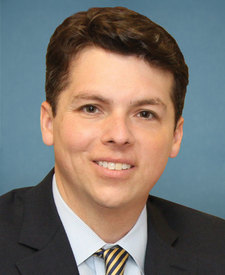 Rep. Brendan BoyleD-PA-2
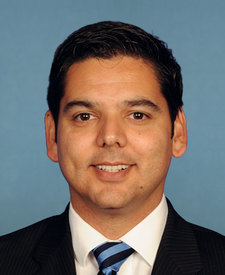 Rep. Raul RuizD-CA-36
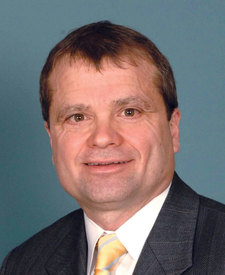 Rep. Mike QuigleyD-IL-5
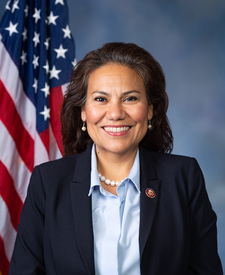 Rep. Veronica EscobarD-TX-16
 Rep. Jim ClyburnD-SC-6
 Rep. Josh HarderD-CA-10
 Rep. Brian HigginsD-NY-26
 Rep. Steny HoyerD-MD-5
 Rep. Bobby ScottD-VA-3
 Rep. David PriceD-NC-4
 Rep. Rosa DeLauroD-CT-3
 Rep. Gilbert CisnerosD-CA-39
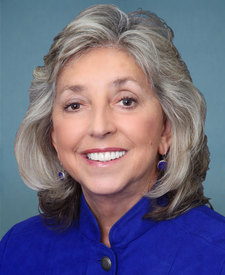 Rep. Dina TitusD-NV-1
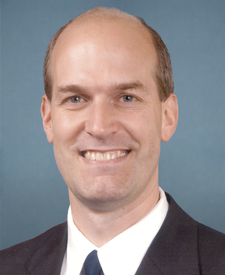 Rep. Rick LarsenD-WA-2
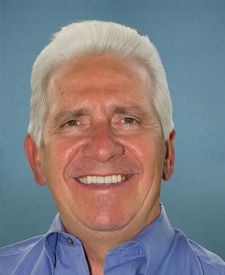 Rep. Jim CostaD-CA-16
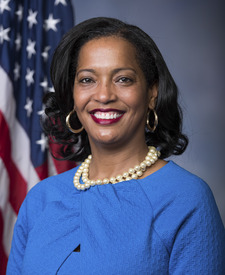 Rep. Jahana HayesD-CT-5
 Rep. Ann KirkpatrickD-AZ-2
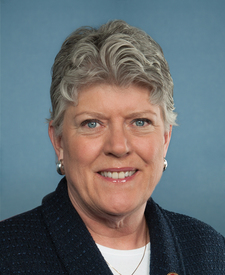 Rep. Julia BrownleyD-CA-26
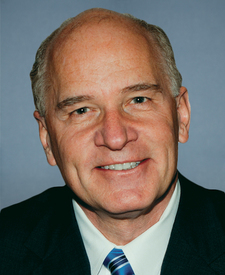 Rep. William KeatingD-MA-9
 Rep. Susan WildD-PA-7
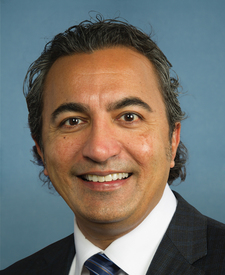 Rep. Ami BeraD-CA-7
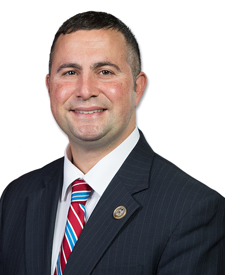 Rep. Darren SotoD-FL-9
 Rep. Tim RyanD-OH-13
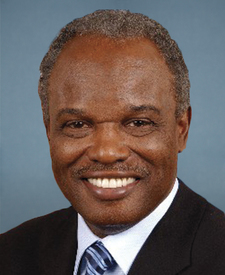 Rep. David ScottD-GA-13
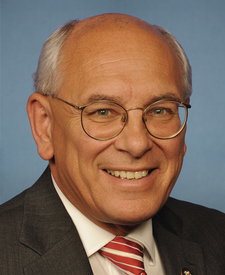 Rep. Paul TonkoD-NY-20
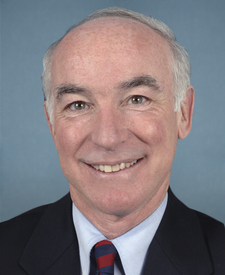 Rep. Joe CourtneyD-CT-2
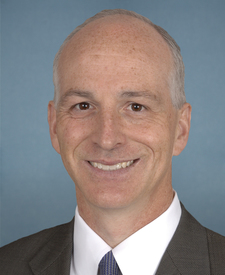 Rep. Adam SmithD-WA-9
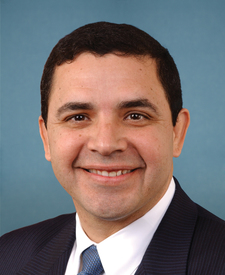 Rep. Henry CuellarD-TX-28
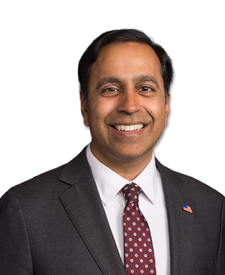 Rep. Raja KrishnamoorthiD-IL-8
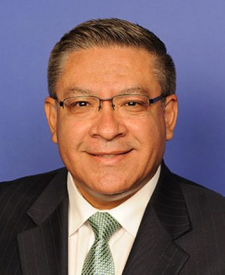 Rep. Salud CarbajalD-CA-24
 Rep. Debbie Wasserman SchultzD-FL-23
 Rep. Bill PascrellD-NJ-9
 Rep. Mike LevinD-CA-49
 Rep. Suzan DelBeneD-WA-1
 Rep. Donna ShalalaD-FL-27
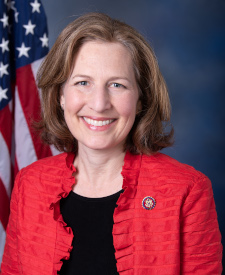 Rep. Kim SchrierD-WA-8
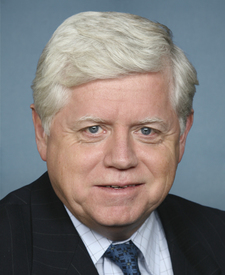 Rep. John LarsonD-CT-1
 Rep. Debbie Mucarsel-PowellD-FL-26
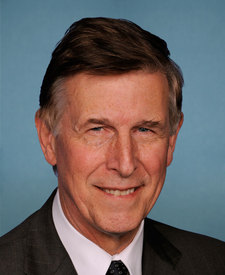 Rep. Donald BeyerD-VA-8
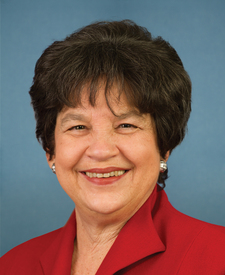 Rep. Lois FrankelD-FL-21
 Rep. TJ CoxD-CA-21
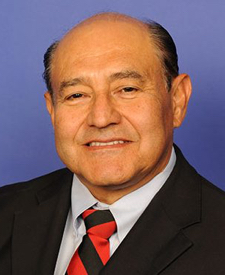 Rep. Luis CorreaD-CA-46
 Rep. Susan DavisD-CA-53
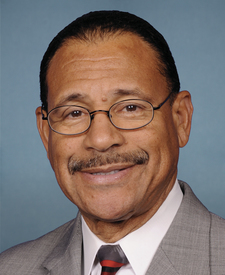 Rep. Sanford BishopD-GA-2
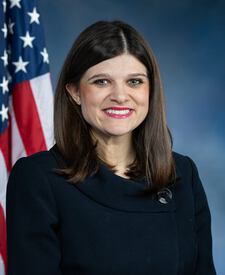 Rep. Haley StevensD-MI-11
 Rep. Harley RoudaD-CA-48
 Rep. Tom O’HalleranD-AZ-1
 Rep. Ann KusterD-NH-2
 Rep. Debra HaalandD-NM-1
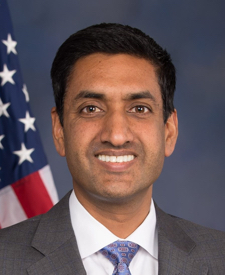 Rep. Ro KhannaD-CA-17
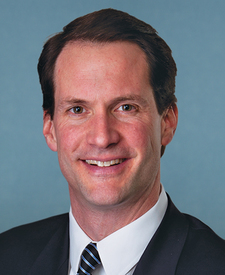 Rep. Jim HimesD-CT-4
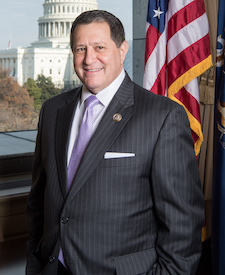 Rep. Joseph MorelleD-NY-25
 Rep. Jackie SpeierD-CA-14
 Rep. Peter DeFazioD-OR-4
 Rep. Val DemingsD-FL-10
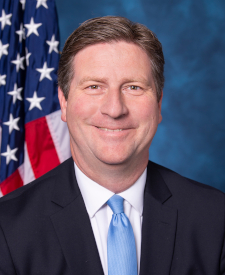 Rep. Greg StantonD-AZ-9
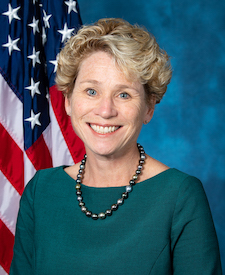 Rep. Chrissy HoulahanD-PA-6
 Rep. Denny HeckD-WA-10
 Rep. Sean MaloneyD-NY-18
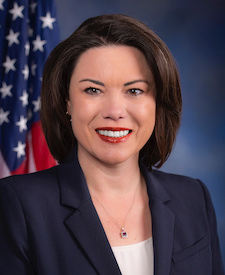 Rep. Angie CraigD-MN-2
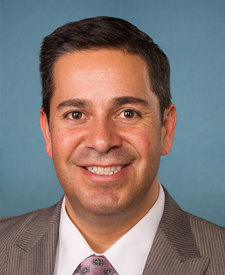 Rep. Ben LujánD-NM-3
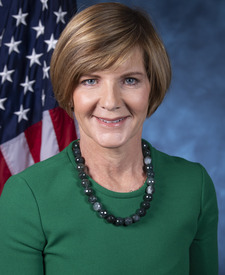 Rep. Susie LeeD-NV-3
 Rep. Anthony BrownD-MD-4
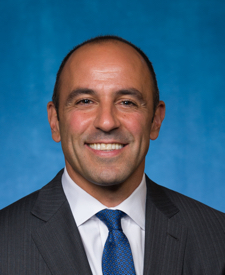 Rep. Jimmy PanettaD-CA-20
 Rep. Matt CartwrightD-PA-8
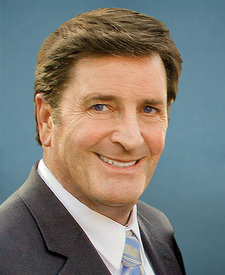 Rep. John GaramendiD-CA-3
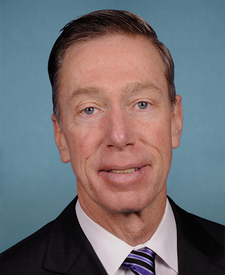 Rep. Stephen LynchD-MA-8
 Rep. Donald McEachinD-VA-4
 Rep. Ed PerlmutterD-CO-7
 Rep. David LoebsackD-IA-2
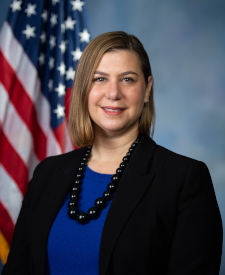 Rep. Elissa SlotkinD-MI-8
 Rep. Cheri BustosD-IL-17
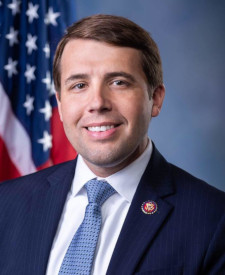 Rep. Chris PappasD-NH-1
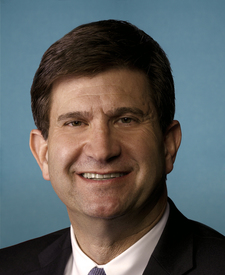 Rep. Brad SchneiderD-IL-10
 Rep. A. Dutch RuppersbergerD-MD-2
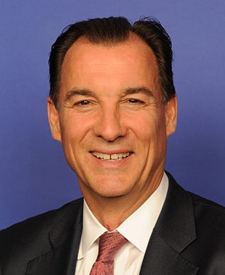 Rep. Thomas SuozziD-NY-3
 Rep. Jim LangevinD-RI-2
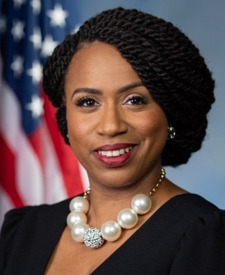 Rep. Ayanna PressleyD-MA-7
 Rep. Charlie CristD-FL-13
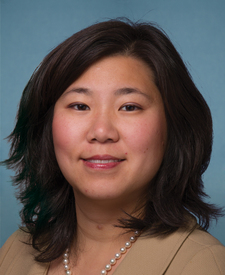 Rep. Grace MengD-NY-6
 Rep. Ilhan OmarD-MN-5
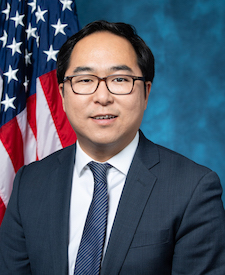 Rep. Andy KimD-NJ-3
 Rep. Jason CrowD-CO-6
 Rep. Kathleen RiceD-NY-4
 Rep. David TroneD-MD-6
 Rep. Jim CooperD-TN-5
 Rep. Ron KindD-WI-3
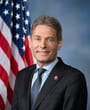 Rep. Tom MalinowskiD-NJ-7
 Rep. Tulsi GabbardD-HI-2
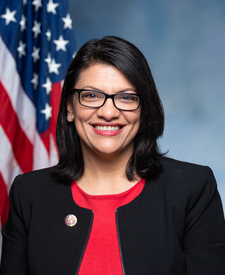 Rep. Rashida TlaibD-MI-13
 Rep. Sharice DavidsD-KS-3
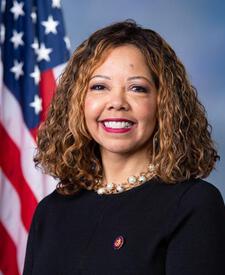 Rep. Lucy McBathD-GA-6
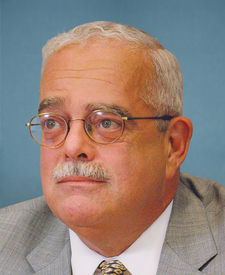 Rep. Gerald ConnollyD-VA-11
 Rep. Cynthia AxneD-IA-3
 Rep. Dean PhillipsD-MN-3
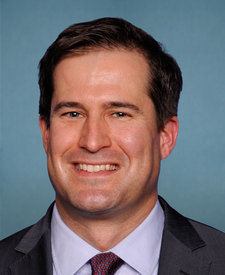 Rep. Seth MoultonD-MA-6
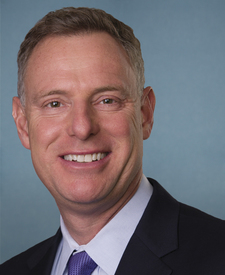 Rep. Scott PetersD-CA-52
 Rep. Abby FinkenauerD-IA-1
 Rep. Antonio DelgadoD-NY-19
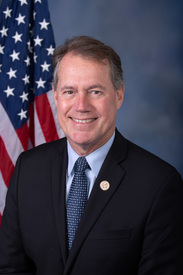 Rep. Ed CaseD-HI-1
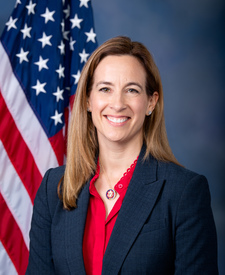 Rep. Mikie SherrillD-NJ-11
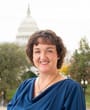 Rep. Katie PorterD-CA-45
 Rep. Elaine LuriaD-VA-2
 Rep. Stephanie MurphyD-FL-7
 Rep. Max RoseD-NY-11
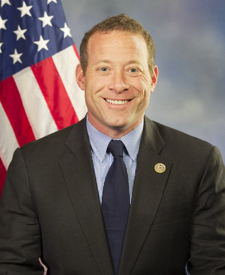 Rep. Josh GottheimerD-NJ-5
 Rep. Kendra HornD-OK-5
 Rep. Abigail SpanbergerD-VA-7
 Rep. Xochitl Torres SmallD-NM-2
 Rep. Collin PetersonD-MN-7
 Rep. Anthony BrindisiD-NY-22
 Rep. Conor LambD-PA-17
 Rep. Kurt SchraderD-OR-5
 Rep. Joe CunninghamD-SC-1
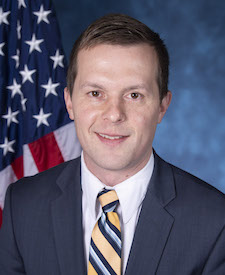 Rep. Jared GoldenD-ME-2
 Rep. Ben McAdamsD-UT-4
Republicans who voted yea(177)
 Rep. Paul MitchellR-MI-10
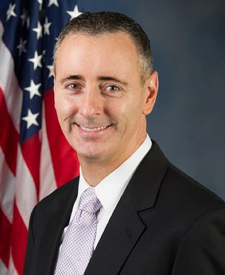 Rep. Brian FitzpatrickR-PA-1
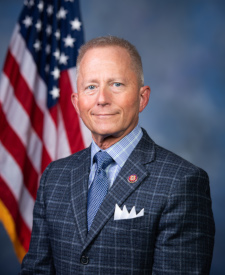 Rep. Jefferson Van DrewD-NJ-2
 Rep. John KatkoR-NY-24
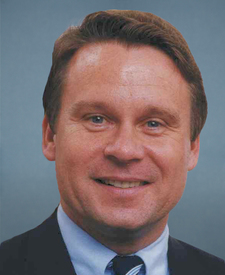 Rep. Chris SmithR-NJ-4
 Rep. Will HurdR-TX-23
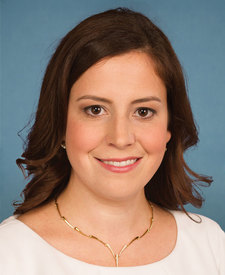 Rep. Elise StefanikR-NY-21
 Rep. Rodney DavisR-IL-13
 Rep. Tom ReedR-NY-23
 Rep. Fred UptonR-MI-6
 Rep. Pete KingR-NY-2
 Rep. Greg WaldenR-OR-2
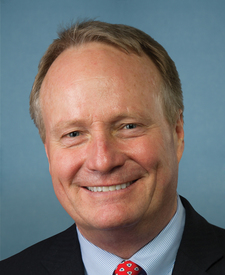 Rep. David JoyceR-OH-14
 Rep. Anthony GonzalezR-OH-16
 Rep. Jaime Herrera BeutlerR-WA-3
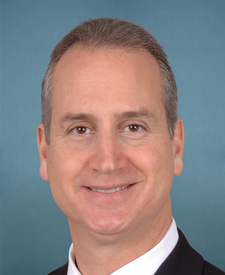 Rep. Mario Diaz-BalartR-FL-25
 Rep. Pete StauberR-MN-8
 Rep. Mike BostR-IL-12
 Rep. Adam KinzingerR-IL-16
 Rep. Tom ColeR-OK-4
 Rep. Steve StiversR-OH-15
 Rep. Jeff FortenberryR-NE-1
 Rep. Michael TurnerR-OH-10
 Rep. David McKinleyR-WV-1
 Rep. Ken CalvertR-CA-42
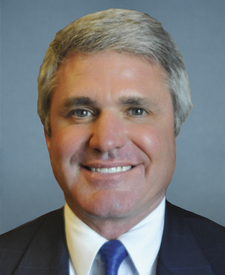 Rep. Michael McCaulR-TX-10
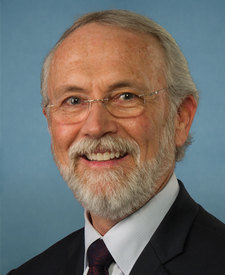 Rep. Dan NewhouseR-WA-4
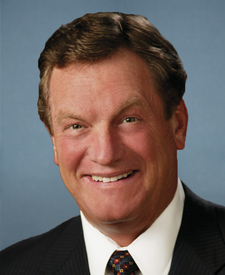 Rep. Mike SimpsonR-ID-2
 Rep. Don YoungR-AK
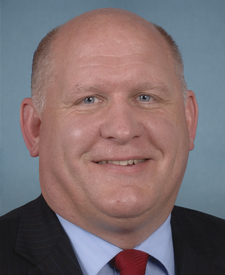 Rep. Glenn ThompsonR-PA-15
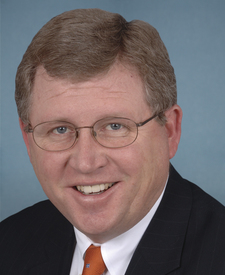 Rep. Frank LucasR-OK-3
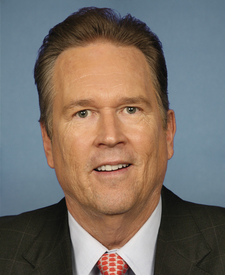 Rep. Vern BuchananR-FL-16
 Rep. Martha RobyR-AL-2
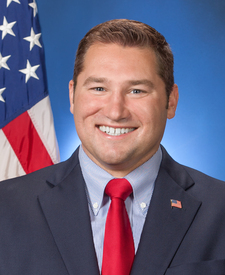 Rep. Guy ReschenthalerR-PA-14
 Rep. Don BaconR-NE-2
 Rep. Steve WomackR-AR-3
 Rep. Jackie WalorskiR-IN-2
 Rep. Ann WagnerR-MO-2
 Rep. Blaine LuetkemeyerR-MO-3
 Rep. Dan CrenshawR-TX-2
 Rep. Vicky HartzlerR-MO-4
 Rep. John MoolenaarR-MI-4
 Rep. Mark AmodeiR-NV-2
 Rep. Trey HollingsworthR-IN-9
 Rep. Gus BilirakisR-FL-12
 Rep. Cathy McMorris RodgersR-WA-5
 Rep. Chuck FleischmannR-TN-3
 Rep. Michael WaltzR-FL-6
 Rep. Mike GallagherR-WI-8
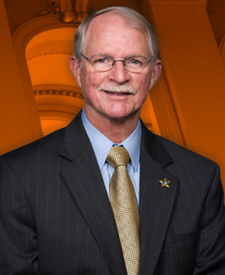 Rep. John RutherfordR-FL-4
 Rep. Lee ZeldinR-NY-1
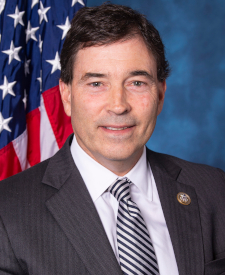 Rep. Troy BaldersonR-OH-12
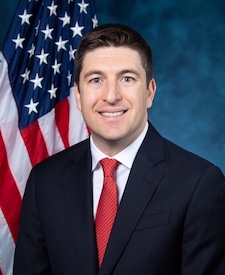 Rep. Bryan SteilR-WI-1
 Rep. Garret GravesR-LA-6
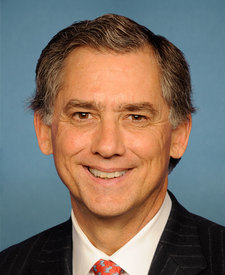 Rep. French HillR-AR-2
 Rep. Kay GrangerR-TX-12
 Rep. Kevin McCarthyR-CA-23
 Rep. Bill JohnsonR-OH-6
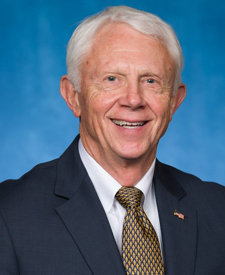 Rep. Jack BergmanR-MI-1
 Rep. Greg GianforteR-MT
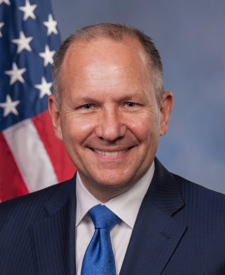 Rep. Lloyd SmuckerR-PA-11
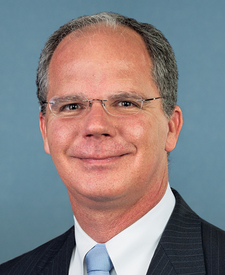 Rep. Brett GuthrieR-KY-2
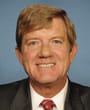 Rep. Scott TiptonR-CO-3
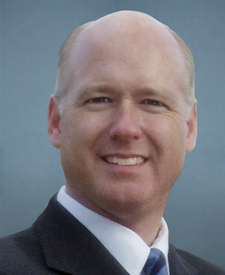 Rep. Robert AderholtR-AL-4
 Rep. Larry BucshonR-IN-8
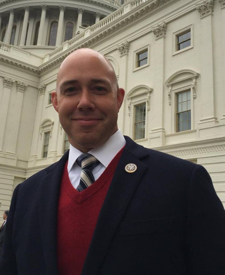 Rep. Brian MastR-FL-18
 Rep. Greg PenceR-IN-6
 Rep. Jim HagedornR-MN-1
 Rep. Phil RoeR-TN-1
 Rep. Devin NunesR-CA-22
 Rep. Ross SpanoR-FL-15
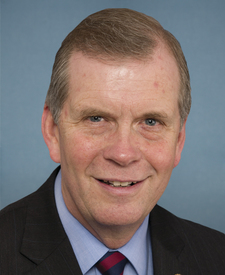 Rep. Tim WalbergR-MI-7
 Rep. Kelly ArmstrongR-ND
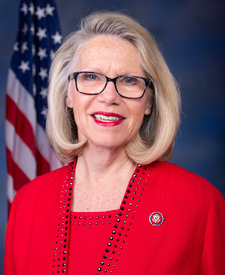 Rep. Carol MillerR-WV-3
 Rep. Darin LaHoodR-IL-18
 Rep. Dusty JohnsonR-SD
 Rep. Denver RigglemanR-VA-5
 Rep. Richard HudsonR-NC-8
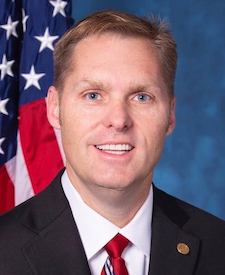 Rep. Michael GuestR-MS-3
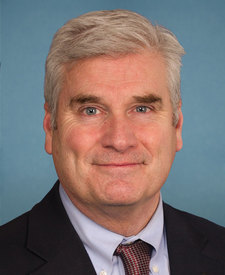 Rep. Tom EmmerR-MN-6
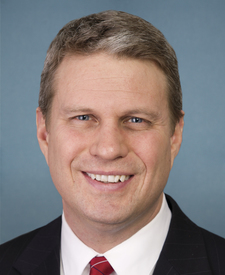 Rep. Bill HuizengaR-MI-2
 Rep. Steve ChabotR-OH-1
 Rep. Andy BarrR-KY-6
 Rep. Joe WilsonR-SC-2
 Rep. Rob WoodallR-GA-7
 Rep. Mac ThornberryR-TX-13
 Rep. Bob GibbsR-OH-7
 Rep. Doug LaMalfaR-CA-1
 Rep. Fred KellerR-PA-12
 Rep. Rick CrawfordR-AR-1
 Rep. Robert LattaR-OH-5
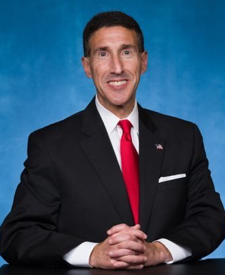 Rep. David KustoffR-TN-8
 Rep. Brad WenstrupR-OH-2
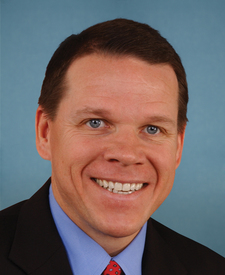 Rep. Sam GravesR-MO-6
 Rep. Bill FloresR-TX-17
 Rep. Liz CheneyR-WY
 Rep. Mike RogersR-AL-3
 Rep. David SchweikertR-AZ-6
 Rep. Robert WittmanR-VA-1
 Rep. George HoldingR-NC-2
 Rep. Chris StewartR-UT-2
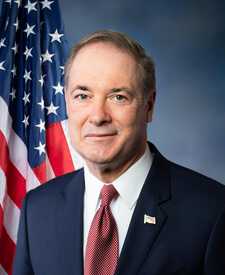 Rep. John JoyceR-PA-13
 Rep. Bill PoseyR-FL-8
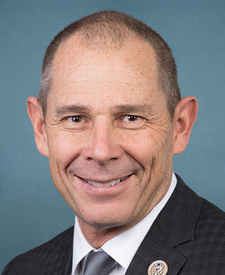 Rep. John CurtisR-UT-3
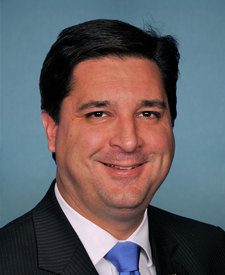 Rep. David RouzerR-NC-7
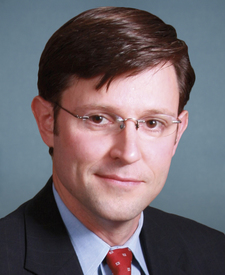 Rep. Mike JohnsonR-LA-4
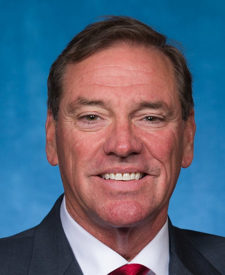 Rep. Neal DunnR-FL-2
 Rep. Steven WatkinsR-KS-2
 Rep. Van TaylorR-TX-3
 Rep. Billy LongR-MO-7
 Rep. Markwayne MullinR-OK-2
 Rep. Bruce WestermanR-AR-4
 Rep. Daniel MeuserR-PA-9
 Rep. Austin ScottR-GA-8
 Rep. Adrian SmithR-NE-3
 Rep. Scott DesJarlaisR-TN-4
 Rep. Virginia FoxxR-NC-5
 Rep. Morgan GriffithR-VA-9
 Rep. Roger WilliamsR-TX-25
 Rep. Rob BishopR-UT-1
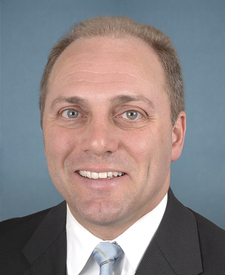 Rep. Steve ScaliseR-LA-1
 Rep. Kevin BradyR-TX-8
 Rep. Alexander MooneyR-WV-2
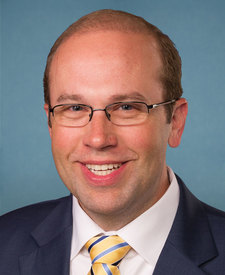 Rep. Jason SmithR-MO-8
 Rep. Scott PerryR-PA-10
 Rep. Steve KingR-IA-4
 Rep. Clay HigginsR-LA-3
 Rep. Pete OlsonR-TX-22
 Rep. Debbie LeskoR-AZ-8
 Rep. Matt GaetzR-FL-1
 Rep. Gregory MurphyR-NC-3
 Rep. Doug CollinsR-GA-9
 Rep. Buddy CarterR-GA-1
 Rep. William TimmonsR-SC-4
 Rep. Steven PalazzoR-MS-4
 Rep. Glenn GrothmanR-WI-6
 Rep. Ralph AbrahamR-LA-5
 Rep. Michael BurgessR-TX-26
 Rep. Michael ConawayR-TX-11
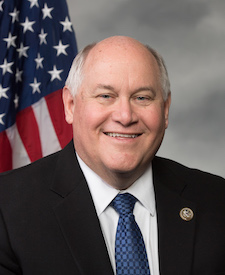 Rep. Ron EstesR-KS-4
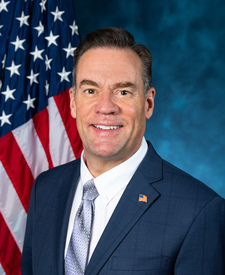 Rep. Russ FulcherR-ID-1
 Rep. Tom RiceR-SC-7
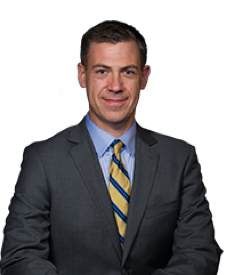 Rep. Jim BanksR-IN-3
 Rep. Doug LambornR-CO-5
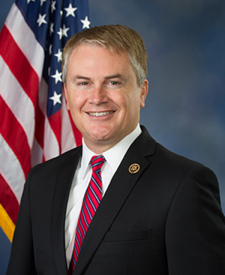 Rep. James ComerR-KY-1
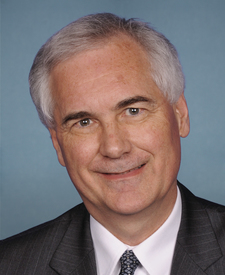 Rep. Tom McClintockR-CA-4
 Rep. John RatcliffeR-TX-4
 Rep. Drew FergusonR-GA-3
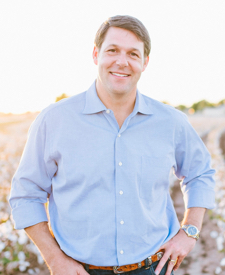 Rep. Jodey ArringtonR-TX-19
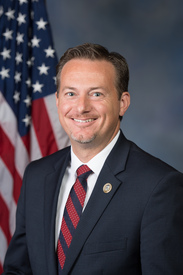 Rep. Michael CloudR-TX-27
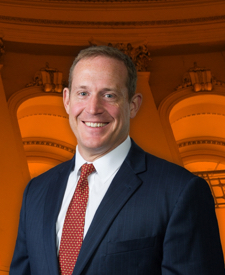 Rep. Ted BuddR-NC-13
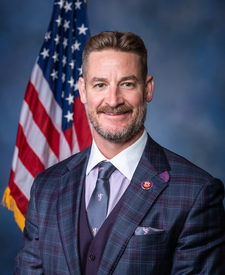 Rep. Gregory SteubeR-FL-17
 Rep. Tom GravesR-GA-14
 Rep. Gary PalmerR-AL-6
 Rep. Mark WalkerR-NC-6
 Rep. John RoseR-TN-6
 Rep. Trent KellyR-MS-1
 Rep. Warren DavidsonR-OH-8
 Rep. Tim BurchettR-TN-2
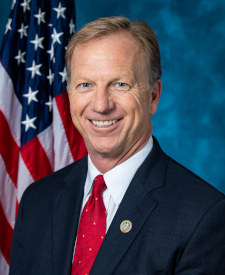 Rep. Kevin HernR-OK-1
 Rep. Bradley ByrneR-AL-1
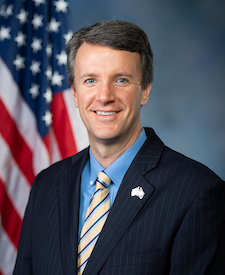 Rep. Ben ClineR-VA-6
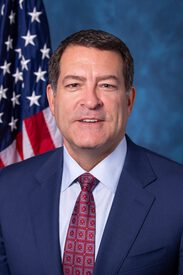 Rep. Mark GreenR-TN-7
 Rep. Louie GohmertR-TX-1
 Rep. Jeff DuncanR-SC-3
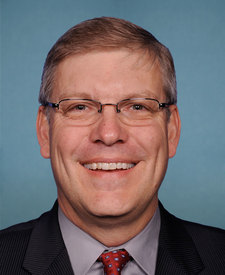 Rep. Barry LoudermilkR-GA-11
 Rep. Ted YohoR-FL-3
 Rep. Lance GoodenR-TX-5
 Rep. Randy WeberR-TX-14
 Rep. Andy HarrisR-MD-1
 Rep. Rick AllenR-GA-12
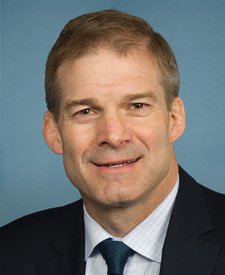 Rep. Jim JordanR-OH-4
 Rep. Mo BrooksR-AL-5
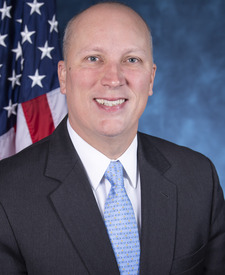 Rep. Chip RoyR-TX-21
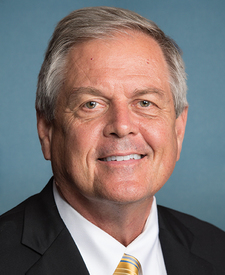 Rep. Ralph NormanR-SC-5
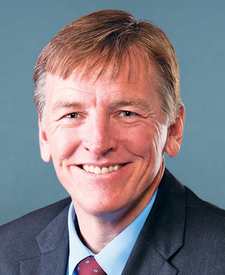 Rep. Paul GosarR-AZ-4
 Rep. Dan BishopR-NC-9
Data notes
The House’s recorded vote on the final version of the law (roll call 803 in Voteview), matched to the vote the record cites and checked against its totals. Positions are each member’s DW-NOMINATE score for that Congress, as on the Ideology page; left to right is more liberal to more conservative. Paired and announced yea votes count as yea. Lists follow the compass, most liberal first. A name links to a profile only for members of the current Congress. A law passed by voice vote or unanimous consent has no member list, and neither does a vote Voteview has not yet recorded.
Committees
The committees the bill was sent to, and what each did with it.

Data notes
A committee links to its page only where it exists in the current Congress; older and renamed committees are named without a link.
Related bills
4 bills the Library of Congress relates to this one.
H.J.Res. 31 · became Public Law 116-6Related bill
Consolidated Appropriations Act, 2019
H.R. 21Related bill
Consolidated Appropriations Act, 2019
H.R. 648Related bill
Consolidated Appropriations Act, 2019
H.Res. 28Procedurally-relatedRelated bill
Providing for consideration of the bill (H.R. 264) making appropriations for financial services and general government for the fiscal year ending September 30, 2019, and for other purposes; providing for consideration o…
Data notes
Related bills are identified by the Congressional Research Service, the House and the Senate: companion and identical bills, bills with similar text, bills that were folded into this law, and rules that brought it to the floor. A bill that is itself a public law in this site’s data links here; the others link to Congress.gov.
Timeline
From introduction to signing, newest first: the committees, the floor and the president. 29 actions.
- Apr 24, 2020Became lawBecame law · Became Public Law No: 116-139.
- Became lawBecame law · Signed by President.
- Apr 23, 2020Resolving differencesResolving differences · Motion to reconsider laid on the table Agreed to without objection.
- Resolving differencesResolving differences · On motion that the House suspend the rules and agree to the Senate amendment Agreed to by the Yeas and Nays: (2/3 required): 388 - 5, 1 Present (Roll no. 104).House roll call 104
- Resolving differencesResolving differences · Mr. Neal moved that the House suspend the rules and agree to the Senate amendment.
- FloorFloor · Presented to President.
- FloorFloor · POSTPONED PROCEEDINGS - At the conclusion of debate on the motion to suspend the rules and agree to the Senate amendment to H.R. 266, the Chair put the question on the motion, and by voice vote, announced that the ayes had prevailed. Mr. Brady demanded the yeas and nays, and the…
- FloorFloor · DEBATE - Pursuant to the order of the House of April 23, 2020, the House proceeded with 2 hours of debate on the motion to suspend the rules and agree to the Senate amendment to H.R. 266.
- OtherOther · Resolving differences -- House actions: On motion that the House suspend the rules and agree to the Senate amendment Agreed to by the Yeas and Nays: (2/3 required): 388 - 5, 1 Present (Roll no. 104).House roll call 104
- Apr 22, 2020FloorFloor · Message on Senate action sent to the House.
- Apr 21, 2020FloorFloor · Passed Senate with an amendment by Voice Vote.
- FloorFloor · Measure laid before Senate by unanimous consent.
- Jan 15, 2019CalendarCalendar · Read the second time. Placed on Senate Legislative Calendar under General Orders. Calendar No. 12.
- Jan 14, 2019CalendarCalendar · Received in the Senate. Read the first time. Placed on Senate Legislative Calendar under Read the First Time.
- Jan 11, 2019FloorFloor · Motion to reconsider laid on the table Agreed to without objection.
- FloorFloor · On passage Passed by the Yeas and Nays: 240 - 179 (Roll no. 27).House roll call 27
- FloorFloor · On motion to recommit with instructions Failed by the Yeas and Nays: 190 - 229 (Roll no. 26).House roll call 26
- FloorFloor · Considered as unfinished business.
- FloorFloor · POSTPONED PROCEEDINGS - At the conclusion of debate on the motion to recommit with instructions, the Chair put the question on the motion, and by voice vote, announced that the noes had prevailed. Mr. Calvert demanded the yeas and nays and the Chair postponed further proceedings…
- FloorFloor · The previous question on the motion to recommit with instructions was ordered without objection.
- FloorFloor · Floor summary: DEBATE - The House proceeded with 10 minutes of debate on the Calvert motion to recommit with instructions. The instructions contained in the motion seek to require the bill to be reported back to the House with an amendment to decrease the Bureau of Land Manageme…
- FloorFloor · Mr. Calvert moved to recommit with instructions to the Committee on Appropriations.
- FloorFloor · The previous question was ordered pursuant to the rule.
- FloorFloor · DEBATE - The House proceeded with one hour of debate on H.R. 266.
- FloorFloor · Rule provides for consideration of H.R. 264, H.R. 265, H.R. 266 and H.R. 267. Measure will be considered read. Bill is closed to amendments. The rule provides one hour of debate, orders the previous question, and allows one motion to commit on each bill. The rule waives the requ…
- FloorFloor · Considered under the provisions of rule H. Res. 28.
- Jan 8, 2019FloorFloor · Rules Committee Resolution H. Res. 28 Reported to House. Rule provides for consideration of H.R. 264, H.R. 265, H.R. 266 and H.R. 267. Measure will be considered read. Bill is closed to amendments. The rule provides one hour of debate, orders the previous question, and allows on…
- CommitteeCommittee · Referred to the House Committee on Appropriations.
- IntroducedIntroduced · Introduced in House
Data notes
Every action the Library of Congress lists for the bill, from introduction to signing, plus the dated committee hearings. The source lists many steps twice (the chamber’s own entry and the Library of Congress copy, or a presidential and a became-law entry with the same words); those are shown once. Amendments are listed in their own section.
Amendments
1 amendment offered to the bill, with the last recorded step of each.
- Agreed to
S.Amdt. 1580SenateSen. Mitch McConnellR-KY· offered Apr 21, 2020Agreed to
To increase amounts authorized and appropriated for commitments for the Paycheck Protection Program authorized under section 7(a) of the Small Business Act, economic injury disaster loans and emergency grants under the CARES Act, to fund h…
Apr 21, 2020: Amendment SA 1580 agreed to in Senate by Unanimous Consent.
Data notes
Amendments offered to this bill in either chamber, as the Library of Congress records them: each with a status read from its last recorded step: agreed to, rejected, withdrawn, ruled out of order, fell with another amendment, or offered with no vote recorded (most Senate amendments are only ever offered). The wording of each amendment is the source’s. Amendments to amendments and amendments to other bills are not listed.
Official record
The bill’s full text is on Congress.gov. Data through Oct 7, 2026.