Providing for congressional disapproval under chapter 8 of title 5, United States Code, of the rule submitted by Bureau of Consumer Financial Protection relating to "Arbitration Agreements".
Public Law 115-74 · H.J.Res. 111 · 115th Congress · began in the House
Signed by Donald Trump (R) on Nov 1, 2017 · Finance and Financial Sector
Major law
Sponsor: Rep. Keith Rothfus (R-PA-12)
Cosponsors (34): Rep. Jeb Hensarling, Rep. Pete King,
Passage votesYeaNay
- HouseRecorded vote: 231 yea, 190 nay231–190
- SenateRecorded vote: 51 yea, 50 nay51–50
Data notes
The final version of the law, as each chamber passed it. A chamber that passed it by voice vote or unanimous consent has no count. “Method not stated” means the record does not say how the chamber voted. Where the record has a member-by-member vote, the “Who voted for it” section shows who voted yea.
Summary
The Congressional Research Service’s plain-language summary of what the law does.
This joint resolution nullifies a rule submitted by the Consumer Financial Protection Bureau (CFPB) regarding arbitration agreements.
(The rule regulates the use of arbitration agreements in contracts for specific consumer financial products and services. It prohibits the use of a predispute arbitration agreement to prevent a consumer from filing or participating in certain class action suits. The rule also requires consumer financial product and service providers to furnish the CFPB with particular information regarding arbitrations.)
Who voted for it
Every House member of the 115th Congress on the ideology compass. Highlighted: the 231 who voted yea on final passage. Faded: everyone else, including those who voted nay, did not vote, or had not yet taken office.
231 yea190 nay12 present or did not vote
Democrats who voted yea(0)
- None.
Republicans who voted yea(231)
 Rep. Frank LoBiondoR-NJ-2
 Rep. Tom MacArthurR-NJ-3
 Rep. Ileana Ros-LehtinenR-FL-27
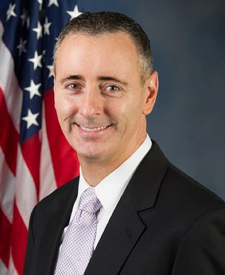 Rep. Brian FitzpatrickR-PA-8
 Rep. Patrick MeehanR-PA-7
 Rep. John KatkoR-NY-24
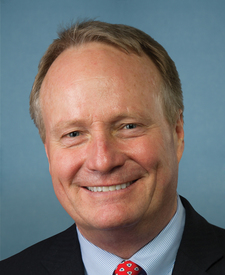 Rep. David JoyceR-OH-14
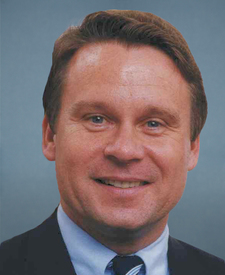 Rep. Chris SmithR-NJ-4
 Rep. John FasoR-NY-19
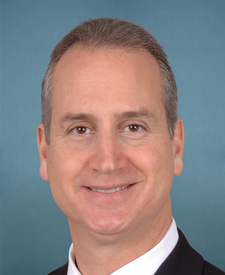 Rep. Mario Diaz-BalartR-FL-25
 Rep. Jeff DenhamR-CA-10
 Rep. David McKinleyR-WV-1
 Rep. Mike BostR-IL-12
 Rep. Pete KingR-NY-2
 Rep. Carlos CurbeloR-FL-26
 Rep. Daniel DonovanR-NY-11
 Rep. Elise StefanikR-NY-21
 Rep. Michael TurnerR-OH-10
 Rep. Tom ReedR-NY-23
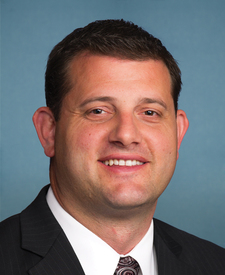 Rep. David ValadaoR-CA-21
 Rep. Adam KinzingerR-IL-16
 Rep. David ReichertR-WA-8
 Rep. Leonard LanceR-NJ-7
 Rep. Steve StiversR-OH-15
 Rep. Tim MurphyR-PA-18
 Rep. Pat TiberiR-OH-12
 Rep. Rodney DavisR-IL-13
 Rep. Charles DentR-PA-15
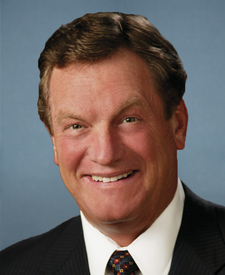 Rep. Mike SimpsonR-ID-2
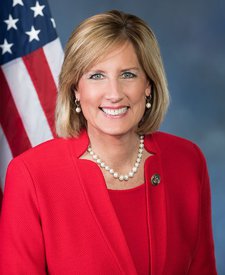 Rep. Claudia TenneyR-NY-22
 Rep. Don YoungR-AK
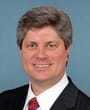 Rep. Jeff FortenberryR-NE-1
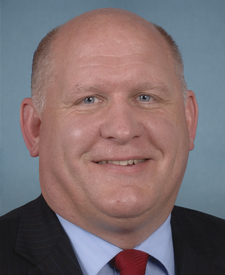 Rep. Glenn ThompsonR-PA-5
 Rep. Greg WaldenR-OR-2
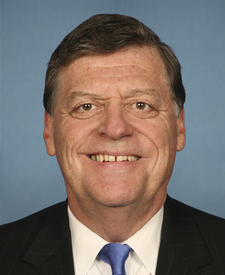 Rep. Tom ColeR-OK-4
 Rep. Fred UptonR-MI-6
 Rep. Barbara ComstockR-VA-10
 Rep. Lou BarlettaR-PA-11
 Rep. Peter RoskamR-IL-6
 Rep. Will HurdR-TX-23
 Rep. Steve KnightR-CA-25
 Rep. Bill ShusterR-PA-9
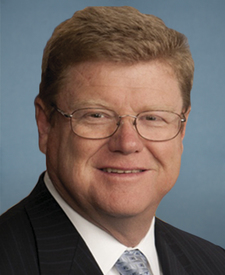 Rep. Mark AmodeiR-NV-2
 Rep. John ShimkusR-IL-15
 Rep. Erik PaulsenR-MN-3
 Rep. Evan JenkinsR-WV-3
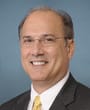 Rep. Tom MarinoR-PA-10
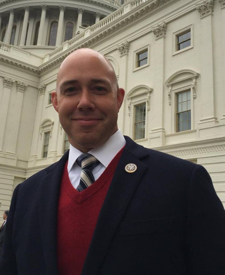 Rep. Brian MastR-FL-18
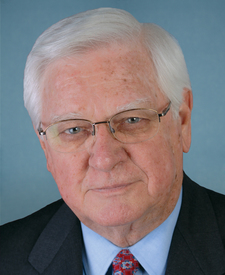 Rep. Hal RogersR-KY-5
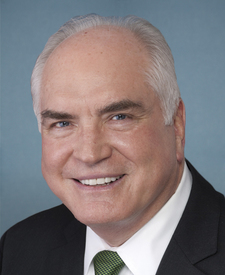 Rep. Mike KellyR-PA-3
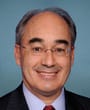 Rep. Bruce PoliquinR-ME-2
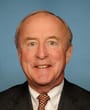 Rep. Rodney FrelinghuysenR-NJ-11
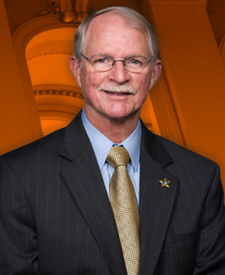 Rep. John RutherfordR-FL-4
 Rep. Paul CookR-CA-8
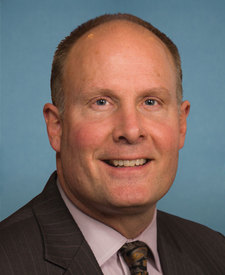 Rep. John MoolenaarR-MI-4
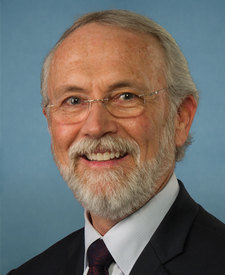 Rep. Dan NewhouseR-WA-4
 Rep. Jaime Herrera BeutlerR-WA-3
 Rep. Chris CollinsR-NY-27
 Rep. Larry BucshonR-IN-8
 Rep. Dave TrottR-MI-11
 Rep. Thomas RooneyR-FL-17
 Rep. Susan BrooksR-IN-5
 Rep. Devin NunesR-CA-22
 Rep. Bill JohnsonR-OH-6
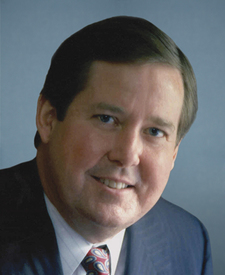 Rep. Ken CalvertR-CA-42
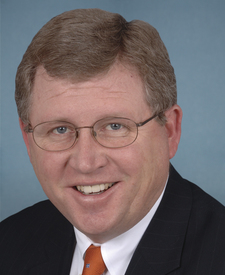 Rep. Frank LucasR-OK-3
 Rep. Martha McSallyR-AZ-2
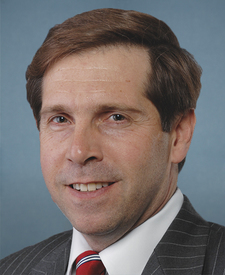 Rep. Chuck FleischmannR-TN-3
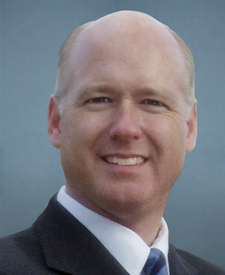 Rep. Robert AderholtR-AL-4
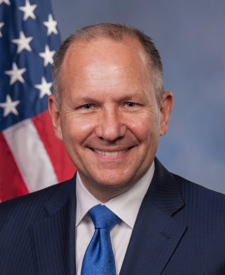 Rep. Lloyd SmuckerR-PA-16
 Rep. Mike RogersR-AL-3
 Rep. Gregg HarperR-MS-3
 Rep. Scott TiptonR-CO-3
 Rep. Martha RobyR-AL-2
 Rep. Lee ZeldinR-NY-1
 Rep. Greg GianforteR-MT
 Rep. Mike CoffmanR-CO-6
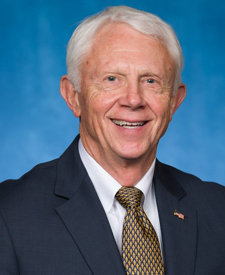 Rep. Jack BergmanR-MI-1
 Rep. Paul MitchellR-MI-10
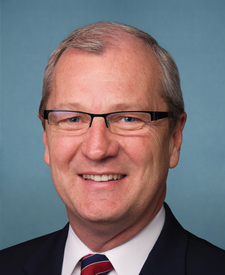 Rep. Kevin CramerR-ND
 Rep. Kay GrangerR-TX-12
 Rep. Don BaconR-NE-2
 Rep. John CarterR-TX-31
 Rep. Steve WomackR-AR-3
 Rep. David YoungR-IA-3
 Rep. Blaine LuetkemeyerR-MO-3
 Rep. Darrell IssaR-CA-49
 Rep. Randy HultgrenR-IL-14
 Rep. Mac ThornberryR-TX-13
 Rep. Scott TaylorR-VA-2
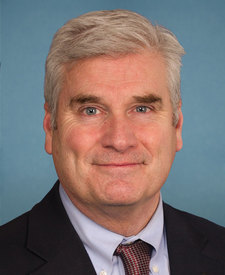 Rep. Tom EmmerR-MN-6
 Rep. Kevin McCarthyR-CA-23
 Rep. Trey HollingsworthR-IN-9
 Rep. Vicky HartzlerR-MO-4
 Rep. Cathy McMorris RodgersR-WA-5
 Rep. Kristi NoemR-SD
 Rep. Patrick McHenryR-NC-10
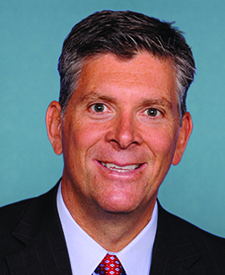 Rep. Darin LaHoodR-IL-18
 Rep. Steven PalazzoR-MS-4
 Rep. Billy LongR-MO-7
 Rep. Dennis RossR-FL-15
 Rep. John CulbersonR-TX-7
 Rep. Steve PearceR-NM-2
 Rep. Mike BishopR-MI-8
 Rep. Ed RoyceR-CA-39
 Rep. Sean DuffyR-WI-7
 Rep. Kevin BradyR-TX-8
 Rep. Mia LoveR-UT-4
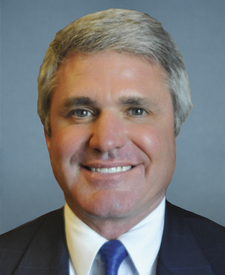 Rep. Michael McCaulR-TX-10
 Rep. Jackie WalorskiR-IN-2
 Rep. Phil RoeR-TN-1
 Rep. Kevin YoderR-KS-3
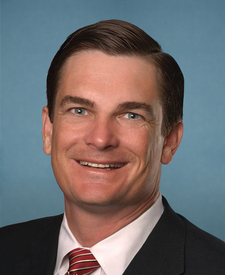 Rep. Austin ScottR-GA-8
 Rep. Lamar SmithR-TX-21
 Rep. Keith RothfusR-PA-12
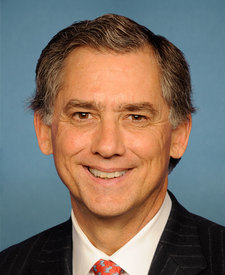 Rep. French HillR-AR-2
 Rep. Karen HandelR-GA-6
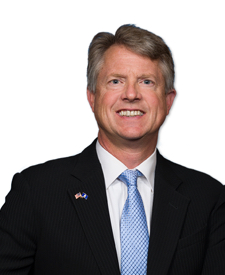 Rep. Roger MarshallR-KS-1
 Rep. Rick CrawfordR-AR-1
 Rep. Lynn JenkinsR-KS-2
 Rep. Neal DunnR-FL-2
 Rep. Gus BilirakisR-FL-12
 Rep. Jason LewisR-MN-2
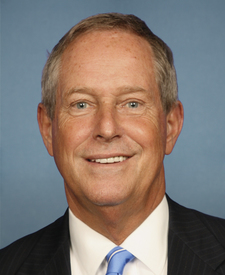 Rep. Joe WilsonR-SC-2
 Rep. Rob BishopR-UT-1
 Rep. Steve RussellR-OK-5
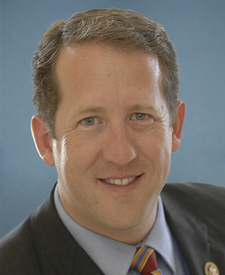 Rep. Adrian SmithR-NE-3
 Rep. Doug CollinsR-GA-9
 Rep. Liz CheneyR-WY
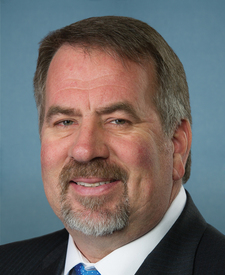 Rep. Doug LaMalfaR-CA-1
 Rep. Drew FergusonR-GA-3
 Rep. Mimi WaltersR-CA-45
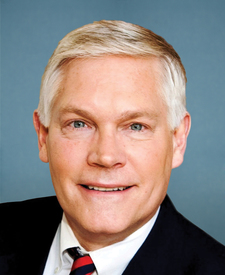 Rep. Pete SessionsR-TX-32
 Rep. Garret GravesR-LA-6
 Rep. Duncan HunterR-CA-50
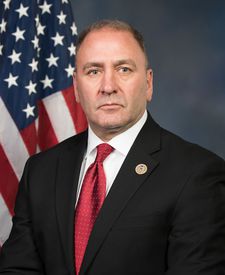 Rep. Clay HigginsR-LA-3
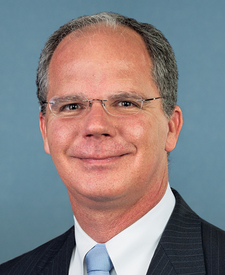 Rep. Brett GuthrieR-KY-2
 Rep. Chris StewartR-UT-2
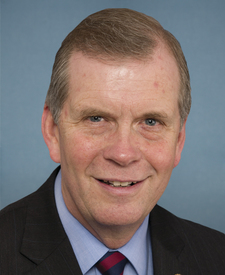 Rep. Tim WalbergR-MI-7
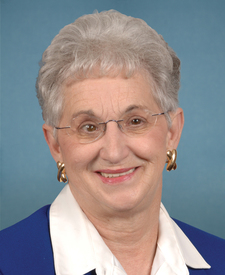 Rep. Virginia FoxxR-NC-5
 Rep. Rod BlumR-IA-1
 Rep. Bob GibbsR-OH-7
 Rep. Steve KingR-IA-4
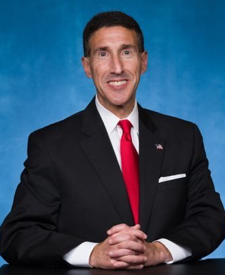 Rep. David KustoffR-TN-8
 Rep. Joe BartonR-TX-6
 Rep. Ralph AbrahamR-LA-5
 Rep. Andy BarrR-KY-6
 Rep. Trey GowdyR-SC-4
 Rep. Jodey ArringtonR-TX-19
 Rep. Ron EstesR-KS-4
 Rep. Michael ConawayR-TX-11
 Rep. Justin AmashR-MI-3
 Rep. Pete OlsonR-TX-22
 Rep. Robert LattaR-OH-5
 Rep. Tom RiceR-SC-7
 Rep. Ann WagnerR-MO-2
 Rep. Markwayne MullinR-OK-2
 Rep. Rob WoodallR-GA-7
 Rep. Francis RooneyR-FL-19
 Rep. Mike GallagherR-WI-8
 Rep. Bill PoseyR-FL-8
 Rep. Diane BlackR-TN-6
 Rep. Mike JohnsonR-LA-4
 Rep. Michael BurgessR-TX-26
 Rep. Bradley ByrneR-AL-1
 Rep. Bill FloresR-TX-17
 Rep. Bob GoodlatteR-VA-6
 Rep. Brad WenstrupR-OH-2
 Rep. David SchweikertR-AZ-6
 Rep. Robert WittmanR-VA-1
 Rep. Luke MesserR-IN-6
 Rep. Bruce WestermanR-AR-4
 Rep. Kenny MarchantR-TX-24
 Rep. Robert PittengerR-NC-9
 Rep. Ted PoeR-TX-2
 Rep. Rick AllenR-GA-12
 Rep. James ComerR-KY-1
 Rep. Roger WilliamsR-TX-25
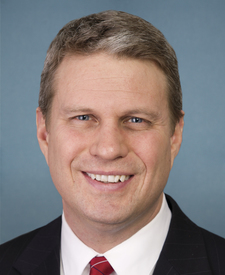 Rep. Bill HuizengaR-MI-2
 Rep. Morgan GriffithR-VA-9
 Rep. Mark WalkerR-NC-6
 Rep. Dana RohrabacherR-CA-48
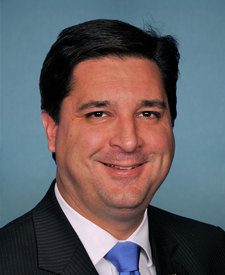 Rep. David RouzerR-NC-7
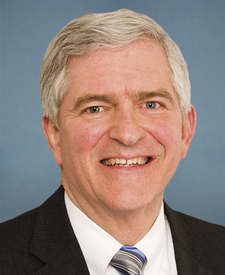 Rep. Daniel WebsterR-FL-11
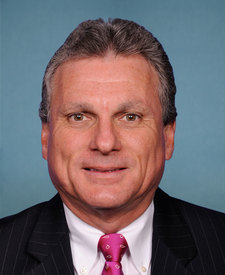 Rep. Buddy CarterR-GA-1
 Rep. Alexander MooneyR-WV-2
 Rep. Trent KellyR-MS-1
 Rep. Trent FranksR-AZ-8
 Rep. Jim BridenstineR-OK-1
 Rep. Tom GravesR-GA-14
 Rep. George HoldingR-NC-2
 Rep. Mark SanfordR-SC-1
 Rep. Blake FarentholdR-TX-27
 Rep. Scott DesJarlaisR-TN-4
 Rep. Doug LambornR-CO-5
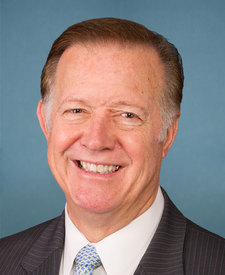 Rep. Randy WeberR-TX-14
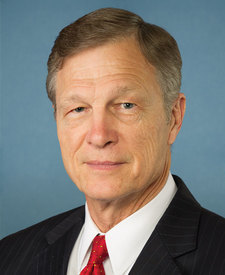 Rep. Brian BabinR-TX-36
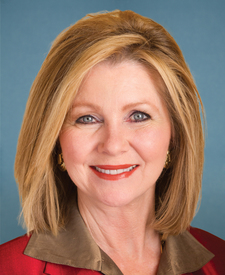 Rep. Marsha BlackburnR-TN-7
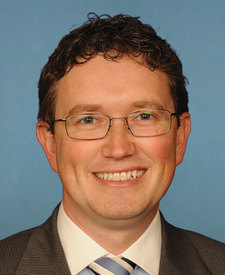 Rep. Thomas MassieR-KY-4
 Rep. Jeb HensarlingR-TX-5
 Rep. Steve ChabotR-OH-1
 Rep. Jim BanksR-IN-3
 Rep. James SensenbrennerR-WI-5
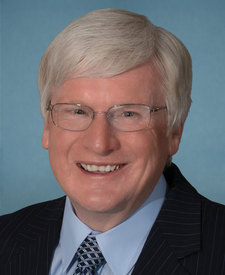 Rep. Glenn GrothmanR-WI-6
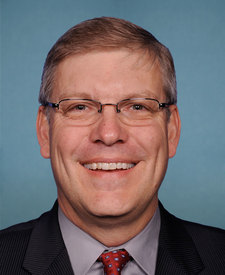 Rep. Barry LoudermilkR-GA-11
 Rep. Sam JohnsonR-TX-3
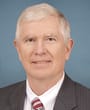 Rep. Mo BrooksR-AL-5
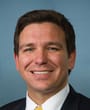 Rep. Ron DeSantisR-FL-6
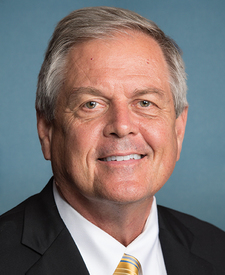 Rep. Ralph NormanR-SC-5
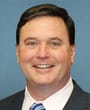 Rep. Todd RokitaR-IN-4
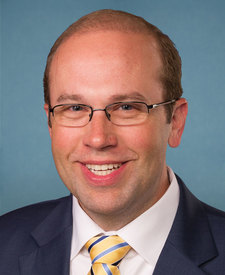 Rep. Jason SmithR-MO-8
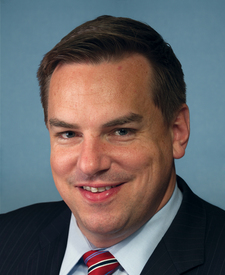 Rep. Richard HudsonR-NC-8
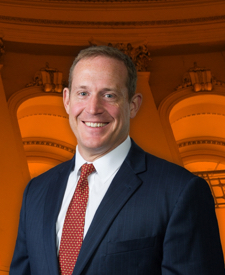 Rep. Ted BuddR-NC-13
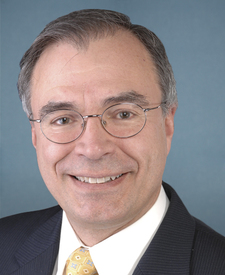 Rep. Andy HarrisR-MD-1
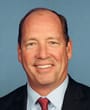 Rep. Ted YohoR-FL-3
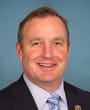 Rep. Jeff DuncanR-SC-3
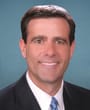 Rep. John RatcliffeR-TX-4
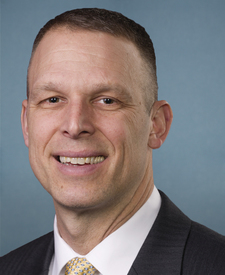 Rep. Scott PerryR-PA-4
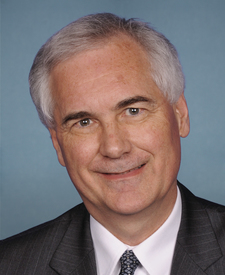 Rep. Tom McClintockR-CA-4
 Rep. Dave BratR-VA-7
 Rep. Jody HiceR-GA-10
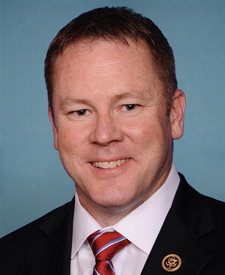 Rep. Warren DavidsonR-OH-8
 Rep. Andy BiggsR-AZ-5
 Rep. Matt GaetzR-FL-1
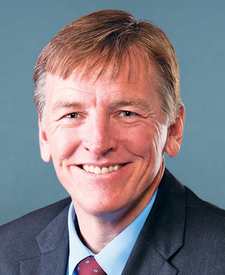 Rep. Paul GosarR-AZ-4
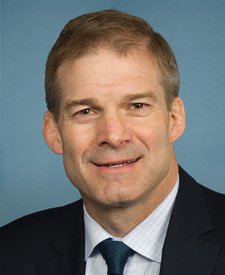 Rep. Jim JordanR-OH-4
 Rep. Louie GohmertR-TX-1
 Rep. Thomas GarrettR-VA-5
 Rep. Jimmy DuncanR-TN-2
 Rep. Ken BuckR-CO-4
 Rep. Raúl LabradorR-ID-1







Data notes
The House’s recorded vote on the final version of the law (roll call 411 in Voteview), matched to the vote the record cites and checked against its totals. Positions are each member’s DW-NOMINATE score for that Congress, as on the Ideology page; left to right is more liberal to more conservative. Paired and announced yea votes count as yea. Lists follow the compass, most liberal first. A name links to a profile only for members of the current Congress. A law passed by voice vote or unanimous consent has no member list, and neither does a vote Voteview has not yet recorded.
Committees
The committees the bill was sent to, and what each did with it.

Data notes
A committee links to its page only where it exists in the current Congress; older and renamed committees are named without a link.
Related bills
2 bills the Library of Congress relates to this one.
H.Res. 468Procedurally-related
Providing for consideration of the joint resolution (H.J. Res. 111) providing for congressional disapproval under chapter 8 of title 5, United States Code, of the rule submitted by Bureau of Consumer Financial Protectio…
S.J.Res. 47Identical bill
A joint resolution providing for congressional disapproval under chapter 8 of title 5, United States Code, of the rule submitted by Bureau of Consumer Financial Protection relating to "Arbitration Agreements".
Data notes
Related bills are identified by the Congressional Research Service, the House and the Senate: companion and identical bills, bills with similar text, bills that were folded into this law, and rules that brought it to the floor. A bill that is itself a public law in this site’s data links here; the others link to Congress.gov.
Timeline
From introduction to signing, newest first: the committees, the floor and the president. 17 actions.
- Nov 1, 2017Became lawBecame law · Signed by President.
- Oct 25, 2017FloorFloor · Presented to President.
- FloorFloor · Message on Senate action sent to the House.
- Oct 24, 2017FloorFloor · Passed Senate without amendment by Yea-Nay Vote. 51 - 50. Record Vote Number: 249.Senate roll call 249
- FloorFloor · Measure laid before Senate by motion.
- FloorFloor · Motion to proceed to consideration of measure agreed to in Senate by Voice Vote.
- Jul 25, 2017FloorFloor · Motion to reconsider laid on the table Agreed to without objection.
- FloorFloor · On passage Passed by recorded vote: 231 - 190 (Roll no. 412).House roll call 412
- FloorFloor · The previous question was ordered pursuant to the rule.
- FloorFloor · DEBATE - The House proceeded with one hour of debate on H.J. Res. 111.
- FloorFloor · Rule provides for consideration of H.J. Res. 111 with 1 hour of general debate. Previous question shall be considered as ordered without intervening motions except motion to recommit. Measure will be considered read. Bill is closed to amendments.
- FloorFloor · Considered under the provisions of rule H. Res. 468.
- FloorFloor · Rule H. Res. 468 passed House.
- CommitteeCommittee · Received in the Senate, read twice.
- Jul 24, 2017FloorFloor · Rules Committee Resolution H. Res. 468 Reported to House. Rule provides for consideration of H.J. Res. 111 with 1 hour of general debate. Previous question shall be considered as ordered without intervening motions except motion to recommit. Measure will be considered read. Bill…
- Jul 20, 2017CommitteeCommittee · Referred to the House Committee on Financial Services.
- IntroducedIntroduced · Introduced in House
Data notes
Every action the Library of Congress lists for the bill, from introduction to signing, plus the dated committee hearings. The source lists many steps twice (the chamber’s own entry and the Library of Congress copy, or a presidential and a became-law entry with the same words); those are shown once. Amendments are listed in their own section.
Amendments
No amendments to this bill are on record.
Data notes
Amendments offered to this bill in either chamber, as the Library of Congress records them: each with a status read from its last recorded step: agreed to, rejected, withdrawn, ruled out of order, fell with another amendment, or offered with no vote recorded (most Senate amendments are only ever offered). The wording of each amendment is the source’s. Amendments to amendments and amendments to other bills are not listed.
Official record
The bill’s full text is on Congress.gov. Data through Oct 7, 2026.