District of Columbia Judicial Financial Transparency Act
Public Law 114-257 · H.R. 4419 · 114th Congress · began in the House
Signed by Barack Obama (D) on Dec 14, 2016 · Government Operations and Politics
Sponsor: Rep. Eleanor Norton (D-DC)
Cosponsors: None
Passage votesYeaNay
- HouseRecorded vote: 414 yea, 0 nay414–0
- SenateUnanimous consent
Data notes
The final version of the law, as each chamber passed it. A chamber that passed it by voice vote or unanimous consent has no count. “Method not stated” means the record does not say how the chamber voted. Where the record has a member-by-member vote, the “Who voted for it” section shows who voted yea.
Summary
The Congressional Research Service’s plain-language summary of what the law does.
District of Columbia Judicial Financial Transparency Act
(Sec. 2) This bill amends the District of Columbia Code to revise the financial disclosure requirements for District of Columbia judges. The revisions establish new dollar thresholds and requirements for reporting to the District of Columbia Commission on Judicial Disabilities and Tenure the financial interests of the judges and specified family members with respect to:
• income;
• dividends, rents, interest, and capital gains;
• liabilities;
• gifts;
• real and personal property;
• honoraria;
• expense accounts or reimbursements for expenses; and
• waivers or partial waivers of fees or charges.
The financial disclosure reports must be available for public inspection and copying, unless revealing personal and sensitive information could endanger the judge or a family member. A report may be redacted only: (1) to the extent necessary to protect the individual or family member, and (2) as long as the danger to the individual exists.
(Sec. 3) The Probate Divisions of the Superior Court of the District of Columbia may use magistrate judges.
(Sec. 4) DC courts may accept payment of fines, fees, escrow payments, restitution, bonds, and other payments by credit card or electronic funds transfer. The executive officer of the courts may contract with a bank or credit card vendor, or other third party provider, to accept such payments, making every effort to find the lowest cost vendor among them.
(Sec. 5) The maximum amount in controversy for cases under the Small Claims and Conciliation Branch of DC Superior Court shall increase from $5,000 to $10,000.
(Sec. 6) Each chief judge of the Superior Court or of the Court of Appeals, as appropriate, may delegate to an active or senior judge (in the court in which the chief judge sits) the authority to approve any compensation for court-appointed criminal defense or child abuse and neglect attorneys exceeding the usual maximum.
Who voted for it
Every House member of the 114th Congress on the ideology compass. Highlighted: the 414 who voted yea on final passage. Faded: everyone else, including those who voted nay, did not vote, or had not yet taken office.
414 yea0 nay17 present or did not vote
Democrats who voted yea(176)
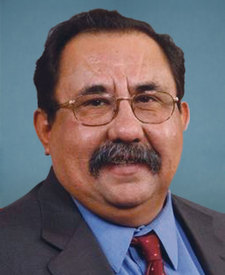 Rep. Raúl GrijalvaD-AZ-3
 Rep. Barbara LeeD-CA-13
 Rep. Karen BassD-CA-37
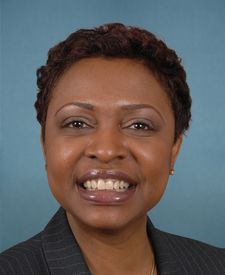 Rep. Yvette ClarkeD-NY-9
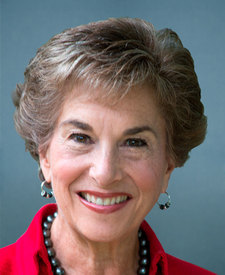 Rep. Jan SchakowskyD-IL-9
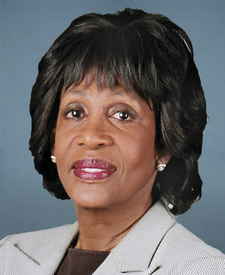 Rep. Maxine WatersD-CA-43
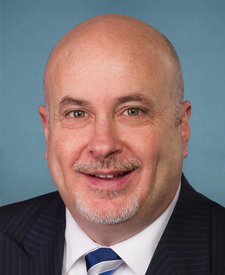 Rep. Mark PocanD-WI-2
 Rep. Grace NapolitanoD-CA-32
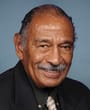 Rep. John ConyersD-MI-13
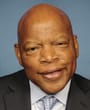 Rep. John LewisD-GA-5
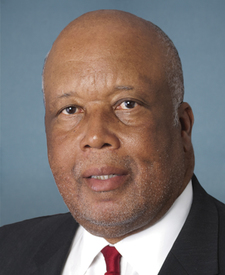 Rep. Bennie ThompsonD-MS-2
 Rep. Marcia FudgeD-OH-11
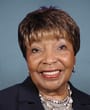 Rep. Eddie JohnsonD-TX-30
 Rep. Mike HondaD-CA-17
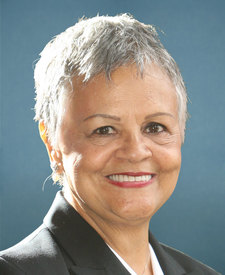 Rep. Bonnie Watson ColemanD-NJ-12
 Rep. Donald PayneD-NJ-10
 Rep. Lucille Roybal-AllardD-CA-40
 Rep. Elijah CummingsD-MD-7
 Rep. Frederica WilsonD-FL-24
 Rep. Linda SánchezD-CA-38
 Rep. Danny DavisD-IL-7
 Rep. Nydia VelázquezD-NY-7
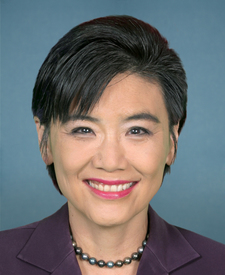 Rep. Judy ChuD-CA-27
 Rep. Charlie RangelD-NY-13
 Rep. John SarbanesD-MD-3
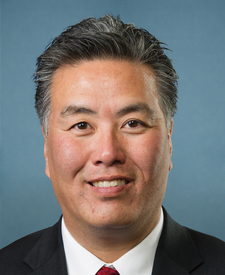 Rep. Mark TakanoD-CA-41
 Rep. Sam FarrD-CA-20
 Rep. Jim McDermottD-WA-7
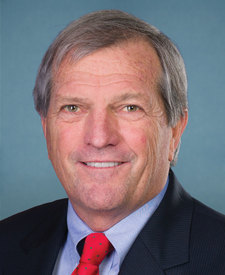 Rep. Mark DeSaulnierD-CA-11
 Rep. Cedric RichmondD-LA-2
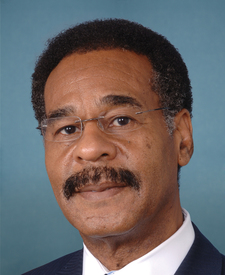 Rep. Emanuel CleaverD-MO-5
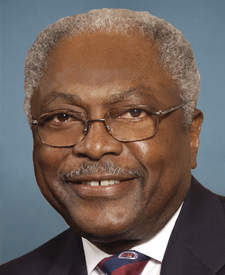 Rep. Jim ClyburnD-SC-6
 Rep. Louise SlaughterD-NY-25
 Rep. Xavier BecerraD-CA-34
 Rep. Sheila Jackson LeeD-TX-18
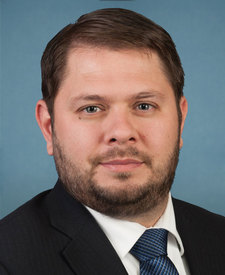 Rep. Ruben GallegoD-AZ-7
 Rep. Wm. ClayD-MO-1
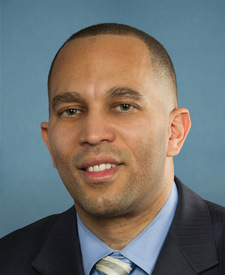 Rep. Hakeem JeffriesD-NY-8
 Rep. Keith EllisonD-MN-5
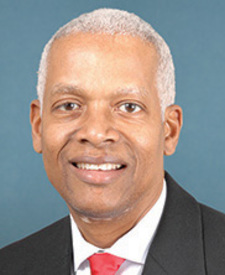 Rep. Hank JohnsonD-GA-4
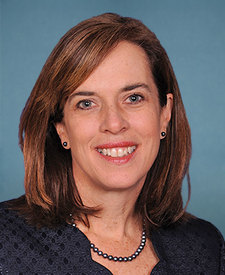 Rep. Katherine ClarkD-MA-5
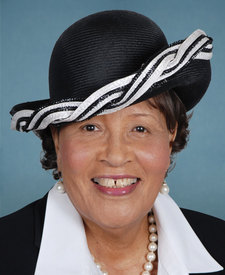 Rep. Alma AdamsD-NC-12
 Rep. Donna EdwardsD-MD-4
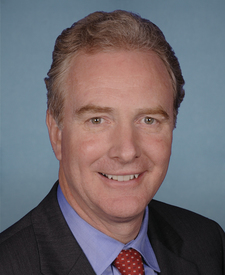 Rep. Chris Van HollenD-MD-8
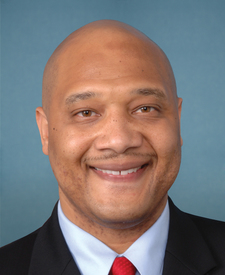 Rep. André CarsonD-IN-7
 Rep. José SerranoD-NY-15
 Rep. Alcee HastingsD-FL-20
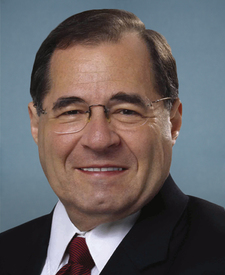 Rep. Jerrold NadlerD-NY-10
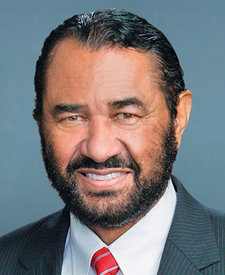 Rep. Al GreenD-TX-9
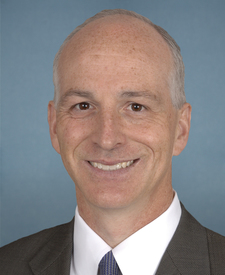 Rep. Adam SmithD-WA-9
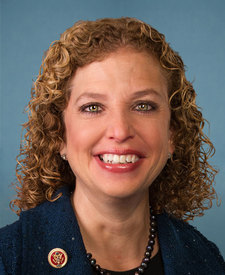 Rep. Debbie Wasserman SchultzD-FL-23
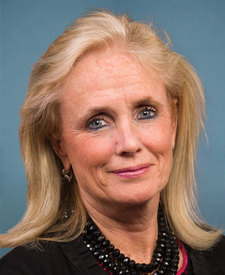 Rep. Debbie DingellD-MI-12
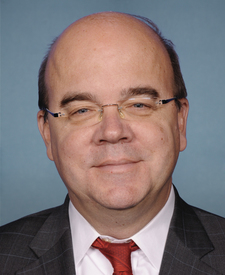 Rep. Jim McGovernD-MA-2
 Rep. Robert BradyD-PA-1
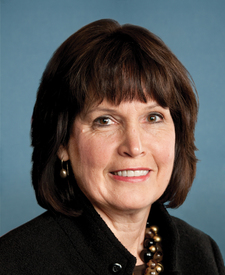 Rep. Betty McCollumD-MN-4
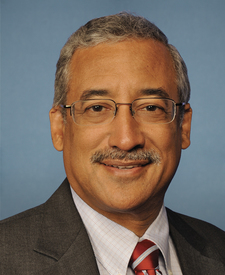 Rep. Bobby ScottD-VA-3
 Rep. Brenda LawrenceD-MI-14
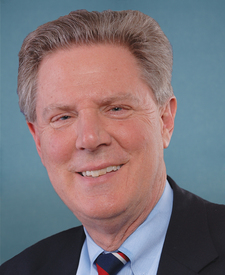 Rep. Frank PalloneD-NJ-6
 Rep. Peter ViscloskyD-IN-1
 Rep. Joseph KennedyD-MA-4
 Rep. Michael CapuanoD-MA-7
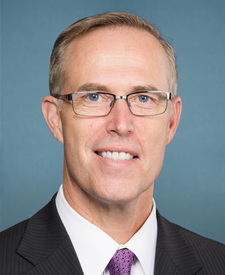 Rep. Jared HuffmanD-CA-2
 Rep. G.K. ButterfieldD-NC-1
 Rep. Joyce BeattyD-OH-3
 Rep. Paul TonkoD-NY-20
 Rep. Sander LevinD-MI-9
 Rep. Daniel KildeeD-MI-5
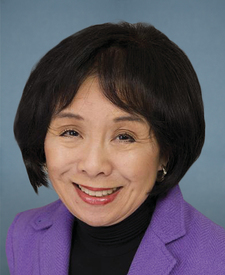 Rep. Doris MatsuiD-CA-6
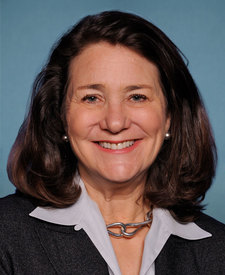 Rep. Diana DeGetteD-CO-1
 Rep. Eliot EngelD-NY-16
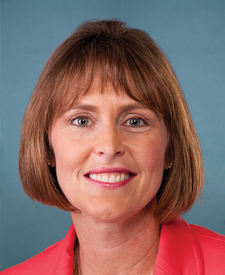 Rep. Kathy CastorD-FL-14
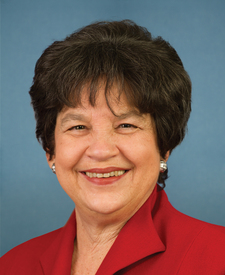 Rep. Lois FrankelD-FL-22
 Rep. Ted DeutchD-FL-21
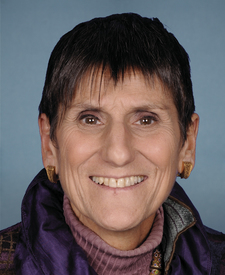 Rep. Rosa DeLauroD-CT-3
 Rep. John YarmuthD-KY-3
 Rep. Joaquin CastroD-TX-20
 Rep. Steny HoyerD-MD-5
 Rep. Adam SchiffD-CA-28
 Rep. Bill PascrellD-NJ-9
 Rep. Zoe LofgrenD-CA-19
 Rep. Jackie SpeierD-CA-14
 Rep. Peter WelchD-VT
 Rep. Nita LoweyD-NY-17
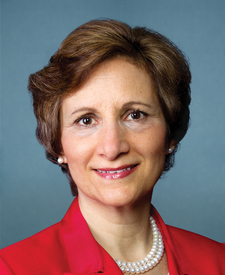 Rep. Suzanne BonamiciD-OR-1
 Rep. Michael DoyleD-PA-14
 Rep. Joe CrowleyD-NY-14
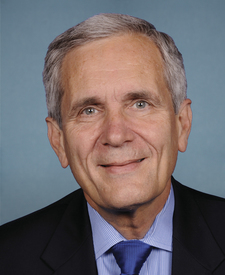 Rep. Lloyd DoggettD-TX-35
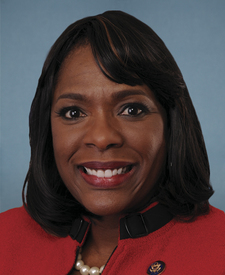 Rep. Terri SewellD-AL-7
 Rep. Alan LowenthalD-CA-47
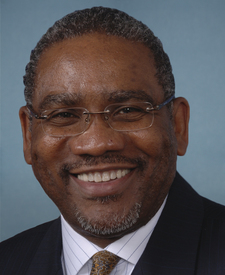 Rep. Gregory MeeksD-NY-5
 Rep. Rubén HinojosaD-TX-15
 Rep. Matt CartwrightD-PA-17
 Rep. Steve IsraelD-NY-3
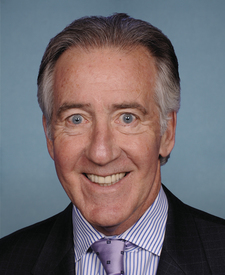 Rep. Richard NealD-MA-1
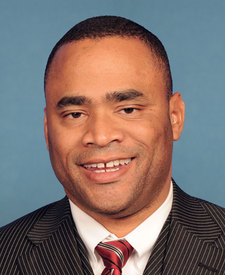 Rep. Marc VeaseyD-TX-33
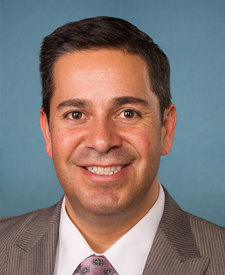 Rep. Ben LujánD-NM-3
 Rep. Earl BlumenauerD-OR-3
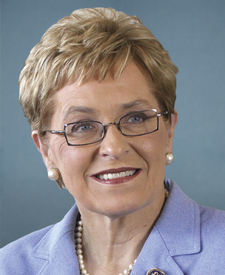 Rep. Marcy KapturD-OH-9
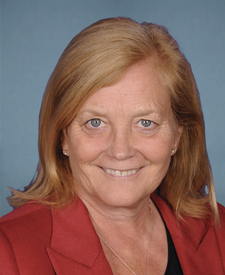 Rep. Chellie PingreeD-ME-1
 Rep. David CicillineD-RI-1
 Rep. Niki TsongasD-MA-3
 Rep. Susan DavisD-CA-53
 Rep. Tim RyanD-OH-13
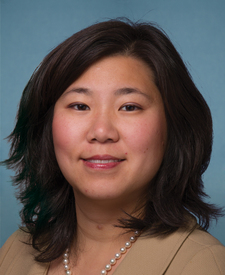 Rep. Grace MengD-NY-6
 Rep. Carolyn MaloneyD-NY-12
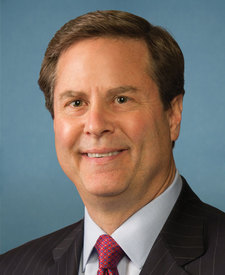 Rep. Donald NorcrossD-NJ-1
 Rep. Anna EshooD-CA-18
 Rep. Lois CappsD-CA-24
 Rep. Jim LangevinD-RI-2
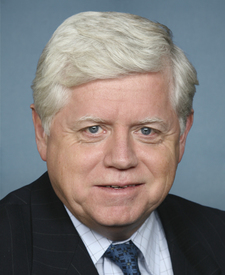 Rep. John LarsonD-CT-1
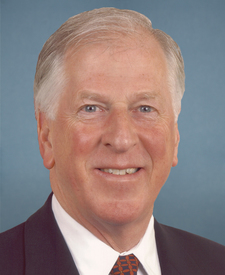 Rep. Mike ThompsonD-CA-5
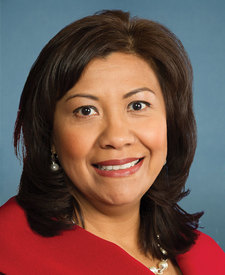 Rep. Norma TorresD-CA-35
 Rep. Brian HigginsD-NY-26
 Rep. Michelle Lujan GrishamD-NM-1
 Rep. Albio SiresD-NJ-8
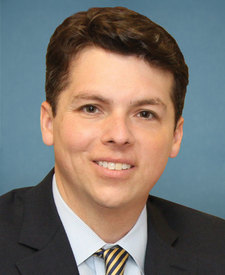 Rep. Brendan BoyleD-PA-13
 Rep. Tony CárdenasD-CA-29
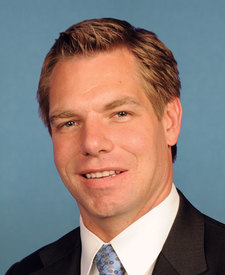 Rep. Eric SwalwellD-CA-15
 Rep. Gene GreenD-TX-29
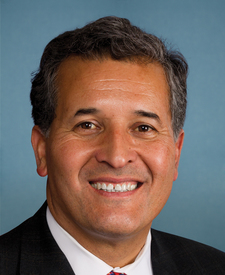 Rep. Juan VargasD-CA-51
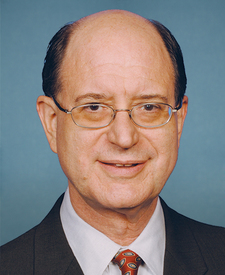 Rep. Brad ShermanD-CA-30
 Rep. Jerry McNerneyD-CA-9
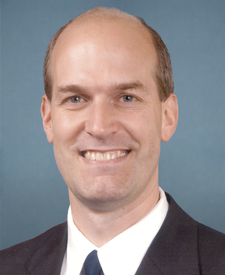 Rep. Rick LarsenD-WA-2
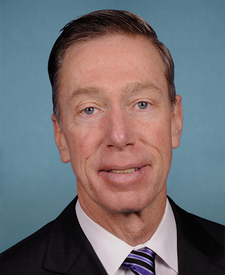 Rep. Stephen LynchD-MA-8
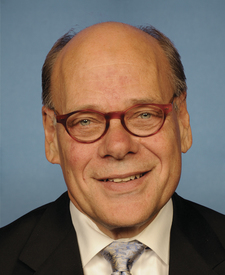 Rep. Steve CohenD-TN-9
 Rep. Janice HahnD-CA-44
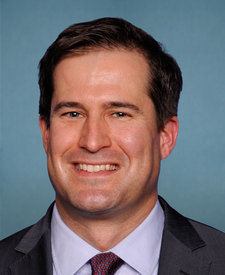 Rep. Seth MoultonD-MA-6
 Rep. Alan GraysonD-FL-9
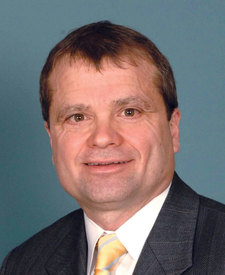 Rep. Mike QuigleyD-IL-5
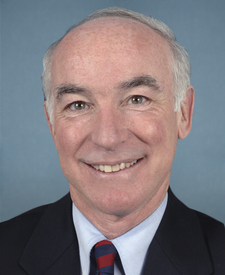 Rep. Joe CourtneyD-CT-2
 Rep. Denny HeckD-WA-10
 Rep. Filemon VelaD-TX-34
 Rep. David LoebsackD-IA-2
 Rep. William KeatingD-MA-9
 Rep. Ed PerlmutterD-CO-7
 Rep. Elizabeth EstyD-CT-5
 Rep. Suzan DelBeneD-WA-1
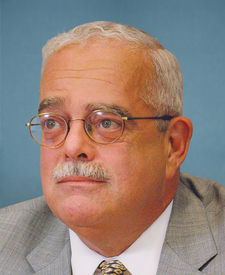 Rep. Gerald ConnollyD-VA-11
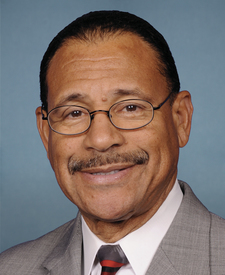 Rep. Sanford BishopD-GA-2
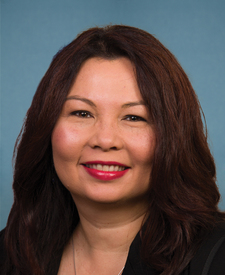 Rep. Tammy DuckworthD-IL-8
 Rep. Beto O’RourkeD-TX-16
 Rep. Derek KilmerD-WA-6
 Rep. Dina TitusD-NV-1
 Rep. A. Dutch RuppersbergerD-MD-2
 Rep. Tulsi GabbardD-HI-2
 Rep. John GaramendiD-CA-3
 Rep. Raul RuizD-CA-36
 Rep. Bill FosterD-IL-11
 Rep. David ScottD-GA-13
 Rep. Julia BrownleyD-CA-26
 Rep. John CarneyD-DE
 Rep. Richard NolanD-MN-8
 Rep. Cheri BustosD-IL-17
 Rep. Kathleen RiceD-NY-4
 Rep. Peter DeFazioD-OR-4
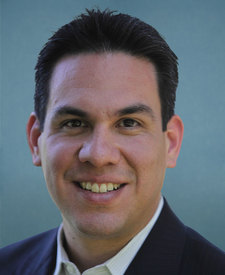 Rep. Pete AguilarD-CA-31
 Rep. Timothy WalzD-MN-1
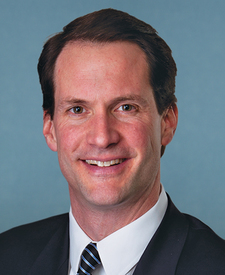 Rep. Jim HimesD-CT-4
 Rep. John DelaneyD-MD-6
 Rep. Sean MaloneyD-NY-18
 Rep. Ann KusterD-NH-2
 Rep. Jared PolisD-CO-2
 Rep. Ron KindD-WI-3
 Rep. Ann KirkpatrickD-AZ-1
 Rep. Ami BeraD-CA-7
 Rep. Patrick MurphyD-FL-18
 Rep. Henry CuellarD-TX-28
 Rep. Gwen GrahamD-FL-2
 Rep. Daniel LipinskiD-IL-3
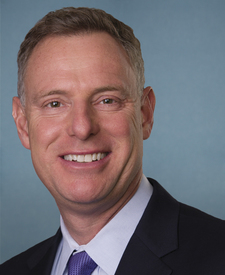 Rep. Scott PetersD-CA-52
 Rep. Brad AshfordD-NE-2
 Rep. Jim CooperD-TN-5
 Rep. Kurt SchraderD-OR-5
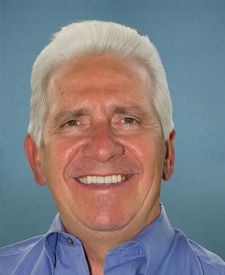 Rep. Jim CostaD-CA-16
 Rep. Kyrsten SinemaD-AZ-9
 Rep. Collin PetersonD-MN-7
Republicans who voted yea(238)
 Rep. Bob DoldR-IL-10
 Rep. Carlos CurbeloR-FL-26
 Rep. John KatkoR-NY-24
 Rep. Richard HannaR-NY-22
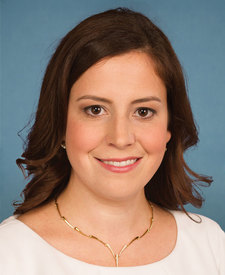 Rep. Elise StefanikR-NY-21
 Rep. Ileana Ros-LehtinenR-FL-27
 Rep. Christopher GibsonR-NY-19
 Rep. Tom MacArthurR-NJ-3
 Rep. Ryan CostelloR-PA-6
 Rep. Daniel DonovanR-NY-11
 Rep. Pete KingR-NY-2
 Rep. Michael FitzpatrickR-PA-8
 Rep. Charles DentR-PA-15
 Rep. David ReichertR-WA-8
 Rep. Patrick MeehanR-PA-7
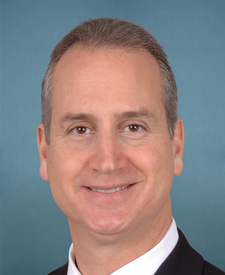 Rep. Mario Diaz-BalartR-FL-25
 Rep. David JollyR-FL-13
 Rep. Frank LoBiondoR-NJ-2
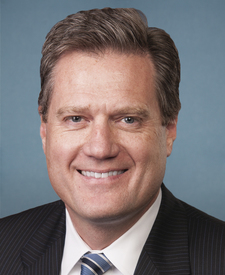 Rep. Michael TurnerR-OH-10
 Rep. Adam KinzingerR-IL-16
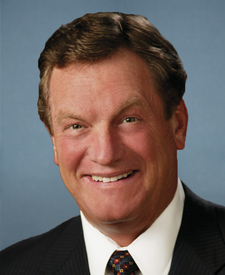 Rep. Mike SimpsonR-ID-2
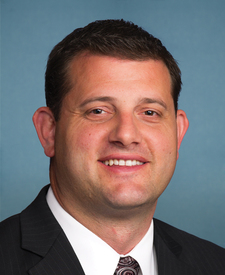 Rep. David ValadaoR-CA-21
 Rep. Jeff DenhamR-CA-10
 Rep. Rodney FrelinghuysenR-NJ-11
 Rep. Barbara ComstockR-VA-10
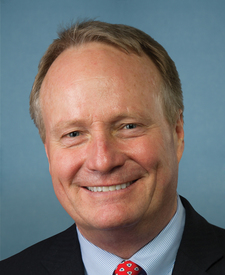 Rep. David JoyceR-OH-14
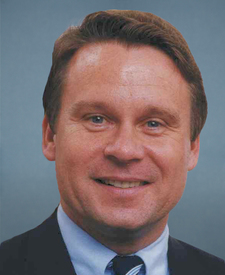 Rep. Chris SmithR-NJ-4
 Rep. Tom ReedR-NY-23
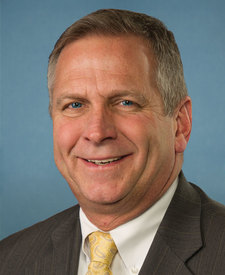 Rep. Mike BostR-IL-12
 Rep. Rodney DavisR-IL-13
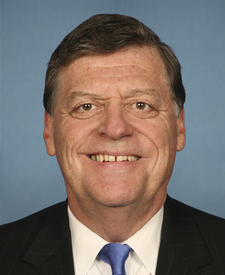 Rep. Tom ColeR-OK-4
 Rep. Don YoungR-AK
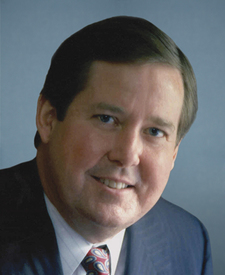 Rep. Ken CalvertR-CA-42
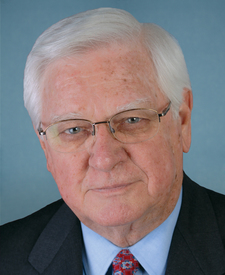 Rep. Hal RogersR-KY-5
 Rep. Ander CrenshawR-FL-4
 Rep. Lou BarlettaR-PA-11
 Rep. Evan JenkinsR-WV-3
 Rep. Fred UptonR-MI-6
 Rep. Steve StiversR-OH-15
 Rep. Jeff FortenberryR-NE-1
 Rep. Martha McSallyR-AZ-2
 Rep. Glenn ThompsonR-PA-5
 Rep. Bill ShusterR-PA-9
 Rep. Mark AmodeiR-NV-2
 Rep. John ShimkusR-IL-15
 Rep. Mike KellyR-PA-3
 Rep. David McKinleyR-WV-1
 Rep. Lee ZeldinR-NY-1
 Rep. Devin NunesR-CA-22
 Rep. Scott RigellR-VA-2
 Rep. Tim MurphyR-PA-18
 Rep. Tom MarinoR-PA-10
 Rep. Gregg HarperR-MS-3
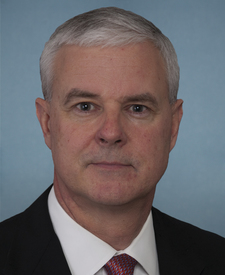 Rep. Steve WomackR-AR-3
 Rep. Greg WaldenR-OR-2
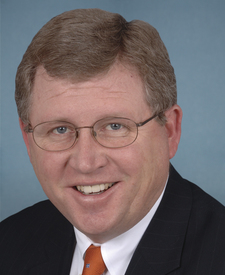 Rep. Frank LucasR-OK-3
 Rep. Cresent HardyR-NV-4
 Rep. Chris CollinsR-NY-27
 Rep. Larry BucshonR-IN-8
 Rep. Susan BrooksR-IN-5
 Rep. Charles BoustanyR-LA-3
 Rep. Joseph HeckR-NV-3
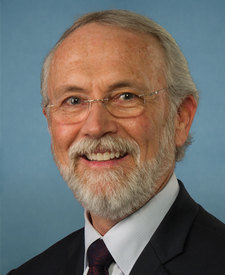 Rep. Dan NewhouseR-WA-4
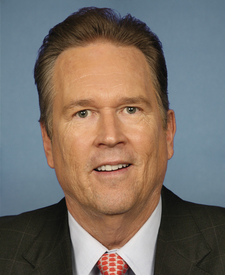 Rep. Vern BuchananR-FL-16
 Rep. Bruce PoliquinR-ME-2
 Rep. James RenacciR-OH-16
 Rep. Dave TrottR-MI-11
 Rep. Leonard LanceR-NJ-7
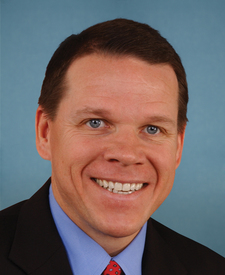 Rep. Sam GravesR-MO-6
 Rep. Bill JohnsonR-OH-6
 Rep. Jaime Herrera BeutlerR-WA-3
 Rep. Candice MillerR-MI-10
 Rep. Renee EllmersR-NC-2
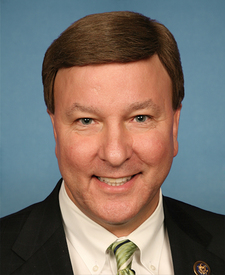 Rep. Mike RogersR-AL-3
 Rep. Paul CookR-CA-8
 Rep. Erik PaulsenR-MN-3
 Rep. Kay GrangerR-TX-12
 Rep. John KlineR-MN-2
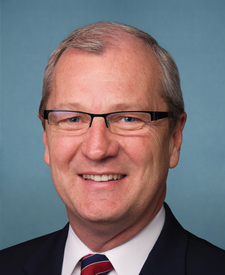 Rep. Kevin CramerR-ND
 Rep. Martha RobyR-AL-2
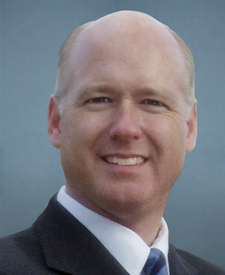 Rep. Robert AderholtR-AL-4
 Rep. Dan BenishekR-MI-1
 Rep. Peter RoskamR-IL-6
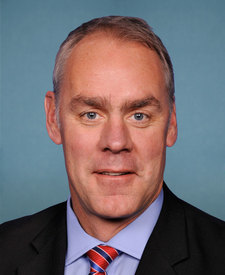 Rep. Ryan ZinkeR-MT
 Rep. Will HurdR-TX-23
 Rep. Walter JonesR-NC-3
 Rep. Kristi NoemR-SD
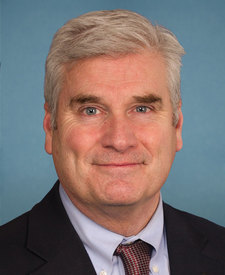 Rep. Tom EmmerR-MN-6
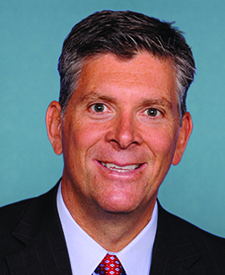 Rep. Darin LaHoodR-IL-18
 Rep. Blaine LuetkemeyerR-MO-3
 Rep. Frank GuintaR-NH-1
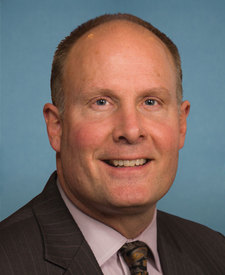 Rep. John MoolenaarR-MI-4
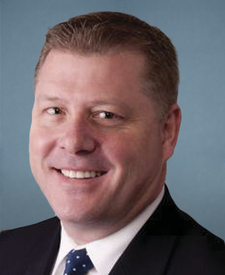 Rep. Rick CrawfordR-AR-1
 Rep. Cathy McMorris RodgersR-WA-5
 Rep. Mike BishopR-MI-8
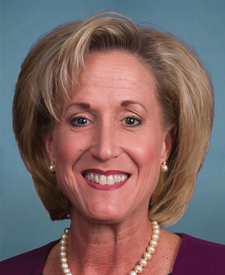 Rep. Ann WagnerR-MO-2
 Rep. Mac ThornberryR-TX-13
 Rep. David YoungR-IA-3
 Rep. John MicaR-FL-7
 Rep. Steve KnightR-CA-25
 Rep. Jackie WalorskiR-IN-2
 Rep. Steve RussellR-OK-5
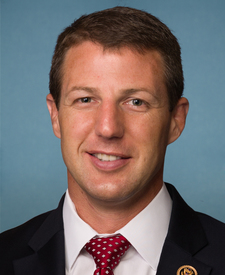 Rep. Markwayne MullinR-OK-2
 Rep. Mike CoffmanR-CO-6
 Rep. Richard NugentR-FL-11
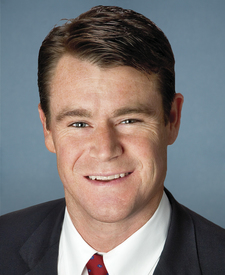 Rep. Todd YoungR-IN-9
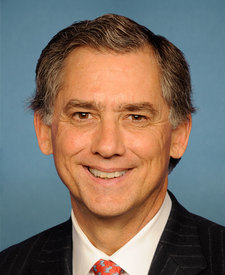 Rep. French HillR-AR-2
 Rep. Kevin McCarthyR-CA-23
 Rep. Randy HultgrenR-IL-14
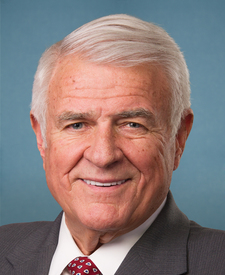 Rep. John CarterR-TX-31
 Rep. Ed RoyceR-CA-39
 Rep. Bob GibbsR-OH-7
 Rep. Ralph AbrahamR-LA-5
 Rep. Steven PalazzoR-MS-4
 Rep. Andy BarrR-KY-6
 Rep. Chuck FleischmannR-TN-3
 Rep. Joe BartonR-TX-6
 Rep. Dennis RossR-FL-15
 Rep. Garret GravesR-LA-6
 Rep. Joseph PittsR-PA-16
 Rep. Duncan HunterR-CA-50
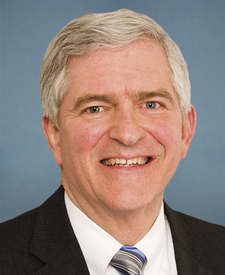 Rep. Daniel WebsterR-FL-10
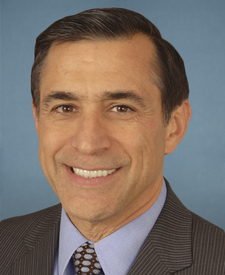 Rep. Darrell IssaR-CA-49
 Rep. Billy LongR-MO-7
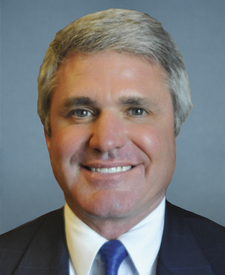 Rep. Michael McCaulR-TX-10
 Rep. Patrick McHenryR-NC-10
 Rep. Randy ForbesR-VA-4
 Rep. Steve PearceR-NM-2
 Rep. Vicky HartzlerR-MO-4
 Rep. Joe WilsonR-SC-2
 Rep. Tim WalbergR-MI-7
 Rep. John CulbersonR-TX-7
 Rep. Steve ScaliseR-LA-1
 Rep. Bradley ByrneR-AL-1
 Rep. Kevin BradyR-TX-8
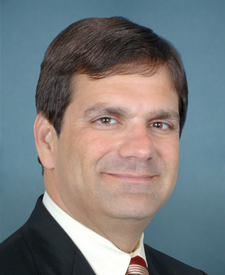 Rep. Gus BilirakisR-FL-12
 Rep. Rod BlumR-IA-1
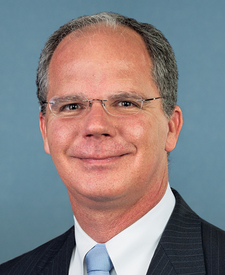 Rep. Brett GuthrieR-KY-2
 Rep. Keith RothfusR-PA-12
 Rep. Sean DuffyR-WI-7
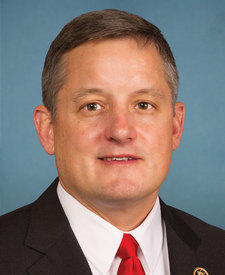 Rep. Bruce WestermanR-AR-4
 Rep. Scott TiptonR-CO-3
 Rep. Rob BishopR-UT-1
 Rep. Lynn JenkinsR-KS-2
 Rep. Robert PittengerR-NC-9
 Rep. Reid RibbleR-WI-8
 Rep. Robert LattaR-OH-5
 Rep. Trent KellyR-MS-1
 Rep. Chris StewartR-UT-2
 Rep. Luke MesserR-IN-6
 Rep. Robert WittmanR-VA-1
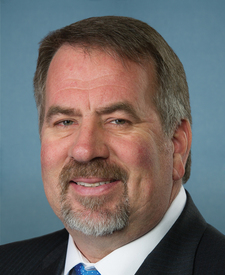 Rep. Doug LaMalfaR-CA-1
 Rep. Kevin YoderR-KS-3
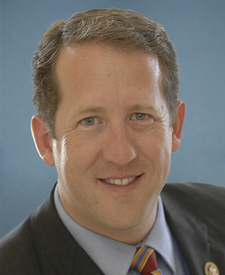 Rep. Adrian SmithR-NE-3
 Rep. Todd RokitaR-IN-4
 Rep. Alexander MooneyR-WV-2
 Rep. Tom RiceR-SC-7
 Rep. Bob GoodlatteR-VA-6
 Rep. Morgan GriffithR-VA-9
 Rep. Virginia FoxxR-NC-5
 Rep. Jason ChaffetzR-UT-3
 Rep. Lamar SmithR-TX-21
 Rep. Robert HurtR-VA-5
 Rep. Justin AmashR-MI-3
 Rep. Steve KingR-IA-4
 Rep. Phil RoeR-TN-1
 Rep. Mia LoveR-UT-4
 Rep. Michael ConawayR-TX-11
 Rep. Blake FarentholdR-TX-27
 Rep. Curt ClawsonR-FL-19
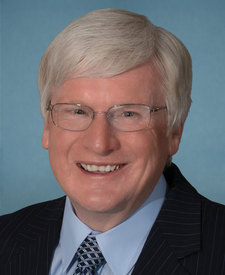 Rep. Glenn GrothmanR-WI-6
 Rep. Brad WenstrupR-OH-2
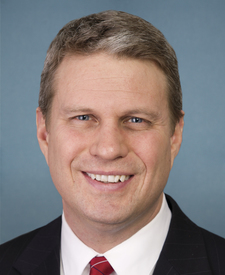 Rep. Bill HuizengaR-MI-2
 Rep. Lynn WestmorelandR-GA-3
 Rep. Rob WoodallR-GA-7
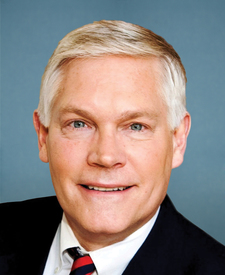 Rep. Pete SessionsR-TX-32
 Rep. Bill PoseyR-FL-8
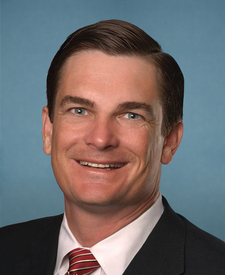 Rep. Austin ScottR-GA-8
 Rep. Pete OlsonR-TX-22
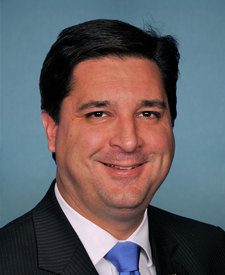 Rep. David RouzerR-NC-7
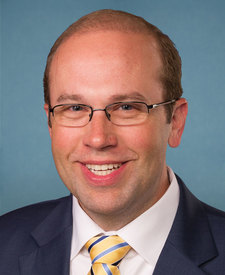 Rep. Jason SmithR-MO-8
 Rep. Bill FloresR-TX-17
 Rep. Dana RohrabacherR-CA-48
 Rep. Roger WilliamsR-TX-25
 Rep. Rick AllenR-GA-12
 Rep. Jeff MillerR-FL-1
 Rep. Steve ChabotR-OH-1
 Rep. Mark WalkerR-NC-6
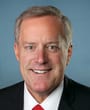 Rep. Mark MeadowsR-NC-11
 Rep. Scott GarrettR-NJ-5
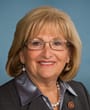 Rep. Diane BlackR-TN-6
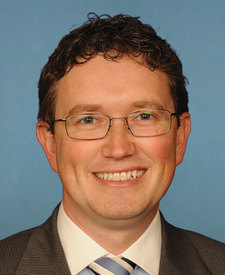 Rep. Thomas MassieR-KY-4
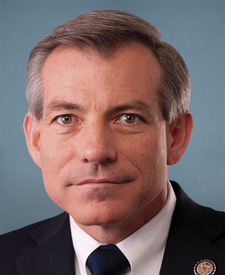 Rep. David SchweikertR-AZ-6
 Rep. Ron DeSantisR-FL-6
 Rep. Tom GravesR-GA-14
 Rep. Kenny MarchantR-TX-24
 Rep. Mike PompeoR-KS-4
 Rep. Tom PriceR-GA-6
 Rep. Matt SalmonR-AZ-5
 Rep. Jeb HensarlingR-TX-5
 Rep. Trey GowdyR-SC-4
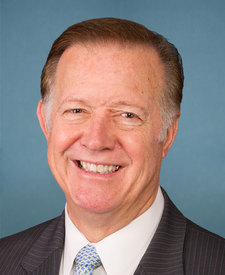 Rep. Randy WeberR-TX-14
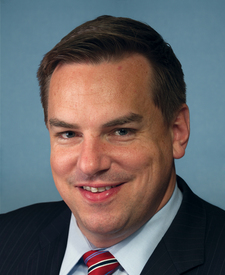 Rep. Richard HudsonR-NC-8
 Rep. Jim BridenstineR-OK-1
 Rep. George HoldingR-NC-13
 Rep. Doug LambornR-CO-5
 Rep. Sam JohnsonR-TX-3
 Rep. Doug CollinsR-GA-9
 Rep. Randy NeugebauerR-TX-19
 Rep. James SensenbrennerR-WI-5
 Rep. Ted YohoR-FL-3
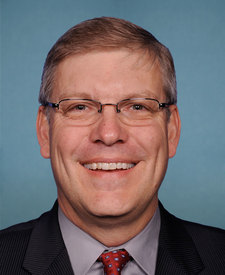 Rep. Barry LoudermilkR-GA-11
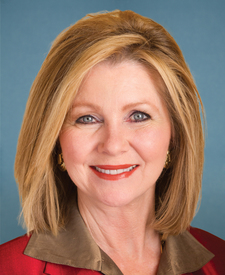 Rep. Marsha BlackburnR-TN-7
 Rep. Michael BurgessR-TX-26
 Rep. John FlemingR-LA-4
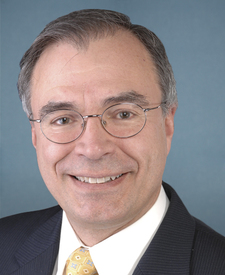 Rep. Andy HarrisR-MD-1
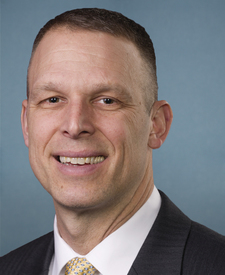 Rep. Scott PerryR-PA-4
 Rep. Jeff DuncanR-SC-3
 Rep. Trent FranksR-AZ-8
 Rep. Scott DesJarlaisR-TN-4
 Rep. Tom McClintockR-CA-4
 Rep. Brian BabinR-TX-36
 Rep. Jody HiceR-GA-10
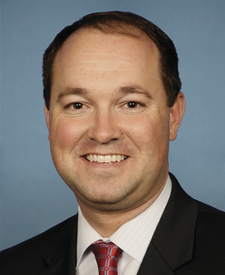 Rep. Marlin StutzmanR-IN-3
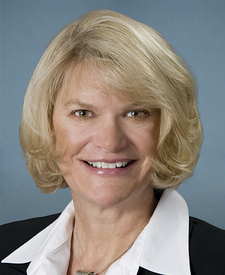 Rep. Cynthia LummisR-WY
 Rep. Raúl LabradorR-ID-1
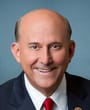 Rep. Louie GohmertR-TX-1
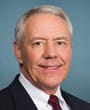 Rep. Ken BuckR-CO-4
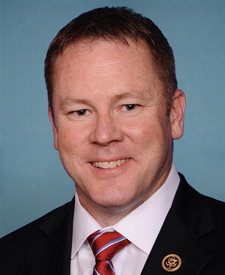 Rep. Warren DavidsonR-OH-8
 Rep. John RatcliffeR-TX-4
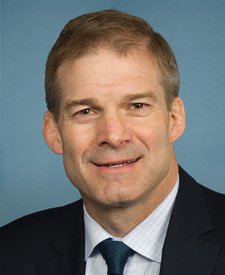 Rep. Jim JordanR-OH-4
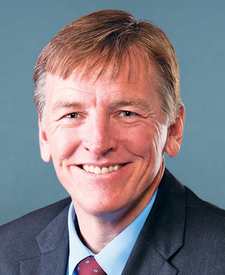 Rep. Paul GosarR-AZ-4
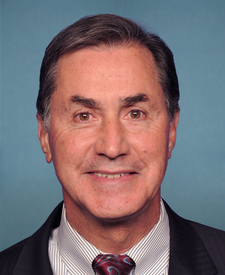 Rep. Gary PalmerR-AL-6
 Rep. Dave BratR-VA-7
 Rep. Jimmy DuncanR-TN-2
 Rep. Mark SanfordR-SC-1
 Rep. Mo BrooksR-AL-5
 Rep. Tim HuelskampR-KS-1
Data notes
The House’s recorded vote on the final version of the law (roll call 1251 in Voteview), matched to the vote the record cites and checked against its totals. Positions are each member’s DW-NOMINATE score for that Congress, as on the Ideology page; left to right is more liberal to more conservative. Paired and announced yea votes count as yea. Lists follow the compass, most liberal first. A name links to a profile only for members of the current Congress. A law passed by voice vote or unanimous consent has no member list, and neither does a vote Voteview has not yet recorded.
Committees
The committees the bill was sent to, and what each did with it.

Data notes
A committee links to its page only where it exists in the current Congress; older and renamed committees are named without a link.
Related bills
1 bill the Library of Congress relates to this one.
S. 2966Related bill
District of Columbia Judicial Financial Transparency Act
Data notes
Related bills are identified by the Congressional Research Service, the House and the Senate: companion and identical bills, bills with similar text, bills that were folded into this law, and rules that brought it to the floor. A bill that is itself a public law in this site’s data links here; the others link to Congress.gov.
Timeline
From introduction to signing, newest first: the committees, the floor and the president. 21 actions.
- Dec 14, 2016Became lawBecame law · Became Public Law No: 114-257.
- Became lawBecame law · Signed by President.
- Dec 2, 2016FloorFloor · Presented to President.
- Nov 30, 2016FloorFloor · Message on Senate action sent to the House.
- Nov 29, 2016FloorFloor · Passed Senate without amendment by Unanimous Consent.
- Sep 26, 2016CommitteeCommittee · Received in the Senate, read twice.
- Sep 22, 2016FloorFloor · The title of the measure was amended. Agreed to without objection.
- FloorFloor · Motion to reconsider laid on the table Agreed to without objection.
- FloorFloor · On motion to suspend the rules and pass the bill, as amended Agreed to by the Yeas and Nays: (2/3 required): 414 - 0 (Roll no. 551).House roll call 551
- FloorFloor · Considered as unfinished business.
- Sep 20, 2016FloorFloor · At the conclusion of debate, the Yeas and Nays were demanded and ordered. Pursuant to the provisions of clause 8, rule XX, the Chair announced that further proceedings on the motion would be postponed.
- FloorFloor · DEBATE - The House proceeded with forty minutes of debate on H.R. 4419.
- FloorFloor · Considered under suspension of the rules.
- FloorFloor · Mr. Carter (GA) moved to suspend the rules and pass the bill, as amended.
- Sep 13, 2016CalendarCalendar · Placed on the Union Calendar, Calendar No. 578.
- CommitteeCommittee · Reported (Amended) by the Committee on Oversight and Government Reform. H. Rept. 114-745.
- Jul 12, 2016CommitteeCommittee · Ordered to be Reported (Amended) by Voice Vote.
- CommitteeCommittee · Committee Consideration and Mark-up Session Held.
- Feb 1, 2016CommitteeCommittee · Referred to the House Committee on Oversight and Government Reform.
- CommitteeCommittee · Sponsor introductory remarks on measure. (CR E83)
- IntroducedIntroduced · Introduced in House
Data notes
Every action the Library of Congress lists for the bill, from introduction to signing, plus the dated committee hearings. The source lists many steps twice (the chamber’s own entry and the Library of Congress copy, or a presidential and a became-law entry with the same words); those are shown once. Amendments are listed in their own section.
Amendments
No amendments to this bill are on record.
Data notes
Amendments offered to this bill in either chamber, as the Library of Congress records them: each with a status read from its last recorded step: agreed to, rejected, withdrawn, ruled out of order, fell with another amendment, or offered with no vote recorded (most Senate amendments are only ever offered). The wording of each amendment is the source’s. Amendments to amendments and amendments to other bills are not listed.
Official record
The bill’s full text is on Congress.gov. Data through Oct 7, 2026.