Frank R. Lautenberg Chemical Safety for the 21st Century Act
Public Law 114-182 · H.R. 2576 · 114th Congress · began in the House
Signed by Barack Obama (D) on Jun 22, 2016 · Environmental Protection
Sponsor: Rep. John Shimkus (R-IL-15)
Cosponsors (16): Rep. Fred Upton, Rep. Frank Pallone,
Passage votesYeaNay
- HouseRecorded vote: 403 yea, 12 nay403–12
- SenateVoice vote
Data notes
The final version of the law, as each chamber passed it. A chamber that passed it by voice vote or unanimous consent has no count. “Method not stated” means the record does not say how the chamber voted. Where the record has a member-by-member vote, the “Who voted for it” section shows who voted yea.
Summary
The Congressional Research Service’s plain-language summary of what the law does.
Frank R. Lautenberg Chemical Safety for the 21st Century Act
TITLE I--CHEMICAL SAFETY
This bill amends the Toxic Substances Control Act (TSCA) to revise the process and requirements for evaluating and determining whether regulatory control is warranted for manufacturing, distributing, processing, using, and disposing of chemicals. (For purposes of TSCA, the term “chemicals” does not include food, drugs and cosmetics.) The bill revises several provisions in TSCA, including those relating to: (1) chemical testing; (2) review and regulation of new chemicals, new uses of existing chemicals, and existing chemicals; (3) information reporting; (4) confidential business information (CBI); (5) preemption of state regulations; and (6) fees.
(Sec. 4) The bill revises TSCA requirements on testing chemicals and gives the Environmental Protection Agency (EPA) additional testing authority, including by giving the EPA the authority to develop new information for: (1) evaluating unreasonable risks to human health and the environment, (2) prioritizing the risk evaluations, and (3) implementing risk management control actions. The bill also allows the EPA to require the development of information through a consent agreement or an order as well. Currently, the EPA is limited to requiring the development of information through a rule.
When developing new information, the EPA must employ a tiered screening and testing process that uses the results of screening-level tests or assessments of available information to inform the decision as to whether additional tests are necessary. The EPA may require more advanced testing without conducting screening-level testing when other information available to the EPA justifies the advanced testing.
The EPA must: (1) reduce and replace the use of vertebrate animals in testing chemicals to the extent practicable and when scientifically justified, (2) develop a strategic plan to promote alternative test methods and strategies that reduce or replace vertebrate animals testing; and (3) ensure that the elements in the strategic plan are reflected in the development of testing requirements. Any person who voluntarily develops information under TSCA must first attempt to develop the information by an alternative test method or strategy before conducting new vertebrate animal testing.
(Sec. 5) The bill modifies the process of reviewing new chemicals and significant new uses of existing chemicals for unreasonable risks to human health or the environment. The EPA must review new chemicals or significant new uses of existing chemicals, make one of three determinations with respect to those chemicals, and take required risk management control actions.
The EPA must affirmatively make determinations before those chemicals may be manufactured or processed. During the review, the EPA: (1) may not consider costs or other nonrisk factors; and (2) must consider subpopulations that may be at a greater risk than the general population of adverse health effects from exposure to a chemical, such as infants, children, pregnant women, workers, or the elderly (potentially exposed or susceptible subpopulation).
The three risks determinations that the EPA may make are as follows. First, the EPA may determine that the new chemical or new use presents an unreasonable risk of injury to human health or the environment. If the EPA makes this determination, then it must take action to protect against the risk by issuing a rule, such as a rule that limits or prohibits the amount of the chemical that may be manufactured, processed, or distributed.
Second, the EPA may determine that: (1) the information available to the EPA is insufficient to permit a reasoned evaluation of a new chemical or new use; (2) in the absence of sufficient information, the chemical may present an unreasonable risk; or (3) the chemical will be produced in substantial quantities and it either enters (or may be anticipated to enter) the environment in substantial quantities or there is or may be significant or substantial human exposure to the chemical. If the EPA makes any of those determinations, then it must: (1) issue an order prohibiting or limiting the manufacture, processing, distribution, use or disposal of the chemical in order to protect against an unreasonable risk of injury, and (2) consider issuing a significant new use rule or explain why the EPA will not be issuing the rule.
Third, the EPA may determine that the chemical is not likely to present an unreasonable risk. In this case, the chemical may be manufactured or processed.
If the EPA fails to make a determination by the applicable review period, then the EPA must refund applicable fees to manufactures and processors that notified the EPA of their intention to manufacture or process a chemical.
(Sec. 6) The bill: (1) revokes the requirement that the EPA must apply the least burdensome regulatory option to restrict a chemical that warrants regulation, (2) establishes a process for conducting and prioritizing risk evaluations for chemicals, and (3) revises requirements concerning risk management control actions.
Within a year after enactment of this bill, the EPA must establish a risk-based screening process and criteria for designating chemicals as high priority chemicals for risk evaluations or low priority chemicals for which risk evaluations are not warranted at the time. The process must include consideration of chemicals’: (1) hazard and exposure potential (including persistence and bioaccumulation, potentially exposed or susceptible subpopulations, and storage near significant sources of drinking water); (2) conditions of use; and (3) volume. The conditions of use means the circumstances under which a chemical is intended, known, or reasonably foreseen to be manufactured, processed, or disposed of, or used.
The EPA must designate a chemical as high priority if it concludes that the chemical may present an unreasonable risk of injury to human health or the environment because of a potential hazard and a potential route of exposure under the chemical’s conditions of use, including an unreasonable risk to a potentially exposed or susceptible subpopulation. If a chemical does not meet the high priority standard, then the EPA must designate it as a low priority chemical. The EPA, in making these designations, may not consider costs or other nonrisk factors.
The EPA must ensure that the time required for making a priority designation be at least nine months and no more than one year. If at the end of that period the EPA does not have sufficient information on a chemical to support a low priority designation, it must designate a chemical as high priority. The bill establishes deadlines for requirements under the risk-based screening process.
The EPA must: (1) initiate risk evaluations for all high priority chemicals; and (2) designate at least one high priority chemical upon the completion of each risk evaluation, other than a risk evaluation conducted upon the request of a manufacturer.
The EPA may revise a low priority designation for a chemical based on information provided to the EPA about the chemical.
Within 180 days after enactment, the EPA must ensure that risk evaluations are being conducted on 10 chemicals from the 2014 update to the TSCA Work Plan for Chemical Assessments (i.e. existing chemicals that the EPA has already prioritized for review).
Within three and one half years after enactment, the EPA must ensure that: (1) risk evaluations are being conducted on at least 20 high priority chemicals, and (2) designations of low priority chemicals have been made for at least 20 chemicals. At least at least 50% of all chemicals on which risk evaluations are being conducted must be drawn from the 2014 update.
The EPA must: (1) continue to designate priority chemicals in accordance with the deadlines established by the bill; and (2) conduct the evaluations to determine whether a chemical presents an unreasonable risk of injury to human health or the environment, including an unreasonable risk to a potentially exposed or susceptible subpopulation. Costs or other nonrisk factors may not be considered in the evaluations.
In designating high-priority substances, the EPA must give preference to: (1) chemicals listed in the 2014 update as having a persistence and bioaccumulation score of three, and (2) chemicals listed in the 2014 update that are known human carcinogens and have high acute and chronic toxicity.
In prioritizing and assessing metals and metal compounds, the EPA must use the Framework for Metals Risk Assessment of the Office of the Science Advisor, Risk Assessment Forum, and dated March 2007, or a successor document that addresses metals risk assessment and is peer reviewed by the EPA’s Science Advisory Board.
The scope of the risk evaluation must be published within six months after initiation.
Manufacturers may request and pay for risk evaluations for chemicals. Risk evaluations requested by manufacturers must account for at least 25% of ongoing evaluation (if sufficient requests are made) and no more than 50% of ongoing evaluations. The EPA must give preference to the requests if they involve a chemical that has had a significant impact on interstate commerce due to state regulations of the chemical.
The bill establishes requirements for the EPA to follow when conducting risk evaluations, including: (1) integrating and assessing available information on hazards and exposures information; (2) describing whether aggregate or sentinel exposures to a chemical substance under the conditions of use were considered, and the basis for that consideration; and (3) describing the weight of the scientific evidence for the identified hazard and exposure.
The EPA must complete risk evaluations as soon practicable, but no later than three years after the evaluation was initiated. The deadline may be extended for six months.
If the EPA determines from the risk evaluation process that a chemical presents an unreasonable risk of injury to health or the environment, the EPA must: (1) propose a rule presenting risk management control options within a year of the risk evaluation being published, and (2) issue the rule within two years of the risk evaluation. The deadlines may be extended under certain circumstances. In selecting risk management options, the EPA must consider, to the extent practicable, the effects and magnitude of exposure, the benefits of the chemical, the reasonably ascertainable economic consequences of the rule, and the costs and benefits of the regulatory action and technically and economically feasible alternatives to that action. The EPA must apply restrictions to a chemical only to the extent necessary to address the identified risks from exposure to the chemical. The bill establishes certain exemptions and limitations from control actions.
The bill: (1) revises provisions concerning administrative procedures and the effective dates of chemical regulation; and (2) establishes a procedure requiring expedited regulatory action, to the extent practicable, that reduces exposure to certain persistent, bioaccumulative, and toxic chemicals.
(Sec. 8) The bill revises TSCA reporting requirements, including requirements concerning: (1) chemical nomenclature (systems for naming terms with respect to chemicals); and (2) small manufacturers and processors.
Within three years of enactment, the EPA must enter into negotiated rulemaking for limiting reporting requirements for inorganic byproducts that are recycled, reused, or reprocessed.
The EPA must issue a rule within a year of this bill’s enactment that requires manufacturers, and may require processors, to notify the EPA within 180 days of enactment that a chemical has been manufactured or processed during the last 10 years. The EPA must use information collected from the manufacturers and processors to categorize chemicals on the TSCA Inventory (existing chemicals of concern) list as active or inactive in commerce. Any confidential business information (CBI) claims to protect the specific identities of existing, active chemicals on the list from disclosure would need to be reaffirmed and substantiated. The EPA must maintain both a confidential and non-confidential portion of the Inventory. The bill outlines a process for reviewing those CBI claims. One year after compiling the list of active chemicals, the EPA must issue a rule that establishes a five-year plan to complete the review of CBI chemical identity claims on active chemicals.
The EPA must complete the review process in five years, but the EPA may extend the deadline by two years. The EPA must keep the designations of active and inactive chemicals on the list current.
By April 1, 2017, and every three years thereafter, the EPA must publish in the Federal Register an inventory of the supply, use, and trade of elementary mercury and mercury. The EPA must: (1) identify manufacturing processes or products that intentionally add mercury, and (2) recommend actions to achieve further reductions in mercury use.
(Sec. 9) This bill revises TSCA provision concerning relationships to other federal laws, including by requiring the EPA to provide information to relevant agencies when it obtains information about chemical exposures or releases that may be prevented or reduced under another federal law.
(Sec. 10) The bill establishes a prohibition on the exportation of certain mercury compounds as of January 1, 2020. However, the prohibition does not ban the exportation of mercury to member countries of the Organization for Economic Co-operation and Development for environmentally sound disposal. Individuals may petition the EPA to prohibit a mercury compound.
The bill amends the Mercury Export Ban Act of 2008 to extend until January 1, 2019, the date by which a facility in the Department of Energy (DOE) designated for the long-term management and storage of elemental mercury generated within the United States must be operational.
(Sec. 11) The bill revises and expands provisions relating the protection of CBI from disclosure. The bill enumerates certain categories of CBI that is presumed to be protected from disclosure.
The bill specifies certain CBI that is not protected, including information about banned or phased-out chemicals.
The bill establishes substantiation requirements that must be met in asserting claims for CBI protection. However, certain information is not subject to substantiation requirements.
The bill provides exceptions from CBI protection, including an exemption for sharing CBI information with public health or environmental officials in emergencies. The EPA must develop a request and nonfiction system to expedite access to CBI in emergencies.
EPA protection of disclosure of CBI is limited to 10 years, with extensions of 10 years.
The bill establishes: (1) requirements governing the EPA’s review of CBI claims, and (2) criminal penalties for individuals who willfully discloses CBI, unless the individual is a medical professional who discloses the information for the treatment of a patient.
(Sec. 13) The bill amends TSCA to revise requirements related to federal preemption of state statutes or administrative actions to manage risks from chemicals. Subject to exemptions, states may not establish or continue to enforce statutes or administrative actions concerning: (1) information for testing chemicals for unreasonable risks if the information is likely to produce the same information required by the EPA; (2) restrictions on, or penalties for, the manufacture, processing, or distribution in commerce or use of a chemical if the EPA determined that the chemical does not present an unreasonable risk of injury to human health or the environment, and (3) requirements for a chemical that is already subject to requirements governing significant new uses of chemicals.
The bill caps the penalties and sanctions available to states at the level available to the EPA. A state may not access a penalty for a violation for which the EPA has already assessed an adequate penalty. If a state has assessed a penalty for a specific violation, the EPA may not assess a penalty for that violation in an amount that would cause the total of the penalties assessed for the violation by the state and the EPA combined to exceed the maximum amount that may be assessed for that violation by the EPA.
The bill sets forth effective dates after which states may not establish statues, criminal penalties, or administrative actions creating prohibitions or other restrictions concerning high priority chemicals. Preemption begins when the EPA defines the scope of a risk evaluation and ends on the earlier date between: (1) the expiration of the deadline for completing the risk evaluation, or (2) the publication of the risk evaluation.
The bill preserves certain state requirements, rights, causes of actions, and remedies from being preempted by EPA actions under TSCA. State actions taken before August 22, 2016, or taken under state laws in effect on August 31, 2003, are exempted from preemption.
(Sec. 14) The bill revises judicial review under TSCA, including by permitting review in the U.S. Court of Appeals for the District of Columbia Circuit of a designation of a chemical as a low priority substance.
Low priority determinations may be challenged within 60 day of publication.
(Sec. 17) The bill revises and expands the EPA's authority under TSCA to collect fees from chemical manufacturers or processors to defray the costs of the bill. The amounts generated by the fee must be deposited in the TSCA Service Fee Fund established by this bill. The EPA's authority to collect fees terminates after 10 years.
At the beginning of each year, the EPA must publish an annual plan and report concerning risk evaluations.
(Sec. 21) The bill amends the Public Health Service Act to provide for the investigation of potential cancer clusters.
Title II -- RURAL HEALTHCARE CONNECTIVITY
Rural Healthcare Connectivity Act of 2016
(Sec. 202) This bill amends the Communications Act of 1934 to include skilled nursing facilities among the types of health care providers who may request from a telecommunications carrier under the Universal Service Fund the necessary telecommunications and information services to serve persons who reside in rural areas at rates that are reasonably comparable to rates charged for similar services in urban areas.
Who voted for it
Every House member of the 114th Congress on the ideology compass. Highlighted: the 403 who voted yea on final passage. Faded: everyone else, including those who voted nay, did not vote, or had not yet taken office.
403 yea12 nay18 present or did not vote
Democrats who voted yea(171)
 Rep. Raúl GrijalvaD-AZ-3
 Rep. Barbara LeeD-CA-13
 Rep. Mark PocanD-WI-2
 Rep. Grace NapolitanoD-CA-32
 Rep. John ConyersD-MI-13
 Rep. John LewisD-GA-5
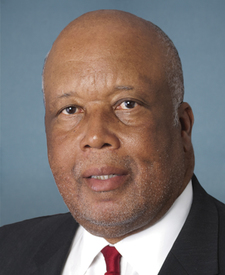 Rep. Bennie ThompsonD-MS-2
 Rep. Marcia FudgeD-OH-11
 Rep. Eddie JohnsonD-TX-30
 Rep. Mike HondaD-CA-17
 Rep. Bonnie Watson ColemanD-NJ-12
 Rep. Donald PayneD-NJ-10
 Rep. Lucille Roybal-AllardD-CA-40
 Rep. Elijah CummingsD-MD-7
 Rep. Frederica WilsonD-FL-24
 Rep. Corrine BrownD-FL-5
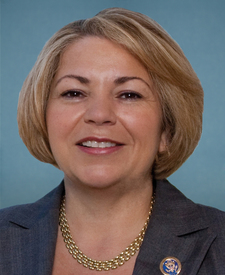 Rep. Linda SánchezD-CA-38
 Rep. Luis GutiérrezD-IL-4
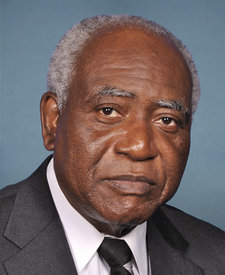 Rep. Danny DavisD-IL-7
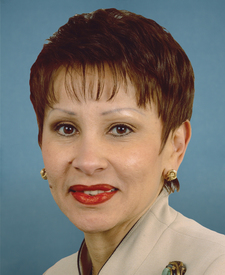 Rep. Nydia VelázquezD-NY-7
 Rep. Judy ChuD-CA-27
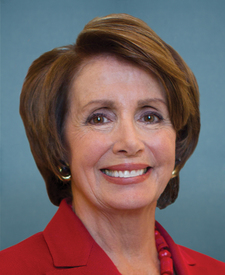 Rep. Nancy PelosiD-CA-12
 Rep. Charlie RangelD-NY-13
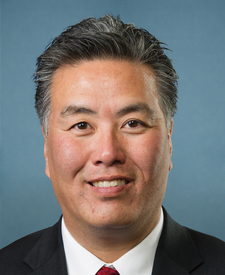 Rep. Mark TakanoD-CA-41
 Rep. Sam FarrD-CA-20
 Rep. Jim McDermottD-WA-7
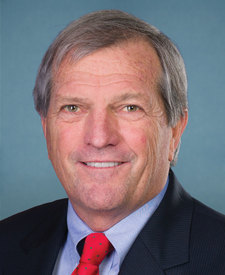 Rep. Mark DeSaulnierD-CA-11
 Rep. Cedric RichmondD-LA-2
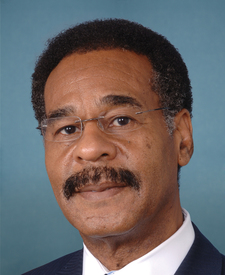 Rep. Emanuel CleaverD-MO-5
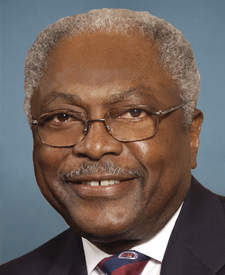 Rep. Jim ClyburnD-SC-6
 Rep. Xavier BecerraD-CA-34
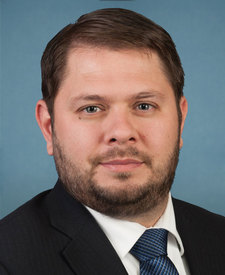 Rep. Ruben GallegoD-AZ-7
 Rep. Wm. ClayD-MO-1
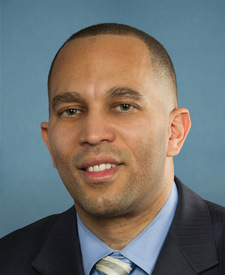 Rep. Hakeem JeffriesD-NY-8
 Rep. Keith EllisonD-MN-5
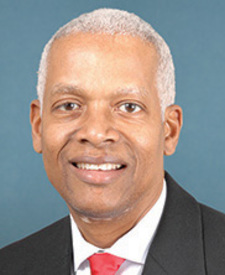 Rep. Hank JohnsonD-GA-4
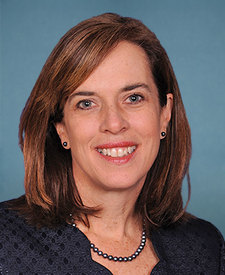 Rep. Katherine ClarkD-MA-5
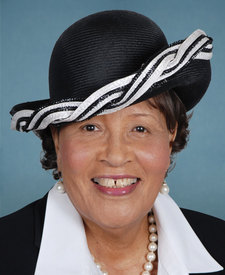 Rep. Alma AdamsD-NC-12
 Rep. Bobby RushD-IL-1
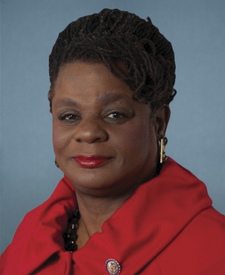 Rep. Gwen MooreD-WI-4
 Rep. Donna EdwardsD-MD-4
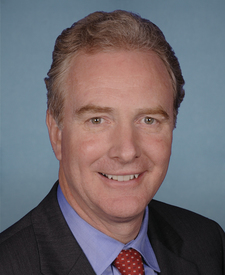 Rep. Chris Van HollenD-MD-8
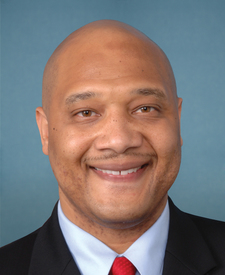 Rep. André CarsonD-IN-7
 Rep. José SerranoD-NY-15
 Rep. Alcee HastingsD-FL-20
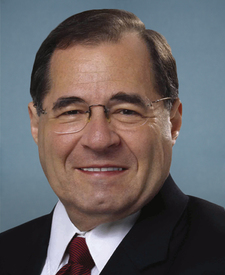 Rep. Jerrold NadlerD-NY-10
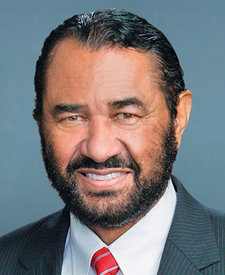 Rep. Al GreenD-TX-9
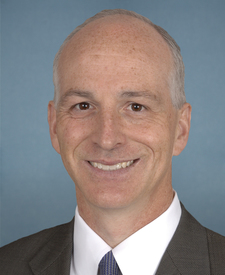 Rep. Adam SmithD-WA-9
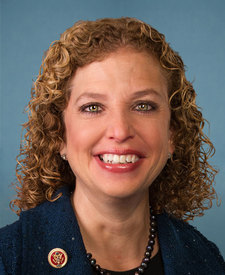 Rep. Debbie Wasserman SchultzD-FL-23
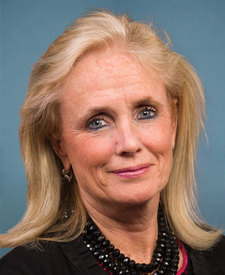 Rep. Debbie DingellD-MI-12
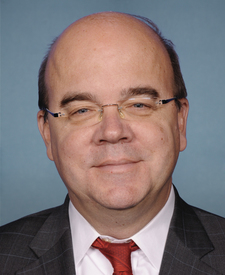 Rep. Jim McGovernD-MA-2
 Rep. Robert BradyD-PA-1
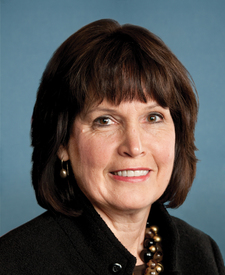 Rep. Betty McCollumD-MN-4
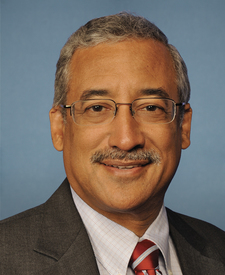 Rep. Bobby ScottD-VA-3
 Rep. Brenda LawrenceD-MI-14
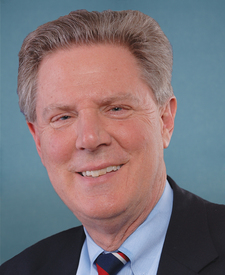 Rep. Frank PalloneD-NJ-6
 Rep. Peter ViscloskyD-IN-1
 Rep. David PriceD-NC-4
 Rep. Joseph KennedyD-MA-4
 Rep. Michael CapuanoD-MA-7
 Rep. G.K. ButterfieldD-NC-1
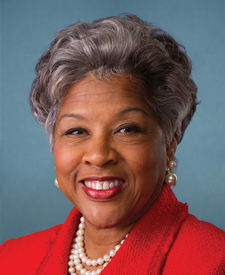 Rep. Joyce BeattyD-OH-3
 Rep. Sander LevinD-MI-9
 Rep. Daniel KildeeD-MI-5
 Rep. Doris MatsuiD-CA-6
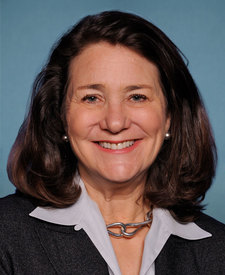 Rep. Diana DeGetteD-CO-1
 Rep. Eliot EngelD-NY-16
 Rep. Kathy CastorD-FL-14
 Rep. Robin KellyD-IL-2
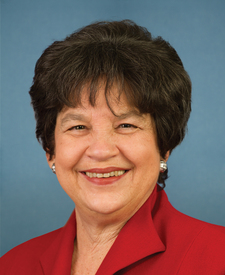 Rep. Lois FrankelD-FL-22
 Rep. Ted DeutchD-FL-21
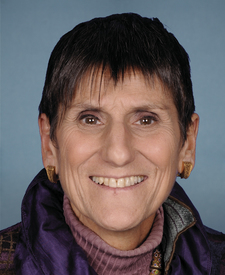 Rep. Rosa DeLauroD-CT-3
 Rep. John YarmuthD-KY-3
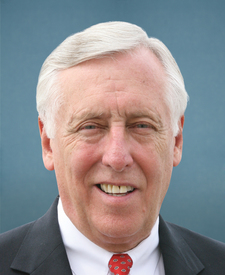 Rep. Steny HoyerD-MD-5
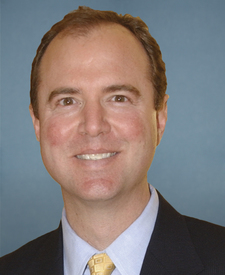 Rep. Adam SchiffD-CA-28
 Rep. Bill PascrellD-NJ-9
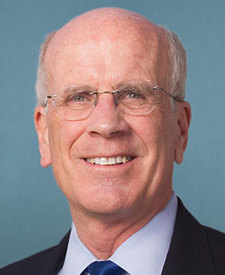 Rep. Peter WelchD-VT
 Rep. Nita LoweyD-NY-17
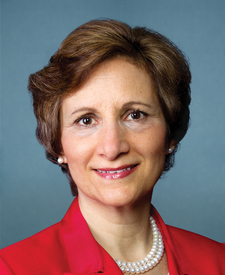 Rep. Suzanne BonamiciD-OR-1
 Rep. Michael DoyleD-PA-14
 Rep. Joe CrowleyD-NY-14
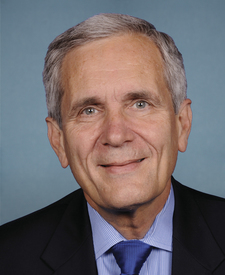 Rep. Lloyd DoggettD-TX-35
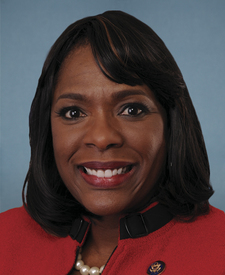 Rep. Terri SewellD-AL-7
 Rep. Alan LowenthalD-CA-47
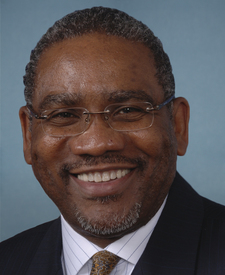 Rep. Gregory MeeksD-NY-5
 Rep. Rubén HinojosaD-TX-15
 Rep. Matt CartwrightD-PA-17
 Rep. Steve IsraelD-NY-3
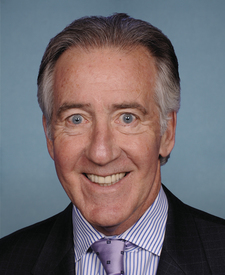 Rep. Richard NealD-MA-1
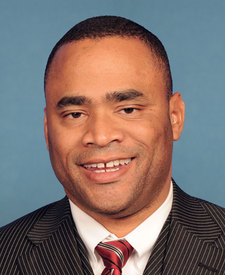 Rep. Marc VeaseyD-TX-33
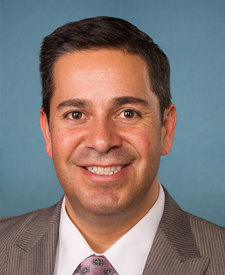 Rep. Ben LujánD-NM-3
 Rep. Earl BlumenauerD-OR-3
 Rep. Marcy KapturD-OH-9
 Rep. David CicillineD-RI-1
 Rep. Niki TsongasD-MA-3
 Rep. Susan DavisD-CA-53
 Rep. Tim RyanD-OH-13
 Rep. Grace MengD-NY-6
 Rep. Carolyn MaloneyD-NY-12
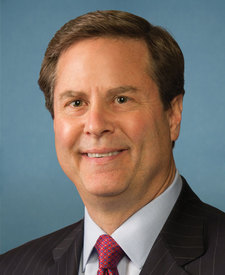 Rep. Donald NorcrossD-NJ-1
 Rep. Anna EshooD-CA-18
 Rep. Lois CappsD-CA-24
 Rep. Jim LangevinD-RI-2
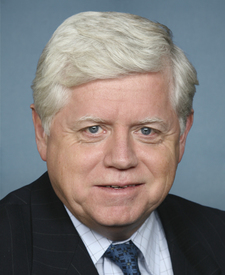 Rep. John LarsonD-CT-1
 Rep. Mike ThompsonD-CA-5
 Rep. Norma TorresD-CA-35
 Rep. Donald BeyerD-VA-8
 Rep. Brian HigginsD-NY-26
 Rep. Michelle Lujan GrishamD-NM-1
 Rep. Albio SiresD-NJ-8
 Rep. Brendan BoyleD-PA-13
 Rep. Tony CárdenasD-CA-29
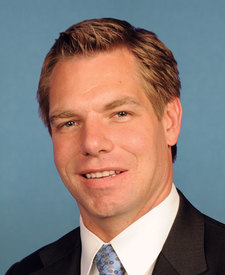 Rep. Eric SwalwellD-CA-15
 Rep. Gene GreenD-TX-29
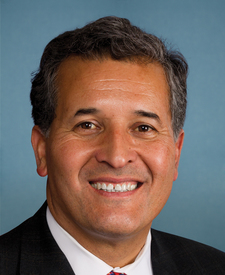 Rep. Juan VargasD-CA-51
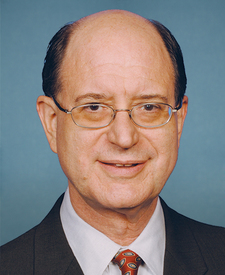 Rep. Brad ShermanD-CA-30
 Rep. Jerry McNerneyD-CA-9
 Rep. Rick LarsenD-WA-2
 Rep. Stephen LynchD-MA-8
 Rep. Steve CohenD-TN-9
 Rep. Janice HahnD-CA-44
 Rep. Seth MoultonD-MA-6
 Rep. Alan GraysonD-FL-9
 Rep. Mike QuigleyD-IL-5
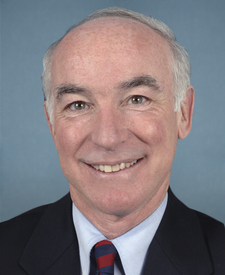 Rep. Joe CourtneyD-CT-2
 Rep. Denny HeckD-WA-10
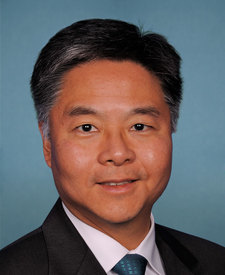 Rep. Ted LieuD-CA-33
 Rep. Filemon VelaD-TX-34
 Rep. David LoebsackD-IA-2
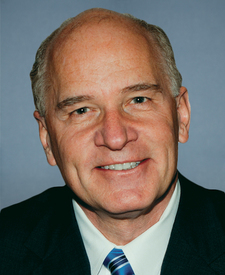 Rep. William KeatingD-MA-9
 Rep. Ed PerlmutterD-CO-7
 Rep. Elizabeth EstyD-CT-5
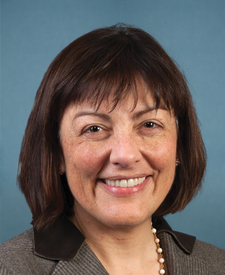 Rep. Suzan DelBeneD-WA-1
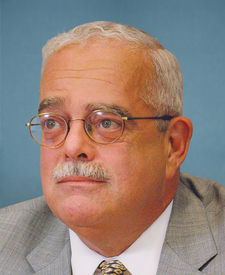 Rep. Gerald ConnollyD-VA-11
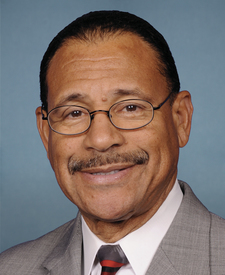 Rep. Sanford BishopD-GA-2
 Rep. Tammy DuckworthD-IL-8
 Rep. Derek KilmerD-WA-6
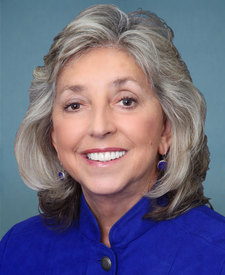 Rep. Dina TitusD-NV-1
 Rep. A. Dutch RuppersbergerD-MD-2
 Rep. Tulsi GabbardD-HI-2
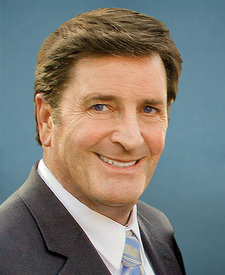 Rep. John GaramendiD-CA-3
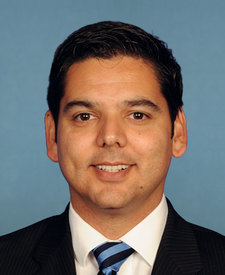 Rep. Raul RuizD-CA-36
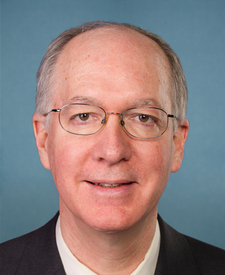 Rep. Bill FosterD-IL-11
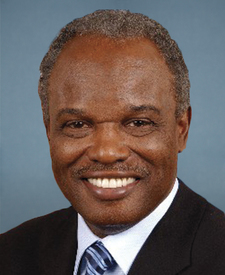 Rep. David ScottD-GA-13
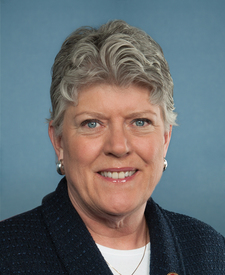 Rep. Julia BrownleyD-CA-26
 Rep. John CarneyD-DE
 Rep. Richard NolanD-MN-8
 Rep. Cheri BustosD-IL-17
 Rep. Kathleen RiceD-NY-4
 Rep. Peter DeFazioD-OR-4
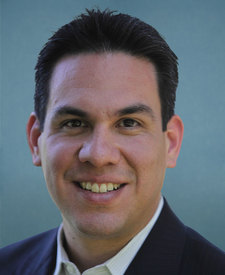 Rep. Pete AguilarD-CA-31
 Rep. Timothy WalzD-MN-1
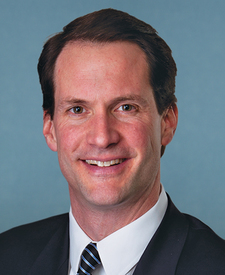 Rep. Jim HimesD-CT-4
 Rep. John DelaneyD-MD-6
 Rep. Sean MaloneyD-NY-18
 Rep. Ann KusterD-NH-2
 Rep. Jared PolisD-CO-2
 Rep. Ron KindD-WI-3
 Rep. Ann KirkpatrickD-AZ-1
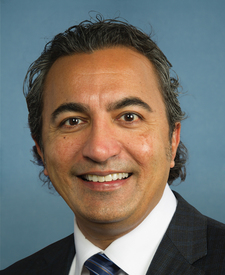 Rep. Ami BeraD-CA-7
 Rep. Patrick MurphyD-FL-18
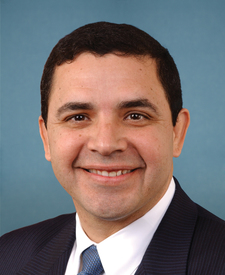 Rep. Henry CuellarD-TX-28
 Rep. Gwen GrahamD-FL-2
 Rep. Daniel LipinskiD-IL-3
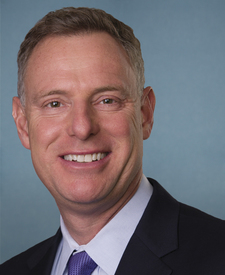 Rep. Scott PetersD-CA-52
 Rep. Brad AshfordD-NE-2
 Rep. Jim CooperD-TN-5
 Rep. Kurt SchraderD-OR-5
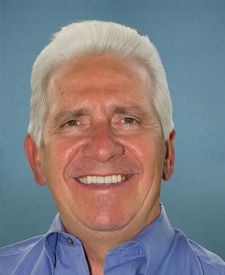 Rep. Jim CostaD-CA-16
 Rep. Kyrsten SinemaD-AZ-9
 Rep. Collin PetersonD-MN-7
Republicans who voted yea(232)
 Rep. Bob DoldR-IL-10
 Rep. Carlos CurbeloR-FL-26
 Rep. John KatkoR-NY-24
 Rep. Richard HannaR-NY-22
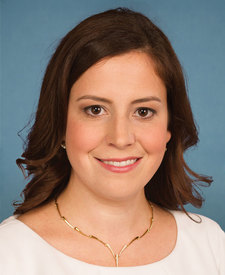 Rep. Elise StefanikR-NY-21
 Rep. Ileana Ros-LehtinenR-FL-27
 Rep. Christopher GibsonR-NY-19
 Rep. Tom MacArthurR-NJ-3
 Rep. Ryan CostelloR-PA-6
 Rep. Daniel DonovanR-NY-11
 Rep. Pete KingR-NY-2
 Rep. Michael FitzpatrickR-PA-8
 Rep. Charles DentR-PA-15
 Rep. David ReichertR-WA-8
 Rep. Patrick MeehanR-PA-7
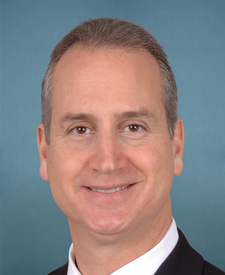 Rep. Mario Diaz-BalartR-FL-25
 Rep. David JollyR-FL-13
 Rep. Frank LoBiondoR-NJ-2
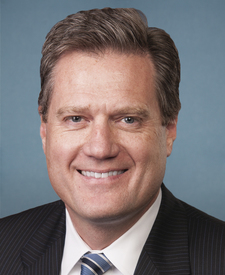 Rep. Michael TurnerR-OH-10
 Rep. Adam KinzingerR-IL-16
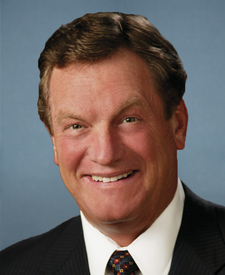 Rep. Mike SimpsonR-ID-2
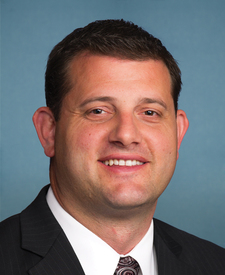 Rep. David ValadaoR-CA-21
 Rep. Jeff DenhamR-CA-10
 Rep. Rodney FrelinghuysenR-NJ-11
 Rep. Barbara ComstockR-VA-10
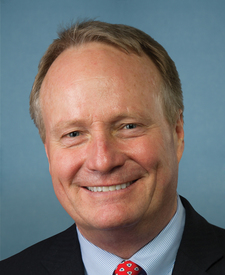 Rep. David JoyceR-OH-14
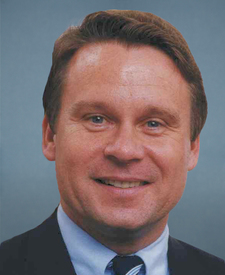 Rep. Chris SmithR-NJ-4
 Rep. Tom ReedR-NY-23
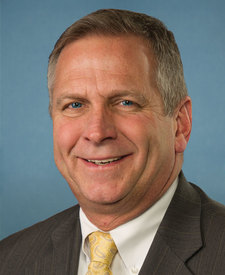 Rep. Mike BostR-IL-12
 Rep. Rodney DavisR-IL-13
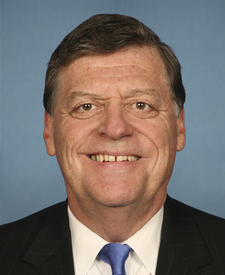 Rep. Tom ColeR-OK-4
 Rep. Don YoungR-AK
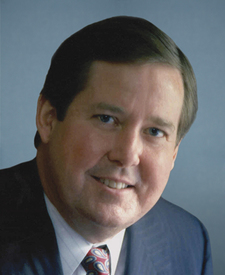 Rep. Ken CalvertR-CA-42
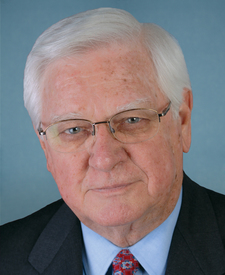 Rep. Hal RogersR-KY-5
 Rep. Ander CrenshawR-FL-4
 Rep. Lou BarlettaR-PA-11
 Rep. Evan JenkinsR-WV-3
 Rep. Ed WhitfieldR-KY-1
 Rep. Fred UptonR-MI-6
 Rep. Steve StiversR-OH-15
 Rep. Jeff FortenberryR-NE-1
 Rep. Martha McSallyR-AZ-2
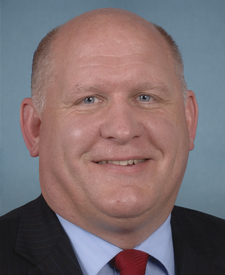 Rep. Glenn ThompsonR-PA-5
 Rep. Bill ShusterR-PA-9
 Rep. Mark AmodeiR-NV-2
 Rep. John ShimkusR-IL-15
 Rep. Mike KellyR-PA-3
 Rep. David McKinleyR-WV-1
 Rep. Lee ZeldinR-NY-1
 Rep. Devin NunesR-CA-22
 Rep. Scott RigellR-VA-2
 Rep. Tim MurphyR-PA-18
 Rep. Tom MarinoR-PA-10
 Rep. Gregg HarperR-MS-3
 Rep. Steve WomackR-AR-3
 Rep. Greg WaldenR-OR-2
 Rep. Pat TiberiR-OH-12
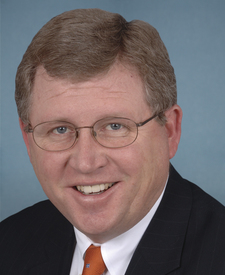 Rep. Frank LucasR-OK-3
 Rep. Cresent HardyR-NV-4
 Rep. Chris CollinsR-NY-27
 Rep. Larry BucshonR-IN-8
 Rep. Susan BrooksR-IN-5
 Rep. Charles BoustanyR-LA-3
 Rep. Joseph HeckR-NV-3
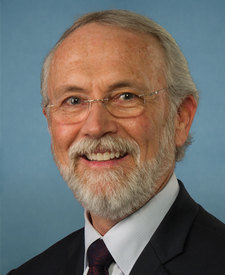 Rep. Dan NewhouseR-WA-4
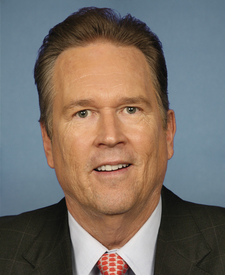 Rep. Vern BuchananR-FL-16
 Rep. Bruce PoliquinR-ME-2
 Rep. James RenacciR-OH-16
 Rep. Dave TrottR-MI-11
 Rep. Leonard LanceR-NJ-7
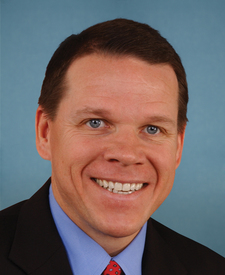 Rep. Sam GravesR-MO-6
 Rep. Bill JohnsonR-OH-6
 Rep. Renee EllmersR-NC-2
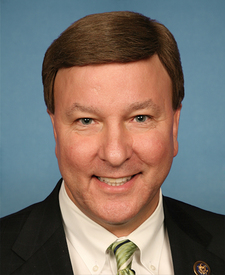 Rep. Mike RogersR-AL-3
 Rep. Mimi WaltersR-CA-45
 Rep. Paul CookR-CA-8
 Rep. Erik PaulsenR-MN-3
 Rep. John KlineR-MN-2
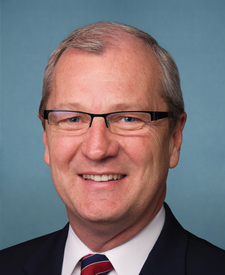 Rep. Kevin CramerR-ND
 Rep. Martha RobyR-AL-2
 Rep. Robert AderholtR-AL-4
 Rep. Dan BenishekR-MI-1
 Rep. Peter RoskamR-IL-6
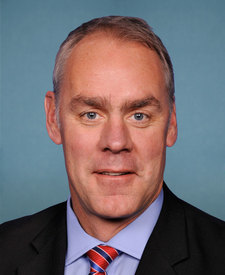 Rep. Ryan ZinkeR-MT
 Rep. Will HurdR-TX-23
 Rep. Walter JonesR-NC-3
 Rep. Kristi NoemR-SD
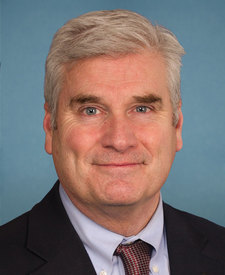 Rep. Tom EmmerR-MN-6
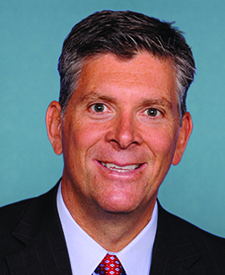 Rep. Darin LaHoodR-IL-18
 Rep. Blaine LuetkemeyerR-MO-3
 Rep. Frank GuintaR-NH-1
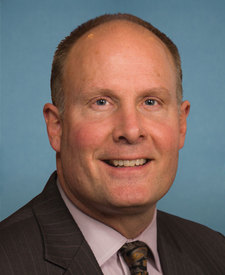 Rep. John MoolenaarR-MI-4
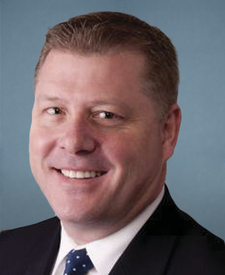 Rep. Rick CrawfordR-AR-1
 Rep. Cathy McMorris RodgersR-WA-5
 Rep. Mike BishopR-MI-8
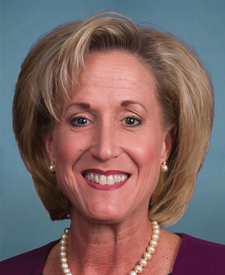 Rep. Ann WagnerR-MO-2
 Rep. Mac ThornberryR-TX-13
 Rep. David YoungR-IA-3
 Rep. John MicaR-FL-7
 Rep. Steve KnightR-CA-25
 Rep. Jackie WalorskiR-IN-2
 Rep. Steve RussellR-OK-5
 Rep. Thomas RooneyR-FL-17
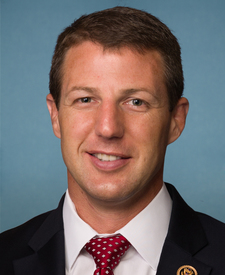 Rep. Markwayne MullinR-OK-2
 Rep. Mike CoffmanR-CO-6
 Rep. Richard NugentR-FL-11
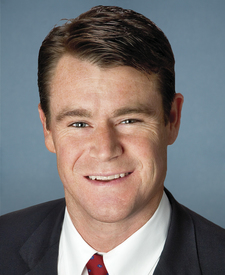 Rep. Todd YoungR-IN-9
 Rep. French HillR-AR-2
 Rep. Kevin McCarthyR-CA-23
 Rep. Randy HultgrenR-IL-14
 Rep. John CarterR-TX-31
 Rep. Ed RoyceR-CA-39
 Rep. Bob GibbsR-OH-7
 Rep. Ralph AbrahamR-LA-5
 Rep. Steven PalazzoR-MS-4
 Rep. Andy BarrR-KY-6
 Rep. Chuck FleischmannR-TN-3
 Rep. Joe BartonR-TX-6
 Rep. Dennis RossR-FL-15
 Rep. Garret GravesR-LA-6
 Rep. Joseph PittsR-PA-16
 Rep. Duncan HunterR-CA-50
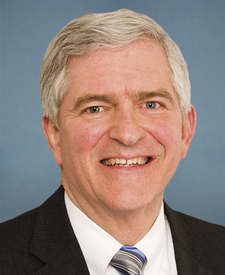 Rep. Daniel WebsterR-FL-10
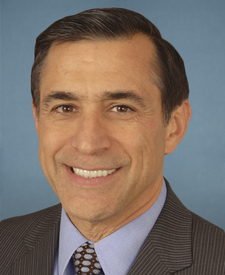 Rep. Darrell IssaR-CA-49
 Rep. Billy LongR-MO-7
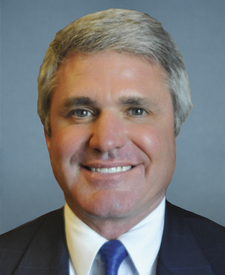 Rep. Michael McCaulR-TX-10
 Rep. Patrick McHenryR-NC-10
 Rep. Randy ForbesR-VA-4
 Rep. Steve PearceR-NM-2
 Rep. Vicky HartzlerR-MO-4
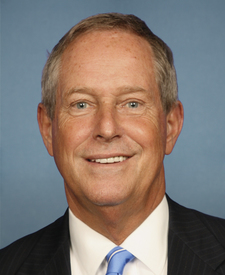 Rep. Joe WilsonR-SC-2
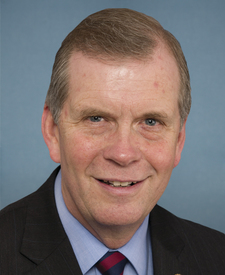 Rep. Tim WalbergR-MI-7
 Rep. John CulbersonR-TX-7
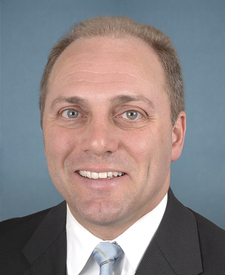 Rep. Steve ScaliseR-LA-1
 Rep. Bradley ByrneR-AL-1
 Rep. Kevin BradyR-TX-8
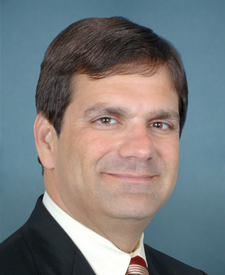 Rep. Gus BilirakisR-FL-12
 Rep. Rod BlumR-IA-1
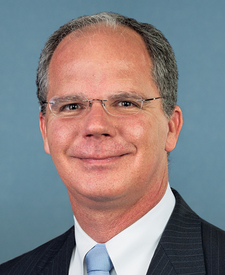 Rep. Brett GuthrieR-KY-2
 Rep. Keith RothfusR-PA-12
 Rep. Sean DuffyR-WI-7
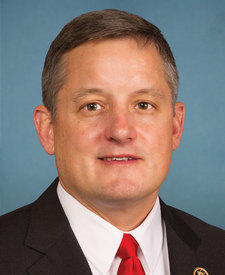 Rep. Bruce WestermanR-AR-4
 Rep. Scott TiptonR-CO-3
 Rep. Rob BishopR-UT-1
 Rep. Lynn JenkinsR-KS-2
 Rep. Robert PittengerR-NC-9
 Rep. Ted PoeR-TX-2
 Rep. Reid RibbleR-WI-8
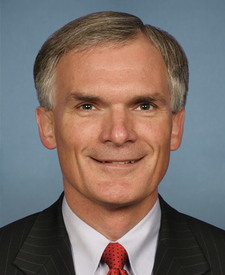 Rep. Robert LattaR-OH-5
 Rep. Trent KellyR-MS-1
 Rep. Chris StewartR-UT-2
 Rep. Buddy CarterR-GA-1
 Rep. Luke MesserR-IN-6
 Rep. Robert WittmanR-VA-1
 Rep. Doug LaMalfaR-CA-1
 Rep. Kevin YoderR-KS-3
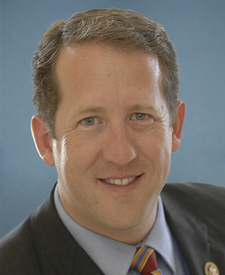 Rep. Adrian SmithR-NE-3
 Rep. Todd RokitaR-IN-4
 Rep. Alexander MooneyR-WV-2
 Rep. Tom RiceR-SC-7
 Rep. Bob GoodlatteR-VA-6
 Rep. Morgan GriffithR-VA-9
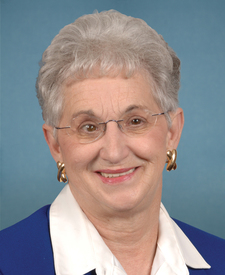 Rep. Virginia FoxxR-NC-5
 Rep. Jason ChaffetzR-UT-3
 Rep. Lamar SmithR-TX-21
 Rep. Robert HurtR-VA-5
 Rep. Justin AmashR-MI-3
 Rep. Steve KingR-IA-4
 Rep. Phil RoeR-TN-1
 Rep. Mia LoveR-UT-4
 Rep. Michael ConawayR-TX-11
 Rep. Blake FarentholdR-TX-27
 Rep. Curt ClawsonR-FL-19
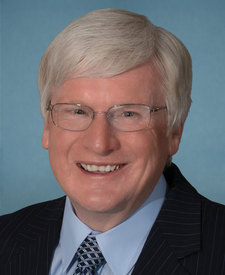 Rep. Glenn GrothmanR-WI-6
 Rep. Brad WenstrupR-OH-2
 Rep. Lynn WestmorelandR-GA-3
 Rep. Rob WoodallR-GA-7
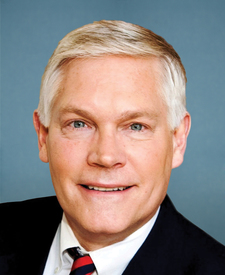 Rep. Pete SessionsR-TX-32
 Rep. Bill PoseyR-FL-8
 Rep. Pete OlsonR-TX-22
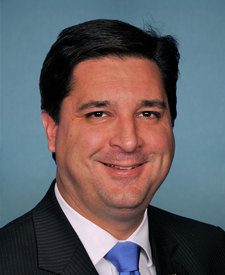 Rep. David RouzerR-NC-7
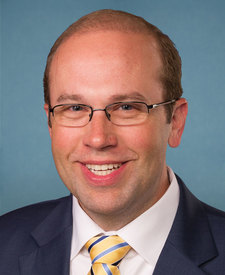 Rep. Jason SmithR-MO-8
 Rep. Bill FloresR-TX-17
 Rep. Dana RohrabacherR-CA-48
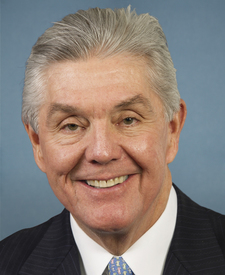 Rep. Roger WilliamsR-TX-25
 Rep. Jeff MillerR-FL-1
 Rep. Steve ChabotR-OH-1
 Rep. Mark WalkerR-NC-6
 Rep. Mark MeadowsR-NC-11
 Rep. Scott GarrettR-NJ-5
 Rep. Diane BlackR-TN-6
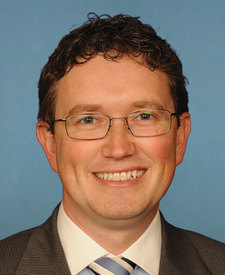 Rep. Thomas MassieR-KY-4
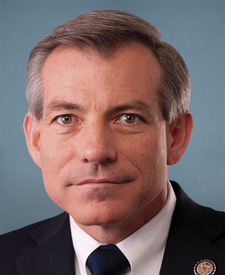 Rep. David SchweikertR-AZ-6
 Rep. Ron DeSantisR-FL-6
 Rep. Tom GravesR-GA-14
 Rep. Kenny MarchantR-TX-24
 Rep. Mike PompeoR-KS-4
 Rep. Tom PriceR-GA-6
 Rep. Matt SalmonR-AZ-5
 Rep. Jeb HensarlingR-TX-5
 Rep. Trey GowdyR-SC-4
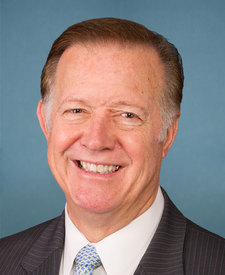 Rep. Randy WeberR-TX-14
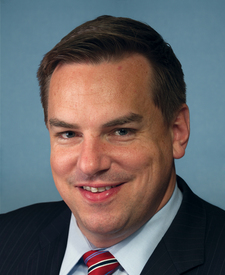 Rep. Richard HudsonR-NC-8
 Rep. Jim BridenstineR-OK-1
 Rep. George HoldingR-NC-13
 Rep. Doug LambornR-CO-5
 Rep. Sam JohnsonR-TX-3
 Rep. Randy NeugebauerR-TX-19
 Rep. James SensenbrennerR-WI-5
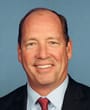 Rep. Ted YohoR-FL-3
 Rep. Marsha BlackburnR-TN-7
 Rep. Michael BurgessR-TX-26
 Rep. John FlemingR-LA-4
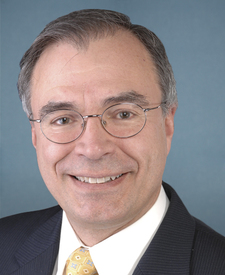 Rep. Andy HarrisR-MD-1
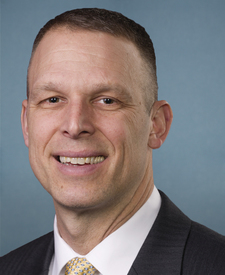 Rep. Scott PerryR-PA-4
 Rep. Jeff DuncanR-SC-3
 Rep. Trent FranksR-AZ-8
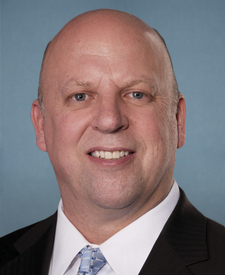 Rep. Scott DesJarlaisR-TN-4
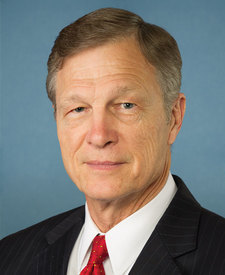 Rep. Brian BabinR-TX-36
 Rep. Jody HiceR-GA-10
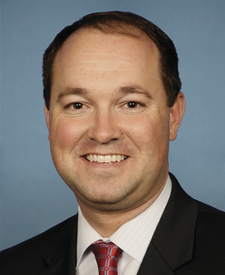 Rep. Marlin StutzmanR-IN-3
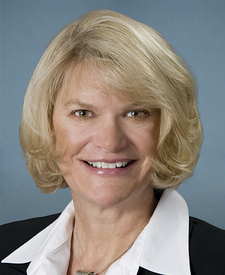 Rep. Cynthia LummisR-WY
 Rep. Raúl LabradorR-ID-1
 Rep. Louie GohmertR-TX-1
 Rep. John RatcliffeR-TX-4
 Rep. Mick MulvaneyR-SC-5
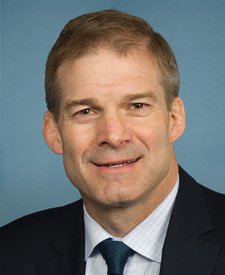 Rep. Jim JordanR-OH-4
 Rep. Paul GosarR-AZ-4
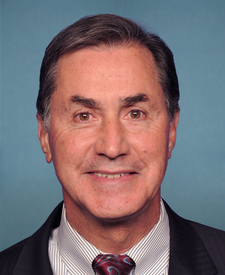 Rep. Gary PalmerR-AL-6
 Rep. Dave BratR-VA-7
 Rep. Mark SanfordR-SC-1
 Rep. Mo BrooksR-AL-5
Data notes
The House’s recorded vote on the final version of the law (roll call 938 in Voteview), matched to the vote the record cites and checked against its totals. Positions are each member’s DW-NOMINATE score for that Congress, as on the Ideology page; left to right is more liberal to more conservative. Paired and announced yea votes count as yea. Lists follow the compass, most liberal first. A name links to a profile only for members of the current Congress. A law passed by voice vote or unanimous consent has no member list, and neither does a vote Voteview has not yet recorded.
Committees
The committees the bill was sent to, and what each did with it.

Data notes
A committee links to its page only where it exists in the current Congress; older and renamed committees are named without a link.
Related bills
4 bills the Library of Congress relates to this one.
H.R. 4111Related bill
Rural Health Care Connectivity Act of 2016
H.Res. 742Procedurally-related
Providing for consideration of the Senate amendment to the bill (H.R. 2576) to modernize the Toxic Substances Control Act, and for other purposes, and providing for consideration of the bill (H.R. 897) to amend the Fede…
S. 697Related bill
Frank R. Lautenberg Chemical Safety for the 21st Century Act
S. 1916Related bill
Rural Health Care Connectivity Act of 2015
Data notes
Related bills are identified by the Congressional Research Service, the House and the Senate: companion and identical bills, bills with similar text, bills that were folded into this law, and rules that brought it to the floor. A bill that is itself a public law in this site’s data links here; the others link to Congress.gov.
Timeline
From introduction to signing, newest first: the committees, the floor and the president. 41 actions.
- Jun 22, 2016Became lawBecame law · Became Public Law No: 114-182.
- Became lawBecame law · Signed by President.
- Jun 14, 2016FloorFloor · Presented to President.
- Jun 7, 2016Resolving differencesResolving differences · Senate agreed to the House amendment to the Senate amendment by Voice Vote.
- FloorFloor · Message on Senate action sent to the House.
- FloorFloor · Measure laid before Senate by unanimous consent.
- OtherOther · Resolving differences -- Senate actions: Senate agreed to the House amendment to the Senate amendment by Voice Vote.
- May 24, 2016Resolving differencesResolving differences · Motion to reconsider laid on the table Agreed to without objection.
- Resolving differencesResolving differences · On motion that the House agree with an amendment to the Senate amendment Agreed to by the Yeas and Nays: 403 - 12 (Roll no. 238).House roll call 238
- Resolving differencesResolving differences · The previous question was ordered pursuant to the rule.
- Resolving differencesResolving differences · Mr. Shimkus moved that the House concur in the Senate amendment with an amendment.
- FloorFloor · Message on House action received in Senate and at desk: House amendment to Senate amendment.
- FloorFloor · Considered as unfinished business.
- FloorFloor · POSTPONED PROCEEDINGS - At the conclusion of debate on the motion to concur in the Senate amendment with an amendment, the Chair put the question on adoption of the motion and by voice vote announced that the ayes had prevailed. Mr. Pallone demanded the yeas and nays and the Cha…
- FloorFloor · DEBATE - The House proceeded with one hour of debate on the motion to concur in the Senate amendment with an amendment.
- FloorFloor · MOTION OFFERED - Pursuant to the provisions of H. Res. 742, the Chair recognized Mr. Shimkus for a motion.
- FloorFloor · ORDER OF PROCEDURE - Mr. Shimkus asked unanimous consent that the question of adopting a motion to concur in the Senate amendment to H.R. 2576 with an amendment may be subject to postponement as though under clause 8 of rule XX. Agreed to without objection.
- FloorFloor · Rule H. Res. 742 passed House.
- OtherOther · Resolving differences -- House actions: On motion that the House agree with an amendment to the Senate amendment Agreed to by the Yeas and Nays: 403 - 12 (Roll no. 238).House roll call 238
- May 23, 2016FloorFloor · Rules Committee Resolution H. Res. 742 Reported to House. Resolution provides for consideration of H.R. 897 and the Senate amendment to H.R. 2576.
- Dec 18, 2015FloorFloor · Message on Senate action sent to the House.
- Dec 17, 2015FloorFloor · Passed Senate with an amendment by Voice Vote.
- FloorFloor · Measure laid before Senate by unanimous consent.
- Jul 8, 2015CalendarCalendar · Read twice. Placed on Senate Legislative Calendar under General Orders. Calendar No. 143.
- Jun 24, 2015CommitteeCommittee · Received in the Senate.
- Jun 23, 2015FloorFloor · On motion to suspend the rules and pass the bill, as amended Agreed to by the Yeas and Nays: (2/3 required): 398 - 1 (Roll no. 378).House roll call 378
- FloorFloor · Motion to reconsider laid on the table Agreed to without objection.
- FloorFloor · Considered as unfinished business.
- FloorFloor · At the conclusion of debate, the Yeas and Nays were demanded and ordered. Pursuant to the provisions of clause 8, rule XX, the Chair announced that further proceedings on the motion would be postponed.
- FloorFloor · DEBATE - The House proceeded with forty minutes of debate on H.R. 2576.
Data notes
Every action the Library of Congress lists for the bill, from introduction to signing, plus the dated committee hearings. The source lists many steps twice (the chamber’s own entry and the Library of Congress copy, or a presidential and a became-law entry with the same words); those are shown once. Amendments are listed in their own section.
Amendments
1 amendment offered to the bill, with the last recorded step of each.
- Agreed to
S.Amdt. 2932SenateSen. Jim InhofeR-OK· offered Dec 17, 2015Agreed to
In the nature of a substitute.
Dec 17, 2015: Amendment SA 2932 agreed to in Senate by Unanimous Consent.
Data notes
Amendments offered to this bill in either chamber, as the Library of Congress records them: each with a status read from its last recorded step: agreed to, rejected, withdrawn, ruled out of order, fell with another amendment, or offered with no vote recorded (most Senate amendments are only ever offered). The wording of each amendment is the source’s. Amendments to amendments and amendments to other bills are not listed.
Official record
The bill’s full text is on Congress.gov. Data through Oct 7, 2026.