Defend Trade Secrets Act of 2016
Public Law 114-153 · S. 1890 · 114th Congress · began in the Senate
Signed by Barack Obama (D) on May 11, 2016 · Crime and Law Enforcement
Sponsor: Sen. Orrin Hatch (R-UT)
Cosponsors (65): Sen. Christopher Coons, Sen. Jeff Flake,
Passage votesYeaNay
- HouseRecorded vote: 410 yea, 2 nay410–2
- SenateRecorded vote: 87 yea, 0 nay87–0
Data notes
The final version of the law, as each chamber passed it. A chamber that passed it by voice vote or unanimous consent has no count. “Method not stated” means the record does not say how the chamber voted. Where the record has a member-by-member vote, the “Who voted for it” section shows who voted yea.
Summary
The Congressional Research Service’s plain-language summary of what the law does.
Defend Trade Secrets Act of 2016
(Sec. 2) This bill amends the federal criminal code to create a private civil cause of action for trade secret misappropriation.
A trade secret owner may file a civil action in a U.S. district court seeking relief for trade secret misappropriation related to a product or service in interstate or foreign commerce. The bill establishes remedies including injunctive relief, compensatory damages, and attorney's fees. It sets a three-year statute of limitation from the date of discovery of the misappropriation.
A trade secret owner may apply for and a court may grant, in extraordinary circumstances, an ex parte seizure order to prevent dissemination of a trade secret if the court makes specific findings, including that: (1) a temporary restraining order or another form of equitable relief is inadequate, (2) an immediate and irreparable injury will occur if seizure is not ordered, and (3) the person against whom seizure would be ordered has actual possession of the trade secret and any property to be seized.
A court must take custody of and secure seized materials and hold a seizure hearing within seven days. An interested party may file a motion to encrypt seized material.
A party harmed by a wrongful or excessive seizure may move to dissolve or modify the order and may also seek relief against the applicant of the seizure order.
(Sec. 3) The bill increases the maximum penalty for trade secret theft (currently $5 million) to the greater of $5 million or three times the value of the stolen trade secret.
A court may not authorize or require the disclosure of information that an owner asserts to be a trade secret unless the court allows the owner to submit under seal a description of the interest in keeping the information confidential. Additionally, disclosure of information related to a trade secret in connection with a prosecution does not constitute a waiver of trade secret protection unless an owner expressly consents to such waiver.
It adds economic espionage and trade secret theft to the list of predicate offenses that constitute racketeering activity.
(Sec. 4) The Department of Justice must submit to Congress and publish a biannual report on trade secret theft outside the United States.
(Sec. 5) The bill expresses the sense of Congress that: (1) trade secret theft occurs in the United States and around the world, (2) trade secret theft harms owner companies and their employees, (3) the Economic Espionage Act of 1996 applies broadly to protect trade secrets from theft; and (4) it is important, when seizing information, to balance the need to address misappropriation with the needs of third parties and the accused party.
(Sec. 6) The Federal Judicial Center must develop, update, and submit to Congress best practices for seizing information and securing seized information.
(Sec. 7) The bill provides immunity from civil and criminal liability for an individual who discloses a trade secret: (1) to a government official or attorney in confidence to report or investigate a violation of law, or (2) in a legal complaint or filing under seal.
Who voted for it
Every senator of the 114th Congress on the ideology compass. Highlighted: the 87 who voted yea on final passage. Faded: everyone else, including those who voted nay, did not vote, or had not yet taken office.
87 yea0 nay13 present or did not vote
Democrats who voted yea(41)
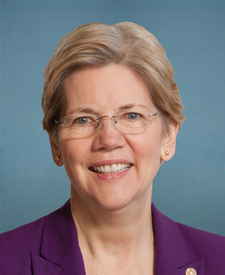 Sen. Elizabeth WarrenD-MA
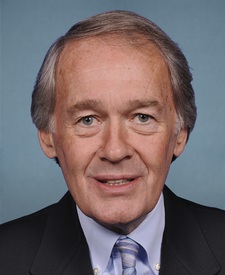 Sen. Ed MarkeyD-MA
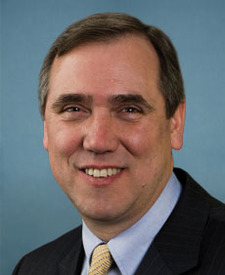 Sen. Jeff MerkleyD-OR
 Sen. Sherrod BrownD-OH
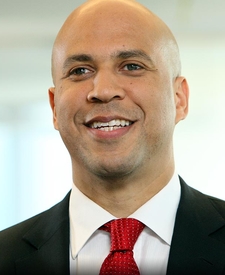 Sen. Cory BookerD-NJ
 Sen. Harry ReidD-NV
 Sen. Al FrankenD-MN
 Sen. Barbara BoxerD-CA
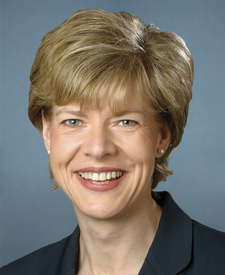 Sen. Tammy BaldwinD-WI
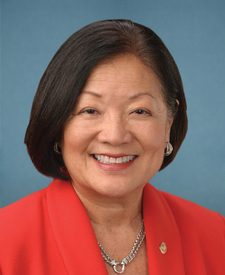 Sen. Mazie HironoD-HI
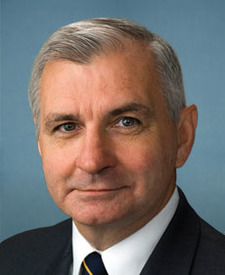 Sen. Jack ReedD-RI
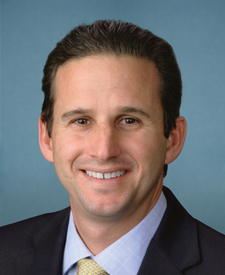 Sen. Brian SchatzD-HI
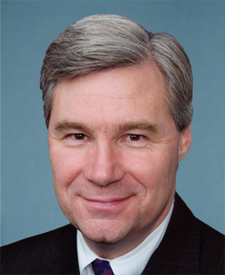 Sen. Sheldon WhitehouseD-RI
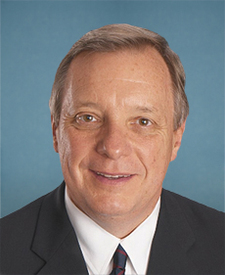 Sen. Richard DurbinD-IL
 Sen. Tom UdallD-NM
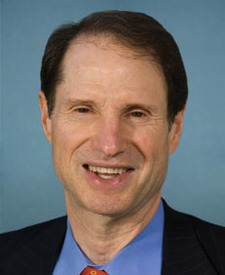 Sen. Ron WydenD-OR
 Sen. Christopher MurphyD-CT
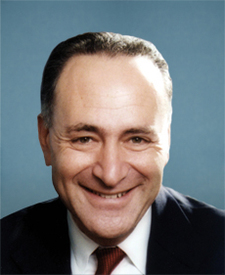 Sen. Chuck SchumerD-NY
 Sen. Benjamin CardinD-MD
 Sen. Bob MenendezD-NJ
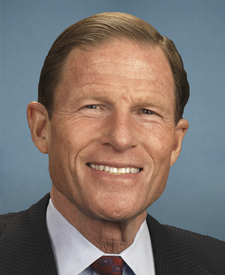 Sen. Richard BlumenthalD-CT
 Sen. Martin HeinrichD-NM
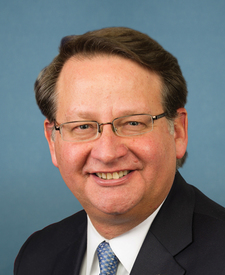 Sen. Gary PetersD-MI
 Sen. Debbie StabenowD-MI
 Sen. Bill NelsonD-FL
 Sen. Bob CaseyD-PA
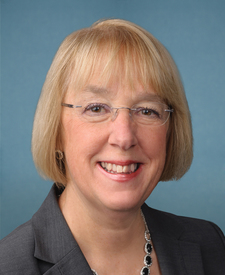 Sen. Patty MurrayD-WA
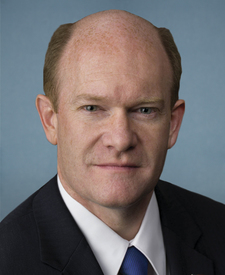 Sen. Christopher CoonsD-DE
 Sen. Maria CantwellD-WA
 Sen. Jeanne ShaheenD-NH
 Sen. Amy KlobucharD-MN
 Sen. Dianne FeinsteinD-CA
 Sen. Tim KaineD-VA
 Sen. Jon TesterD-MT
 Sen. Michael BennetD-CO
 Sen. Mark WarnerD-VA
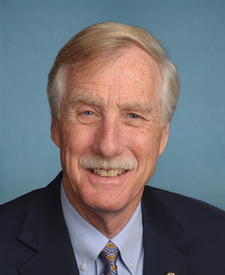 Sen. Angus KingD-ME
 Sen. Claire McCaskillD-MO
 Sen. Heidi HeitkampD-ND
 Sen. Joe DonnellyD-IN
 Sen. Joe ManchinD-WV























































































Republicans who voted yea(46)
 Sen. Susan CollinsR-ME
 Sen. Mark KirkR-IL
 Sen. Lamar AlexanderR-TN
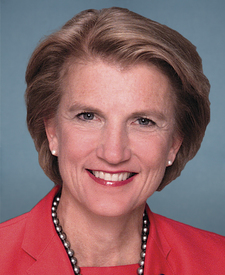 Sen. Shelley CapitoR-WV
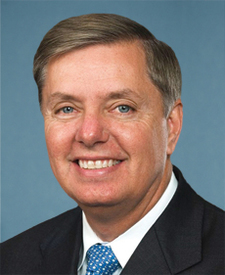 Sen. Lindsey GrahamR-SC
 Sen. Rob PortmanR-OH
 Sen. Thad CochranR-MS
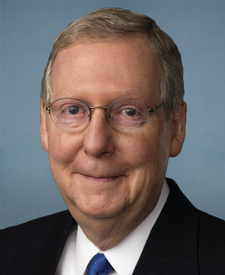 Sen. Mitch McConnellR-KY
 Sen. Roy BluntR-MO
 Sen. John HoevenR-ND
 Sen. Orrin HatchR-UT
 Sen. Richard BurrR-NC
 Sen. Mike RoundsR-SD
 Sen. Roger WickerR-MS
 Sen. Johnny IsaksonR-GA
 Sen. John ThuneR-SD
 Sen. Bill CassidyR-LA
 Sen. Pat RobertsR-KS
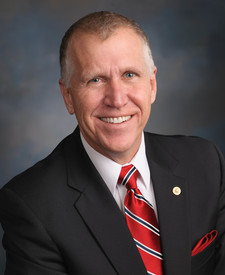 Sen. Thom TillisR-NC
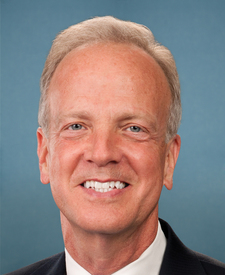 Sen. Jerry MoranR-KS
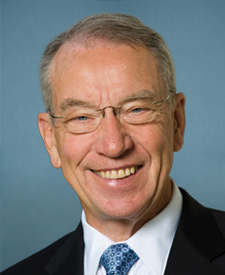 Sen. Chuck GrassleyR-IA
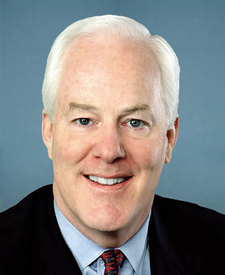 Sen. John CornynR-TX
 Sen. John McCainR-AZ
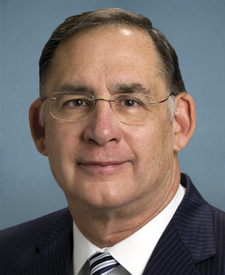 Sen. John BoozmanR-AR
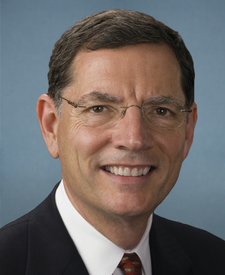 Sen. John BarrassoR-WY
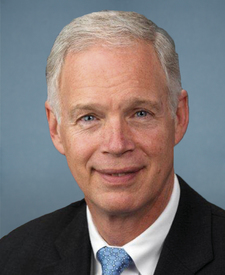 Sen. Ron JohnsonR-WI
 Sen. Deb FischerR-NE
 Sen. Michael EnziR-WY
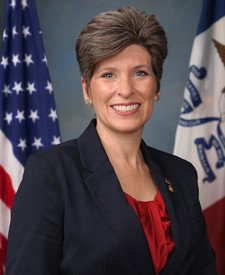 Sen. Joni ErnstR-IA
 Sen. Bob CorkerR-TN
 Sen. Jim InhofeR-OK
 Sen. Daniel CoatsR-IN
 Sen. Dean HellerR-NV
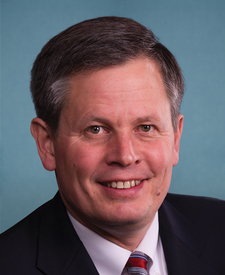 Sen. Steve DainesR-MT
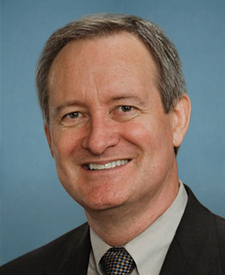 Sen. Mike CrapoR-ID
 Sen. Richard ShelbyR-AL
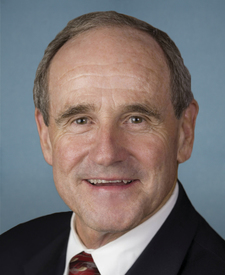 Sen. James RischR-ID
 Sen. Tom CottonR-AR
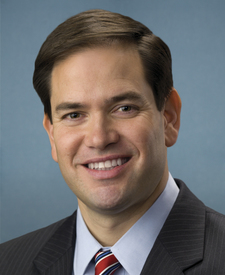 Sen. Marco RubioR-FL
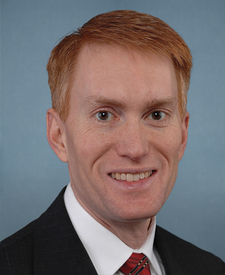 Sen. James LankfordR-OK
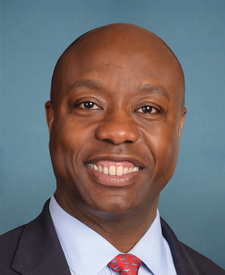 Sen. Tim ScottR-SC
 Sen. Jeff SessionsR-AL
 Sen. David PerdueR-GA
 Sen. Jeff FlakeR-AZ
 Sen. Ben SasseR-NE
 Sen. Rand PaulR-KY



























































































































































Data notes
The Senate’s recorded vote on the final version of the law (roll call 378 in Voteview), matched to the vote the record cites and checked against its totals. Positions are each member’s DW-NOMINATE score for that Congress, as on the Ideology page; left to right is more liberal to more conservative. Paired and announced yea votes count as yea. Lists follow the compass, most liberal first. A name links to a profile only for members of the current Congress. A law passed by voice vote or unanimous consent has no member list, and neither does a vote Voteview has not yet recorded.
Committees
The committees the bill was sent to, and what each did with it.
 Judiciary Committee · House · markup by, referred to, reported bySubcommittee: Courts, Intellectual Property, Artificial Intelligence, and the Internet Subcommittee

Data notes
A committee links to its page only where it exists in the current Congress; older and renamed committees are named without a link.
Related bills
1 bill the Library of Congress relates to this one.
H.R. 3326Identical bill
Defend Trade Secrets Act of 2015
Data notes
Related bills are identified by the Congressional Research Service, the House and the Senate: companion and identical bills, bills with similar text, bills that were folded into this law, and rules that brought it to the floor. A bill that is itself a public law in this site’s data links here; the others link to Congress.gov.
Timeline
From introduction to signing, newest first: the committees, the floor and the president. 30 actions.
- May 11, 2016Became lawBecame law · Became Public Law No: 114-153.
- Became lawBecame law · Signed by President.
- Apr 29, 2016FloorFloor · Presented to President.
- Apr 27, 2016FloorFloor · Motion to reconsider laid on the table Agreed to without objection.
- FloorFloor · On motion to suspend the rules and pass the bill Agreed to by the Yeas and Nays: (2/3 required): 410 - 2 (Roll no. 172).House roll call 172
- FloorFloor · Considered as unfinished business.
- FloorFloor · At the conclusion of debate, the Yeas and Nays were demanded and ordered. Pursuant to the provisions of clause 8, rule XX, the Chair announced that further proceedings on the motion would be postponed.
- FloorFloor · DEBATE - The House proceeded with forty minutes of debate on S. 1890.
- FloorFloor · Considered under suspension of the rules.
- FloorFloor · Mr. Goodlatte moved to suspend the rules and pass the bill.
- Apr 26, 2016CalendarCalendar · Placed on the Union Calendar, Calendar No. 409.
- CommitteeCommittee · Reported by the Committee on Judiciary. H. Rept. 114-529.
- Apr 20, 2016CommitteeCommittee · Ordered to be Reported by Voice Vote.
- CommitteeCommittee · Committee Consideration and Mark-up Session Held.
- Apr 18, 2016CommitteeCommittee · Subcommittee on Courts, Intellectual Property, and the Internet Discharged.
- Apr 11, 2016FloorFloor · Received in the House.
- CommitteeCommittee · Referred to the House Committee on the Judiciary.
- CommitteeCommittee · Referred to the Subcommittee on Courts, Intellectual Property, and the Internet.
- Apr 5, 2016FloorFloor · Message on Senate action sent to the House.
- Apr 4, 2016FloorFloor · Passed Senate with an amendment by Yea-Nay Vote. 87 - 0. Record Vote Number: 39.Senate roll call 39
- FloorFloor · The committee substitute agreed to by Unanimous Consent.
- FloorFloor · Measure laid before Senate by unanimous consent.
- Mar 7, 2016FloorFloor · By Senator Grassley from Committee on the Judiciary filed written report. Report No. 114-220.
- Jan 28, 2016CalendarCalendar · Placed on Senate Legislative Calendar under General Orders. Calendar No. 355.
- CommitteeCommittee · Committee on the Judiciary. Reported by Senator Grassley with an amendment in the nature of a substitute. Without written report.
- CommitteeCommittee · Committee on the Judiciary. Ordered to be reported with an amendment in the nature of a substitute favorably.
- Dec 2, 2015CommitteeCommittee · Committee on the Judiciary. Hearings held.
- CommitteeCommittee · Hearings by Senate Judiciary Committee
- Jul 29, 2015CommitteeCommittee · Read twice and referred to the Committee on the Judiciary.
- IntroducedIntroduced · Introduced in Senate
Data notes
Every action the Library of Congress lists for the bill, from introduction to signing, plus the dated committee hearings. The source lists many steps twice (the chamber’s own entry and the Library of Congress copy, or a presidential and a became-law entry with the same words); those are shown once. Amendments are listed in their own section.
Amendments
No amendments to this bill are on record.
Data notes
Amendments offered to this bill in either chamber, as the Library of Congress records them: each with a status read from its last recorded step: agreed to, rejected, withdrawn, ruled out of order, fell with another amendment, or offered with no vote recorded (most Senate amendments are only ever offered). The wording of each amendment is the source’s. Amendments to amendments and amendments to other bills are not listed.
Official record
The bill’s full text is on Congress.gov. Data through Oct 7, 2026.