Homeowner Flood Insurance Affordability Act of 2014
Public Law 113-89 · H.R. 3370 · 113th Congress · began in the House
Signed by Barack Obama (D) on Mar 21, 2014 · Emergency Management
Sponsor: Rep. Michael Grimm (R-NY-11)
Cosponsors (238): Rep. Maxine Waters, Rep. Cedric Richmond,
Passage votesYeaNay
- HouseRecorded vote: 306 yea, 91 nay306–91
- SenateRecorded vote: 72 yea, 22 nay72–22
Data notes
The final version of the law, as each chamber passed it. A chamber that passed it by voice vote or unanimous consent has no count. “Method not stated” means the record does not say how the chamber voted. Where the record has a member-by-member vote, the “Who voted for it” section shows who voted yea.
Summary
The Congressional Research Service’s plain-language summary of what the law does.
Homeowner Flood Insurance Affordability Act of 2014 - (Sec. 3) Amends the National Flood Insurance Act of 1968 (NFIA) to repeal the prohibition against any extension by the Administrator of the Federal Emergency Management Agency (FEMA) of flood insurance premium subsidies to prospective insureds for property: (1) not insured as of the date of enactment of the Biggert-Waters Flood Insurance Reform Act of 2012, or (2) purchased after such date.
Directs FEMA to: (1) make available rate tables that implement this repeal, (2) consult with "Write Your Own" companies when developing guidance and rate tables to implement this Act, (3) refund to insureds directly flood any insurance premiums under the National Flood Insurance Program (NFIP) that exceeded the rates required under this Act, and (4) permit the purchaser of any property covered under an existing flood insurance policy upon its purchase date to assume that policy at the chargeable premium rates for the remainder of its term.
(Sec. 4) Removes catastrophic loss years from the calculation of "average historical loss year" obligations incurred by the National Flood Insurance Fund for which chargeable premium rates must be adequate. (Thus restores "grandfathered rates.")
(Sec. 5) Limits to 18% the annual increase for the chargeable risk premium rate for flood insurance. Excludes specified properties from such limitation, including property that: (1) is located in a community downgraded under a certain statutory community rating system program, (2) was misrated, or (3) is covered by a policy where the policyholder has either decreased the amount of the deductible or increased the amount of coverage.
Requires an increase in the chargeable flood insurance risk premium rates for specified properties by an amount that results in an average during any 12-month period of not less than 5% of the average of the risk premium rates for such properties.
Reduces from 20% to 15% of the average of the risk premium rates for properties within the risk classification, upon the commencement of any 12-month period, the limitation on the permissible increase in the chargeable risk premium rates for flood insurance for any properties within any single risk classification.
(Sec. 6) States that, for flood insurance purchased after enactment of this Act for certain properties that have been newly mapped in areas with special flood hazards, the ensuing premium rates shall be the preferred risk premium for the first policy year, calculated upon renewal by using a specified formula until the rate reaches a specified level.
(Sec. 7) Directs FEMA to: (1) strive to minimize the number of policies with annual premiums that exceed 1% of the total policy coverage; (2) report to certain congressional committees premiums that exceed the 1% threshold; (3) impose on newly issued or renewed policies a prescribed annual premium surcharge in addition to existing assessments and surcharges; (4) deposit such additional premium surcharge into the Reserve Fund; and (5) prepare a draft affordability framework that addresses, via programmatic and regulatory changes, flood insurance affordability.
(Sec. 9) Prohibits this Act from being construed as authorizing FEMA to provide assistance to homeowners based upon affordability that was not available before the enactment of the Biggert-Waters Flood Insurance Reform Act of 2012.
(Sec. 10) Authorizes FEMA to secure reinsurance of flood insurance coverage from private reinsurance and capital markets in an amount sufficient to maintain the claims paying ability of the flood insurance program.
(Sec. 11) Directs FEMA to grant certain policyholders the option of: (1) paying premiums either annually or monthly, and (2) obtaining high-deductible policies for up to $10,000 on residential properties.
(Sec. 13) Excludes from the flood insurance purchase requirement any structure which is part of a residential property but is detached from the primary residential structure and does not serve as a residence.
Amends the Real Estate Settlement Procedures Act of 1974 to require each home buying information booklet for federally related mortgage loans to include a statement that: (1) a mortgage lender may require a mortgagee to maintain flood insurance on all structures to protect the collateral securing the mortgage, and (2) a mortgagee that chooses not to maintain flood insurance is responsible for all flood losses relating to that structure.
(Sec. 14) Amends the NFIA to require FEMA to carry out studies necessary to estimate risk premium rates based on consideration, in part, of the flood mitigation activities undertaken on a property, including differences in the risk involved due to land use measures, floodproofing, flood forecasting, and similar measures.
(Sec. 15) Prohibits FEMA from estimating risk premium rates for flood insurance on property which, after July 6, 2012, experienced substantial improvement exceeding 50% (currently 30%) of its fair market value.
(Sec. 16) Amends the Biggert-Waters Flood Insurance Reform Act of 2012 to direct FEMA to include in a specified affordability study: (1) options for maintaining affordability if annual flood insurance premiums increase to an amount greater than 2% of the liability coverage amount under the policy, including options for enhanced mitigation assistance and means-tested assistance; (2) the effects that establishment of catastrophe savings accounts would have regarding long-term affordability of flood insurance coverage; and (3) options for modifying a certain surcharge based upon homeowner income, property value, or risk of loss.
Directs FEMA submit the affordability study and report to certain congressional committees.
Increases from $750,000 to $2.5 million the funding for such study.
(Sec. 17) Sets as a prerequisite for FEMA implementation of a NFIP flood mapping program a review by the Technical Mapping Advisory Council that, when applied, results in technically credible flood hazard data in all areas where Flood Insurance Rate Maps are prepared or updated.
Requires FEMA to: (1) certify in writing to Congress when such program has been implemented, and (2) provide to Congress the Technical Mapping Advisory Council review report.
(Sec. 18) Amends NFIA to authorize FEMA to: (1) reimburse a community for non-legal expenses incurred in a successful flood elevation appeal resolved by submission of conflicting data to the Scientific Resolution Panel, and (2) use amounts from the National Flood Insurance Fund to make those and other authorized reimbursements.
(Sec. 19) Makes any community that has made adequate progress on the construction (as under current law) or reconstruction (new) of a flood protection system which will afford flood protection for the one-hundred year frequency flood eligible for flood insurance at premium rates not exceeding those which would apply if such flood protection system had been completed.
Applies to a finding of adequate progress on reconstruction of a flood protection system the same cost, expenditure, and completion percentages that pertain to adequate progress on construction of a system.
Requires FEMA, in determining whether a community has made adequate progress on the construction, reconstruction, or improvement of a flood protection system, to consider all sources of funding, including federal, state, and local funds.
Applies flood insurance availability guidelines specifically to riverine and coastal levees located in communities determined by FEMA to be in the process of restoring flood protection by a disaccredited system previously accredited on a Flood Insurance Rate Map as providing 100-year frequency flood protection, but that no longer does so. Applies such guidelines without regard to the level of federal funding of or participation in the construction, reconstruction, or improvement of the flood protection system.
(Sec. 20) Directs FEMA to: (1) report to Congress on a calendar quarterly basis if it finds that the reserve ratio for the Reserve Fund cannot be achieved, and (2) extend exceptions and variances for flood-proofed basements consistent with specified regulations.
(Sec. 22) Exempts from a review or processing fee any requests for a flood insurance rate map change based on a habitat restoration project funded in whole or in part with federal or state funds, including dam removal, culvert redesign or installation, or the installation of fish passage.
(Sec. 23) Directs FEMA to study options, methods, and strategies for making voluntary community-based flood insurance policies available through the NFIP.
Require the Comptroller General (GAO), within six months after FEMA reports study findings to specified congressional committees, to submit an analysis of them to the same congressional committees.
(Sec. 24) Requires FEMA to designate a Flood Insurance Advocate to advocate for the fair treatment of policy holders under the National Flood Insurance Program and property owners in the mapping of flood hazards, the identification of risks from flood, and the implementation of measures to minimize the risk of flood.
(Sec. 25) Amends the Flood Disaster Protection Act of 1973 to revise exceptions to escrow requirements for flood insurance payments to except, in addition, any loan that is: (1) in a junior or subordinate position to a senior lien secured by the same residential improved real estate or mobile home for which flood insurance is being provided at the time of the loan origination; (2) is secured by residential improved real estate or a mobile home that is part of a condominium, cooperative, or other project development, if the residential improved real estate or mobile home is covered by a flood insurance policy meeting certain criteria; (3) secured by residential improved real estate or a mobile home used as collateral for a business purpose; (4) a home equity line of credit; (5) a nonperforming loan; or (6) with a term of not longer than 12 months.
Requires federal lending regulators to direct each regulated lending institution or servicer of an outstanding loan to offer and make available to a borrower the option to have flood insurance premiums and fees, including any escrow of them, to be treated in a specified manner.
Amends the Biggert-Waters Flood Insurance Reform Act of 2012 to repeal the two-year delay in the application of specified flood insurance premium and fee payment escrow requirements and the exceptions to them.
(Sec. 26) Amends the NFIA to require FEMA to: (1) issue guidelines for property owners that provide alternative methods of mitigation efforts (other than building elevation), to reduce flood risk to residential buildings that cannot be elevated due to their structural characteristics; (2) inform property owners how implementation of these methods may affect NFIP risk premium rates; and (3) take into account, when calculating the risk premium rate, the implementation of any mitigation method identified in the FEMA guidelines.
(27) Amends the Biggert-Waters Flood Insurance Reform Act of 2012 to require FEMA to: (1) identify, review, update, maintain, and publish national flood rate maps with respect to areas protected by non-structural flood mitigation features; and (2) work with states, local communities, and property owners to identify such areas and features.
(Sec. 28) Amends the NFIA to require FEMA to communicate clearly full flood risk determinations to individual property owners regardless of whether their premium rates are full actuarial rates.
(Sec. 29) Directs FEMA to monitor and report to certain congressional committees on the impact of certain mandatory rate increases and surcharges upon the affordability of flood insurance for: (1) small businesses with less than 100 employees; (2) non-profit entities; (3) houses of worship; and (4) residences whose value is equal to or less than 25% of the median home value of properties within the state in which the property is located.
(Sec. 30) Amends the Biggert-Waters Flood Insurance Reform Act of 2012 to require FEMA to: (1) notify each affected community of the models that FEMA plans to use in any mapping or map updating process before commencing it; (2) provide each affected community a 30-day period to consult with FEMA about the appropriateness of the mapping model or models to be used; and (3) transmit to the affected community a copy of the first Independent Data Submission and give it a 30-day period to give FEMA data that can be used to supplement or modify the existing data, and incorporate any data consistent with prevailing engineering principles.
Requires FEMA also to notify the Senators of each state and the Representatives of each congressional district affected by the preliminary map in writing of the estimated schedule for community meetings and the estimated number of homes and businesses that will be affected by map changes, including how many structures not previously located in a special flood hazard area will be located within such an area under the preliminary map.
(Sec. 31) Requires FEMA, six months before implementing changes in flood insurance risk premium rates, to make publicly available the rate tables and underwriting guidelines that provide the basis for the change.
Requires FEMA to report to Congress on the feasibility of: (1) releasing property-level policy and claims data for flood insurance coverage under the NFIP, and (2) establishing guidelines for releasing property-level policy and claims data for such coverage in accordance with the Privacy Act of 1974.
Who voted for it
Every House member of the 113th Congress on the ideology compass. Highlighted: the 306 who voted yea on final passage. Faded: everyone else, including those who voted nay, did not vote, or had not yet taken office.
306 yea91 nay33 present or did not vote
Democrats who voted yea(180)
 Rep. Jan SchakowskyD-IL-9
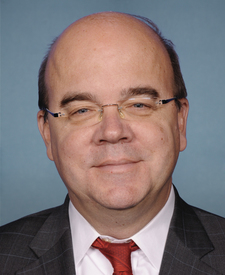 Rep. Jim McGovernD-MA-2
 Rep. Jim McDermottD-WA-7
 Rep. Barbara LeeD-CA-13
 Rep. Donna EdwardsD-MD-4
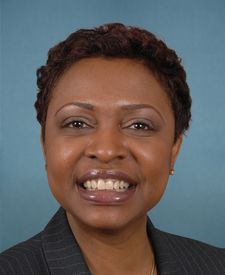 Rep. Yvette ClarkeD-NY-9
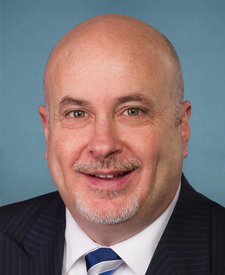 Rep. Mark PocanD-WI-2
 Rep. Nydia VelázquezD-NY-7
 Rep. Rush HoltD-NJ-12
 Rep. Marcia FudgeD-OH-11
 Rep. Frank PalloneD-NJ-6
 Rep. John LewisD-GA-5
 Rep. Karen BassD-CA-37
 Rep. Maxine WatersD-CA-43
 Rep. Judy ChuD-CA-27
 Rep. Keith EllisonD-MN-5
 Rep. Michael CapuanoD-MA-7
 Rep. Gwen MooreD-WI-4
 Rep. John SarbanesD-MD-3
 Rep. Alcee HastingsD-FL-20
 Rep. Jerrold NadlerD-NY-10
 Rep. John ConyersD-MI-13
 Rep. José SerranoD-NY-15
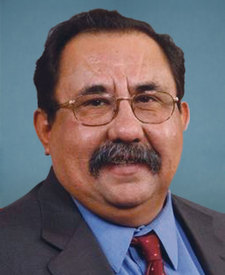 Rep. Raúl GrijalvaD-AZ-3
 Rep. Xavier BecerraD-CA-34
 Rep. George MillerD-CA-11
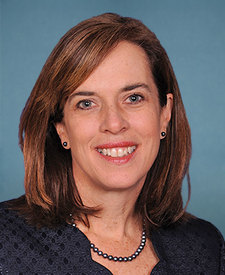 Rep. Katherine ClarkD-MA-5
 Rep. Robert BradyD-PA-1
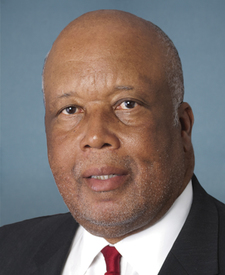 Rep. Bennie ThompsonD-MS-2
 Rep. Mike HondaD-CA-17
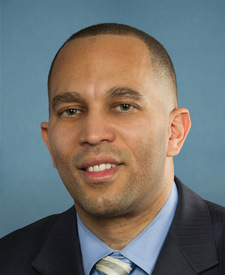 Rep. Hakeem JeffriesD-NY-8
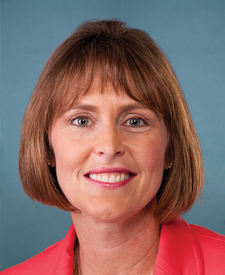 Rep. Kathy CastorD-FL-14
 Rep. Donald PayneD-NJ-10
 Rep. Lucille Roybal-AllardD-CA-40
 Rep. Elijah CummingsD-MD-7
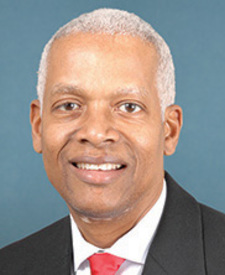 Rep. Hank JohnsonD-GA-4
 Rep. Grace NapolitanoD-CA-32
 Rep. Alan LowenthalD-CA-47
 Rep. Joe CrowleyD-NY-14
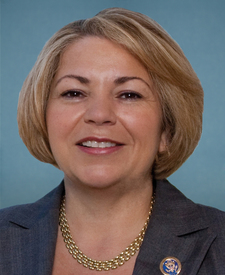 Rep. Linda SánchezD-CA-38
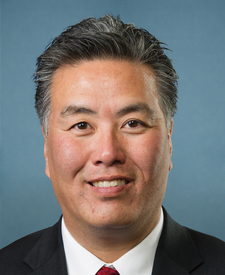 Rep. Mark TakanoD-CA-41
 Rep. Louise SlaughterD-NY-25
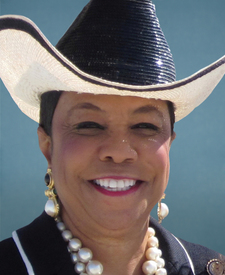 Rep. Frederica WilsonD-FL-24
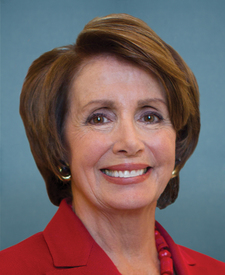 Rep. Nancy PelosiD-CA-12
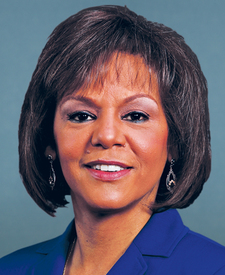 Rep. Robin KellyD-IL-2
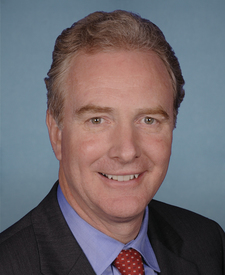 Rep. Chris Van HollenD-MD-8
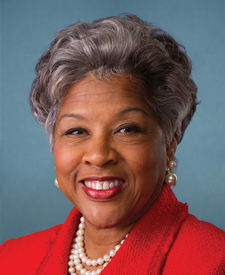 Rep. Joyce BeattyD-OH-3
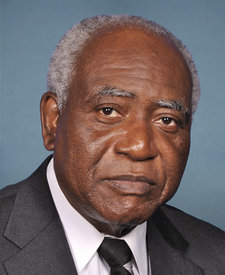 Rep. Danny DavisD-IL-7
 Rep. Chaka FattahD-PA-2
 Rep. Doris MatsuiD-CA-6
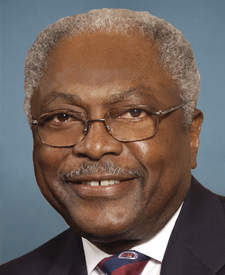 Rep. Jim ClyburnD-SC-6
 Rep. Sam FarrD-CA-20
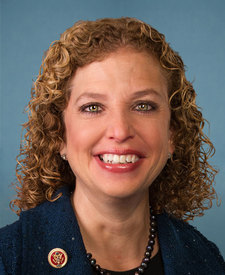 Rep. Debbie Wasserman SchultzD-FL-23
 Rep. Joseph KennedyD-MA-4
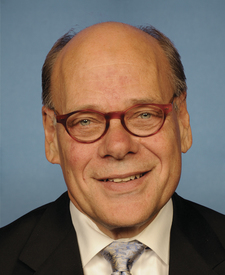 Rep. Steve CohenD-TN-9
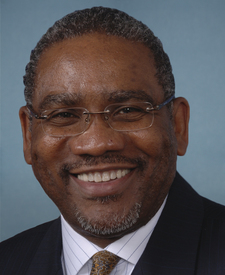 Rep. Gregory MeeksD-NY-5
 Rep. Michael DoyleD-PA-14
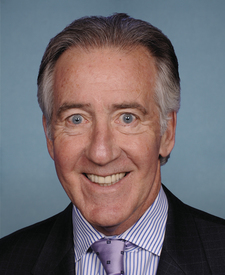 Rep. Richard NealD-MA-1
 Rep. Albio SiresD-NJ-8
 Rep. Matt CartwrightD-PA-17
 Rep. Al GreenD-TX-9
 Rep. Chellie PingreeD-ME-1
 Rep. Gloria Negrete McLeodD-CA-35
 Rep. Steny HoyerD-MD-5
 Rep. Jared HuffmanD-CA-2
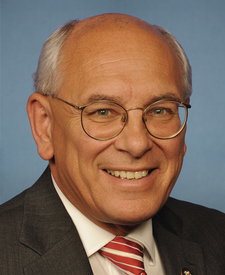 Rep. Paul TonkoD-NY-20
 Rep. Janice HahnD-CA-44
 Rep. G.K. ButterfieldD-NC-1
 Rep. Niki TsongasD-MA-3
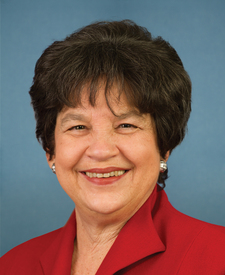 Rep. Lois FrankelD-FL-22
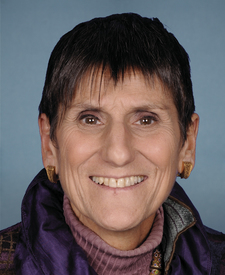 Rep. Rosa DeLauroD-CT-3
 Rep. Jackie SpeierD-CA-14
 Rep. Sander LevinD-MI-9
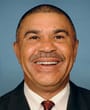 Rep. Wm. ClayD-MO-1
 Rep. Cedric RichmondD-LA-2
 Rep. Ted DeutchD-FL-21
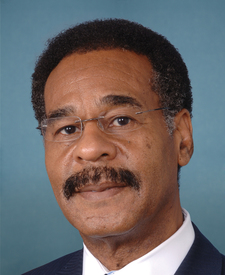 Rep. Emanuel CleaverD-MO-5
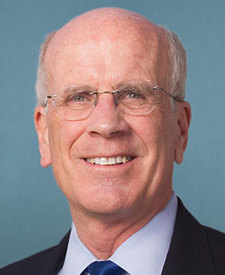 Rep. Peter WelchD-VT
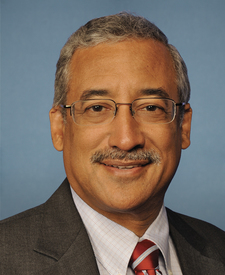 Rep. Bobby ScottD-VA-3
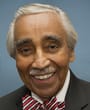 Rep. Charlie RangelD-NY-13
 Rep. David PriceD-NC-4
 Rep. Daniel KildeeD-MI-5
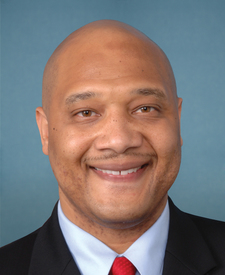 Rep. André CarsonD-IN-7
 Rep. David CicillineD-RI-1
 Rep. John YarmuthD-KY-3
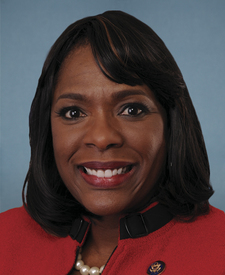 Rep. Terri SewellD-AL-7
 Rep. John DingellD-MI-12
 Rep. Eliot EngelD-NY-16
 Rep. Marcy KapturD-OH-9
 Rep. Bill PascrellD-NJ-9
 Rep. Peter ViscloskyD-IN-1
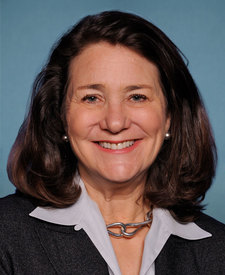 Rep. Diana DeGetteD-CO-1
 Rep. Alan GraysonD-FL-9
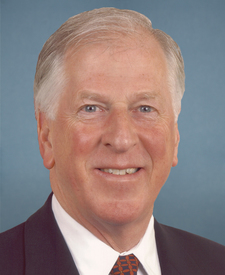 Rep. Mike ThompsonD-CA-5
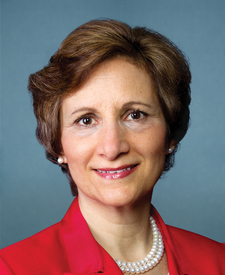 Rep. Suzanne BonamiciD-OR-1
 Rep. Jim LangevinD-RI-2
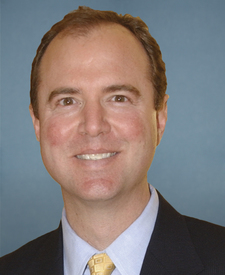 Rep. Adam SchiffD-CA-28
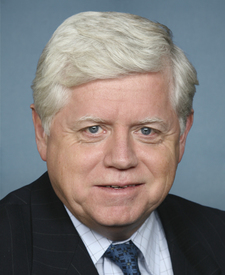 Rep. John LarsonD-CT-1
 Rep. Susan DavisD-CA-53
 Rep. Tim RyanD-OH-13
 Rep. Ben LujánD-NM-3
 Rep. Juan VargasD-CA-51
 Rep. Steve IsraelD-NY-3
 Rep. Grace MengD-NY-6
 Rep. Adam SmithD-WA-9
 Rep. Anna EshooD-CA-18
 Rep. Nita LoweyD-NY-17
 Rep. Eric SwalwellD-CA-15
 Rep. Carolyn MaloneyD-NY-12
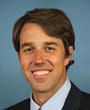 Rep. Beto O’RourkeD-TX-16
 Rep. John TierneyD-MA-6
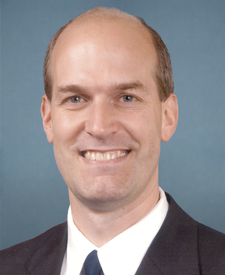 Rep. Rick LarsenD-WA-2
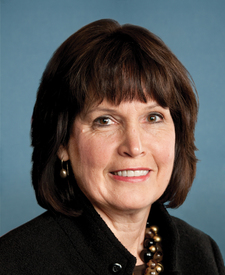 Rep. Betty McCollumD-MN-4
 Rep. Colleen HanabusaD-HI-1
 Rep. Lois CappsD-CA-24
 Rep. Zoe LofgrenD-CA-19
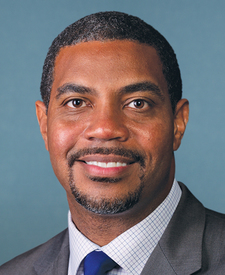 Rep. Steven HorsfordD-NV-4
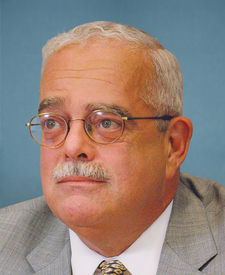 Rep. Gerald ConnollyD-VA-11
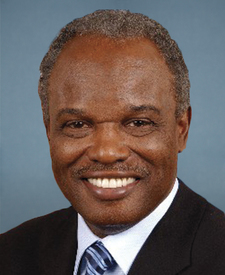 Rep. David ScottD-GA-13
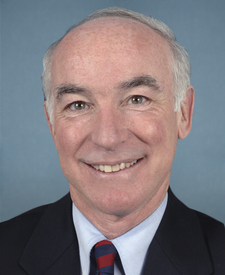 Rep. Joe CourtneyD-CT-2
 Rep. Mike QuigleyD-IL-5
 Rep. Timothy BishopD-NY-1
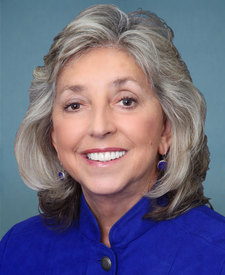 Rep. Dina TitusD-NV-1
 Rep. Loretta SanchezD-CA-46
 Rep. Jim MoranD-VA-8
 Rep. Richard NolanD-MN-8
 Rep. Denny HeckD-WA-10
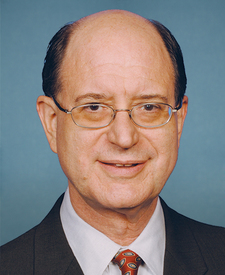 Rep. Brad ShermanD-CA-30
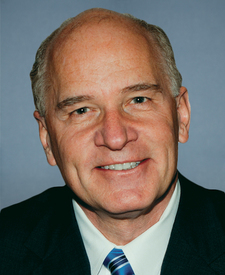 Rep. William KeatingD-MA-9
 Rep. Michelle Lujan GrishamD-NM-1
 Rep. A. Dutch RuppersbergerD-MD-2
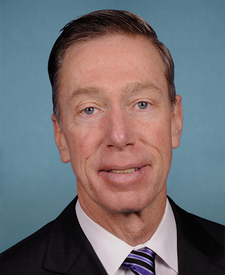 Rep. Stephen LynchD-MA-8
 Rep. Jerry McNerneyD-CA-9
 Rep. Carol Shea-PorterD-NH-1
 Rep. Elizabeth EstyD-CT-5
 Rep. Ron KindD-WI-3
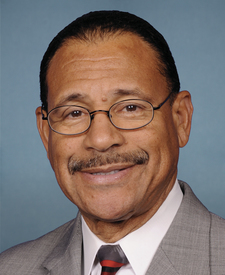 Rep. Sanford BishopD-GA-2
 Rep. Derek KilmerD-WA-6
 Rep. John CarneyD-DE
 Rep. Michael MichaudD-ME-2
 Rep. Filemon VelaD-TX-34
 Rep. John DelaneyD-MD-6
 Rep. Ed PerlmutterD-CO-7
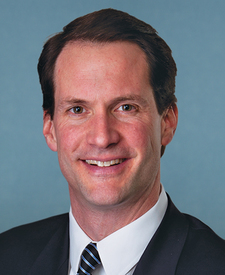 Rep. Jim HimesD-CT-4
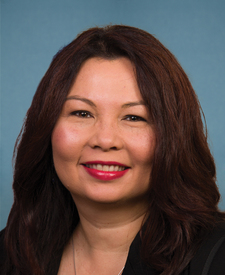 Rep. Tammy DuckworthD-IL-8
 Rep. John GaramendiD-CA-3
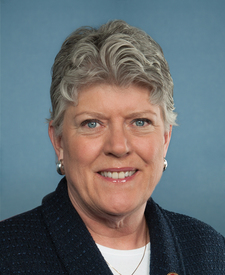 Rep. Julia BrownleyD-CA-26
 Rep. Tulsi GabbardD-HI-2
 Rep. Ann KusterD-NH-2
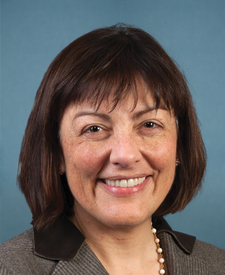 Rep. Suzan DelBeneD-WA-1
 Rep. Timothy WalzD-MN-1
 Rep. Ann KirkpatrickD-AZ-1
 Rep. Bruce BraleyD-IA-1
 Rep. Jared PolisD-CO-2
 Rep. William EnyartD-IL-12
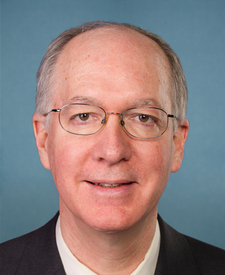 Rep. Bill FosterD-IL-11
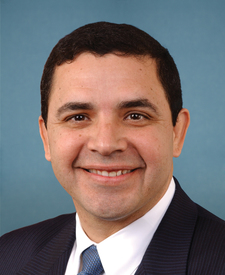 Rep. Henry CuellarD-TX-28
 Rep. David LoebsackD-IA-2
 Rep. Gary PetersD-MI-14
 Rep. Cheri BustosD-IL-17
 Rep. Pete GallegoD-TX-23
 Rep. Daniel LipinskiD-IL-3
 Rep. Ami BeraD-CA-7
 Rep. Joe GarciaD-FL-26
 Rep. Raul RuizD-CA-36
 Rep. Sean MaloneyD-NY-18
 Rep. Brad SchneiderD-IL-10
 Rep. Kurt SchraderD-OR-5
 Rep. Nick RahallD-WV-3
 Rep. Jim CostaD-CA-16
 Rep. Scott PetersD-CA-52
 Rep. William OwensD-NY-21
 Rep. Daniel MaffeiD-NY-24
 Rep. Collin PetersonD-MN-7
 Rep. Patrick MurphyD-FL-18
 Rep. John BarrowD-GA-12
 Rep. Kyrsten SinemaD-AZ-9
 Rep. Ron BarberD-AZ-2
 Rep. Jim MathesonD-UT-4
 Rep. Mike McIntyreD-NC-7




























Republicans who voted yea(126)
 Rep. Christopher GibsonR-NY-19
 Rep. Michael FitzpatrickR-PA-8
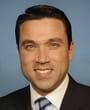 Rep. Michael GrimmR-NY-11
 Rep. Pete KingR-NY-2
 Rep. Jon RunyanR-NJ-3
 Rep. Frank LoBiondoR-NJ-2
 Rep. David ReichertR-WA-8
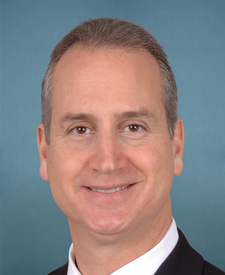 Rep. Mario Diaz-BalartR-FL-25
 Rep. Jim GerlachR-PA-6
 Rep. Richard HannaR-NY-22
 Rep. Charles DentR-PA-15
 Rep. Patrick MeehanR-PA-7
 Rep. Ileana Ros-LehtinenR-FL-27
 Rep. David ValadaoR-CA-21
 Rep. Chris SmithR-NJ-4
 Rep. Michael TurnerR-OH-10
 Rep. Rodney FrelinghuysenR-NJ-11
 Rep. Tom LathamR-IA-3
 Rep. Tom ReedR-NY-23
 Rep. Jeff FortenberryR-NE-1
 Rep. Frank WolfR-VA-10
 Rep. Don YoungR-AK
 Rep. Lou BarlettaR-PA-11
 Rep. Jeff DenhamR-CA-10
 Rep. Glenn ThompsonR-PA-5
 Rep. John ShimkusR-IL-15
 Rep. Adam KinzingerR-IL-16
 Rep. Ander CrenshawR-FL-4
 Rep. Hal RogersR-KY-5
 Rep. Mike SimpsonR-ID-2
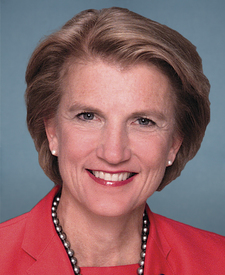 Rep. Shelley CapitoR-WV-2
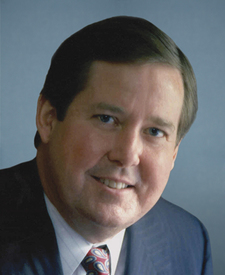 Rep. Ken CalvertR-CA-42
 Rep. Aaron SchockR-IL-18
 Rep. Buck McKeonR-CA-25
 Rep. David McKinleyR-WV-1
 Rep. Martha RobyR-AL-2
 Rep. Doc HastingsR-WA-4
 Rep. Joseph HeckR-NV-3
 Rep. Gregg HarperR-MS-3
 Rep. Ed WhitfieldR-KY-1
 Rep. Rodney DavisR-IL-13
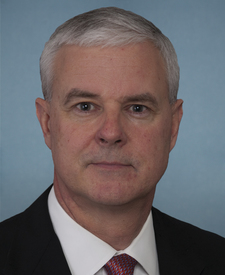 Rep. Steve WomackR-AR-3
 Rep. Tom MarinoR-PA-10
 Rep. Gary MillerR-CA-31
 Rep. Mike KellyR-PA-3
 Rep. Greg WaldenR-OR-2
 Rep. James RenacciR-OH-16
 Rep. Kevin CramerR-ND
 Rep. Randy ForbesR-VA-4
 Rep. Jaime Herrera BeutlerR-WA-3
 Rep. Tim MurphyR-PA-18
 Rep. Leonard LanceR-NJ-7
 Rep. Kristi NoemR-SD
 Rep. Chris CollinsR-NY-27
 Rep. Mike RogersR-MI-8
 Rep. Tim GriffinR-AR-2
 Rep. Fred UptonR-MI-6
 Rep. Mark AmodeiR-NV-2
 Rep. Vance McAllisterR-LA-5
 Rep. Kevin McCarthyR-CA-23
 Rep. Lee TerryR-NE-2
 Rep. Susan BrooksR-IN-5
 Rep. Jackie WalorskiR-IN-2
 Rep. Daniel WebsterR-FL-10
 Rep. Blaine LuetkemeyerR-MO-3
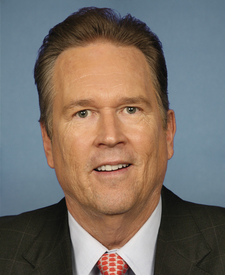 Rep. Vern BuchananR-FL-16
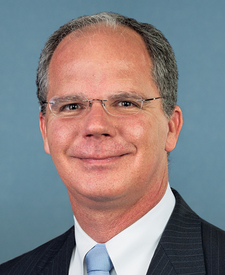 Rep. Brett GuthrieR-KY-2
 Rep. Cory GardnerR-CO-4
 Rep. Bob GibbsR-OH-7
 Rep. Eric CantorR-VA-7
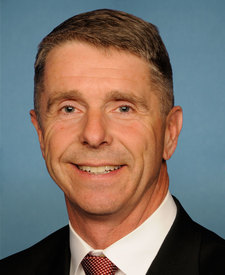 Rep. Robert WittmanR-VA-1
 Rep. Bill CassidyR-LA-6
 Rep. Cathy McMorris RodgersR-WA-5
 Rep. Thomas RooneyR-FL-17
 Rep. Larry BucshonR-IN-8
 Rep. Andy BarrR-KY-6
 Rep. Mike RogersR-AL-3
 Rep. Mike CoffmanR-CO-6
 Rep. Vicky HartzlerR-MO-4
 Rep. Sam GravesR-MO-6
 Rep. Ann WagnerR-MO-2
 Rep. Bill JohnsonR-OH-6
 Rep. Keith RothfusR-PA-12
 Rep. Richard NugentR-FL-11
 Rep. Scott RigellR-VA-2
 Rep. Alan NunneleeR-MS-1
 Rep. Gus BilirakisR-FL-12
 Rep. Steve DainesR-MT
 Rep. Chuck FleischmannR-TN-3
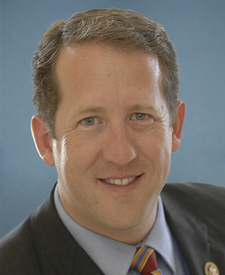 Rep. Adrian SmithR-NE-3
 Rep. Dennis RossR-FL-15
 Rep. Phil RoeR-TN-1
 Rep. Steve SoutherlandR-FL-2
 Rep. Blake FarentholdR-TX-27
 Rep. John MicaR-FL-7
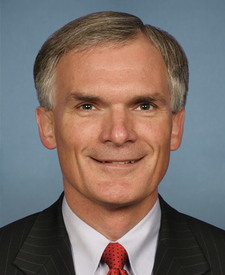 Rep. Robert LattaR-OH-5
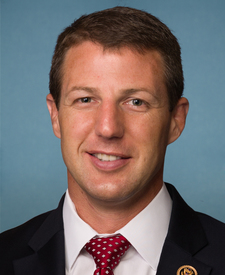 Rep. Markwayne MullinR-OK-2
 Rep. Morgan GriffithR-VA-9
 Rep. Duncan HunterR-CA-50
 Rep. Bill PoseyR-FL-8
 Rep. Brad WenstrupR-OH-2
 Rep. Diane BlackR-TN-6
 Rep. Billy LongR-MO-7
 Rep. Luke MesserR-IN-6
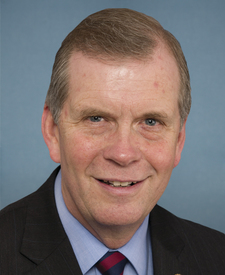 Rep. Tim WalbergR-MI-7
 Rep. Pete OlsonR-TX-22
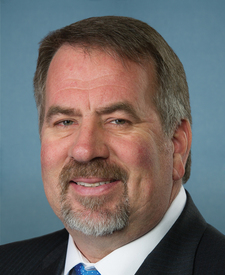 Rep. Doug LaMalfaR-CA-1
 Rep. Bradley ByrneR-AL-1
 Rep. Jeff MillerR-FL-1
 Rep. Marsha BlackburnR-TN-7
 Rep. Jason SmithR-MO-8
 Rep. Scott PerryR-PA-4
 Rep. Steven PalazzoR-MS-4
 Rep. Steve ScaliseR-LA-1
 Rep. Bill FloresR-TX-17
 Rep. Andy HarrisR-MD-1
 Rep. John CampbellR-CA-45
 Rep. Tom RiceR-SC-7
 Rep. Ted PoeR-TX-2
 Rep. John FlemingR-LA-4
 Rep. Mark SanfordR-SC-1
 Rep. Jack KingstonR-GA-1
 Rep. Ron DeSantisR-FL-6
 Rep. Rob WoodallR-GA-7
 Rep. Ted YohoR-FL-3
 Rep. Randy WeberR-TX-14








Data notes
The House’s recorded vote on the final version of the law (roll call 730 in Voteview), matched to the vote the record cites and checked against its totals. Positions are each member’s DW-NOMINATE score for that Congress, as on the Ideology page; left to right is more liberal to more conservative. Paired and announced yea votes count as yea. Lists follow the compass, most liberal first. A name links to a profile only for members of the current Congress. A law passed by voice vote or unanimous consent has no member list, and neither does a vote Voteview has not yet recorded.
Committees
The committees the bill was sent to, and what each did with it.

Data notes
A committee links to its page only where it exists in the current Congress; older and renamed committees are named without a link.
Related bills
8 bills the Library of Congress relates to this one.
H.Con.Res. 93Related bill
Directing the Clerk of the House of Representatives to make technical corrections in the enrollment of H.R. 3370.
H.R. 3511Related bill
Keeping Flood Insurance Affordable Act of 2013
H.R. 3834Related bill
Flood Safe Basements Act
H.R. 4313Procedurally-related
Flood Insurance Premium Parity Act of 2014
S. 1601Related bill
Flood Safe Basements Act
S. 1610Identical bill
Homeowner Flood Insurance Affordability Act of 2013
S. 1846Related bill
Homeowner Flood Insurance Affordability Act of 2013
S. 1926Related bill
A bill to delay the implementation of certain provisions of the Biggert-Waters Flood Insurance Reform Act of 2012 and to reform the National Association of Registered Agents and Brokers, and for other purposes.
Data notes
Related bills are identified by the Congressional Research Service, the House and the Senate: companion and identical bills, bills with similar text, bills that were folded into this law, and rules that brought it to the floor. A bill that is itself a public law in this site’s data links here; the others link to Congress.gov.
Timeline
From introduction to signing, newest first: the committees, the floor and the president. 18 actions.
- Mar 21, 2014Became lawBecame law · Became Public Law No: 113-89.
- Became lawBecame law · Signed by President.
- Mar 18, 2014FloorFloor · Presented to President.
- Mar 13, 2014FloorFloor · Pursuant to the provisions of H. Con. Res. 93, enrollment corrections on H.R. 3370 have been made.
- FloorFloor · Message on Senate action sent to the House.
- FloorFloor · Passed Senate, under the order of 3/13/2014, having received 60 votes in the affirmative, without amendment by Yea-Nay Vote. 72 - 22. Record Vote Number: 78.Senate roll call 78
- FloorFloor · Measure laid before Senate by unanimous consent.
- Mar 6, 2014CalendarCalendar · Read the second time. Placed on Senate Legislative Calendar under General Orders. Calendar No. 317.
- Mar 5, 2014CalendarCalendar · Received in the Senate. Read the first time. Placed on Senate Legislative Calendar under Read the First Time.
- Mar 4, 2014FloorFloor · The Clerk was authorized to correct section numbers, punctuation, and cross references, and to make other necessary technical and conforming corrections in the engrossment of H.R. 3370.
- FloorFloor · On motion to suspend the rules and pass the bill, as amended Agreed to by the Yeas and Nays: (2/3 required): 306 - 91 (Roll no. 91).House roll call 91
- FloorFloor · Considered as unfinished business.
- FloorFloor · At the conclusion of debate, the Yeas and Nays were demanded and ordered. Pursuant to the provisions of clause 8, rule XX, the Chair announced that further proceedings on the motion would be postponed.
- FloorFloor · DEBATE - The House proceeded with forty minutes of debate on H.R. 3370.
- FloorFloor · Considered under suspension of the rules.
- FloorFloor · Mrs. Capito moved to suspend the rules and pass the bill, as amended.
- Oct 29, 2013CommitteeCommittee · Referred to the Committee on Financial Services, and in addition to the Committee on Rules, for a period to be subsequently determined by the Speaker, in each case for consideration of such provisions as fall within the jurisdiction of the committee concerned.
- IntroducedIntroduced · Introduced in House
Data notes
Every action the Library of Congress lists for the bill, from introduction to signing, plus the dated committee hearings. The source lists many steps twice (the chamber’s own entry and the Library of Congress copy, or a presidential and a became-law entry with the same words); those are shown once. Amendments are listed in their own section.
Amendments
No amendments to this bill are on record.
Data notes
Amendments offered to this bill in either chamber, as the Library of Congress records them: each with a status read from its last recorded step: agreed to, rejected, withdrawn, ruled out of order, fell with another amendment, or offered with no vote recorded (most Senate amendments are only ever offered). The wording of each amendment is the source’s. Amendments to amendments and amendments to other bills are not listed.
Official record
The bill’s full text is on Congress.gov. Data through Oct 7, 2026.