National Aeronautics and Space Administration Authorization Act of 2010
Public Law 111-267 · S. 3729 · 111th Congress · began in the Senate
Signed by Barack Obama (D) on Oct 11, 2010 · Science, Technology, Communications
Sponsor: Sen. Jay Rockefeller (D-WV)
Cosponsors: None
Passage votesYeaNay
- HouseRecorded vote: 304 yea, 118 nay304–118
- SenateUnanimous consent
Data notes
The final version of the law, as each chamber passed it. A chamber that passed it by voice vote or unanimous consent has no count. “Method not stated” means the record does not say how the chamber voted. Where the record has a member-by-member vote, the “Who voted for it” section shows who voted yea.
Summary
The Congressional Research Service’s plain-language summary of what the law does.
National Aeronautics and Space Administration Authorization Act of 2010 - Title I: Authorization of Appropriations - (Sec. 101) Authorizes appropriations to the National Aeronautics and Space Administration (NASA) for FY2011-FY2013 for: (1) exploration; (2) space operations; (3) science; (4) aeronautics; (5) education; (6) cross-agency support programs; (7) construction and environmental compliance and restoration; and (8) the Inspector General.
Title II: Policy, Goals, and Objectives for Human Space Flight and Exploration - (Sec. 201) Declares that it is U.S. policy that reliance upon and use of non-U.S. human space flight capabilities shall be undertaken only as a contingency in circumstances when no U.S.-owned and operated capability is available, operational, and certified for flight.
Reaffirms that the United States shall maintain an uninterrupted capability for human space flight and operations in low-Earth orbit, and beyond, as an essential instrument of national security and of the capacity for ensuring continued U.S. participation and leadership in the exploration and utilization of space.
(Sec. 202) Declares that it shall be a long-term goal of the human space flight and exploration efforts of NASA to expand permanent human presence beyond low-Earth orbit and to do so, where practical, in a manner involving international partners. Specifies the key objectives of the United States for human expansion into space, including to determine if humans can live in an extended manner in space with decreasing reliance on Earth.
(Sec. 203) Expresses the sense of the Congress that the International Space Station (ISS), technology developments, the current Space Shuttle program, and follow-on transportation systems authorized by this Act for missions beyond low-Earth orbit to a variety of lunar and Lagrangian orbital locations should be utilized to provide operational experience, technology development, and the placement and assured use of in-space infrastructure and in-space servicing of existing and future assets.
Requires the Administrator of NASA (the Administrator) to proceed with the development of follow-on space transportation systems in a manner that ensures that the capability to restart and fly space shuttle missions can be initiated, when required by Congress, in an Act enacted after enactment of this Act, or by a Presidential determination transmitted to Congress, before the last shuttle mission authorized by this Act is completed.
Requires Administrator to authorize the refurbishment of the manufactured external tank of the space shuttle, designated as ET-94, and take all actions necessary to enable its readiness for use in the development of the Space Launch System as a critical skills and capability retention effort or for test purposes, while preserving the ability to use such tank if needed for an ISS contingency deemed necessary.
(Sec. 204) Directs the Administrator, in FY2012, to contract with the National Academies for a review of the goals, core capabilities, and direction of human space flight.
Title III: Expansion of Human Space Flight Beyond the International Space Station and Low-Earth Orbit - (Sec. 301) Requires the Administrator to report on efforts by NASA: (1) to expand and ensure effective international collaboration on the ISS; and (2) including its approach and progress, to define near-term and cis-lunar space human missions, including its approach and progress
Defines "cis-lunar space" as the region of space from the Earth out to and including the region around the surface of the Moon.
(Sec. 302) Declares that it is U.S. policy that NASA develop a Space Launch System as a follow-on launch vehicle to the space shuttle that can access cis-lunar space and the regions of space beyond low-Earth orbit so as to enable participation by the United States in global efforts to access and develop these increasingly strategic regions.
Directs the Administrator to initiate the development of a Space Launch System that meets the minimum capabilities requirements described in this section, including for such System to be designed as a fully-integrated vehicle capable of carrying a total payload of 130 tons or more into low-Earth orbit in preparation for missions beyond low-Earth orbit.
Requires the extension or modification of existing vehicle development and associated contracts necessary to meet such requirements, including contracts for ground testing of solid rocket motors, if necessary.
Ensures the retention, modification, and development of critical skills and capabilities, as appropriate, in areas related to solid and liquid engines, large diameter fuel tanks, rocket propulsion, and other ground test capabilities.
(Sec. 303) Directs the Administrator to continue the development of a multi-purpose crew vehicle to be made available no later than for use with the Space Launch System. Requires the vehicle to continue advancing the development of the human safety features, designs, and systems in the Orion project.
Makes it a goal of NASA to achieve full operational capability for such transportation vehicle by December 31, 2016, and authorizes the undertaking of a test of such vehicle at the ISS before such date.
Requires the multi-purpose crew vehicle to be designed to have, at a minimum: (1) the capability to serve as the primary crew vehicle for missions beyond low-Earth orbit; (2) the capability to conduct regular in-space operations in conjunction with payloads delivered by the Space Launch System or other vehicles, in preparation for missions beyond low-Earth orbit or servicing of specified assets in cis-lunar space; (3) the capability to provide an alternative means of delivery of crew and cargo to the ISS in the event other vehicles, whether commercial vehicles or partner-supplied vehicles, are unable to perform that function; and (4) the capacity for efficient and timely evolution, including the incorporation of new technologies, competition of sub-elements, and commercial operations.
(Sec. 304) Requires the Administrator, in developing the Space Launch System and the multi-purpose crew vehicle, to utilize existing contracts, investments, workforce, industrial base, and capabilities from the space shuttle and Orion and Ares 1 projects, including space-suit development activities and shuttle-derived and Ares 1 components that use existing U.S. propulsion systems. Specifies the activities that shall or may be discharged by NASA in meeting such requirement.
(Sec. 305) Requires NASA to carry out a program of preparing infrastructure at the Kennedy Space Center that is needed for enabling processing and launch of the elements of the Space Launch System. Specifies the elements to be included in such program, including investments to improve civil and national security operations at the Space Center.
(Sec. 306) Requires the Administrator to assess the effects of the retirement of the space shuttle, and the transition to the Space Launch System, on the solid and liquid rocket motor industrial bases in the United States.
Instructs the Administrator to address the effects of efficiencies and efforts to streamline such industrial bases and the extent to which the United States is reliant on non-U.S. systems, including foreign rocket motors and launch vehicles.
(Sec. 307) Expresses the sense of the Congress that: (1) a balance is needed in human space flight between using and building upon existing capabilities and investing in and enabling new capabilities; (2) technology development provides the potential to develop an increased ability to operate and extend the human presence in space; and (3) the establishment of in-space capabilities, use of space resources, and the ability to repair and reuse systems in space can contribute to the goal of extending such presence in space in an international manner.
(Sec. 308) Authorizes the Administrator to initiate activities to develop: (1) technologies identified as necessary elements of missions beyond low-Earth orbit; (2) in-space capabilities, such as refueling and storage technology, that facilitate a broad range of uses, including military and commercial; (3) spacesuit development and associated life support technology; and (4) flagship missions.
Authorizes the utilization of the ISS as a testbed for any technologies or capabilities developed as a result of the initiation of such activities.
(Sec. 309) Requires the Administrator to provide a report concerning designs for the Space Launch System and the multi-purpose crew vehicle authorized by this Act.
Title IV: Development and Use of Commercial Crew and Cargo Transportation Capabilities - (Sec. 401) Continues NASA's support of the existing Commercial Orbital Transportation Services program which is aimed at enabling the commercial space industry in the development of a reliable means of launching cargo and supplies to the ISS.
Allows the Administrator to apply funds towards reducing the risk to the timely start of such services, specifically with respect to: (1) efforts to conduct a flight test; (2) acceleration in the development of those services; and (3) the development of the ground infrastructure needed for commercial cargo capability.
(Sec. 402) Continues, and authorizes the expansion of the number of, participants and activities of the Commercial Crew Development (CCDEV) program in FY2011.
Authorizes the Administrator to continue and expand the activities and agreements initiated in FY2010 which reduce risk, develop technologies, and lead to other advancements that will help to determine the most effective means of advancing the development of commercial crew services.
(Sec. 403) Bars the Administrator from executing a contract or procurement agreement with respect to follow-on commercial crew services during FY2011 unless: (1) the human rating, commercial market assessment, and procurement system review requirements described in the following clause are met; and (2) the total amount involved for all such contracts and agreements does not exceed $50 million.
Authorizes the Administrator, beginning in FY2012, to support follow-on commercially-developed crew transportation systems that are dependent upon the completion of specified requirements, assessments, and reviews, including of NASA's current procurement and acquisition practices and processes. Requires a Government Accountability Office (GAO) assessment of the procurement process proposed under such review.
(Sec. 404) Requires the Administrator to report on potential alternative commercially-developed means for the capability for a soft-landing return on land from the ISS of research samples or other derivative materials and small to mid-sized (up to 1,000 kilograms) equipment for return and analysis, or for refurbishment and redelivery, to the ISS.
Title V: Continuation, Support, and Evolution of the International Space Station - (Sec. 501) Declares that it is U.S. policy to support the full and complete utilization of the ISS through at least 2020.
Requires NASA to pursue international, commercial, and intragovernmental means to maximize ISS logistics supply, maintenance and operational capabilities, reduce risks to ISS systems sustainability, and offset and minimize U.S. operations costs related to the ISS.
(Sec. 502) Directs NASA to take steps to maximize the productivity and use of the ISS with respect to scientific and technological research and development, advancing space exploration, and international collaboration.
Requires NASA, at a minimum, to undertake: (1) use of the U.S. segment of the ISS in a manner that enables the innovative use of that facility; (2) the continuation of the use of the ISS as a key component of international efforts to build missions and capabilities that further development of a human presence beyond near-Earth space and advance U.S. security and economic goals; and (3) opportunities for collaboration with other research programs and objectives of the U.S. government.
(Sec. 503) Directs the Administrator to take all actions necessary to ensure the safe and effective operation, maintenance, and maximum use of the U.S. segment of the ISS through at least September 30, 2020.
Requires a review of all essential vehicles, components, and permanent scientific equipment on board or planned for installation aboard the ISS, including international partner elements. Provides for GAO monitoring and participation in the review in a manner that allows for it to prepare and submit a report on such review.
Requires use of: (1) research facilities and capabilities aboard the ISS (other than exploration-related research and technology development facilities and capabilities and associated ground support and logistics) to be planned and managed as provided for in section 504; and (2) the excepted activities to be planned and managed in a manner that does not interfere with the other activities under section 504.
Directs the Administrator to fly the launch-on-need space shuttle mission currently designated in the shuttle flight manifest dated February 28, 2010, to the ISS in FY2011, but no earlier than June 1, 2011, unless as required earlier by an operations contingency, and pending the results of the assessment and the determination required by this section.
Requires the NASA Engineering and Safety Center to assess the procedures and plans developed to ensure the safety and alternative means of return of the shuttle's crew in the event the shuttle is damaged or unable to return safely to Earth.
Instructs the Administrator to take all actions necessary to preserve shuttle launch capability through FY2011 in a manner that enables the launch, at a minimum, of missions and primary payloads in the shuttle flight manifest.
Prohibits the termination of any contract that provides the system transitions necessary for the use of shuttle-derived hardware on the multi-purpose crew vehicle or Space Launch System.
(Sec. 504) Directs the Administrator to enter into a cooperative agreement with an appropriate 501(c)(3) tax-exempt organization (the organization) for the management of the ISS national laboratory.
Requires the organization to develop capabilities to implement research and development projects that utilize the ISS national laboratory and to otherwise manage the activities of such national laboratory.
Requires the designation of an official or employee of NASA's Space Operations Mission Directorate to act as the liaison between NASA and the organization.
Instructs the Administrator to provide initial financial assistance to the organization so that it can initiate the planning and coordination of specified research activities at the ISS national laboratory, including the initiation of the implementation of scientific outreach and education activities designed to ensure the effective use of ISS research capabilities.
Requires ISS national laboratory managed research experiments, by no later than October 2011, to be guaranteed access to and use of at least half of the U.S. research capacity allocation, including for requisite crew time onboard the ISS through September 2020.
Requires a research plan to be prepared if additional research capacity is required onboard the ISS beyond such allocation. Allows a proposal for such a research plan to include the establishment of partnerships with eligible non-NASA institutions. Authorizes the liaison designated under this section, until September 30, 2020, to grant an exception for proposed experiments considered essential for purposes of preparing for exploration beyond low-Earth orbit, as determined by the organization and the liaison.
Requires the organization to consider recommendations of the National Academies Decadal Survey on Biological and Physical Sciences in Space in establishing research priorities and developing proposed enhancements of research capacity and opportunities for the ISS national laboratory.
States that NASA shall retain its responsibilities in providing research payload integration that is essential for ensuring safe and effective flight readiness and vehicle integration of research activities approved and prioritized by the organization and the liaison.
Title VI: Space Shuttle Retirement and Transition - (Sec. 601) Expresses the sense of the Congress that it is: (1) essential that the retirement of the space shuttle and the transition to new human space flight capabilities be done in a way that builds upon the legacy of this national asset; and (2) imperative for the United States to retain the skills and the industrial capability involving the Space Shuttle program to provide a follow-on Space Launch System that is primarily designed for missions beyond near-Earth space.
(Sec. 602) Requires the space shuttle orbiters to be retired pursuant to a schedule established by NASA and in a manner regarding potential contingency use of the orbiters for ISS requirements.
Requires the Administrator to: (1) utilize the workforce, assets, and infrastructure of the Space Shuttle program in efforts related to the initiation of the follow-on Space Launch System; and (2) divest unneeded assets and assist displaced workers with retraining and other placement efforts.
(Sec. 603) Sets forth requirements for the decommissioning of the remaining space shuttles. Gives priority consideration to eligible applicants which would provide for the display and maintenance of shuttle orbiters at locations with the best potential value to the public.
Allows the Smithsonian Institution to determine any new location for the Space Shuttle Enterprise, which it currently houses.
Authorizes appropriations.
Title VII: Earth Science - (Sec. 701) Expresses the sense of the Congress with regard to the strengthening of U.S. government and international collaboration across areas of scientific understanding and monitoring of the Earth system, protection of human health and property, growth in the U.S. economy, and strengthening the national security and international posture of the United States. Requires NASA programs to utilize open standards in obtaining and converting data from other U.S. government agencies, as well as from international satellites.
(Sec. 702) Requires the Director of the Office of Science and Technology Policy (OSTP) to establish a mechanism for ensuring greater coordination of the research, operations, and activities related to civilian Earth observation of those agencies, including NASA, that have active programs that contribute to the areas specified in section 701. Requires such mechanism to include the development of a strategic implementation plan which includes a process for external independent advisory input.
(Sec. 703) Instructs the Administrator to coordinate with the Administrator of the National Oceanic and Atmospheric Administration (NOAA) and the Director of the United States Geological Survey (USGS) to establish a formal mechanism to plan, coordinate, and support the transitioning of NASA research findings, assets, and capabilities to NOAA and USGS operations. Requires NASA to consider the establishment of an Interagency Transition Office in defining such mechanism.
(Sec. 704) Directs the Administrator to undertake to implement, as appropriate, missions identified in the Earth Science Decadal Survey of the National Research Council (NRC) which are within the scope of the funding authorized for the Earth Science Mission Directorate.
(Sec. 705) Expresses the sense of the Congress that NASA's role in earth science applications be expanded with other departments and agencies of the federal government, state, local, and tribal governments, academia, the private sector, nonprofit organizations, and international partners.
(Sec. 706) Directs the Administrator to pursue innovative ways of flying instrument-level payloads for early demonstration or as co-manifested payloads. Encourages the use of the ISS as an accessible platform from which to conduct such activities. Instructs NASA, in addition, to address the cost and schedule challenges associated with large flight systems by pursuing smaller systems where practicable and warranted.
(Sec. 707) Expresses the sense of the Congress that the Congress supports the restructuring of the National Polar Orbiting Environmental Satellite System (NPOESS).
Directs the NOAA Administrator and the Secretary of the Department of Defense (DOD) to: (1) maximize the use of assets from the NPOESS program in establishing the NOAA Joint Polar Satellite System at NASA's Goddard Flight Center and the DOD's Defense Weather Satellite System; (2) structure their programs so as to maintain satellite data continuity for the nation's weather and climate requirements; and (3) notify Congress immediately of any impediments that may require congressional intervention in order for their agencies to meet launch readiness dates, together with any recommended actions.
Title VIII: Space Science - (Sec. 801) Instructs the Administrator to ensure that the Science Mission Directorate maintains a long-term technology development program for space and Earth science, which should be coordinated with an overall NASA technology investment approach, as specified in this Act.
(Sec. 802) Requires the designation of an officer or employee of the Directorate to act as the responsible official for all suborbital research in the Directorate.
Establishes a Suborbital Research Program within the Directorate that includes the use of aircraft, suborbital reusable launch vehicles, and commercial launch vehicles to advance science and train the next generation of scientists and engineers in systems engineering and integration.
Requires the Program to integrate existing suborbital research programs with orbital missions, at the discretion of the designated officer or employee, and to emphasize the participation of undergraduate and graduate students and post-doctoral researchers when formulating announcements of opportunity.
Authorizes appropriations.
(Sec. 803) Reaffirms that a balanced and adequately funded set of activities, consisting of research and analysis grants programs, technology development, small, medium, and large space missions, and suborbital research activities, contributes to a robust and productive science program and serves as a catalyst for innovation.
(Sec. 804) Instructs the Administrator to: (1) continue taking all necessary steps to ensure that provisions are made for in-space or human servicing and repair of future observatory-class scientific spacecraft intended for deployment in Earth-orbit or at a Lagrangian point; and (2) ensure that NASA investments and future capabilities for space technology, robotics, and human space flight take the ability to service and repair such spacecraft into account, where appropriate, and incorporate such capabilities into design and operational plans.
(Sec. 805) Directs NASA to take into account the current decadal surveys from the National Academies' Space Studies Board when submitting the President's budget request.
(Sec. 806) Directs the Administrator, in coordination with the Secretary of Energy (DOE), to pursue a joint approach beginning in FY2011, towards restarting the production of radioisotope thermoelectric generator material for deep space and other science and exploration missions.
Makes funds authorized by this Act available under a reimbursable agreement with DOE to reestablish facilities for the production of the fuel required for such generators in order to enable future missions.
(Sec. 807) Instructs the Administrator to ensure that the Exploration Systems Mission Directorate and the Space Operations Mission Directorate coordinate with the Science Mission Directorate on an overall approach and plan for interagency and international collaboration on robotic missions that are NASA or internationally developed.
(Sec. 808) Reaffirms the policy set forth in the National Aeronautics and Space Act of 1958 relating to the surveying of near-Earth asteroids and comets.
Requires the Director of OSTP to: (1) implement, before September 30, 2012, a policy for the notification of federal agencies and relevant emergency response institutions of an impending near-Earth object (NEO) threat if near-term public safety is at risk; and (2) assign a federal agency or agencies with the responsibility of protecting the United States and working with the international community on such threats.
(Sec. 809) Requires the Director of OSTP to: (1) improve the nation's ability to prepare, avoid, mitigate, respond to, and recover from potentially devastating impacts of space weather events; and (2) coordinate the operational activities of the members of the National Space Weather Program Council.
Title IX: Aeronautics and Space Technology - (Sec. 901) Expresses the sense of the Congress regarding aeronautics and technology research conducted at NASA.
(Sec. 902) Requires the Administrator to ensure that NASA maintains a strong aeronautics research portfolio that includes: (1) addressing the research needs of the Next Generation Air Transportation System; (2) pursuing concepts to reduce noise, emissions, and fuel consumption while maintaining high safety standards and research related to alternative fuels; and (3) addressing safety challenges with air vehicles and operations in the nation's air transportation system.
(Sec. 903) Instructs the Administrator to continue coordinating with: (1) the Secretary of DOD, through the National Partnership for Aeronautics Testing, in implementing plans for those elements of the nation's research and engineering infrastructure that are of common interest and use; and (2) the Administrator of the Federal Aviation Administration (FAA) under the framework of the Senior Policy Council, in developing the Next Generation Air Transportation System.
Encourages the Council to explore areas for greater collaboration with NASA, including areas to accelerate the development of NextGen technologies.
(Sec. 904) Declares that it is critical that NASA maintain a space technology base that helps it align mission directorate investments and supports long term needs to complement such funded research and support, where appropriate, multiple users, building upon its Innovative Partnerships Program and other partnering approaches.
(Sec. 905) Requires NASA to submit an implementation plan outlining how NASA's space technology program will meet the goal described in section 904, including how such plan will link to other mission-technology efforts outlined in this Act.
(Sec. 906) Directs the President or the President's designee to develop a national policy to guide space technology development programs of the United States through 2020.
Specifies the contents of the national space technology development policy, which shall include: (1) a description of the priority areas of research to receive technology investments by NASA; and (2) discussing the extent to which NASA should focus on long-term, high-risk research and its expected impact on the U.S. economy and should address military and commercial needs. Permits NASA to arrange with the National Academies of Sciences (NAS) for help in developing such policy.
Requires the President to transmit to Congress a report setting forth such national space technology policy.
(Sec. 907) Requires the Administrator to designate an officer or employee of the Space Technology Program to act as the responsible official for the Commercial Reusable Suborbital Research Program in the Space Technology Program. Makes such designee responsible for the development of strategic plans to maintain, renew, and extend suborbital facilities and capabilities.
Establishes within the Space Technology Program the Commercial Reusable Suborbital Research Program to fund the development of payloads for scientific research, technology development, and education and to provide flight opportunities for those payloads to microgravity environments and suborbital altitudes. Permits such Research Program to fund engineering and integration demonstrations, proofs of concept, or educational experiments for commercial reusable vehicle flights.
Requires the Administrator to submit annual reports to Congress describing the progress being made in the carrying out such Program.
Authorizes appropriations.
Title X: Education - (Sec. 1001) Requires the Administrator to report on the metrics, internal and external relationships, and resources committed by NASA for: (1) the development of a national Science, Technology, Engineering, and Mathematics (STEM) workforce; (2) the retention of students in STEM disciplines; and (3) the development of strategic partnerships and linkages between STEM education providers.
(Sec. 1002) Expresses the sense of the Congress regarding the Experimental Program to Stimulate Competitiveness Research (EPSCoR). Urges the coordination of grants awarded under NASA's EPSCoR with grants awarded the EPSCoRs of the National Science Foundation (NSF), DOE, Department of Agriculture (USDA), DOD, Environmental Protection Agency (EPA), and National Institutes of Health (NIH).
(Sec. 1003) Directs NASA to establish a STEM commercial orbital platform program to annually sponsor scientific and educational payloads developed with U.S. student and educator involvement that are to be flown on commercially available orbital platforms, with the goal of launching at least 50 such payloads (with at least one from each state) into orbit on at least one mission a year.
Title XI: Re-Scoping and Revitalizing Institutional Capabilities - (Sec. 1101) Expresses the sense of the Congress that NASA needs to re-scope and, as appropriate, downsize, to fit current and future missions and expected funding levels.
(Sec. 1102) Directs the Administrator to provide a comprehensive study that examines NASA's structure, organization, and institutional assets and identifies a strategy for evolving toward the most efficient retention, sizing, and distribution of facilities, laboratories, test capabilities, and other infrastructure.
Requires such study to include a reconfiguration and reinvestment strategy that would conform the needed equipment, facilities, test equipment, and related organizational alignment to best meet the requirements of the missions and priorities authorized and directed by this Act.
(Sec. 1103) Requires the establishment of an independent panel to examine alternative management models for NASA's workforce, centers, and related facilities so as to improve efficiency and productivity, while maintaining core federal competencies and keeping appropriately governmental functions internal to NASA.
Requires such study to include a proposed implementation strategy which includes recommended actions to provide aid and assistance to eligible communities to mitigate adverse impacts that result from the implementation of such strategy.
(Sec. 1104) Recognizes and supports current executive branch efforts to assist and provide aid to communities that are adversely impacted by NASA program changes, contract or program cancellations, or proposed institutional changes in order to minimize the social and economic impacts to such communities.
Makes communities located in Alabama, California, Florida, Louisiana, Maryland, Mississippi, New Mexico, Ohio, Texas, and Virginia which are in close proximity to NASA mission-related centers and their component facilities and which may be impacted by program changes authorized or directed by this Act or by the implementation strategy eligible for such aid.
(Sec. 1105) Prohibits, prior to Congress receiving the study, recommendations, and implementation strategy under this title, the using of any funds authorized under this Act to transfer the functions, missions, or activities, and associated civil service and contractor positions from any NASA facility without authorization by Congress to implement the proposed strategy.
Requires the Administrator to preserve critical skills and competencies in place at NASA centers so as to facilitate timely implementation of the requirements of this Act and to minimize disruption to the workforce.
Bars the Administrator from implementing any reduction-in-force or other involuntary separations of permanent, non-Senior-Executive- Service, civil servant employees before September 30, 2013, except for cause on charges of misconduct, delinquency, or inefficiency.
Title XII: Other Matters - (Sec. 1201) Requires the Administrator to report on the status of the initiation of discussions with other nations on a framework to address space traffic management concerns.
(Sec. 1202) Directs the Administrator to continue and strengthen discussions with the representatives of other space-faring countries, within the Inter-Agency Space Debris Coordination Committee and elsewhere, in dealing with orbital debris mitigation.
Requires the Director of OSTP, in coordination with the Director of the National Security Council and using the President's Council of Advisors on Science and Technology coordinating mechanism, to develop a strategy that recommends proposed international collaborative efforts to address this challenge.
(Sec. 1203) Requires the Administrator to submit annual reports to Congress on the implementation of a corrective action plan to address concerns about NASA's adherence to program costs and control across NASA programs. Requires each such report to include a description of those NASA programs that have exceeded their cost baseline by 15% or more or is more than two years behind their projected development schedules.
(Sec. 1204) States that the individual currently serving as the Administrator comes from civilian life and is therefore eligible to serve as the Administrator.
(Sec. 1205) Expresses the sense of the Congress regarding the independent verification and validation of NASA's software, including that NASA's Independent Verification and Validation Facility become the sole provider of independent verification and validation services for software created by or for NASA.
(Sec. 1206) Directs the Administrator to implement a program to detect, track, catalog, and reduce the number of counterfeit electronic parts in NASA's supply chain.
Requires the establishment of: (1) counterfeit part identification training for NASA employees that procure, process, distribute, and install electronic parts; (2) an internal database to track suspected and confirmed counterfeit electronic parts; and (3) a mechanism to report information on suspected and confirmed parts to law enforcement agencies, industry associations, and other databases and to issue bulletins to industry on counterfeit electronic parts and related activity.
Requires the Administrator to: (1) amend existing acquisition and procurement policy so that NASA can purchase electronic parts from trusted or approved manufacturers; and (2) establish a list of trusted and approved manufacturers, in accordance with the criteria specified in this section.
(Sec. 1207) Directs the Chief Information Officer (CIO) of NASA to provide: (1) an update on efforts to implement a system to provide real-time information regarding the risk of unauthorized remote, proximity, and insider use or access for information infrastructure under the responsibility of the CIO and mission-related networks, including contractor networks; (2) an assessment of whether the system has reduced network risk compared to alternative methods of measuring security; and (3) an assessment of the progress that centers and facilities have made toward implementation of the system.
Directs the CIO to institute an information security awareness and education program for all operators and users of NASA information infrastructure, with the goal of reducing unauthorized, remote, proximity, and insider use or access.
(Sec. 1208) Designates the National Center for Human Performance located in Houston, Texas, as an Institution of Excellence for Human Performance.
(Sec. 1209) Expresses the sense of the Congress that: (1) NASA's enhanced-use leasing program is a fiscally responsible program to further maintain the exploration-related infrastructure of the nation's space centers; and (2) every effort should be made to ensure the effective use of such program.
(Sec. 1210) Expresses the sense of the Congress that: (1) the Stennis Space Center in Mississippi represents the national capability for the development and certification of liquid propulsion technologies vital to the nation's space flight program; and (2) the federal government should fully utilize that resource and continue to make such testing facility available for further development of commercial space capabilities.
Title XIII: Compliance with Statutory Pay-As-You-Go Act of 2010 - (Sec. 1301) Requires the budgetary effects of this Act, for the purpose of complying with the Statutory Pay-As-You-Go Act of 2010, to be determined by reference to the latest statement entitled "Budgetary Effects of PAYGO Legislation," provided that such statement has been submitted for printing in the Congressional Record before the vote on passage.
Who voted for it
Every House member of the 111th Congress on the ideology compass. Highlighted: the 304 who voted yea on final passage. Faded: everyone else, including those who voted nay, did not vote, or had not yet taken office.
304 yea118 nay10 present or did not vote
Democrats who voted yea(185)
 Rep. Maxine WatersD-CA-35
 Rep. Marcia FudgeD-OH-11
 Rep. John OlverD-MA-1
 Rep. Bob FilnerD-CA-51
 Rep. Diane WatsonD-CA-33
 Rep. Jim ClyburnD-SC-6
 Rep. Keith EllisonD-MN-5
 Rep. Eddie JohnsonD-TX-30
 Rep. Mike HondaD-CA-15
 Rep. José SerranoD-NY-16
 Rep. Linda SánchezD-CA-39
 Rep. Nydia VelázquezD-NY-12
 Rep. Jan SchakowskyD-IL-9
 Rep. Ed TownsD-NY-10
 Rep. Xavier BecerraD-CA-31
 Rep. Jerrold NadlerD-NY-8
 Rep. Lucille Roybal-AllardD-CA-34
 Rep. Sheila Jackson LeeD-TX-18
 Rep. Carolyn KilpatrickD-MI-13
 Rep. Louise SlaughterD-NY-28
 Rep. George MillerD-CA-7
 Rep. Judy ChuD-CA-32
 Rep. Alcee HastingsD-FL-23
 Rep. Sam FarrD-CA-17
 Rep. Grace NapolitanoD-CA-38
 Rep. Michael DoyleD-PA-14
 Rep. Earl BlumenauerD-OR-3
 Rep. David PriceD-NC-4
 Rep. Niki TsongasD-MA-5
 Rep. Ed MarkeyD-MA-7
 Rep. Doris MatsuiD-CA-5
 Rep. Robert BradyD-PA-1
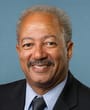 Rep. Chaka FattahD-PA-2
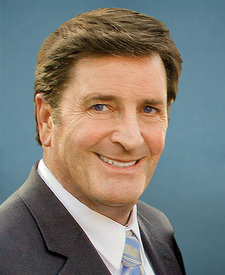 Rep. John GaramendiD-CA-10
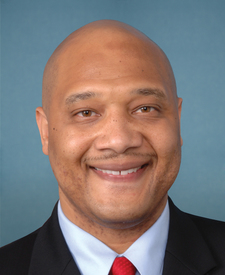 Rep. André CarsonD-IN-7
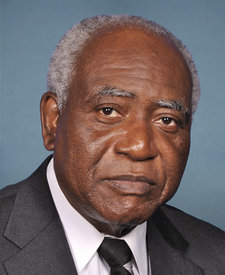 Rep. Danny DavisD-IL-7
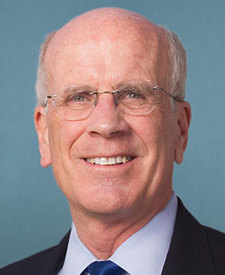 Rep. Peter WelchD-VT
 Rep. Lois CappsD-CA-23
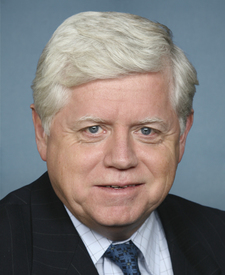 Rep. John LarsonD-CT-1
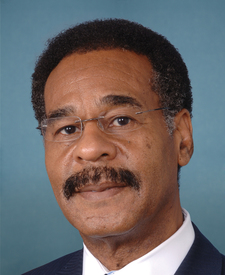 Rep. Emanuel CleaverD-MO-5
 Rep. Charlie RangelD-NY-15
 Rep. Zoe LofgrenD-CA-16
 Rep. Luis GutiérrezD-IL-4
 Rep. Patrick KennedyD-RI-1
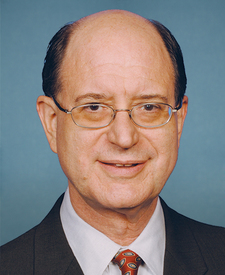 Rep. Brad ShermanD-CA-27
 Rep. Dave ObeyD-WI-7
 Rep. John DingellD-MI-15
 Rep. Rosa DeLauroD-CT-3
 Rep. Betty McCollumD-MN-4
 Rep. Frank PalloneD-NJ-6
 Rep. Elijah CummingsD-MD-7
 Rep. Kathy CastorD-FL-11
 Rep. Corrine BrownD-FL-3
 Rep. Jim MoranD-VA-8
 Rep. Richard NealD-MA-2
 Rep. Diana DeGetteD-CO-1
 Rep. Ed PastorD-AZ-4
 Rep. Hank JohnsonD-GA-4
 Rep. Al GreenD-TX-9
 Rep. Bobby ScottD-VA-3
 Rep. Phil HareD-IL-17
 Rep. Debbie Wasserman SchultzD-FL-20
 Rep. Anna EshooD-CA-14
 Rep. Steny HoyerD-MD-5
 Rep. Nick RahallD-WV-3
 Rep. Albio SiresD-NJ-13
 Rep. Sander LevinD-MI-12
 Rep. Betty SuttonD-OH-13
 Rep. Steven RothmanD-NJ-9
 Rep. Jackie SpeierD-CA-12
 Rep. Gregory MeeksD-NY-6
 Rep. John SarbanesD-MD-3
 Rep. Chris Van HollenD-MD-8
 Rep. Silvestre ReyesD-TX-16
 Rep. Tim RyanD-OH-17
 Rep. Dale KildeeD-MI-5
 Rep. Gary AckermanD-NY-5
 Rep. Paul TonkoD-NY-21
 Rep. Anthony WeinerD-NY-9
 Rep. Bruce BraleyD-IA-1
 Rep. Ben LujánD-NM-3
 Rep. David ScottD-GA-13
 Rep. Nita LoweyD-NY-18
 Rep. Charlie GonzalezD-TX-20
 Rep. Susan DavisD-CA-53
 Rep. Adam SchiffD-CA-29
 Rep. Gene GreenD-TX-29
 Rep. Rick LarsenD-WA-2
 Rep. Bill PascrellD-NJ-8
 Rep. Joe BacaD-CA-43
 Rep. Alan MollohanD-WV-1
 Rep. Jim LangevinD-RI-2
 Rep. Jared PolisD-CO-2
 Rep. Carolyn MaloneyD-NY-14
 Rep. Ted DeutchD-FL-19
 Rep. Bobby RushD-IL-1
 Rep. Solomon OrtizD-TX-27
 Rep. Brian HigginsD-NY-27
 Rep. Jay InsleeD-WA-1
 Rep. Ed PerlmutterD-CO-7
 Rep. Jane HarmanD-CA-36
 Rep. Norm DicksD-WA-6
 Rep. Bart StupakD-MI-1
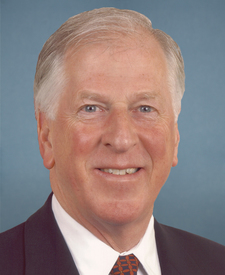 Rep. Mike ThompsonD-CA-1
 Rep. Alan GraysonD-FL-8
 Rep. John SprattD-SC-5
 Rep. Charles WilsonD-OH-6
 Rep. Russ CarnahanD-MO-3
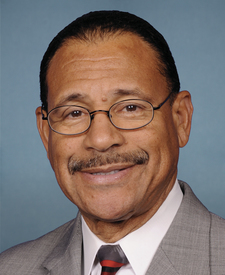 Rep. Sanford BishopD-GA-2
 Rep. Shelley BerkleyD-NV-1
 Rep. A. Dutch RuppersbergerD-MD-2
 Rep. Allyson SchwartzD-PA-13
 Rep. Loretta SanchezD-CA-47
 Rep. Kendrick MeekD-FL-17
 Rep. Paul KanjorskiD-PA-11
 Rep. Christopher MurphyD-CT-5
 Rep. John HallD-NY-19
 Rep. Carolyn McCarthyD-NY-4
 Rep. Lloyd DoggettD-TX-25
 Rep. Ciro RodriguezD-TX-23
 Rep. David LoebsackD-IA-2
 Rep. Mike QuigleyD-IL-5
 Rep. Jerry CostelloD-IL-12
 Rep. Bart GordonD-TN-6
 Rep. Gerald ConnollyD-VA-11
 Rep. John SalazarD-CO-3
 Rep. Earl PomeroyD-ND
 Rep. Joe SestakD-PA-7
 Rep. Mark CritzD-PA-12
 Rep. Timothy BishopD-NY-1
 Rep. Marcy KapturD-OH-9
 Rep. Ron KleinD-FL-22
 Rep. Dennis MooreD-KS-3
 Rep. Kurt SchraderD-OR-5
 Rep. Martin HeinrichD-NM-1
 Rep. Lincoln DavisD-TN-4
 Rep. Tim HoldenD-PA-17
 Rep. Patrick MurphyD-PA-8
 Rep. Dennis CardozaD-CA-18
 Rep. Daniel LipinskiD-IL-3
 Rep. Larry KissellD-NC-8
 Rep. Rick BoucherD-VA-9
 Rep. Dina TitusD-NV-3
 Rep. Chet EdwardsD-TX-17
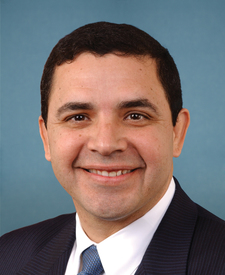 Rep. Henry CuellarD-TX-28
 Rep. Mark SchauerD-MI-7
 Rep. Ron KindD-WI-3
 Rep. Artur DavisD-AL-7
 Rep. Ike SkeltonD-MO-4
 Rep. Collin PetersonD-MN-7
 Rep. Mike RossD-AR-4
 Rep. Jim CostaD-CA-20
 Rep. Allen BoydD-FL-2
 Rep. Jim HimesD-CT-4
 Rep. Jerry McNerneyD-CA-11
 Rep. Betsy MarkeyD-CO-4
 Rep. Steve DriehausD-OH-1
 Rep. Deborah HalvorsonD-IL-11
 Rep. John BoccieriD-OH-16
 Rep. Gary PetersD-MI-9
 Rep. Bill FosterD-IL-14
 Rep. Jim CooperD-TN-5
 Rep. Jim MathesonD-UT-2
 Rep. Michael ArcuriD-NY-24
 Rep. Suzanne KosmasD-FL-24
 Rep. Zack SpaceD-OH-18
 Rep. Christopher CarneyD-PA-10
 Rep. Harry TeagueD-NM-2
 Rep. Stephanie Herseth SandlinD-SD
 Rep. Charles MelanconD-LA-3
 Rep. Jim MarshallD-GA-8
 Rep. Jason AltmireD-PA-4
 Rep. Thomas PerrielloD-VA-5
 Rep. Dan BorenD-OK-2
 Rep. Mike McIntyreD-NC-7
 Rep. Brad EllsworthD-IN-8
 Rep. Joe DonnellyD-IN-2
 Rep. Ann KirkpatrickD-AZ-1
 Rep. Frank KratovilD-MD-1
 Rep. Heath ShulerD-NC-11
 Rep. Glenn NyeD-VA-2
 Rep. Harry MitchellD-AZ-5
 Rep. Gene TaylorD-MS-4
 Rep. Bobby BrightD-AL-2
 Rep. Walter MinnickD-ID-1
Republicans who voted yea(119)
 Rep. Joseph CaoR-LA-2
 Rep. Tim MurphyR-PA-18
 Rep. Chris SmithR-NJ-4
 Rep. David ReichertR-WA-8
- Rep. Charles DjouR-HI-1
 Rep. Frank LoBiondoR-NJ-2
 Rep. Ileana Ros-LehtinenR-FL-18
 Rep. Lincoln Diaz-BalartR-FL-21
 Rep. Mario Diaz-BalartR-FL-25
 Rep. Charles DentR-PA-15
 Rep. Pete KingR-NY-3
 Rep. Jim GerlachR-PA-6
 Rep. Shelley CapitoR-WV-2
 Rep. Todd PlattsR-PA-19
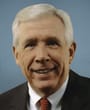 Rep. Frank WolfR-VA-10
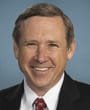 Rep. Mark KirkR-IL-10
 Rep. Judy BiggertR-IL-13
 Rep. Tom LathamR-IA-4
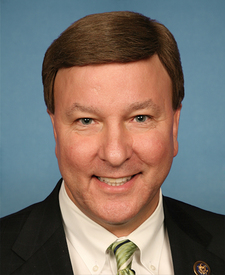 Rep. Mike RogersR-AL-3
 Rep. Ed WhitfieldR-KY-1
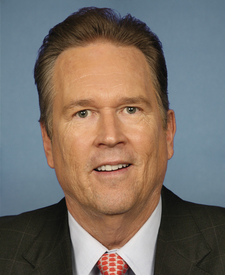 Rep. Vern BuchananR-FL-13
 Rep. Ander CrenshawR-FL-4
 Rep. Hal RogersR-KY-5
 Rep. Jeff FortenberryR-NE-1
 Rep. Tom ColeR-OK-4
 Rep. Adam PutnamR-FL-12
 Rep. Christopher LeeR-NY-26
 Rep. Glenn ThompsonR-PA-5
 Rep. Brett GuthrieR-KY-2
 Rep. Robert AderholtR-AL-4
 Rep. Denny RehbergR-MT
 Rep. Lamar SmithR-TX-21
 Rep. Aaron SchockR-IL-18
 Rep. Jo BonnerR-AL-1
 Rep. Ginny Brown-WaiteR-FL-5
 Rep. Ken CalvertR-CA-44
 Rep. Rodney AlexanderR-LA-5
 Rep. Henry BrownR-SC-1
 Rep. Spencer BachusR-AL-6
 Rep. Frank LucasR-OK-3
 Rep. Jerry LewisR-CA-41
 Rep. Gus BilirakisR-FL-9
 Rep. David DreierR-CA-26
 Rep. Mary Bono MackR-CA-45
 Rep. Robert WittmanR-VA-1
 Rep. Buck McKeonR-CA-25
 Rep. Elton GalleglyR-CA-24
 Rep. Parker GriffithD-AL-5
 Rep. Bill PoseyR-FL-15
 Rep. Kay GrangerR-TX-12
 Rep. Gary MillerR-CA-42
 Rep. Steve BuyerR-IN-4
 Rep. John MicaR-FL-7
 Rep. Geoff DavisR-KY-4
 Rep. Randy ForbesR-VA-4
 Rep. Doc HastingsR-WA-4
 Rep. Ralph HallR-TX-4
 Rep. Gregg HarperR-MS-3
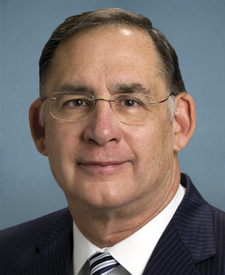 Rep. John BoozmanR-AR-3
 Rep. Thomas RooneyR-FL-16
 Rep. John CulbersonR-TX-7
 Rep. Cathy McMorris RodgersR-WA-5
 Rep. Zach WampR-TN-3
 Rep. Michael McCaulR-TX-10
 Rep. Daniel LungrenR-CA-3
 Rep. Duncan HunterR-CA-52
 Rep. John CarterR-TX-31
 Rep. Roscoe BartlettR-MD-6
 Rep. Todd TiahrtR-KS-4
 Rep. Joe BartonR-TX-6
 Rep. Blaine LuetkemeyerR-MO-9
 Rep. Kevin McCarthyR-CA-22
 Rep. Bill CassidyR-LA-6
 Rep. Phil RoeR-TN-1
 Rep. Donald ManzulloR-IL-16
 Rep. John FlemingR-LA-4
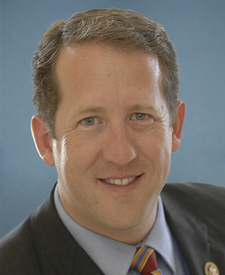 Rep. Adrian SmithR-NE-3
 Rep. Charles BoustanyR-LA-7
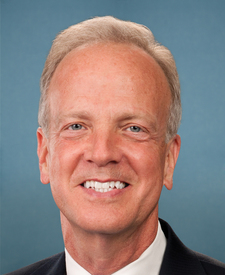 Rep. Jerry MoranR-KS-1
 Rep. Lynn JenkinsR-KS-2
 Rep. Rob BishopR-UT-1
 Rep. John KlineR-MN-2
 Rep. Joseph PittsR-PA-16
 Rep. Phil GingreyR-GA-11
 Rep. Pete OlsonR-TX-22
 Rep. Kevin BradyR-TX-8
 Rep. Eric CantorR-VA-7
 Rep. Cliff StearnsR-FL-6
 Rep. Dan BurtonR-IN-5
 Rep. Mike CoffmanR-CO-6
 Rep. Steve ScaliseR-LA-1
 Rep. Devin NunesR-CA-21
 Rep. Patrick McHenryR-NC-10
 Rep. Michele BachmannR-MN-6
 Rep. Ted PoeR-TX-2
 Rep. Michael BurgessR-TX-26
 Rep. Jeff MillerR-FL-1
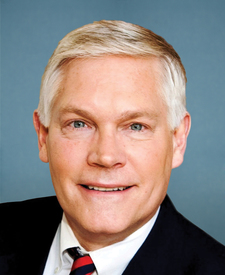 Rep. Pete SessionsR-TX-32
 Rep. Mac ThornberryR-TX-13
 Rep. Louie GohmertR-TX-1
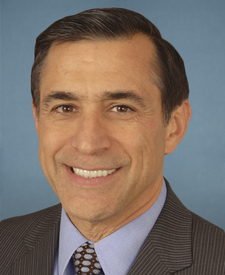 Rep. Darrell IssaR-CA-49
 Rep. Dana RohrabacherR-CA-46
 Rep. Sam JohnsonR-TX-3
 Rep. Kenny MarchantR-TX-24
 Rep. Todd AkinR-MO-2
 Rep. Mike PenceR-IN-6
 Rep. Randy NeugebauerR-TX-19
 Rep. John LinderR-GA-7
 Rep. Michael ConawayR-TX-11
 Rep. Steve KingR-IA-5
 Rep. Ed RoyceR-CA-40
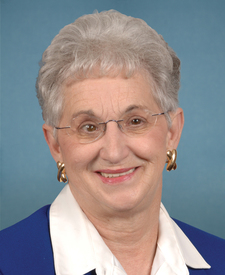 Rep. Virginia FoxxR-NC-5
 Rep. Doug LambornR-CO-5
 Rep. Trent FranksR-AZ-2
 Rep. Jason ChaffetzR-UT-3
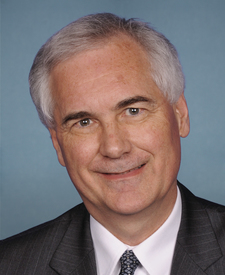 Rep. Tom McClintockR-CA-4
 Rep. John CampbellR-CA-48
 Rep. John ShadeggR-AZ-3
 Rep. Paul BrounR-GA-10
Data notes
The House’s recorded vote on the final version of the law (roll call 1544 in Voteview), matched to the vote the record cites and checked against its totals. Positions are each member’s DW-NOMINATE score for that Congress, as on the Ideology page; left to right is more liberal to more conservative. Paired and announced yea votes count as yea. Lists follow the compass, most liberal first. A name links to a profile only for members of the current Congress. A law passed by voice vote or unanimous consent has no member list, and neither does a vote Voteview has not yet recorded.
Committees
The committees the bill was sent to, and what each did with it.

Data notes
A committee links to its page only where it exists in the current Congress; older and renamed committees are named without a link.
Related bills
1 bill the Library of Congress relates to this one.
H.R. 5781Related bill
National Aeronautics and Space Administration Authorization Act of 2010
Data notes
Related bills are identified by the Congressional Research Service, the House and the Senate: companion and identical bills, bills with similar text, bills that were folded into this law, and rules that brought it to the floor. A bill that is itself a public law in this site’s data links here; the others link to Congress.gov.
Timeline
From introduction to signing, newest first: the committees, the floor and the president. 19 actions.
- Oct 11, 2010Became lawBecame law · Became Public Law No: 111-267.
- Became lawBecame law · Signed by President.
- Sep 30, 2010FloorFloor · Presented to President.
- Sep 29, 2010FloorFloor · On motion to suspend the rules and pass the bill Agreed to by the Yeas and Nays: (2/3 required): 304 - 118 (Roll no. 561).House roll call 561
- FloorFloor · Motion to reconsider laid on the table Agreed to without objection.
- FloorFloor · Considered as unfinished business.
- FloorFloor · At the conclusion of debate, the Yeas and Nays were demanded and ordered. Pursuant to the provisions of clause 8, rule XX, the Chair announced that further proceedings on the motion would be postponed.
- FloorFloor · DEBATE - The House proceeded with forty minutes of debate on S. 3729.
- FloorFloor · Considered under suspension of the rules.
- FloorFloor · Mr. Gordon (TN) moved to suspend the rules and pass the bill.
- OtherOther · Cleared for White House.
- Aug 9, 2010FloorFloor · Held at the desk.
- FloorFloor · Received in the House.
- Aug 6, 2010FloorFloor · Message on Senate action sent to the House.
- Aug 5, 2010FloorFloor · Passed Senate with amendments by Unanimous Consent.
- FloorFloor · Measure laid before Senate by unanimous consent.
- CalendarCalendar · Placed on Senate Legislative Calendar under General Orders. Calendar No. 548.
- CommitteeCommittee · Committee on Commerce, Science, and Transportation. Original measure reported to Senate by Senator Rockefeller. With written report No. 111-278.
- IntroducedIntroduced · Introduced in Senate
Data notes
Every action the Library of Congress lists for the bill, from introduction to signing, plus the dated committee hearings. The source lists many steps twice (the chamber’s own entry and the Library of Congress copy, or a presidential and a became-law entry with the same words); those are shown once. Amendments are listed in their own section.
Amendments
1 amendment offered to the bill, with the last recorded step of each.
- Agreed to
S.Amdt. 4602SenateSen. Jay RockefellerD-WV· offered Aug 5, 2010Agreed to
To modify the bill as reported.
Aug 5, 2010: Amendment SA 4602 agreed to in Senate by Unanimous Consent.
Data notes
Amendments offered to this bill in either chamber, as the Library of Congress records them: each with a status read from its last recorded step: agreed to, rejected, withdrawn, ruled out of order, fell with another amendment, or offered with no vote recorded (most Senate amendments are only ever offered). The wording of each amendment is the source’s. Amendments to amendments and amendments to other bills are not listed.
Official record
The bill’s full text is on Congress.gov. Data through Oct 7, 2026.