Indian Arts and Crafts Amendments Act of 2010
Public Law 111-211 · H.R. 725 · 111th Congress · began in the House
Signed by Barack Obama (D) on Jul 29, 2010 · Native Americans
Sponsor: Rep. Ed Pastor (D-AZ-4)
Cosponsors (6): Rep. Ann Kirkpatrick, Rep. Silvestre Reyes,
Passage votesYeaNay
- HouseRecorded vote: 326 yea, 92 nay326–92
- SenateUnanimous consent
Data notes
The final version of the law, as each chamber passed it. A chamber that passed it by voice vote or unanimous consent has no count. “Method not stated” means the record does not say how the chamber voted. Where the record has a member-by-member vote, the “Who voted for it” section shows who voted yea.
Summary
The Congressional Research Service’s plain-language summary of what the law does.
Title I: Indian Arts and Crafts Amendments - Indian Arts and Crafts Amendments Act of 2010 - (Sec. 102) Amends the Indian Arts and Crafts Act of 1990 to expand the authority of the Indian Arts and Crafts Board to bring criminal and civil actions for offenses under such Act involving the sale of misrepresented Indian-produced goods or products. Authorizes: (1) any federal law enforcement officer to conduct an investigation of an alleged violation of such Act occurring within the jurisdiction of the United States; and (2) the Board to refer an alleged violation to any such officer (currently, only to the Federal Bureau of Investigation [FBI]) for investigation. Permits such an officer to investigate an alleged violation regardless of whether such officer receives such a referral from the Board.
Requires the findings of any investigation of an alleged violation to be submitted to a federal or state prosecuting authority or the Board. Authorizes the Board, upon receiving the findings of such an investigation, to: (1) recommend to the Attorney General that criminal proceedings be initiated (current law); (2) provide such support to the Attorney General relating to the criminal proceedings as the Attorney General determines to be appropriate; or (3) recommend, in lieu of or in addition to any such criminal proceeding, that the Attorney General initiate a civil action. Allows the Attorney General, an Indian tribe, an Indian, or an Indian arts and crafts organization to initiate a civil action under such Act.
(Sec. 103) Amends the federal criminal code to revise penalties for the sale of misrepresented Indian-produced goods and products.
Title II: Tribal Law and Order - Tribal Law and Order Act of 2010 - (Sec. 202) States as the purposes of this title to: (1) clarify the responsibilities of federal, state, tribal, and local governments with respect to crimes committed in Indian country; (2) increase coordination and communication among federal, state, tribal, and local law enforcement agencies; (3) empower tribal governments to provide public safety in Indian country; (4) reduce violent crime in Indian country and combat sexual and domestic violence against American Indian and Alaska Native women; (5) prevent drug trafficking and reduce rates of alcohol and drug addiction in Indian country; and (6) increase and standardize the collection of criminal data and the sharing of criminal history information among federal, state, and tribal officials responsible for responding to and investigating crimes in Indian country.
(Sec. 205) States that nothing in this Act limits, alters, expands, or diminishes the civil or criminal jurisdiction of the state of Alaska, any subdivision of the state, or any Indian tribe in the state.
(Sec. 206) States that nothing in this Act confers on an Indian tribe criminal jurisdiction over non-Indians.
Subtitle A: Federal Accountability and Coordination - (Sec. 211) Amends the Indian Law Enforcement Reform Act to replace the Division of Law Enforcement Services in the Department of the Interior with the Office of Justice Services in the Bureau of Indian Affairs (BIA). Sets forth additional duties of such Office, including: (1) the development and provision of dispatch and emergency and E-911 services; (2) communicating with tribal leaders, tribal community and victims' advocates, tribal justice officials, indigent defense representatives, and residents of Indian country on a regular basis regarding public safety and justice concerns; (3) providing technical assistance and training to tribal law enforcement officials for gaining access to crime information databases; (4) collecting, analyzing, and reporting data on crimes in Indian country on an annual basis; (5) sharing with the Department of Justice (DOJ), on an annual basis, crime data received from tribal law enforcement agencies on a tribe-by-tribe basis; and (6) submitting to the appropriate committees of Congress, for each fiscal year, a spending report on tribal public safety and justice programs and a report on technical assistance, training, and other support provided to tribal law enforcement and corrections agencies.
Directs BIA to submit to Congress, within one year of the enactment of this Act, a long-term plan to address incarceration in Indian country.
Authorizes BIA law enforcement officers to make warrantless arrests in Indian country based on probable cause for misdemeanor offenses involving controlled substances, firearms, assaults, or liquor trafficking.
(Sec. 212) Amends the Indian Law Enforcement Reform Act to expand requirements for reporting by federal law enforcement officers, the Federal Bureau of Investigation (FBI), and the Offices of the U.S. Attorneys to Indian tribes on decisions not to investigate or prosecute alleged violations of federal criminal law in Indian country. Requires such officials to: (1) coordinate with tribal law enforcement officials on the status of the investigation and the use of evidence in a tribal court; and (2) compile data on crimes in Indian country in which investigations or prosecutions were terminated or declined. Requires the Attorney General to submit annual reports to Congress on investigations and prosecutions in Indian country that were terminated or declined.
(Sec. 213) Authorizes the Attorney General to appoint tribal prosecutors and other qualified attorneys to assist in prosecuting federal offenses committed in Indian country.
Requires each U.S. Attorney whose district includes Indian country to appoint not less than one assistant U.S. Attorney to serve as a tribal liaison for specified purposes, including, coordinating the prosecution of federal crimes that occur in Indian country, developing multidisciplinary teams to combat child abuse and domestic and sexual violence offenses against Indians, consulting and coordinating with tribal justice officials and victims' advocates to address backlogs in the prosecution of major crimes, developing working relationships with tribal leaders, tribal community and victims' advocates, and tribal justice officials, and providing technical assistance and training and strategies to address victim and witness protection to tribal justice officials and other individuals and entities.
Expresses the sense of Congress that the Attorney General should consult with tribal justice officials when making appointments of tribal prosecutors and tribal liaisons and should take all appropriate actions to encourage the aggressive prosecution of all federal crimes committed in Indian country.
(Sec. 214) Amends the Indian Tribal Justice Technical and Legal Assistance Act of 2000 to direct the Attorney General to establish in DOJ the Office of Tribal Justice to advise the Attorney General on the treaty and trust relationship between the United States and Indian tribes.
Establishes in the Executive Office for U.S. Attorneys the position of Native American Issues Coordinator to coordinate with U.S. Attorneys in prosecuting crimes in Indian country.
Subtitle B: State Accountability and Coordination - (Sec. 221) Amends the Indian Civil Rights Act of 1968 to provide for concurrent jurisdiction of the federal government and Indian tribes over the prosecution of federal crimes in Indian country at the request of an Indian tribe and after consultation with and consent by the Attorney General.
(Sec. 222) Authorizes the Attorney General to provide technical and other assistance to state, tribal, and local governments that enter into cooperative agreements to improve law enforcement effectiveness, reduce crime in Indian country and nearby communities, and develop successful cooperative relationships that effectively combat such crime.
Subtitle C: Empowering Tribal Law Enforcement Agencies and Tribal Governments - (Sec. 231) Amends the Indian Law Enforcement Reform Act to: (1) set forth training standards for tribal law enforcement officers; (2) increase the maximum age for employment of such officers to 46; (3) require the Office of Justice Services to develop standards and deadlines for the provision of background checks to tribal law enforcement and corrections officials; and (4) grant special law enforcement commissions to tribal law enforcement officers to enforce violations of federal law.
Amends the Indian Self-Determination and Education Assistance Act to direct the Secretary of the Interior to establish the Indian Law Enforcement Foundation to: (1) accept gifts to support public safety and justice services in American Indian and Alaska Native communities; and (2) assist the Office of Justice Services of BIA and Indian tribal governments in funding and conducting activities and providing education to advance and support such services. Establishes the Committee for the Establishment of the Indian Law Enforcement Foundation to assist the Secretary in establishing the Foundation. Authorizes the use of unobligated funds in FY2011-FY2015 to support the Foundation.
(Sec. 232) Amends the Controlled Substances Act to: (1) include tribal governments in education and research programs and cooperative agreements for drug abuse prevention and control; and (2) extend certain enforcement authority to tribal law enforcement officers.
(Sec. 233) Directs the Attorney General to permit tribal and BIA law enforcement agencies to access and enter information into federal criminal information databases and to obtain information from such databases.
(Sec. 234) Amends the Indian Civil Rights Act of 1968 to set forth standards applicable to tribal courts with respect to criminal defendants, the right to counsel, bail, and sentencing.
Requires the Attorney General to report to Congress on the effectiveness of enhanced tribal court sentencing authority in curtailing violence and improving the administration of justice in Indian lands.
Requires the Bureau of Prisons to establish a pilot program for offenders convicted in tribal court.
Amends the Economic Opportunity Act of 1964 to allow funding to provide legal assistance for persons charged with an offense in an Indian tribal court.
Sec. 235) Establishes the Indian Law and Order Commission to conduct, and report to the President and Congress on, a comprehensive study of law enforcement and criminal justice in tribal communities and to develop recommendations on necessary modifications and improvements to federal, state, and tribal justice systems. Requires the Commission to establish the Tribal Advisory Committee to serve as an advisory body to the Commission.
(Sec. 236) Amends the federal criminal code to exempt from the prohibition against transporting explosive materials the transportation, shipment, receipt, or importation of display fireworks materials for delivery to a federally recognized Indian tribe or tribal agency.
Subtitle D: Tribal Justice Systems - (Sec. 241) Amends the Indian Alcohol and Substance Abuse Prevention and Treatment Act of 1986 to: (1) extend the effective date of the Memorandum of Agreement between the Secretaries of the Interior and Health and Human Services (HHS) on the scope of the problem of alcohol and substance abuse in Indian tribes; (2) include the Attorney General as a participant in such Memorandum; (3) include the Office of Justice Programs and the Substance Abuse and Mental Health Services Administration of HHS in cooperative efforts with Indian tribes in a Tribal Action Plan for combating alcohol and substance abuse and as participants in alcohol and substance abuse prevention and treatment activities; (4) extend through 2015 funding for grants to Indian tribes to provide technical assistance in the development of a Tribal Action Plan and for training, education, and prevention programs; (5) establish within the Substance Abuse and Mental Health Services Administration the Office of Indian Alcohol and Substance Abuse; (6) require a review of the effectiveness of summer youth programs in tribal schools; (7) extend through FY2015 the authorization of appropriations for emergency shelters for Indian youth who are alcohol or substance abusers; (8) provide assistance for the investigation and control of illegal narcotics traffic on the Blackfeet Indian Reservation and extend the authorization of appropriations for such investigations through FY2015; and (9) require the Secretary of the Interior and the Attorney General, in consultation with tribal officials, to develop a long-term plan for the construction, renovation, and operation of Indian juvenile detention and treatment centers and alternatives to detention for juvenile offenders.
Sec. 242) Amends the Indian Tribal Justice Act to specify the types of judicial personnel for whom funds may be used under the tribal justice system grant program to include tribal court judges, prosecutors, public defenders, appointed defense counsel, guardians ad litem, and court-appointed advocates for juveniles. Extends the authorization of appropriations for tribal justice support through FY2015.
Amends the Indian Tribal Justice Technical and Legal Assistance Act of 2000 to award grants to provide for guardians ad litem and court-appointed special advocates for children and juveniles in civil proceedings and for licensed public defender services to represent all criminal defendants in tribal courts. Extends the authorization of appropriations for such grants through FY2015.
(Sec. 243) Amends the Omnibus Crime Control and Safe Streets Act of 1968 to permit tribal governments to participate in the Community Oriented Policing Services program (COPS). Directs the Attorney General to provide COPS grants to Indian tribal governments for the hiring and retention of tribal law enforcement officers. Removes federal matching fund requirements and permits tribes to use grant funds to cover indirect costs. Authorizes appropriations for FY2011-FY2015.
Directs the Attorney General to report to Congress on the extent and effectiveness of the COPS grant program as applied in Indian country.
(Sec. 244) Amends the Violent Crime Control and Law Enforcement Act of 1994 to require the Attorney General to reserve funds authorized for offender incarceration programs in FY2011-FY2015 to provide grants to Indian tribes: (1) for the construction and maintenance of jails on Indian land, to increase the efficiency of the construction of tribal jails, and to develop and implement alternatives to incarceration in tribal jails; (2) for the construction of tribal justice centers that combine courts, police, and correction services; and (3) for constructing and operating regional detention centers on Indian land for long-term incarceration of offenders.
Directs the Attorney General, in consultation with the BIA and tribal entities, to submit to Congress a long-term plan to address incarceration in Indian country.
(Sec. 245) Amends the Indian Tribal Justice Technical and Legal Assistance Act of 2000 to require the chief judge or chief probation or pretrial services officer of each judicial district to appoint Indian country residents to serve as assistant probation officers to monitor and provide service for federal prisoners residing in Indian country and to provide substance abuse, mental health, and related services to offenders residing on Indian land.
(Sec. 246) Amends the Juvenile Justice and Delinquency Prevention Act of 1974 to: (1) authorize the Administrator of the Office of Juvenile Justice and Delinquency Prevention to include Indian tribes in the local juvenile delinquency incentive grant program; (2) require the Administrator to make grants to Indian tribes to support and enhance tribal juvenile delinquency prevention services and the ability of Indian tribes to respond to, and care for, juvenile offenders and to encourage accountability of Indian tribes in preventing juvenile delinquency; and (3) require one member of the Coordinating Council of Juvenile Justice and Delinquency Prevention to be appointed by the Chairman of the Senate Committee on Indian Affairs.
Authorizes appropriations for FY2011-FY2015 for the tribal delinquency prevention and response program.
(Sec. 247) Allows the state of Alaska and any Indian tribe or tribal organization that employs a village public safety officer to apply for a grant under the COPS program and the Staffing for Adequate Fire and Emergency Response grant program.
Allows an Alaska village public safety officer or tribal law enforcement officer to participate in training programs offered at the Indian Police Academy of the Federal Law Enforcement Training Center.
Subtitle E: Indian Country Crime Data Collection and Information Sharing - (Sec. 251) Amends the Violence Against Women and Department of Justice Reauthorization Act of 2005 to include the BIA Office of Justice Services as an agency reporting gang activity information to the FBI National Gang Intelligence Center.
Amends the Omnibus Crime Control and Safe Streets Act of 1968 to authorize the Bureau of Justice Statistics to collect and analyze crime data and drug control activities in tribal areas. Requires the Director of the Bureau to report to Congress annually on the data collected relating to crimes in Indian country.
(Sec. 252) Amends the Indian Law Enforcement Reform Act to direct the Secretary of the Interior to award grants to Indian tribes for activities to ensure uniformity in the collection and analysis of data relating to crime in Indian country.
Subtitle F: Domestic Violence and Sexual Assault Prosecution and Prevention - (Sec. 261) Amends the federal criminal code to require the Bureau of Prisons to provide to tribal governments: (1) technical assistance for the improvement of their correctional systems; and (2) written notice of the release or change of residence of a prisoner in federal custody who was convicted of a drug trafficking crime or a crime of violence; and (3) notice of the release of a convicted sex offender.
Expands the authority of the National Institute of Corrections to include tribal governments and communities in its grant programs and activities.
(Sec. 262) Amends the Indian Law Enforcement Reform Act to: (1) expand training of tribal law enforcement officers in interviewing victims of domestic and sexual violence and collecting evidence in such cases to increase the conviction rate; (2) require the Director of the Office of Justice Services or the Director of the Indian Health Service to approve or disapprove, in writing, any request or subpoena from a tribal or state court for a law enforcement officer, sexual assault nurse examiner, or other employee to provide documents or testimony in a deposition, trial, or other criminal proceeding; and (3) require the Director of the Indian Health Service, in coordination and consultation with specified federal and tribal officials, to develop standardized sexual assault policies and protocol for tribal health facilities based on similar protocol established by the DOJ.
(Sec. 264) Requires any report of the HHS Secretary to Congress on the development of Indian victim services and victim advocate training programs to include recommendations determined by the Secretary to be necessary to prevent the sex trafficking of Indian women.
(Sec. 266) Directs the Comptroller General to: (1) conduct a study of the capability of Indian Health Service facilities in remote Indian reservations and Alaska Native villages to collect, maintain, and secure evidence of sexual assaults and domestic violence incidents required for criminal prosecution; (2) develop recommendations for improving such capabilities; and (3) report on such study to the House Committee on Natural Resources and the Senate Committee on Indian Affairs within one year of the enactment of this Act.
Who voted for it
Every House member of the 111th Congress on the ideology compass. Highlighted: the 326 who voted yea on final passage. Faded: everyone else, including those who voted nay, did not vote, or had not yet taken office.
326 yea92 nay14 present or did not vote
Democrats who voted yea(248)
 Rep. Barbara LeeD-CA-9
 Rep. Lynn WoolseyD-CA-6
 Rep. Jim McDermottD-WA-7
 Rep. Maurice HincheyD-NY-22
 Rep. Gwen MooreD-WI-4
 Rep. Donna EdwardsD-MD-4
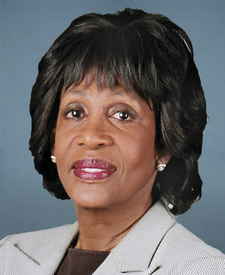 Rep. Maxine WatersD-CA-35
 Rep. Marcia FudgeD-OH-11
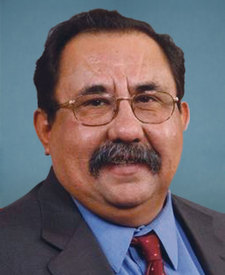 Rep. Raúl GrijalvaD-AZ-7
 Rep. John OlverD-MA-1
 Rep. Tammy BaldwinD-WI-2
 Rep. Bob FilnerD-CA-51
 Rep. Diane WatsonD-CA-33
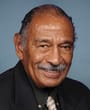 Rep. John ConyersD-MI-14
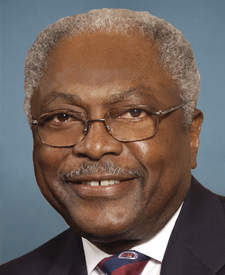 Rep. Jim ClyburnD-SC-6
 Rep. Keith EllisonD-MN-5
 Rep. Eddie JohnsonD-TX-30
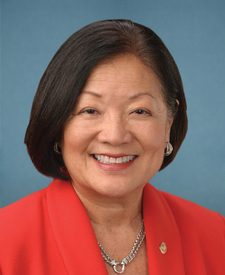 Rep. Mazie HironoD-HI-2
 Rep. Donald PayneD-NJ-10
 Rep. John LewisD-GA-5
 Rep. Mike HondaD-CA-15
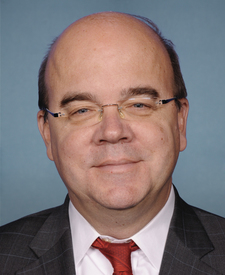 Rep. Jim McGovernD-MA-3
 Rep. Barney FrankD-MA-4
 Rep. José SerranoD-NY-16
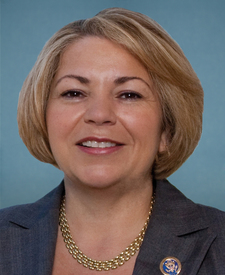 Rep. Linda SánchezD-CA-39
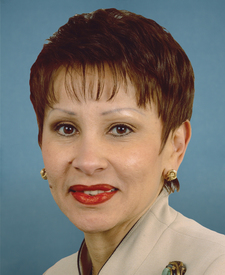 Rep. Nydia VelázquezD-NY-12
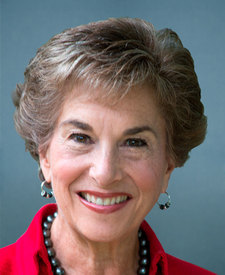 Rep. Jan SchakowskyD-IL-9
 Rep. Ed TownsD-NY-10
 Rep. Mel WattD-NC-12
 Rep. Xavier BecerraD-CA-31
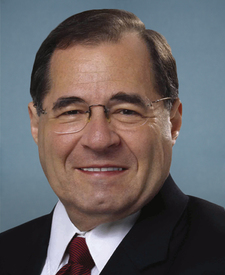 Rep. Jerrold NadlerD-NY-8
 Rep. Lucille Roybal-AllardD-CA-34
 Rep. Pete StarkD-CA-13
 Rep. Sheila Jackson LeeD-TX-18
 Rep. Carolyn KilpatrickD-MI-13
 Rep. Henry WaxmanD-CA-30
 Rep. Louise SlaughterD-NY-28
 Rep. George MillerD-CA-7
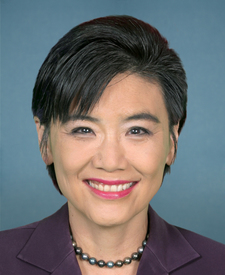 Rep. Judy ChuD-CA-32
 Rep. Rush HoltD-NJ-12
 Rep. Bill DelahuntD-MA-10
 Rep. Alcee HastingsD-FL-23
 Rep. Jesse JacksonD-IL-2
 Rep. Sam FarrD-CA-17
 Rep. Grace NapolitanoD-CA-38
 Rep. Michael DoyleD-PA-14
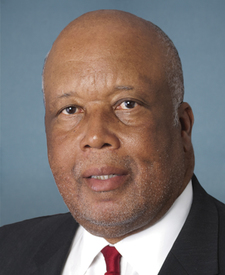 Rep. Bennie ThompsonD-MS-2
 Rep. Earl BlumenauerD-OR-3
 Rep. David PriceD-NC-4
 Rep. Niki TsongasD-MA-5
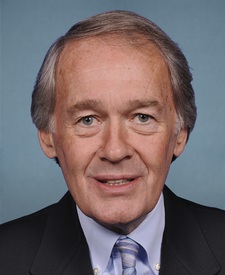 Rep. Ed MarkeyD-MA-7
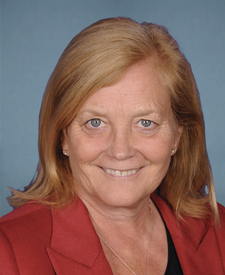 Rep. Chellie PingreeD-ME-1
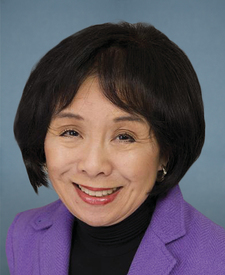 Rep. Doris MatsuiD-CA-5
 Rep. Robert BradyD-PA-1
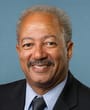 Rep. Chaka FattahD-PA-2
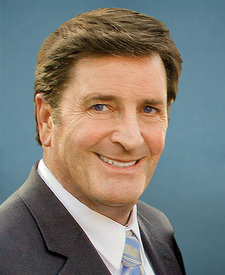 Rep. John GaramendiD-CA-10
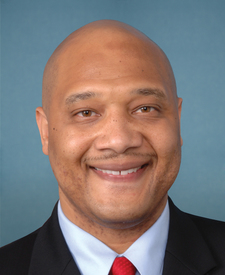 Rep. André CarsonD-IN-7
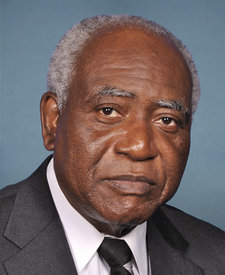 Rep. Danny DavisD-IL-7
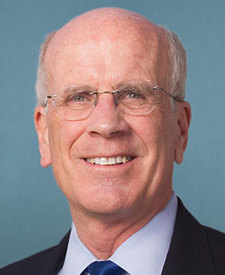 Rep. Peter WelchD-VT
 Rep. Lois CappsD-CA-23
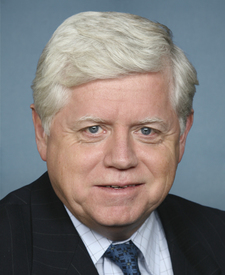 Rep. John LarsonD-CT-1
 Rep. Joe CrowleyD-NY-7
 Rep. John TierneyD-MA-6
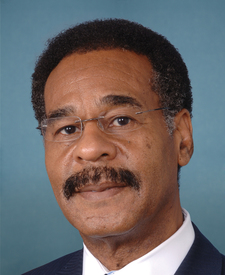 Rep. Emanuel CleaverD-MO-5
 Rep. Charlie RangelD-NY-15
 Rep. Wm. ClayD-MO-1
 Rep. Zoe LofgrenD-CA-16
 Rep. Luis GutiérrezD-IL-4
 Rep. Patrick KennedyD-RI-1
 Rep. James OberstarD-MN-8
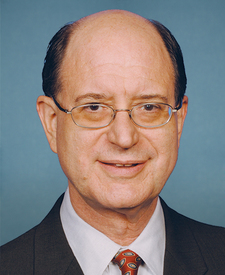 Rep. Brad ShermanD-CA-27
 Rep. Dave ObeyD-WI-7
 Rep. John DingellD-MI-15
 Rep. Rosa DeLauroD-CT-3
 Rep. Betty McCollumD-MN-4
 Rep. Howard BermanD-CA-28
 Rep. Eliot EngelD-NY-17
 Rep. G.K. ButterfieldD-NC-1
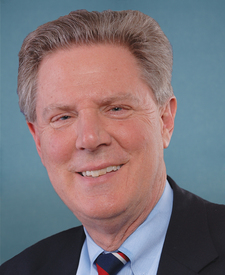 Rep. Frank PalloneD-NJ-6
 Rep. Elijah CummingsD-MD-7
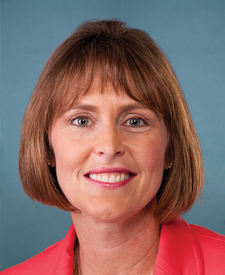 Rep. Kathy CastorD-FL-11
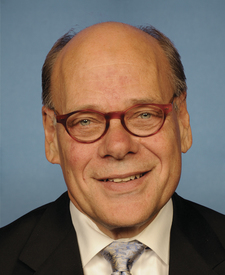 Rep. Steve CohenD-TN-9
 Rep. Corrine BrownD-FL-3
 Rep. Jim MoranD-VA-8
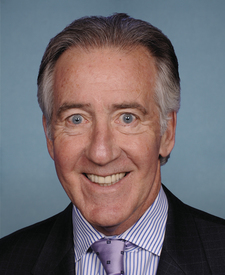 Rep. Richard NealD-MA-2
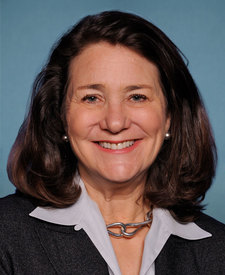 Rep. Diana DeGetteD-CO-1
 Rep. Ed PastorD-AZ-4
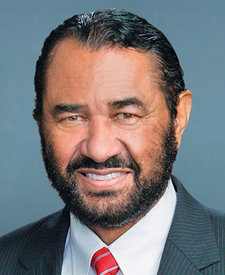 Rep. Al GreenD-TX-9
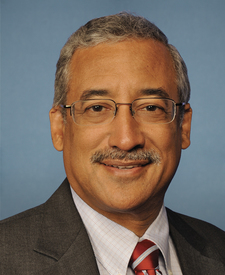 Rep. Bobby ScottD-VA-3
 Rep. Phil HareD-IL-17
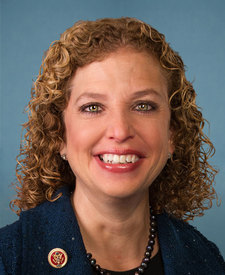 Rep. Debbie Wasserman SchultzD-FL-20
 Rep. Rob AndrewsD-NJ-1
 Rep. Anna EshooD-CA-14
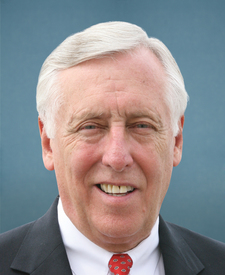 Rep. Steny HoyerD-MD-5
 Rep. Nick RahallD-WV-3
 Rep. Albio SiresD-NJ-13
 Rep. Sander LevinD-MI-12
 Rep. Betty SuttonD-OH-13
 Rep. Steven RothmanD-NJ-9
 Rep. Jackie SpeierD-CA-12
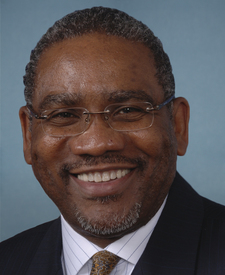 Rep. Gregory MeeksD-NY-6
 Rep. John SarbanesD-MD-3
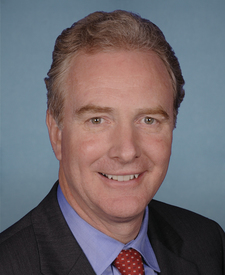 Rep. Chris Van HollenD-MD-8
 Rep. Silvestre ReyesD-TX-16
 Rep. Tim RyanD-OH-17
 Rep. Dale KildeeD-MI-5
 Rep. Gary AckermanD-NY-5
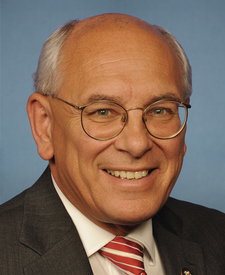 Rep. Paul TonkoD-NY-21
 Rep. Anthony WeinerD-NY-9
 Rep. Bruce BraleyD-IA-1
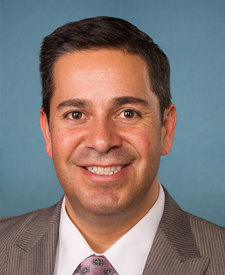 Rep. Ben LujánD-NM-3
 Rep. Rubén HinojosaD-TX-15
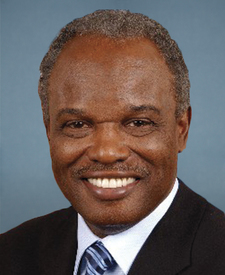 Rep. David ScottD-GA-13
 Rep. Nita LoweyD-NY-18
 Rep. Brad MillerD-NC-13
 Rep. Charlie GonzalezD-TX-20
 Rep. Susan DavisD-CA-53
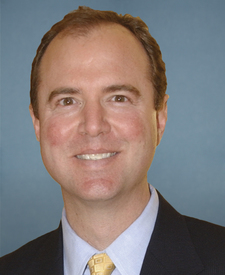 Rep. Adam SchiffD-CA-29
 Rep. Gene GreenD-TX-29
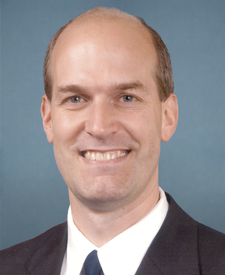 Rep. Rick LarsenD-WA-2
 Rep. Bill PascrellD-NJ-8
 Rep. Joe BacaD-CA-43
 Rep. Alan MollohanD-WV-1
 Rep. Jim LangevinD-RI-2
 Rep. Jared PolisD-CO-2
 Rep. Carolyn MaloneyD-NY-14
 Rep. Steve IsraelD-NY-2
 Rep. Steve KagenD-WI-8
 Rep. Laura RichardsonD-CA-37
 Rep. Ted DeutchD-FL-19
 Rep. Bobby RushD-IL-1
 Rep. Brian HigginsD-NY-27
 Rep. John YarmuthD-KY-3
 Rep. Jay InsleeD-WA-1
 Rep. Ed PerlmutterD-CO-7
 Rep. Jane HarmanD-CA-36
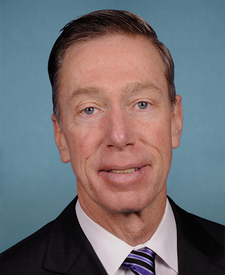 Rep. Stephen LynchD-MA-9
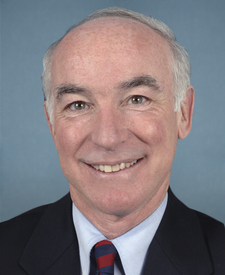 Rep. Joe CourtneyD-CT-2
 Rep. Norm DicksD-WA-6
 Rep. Bart StupakD-MI-1
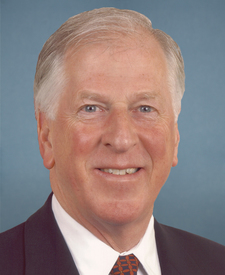 Rep. Mike ThompsonD-CA-1
 Rep. Alan GraysonD-FL-8
 Rep. John SprattD-SC-5
 Rep. Charles WilsonD-OH-6
 Rep. Russ CarnahanD-MO-3
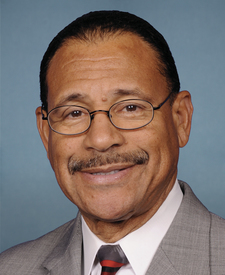 Rep. Sanford BishopD-GA-2
 Rep. Shelley BerkleyD-NV-1
 Rep. A. Dutch RuppersbergerD-MD-2
 Rep. Allyson SchwartzD-PA-13
 Rep. Loretta SanchezD-CA-47
 Rep. Paul KanjorskiD-PA-11
 Rep. Carol Shea-PorterD-NH-1
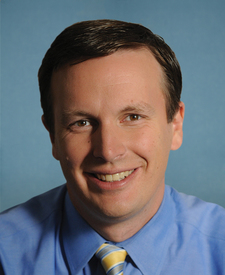 Rep. Christopher MurphyD-CT-5
 Rep. John HallD-NY-19
 Rep. Carolyn McCarthyD-NY-4
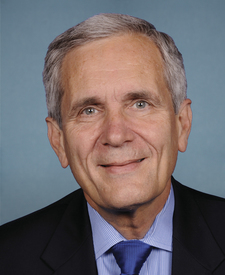 Rep. Lloyd DoggettD-TX-25
 Rep. David WuD-OR-1
 Rep. Mary Jo KilroyD-OH-15
 Rep. Peter ViscloskyD-IN-1
 Rep. Ciro RodriguezD-TX-23
 Rep. David LoebsackD-IA-2
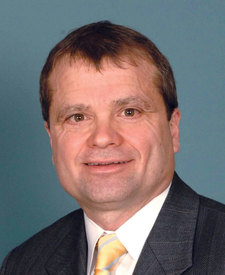 Rep. Mike QuigleyD-IL-5
 Rep. Peter DeFazioD-OR-4
 Rep. Marion BerryD-AR-1
 Rep. Jerry CostelloD-IL-12
 Rep. Dennis KucinichD-OH-10
 Rep. Leonard BoswellD-IA-3
 Rep. Bart GordonD-TN-6
 Rep. Vic SnyderD-AR-2
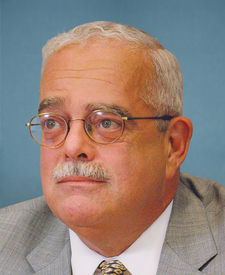 Rep. Gerald ConnollyD-VA-11
 Rep. John SalazarD-CO-3
 Rep. Earl PomeroyD-ND
 Rep. Bob EtheridgeD-NC-2
 Rep. Joe SestakD-PA-7
 Rep. Mark CritzD-PA-12
 Rep. Timothy BishopD-NY-1
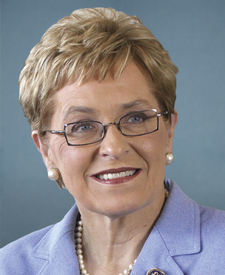 Rep. Marcy KapturD-OH-9
 Rep. Timothy WalzD-MN-1
 Rep. Ron KleinD-FL-22
 Rep. Dennis MooreD-KS-3
 Rep. Kurt SchraderD-OR-5
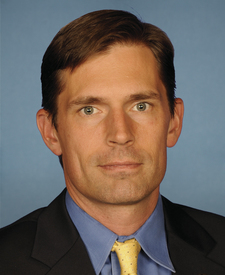 Rep. Martin HeinrichD-NM-1
 Rep. Lincoln DavisD-TN-4
 Rep. Tim HoldenD-PA-17
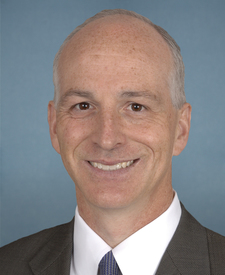 Rep. Adam SmithD-WA-9
 Rep. Patrick MurphyD-PA-8
 Rep. Dennis CardozaD-CA-18
 Rep. Daniel LipinskiD-IL-3
 Rep. Larry KissellD-NC-8
 Rep. Rick BoucherD-VA-9
 Rep. Ben ChandlerD-KY-6
 Rep. Daniel MaffeiD-NY-25
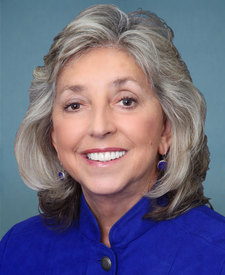 Rep. Dina TitusD-NV-3
 Rep. Chet EdwardsD-TX-17
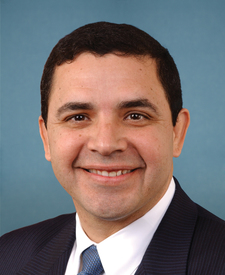 Rep. Henry CuellarD-TX-28
 Rep. Mark SchauerD-MI-7
 Rep. Michael MichaudD-ME-2
 Rep. Ron KindD-WI-3
 Rep. Artur DavisD-AL-7
 Rep. Ike SkeltonD-MO-4
 Rep. John TannerD-TN-8
 Rep. Collin PetersonD-MN-7
 Rep. Mike RossD-AR-4
 Rep. Paul HodesD-NH-2
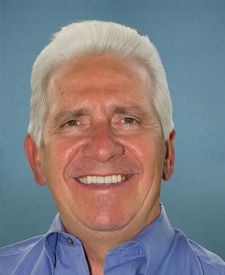 Rep. Jim CostaD-CA-20
 Rep. Allen BoydD-FL-2
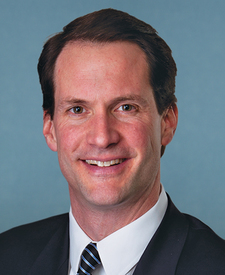 Rep. Jim HimesD-CT-4
 Rep. Jerry McNerneyD-CA-11
 Rep. William OwensD-NY-23
 Rep. Brian BairdD-WA-3
 Rep. John BarrowD-GA-12
 Rep. Steve DriehausD-OH-1
 Rep. Deborah HalvorsonD-IL-11
 Rep. John BoccieriD-OH-16
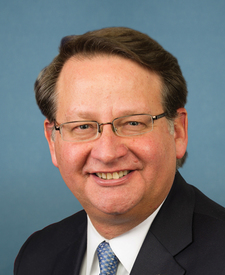 Rep. Gary PetersD-MI-9
 Rep. Kathleen DahlkemperD-PA-3
 Rep. Melissa BeanD-IL-8
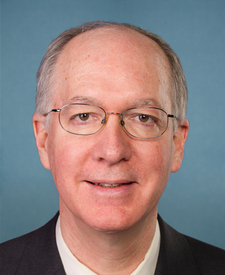 Rep. Bill FosterD-IL-14
 Rep. Jim CooperD-TN-5
 Rep. Jim MathesonD-UT-2
 Rep. Michael ArcuriD-NY-24
 Rep. Suzanne KosmasD-FL-24
 Rep. Zack SpaceD-OH-18
 Rep. Michael McMahonD-NY-13
 Rep. Christopher CarneyD-PA-10
 Rep. Harry TeagueD-NM-2
 Rep. Stephanie Herseth SandlinD-SD
 Rep. Charles MelanconD-LA-3
 Rep. Jim MarshallD-GA-8
 Rep. Jason AltmireD-PA-4
 Rep. Thomas PerrielloD-VA-5
 Rep. Dan BorenD-OK-2
 Rep. Mike McIntyreD-NC-7
 Rep. John AdlerD-NJ-3
 Rep. Scott MurphyD-NY-20
 Rep. Brad EllsworthD-IN-8
 Rep. Joe DonnellyD-IN-2
 Rep. Gabrielle GiffordsD-AZ-8
 Rep. Ann KirkpatrickD-AZ-1
 Rep. Baron HillD-IN-9
 Rep. Frank KratovilD-MD-1
 Rep. Heath ShulerD-NC-11
 Rep. Glenn NyeD-VA-2
 Rep. Travis ChildersD-MS-1
 Rep. Harry MitchellD-AZ-5
 Rep. Gene TaylorD-MS-4
 Rep. Bobby BrightD-AL-2
 Rep. Walter MinnickD-ID-1
Republicans who voted yea(78)
 Rep. Joseph CaoR-LA-2
 Rep. Tim MurphyR-PA-18
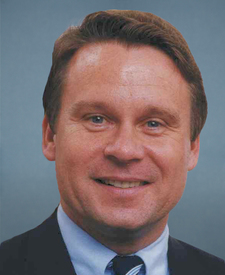 Rep. Chris SmithR-NJ-4
 Rep. David ReichertR-WA-8
 Rep. Walter JonesR-NC-3
- Rep. Charles DjouR-HI-1
 Rep. Steven LaTouretteR-OH-14
 Rep. Lincoln Diaz-BalartR-FL-21
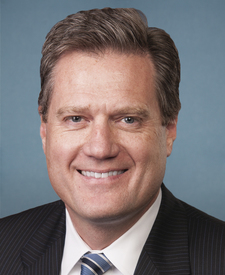 Rep. Michael TurnerR-OH-3
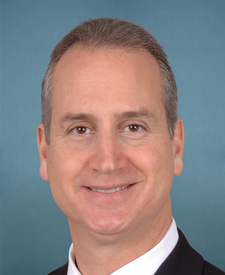 Rep. Mario Diaz-BalartR-FL-25
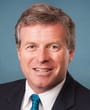 Rep. Charles DentR-PA-15
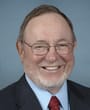 Rep. Don YoungR-AK
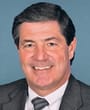 Rep. Jim GerlachR-PA-6
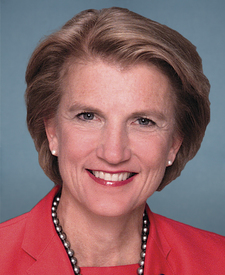 Rep. Shelley CapitoR-WV-2
 Rep. Todd PlattsR-PA-19
 Rep. Michael CastleR-DE
 Rep. Rodney FrelinghuysenR-NJ-11
 Rep. W. Bill YoungR-FL-10
 Rep. Frank WolfR-VA-10
 Rep. Jo Ann EmersonR-MO-8
 Rep. Mark KirkR-IL-10
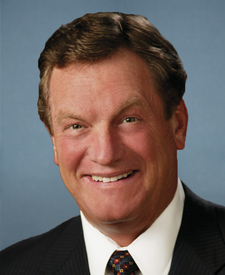 Rep. Mike SimpsonR-ID-2
 Rep. Tom LathamR-IA-4
 Rep. Candice MillerR-MI-10
 Rep. Ed WhitfieldR-KY-1
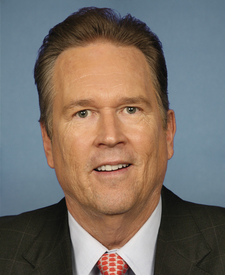 Rep. Vern BuchananR-FL-13
 Rep. Ander CrenshawR-FL-4
 Rep. Vernon EhlersR-MI-3
 Rep. Jeff FortenberryR-NE-1
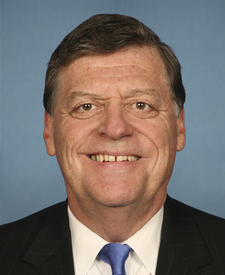 Rep. Tom ColeR-OK-4
 Rep. Adam PutnamR-FL-12
 Rep. Fred UptonR-MI-6
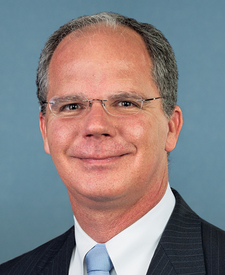 Rep. Brett GuthrieR-KY-2
 Rep. Robert AderholtR-AL-4
 Rep. Denny RehbergR-MT
 Rep. Jo BonnerR-AL-1
 Rep. Ken CalvertR-CA-44
 Rep. Dave CampR-MI-4
 Rep. Rodney AlexanderR-LA-5
 Rep. Spencer BachusR-AL-6
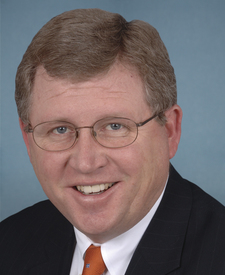 Rep. Frank LucasR-OK-3
 Rep. Jerry LewisR-CA-41
 Rep. Brian BilbrayR-CA-50
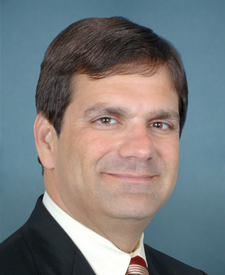 Rep. Gus BilirakisR-FL-9
 Rep. Greg WaldenR-OR-2
 Rep. Mary Bono MackR-CA-45
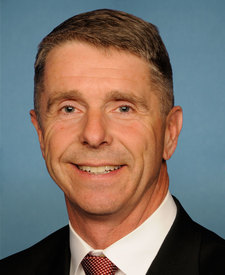 Rep. Robert WittmanR-VA-1
 Rep. Buck McKeonR-CA-25
 Rep. Elton GalleglyR-CA-24
 Rep. Parker GriffithD-AL-5
 Rep. Bill PoseyR-FL-15
 Rep. Kay GrangerR-TX-12
 Rep. Timothy JohnsonR-IL-15
 Rep. Erik PaulsenR-MN-3
 Rep. Lee TerryR-NE-2
 Rep. Randy ForbesR-VA-4
 Rep. John BoozmanR-AR-3
 Rep. Michael McCaulR-TX-10
 Rep. John ShimkusR-IL-19
 Rep. Daniel LungrenR-CA-3
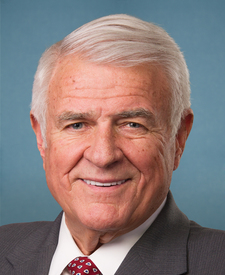 Rep. John CarterR-TX-31
 Rep. Peter RoskamR-IL-6
 Rep. Kevin McCarthyR-CA-22
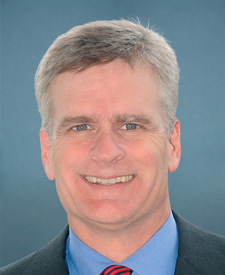 Rep. Bill CassidyR-LA-6
 Rep. John SullivanR-OK-1
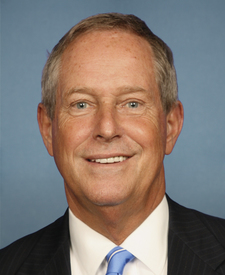 Rep. Joe WilsonR-SC-2
 Rep. Lynn JenkinsR-KS-2
 Rep. John KlineR-MN-2
 Rep. Kevin BradyR-TX-8
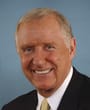 Rep. Dan BurtonR-IN-5
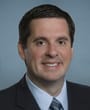 Rep. Devin NunesR-CA-21
 Rep. Sue MyrickR-NC-9
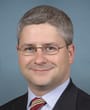 Rep. Patrick McHenryR-NC-10
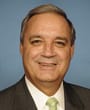 Rep. Jeff MillerR-FL-1
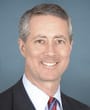 Rep. Mac ThornberryR-TX-13
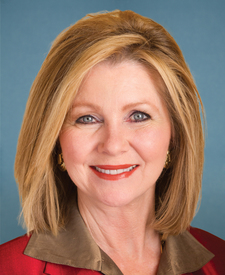 Rep. Marsha BlackburnR-TN-7
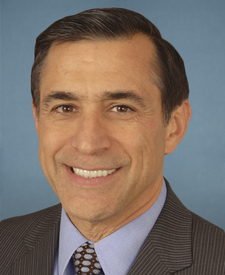 Rep. Darrell IssaR-CA-49
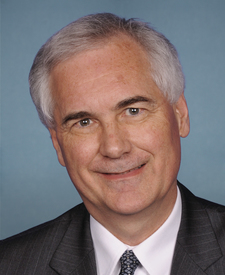 Rep. Tom McClintockR-CA-4
Data notes
The House’s recorded vote on the final version of the law (roll call 1438 in Voteview), matched to the vote the record cites and checked against its totals. Positions are each member’s DW-NOMINATE score for that Congress, as on the Ideology page; left to right is more liberal to more conservative. Paired and announced yea votes count as yea. Lists follow the compass, most liberal first. A name links to a profile only for members of the current Congress. A law passed by voice vote or unanimous consent has no member list, and neither does a vote Voteview has not yet recorded.
Committees
The committees the bill was sent to, and what each did with it.

Data notes
A committee links to its page only where it exists in the current Congress; older and renamed committees are named without a link.
Related bills
2 bills the Library of Congress relates to this one.
H.Con.Res. 304Related bill
Tribal Law and Order Act of 2010
S. 151Identical billRelated bill
Indian Arts and Crafts Amendments Act of 2009
Data notes
Related bills are identified by the Congressional Research Service, the House and the Senate: companion and identical bills, bills with similar text, bills that were folded into this law, and rules that brought it to the floor. A bill that is itself a public law in this site’s data links here; the others link to Congress.gov.
Timeline
From introduction to signing, newest first: the committees, the floor and the president. 33 actions.
- Jul 29, 2010Became lawBecame law · Became Public Law No: 111-211.
- Became lawBecame law · Signed by President.
- Jul 27, 2010FloorFloor · Presented to President.
- Jul 21, 2010Resolving differencesResolving differences · Motion to reconsider laid on the table Agreed to without objection.
- Resolving differencesResolving differences · On motion that the House suspend the rules and agree to the Senate amendment Agreed to by the Yeas and Nays: (2/3 required): 326 - 92 (Roll no. 455).House roll call 455
- Resolving differencesResolving differences · At the conclusion of debate, the Yeas and Nays were demanded and ordered. Pursuant to the provisions of clause 8, rule XX, the chair announced that further proceedings on the motion would be postponed.
- Resolving differencesResolving differences · Mr. Rahall moved that the House suspend the rules and agree to the Senate amendment.
- FloorFloor · Considered as unfinished business
- FloorFloor · DEBATE - The House resumed debate on the motion to suspend the rules and concur in the Senate amendment to H.R. 725.
- FloorFloor · DEBATE - The House proceeded with forty minutes of debate on the motion to suspend the rules and concur in the Senate amendment to H.R. 725.
- OtherOther · Cleared for White House.
- OtherOther · Resolving differences -- House actions: On motion that the House suspend the rules and agree to the Senate amendment Agreed to by the Yeas and Nays: (2/3 required): 326 - 92 (Roll no. 455).House roll call 455
- Jun 24, 2010FloorFloor · Message on Senate action sent to the House.
- Jun 23, 2010FloorFloor · Passed Senate with an amendment by Unanimous Consent.
- FloorFloor · Measure laid before Senate by unanimous consent.
- Mar 26, 2010CalendarCalendar · Read twice. Placed on Senate Legislative Calendar under General Orders. Calendar No. 339.
- Jan 20, 2010CommitteeCommittee · Received in the Senate.
- Jan 19, 2010FloorFloor · Motion to reconsider laid on the table Agreed to without objection.
- FloorFloor · On motion to suspend the rules and pass the bill, as amended Agreed to by voice vote.
- FloorFloor · DEBATE - The House proceeded with forty minutes of debate on H.R. 725.
- FloorFloor · Considered under suspension of the rules.
- FloorFloor · Ms. Bordallo moved to suspend the rules and pass the bill, as amended.
- Jan 15, 2010CalendarCalendar · Placed on the Union Calendar, Calendar No. 234.
- CommitteeCommittee · Committee on Judiciary discharged.
- CommitteeCommittee · Reported by the Committee on Natural Resources. H. Rept. 111-397, Part I.
- Dec 16, 2009CommitteeCommittee · Ordered to be Reported by Voice Vote.
- CommitteeCommittee · Committee Consideration and Mark-up Session Held.
- Dec 2, 2009CommitteeCommittee · Committee Hearings Held.
- CommitteeCommittee · Hearings by House Natural Resources Committee
- Jan 27, 2009CommitteeCommittee · Referred to House Judiciary
Data notes
Every action the Library of Congress lists for the bill, from introduction to signing, plus the dated committee hearings. The source lists many steps twice (the chamber’s own entry and the Library of Congress copy, or a presidential and a became-law entry with the same words); those are shown once. Amendments are listed in their own section.
Amendments
1 amendment offered to the bill, with the last recorded step of each.
- Agreed to
S.Amdt. 4391SenateSen. Byron DorganD-ND· offered Jun 23, 2010Agreed to
To improve the prosecution of, and response to, crimes in Indian country.
Jun 23, 2010: Amendment SA 4391 agreed to in Senate by Unanimous Consent.
Data notes
Amendments offered to this bill in either chamber, as the Library of Congress records them: each with a status read from its last recorded step: agreed to, rejected, withdrawn, ruled out of order, fell with another amendment, or offered with no vote recorded (most Senate amendments are only ever offered). The wording of each amendment is the source’s. Amendments to amendments and amendments to other bills are not listed.
Official record
The bill’s full text is on Congress.gov. Data through Oct 7, 2026.