Class Action Fairness Act of 2005
Public Law 109-2 · S. 5 · 109th Congress · began in the Senate
Signed by George W. Bush (R) on Feb 18, 2005 · Law
Major law
Sponsor: Sen. Chuck Grassley (R-IA)
Cosponsors (33): Sen. Herb Kohl, Sen. Orrin Hatch,
Passage votesYeaNay
- HouseRecorded vote: 279 yea, 149 nay279–149
- SenateRecorded vote: 72 yea, 26 nay72–26
Data notes
The final version of the law, as each chamber passed it. A chamber that passed it by voice vote or unanimous consent has no count. “Method not stated” means the record does not say how the chamber voted. Where the record has a member-by-member vote, the “Who voted for it” section shows who voted yea.
Summary
The Congressional Research Service’s plain-language summary of what the law does.
Class Action Fairness Act of 2005 - (Sec. 3) Amends the Federal judicial code to specify the calculation of contingent and other attorney's fees in proposed class action settlements that provide for the award of coupons to class members.
Prohibits a Federal district court from approving: (1) a proposed coupon settlement absent a finding that the settlement is fair, reasonable, and adequate; (2) a proposed settlement involving payments to class counsel that would result in a net monetary loss to class members, absent a finding that the loss is substantially outweighed by nonmonetary benefits; or (3) a proposed settlement that provides greater sums to some class members solely because they are closer geographically to the court.
Specifies requirements for serving notices of proposed settlements on appropriate State and Federal officials. Prohibits issuance of an order giving final approval to a proposed settlement earlier than 90 days after such service. Allows class members to refuse compliance with settlement agreements or consent decrees absent notice.
(Sec. 4) Grants district courts original jurisdiction of any civil action in which the matter in controversy exceeds $5 million, exclusive of interest and costs, and that is between citizens of different States, or citizens of a State and a foreign State or its citizens or subjects.
Lists those factors pursuant to which a district court may, in the interests of justice and based on the totality of the circumstances, decline to exercise jurisdiction over a class action in which more than one-third but less than two-thirds of the members of the proposed plaintiff classes in the aggregate and the primary defendants are citizens of the State in which the action was originally filed, based on consideration of whether: (1) the claims involve matters of national or interstate interest; (2) the claims will be governed by laws of the State where the action was originally filed or by the laws of other States; (3) the class action has been pleaded in a manner that seeks to avoid Federal jurisdiction; (4) the action was brought in a forum with a distinct nexus with the class members, the alleged harm, or the defendants; (5) the number of citizens of the State of original filing in all proposed plaintiff classes in the aggregate is substantially larger than the number of citizens from any other State and the citizenship of other proposed class members is dispersed; and (6) during the three-year period preceding filing, one or more other class actions asserting the same or similar claims on behalf of the same persons have been filed.
Specifies those circumstances in which a district court must decline jurisdiction, including those class actions in which: (1) more than two-thirds of the members of the proposed plaintiff classes in the aggregate are citizens of the State where the action was originally filed, at least one defendant is a defendant from whom significant relief is sought, whose alleged conduct forms a significant basis for the claims asserted, and who is a citizen of the State where the action was originally filed, and principal injuries resulting from the alleged or related conduct were incurred in such State; and (2) during the three-year period preceding filing, no other class action has been filed asserting the same or similar factual allegations against any of the defendants on behalf of the same or other persons; or (3) two-thirds or more of the members of all proposed plaintiff classes in the aggregate, and the primary defendants, are citizens of the State where the action was originally filed.
Makes provisions of this Act concerning the application of Federal diversity jurisdiction applicable to any class action before or after entry of a class certification order.
(Sec. 5) Sets forth provisions governing the removal of interstate class actions to Federal district court and the review on appeal of remand orders.
(Sec. 6) Directs the Judicial Conference of the United States to report on class action settlements, incorporating recommendations for best court practices to ensure fairness for class members and appropriate fees for counsel.
(Sec. 7) States that amendments to Federal Rule of Civil Procedure 23 (governing class actions) set forth in the Supreme Court order entered on March 27, 2003, shall take effect on the date of enactment of this Act or on December 1, 2003, whichever occurs first.
(Sec. 8) Retains the authority of the Supreme Court and Judicial Conference to propose and prescribe general rules of practice and procedure.
Who voted for it
Every senator of the 109th Congress on the ideology compass. Highlighted: the 72 who voted yea on final passage. Faded: everyone else, including those who voted nay, did not vote, or had not yet taken office.
72 yea26 nay2 present or did not vote
Democrats who voted yea(19)
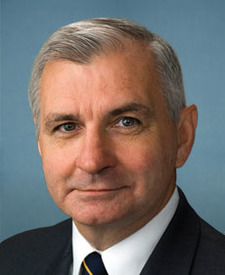 Sen. Jack ReedD-RI
 Sen. Barack ObamaD-IL
 Sen. Christopher DoddD-CT
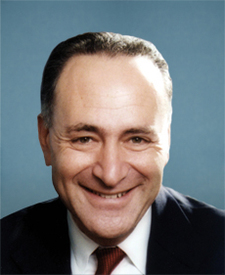 Sen. Chuck SchumerD-NY
- Sen. Jim JeffordsD-VT
 Sen. Jay RockefellerD-WV
 Sen. Dianne FeinsteinD-CA
 Sen. Maria CantwellD-WA
 Sen. Evan BayhD-IN
 Sen. Jeff BingamanD-NM
 Sen. Kent ConradD-ND
 Sen. Ken SalazarD-CO
 Sen. Herb KohlD-WI
 Sen. Joseph LiebermanD-CT
 Sen. Tim JohnsonD-SD
 Sen. Blanche LincolnD-AR
 Sen. Mary LandrieuD-LA
 Sen. Thomas CarperD-DE
 Sen. Ben NelsonD-NE



























Republicans who voted yea(53)
- Sen. Lincoln ChafeeR-RI
 Sen. Olympia SnoweR-ME
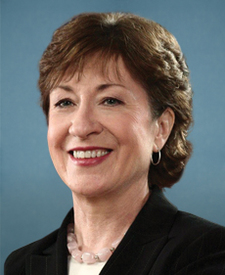 Sen. Susan CollinsR-ME
 Sen. Arlen SpecterR-PA
- Sen. Mike DeWineR-OH
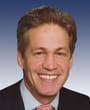 Sen. Norm ColemanR-MN
 Sen. Gordon SmithR-OR
 Sen. John WarnerR-VA
 Sen. George VoinovichR-OH
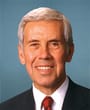 Sen. Richard LugarR-IN
- Sen. Jim TalentR-MO
 Sen. Lisa MurkowskiR-AK
 Sen. Pete DomeniciR-NM
 Sen. Ted StevensR-AK
 Sen. Kay HutchisonR-TX
 Sen. Robert BennettR-UT
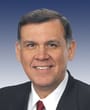 Sen. Mel MartinezR-FL
- Sen. Conrad BurnsR-MT
 Sen. John McCainR-AZ
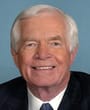 Sen. Thad CochranR-MS
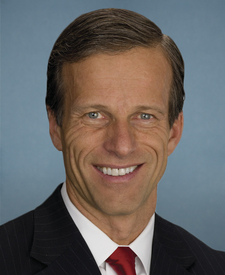 Sen. John ThuneR-SD
 Sen. Orrin HatchR-UT
 Sen. Lamar AlexanderR-TN
 Sen. Chuck HagelR-NE
 Sen. Pat RobertsR-KS
 Sen. Kit BondR-MO
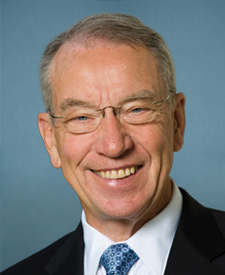 Sen. Chuck GrassleyR-IA
 Sen. Elizabeth DoleR-NC
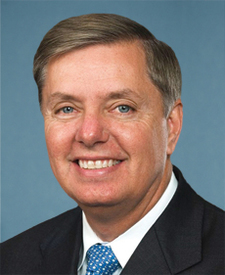 Sen. Lindsey GrahamR-SC
- Sen. Bill FristR-TN
 Sen. Sam BrownbackR-KS
 Sen. Richard ShelbyR-AL
 Sen. Larry CraigR-ID
- Sen. George AllenR-VA
 Sen. Trent LottR-MS
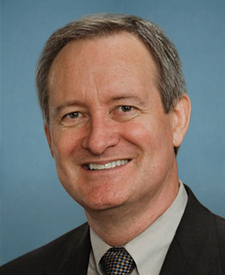 Sen. Mike CrapoR-ID
 Sen. Mitch McConnellR-KY
 Sen. Judd GreggR-NH
 Sen. Saxby ChamblissR-GA
 Sen. Johnny IsaksonR-GA
 Sen. Richard BurrR-NC
 Sen. John CornynR-TX
 Sen. John EnsignR-NV
- Sen. Craig ThomasR-WY
 Sen. Michael EnziR-WY
 Sen. David VitterR-LA
 Sen. Jon KylR-AZ
 Sen. Jim BunningR-KY
 Sen. Wayne AllardR-CO
 Sen. Jeff SessionsR-AL
 Sen. Jim DeMintR-SC
 Sen. Jim InhofeR-OK
 Sen. Thomas CoburnR-OK




















































































































Data notes
The Senate’s recorded vote on the final version of the law (roll call 9 in Voteview), matched to the vote the record cites and checked against its totals. Positions are each member’s DW-NOMINATE score for that Congress, as on the Ideology page; left to right is more liberal to more conservative. Paired and announced yea votes count as yea. Lists follow the compass, most liberal first. A name links to a profile only for members of the current Congress. A law passed by voice vote or unanimous consent has no member list, and neither does a vote Voteview has not yet recorded.
Committees
The committees the bill was sent to, and what each did with it.

Data notes
A committee links to its page only where it exists in the current Congress; older and renamed committees are named without a link.
Related bills
1 bill the Library of Congress relates to this one.
H.Res. 96Procedurally-related
Providing for consideration of the bill (S. 5) to amend the procedures that apply to consideration of interstate class actions to assure fairer outcomes for class members and defendants, and for other purposes.
Data notes
Related bills are identified by the Congressional Research Service, the House and the Senate: companion and identical bills, bills with similar text, bills that were folded into this law, and rules that brought it to the floor. A bill that is itself a public law in this site’s data links here; the others link to Congress.gov.
Timeline
From introduction to signing, newest first: the committees, the floor and the president. 30 actions.
- Feb 28, 2005FloorFloor · By Senator Specter from Committee on the Judiciary filed written report. Report No. 109-14. Additional and Minority views filed.
- Feb 18, 2005Became lawBecame law · Became Public Law No: 109-2.
- Became lawBecame law · Signed by President.
- Feb 17, 2005FloorFloor · Presented to President.
- FloorFloor · Motion to reconsider laid on the table Agreed to without objection.
- FloorFloor · On passage Passed by the Yeas and Nays: 279 - 149 (Roll no. 38).House roll call 38
- FloorFloor · On motion to commit with instructions Failed by recorded vote: 175 - 249 (Roll no. 37).House roll call 37
- FloorFloor · The previous question on the motion to commit with instructions was ordered without objection.
- FloorFloor · DEBATE - The House proceeded with 10 minutes of debate on the Brown (OH) motion to commit with instructions. The instructions contained in the motion seek to require the bill to be reported back to the House forthwith with amendments which provide that the term "class action" do…
- FloorFloor · Mr. Brown (OH) moved to commit with instructions to Judiciary.
- FloorFloor · DEBATE - Pursuant to the provisions of H. Res. 96, the House proceeded with forty minutes of debate on the Conyers amendment in the nature of a substitute.
- FloorFloor · DEBATE - The House proceeded with one hour and thirty minutes of debate on S. 5.
- FloorFloor · Rule provides for consideration of S. 5 with 1 hour and 30 minutes of general debate. Previous question shall be considered as ordered without intervening motions. Measure will be considered read. A specified amendment is in order.
- FloorFloor · Considered under the provisions of rule H. Res. 96.
- OtherOther · Cleared for White House.
- Feb 16, 2005FloorFloor · Rule H. Res. 96 passed House.
- Feb 15, 2005FloorFloor · Rules Committee Resolution H. Res. 96 Reported to House. Rule provides for consideration of S. 5 with 1 hour and 30 minutes of general debate. Previous question shall be considered as ordered without intervening motions. Measure will be considered read. A specified amendment is …
- Feb 14, 2005FloorFloor · Held at the desk.
- FloorFloor · Message on Senate action sent to the House.
- FloorFloor · Received in the House.
- Feb 10, 2005FloorFloor · Passed Senate without amendment by Yea-Nay Vote. 72 - 26. Record Vote Number: 9.Senate roll call 9
- FloorFloor · Considered by Senate.
- Feb 9, 2005FloorFloor · Considered by Senate.
- Feb 8, 2005FloorFloor · Considered by Senate.
- Feb 7, 2005FloorFloor · Measure laid before Senate by unanimous consent.
- Feb 3, 2005CalendarCalendar · Placed on Senate Legislative Calendar under General Orders. Calendar No. 1.
- CommitteeCommittee · Committee on the Judiciary. Reported by Senator Specter without amendment. Without written report.
- CommitteeCommittee · Committee on the Judiciary. Ordered to be reported without amendment favorably.
- Jan 25, 2005CommitteeCommittee · Read twice and referred to the Committee on the Judiciary.
- IntroducedIntroduced · Introduced in Senate
Data notes
Every action the Library of Congress lists for the bill, from introduction to signing, plus the dated committee hearings. The source lists many steps twice (the chamber’s own entry and the Library of Congress copy, or a presidential and a became-law entry with the same words); those are shown once. Amendments are listed in their own section.
Amendments
12 amendments offered to the bill, with the last recorded step of each.
- Offered, no vote recorded
S.Amdt. 9SenateSen. John CornynR-TX· offered Feb 9, 2005No vote recorded
Feb 9, 2005: Senate amendment submitted
- Offered, no vote recorded
S.Amdt. 8SenateSen. John CornynR-TX· offered Feb 9, 2005No vote recorded
Feb 9, 2005: Senate amendment submitted
- Offered, no vote recorded
S.Amdt. 7SenateSen. John CornynR-TX· offered Feb 9, 2005No vote recorded
Feb 9, 2005: Senate amendment submitted
- Offered, no vote recorded
S.Amdt. 6SenateSen. John CornynR-TX· offered Feb 9, 2005No vote recorded
Feb 9, 2005: Senate amendment submitted
- Rejected
S.Amdt. 5SenateSen. Mark PryorD-AR· offered Feb 9, 2005Rejected
To exempt class action lawsuits brought by the attorney general of any State from the modified civil procedures required by this Act.
Feb 9, 2005: Motion to table amendment SA 5 agreed to in Senate by Yea-Nay Vote. 60 - 39. Record Vote Number: 5.
- Rejected
S.Amdt. 4SenateSen. Dianne FeinsteinD-CA· offered Feb 9, 2005Rejected
To clarify the application of State law in certain class actions, and for other purposes.
Feb 9, 2005: Amendment SA 4 not agreed to in Senate by Yea-Nay Vote. 38 - 61. Record Vote Number: 7.
- Withdrawn
S.Amdt. 3SenateSen. Richard DurbinD-IL· offered Feb 8, 2005Withdrawn
To preserve State court procedures for handling mass actions.
Feb 10, 2005: Proposed amendment SA 3 withdrawn in Senate.
- Rejected
S.Amdt. 2SenateSen. Ted KennedyD-MA· offered Feb 8, 2005Rejected
To amend the definition of class action in title 28, United States Code, to exclude class actions relating to civil rights or the payment of wages.
Feb 9, 2005: Amendment SA 2 not agreed to in Senate by Yea-Nay Vote. 40 - 59. Record Vote Number: 6.
- Rejected
S.Amdt. 12SenateSen. Russell FeingoldD-WI· offered Feb 9, 2005Rejected
To establish time limits for action by Federal district courts on motions to remand cases that have been removed to Federal court.
Feb 10, 2005: Amendment SA 12 not agreed to in Senate by Yea-Nay Vote. 37 - 61. Record Vote Number: 8.
- Rejected
H.Amdt. 11HouseRep. John ConyersD-MI-14· offered Feb 17, 2005Rejected
An amendment in the nature of a substitute to clarify that cases brought by state attorneys general are excluded from the provisions of the class action bill and are not forced into federal court; to limit the court's ability to seal or ma…
Feb 17, 2005: On agreeing to the Conyers amendment (A001) Failed by the Yeas and Nays: 178 - 247 (Roll no. 36).
- Offered, no vote recorded
S.Amdt. 11SenateSen. John CornynR-TX· offered Feb 9, 2005No vote recorded
Feb 9, 2005: Senate amendment submitted
- Offered, no vote recorded
S.Amdt. 10SenateSen. John CornynR-TX· offered Feb 9, 2005No vote recorded
Feb 9, 2005: Senate amendment submitted
Data notes
Amendments offered to this bill in either chamber, as the Library of Congress records them: each with a status read from its last recorded step: agreed to, rejected, withdrawn, ruled out of order, fell with another amendment, or offered with no vote recorded (most Senate amendments are only ever offered). The wording of each amendment is the source’s. Amendments to amendments and amendments to other bills are not listed.
Official record
The bill’s full text is on Congress.gov. Data through Oct 7, 2026.