Aviation and Transportation Security Act
Public Law 107-71 · S. 1447 · 107th Congress · began in the Senate
Signed by George W. Bush (R) on Nov 19, 2001 · Transportation and Public Works
Major law
Sponsor: Sen. Fritz Hollings (D-SC)
Cosponsors (30): Sen. John McCain, Sen. John Kerry,
Passage votesYeaNay
- HouseRecorded vote: 410 yea, 9 nay410–9
- SenateVoice vote
Data notes
The final version of the law, as each chamber passed it. A chamber that passed it by voice vote or unanimous consent has no count. “Method not stated” means the record does not say how the chamber voted. Where the record has a member-by-member vote, the “Who voted for it” section shows who voted yea.
Summary
The Congressional Research Service’s plain-language summary of what the law does.
Aviation and Transportation Security Act - Title I: Aviation Security - Amends Federal transportation law to establish in the Department of Transportation (DOT) the Transportation Security Administration, to be headed by an Under Secretary of Transportation for Security responsible for security in all modes of transportation, including: (1) civil aviation security, and related research and development activities; (2) security responsibilities over other modes of transportation that are exercised by DOT; (3) day-to-day Federal security screening operations for passenger air transportation and intrastate air transportation; (4) policies, strategies, and plans for dealing with threats to transportation; (5) domestic transportation during a national emergency (subject to the Secretary of Transportation's control and direction), including aviation, rail, and other surface transportation, and maritime transportation, and port security; and (6) management of security information, including notifying airport or airline security officers of the identity of individuals known to pose a risk of air piracy or terrorism or a threat to airline or passenger safety.
(Sec. 102) Establishes within DOT the Transportation Security Oversight Board to: (1) review and approve regulations issued by the Under Secretary with respect to transportation security matters; and (2) facilitate the coordination of intelligence, security, and law enforcement activities affecting transportation.
(Sec. 103) Establishes at each U.S. airport the position of Federal Security Manager who shall oversee the screening of passengers and property at the airport.
(Sec. 104) Directs the Administrator of the Federal Aviation Administration (FAA) to: (1) issue an order that prohibits access to the flight deck (cockpit) of aircraft engaged in passenger air transportation or intrastate air transportation except to authorized personnel, requires the strengthening of the cockpit door and locks on such aircraft so that it has a rigid door in a bulkhead between the cockpit and the passenger area, and requires that such cockpit doors remain locked while the aircraft is in flight, and (2) take such other action, including modification of safety and security procedures and cockpit redesign, as may be necessary to ensure the safety and security of the aircraft.
(Sec. 105) Declares that the Under Secretary: (1) may place Federal air marshals on every passenger flight in air transportation or intrastate air transportation; (2) shall place them on every such flight (especially long-distance flights) determined to present high security risks; (3) shall provide appropriate training, supervision, and equipment of such marshals; (4) may use appropriately-trained Federal, State, and local armed law enforcement personnel when traveling on a flight to assist Federal marshals; (5) may appoint retired law enforcement officers and members of the Armed Forces and persons who have been furloughed from an air carrier crew position in the one-year period beginning on September 11, 2001, as Federal air marshals, regardless of age, provided they meet appropriate background and fitness qualifications; and (6) may use, in the interim, Federal personnel to provide air marshal service.
(Sec. 106) Authorizes the Under Secretary, through a memorandum of understanding or other agreement with the Attorney General or head of a Federal law enforcement agency, to order the deployment of Federal law enforcement personnel at secure areas of an airport to counter the risk of criminal violence or aircraft piracy, the risk to air carrier aircraft operations at such airport, or to meet national security concerns.
Requires the Under Secretary to: (1) require screening or inspection of all individuals, goods, property, vehicles, and other equipment before entry into a secured area of an airport; (2) prescribe specific requirements for such screening and inspection that will assure at least the same level of protection as will result from screening of passengers and their baggage; (3) establish procedures to ensure the safety and integrity of all persons providing services with respect to aircraft providing passenger air transportation or intrastate air transportation, supplies placed aboard such aircraft, and persons providing such supplies and their facilities; and (4) require vendors having direct access to the airfield and aircraft to develop security programs. Authorizes the Under Secretary to provide for the use of biometric or other technology that verifies the identity of each employee and law enforcement officer who enters a secure area of an airport.
Directs the Under Secretary to: (1) develop a plan to provide technical support to small and medium airports to enhance security operations; and (2) provide financial assistance to such airports to defray the costs of enhancing security.
Revises requirements for improvement of secured-area access control at airports to require the Under Secretary, among other things, to: (1) assess and test, on an ongoing basis, for compliance with access control requirements, assess the effectiveness of penalties in ensuring compliance with security procedures, and take any other appropriate enforcement actions when noncompliance is found; (2) work with airport operators to strengthen access control points in secured areas (including air traffic control operations areas, maintenance areas, crew lounges, baggage handling areas, concessions, and catering delivery areas) to ensure the security of passengers and aircraft; and (3) consider the deployment of biometric or similar technologies that identify individuals employed at such airports.
Directs the Administrator of the FAA to establish pilot programs in no fewer than 20 airports to test and evaluate new and emerging technology (including biometric technology) for providing access control and other security protections for closed or secure areas of airports. Directs the Under Secretary to require air carriers and airports to develop security awareness programs for airport employees, ground crews, gate, ticket, and curbside agents of air carriers, and other individuals employed at such airports.
(Sec. 107) Directs the Administrator of the FAA to develop detailed guidance for a scheduled passenger air carrier flight and cabin crew training program to prepare crew members for potential threat conditions.
(Sec. 108) Directs the Under Secretary to establish a pilot program under which the screening of passengers and property at airports will be carried out by the screening personnel of a qualified private screening company under a contract entered into with the Under Secretary. Requires the Under Secretary to provide Federal supervisors to oversee all screening and provide Federal law enforcement officers at each airport participating in the pilot program.
(Sec. 109) Authorizes the Under Secretary to take certain enhanced security measures, including: (1) requiring 911 emergency call capability for telephones serving passenger aircraft and passenger trains; (2) establishing a uniform system of identification for State and local law enforcement personnel for use in obtaining permission to carry weapons in aircraft cabins and in obtaining access to secured areas of an airport, if otherwise authorized to carry such weapons; and (3) providing for use of voice stress analysis, biometric, or other technologies to prevent a person who might pose a danger to air safety or security from boarding the aircraft. Requires the Under Secretary to make annual progress reports to Congress.
(Sec. 110) Directs the Assistant Administrator for Civil Aviation Security to review and develop ways to strengthen air transportation security, including ways to: (1) strengthen and enhance the ability to detect or neutralize nonexplosive weapons, such as biological, chemical, or similar substances; and (2) evaluate such additional measures as may be appropriate to enhance inspection of passengers, baggage, and cargo.
Transfers from the Administrator of the FAA to the Under Secretary the mandate to provide for the screening of all passengers and property, including U.S. mail, cargo, carry-on and checked baggage, and other articles, carried aboard a passenger aircraft operated by an air carrier or foreign air carrier in air transportation or intrastate air transportation. Requires screening to be carried out by a Federal employee (with specified exceptions) on all flights originating in the United States, such screening to be supervised by uniformed Federal personnel of the Transportation Security Administration(TSA) with the power to order the dismissal of any screener. Requires a system be placed in operation to screen all checked baggage at all U.S. airports and screen, inspect, or otherwise ensure the security of all cargo that is transported in all-cargo aircraft in air transportation and intrastate air transportation. Directs the Under Secretary to require alternative means for screening checked baggage that is not screened by an explosive detection system. Directs the Under Secretary to order the deployment of law enforcement personnel authorized to carry firearms at each airport security screening location to ensure passenger safety and national security. Sets forth certain minimum requirements. Requires the Under Secretary within one year after enactment of this Act to deploy a sufficient number of Federal screeners, Federal Security Managers, Federal security personnel, and Federal law enforcement officers at all screening locations at U.S. airports.
(Sec. 111) Revises training and employment of security screening personnel standards to shift from the Administrator of the FAA to the Under Secretary the mandate to establish a program for the hiring and training of airport security screening personnel. Sets forth screening personnel requirements with regard to hiring, background checks, testing, and training.
(Sec. 112) Directs the Under Secretary periodically to review threats to civil aviation, with particular focus, among other things, on: (1) the potential release of chemical, biological, or similar weapons or devices either within an aircraft or within an airport; and (2) a comprehensive systems analysis (employing vulnerability analysis, threat attribute definition, and technology roadmaps) of the civil aviation system, including the destruction, commandeering, or diversion of civil aircraft or the use of such aircraft as a weapon, and the disruption of civil aviation service (including by cyber attack). Requires the Administrator, in carrying out a program to accelerate and expand the research, development, and implementation of technologies and procedures to counteract terrorist acts against civil aviation, to designate an individual responsible for engineering, research, and development with respect to security technology under such program. Requires such individual to report annually to the Research, Engineering, and Development Advisory Committee on activities under the program during the preceding year. Directs the Administrator of the FAA to establish a scientific advisory panel (as a subcommittee of the Research, Engineering, and Development Advisory Committee) to review, advise, and comment on such program, including the need for long-range research programs to detect and prevent catastrophic damage to commercial aircraft, commercial aviation facilities, commercial aviation personnel and passengers, and other components of the commercial aviation system by the next generation of terrorist weapons.
(Sec. 113) Authorizes a person to provide training in the operation of an aircraft having a maximum certificated takeoff weight of 12,500 pounds or more to an alien or to any other individual specified by the Under Secretary only if: (1) such person has first notified the Attorney General that the individual has requested such training and furnished the Attorney General with that individual's identification; and (2) the Attorney General has not directed, within a specified time, that person not to provide such training because the Attorney General has determined that the individual presents a risk to aviation or national security. Directs the Secretary of Transportation to work with the International Civil Aviation Organization and the civil aviation authorities of other countries to improve international aviation security through screening programs for flight instruction candidates.
(Sec. 114) Sets forth both civil and criminal penalties for persons who interfere with airport security screening personnel.
(Sec. 115) Requires air carriers and foreign air carriers operating a passenger flight in foreign air transportation to the United States to provide to the Commissioner of Customs passenger and crew manifests containing specified information.
(Sec. 116) Authorizes air carriers with flights which both originate and terminate at points within the same State, upon a declaration by the Governor that it is necessary to ensure the continuing availability of air transportation within the State, to file with the Secretary an agreement, request, modification, or cancellation of a cooperative arrangement (except arrangements related to interstate air transportation) between an air carrier or foreign air carrier and another air carrier, foreign air carrier, or another carrier. Authorizes the Secretary to approve such an agreement, request, modification, or cancellation if the State has extraordinary air transportation needs and concerns, and approval is in the public interest.
(Sec. 117) Directs the Secretary to require all air carriers to utilize to the maximum extent practicable the best technology available to secure their computer reservation system against unauthorized access by persons seeking information on reservations, passenger manifests, or other non-public information.
(Sec. 118) Directs the Under Secretary to impose a uniform fee (up to $2.50 per enplanement, with a total amount of such fees per one-way trip of $5.00) on passengers of air carriers and foreign air carriers in air transportation and interstate air transportation originating at U.S. airports to pay the costs of providing civil aviation security services. Sets forth certain fee requirements.
Authorizes appropriations for FY 2002 through 2005 for aviation security activities. Authorizes appropriations for FY 2002 to the Secretary to make grants to or other agreements with air carriers (including intrastate air carriers) to: (1) fortify cockpit doors to deny access from the cabin to the pilots in the cockpit; (2) provide for the use of video monitors or other devices to alert the cockpit crew to activity in the passenger cabin, (3) ensure continuous operation of the aircraft transponder in the event of an emergency; and (4) provide for the use of other innovative technologies to enhance aircraft security.
(Sec. 119) Makes eligible for airport development project funds in FY 2002: (1) any additional security-related activity required by law or the Secretary after September 11, 2001, and before October 1, 2002 undertaken by the sponsor, owner, or operator of a public-use airport; (2) any activity, including operational activities, of a non-primary airport if it is located within the confines of enhanced class B airspace, as defined by Notice to Airmen FDC 1/0618 issued by the FAA and such activity was carried out when any restriction in the Notice is in effect; (3) payment for debt service on indebtedness incurred to carry out a project at an airport owned or controlled by the sponsor or at a privately owned or operated airport passenger terminal financed by indebtedness incurred by the sponsor if such payments are necessary to prevent a default on such indebtedness; and (4) the acquisition for, or installation at, a public-use airport replacement of baggage conveyor systems, and reconfiguration of terminal baggage areas, that the Secretary determines are necessary to install bulk explosive detection devices. Declares that the Federal share of costs for such projects shall be 100 percent.
(Sec. 120) Authorizes the Secretary to require airports to maximize the use of technology and equipment designed to detect or neutralize potential chemical or biological weapons.
(Sec. 121) Authorizes the Secretary for FY 2002 and 2003 to reimburse airport operators, on-airport parking lots, and vendors of on-airfield direct services to air carriers for direct costs incurred by them to comply with new, additional, or revised security requirements imposed by the FAA or TSA on or after September 11, 2001.
(Sec. 122) Expresses the sense of Congress that: (1) an airport receiving Federal financial assistance should meet with airport tenants (other than air carriers and foreign air carriers) to discuss adjustments to their rents to account for losses in revenue incurred by them on and after September 11, 2001; (2) an air carrier that received such assistance under the Air Transportation Safety and System Stabilization Act or other specified Act since September 11, 2001, should meet with airport operators to discuss payment of applicable rates, charges, and fees; and (3) the FAA should maintain its current restriction on carry-on baggage of one bag and one personal item.
(Sec. 123) Declares that any passenger facility fee approved, or grant made, in FY 2002 that is used to improve security at an airport shall be exempt from the requirement to submit a competition plan to the Secretary.
(Sec. 124) Amends the Air Transportation Safety and System Stabilization Act to authorize the President to set aside a portion of the amount of compensation payable to air carriers for losses incurred as a result of the terrorist attacks on the United States on September 11, 2001, to provide compensation to classes of air carriers, such as air tour operators and air ambulances (including hospitals operating air ambulances) for which the application of a distribution formula containing available seat miles as a factor would inadequately reflect their share of direct and incremental losses.
(Sec. 125) Amends Federal transportation law to declare that any air carrier or foreign air carrier (or employee) that reports to the proper authorities on suspicious activities relating to possible violations of law, air piracy, threat to aircraft or passenger safety, or terrorism, shall not be held civilly liable to any person under any U.S. law for such disclosure.
(Sec. 126) Directs the National Institute of Justice to assess, and report to the Secretary on, the range of less-than-lethal weaponry available for use by a flight deck crew member to incapacitate temporarily an individual who presents a clear and present danger to the safety of an aircraft, its passengers, or individuals on the ground. Declares that the Secretary may authorize members of the flight deck crew of an aircraft providing air transportation or intrastate air transportation to carry a less-than-lethal weapon if it is necessary and would effectively serve the public interest in avoiding air piracy.
(Sec. 127) Authorizes the Secretary, during a national emergency affecting air transportation or intrastate air transportation, to grant a complete or partial waiver of any restrictions on the carriage by aircraft of freight, mail, emergency medical supplies, personnel, or patients on aircraft imposed by the DOT, or other Federal agency, if the Secretary determines that it is in the public interest.
(Sec. 128) Authorizes the pilot of a passenger aircraft operated in air transportation or intrastate air transportation to carry a firearm into the cockpit if specified requirements are met.
(Sec. 129) Directs the Administrator of the FAA to modify the system for issuing airman certificates to make it more effective in serving the needs of airmen and officials responsible for enforcing laws, among other things, related to combating acts of terrorism. Authorizes and directs the Administrator to work with State and local authorities, and other Federal agencies, to assist in the identification of individuals applying for or holding airmen certificates.
(Sec. 130) Authorizes the Under Secretary to: (1) establish acceptable levels of performance for aviation security, including screening operations and access control; and (2) provide Congress with an action plan, containing measurable goals and milestones, that outlines how those levels of performance will be achieved. Directs the Secretary and the Under Secretary to agree annually, consistent with the requirements of the Government Performance and Results Act of 1993 (GPRA), on a performance plan for the succeeding five years that establishes measurable goals and objectives for aviation security.
Directs the Under Secretary to establish a performance management system which strengthens DOT's effectiveness by providing for the establishment of goals and objectives for managers, employees, and organizational performance consistent with the performance plan.
(Sec. 131) Directs the Under Secretary to carry out a program to permit qualified law enforcement officers, firefighters, and emergency medical technicians to provide emergency services on commercial air flights during emergencies.
Declares that an individual shall not be liable for damages in any action brought in a Federal or State court that arises from an act or omission in providing or attempting to provide assistance in the case of an inflight emergency in an aircraft, if the individual meets such qualifications as the Under Secretary shall prescribe.
(Sec. 132) Directs the Under Secretary to implement an aviation security program for charter air carriers with a maximum certificated takeoff weight of 12,500 pounds or more. Requires the Under Secretary to report to specified congressional committees on airspace and other security measures that can be deployed, as necessary, to improve general aviation security.
(Sec. 134) Expresses the sense of Congress that: (1) the Administrator of the FAA should continue negotiating in good faith with flight service station employees of the FAA with a goal of reaching agreement on a contract as soon as possible; and (2) the Secretary should implement section 202 of the Air Transportation Safety and System Stabilization Act so as to make war risk insurance directly available to vendors, agents, and subcontractors of air carriers for all of their domestic operations.
(Sec. 135) Expresses the sense of the House of Representatives: (1) that the Under Secretary should develop security procedures to allow passengers transporting a musical instrument on a flight of an air carrier to transport it in the passenger cabin of the aircraft, notwithstanding any size or other restrictions on carrying baggage but subject to reasonable security procedures, terms, and conditions, including additional charges; and (2) that an air carrier that transports mail under a contract with the U.S. Postal Service should transport any animal that the Postal Service allows to be shipped through the mail.
(Sec. 136) Directs the Under Secretary to recommend to airport operators commercially available measures or procedures to prevent access to secure airport areas by unauthorized persons.
Directs the Secretary to ensure that the Computer-Assisted Passenger Prescreening System (CAPPS), or successor system is used to evaluate all passengers before they board an aircraft and includes procedures to ensure that individuals selected by the system and their carry-on and checked baggage are adequately screened.
(Sec. 137) Authorizes additional appropriations to the TSA for each of FY 2002 through 2006, and necessary sums for each subsequent fiscal year, for research, development, testing, and evaluation of certain technologies which may enhance aviation security in the future. Makes grants available to industry, academia, and Government entities for FY 2002 and 2003 for the acceleration of research, development, testing, and evaluation of technology for checked and carry-on baggage and persons to detect weapons, explosives, and components of weapons of mass destruction.
Authorizes appropriations to the TSA to issue grants in conjunction with the Defense Advanced Research Projects Agency for: (1) research and development of longer-term improvements to airport security, including advanced weapons detection; (2) secure networking and sharing of threat information between Federal agencies, law enforcement entities, and other appropriate parties; (3) advances in biometrics for identification and threat assessment; or (4) other technologies for preventing acts of terrorism in aviation.
(Sec. 138) Directs the Under Secretary, as part of the employment investigation of an individual applying for or employed in certain airport or airline jobs, including baggage, cargo, and passenger screeners, to require, in addition to a criminal history record check, a review of available law enforcement data bases and records of other governmental and international agencies to the extent determined practicable. Requires a new background check (including a criminal history record check and a review of such data bases and records, to the extent practicable for any such individuals (current employees).
(Sec. 139) Transfers to the Under Secretary the authority of the Administrator of the FAA with respect to the testing of airport security screening personnel. Requires the testing of such personnel by their employers instead of by air carriers and foreign air carriers.
(Sec. 142) Requires the President's budget submission for FY 2003 and each fiscal year thereafter to reflect the establishment of the TSA.
(Sec. 144) Declares that an individual shall not be liable for damages in any action brought in a Federal or State court arising out of any attempt to thwart an act of criminal violence or piracy on an aircraft if that individual reasonably believed that such act was occurring or was about to occur.
(Sec. 145) Requires: (1) each air carrier that provides scheduled air transportation on a route, to the extent practicable, to provide air transportation to passengers ticketed for air transportation on that route by any other air carrier that suspends, interrupts, or discontinues air passenger service on the route by reason of insolvency or bankruptcy of the other air carrier; and (2) passengers to make such alternative arrangements within 60 days after the date of suspension, interruption, or discontinuance.
(Sec. 146) Sets forth certain requirements with respect to aircraft operations in enhanced class b airspace.
(Sec. 147) Authorizes the Secretary for a period of not more than one year to provide insurance and reinsurance against loss or damage arising out of any risk from the operation of an American aircraft or foreign-flag aircraft (aviation war risk insurance).
Title II: Liability Limitation - Amends the Air Transportation Safety and System Stabilization Act with respect to the requirement that a claimant waive the right to file a civil action in Federal or State court for damages sustained as a result of the terrorist-related aircraft crashes of September 11, 2001, upon the submission of a claim for such damages under such Act. States that such waiver requirement shall not apply to a civil action against any person who is a knowing participant in any conspiracy to hijack an aircraft or commit a terrorist act.
(Sec. 201) Provides that liability for all claims, whether for compensatory or punitive damages or for contribution or indemnity, arising from the terrorist-related aircraft crashes of September 11, 2001, against an air carrier, aircraft manufacturer, airport sponsor, or person with a property interest in the World Trade Center, on September 11, 2001, or their directors, officers, employees, or agents, shall not be in an amount greater than the limits of liability insurance coverage maintained by that air carrier, aircraft manufacturer, airport sponsor, or person. Limits the liability for all claims against the City of New York as a result of such attacks to no more than the city's insurance coverage or $350 million.
Who voted for it
Every House member of the 107th Congress on the ideology compass. Highlighted: the 410 who voted yea on final passage. Faded: everyone else, including those who voted nay, did not vote, or had not yet taken office.
410 yea9 nay14 present or did not vote
Democrats who voted yea(201)
 Rep. Bob FilnerD-CA-50
 Rep. Jim McDermottD-WA-7
 Rep. Pete StarkD-CA-13
 Rep. Maxine WatersD-CA-35
 Rep. John ConyersD-MI-14
 Rep. Barbara LeeD-CA-9
 Rep. John OlverD-MA-1
 Rep. Maurice HincheyD-NY-26
 Rep. George MillerD-CA-7
 Rep. Peter DeFazioD-OR-4
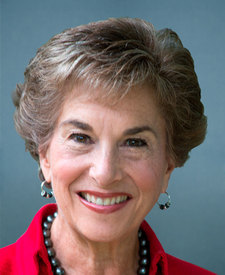 Rep. Jan SchakowskyD-IL-9
 Rep. Dennis KucinichD-OH-10
 Rep. Michael CapuanoD-MA-8
 Rep. Barney FrankD-MA-4
 Rep. Donald PayneD-NJ-10
 Rep. Tammy BaldwinD-WI-2
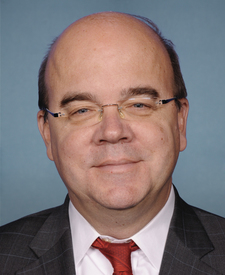 Rep. Jim McGovernD-MA-3
 Rep. James OberstarD-MN-8
- Rep. Stephanie JonesD-OH-11
 Rep. Lynn WoolseyD-CA-6
- Rep. Major OwensD-NY-11
 Rep. John TierneyD-MA-6
 Rep. Jesse JacksonD-IL-2
 Rep. John LewisD-GA-5
 Rep. Bernie SandersD-VT
 Rep. Mike HondaD-CA-15
- Rep. Martin SaboD-MN-5
 Rep. Ed MarkeyD-MA-7
 Rep. Louise SlaughterD-NY-28
- Rep. Earl HilliardD-AL-7
 Rep. Mel WattD-NC-12
 Rep. Sherrod BrownD-OH-13
- Rep. Cynthia McKinneyD-GA-4
 Rep. Tom UdallD-NM-3
- Rep. David BoniorD-MI-10
 Rep. Diana DeGetteD-CO-1
 Rep. Hilda SolisD-CA-31
 Rep. Bill DelahuntD-MA-10
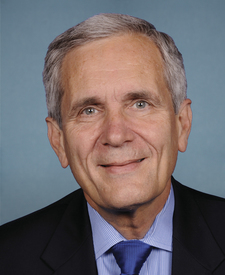 Rep. Lloyd DoggettD-TX-10
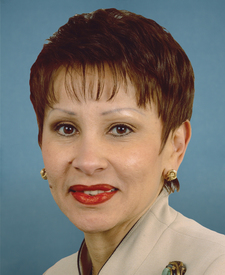 Rep. Nydia VelázquezD-NY-12
 Rep. Diane WatsonD-CA-32
 Rep. Robert BradyD-PA-1
 Rep. Nancy PelosiD-CA-8
 Rep. Dave ObeyD-WI-7
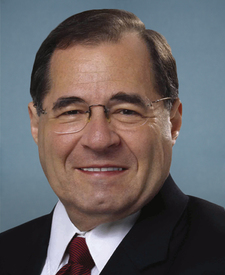 Rep. Jerrold NadlerD-NY-8
- Rep. William CoyneD-PA-14
- Rep. Patsy MinkD-HI-2
 Rep. Sam FarrD-CA-17
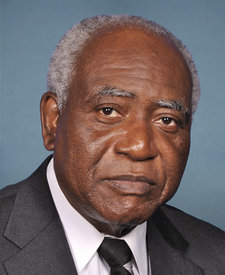 Rep. Danny DavisD-IL-7
 Rep. Wm. ClayD-MO-1
 Rep. Chaka FattahD-PA-2
 Rep. Mark UdallD-CO-2
 Rep. Xavier BecerraD-CA-30
- Rep. Eva ClaytonD-NC-1
 Rep. Lucille Roybal-AllardD-CA-33
 Rep. Peter ViscloskyD-IN-1
 Rep. Charlie RangelD-NY-15
 Rep. Earl BlumenauerD-OR-3
 Rep. Rush HoltD-NJ-12
 Rep. Carolyn KilpatrickD-MI-15
 Rep. Luis GutiérrezD-IL-4
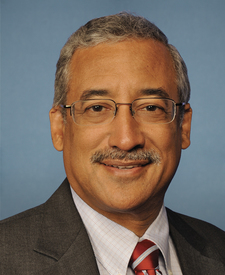 Rep. Bobby ScottD-VA-3
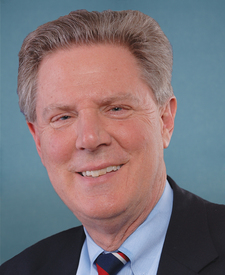 Rep. Frank PalloneD-NJ-6
 Rep. Ed TownsD-NY-10
 Rep. Bart StupakD-MI-1
 Rep. Sheila Jackson LeeD-TX-18
- Rep. Dick GephardtD-MO-3
 Rep. Michael McNultyD-NY-21
 Rep. John DingellD-MI-16
- Rep. Lynn RiversD-MI-13
- Rep. Carrie MeekD-FL-17
 Rep. Grace NapolitanoD-CA-34
 Rep. Mike ThompsonD-CA-1
- Rep. Lane EvansD-IL-17
- Rep. Thomas BarrettD-WI-5
 Rep. Bobby RushD-IL-1
 Rep. Richard NealD-MA-2
 Rep. Betty McCollumD-MN-4
- Rep. Robert BorskiD-PA-3
- Rep. Julia CarsonD-IN-10
 Rep. José SerranoD-NY-16
 Rep. Anthony WeinerD-NY-9
 Rep. Brian BairdD-WA-3
- Rep. John LaFalceD-NY-29
 Rep. Elijah CummingsD-MD-7
- Rep. Thomas SawyerD-OH-14
- Rep. Ted StricklandD-OH-6
 Rep. Tom AllenD-ME-1
 Rep. Corrine BrownD-FL-3
 Rep. Marcy KapturD-OH-9
 Rep. Gary AckermanD-NY-5
- Rep. Juanita Millender-McDonaldD-CA-37
 Rep. Howard BermanD-CA-26
 Rep. Rosa DeLauroD-CT-3
 Rep. Loretta SanchezD-CA-46
 Rep. Zoe LofgrenD-CA-16
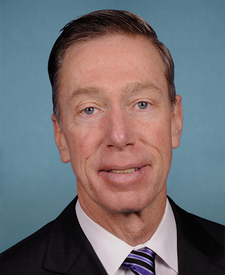 Rep. Stephen LynchD-MA-9
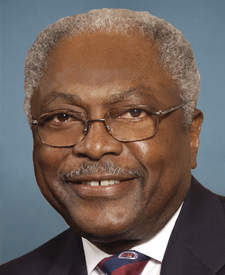 Rep. Jim ClyburnD-SC-6
 Rep. Nita LoweyD-NY-18
- Rep. Robert MatsuiD-CA-5
 Rep. William JeffersonD-LA-2
 Rep. David WuD-OR-1
 Rep. Anna EshooD-CA-14
 Rep. Ed PastorD-AZ-2
 Rep. Jay InsleeD-WA-1
- Rep. Jerry KleczkaD-WI-4
 Rep. Patrick KennedyD-RI-1
- Rep. Karen McCarthyD-MO-5
 Rep. Sander LevinD-MI-12
 Rep. Ciro RodriguezD-TX-28
 Rep. Bob MenendezD-NJ-13
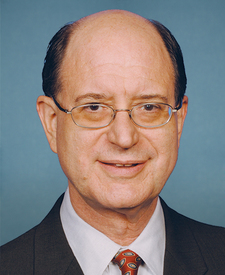 Rep. Brad ShermanD-CA-24
 Rep. Jim LangevinD-RI-2
 Rep. Robert WexlerD-FL-19
 Rep. Joe CrowleyD-NY-7
 Rep. Carolyn MaloneyD-NY-14
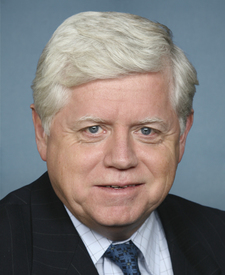 Rep. John LarsonD-CT-1
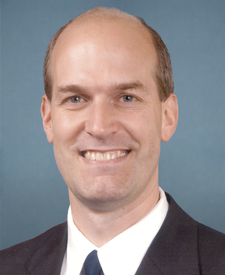 Rep. Rick LarsenD-WA-2
 Rep. Lois CappsD-CA-22
- Rep. John BaldacciD-ME-2
 Rep. Charlie GonzalezD-TX-20
 Rep. Eliot EngelD-NY-17
- Rep. Peter DeutschD-FL-20
 Rep. Neil AbercrombieD-HI-1
- Rep. Joseph HoeffelD-PA-13
 Rep. Rob AndrewsD-NJ-1
 Rep. Bill PascrellD-NJ-8
 Rep. David PriceD-NC-4
 Rep. Joe BacaD-CA-42
- Rep. Albert WynnD-MD-4
 Rep. Steven RothmanD-NJ-9
 Rep. Dale KildeeD-MI-9
 Rep. Susan DavisD-CA-49
- Rep. William LutherD-MN-6
- Rep. Karen ThurmanD-FL-5
 Rep. Jerry CostelloD-IL-12
 Rep. Shelley BerkleyD-NV-1
 Rep. Steny HoyerD-MD-5
 Rep. Nick RahallD-WV-3
 Rep. Benjamin CardinD-MD-3
 Rep. Darlene HooleyD-OR-5
 Rep. Gene GreenD-TX-29
- Rep. Harold FordD-TN-9
 Rep. Dennis MooreD-KS-3
 Rep. Nick LampsonD-TX-9
- Rep. Martin FrostD-TX-24
- Rep. Rod BlagojevichD-IL-5
 Rep. Ron KindD-WI-3
 Rep. Bob EtheridgeD-NC-2
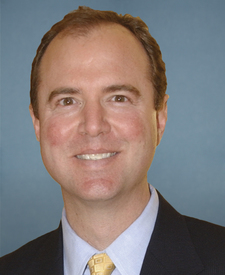 Rep. Adam SchiffD-CA-27
 Rep. John SprattD-SC-5
 Rep. Norm DicksD-WA-6
 Rep. Silvestre ReyesD-TX-16
 Rep. Ellen TauscherD-CA-10
- Rep. Max SandlinD-TX-1
 Rep. Michael DoyleD-PA-18
 Rep. Jim MoranD-VA-8
- Rep. Ken BentsenD-TX-25
 Rep. Rick BoucherD-VA-9
 Rep. Carolyn McCarthyD-NY-4
- Rep. Gary ConditD-CA-18
 Rep. Steve IsraelD-NY-2
 Rep. Jane HarmanD-CA-36
- Rep. Jim DavisD-FL-11
 Rep. Adam SmithD-WA-9
 Rep. Earl PomeroyD-ND
- Rep. Frank MascaraD-PA-20
 Rep. Marion BerryD-AR-1
 Rep. Paul KanjorskiD-PA-11
 Rep. Leonard BoswellD-IA-3
 Rep. Vic SnyderD-AR-2
 Rep. Baron HillD-IN-9
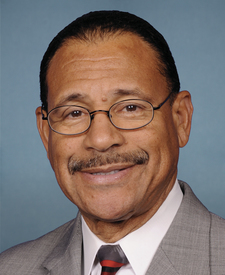 Rep. Sanford BishopD-GA-2
 Rep. Solomon OrtizD-TX-27
 Rep. Chet EdwardsD-TX-11
- Rep. James MaloneyD-CT-5
- Rep. Timothy RoemerD-IN-3
- Rep. Robert ClementD-TN-5
- Rep. Brad CarsonD-OK-2
 Rep. John TannerD-TN-8
 Rep. Allen BoydD-FL-2
 Rep. Jim MathesonD-UT-2
 Rep. Mike McIntyreD-NC-7
 Rep. John MurthaD-PA-12
 Rep. Mike RossD-AR-4
- Rep. Jim TurnerD-TX-2
- Rep. Cal DooleyD-CA-20
 Rep. Bart GordonD-TN-6
 Rep. Tim HoldenD-PA-6
 Rep. Collin PetersonD-MN-7
 Rep. Ike SkeltonD-MO-4
- Rep. David PhelpsD-IL-19
- Rep. William LipinskiD-IL-3
 Rep. Gene TaylorD-MS-5
- Rep. Charlie StenholmD-TX-17
- Rep. Chris JohnD-LA-7
- Rep. Ronnie ShowsD-MS-4
 Rep. Bud CramerD-AL-5
- Rep. Ken LucasD-KY-4
 Rep. Ralph HallD-TX-4
- Rep. James TraficantD-OH-17
Republicans who voted yea(208)
- Rep. Constance MorellaR-MD-8
- Rep. Jim LeachR-IA-1
- Rep. Benjamin GilmanR-NY-20
- Rep. Nancy JohnsonR-CT-6
- Rep. Sherry BoehlertR-NY-23
 Rep. Michael CastleR-DE
- Rep. Stephen HornR-CA-38
- Rep. Greg GanskeR-IA-4
 Rep. Frank LoBiondoR-NJ-2
- Rep. Jack QuinnR-NY-30
 Rep. Timothy JohnsonR-IL-15
- Rep. Rob SimmonsR-CT-2
- Rep. Curt WeldonR-PA-7
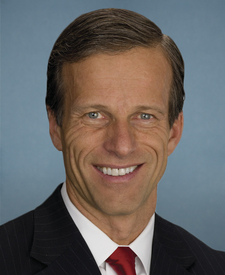 Rep. John ThuneR-SD
 Rep. Steven LaTouretteR-OH-19
- Rep. Amo HoughtonR-NY-31
- Rep. Marge RoukemaR-NJ-5
 Rep. John McHughR-NY-24
- Rep. Doug OseR-CA-3
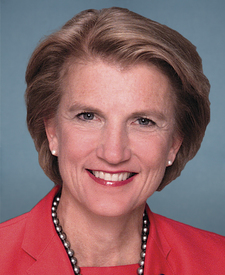 Rep. Shelley CapitoR-WV-2
- Rep. Doug BereuterR-NE-1
 Rep. Jim WalshR-NY-25
- Rep. Felix GrucciR-NY-1
 Rep. Heather WilsonR-NM-1
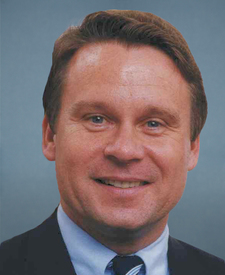 Rep. Chris SmithR-NJ-4
 Rep. Christopher ShaysR-CT-4
 Rep. Todd PlattsR-PA-19
 Rep. Mark KirkR-IL-10
 Rep. Frank WolfR-VA-10
- Rep. John SweeneyR-NY-22
- Rep. Mark FoleyR-FL-16
- Rep. Jim GreenwoodR-PA-8
 Rep. Jim SaxtonR-NJ-3
- Rep. Sue KellyR-NY-19
- Rep. Tom OsborneR-NE-3
 Rep. Ray LaHoodR-IL-18
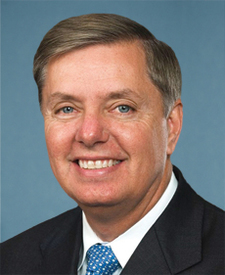 Rep. Lindsey GrahamR-SC-3
 Rep. Phil EnglishR-PA-21
 Rep. Lincoln Diaz-BalartR-FL-21
 Rep. Ralph RegulaR-OH-16
 Rep. Mike FergusonR-NJ-7
 Rep. Jo Ann EmersonR-MO-8
 Rep. Wayne GilchrestR-MD-1
 Rep. Pete KingR-NY-3
- Rep. Robert EhrlichR-MD-2
 Rep. Fred UptonR-MI-6
- Rep. Paul GillmorR-OH-5
 Rep. Hal RogersR-KY-5
- Rep. Ernie FletcherR-KY-6
 Rep. Rodney FrelinghuysenR-NJ-11
- Rep. Clay ShawR-FL-22
- Rep. George GekasR-PA-17
 Rep. Charlie BassR-NH-2
- Rep. Joseph SkeenR-NM-2
 Rep. Tom LathamR-IA-5
 Rep. Zach WampR-TN-3
- Rep. Anne NorthupR-KY-3
- Rep. Bob NeyR-OH-18
 Rep. Kay GrangerR-TX-12
 Rep. Dave HobsonR-OH-7
 Rep. Greg WaldenR-OR-2
 Rep. Denny RehbergR-MT
- Rep. Duke CunninghamR-CA-51
 Rep. Tom DavisR-VA-11
 Rep. Jerry LewisR-CA-40
 Rep. W. Bill YoungR-FL-10
- Rep. Bill ThomasR-CA-21
 Rep. Deborah PryceR-OH-15
 Rep. Judy BiggertR-IL-13
 Rep. John ShimkusR-IL-20
 Rep. Thomas ReynoldsR-NY-27
 Rep. Ed WhitfieldR-KY-1
 Rep. Vernon EhlersR-MI-3
 Rep. Johnny IsaksonR-GA-6
 Rep. Ken CalvertR-CA-43
 Rep. Elton GalleglyR-CA-23
 Rep. Buck McKeonR-CA-25
 Rep. Joe KnollenbergR-MI-11
- Rep. H. CallahanR-AL-1
- Rep. Don SherwoodR-PA-10
 Rep. John PetersonR-PA-5
- Rep. Ernest IstookR-OK-5
 Rep. Kenny HulshofR-MO-9
- Rep. Jim KolbeR-AZ-5
 Rep. Steve BuyerR-IN-5
- Rep. Jim NussleR-IA-2
- Rep. John CookseyR-LA-5
- Rep. Jennifer DunnR-WA-8
 Rep. Lamar SmithR-TX-21
 Rep. Dave CampR-MI-4
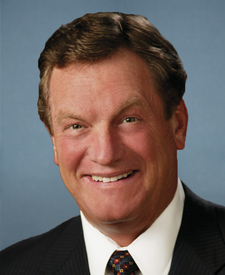 Rep. Mike SimpsonR-ID-2
 Rep. Spencer BachusR-AL-6
 Rep. Ander CrenshawR-FL-4
 Rep. Jerry WellerR-IL-11
 Rep. Vito FossellaR-NY-13
 Rep. Henry BrownR-SC-1
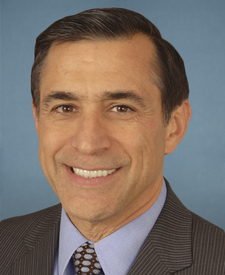 Rep. Darrell IssaR-CA-48
- Rep. Melissa HartR-PA-4
- Rep. George NethercuttR-WA-5
- Rep. Henry HydeR-IL-6
 Rep. David DreierR-CA-28
- Rep. Richard BakerR-LA-6
- Rep. Billy TauzinR-LA-3
- Rep. Michael BilirakisR-FL-9
 Rep. Robin HayesR-NC-8
- Rep. Cass BallengerR-NC-10
 Rep. Don YoungR-AK
- Rep. Michael OxleyR-OH-4
 Rep. Saxby ChamblissR-GA-8
- Rep. Wes WatkinsR-OK-3
 Rep. Mike RogersR-MI-8
- Rep. Bill JenkinsR-TN-1
 Rep. John BoehnerR-OH-8
 Rep. Jim McCreryR-LA-4
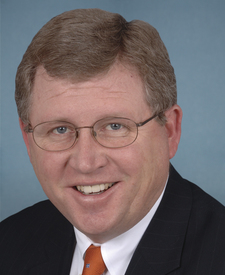 Rep. Frank LucasR-OK-6
 Rep. Bill ShusterR-PA-9
 Rep. Richard BurrR-NC-5
- Rep. J.C. WattsR-OK-4
 Rep. Chip PickeringR-MS-3
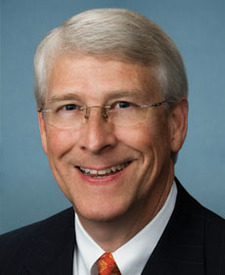 Rep. Roger WickerR-MS-1
- Rep. Porter GossR-FL-14
 Rep. Ron LewisR-KY-2
 Rep. John MicaR-FL-7
 Rep. Rob PortmanR-OH-2
 Rep. Doc HastingsR-WA-4
 Rep. Robert AderholtR-AL-4
- Rep. Ed SchrockR-VA-2
 Rep. Sam GravesR-MO-6
 Rep. Lee TerryR-NE-2
 Rep. Adam PutnamR-FL-12
 Rep. Duncan HunterR-CA-52
- Rep. James HansenR-UT-1
 Rep. George RadanovichR-CA-19
- Rep. Henry BonillaR-TX-23
- Rep. Larry CombestR-TX-19
- Rep. Bob RileyR-AL-3
- Rep. Van HillearyR-TN-4
- Rep. Ed BryantR-TN-7
 Rep. Randy ForbesR-VA-4
- Rep. Dan MillerR-FL-13
 Rep. John LinderR-GA-11
 Rep. Mark SouderR-IN-4
 Rep. Roy BluntR-MO-7
 Rep. Pat TiberiR-OH-12
 Rep. John SununuR-NH-1
- Rep. Gil GutknechtR-MN-1
 Rep. David VitterR-LA-1
- Rep. Scott McInnisR-CO-3
- Rep. Jo Ann DavisR-VA-1
 Rep. Todd TiahrtR-KS-4
 Rep. Terry EverettR-AL-2
 Rep. Ric KellerR-FL-8
- Rep. Jim GibbonsR-NV-2
 Rep. Nathan DealR-GA-9
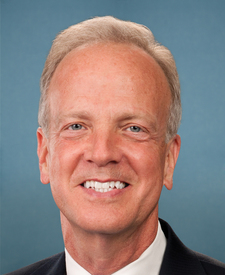 Rep. Jerry MoranR-KS-1
 Rep. Mac ThornberryR-TX-13
- Rep. Denny HastertR-IL-14
- Rep. Charlie NorwoodR-GA-10
 Rep. Jack KingstonR-GA-1
 Rep. Donald ManzulloR-IL-16
 Rep. Paul RyanR-WI-1
- Rep. Mark GreenR-WI-8
- Rep. Steve LargentR-OK-1
 Rep. Gary MillerR-CA-41
- Rep. Richard ArmeyR-TX-26
 Rep. Dan BurtonR-IN-6
- Rep. Richard PomboR-CA-11
- Rep. Nick SmithR-MI-7
 Rep. John DoolittleR-CA-4
 Rep. Joe BartonR-TX-6
 Rep. Eric CantorR-VA-7
 Rep. Sue MyrickR-NC-9
 Rep. Tom PetriR-WI-6
 Rep. Chris CannonR-UT-3
- Rep. Tom DeLayR-TX-22
 Rep. Wally HergerR-CA-2
 Rep. Barbara CubinR-WY
 Rep. Pete HoekstraR-MI-2
- Rep. J.D. HayworthR-AZ-6
 Rep. Roscoe BartlettR-MD-6
- Rep. Christopher CoxR-CA-47
 Rep. Dave WeldonR-FL-15
- Rep. Mark KennedyR-MN-2
 Rep. Jim DeMintR-SC-4
 Rep. Bob GoodlatteR-VA-6
 Rep. Jim RamstadR-MN-3
 Rep. Jeff MillerR-FL-1
 Rep. Joseph PittsR-PA-16
 Rep. Sam JohnsonR-TX-3
 Rep. Steve ChabotR-OH-1
- Rep. Jim RyunR-KS-2
- Rep. Butch OtterR-ID-1
- Rep. Bob BarrR-GA-7
 Rep. John CulbersonR-TX-7
 Rep. Cliff StearnsR-FL-6
 Rep. Mike PenceR-IN-2
 Rep. Todd AkinR-MO-2
 Rep. Walter JonesR-NC-3
 Rep. Dana RohrabacherR-CA-45
 Rep. Pat ToomeyR-PA-15
- Rep. Brian KernsR-IN-7
 Rep. Jimmy DuncanR-TN-2
- Rep. Phil CraneR-IL-8
 Rep. Ed RoyceR-CA-39
 Rep. James SensenbrennerR-WI-9
- Rep. John HostettlerR-IN-8
- Rep. Joel HefleyR-CO-5
 Rep. Tom TancredoR-CO-6
Data notes
The House’s recorded vote on the final version of the law (roll call 444 in Voteview), matched to the vote the record cites and checked against its totals. Positions are each member’s DW-NOMINATE score for that Congress, as on the Ideology page; left to right is more liberal to more conservative. Paired and announced yea votes count as yea. Lists follow the compass, most liberal first. 1 yea vote was cast by members of neither major party and is highlighted on the compass but not listed. A name links to a profile only for members of the current Congress. A law passed by voice vote or unanimous consent has no member list, and neither does a vote Voteview has not yet recorded.
Committees
The committees the bill was sent to, and what each did with it.


Data notes
A committee links to its page only where it exists in the current Congress; older and renamed committees are named without a link.
Timeline
From introduction to signing, newest first: the committees, the floor and the president. 42 actions.
- May 21, 2002CommitteeCommittee · Hearings by Senate Commerce, Science, and Transportation Committee
- Nov 19, 2001Became lawBecame law · Became Public Law No: 107-71.
- Became lawBecame law · Signed by President.
- Nov 17, 2001PresidentPresident · Presented to President.
- Nov 16, 2001Resolving differencesResolving differences · On agreeing to the conference report Agreed to by the Yeas and Nays: 410 - 9 (Roll no. 448).House roll call 448
- Resolving differencesResolving differences · Motions to reconsider laid on the table Agreed to without objection.
- Resolving differencesResolving differences · Conference report agreed to in House: On agreeing to the conference report Agreed to by the Yeas and Nays: 410 - 9 (Roll no. 448).House roll call 448
- Resolving differencesResolving differences · The previous question was ordered without objection.
- Resolving differencesResolving differences · Mr. Young (AK) brought up conference report H. Rept. 107-296 by previously agreed to special order.
- Resolving differencesResolving differences · Senate agreed to conference report by Voice Vote.
- Resolving differencesResolving differences · Conference report agreed to in Senate: Senate agreed to conference report by Voice Vote.
- Resolving differencesResolving differences · Conference report considered in Senate by Unanimous Consent.
- Resolving differencesResolving differences · Conference report H. Rept. 107-296 filed.
- Resolving differencesResolving differences · Conference report filed: Conference report H. Rept. 107-296 filed.
- Resolving differencesResolving differences · Conference papers: Senate report and manager's statement and official papers held at the desk in Senate.
- FloorFloor · DEBATE - The House proceeded with one hour of debate on the conference report.
- FloorFloor · ORDER OF BUSINESS - Mr. Young of Alaska asked unanimous consent that it be in order at any time to consider the conference report to accompany the bill, S. 1447, to improve aviation security, that the conference report be considered as read; and that all points of order against …
- FloorFloor · Rules Committee Resolution H. Res. 290 Reported to House. Rule provides for consideration of the conference report to S. 1447.
- Nov 15, 2001Resolving differencesResolving differences · Conferees agreed to file conference report.
- Resolving differencesResolving differences · Conference committee actions: Conferees agreed to file conference report.
- Nov 13, 2001Resolving differencesResolving differences · Conference held.
- Resolving differencesResolving differences · Conference committee actions: Conference held.
- Nov 7, 2001Resolving differencesResolving differences · Conference held.
- Resolving differencesResolving differences · Conference committee actions: Conference held.
- Resolving differencesResolving differences · Senate disagreed to House amendment, agreed to request for conference, and appointed conferees. Hollings, Inouye, Rockefeller, Kerry, Breaux, Dorgan, Wyden, McCain, Stevens, Burns, Lott, Hutchison and Snowe.
- Nov 6, 2001Resolving differencesResolving differences · The Speaker appointed conferees for consideration of the Senate bill and the House amendment, and modifications committed to conference: Young (AK), Petri, Duncan, Mica, Ehlers, Oberstar, Lipinski, and DeFazio.
- Resolving differencesResolving differences · Motion to reconsider laid on the table Agreed to without objection.
- Resolving differencesResolving differences · On motion that the House instruct conferees Agreed to by recorded vote: 397 - 0 (Roll no. 428).House roll call 428
- Resolving differencesResolving differences · Mr. Oberstar moved that the House instruct conferees.
- Resolving differencesResolving differences · On motion that the House insist upon its amendment, and request a conference Agreed to without objection.
Data notes
Shows the introduction, each committee and subcommittee step the source dates (referral, hearings, markup, report, discharge), and the floor, conference, presidential and became-law steps. Calendar placements, messages between the chambers, amendments and committee report numbers are not shown for laws before the 108th Congress. Two entries the source lists twice are shown once.
Official record
The bill’s full text and every action, including introduction and committee steps, are on Congress.gov. Data through Oct 7, 2026.