Bipartisan Campaign Reform Act of 2002
Public Law 107-155 · H.R. 2356 · 107th Congress · began in the House
Signed by George W. Bush (R) on Mar 27, 2002 · Government Operations and Politics
Major law
Sponsor: Rep. Christopher Shays (R-CT-4)
Cosponsors (1): Rep. Marty Meehan
Passage votesYeaNay
- HouseRecorded vote: 240 yea, 189 nay240–189
- SenateRecorded vote: 60 yea, 40 nay60–40
Data notes
The final version of the law, as each chamber passed it. A chamber that passed it by voice vote or unanimous consent has no count. “Method not stated” means the record does not say how the chamber voted. Where the record has a member-by-member vote, the “Who voted for it” section shows who voted yea.
Summary
The Congressional Research Service’s plain-language summary of what the law does.
Bipartisan Campaign Reform Act of 2002 - Title I: Reduction of Special Interest Influence - Amends the Federal Election Campaign Act of 1971 (FECA) to prohibit: (1) national political party committees (including any officer, agent, or entity they directly or indirectly establish, finance, maintain, or control) (officer, agent, or entity) from soliciting, receiving, directing, transferring, or spending money that is subject to FECA limitations, prohibitions, and reporting requirements; (2) soft money spending (not currently subject to FECA) for a Federal election activity, in general, by State, district, and local political party committees (including any officer, agent, or entity) or by an association or similar group of candidates for State or local office or State or local officials; (3) soft money spending for fundraising costs by any such committee, officer, agent, or entity; (4) national, State, district, or local political party committees (including national political party congressional campaign committees, entities, officers, or agents) from soliciting, any funds for, or making or directing any donations to certain tax-exempt organizations; and (5) candidates for Federal office, Federal office holders, or their agents from soliciting, receiving, directing, transferring, or spending funds in connection with a Federal election, including funds for any Federal election activity, unless they are subject to FECA limitations, prohibitions, and reporting requirements, or in connection with any non-Federal election unless such funds meet specified requirements.
(Sec. 101) Prohibits any funds for soft money accounts from being solicited, received, directed, transferred, or spent in the name of national political parties, Federal candidates or officials, or by joint fundraising activities by two or more party committees.
Defines Federal election activity to include: (1) voter registration activity in the last 120 days of a Federal election; (2) voter identification, get-out-the-vote, or generic campaign activity conducted in connection with an election in which a Federal candidate is on the ballot; (3) public communications that refer to a clearly identified Federal candidate and promote, support, attack, or oppose a candidate for Federal office (regardless of whether they expressly advocate a vote for or against); or (4) services by a State, district, or local political party employee who spends at least 25 percent of paid time per month on activities in connection with a Federal election.
Defines generic campaign activity as a campaign activity that promotes a political party and does not promote a candidate or non-Federal candidate.
Defines public communications as communications by means of any broadcast, cable, satellite communication, newspaper, magazine, outdoor advertising facility, mass mailing (over 500 identical or substantially similar pieces mailed within any 30-day period), or phone bank (over 500 identical or substantially similar telephone calls made within any 30-day period) to the general public, or any other form of general public political advertising.
(Sec. 102) Increases limit on individual contributions to a State committee of a political party from $5,000 to $10,000 per year.
(Sec. 103) Codifies Federal Election Commission (FEC) regulations on disclosure of all national political party committee activity, both Federal and non-Federal.
Requires disclosure by State and local parties of spending on Federal election activities, including any soft money permitted to be used for such activities.
Terminates the building fund exception to the definition of contribution.
Title II: Noncandidate Campaign Expenditures - Subtitle A: Electioneering Communications - Amends FECA to require disclosure to the FEC of electioneering communications by any spender exceeding an aggregate of $10,000 per year in disbursements for them (including contracts to disburse), within 24 hours of each specified disbursement date (disclosure date).
(Sec. 201) Requires such disclosure to include: (1) identification of spender, of any person with control over the activities of such person, and of the custodian of the spender's books and accounts; (2) the spender's principal place of business (if the spender is not an individual); (3) amount of disbursements of over $200 and identification of recipient; (4) the election and candidates to which communications pertain; and (5) identification of all contributors of $1,000 or more (either to a separate segregated fund or, if none, to the spender).
Defines electioneering communication as any broadcast, cable, or satellite communication that refers to a clearly identified Federal candidate, made within 60 days of a general, special, or runoff election, or within 30 days of a primary or preference election, or a convention or caucus of a political party that has authority to nominate a candidate, for the office the candidate seeks, and, in the case of a communication that refers to a candidate for an office other than President or Vice President, is targeted to the relevant electorate. Provides an alternative definition of the term if the first definition is held to be constitutionally insufficient. Lists exceptions to the definition of electioneering communication. Provides that a communication that refers to a clearly identified candidate for Federal office is "targeted to the relevant electorate" if the communication can be received by 50,000 or more persons in the district the candidate seeks to represent, in the case of a candidate for Representative in, or Delegate or Resident Commissioner to, Congress or in the State the candidate seeks to represent, in the case of a candidate for Senator.
Directs the Federal Communications Commission (FCC) to compile, maintain, and publicize on its website any information the FEC may require to carry out these requirements.
(Sec. 202) Treats an electioneering communication that is coordinated with a candidate or an authorized committee of such candidate, a Federal, State, or local political party or committee thereof, or an agent or official of any such candidate, party, or committee as a contribution to, and expenditure by, such candidate or such party.
(Sec. 203) Bans disbursements for electioneering communications from union or certain corporate funds, except certain tax-exempt corporations making electioneering communications: (1) paid for exclusively with funds provided directly by individuals who are citizens or permanent resident aliens; and (2) which are not targeted electioneering communications.
Subtitle B: Independent and Coordinated Expenditures - Amends FECA to define independent expenditure as an expenditure by a person expressly advocating the election or defeat of a clearly identified candidate, and that is not made in concert or cooperation with or at the request or suggestion of such candidate, the candidate's authorized political committee, or their agents, or a political party committee or its agents.
(Sec. 212) Outlines reporting requirements for certain independent expenditures, including the time frame for filing reports with the FEC on independent expenditures aggregating $1,000 or more and $10,000 or more.
(Sec. 213) Prohibits a committee of a political party from making both independent and coordinated expenditures for a general election candidate.
(Sec. 214) Provides that expenditures made by any person (other than a candidate or candidate's authorized committee) in cooperation, consultation, or concert with, or at the request or suggestion of, a national, State, or local committee of a political party, shall be considered to be contributions made to such party committee.
Repeals current FEC regulations, and directs the FEC to promulgate new regulations on coordinated communications paid for by persons other than candidates, authorized committees of candidates, and party committees. Prohibits such regulations from requiring agreement or formal collaboration to establish coordination.
Title III: Miscellaneous - Amends FECA to codify FEC regulations on permissible uses for contributions and donations, while retaining the ban on the conversion of a contribution or donation to personal use.
(Sec. 302) Revises the ban under the Federal criminal code against solicitation or receipt of campaign contributions by Federal officials and from anyone located in any Federal government building used to discharge official duties. Extends the ban to: (1) specify State and local as well as Federal elections; and (2) cover soft money.
(Sec. 303) Amends FECA to revise the ban on campaign contributions from foreign nationals to include donations, expenditures, independent expenditures, disbursements for an electioneering communication, as well as contributions or donations to any political party committee.
(Sec. 304) Specifies formulae for increasing the limits on individual and political party committee contributions for a Senate candidate whose opponent exceeds the threshold level of spending from personal funds in the campaign, whose basic formula shall be $150,000 plus $0.04 times the voting age population.
Limits repayment of a candidate's personal loans incurred in connection with his or her campaign to $250,000 from contributions made to the candidate or any authorized committee of the candidate after the election.
(Sec. 305) Declares that a candidate for Federal office shall not be entitled to the lowest unit rate broadcast time unless he or she certifies to the broadcast station that the candidate (or any of his or her authorized committees) will not refer directly to another candidate for the same office unless a broadcast ad includes the candidate's photo or image on TV and a statement of the candidate's approval printed for display on TV and spoken by the candidate on radio.
(Sec. 306) Amends FECA to require: (1) the FEC to promulgate standards for and to provide standardized software for filing FEC reports electronically; (2) candidates' use of such software; and (3) the FEC to post any information received electronically on the Internet as soon as practicable.
(Sec. 307) Raises: (1) the limit on aggregate individual contributions to national political party committees from $20,000 to $25,000 per year; (2) the limit on annual aggregate individual contributions to Federal candidates, political action committees (PACs), and parties from $25,000 to $37,500 in the case of contributions to candidates and the authorized committees of candidates, and to $57,500 in the case of any other contributions, of which not more than $37,500 may be attributable to contributions to political committees which are not political committees of national political parties during a specified period; and (3) the special limit on combined contributions to Senate candidates by national and senatorial party committees $17,500 to $35,000 in year of election.
Provides for indexing for inflation of limits on certain contributions and expenditures.
(Sec. 308) Amends Federal law on presidential inaugural ceremonies to require disclosure to the FEC by Presidential Inaugural Committees of any donation made to them in an aggregate amount equal to or greater than $200. Bans foreign national donations to a Presidential Inaugural Committee. Directs the FEC to make any report filed by such a Committee accessible to the public at FEC offices and on the Internet.
(Sec. 309) Amends FECA to prohibit fraudulent misrepresentation in the solicitation of campaign funds.
(Sec. 310) Directs the Comptroller General to study and report to Congress on statistics for and effects of public financing (clean money clean elections) of the 2000 elections in Arizona and Maine.
(Sec. 311) Amends FECA to require: (1) sponsorship identification on all election-related advertising (including on electioneering communications) by the political committee or other person paying for the communication and the name of any connected organization of the payor; and (2) enhanced visibility or other disclosure of such identification in the communication.
(Sec. 312) Increases criminal penalties for knowing and willful violations involving: (1) contributions, expenditures, or donations in amounts aggregating from $2,000 to $25,000 per year; and (2) contributions, expenditures, or donations in amounts aggregating $25,000 or more per year.
(Sec. 313) Changes from three to five years the statute of limitations for criminal violations of Federal election law.
(Sec. 314) Directs the United States Sentencing Commission to promulgate penalty guidelines and to make legislative or administrative recommendations to Congress regarding enforcement of Federal election law.
(Sec. 315) Imposes specific civil money and criminal penalties for knowing and willful violations of the ban on contributions made in the name of another person (conduit contribution ban).
(Sec. 316) Provides that: (1) for purposes of determining the aggregate amount of expenditures from a candidate's personal funds used in determining the opposition personal funds amount in Senate elections, such aggregate amount shall include the gross receipts advantage of the candidate's authorized committee; and (2) the ban on contributions and donations from foreign nationals does not include U.S. nationals.
(Sec. 318) Prohibits contributions to candidates and donations to political party committees by individuals age 17 or younger.
(Sec. 319) Amends FECA to provide that if the opposition personal funds amount with respect to a candidate for election to Congress exceeds $350,000: (1) the individual contribution limit with respect to the House of Representatives candidate shall be tripled (from $1,000 to $3,000); (2) the aggregate annual individual contribution limit ($25,000) shall not apply with respect to any contribution made with respect to the candidate if the contribution is made under such increased limit; and (3) the limits on any expenditure by a State or national committee of a political party on behalf of the candidate shall not apply.
Title IV: Severability; Effective Date - Sets forth severability, effective date, and judicial review provisions.
Title V: Additional Disclosure Provisions - Amends FECA to require all designations, statements, reports, and notifications filed with the FEC to be available for public inspection in FEC offices and to be accessible to the public on the Internet within 48 hours after FEC receipt. (Retains the current law requirement that such disclosure materials filed electronically with FEC be accessible to the public on the Internet within 24 hours after FEC receipt).
(Sec. 502) Directs the FEC to maintain a central site on the Internet to make accessible to the public all publicly available election-related reports and information.
(Sec. 503) Amends FECA to require: (1) principal campaign committees of candidates for the House or for the Senate to file additional quarterly reports in non-election years; and (2) national committees of a political party to file monthly reports in all years.
(Sec. 504) Amends the Communications Act of 1934 to require a licensee to maintain, and make available for public inspection, records of broadcast time purchase requests by or on behalf candidates, or to communicate messages relating to any political matter of national importance.
Who voted for it
Every House member of the 107th Congress on the ideology compass. Highlighted: the 240 who voted yea on final passage. Faded: everyone else, including those who voted nay, did not vote, or had not yet taken office.
240 yea189 nay6 present or did not vote
Democrats who voted yea(199)
 Rep. Bob FilnerD-CA-50
 Rep. Jim McDermottD-WA-7
 Rep. Pete StarkD-CA-13
 Rep. Maxine WatersD-CA-35
 Rep. John ConyersD-MI-14
 Rep. Barbara LeeD-CA-9
 Rep. John OlverD-MA-1
 Rep. Maurice HincheyD-NY-26
 Rep. George MillerD-CA-7
 Rep. Peter DeFazioD-OR-4
 Rep. Jan SchakowskyD-IL-9
 Rep. Dennis KucinichD-OH-10
 Rep. Michael CapuanoD-MA-8
 Rep. Barney FrankD-MA-4
 Rep. Donald PayneD-NJ-10
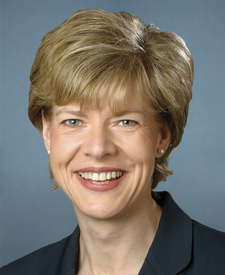 Rep. Tammy BaldwinD-WI-2
 Rep. Jim McGovernD-MA-3
 Rep. James OberstarD-MN-8
- Rep. Stephanie JonesD-OH-11
 Rep. Lynn WoolseyD-CA-6
- Rep. Major OwensD-NY-11
 Rep. John TierneyD-MA-6
 Rep. Jesse JacksonD-IL-2
 Rep. John LewisD-GA-5
 Rep. Bernie SandersD-VT
 Rep. Mike HondaD-CA-15
- Rep. Martin SaboD-MN-5
 Rep. Ed MarkeyD-MA-7
 Rep. Alcee HastingsD-FL-23
 Rep. Louise SlaughterD-NY-28
 Rep. Mel WattD-NC-12
 Rep. Sherrod BrownD-OH-13
- Rep. Cynthia McKinneyD-GA-4
 Rep. Tom UdallD-NM-3
- Rep. David BoniorD-MI-10
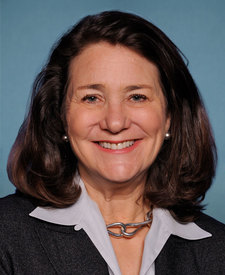 Rep. Diana DeGetteD-CO-1
 Rep. Hilda SolisD-CA-31
 Rep. Bill DelahuntD-MA-10
 Rep. Lloyd DoggettD-TX-10
 Rep. Nydia VelázquezD-NY-12
 Rep. Diane WatsonD-CA-32
 Rep. Robert BradyD-PA-1
 Rep. Nancy PelosiD-CA-8
 Rep. Dave ObeyD-WI-7
 Rep. Jerrold NadlerD-NY-8
- Rep. William CoyneD-PA-14
- Rep. Patsy MinkD-HI-2
 Rep. Sam FarrD-CA-17
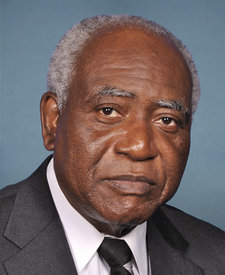 Rep. Danny DavisD-IL-7
 Rep. Wm. ClayD-MO-1
 Rep. Chaka FattahD-PA-2
 Rep. Mark UdallD-CO-2
 Rep. Xavier BecerraD-CA-30
- Rep. Eva ClaytonD-NC-1
 Rep. Lucille Roybal-AllardD-CA-33
 Rep. Peter ViscloskyD-IN-1
 Rep. Charlie RangelD-NY-15
 Rep. Earl BlumenauerD-OR-3
 Rep. Rush HoltD-NJ-12
 Rep. Carolyn KilpatrickD-MI-15
 Rep. Luis GutiérrezD-IL-4
 Rep. Frank PalloneD-NJ-6
 Rep. Eddie JohnsonD-TX-30
 Rep. Ed TownsD-NY-10
 Rep. Bart StupakD-MI-1
 Rep. Henry WaxmanD-CA-29
 Rep. Sheila Jackson LeeD-TX-18
- Rep. Dick GephardtD-MO-3
 Rep. Michael McNultyD-NY-21
 Rep. John DingellD-MI-16
- Rep. Lynn RiversD-MI-13
- Rep. Carrie MeekD-FL-17
 Rep. Grace NapolitanoD-CA-34
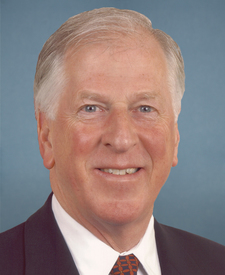 Rep. Mike ThompsonD-CA-1
- Rep. Lane EvansD-IL-17
- Rep. Thomas BarrettD-WI-5
 Rep. Bobby RushD-IL-1
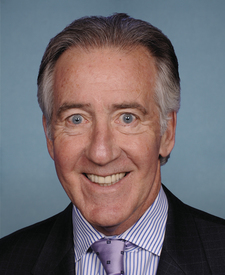 Rep. Richard NealD-MA-2
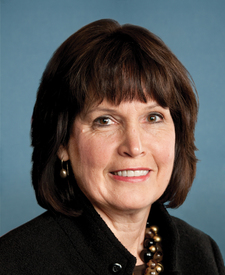 Rep. Betty McCollumD-MN-4
- Rep. Marty MeehanD-MA-5
- Rep. Robert BorskiD-PA-3
- Rep. Julia CarsonD-IN-10
 Rep. José SerranoD-NY-16
 Rep. Anthony WeinerD-NY-9
 Rep. Brian BairdD-WA-3
- Rep. John LaFalceD-NY-29
 Rep. Elijah CummingsD-MD-7
- Rep. Thomas SawyerD-OH-14
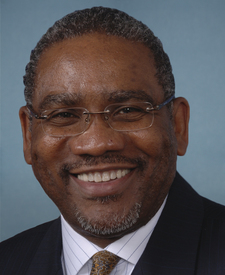 Rep. Gregory MeeksD-NY-6
- Rep. Ted StricklandD-OH-6
 Rep. Tom AllenD-ME-1
 Rep. Corrine BrownD-FL-3
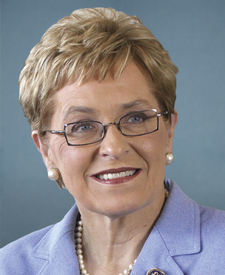 Rep. Marcy KapturD-OH-9
 Rep. Gary AckermanD-NY-5
- Rep. Juanita Millender-McDonaldD-CA-37
 Rep. Howard BermanD-CA-26
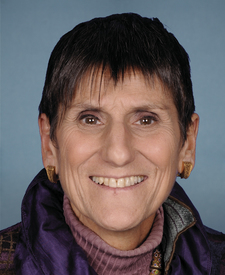 Rep. Rosa DeLauroD-CT-3
 Rep. Loretta SanchezD-CA-46
 Rep. Zoe LofgrenD-CA-16
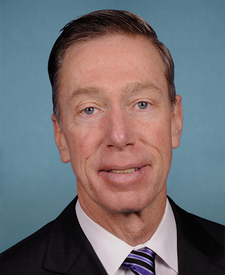 Rep. Stephen LynchD-MA-9
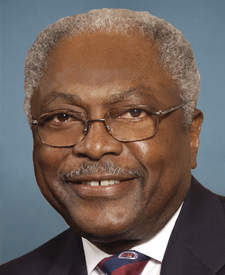 Rep. Jim ClyburnD-SC-6
 Rep. Nita LoweyD-NY-18
- Rep. Robert MatsuiD-CA-5
 Rep. William JeffersonD-LA-2
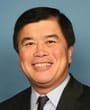 Rep. David WuD-OR-1
- Rep. Tom LantosD-CA-12
 Rep. Anna EshooD-CA-14
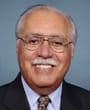 Rep. Ed PastorD-AZ-2
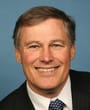 Rep. Jay InsleeD-WA-1
- Rep. Jerry KleczkaD-WI-4
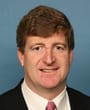 Rep. Patrick KennedyD-RI-1
- Rep. Karen McCarthyD-MO-5
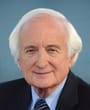 Rep. Sander LevinD-MI-12
 Rep. Ciro RodriguezD-TX-28
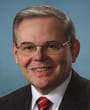 Rep. Bob MenendezD-NJ-13
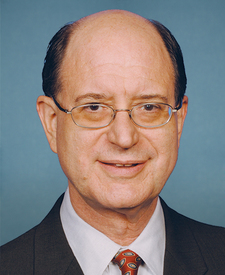 Rep. Brad ShermanD-CA-24
 Rep. Jim LangevinD-RI-2
 Rep. Robert WexlerD-FL-19
 Rep. Joe CrowleyD-NY-7
 Rep. Carolyn MaloneyD-NY-14
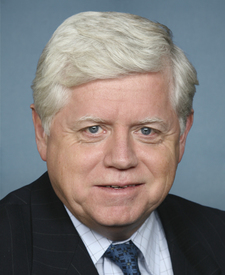 Rep. John LarsonD-CT-1
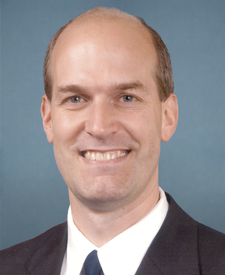 Rep. Rick LarsenD-WA-2
 Rep. Lois CappsD-CA-22
- Rep. John BaldacciD-ME-2
 Rep. Charlie GonzalezD-TX-20
 Rep. Eliot EngelD-NY-17
- Rep. Peter DeutschD-FL-20
 Rep. Neil AbercrombieD-HI-1
- Rep. Joseph HoeffelD-PA-13
 Rep. Rob AndrewsD-NJ-1
 Rep. Bill PascrellD-NJ-8
 Rep. David PriceD-NC-4
 Rep. Joe BacaD-CA-42
- Rep. Albert WynnD-MD-4
 Rep. Steven RothmanD-NJ-9
 Rep. Dale KildeeD-MI-9
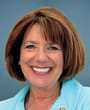 Rep. Susan DavisD-CA-49
- Rep. William LutherD-MN-6
- Rep. Karen ThurmanD-FL-5
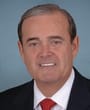 Rep. Jerry CostelloD-IL-12
 Rep. Shelley BerkleyD-NV-1
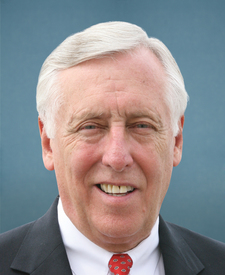 Rep. Steny HoyerD-MD-5
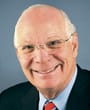 Rep. Benjamin CardinD-MD-3
 Rep. Darlene HooleyD-OR-5
 Rep. Gene GreenD-TX-29
- Rep. Harold FordD-TN-9
 Rep. Dennis MooreD-KS-3
 Rep. Nick LampsonD-TX-9
- Rep. Martin FrostD-TX-24
- Rep. Rod BlagojevichD-IL-5
 Rep. Ron KindD-WI-3
 Rep. Bob EtheridgeD-NC-2
 Rep. Rubén HinojosaD-TX-15
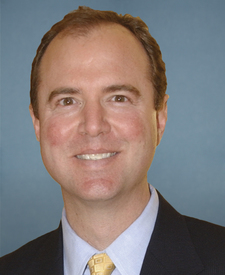 Rep. Adam SchiffD-CA-27
 Rep. John SprattD-SC-5
 Rep. Norm DicksD-WA-6
 Rep. Silvestre ReyesD-TX-16
 Rep. Ellen TauscherD-CA-10
- Rep. Max SandlinD-TX-1
 Rep. Michael DoyleD-PA-18
 Rep. Jim MoranD-VA-8
- Rep. Ken BentsenD-TX-25
 Rep. Carolyn McCarthyD-NY-4
- Rep. Gary ConditD-CA-18
 Rep. Steve IsraelD-NY-2
 Rep. Jane HarmanD-CA-36
- Rep. Jim DavisD-FL-11
 Rep. Adam SmithD-WA-9
 Rep. Earl PomeroyD-ND
- Rep. Frank MascaraD-PA-20
 Rep. Marion BerryD-AR-1
 Rep. Paul KanjorskiD-PA-11
 Rep. Leonard BoswellD-IA-3
- Rep. Tony HallD-OH-3
 Rep. Vic SnyderD-AR-2
 Rep. Baron HillD-IN-9
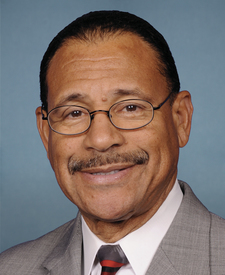 Rep. Sanford BishopD-GA-2
 Rep. Solomon OrtizD-TX-27
 Rep. Chet EdwardsD-TX-11
- Rep. James MaloneyD-CT-5
- Rep. Timothy RoemerD-IN-3
- Rep. Robert ClementD-TN-5
- Rep. Brad CarsonD-OK-2
 Rep. John TannerD-TN-8
 Rep. Allen BoydD-FL-2
 Rep. Jim MathesonD-UT-2
 Rep. Mike McIntyreD-NC-7
 Rep. Mike RossD-AR-4
- Rep. Jim TurnerD-TX-2
- Rep. Cal DooleyD-CA-20
 Rep. Bart GordonD-TN-6
 Rep. Tim HoldenD-PA-6
 Rep. Ike SkeltonD-MO-4
- Rep. David PhelpsD-IL-19
 Rep. Gene TaylorD-MS-5
- Rep. Charlie StenholmD-TX-17
- Rep. Chris JohnD-LA-7
 Rep. Bud CramerD-AL-5
- Rep. Ken LucasD-KY-4

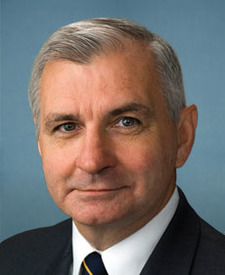



Republicans who voted yea(41)
- Rep. Constance MorellaR-MD-8
- Rep. Jim LeachR-IA-1
- Rep. Benjamin GilmanR-NY-20
- Rep. Nancy JohnsonR-CT-6
- Rep. Sherry BoehlertR-NY-23
 Rep. Michael CastleR-DE
- Rep. Stephen HornR-CA-38
- Rep. Greg GanskeR-IA-4
 Rep. Frank LoBiondoR-NJ-2
- Rep. Jack QuinnR-NY-30
 Rep. Timothy JohnsonR-IL-15
- Rep. Rob SimmonsR-CT-2
- Rep. Curt WeldonR-PA-7
 Rep. John ThuneR-SD
 Rep. Steven LaTouretteR-OH-19
- Rep. Amo HoughtonR-NY-31
 Rep. John McHughR-NY-24
- Rep. Doug OseR-CA-3
 Rep. Shelley CapitoR-WV-2
- Rep. Doug BereuterR-NE-1
 Rep. Jim WalshR-NY-25
- Rep. Felix GrucciR-NY-1
 Rep. Christopher ShaysR-CT-4
 Rep. Todd PlattsR-PA-19
 Rep. Mark KirkR-IL-10
 Rep. Frank WolfR-VA-10
- Rep. Mark FoleyR-FL-16
- Rep. Jim GreenwoodR-PA-8
 Rep. Ileana Ros-LehtinenR-FL-18
- Rep. Tom OsborneR-NE-3
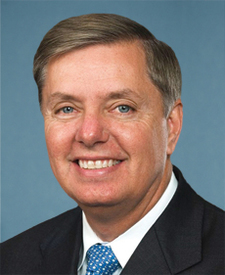 Rep. Lindsey GrahamR-SC-3
 Rep. Mary Bono MackR-CA-44
 Rep. Mike FergusonR-NJ-7
 Rep. Wayne GilchrestR-MD-1
 Rep. Fred UptonR-MI-6
 Rep. Rodney FrelinghuysenR-NJ-11
 Rep. Charlie BassR-NH-2
 Rep. Zach WampR-TN-3
- Rep. Nick SmithR-MI-7
 Rep. Tom PetriR-WI-6
 Rep. Jim RamstadR-MN-3
Data notes
The House’s recorded vote on the final version of the law (roll call 540 in Voteview), matched to the vote the record cites and checked against its totals. Positions are each member’s DW-NOMINATE score for that Congress, as on the Ideology page; left to right is more liberal to more conservative. Paired and announced yea votes count as yea. Lists follow the compass, most liberal first. A name links to a profile only for members of the current Congress. A law passed by voice vote or unanimous consent has no member list, and neither does a vote Voteview has not yet recorded.
Committees
The committees the bill was sent to, and what each did with it.

- Energy and Commerce Committee · House · discharged from, referred toSubcommittee: Communications and Technology Subcommittee
Data notes
A committee links to its page only where it exists in the current Congress; older and renamed committees are named without a link.
Timeline
From introduction to signing, newest first: the committees, the floor and the president. 25 actions.
- Mar 27, 2002Became lawBecame law · Became Public Law No: 107-155.
- Became lawBecame law · Signed by President.
- Mar 26, 2002PresidentPresident · Presented to President.
- Mar 22, 2002FloorFloor · Pursuant to the provisions of H. Con. Res. 361, enrollment corrections on H.R. 2356 have been made.
- Mar 20, 2002FloorFloor · Passed Senate without amendment by Yea-Nay Vote. 60 - 40. Record Vote Number: 54.Senate roll call 54
- FloorFloor · Cloture on the measure invoked in Senate by Yea-Nay Vote. 68 - 32. Record Vote Number: 53.Senate roll call 53
- Mar 18, 2002FloorFloor · Measure laid before Senate by unanimous consent.
- Mar 14, 2002FloorFloor · Cloture motion on the motion to proceed to the measure withdrawn by unanimous consent in Senate.
- Feb 14, 2002FloorFloor · Motion to reconsider laid on the table Agreed to without objection.
- FloorFloor · On passage Passed by recorded vote: 240 - 189 (Roll no. 34).House roll call 34
- FloorFloor · On motion to recommit with instructions Agreed to by voice vote.
- FloorFloor · The previous question on the motion to recommit with instructions was ordered without objection.
- Feb 12, 2002FloorFloor · ORDER OF PROCEDURE (CONTINUED) - Further, Mr. Reynolds asked unanimous consent that under section 3(a) of House Resolution 344, a Member listed in section 3(b) may designate another Member to announce, in accordance with section 3(c), the intention to offer any amendment allotte…
- FloorFloor · ORDER OF PROCEDURE - Mr. Reynolds asked unanimous consent that during consideration of H.R. 2356 in the Committee of the Whole pursuant to H. Res. 344, the Chair shall alternate recognition to offer the amendments specified in section 3 between the Majority Leader or a designee …
- FloorFloor · Rule H. Res. 344 passed House.
- Jul 12, 2001FloorFloor · Rule H. Res. 188 failed passage of House. (On January 24, 2002, a motion to discharge committee filed by Mr. Turner received the requisite 218 signatures. The Rules Committee was discharged from consideration of H. Res. 203. <a href="http://clerk.house.gov/107/lrc/pd/Petitions/D…
- FloorFloor · Rules Committee Resolution H. Res. 188 Reported to House. Rule provides for consideration of H.R. 2356 with 1 hour of general debate. Previous question shall be considered as ordered without intervening motions except motion to recommit with or without instructions. Waives point…
- Jul 11, 2001CommitteeCommittee · Reported by House Committee on House Administration
- CommitteeCommittee · Discharged from House Energy and Commerce Committee
- CommitteeCommittee · Discharged from House Judiciary Committee
- Jul 9, 2001CommitteeCommittee · Referred to Communications and Technology Subcommittee of the House Energy and Commerce Committee
- Jun 28, 2001CommitteeCommittee · Referred to House Committee on House Administration
- CommitteeCommittee · Referred to House Energy and Commerce Committee
- CommitteeCommittee · Referred to House Judiciary Committee
- IntroducedIntroduced · Introduced in the House
Data notes
Shows the introduction, each committee and subcommittee step the source dates (referral, hearings, markup, report, discharge), and the floor, conference, presidential and became-law steps. Calendar placements, messages between the chambers, amendments and committee report numbers are not shown for laws before the 108th Congress. Two entries the source lists twice are shown once.
Official record
The bill’s full text and every action, including introduction and committee steps, are on Congress.gov. Data through Oct 7, 2026.