National Science Foundation Authorization Act of 1998
Public Law 105-207 · H.R. 1273 · 105th Congress · began in the House
Signed by Bill Clinton (D) on Jul 29, 1998 · Science, Technology, Communications
Sponsor: Rep. Steven Schiff (R-NM-1)
Cosponsors (8): Rep. George Brown, Rep. Walter Capps,
Passage votesYeaNay
- HouseVoice vote
- SenateRecorded vote: 99 yea, 0 nay99–0
Data notes
The final version of the law, as each chamber passed it. A chamber that passed it by voice vote or unanimous consent has no count. “Method not stated” means the record does not say how the chamber voted. Where the record has a member-by-member vote, the “Who voted for it” section shows who voted yea.
Summary
The Congressional Research Service’s plain-language summary of what the law does.
TABLE OF CONTENTS:
Title I: National Science Foundation Authorization
Title II: General Provisions
National Science Foundation Authorization Act of 1998 - Title I: National Science Foundation Authorization - Sets forth long-term goals and core strategies of the National Science Foundation (NSF). Authorizes appropriations to NSF through FY 2000.
(Sec. 103) Provides for the proportional reduction of Research and Related Activities amounts available for each scientific directorate if the total amount appropriated to carry out Research and Related Activities for FY 1998 or 1999 is less than the amount authorized under this Act.
(Sec. 104) Sets a limitation on consultation, representation, and other extraordinary expenses.
(Sec. 105) Prohibits funds appropriated pursuant to this Act from being used for the United States Man and the Biosphere Program or related projects.
Title II: General Provisions - Directs NSF to submit to the Congress an annual plan for the proposed construction of, and repair and upgrades to, national research facilities.
(Sec. 202) Makes administrative amendments to the National Science Foundation Act of 1950, the National Science Foundation Authorization Act, 1976, the National Science Foundation Authorization Act of 1988, and the Science and Engineering Equal Opportunities Act.
(Sec. 203) Directs the Director of the Office of Science and Technology Policy, in consultation with other relevant agencies the Director deems appropriate, to prepare a certain report analyzing the Federal indirect cost reimbursement rates paid to universities in comparison with Federal indirect cost reimbursement rates paid to other entities, such as industry, government laboratories, research hospitals, and non-profit institutions. Requires that such report be transmitted to the Congress no later than one year after the date of enactment of this Act.
(Sec. 204) Subjects NSF temporary employees to the same financial disclosure requirements as apply to permanent employees.
(Sec. 205) Requires that if any funds appropriated pursuant to the amendments made by this Act are subject to a reprogramming action that requires notice to be provided to the House and Senate Appropriations Committees, notice of that action shall concurrently be provided to the Senate Committee on Commerce, Science, and Transportation, the Senate Committee on Labor and Human Resources, and the House Committee on Science. Directs the NSF Director to provide notice not later than 15 days before any major reorganization of any NSF program, project, or activity.
(Sec. 206) Expresses the sense of the Congress that the NSF Director should, to the greatest extent practicable and in a manner consistent with applicable Federal law (including Executive Order No. 12999), donate educationally useful Federal equipment to schools in order to enhance the science and mathematics programs of those schools. Requires: (1) the Director to submit an annual report to the President describing donations of educationally useful Federal equipment to schools; and (2) the President to submit that report to the Congress with the Federal budget proposal.
(Sec. 207) Directs the NSF Director: (1) with the assistance of the Office of Science and Technology Policy, to convene appropriate Federal officials, appropriate representatives of the postsecondary education community, and reserve members of the armed forces to discuss and seek a consensus on the appropriate resolution to problems relating to the academic standing and financial responsibilities of postsecondary students called or ordered to active duty in the armed forces; and (2) to report to the Congress on the results and any consensus recommendations, as well as any significant opinions expressed by each participant that are not incorporated in such a recommendation.
(Sec. 208) Amends the National Defense Authorization Act for Fiscal Year 1991 to rename the Critical Technologies Institute as the Science and Technology Policy Institute.
(Sec. 209) Expresses the sense of the Congress that NSF should: (1) give high priority to correcting all two-digit date-related problems in its computer systems to ensure that those systems continue to operate effectively in the year 2000 and beyond; (2) assess immediately the extent of the risk to NSF operations posed by such problems, and plan and budget for achieving Year 2000 compliance for all its mission-critical systems; and (3) develop contingency plans for those systems that NSF is unable to correct in time.
Who voted for it
Every senator of the 105th Congress on the ideology compass. Highlighted: the 99 who voted yea on final passage. Faded: everyone else, including those who voted nay, did not vote, or had not yet taken office.
99 yea0 nay1 present or did not vote
Democrats who voted yea(45)
- Sen. Paul WellstoneD-MN
 Sen. Ted KennedyD-MA
- Sen. Paul SarbanesD-MD
 Sen. Tom HarkinD-IA
 Sen. Jack ReedD-RI
- Sen. Dale BumpersD-AR
 Sen. Richard DurbinD-IL
 Sen. Daniel AkakaD-HI
 Sen. Russell FeingoldD-WI
 Sen. Frank LautenbergD-NJ
 Sen. Carl LevinD-MI
 Sen. Barbara BoxerD-CA
 Sen. John KerryD-MA
- Sen. John GlennD-OH
 Sen. Barbara MikulskiD-MD
 Sen. Byron DorganD-ND
 Sen. Patty MurrayD-WA
- Sen. Tom DaschleD-SD
 Sen. Kent ConradD-ND
 Sen. Daniel InouyeD-HI
 Sen. Tim JohnsonD-SD
 Sen. Patrick LeahyD-VT
 Sen. Jay RockefellerD-WV
- Sen. Carol Moseley BraunD-IL
 Sen. Christopher DoddD-CT
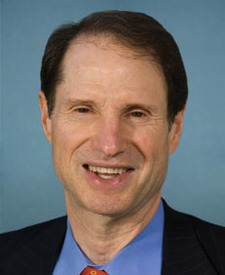 Sen. Ron WydenD-OR
 Sen. Jeff BingamanD-NM
- Sen. Robert TorricelliD-NJ
- Sen. Fritz HollingsD-SC
 Sen. Robert ByrdD-WV
- Sen. Wendell FordD-KY
 Sen. Herb KohlD-WI
- Sen. Maxwell ClelandD-GA
 Sen. Dianne FeinsteinD-CA
 Sen. Harry ReidD-NV
 Sen. Joseph BidenD-DE
- Sen. Robert KerreyD-NE
- Sen. Richard BryanD-NV
- Sen. Daniel MoynihanD-NY
 Sen. Mary LandrieuD-LA
 Sen. Max BaucusD-MT
- Sen. Bob GrahamD-FL
- Sen. Charles RobbD-VA
 Sen. Joseph LiebermanD-CT
- Sen. John BreauxD-LA
Republicans who voted yea(54)
 Sen. Arlen SpecterR-PA
- Sen. Jim JeffordsR-VT
- Sen. John ChafeeR-RI
 Sen. Olympia SnoweR-ME
- Sen. Alfonse D’AmatoR-NY
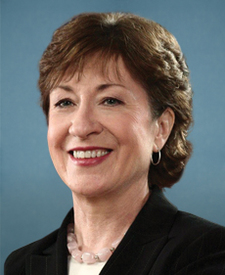 Sen. Susan CollinsR-ME
 Sen. Ted StevensR-AK
- Sen. William RothR-DE
 Sen. Gordon SmithR-OR
 Sen. Pete DomeniciR-NM
- Sen. Ben CampbellR-CO
 Sen. Thad CochranR-MS
 Sen. Robert BennettR-UT
- Sen. Slade GortonR-WA
 Sen. Richard LugarR-IN
- Sen. Mike DeWineR-OH
 Sen. Kit BondR-MO
 Sen. Orrin HatchR-UT
 Sen. John WarnerR-VA
- Sen. Bill FristR-TN
- Sen. Frank MurkowskiR-AK
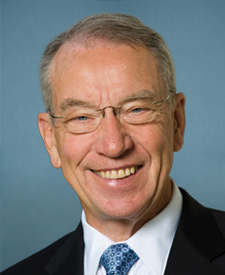 Sen. Chuck GrassleyR-IA
- Sen. Rick SantorumR-PA
 Sen. Chuck HagelR-NE
 Sen. Pat RobertsR-KS
- Sen. Spencer AbrahamR-MI
- Sen. Connie MackR-FL
 Sen. John McCainR-AZ
- Sen. Conrad BurnsR-MT
 Sen. Kay HutchisonR-TX
- Sen. Paul CoverdellR-GA
- Sen. Strom ThurmondR-SC
 Sen. Trent LottR-MS
 Sen. Judd GreggR-NH
 Sen. Richard ShelbyR-AL
- Sen. Dirk KempthorneR-ID
- Sen. Fred ThompsonR-TN
 Sen. Daniel CoatsR-IN
 Sen. Mitch McConnellR-KY
- Sen. Craig ThomasR-WY
 Sen. Larry CraigR-ID
 Sen. Michael EnziR-WY
- Sen. Rod GramsR-MN
 Sen. Sam BrownbackR-KS
- Sen. Tim HutchinsonR-AR
 Sen. Wayne AllardR-CO
- Sen. Don NicklesR-OK
 Sen. Jon KylR-AZ
 Sen. Jeff SessionsR-AL
- Sen. Phil GrammR-TX
- Sen. Lauch FairclothR-NC
- Sen. Jesse HelmsR-NC
- Sen. John AshcroftR-MO
- Sen. Bob SmithR-NH
Data notes
The Senate’s recorded vote on the final version of the law (roll call 425 in Voteview), matched to the vote the record cites and checked against its totals. Positions are each member’s DW-NOMINATE score for that Congress, as on the Ideology page; left to right is more liberal to more conservative. Paired and announced yea votes count as yea. Lists follow the compass, most liberal first. A name links to a profile only for members of the current Congress. A law passed by voice vote or unanimous consent has no member list, and neither does a vote Voteview has not yet recorded.
Committees
The committees the bill was sent to, and what each did with it.


Data notes
A committee links to its page only where it exists in the current Congress; older and renamed committees are named without a link.
Timeline
From introduction to signing, newest first: the committees, the floor and the president. 17 actions.
- Jul 29, 1998Became lawBecame law · Became Public Law No: 105-207.
- Became lawBecame law · Signed by President.
- Jul 17, 1998PresidentPresident · Presented to President.
- Jul 14, 1998Resolving differencesResolving differences · Motion to reconsider laid on the table Agreed to without objection.
- Resolving differencesResolving differences · On motion that the House suspend the rules and agree to the Senate amendment Agreed to by voice vote.
- Resolving differencesResolving differences · Mr. Sensenbrenner moved that the House suspend the rules and agree to the Senate amendment.
- May 12, 1998FloorFloor · Passed Senate in lieu of S. 1046 with an amendment by Yea-Nay Vote. 99-0. Record Vote No: 127.Senate roll call 127
- CommitteeCommittee · Discharged from Senate Health, Education, Labor, and Pensions Committee
- Apr 24, 1997FloorFloor · Motion to reconsider laid on the table Agreed to without objection.
- FloorFloor · On passage Passed by voice vote.
- FloorFloor · The House adopted the amendment in the nature of a substitute as agreed to by the Committee of the Whole House on the state of the Union.
- FloorFloor · Rule H. Res. 126 passed House.
- CommitteeCommittee · Referred to Senate Health, Education, Labor, and Pensions Committee
- Apr 21, 1997CommitteeCommittee · Reported by House Science, Space, and Technology Committee
- Apr 16, 1997CommitteeCommittee · Markup by House Science, Space, and Technology Committee
- Apr 10, 1997CommitteeCommittee · Referred to House Science, Space, and Technology Committee
- IntroducedIntroduced · Introduced in the House
Data notes
Shows the introduction, each committee and subcommittee step the source dates (referral, hearings, markup, report, discharge), and the floor, conference, presidential and became-law steps. Calendar placements, messages between the chambers, amendments and committee report numbers are not shown for laws before the 108th Congress. Two entries the source lists twice are shown once.
Official record
The bill’s full text and every action, including introduction and committee steps, are on Congress.gov. Data through Oct 7, 2026.