Making further continuing appropriations for the fiscal year 1996, and for other purposes.
Public Law 104-122 · H.J.Res. 170 · 104th Congress · began in the House
Signed by Bill Clinton (D) on Mar 29, 1996 · Economics and Public Finance
Sponsor: Rep. Robert Livingston (R-LA-1)
Cosponsors: None
Passage votesYeaNay
- HouseVoice vote
- SenateRecorded vote: 64 yea, 24 nay64–24
Data notes
The final version of the law, as each chamber passed it. A chamber that passed it by voice vote or unanimous consent has no count. “Method not stated” means the record does not say how the chamber voted. Where the record has a member-by-member vote, the “Who voted for it” section shows who voted yea.
Summary
The Congressional Research Service’s plain-language summary of what the law does.
Amends the Balanced Budget Downpayment Act, I, as amended, and Public Law 104-92, as amended, to extend the March 29 and April 3 appropriation deadline provisions under such Acts to April 24, 1996.
Provides a full year Federal payment to the District of Columbia.
Amends the Department of Transportation and Related Agencies Appropriations Act, 1996, to apply Federal labor-management relations requirements to the Federal Aviation Administration personnel management system developed and implemented under such Act.
Amends the Auburn Indian Restoration Act to authorize (currently, require) the Secretary of the Interior to accept California lands into trust status on behalf of the tribe.
Makes appropriations through FY 1996 to the Agency for International Development for assistance for Eastern Europe and the Baltic States (including a transfer of funds) for demining and economic revitalization assistance to Bosnia and Herzegovina, under specified requirements and conditions.
Who voted for it
Every senator of the 104th Congress on the ideology compass. Highlighted: the 64 who voted yea on final passage. Faded: everyone else, including those who voted nay, did not vote, or had not yet taken office.
64 yea24 nay12 present or did not vote
Democrats who voted yea(20)
- Sen. Paul SarbanesD-MD
 Sen. Russell FeingoldD-WI
- Sen. Paul SimonD-IL
- Sen. Claiborne PellD-RI
- Sen. Bill BradleyD-NJ
 Sen. Barbara MikulskiD-MD
 Sen. Robert ByrdD-WV
 Sen. Daniel InouyeD-HI
 Sen. Herb KohlD-WI
- Sen. Wendell FordD-KY
- Sen. Bob GrahamD-FL
 Sen. Dianne FeinsteinD-CA
- Sen. John JohnstonD-LA
- Sen. John BreauxD-LA
- Sen. Charles RobbD-VA
- Sen. James ExonD-NE
 Sen. Joseph LiebermanD-CT
 Sen. Max BaucusD-MT
- Sen. Samuel NunnD-GA
- Sen. Howell HeflinD-AL
Republicans who voted yea(44)
- Sen. Jim JeffordsR-VT
 Sen. Arlen SpecterR-PA
- Sen. William CohenR-ME
 Sen. Olympia SnoweR-ME
- Sen. John ChafeeR-RI
- Sen. Mark HatfieldR-OR
- Sen. Ben CampbellD-CO
- Sen. Mike DeWineR-OH
 Sen. Pete DomeniciR-NM
- Sen. Slade GortonR-WA
- Sen. William RothR-DE
 Sen. Richard LugarR-IN
 Sen. Kit BondR-MO
 Sen. John WarnerR-VA
 Sen. Robert BennettR-UT
 Sen. Thad CochranR-MS
- Sen. Larry PresslerR-SD
- Sen. Spencer AbrahamR-MI
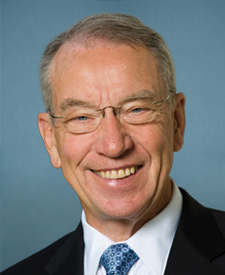 Sen. Chuck GrassleyR-IA
- Sen. Bill FristR-TN
- Sen. Rick SantorumR-PA
 Sen. Orrin HatchR-UT
- Sen. Conrad BurnsR-MT
 Sen. Richard ShelbyR-AL
- Sen. Frank MurkowskiR-AK
- Sen. Robert DoleR-KS
- Sen. Fred ThompsonR-TN
 Sen. Judd GreggR-NH
- Sen. Strom ThurmondR-SC
 Sen. Kay HutchisonR-TX
- Sen. Craig ThomasR-WY
- Sen. Paul CoverdellR-GA
 Sen. Daniel CoatsR-IN
- Sen. Dirk KempthorneR-ID
 Sen. Trent LottR-MS
 Sen. Larry CraigR-ID
 Sen. John McCainR-AZ
- Sen. Rod GramsR-MN
- Sen. John AshcroftR-MO
- Sen. Don NicklesR-OK
- Sen. Hank BrownR-CO
- Sen. Phil GrammR-TX
 Sen. Jon KylR-AZ
- Sen. Bob SmithR-NH
Data notes
The Senate’s recorded vote on the final version of the law (roll call 673 in Voteview), matched to the vote the record cites and checked against its totals. Positions are each member’s DW-NOMINATE score for that Congress, as on the Ideology page; left to right is more liberal to more conservative. Paired and announced yea votes count as yea. Lists follow the compass, most liberal first. A name links to a profile only for members of the current Congress. A law passed by voice vote or unanimous consent has no member list, and neither does a vote Voteview has not yet recorded.
Committees
The committees the bill was sent to, and what each did with it.

Data notes
A committee links to its page only where it exists in the current Congress; older and renamed committees are named without a link.
Timeline
From introduction to signing, newest first: the committees, the floor and the president. 10 actions.
- Mar 29, 1996Became lawBecame law · Became Public Law No: 104-122.
- Became lawBecame law · Signed by President.
- PresidentPresident · Presented to President.
- FloorFloor · Received in the Senate, read twice, considered, read the third time, and passed without amendment by Yea-Nay Vote. 64-24. Record Vote No: 60.Senate roll call 60
- FloorFloor · Motion to reconsider laid on the table Agreed to without objection.
- FloorFloor · On passage Passed by voice vote.
- FloorFloor · DEBATE - Pursuant to an earlier unanimous consent agreement, the House proceeded with one hour of debate on the joint resolution.
- FloorFloor · PERMISSION TO CONSIDER - Mr. Livingston asked unanimous consent that the Committee on Appropriations be discharged from the further consideration of H.J. Res. 170 when called up; and that it be in order at any time to consider the joint resolution in the House; that the joint re…
- CommitteeCommittee · Referred to House Appropriations Committee
- IntroducedIntroduced · Introduced in the House
Data notes
Shows the introduction, each committee and subcommittee step the source dates (referral, hearings, markup, report, discharge), and the floor, conference, presidential and became-law steps. Calendar placements, messages between the chambers, amendments and committee report numbers are not shown for laws before the 108th Congress. Two entries the source lists twice are shown once.
Official record
The bill’s full text and every action, including introduction and committee steps, are on Congress.gov. Data through Oct 7, 2026.