Freedom of Access to Clinic Entrances Act of 1994
Public Law 103-259 · S. 636 · 103rd Congress · began in the Senate
Signed by Bill Clinton (D) on May 26, 1994 · Health
Major law
Sponsor: Sen. Ted Kennedy (D-MA)
Cosponsors (31): Sen. Barbara Boxer, Sen. Ben Campbell,
Passage votesYeaNay
- HouseRecorded vote: 241 yea, 174 nay241–174
- SenateRecorded vote: 69 yea, 30 nay69–30
Data notes
The final version of the law, as each chamber passed it. A chamber that passed it by voice vote or unanimous consent has no count. “Method not stated” means the record does not say how the chamber voted. Where the record has a member-by-member vote, the “Who voted for it” section shows who voted yea.
Summary
The Congressional Research Service’s plain-language summary of what the law does.
Freedom of Access to Clinic Entrances Act of 1994 - Amends the Federal criminal code to prohibit: (1) intentionally injuring, intimidating, or interfering with, or attempting to injure, intimidate, or interfere, any person by force, threat of force, or physical obstruction because that person is or has been, or in order to intimidate such person or any other person or any class of persons from, obtaining or providing reproductive health services; (2) intentionally injuring, intimidating, or interfering with, or attempting to injure, intimidate, or interfere, any person by force, threat of force, or physical obstruction exercising or seeking to exercise the First Amendment right of religious freedom at a place of religious worship; or (3) intentionally damaging or destroying the property of a facility, or attempting to do so, because such facility provides reproductive health services, or intentionally damaging or destroying the property of a place of religious worship.
Sets maximum dollar amounts of fines (including for exclusively nonviolent physical obstruction) and maximum imprisonment terms. Includes in the available civil remedies injunctive relief, compensatory and punitive damages, and costs.
Authorizes civil actions by aggrieved persons, the Attorney General, and State attorneys general for violations.
Specifies that nothing in this Act shall be construed to: (1) prohibit any expressive conduct (including peaceful picketing or other peaceful demonstration) protected from legal prohibition by the First Amendment to the Constitution; (2) create new remedies for interference with activities protected by free speech or free exercise clauses of the First Amendment to the Constitution, occurring outside a facility, regardless of the point of view expressed, or to limit any existing legal remedies for such interference; (3) provide exclusive criminal penalties or civil remedies with respect to conduct prohibited by this Act, or to preempt State or local laws that may provide such penalties or remedies; or (4) interfere with the enforcement of State or local laws regulating the performance of abortions or other reproductive health services.
Who voted for it
Every senator of the 103rd Congress on the ideology compass. Highlighted: the 69 who voted yea on final passage. Faded: everyone else, including those who voted nay, did not vote, or had not yet taken office.
69 yea30 nay1 present or did not vote
Democrats who voted yea(52)
- Sen. Paul WellstoneD-MN
- Sen. Howard MetzenbaumD-OH
 Sen. Russell FeingoldD-WI
 Sen. Barbara BoxerD-CA
- Sen. Paul SimonD-IL
- Sen. Paul SarbanesD-MD
- Sen. George MitchellD-ME
- Sen. Claiborne PellD-RI
- Sen. Donald RiegleD-MI
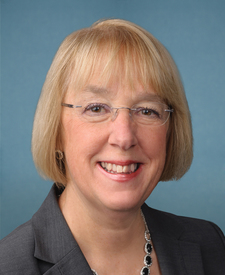 Sen. Patty MurrayD-WA
 Sen. Patrick LeahyD-VT
- Sen. Daniel MoynihanD-NY
 Sen. Tom HarkinD-IA
- Sen. David PryorD-AR
- Sen. Carol Moseley BraunD-IL
 Sen. Daniel AkakaD-HI
- Sen. Dale BumpersD-AR
 Sen. Ted KennedyD-MA
 Sen. Carl LevinD-MI
 Sen. Jay RockefellerD-WV
- Sen. Tom DaschleD-SD
 Sen. Daniel InouyeD-HI
- Sen. James SasserD-TN
 Sen. Kent ConradD-ND
- Sen. Harlan MathewsD-TN
 Sen. Joseph BidenD-DE
- Sen. Bill BradleyD-NJ
 Sen. Barbara MikulskiD-MD
 Sen. John KerryD-MA
 Sen. Robert ByrdD-WV
 Sen. Christopher DoddD-CT
- Sen. Harris WoffordD-PA
- Sen. John GlennD-OH
 Sen. Dianne FeinsteinD-CA
- Sen. Wendell FordD-KY
 Sen. Byron DorganD-ND
 Sen. Harry ReidD-NV
 Sen. Frank LautenbergD-NJ
- Sen. Fritz HollingsD-SC
 Sen. Max BaucusD-MT
- Sen. Richard BryanD-NV
- Sen. Bob GrahamD-FL
- Sen. Dennis DeConciniD-AZ
- Sen. Charles RobbD-VA
 Sen. Jeff BingamanD-NM
 Sen. Herb KohlD-WI
- Sen. David BorenD-OK
 Sen. Joseph LiebermanD-CT
- Sen. Ben CampbellD-CO
- Sen. Robert KerreyD-NE
- Sen. Samuel NunnD-GA
- Sen. Howell HeflinD-AL








Republicans who voted yea(17)
- Sen. Jim JeffordsR-VT
- Sen. John ChafeeR-RI
- Sen. David DurenbergerR-MN
 Sen. Arlen SpecterR-PA
- Sen. William CohenR-ME
- Sen. Robert PackwoodR-OR
- Sen. Nancy KassebaumR-KS
 Sen. Ted StevensR-AK
- Sen. John DanforthR-MO
 Sen. Pete DomeniciR-NM
 Sen. Kit BondR-MO
- Sen. Slade GortonR-WA
- Sen. Alan SimpsonR-WY
- Sen. William RothR-DE
 Sen. Kay HutchisonR-TX
 Sen. Mitch McConnellR-KY
- Sen. Hank BrownR-CO
Data notes
The Senate’s recorded vote on the final version of the law (roll call 507 in Voteview), matched to the vote the record cites and checked against its totals. Positions are each member’s DW-NOMINATE score for that Congress, as on the Ideology page; left to right is more liberal to more conservative. Paired and announced yea votes count as yea. Lists follow the compass, most liberal first. A name links to a profile only for members of the current Congress. A law passed by voice vote or unanimous consent has no member list, and neither does a vote Voteview has not yet recorded.
Committees
The committees the bill was sent to, and what each did with it.
 Health, Education, Labor, and Pensions Committee · Senate · hearings by (full committee), markup by, referred to, reported by
Data notes
A committee links to its page only where it exists in the current Congress; older and renamed committees are named without a link.
Timeline
From introduction to signing, newest first: the committees, the floor and the president. 56 actions.
- May 26, 1994Became lawBecame law · Became Public Law No: 103-259.
- Became lawBecame law · Signed by President.
- May 17, 1994PresidentPresident · Presented to President.
- May 12, 1994Resolving differencesResolving differences · Senate agreed to conference report by Yea-Nay Vote. 69-30. Record Vote No: 112.Senate roll call 112
- Resolving differencesResolving differences · Conference report agreed to in Senate: Senate agreed to conference report by Yea-Nay Vote. 69-30. Record Vote No: 112.Senate roll call 112
- Resolving differencesResolving differences · Conference report considered in Senate.
- May 5, 1994Resolving differencesResolving differences · Conference papers: message on House action held at the desk in Senate.
- Resolving differencesResolving differences · On agreeing to the conference report Agreed to by recorded vote: 241 - 174 (Roll no. 159).House roll call 159
- Resolving differencesResolving differences · Motions to reconsider laid on the table Agreed to without objection.
- Resolving differencesResolving differences · Conference report agreed to in House: On agreeing to the conference report Agreed to by recorded vote: 241 - 174 (Roll no. 159).House roll call 159
- Resolving differencesResolving differences · On motion to recommit with instructions to conference committee Failed by the Yeas and Nays: 193 - 222 (Roll no. 158).House roll call 158
- Resolving differencesResolving differences · Mr. Sensenbrenner moved to recommit with instructions to the conference committee.
- Resolving differencesResolving differences · The previous question was ordered without objection.
- Resolving differencesResolving differences · Mr. Brooks brought up conference report H. Rept. 103-488 for consideration under the provisions of H. Res. 417.
- FloorFloor · The previous question on the motion to recommit with instructions to conference committee was ordered without objection.
- FloorFloor · The instructions contained in the Sensenbrenner motion to recommit the conference report seek to require the managers to adopt the House language on attorneys fees, and that the court may award to the prevailing party, whether plaintiff or defendent, other than the United States…
- FloorFloor · DEBATE - The House proceeded with one hour of debate on the conference report.
- FloorFloor · Rule H. Res. 417 passed House.
- May 4, 1994FloorFloor · Rules Committee Resolution H. Res. 417 Reported to House. Rule provides for consideration of the conference report to S. 636. Waiving all points of order against the conference report and against its consideration. The conference report shall be considered read when called up.
- May 2, 1994Resolving differencesResolving differences · Conference papers: Senate report and managers' statement held at the desk in Senate.
- Resolving differencesResolving differences · Conference report H. Rept. 103-488 filed.
- Resolving differencesResolving differences · Conference report filed: Conference report H. Rept. 103-488 filed.
- Apr 26, 1994Resolving differencesResolving differences · Conferees agreed to file conference report.
- Resolving differencesResolving differences · Conference committee actions: Conferees agreed to file conference report.
- Apr 12, 1994Resolving differencesResolving differences · Senate agreed to request for conference. Appointed conferees. Kennedy; Pell; Metzenbaum; Simon; Mikulski; Kassebaum; Jeffords; Coats; Hatch.
- FloorFloor · Senate disagreed to the House amendments by Voice Vote.
- Mar 21, 1994FloorFloor · Message on House action received in Senate and at desk: House amendments to Senate bill House requests a conference.
- Mar 17, 1994Resolving differencesResolving differences · The Speaker appointed conferees - from the Committee on Energy and Commerce: Dingell, Waxman, Synar, Moorhead, and Bliley.
- Resolving differencesResolving differences · The Speaker appointed conferees - from the Committee on the Judiciary: Brooks, Schumer, Edwards (CA), Conyers, Schroeder, Sensenbrenner, Hyde, and Canady.
- Resolving differencesResolving differences · Motion to reconsider laid on the table Agreed to without objection.
Data notes
Shows the introduction, each committee and subcommittee step the source dates (referral, hearings, markup, report, discharge), and the floor, conference, presidential and became-law steps. Calendar placements, messages between the chambers, amendments and committee report numbers are not shown for laws before the 108th Congress. Two entries the source lists twice are shown once.
Official record
The bill’s full text and every action, including introduction and committee steps, are on Congress.gov. Data through Oct 7, 2026.