Making further continuing appropriations for the fiscal year 1992, and for other purposes.
Public Law 102-266 · H.J.Res. 456 · 102nd Congress · began in the House
Signed by George H. W. Bush (R) on Apr 1, 1992 · Economics and Public Finance
Sponsor: Rep. Jamie Whitten (D-MS-1)
Cosponsors: None
Passage votesYeaNay
- HouseUnanimous consent
- SenateRecorded vote: 84 yea, 16 nay84–16
Data notes
The final version of the law, as each chamber passed it. A chamber that passed it by voice vote or unanimous consent has no count. “Method not stated” means the record does not say how the chamber voted. Where the record has a member-by-member vote, the “Who voted for it” section shows who voted yea.
Summary
The Congressional Research Service’s plain-language summary of what the law does.
Amends Federal law making further continuing appropriations to extend until September 30, 1992 (currently, March 31, 1992) the availability of funds for the Foreign Operations, Export Financing, and Related Programs Appropriations Act, 1992 (the Act).
Declares that the current rate for operations for any project or activity under this joint resolution for foreign operations, export financing, and related programs shall be defined to be the amounts appropriated in FY 1991.
Declares the rate for specified foreign operation expenses to be the amount included under the Act as passed by the House of Representatives on June 19, 1991. Specifies that rate for operations for certain other expenses.
Eliminates specified earmarks, transfers, and ceilings under the Foreign Operations, Export Financing, and Related Programs Appropriations Act, 1991.
Eliminates dire emergency supplemental earmarks, transfers, ceilings, and other terms and conditions under certain laws applicable to appropriations for foreign operations, export financing, and related programs.
Specifies the applicability or inapplicability of certain authorities and conditions to specified continuing appropriations.
Makes funds available for support for the economic and democratic development of the former Soviet Republics.
Restricts the use of funds made available for military assistance to El Salvador for nonlethal military assistance only. Requires the transfer of funds to the Demobilization and Transition Fund (created to assist with the costs of monitoring a permanent settlement of the conflict in El Salvador). Specifies the further use of such funds, including law enforcement purposes. Makes funds available to support El Salvador's Truth Commission and its investigations and publicization through reports of its findings and recommendations of unsolved human rights cases. Directs the Secretary of State to transmit Commission reports to the appropriate congressional committees in a timely manner.
Allows commitments to guarantee loans for foreign operations, export financing, and related programs under the Housing Guarantee Program Account.
Continues the administration of justice program (for anti-narcotics efforts) under the Foreign Assistance Act of 1961 from funds appropriated under this resolution. Makes funds available for law enforcement in Panama, Bolivia, Colombia, and Peru.
Amends the International Finance Corporation Act to authorize appropriations for the U.S. Governor of the International Finance Corporation to subscribe to additional shares of the Corporation's capital stock.
Amends the Asian Development Bank Act to authorize appropriations for the U.S. Governor of the Asian Development Bank to subscribe to additional shares of the Bank's capital stock.
Amends the African Development Fund Act to authorize appropriations for the U.S. Governor of the Fund to contribute to the sixth replenishment of Fund resources.
Reduces each discretionary appropriation provided in this joint resolution for foreign operations, export financing and related programs by a specified percentage.
Appropriates additional funds (exempt from such reduction in appropriations) to the Department of State for FY 1992 for contributions for international peacekeeping activities.
Appropriates additional funds to the Small Business Administration for the cost of direct loans and administrative expenses to carry out the disaster loan program. Declares that the Congress designates such amounts as emergency requirements pursuant to the Budget Enforcement Act of 1990.
Who voted for it
Every senator of the 102nd Congress on the ideology compass. Highlighted: the 84 who voted yea on final passage. Faded: everyone else, including those who voted nay, did not vote, or had not yet taken office.
84 yea16 nay
Democrats who voted yea(51)
- Sen. Paul WellstoneD-MN
- Sen. Howard MetzenbaumD-OH
- Sen. Brock AdamsD-WA
 Sen. Tom HarkinD-IA
- Sen. Paul SarbanesD-MD
 Sen. Ted KennedyD-MA
- Sen. James SasserD-TN
- Sen. Paul SimonD-IL
- Sen. Donald RiegleD-MI
- Sen. Alan CranstonD-CA
 Sen. Frank LautenbergD-NJ
- Sen. Harris WoffordD-PA
 Sen. Patrick LeahyD-VT
 Sen. John KerryD-MA
- Sen. David PryorD-AR
- Sen. Bill BradleyD-NJ
 Sen. Joseph BidenD-DE
 Sen. Jay RockefellerD-WV
- Sen. George MitchellD-ME
- Sen. Tom DaschleD-SD
 Sen. Carl LevinD-MI
- Sen. Albert GoreD-TN
- Sen. Claiborne PellD-RI
 Sen. Daniel AkakaD-HI
- Sen. Quentin BurdickD-ND
 Sen. Barbara MikulskiD-MD
- Sen. Timothy WirthD-CO
- Sen. Wyche FowlerD-GA
- Sen. Daniel MoynihanD-NY
 Sen. Jeff BingamanD-NM
- Sen. Dale BumpersD-AR
- Sen. James SanfordD-NC
- Sen. Robert KerreyD-NE
- Sen. John GlennD-OH
- Sen. Wendell FordD-KY
 Sen. Christopher DoddD-CT
 Sen. Daniel InouyeD-HI
 Sen. Herb KohlD-WI
 Sen. Harry ReidD-NV
- Sen. James ExonD-NE
- Sen. Richard BryanD-NV
- Sen. Lloyd BentsenD-TX
- Sen. Samuel NunnD-GA
- Sen. Alan DixonD-IL
- Sen. Bob GrahamD-FL
 Sen. Joseph LiebermanD-CT
- Sen. John JohnstonD-LA
- Sen. Charles RobbD-VA
- Sen. John BreauxD-LA
- Sen. Howell HeflinD-AL
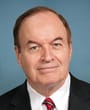 Sen. Richard ShelbyD-AL
Republicans who voted yea(33)
- Sen. Jim JeffordsR-VT
- Sen. Mark HatfieldR-OR
 Sen. Arlen SpecterR-PA
- Sen. Robert PackwoodR-OR
- Sen. John ChafeeR-RI
- Sen. William CohenR-ME
- Sen. David DurenbergerR-MN
- Sen. John DanforthR-MO
- Sen. Nancy KassebaumR-KS
 Sen. Ted StevensR-AK
- Sen. Slade GortonR-WA
- Sen. Warren RudmanR-NH
 Sen. John WarnerR-VA
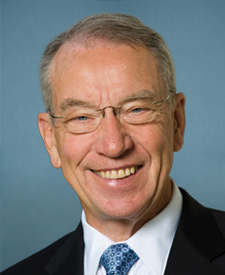 Sen. Chuck GrassleyR-IA
 Sen. Pete DomeniciR-NM
 Sen. Kit BondR-MO
 Sen. Thad CochranR-MS
- Sen. John SeymourR-CA
- Sen. Frank MurkowskiR-AK
 Sen. John McCainR-AZ
- Sen. Alan SimpsonR-WY
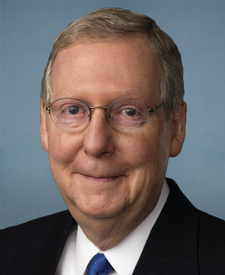 Sen. Mitch McConnellR-KY
 Sen. Richard LugarR-IN
- Sen. Strom ThurmondR-SC
- Sen. Larry PresslerR-SD
 Sen. Orrin HatchR-UT
 Sen. Daniel CoatsR-IN
- Sen. Robert DoleR-KS
- Sen. William RothR-DE
- Sen. Connie MackR-FL
- Sen. Jake GarnR-UT
- Sen. Phil GrammR-TX
- Sen. Hank BrownR-CO
Data notes
The Senate’s recorded vote on the final version of the law (roll call 342 in Voteview), matched to the vote the record cites and checked against its totals. Positions are each member’s DW-NOMINATE score for that Congress, as on the Ideology page; left to right is more liberal to more conservative. Paired and announced yea votes count as yea. Lists follow the compass, most liberal first. A name links to a profile only for members of the current Congress. A law passed by voice vote or unanimous consent has no member list, and neither does a vote Voteview has not yet recorded.
Committees
The committees the bill was sent to, and what each did with it.

Data notes
A committee links to its page only where it exists in the current Congress; older and renamed committees are named without a link.
Timeline
From introduction to signing, newest first: the committees, the floor and the president. 17 actions.
- Apr 1, 1992Became lawBecame law · Became Public Law No: 102-266.
- Became lawBecame law · Signed by President.
- PresidentPresident · Presented to President.
- Resolving differencesResolving differences · On motion that the House agree to the Senate amendments Agreed to without objection.
- Resolving differencesResolving differences · Motion to reconsider laid on the table Agreed to without objection.
- Resolving differencesResolving differences · Mr. Obey asked unanimous consent that the House agree to the Senate amendments.
- FloorFloor · Passed Senate with an amendment by Yea-Nay Vote. 84-16. Record Vote No: 62.Senate roll call 62
- FloorFloor · Amendment SP 1752 agreed to in Senate by Voice Vote.
- FloorFloor · Measure laid before Senate by unanimous consent.
- Mar 31, 1992FloorFloor · Motion to reconsider laid on the table Agreed to without objection.
- FloorFloor · On passage Passed by the Yeas and Nays: 275 - 131 (Roll No. 63).House roll call 63
- FloorFloor · Considered by unanimous consent.
- FloorFloor · Mr. Obey asked unanimous consent to discharge from committee and consider.
- FloorFloor · Mr. Obey asked unanimous consent for the immediate consideration of the resolution in the House, any rules of the House to the contrary notwithstanding, that debate be limited to one hour, and that the previous question be considered as ordered without intervening motion, except…
- CommitteeCommittee · Discharged from House Appropriations Committee
- Mar 30, 1992CommitteeCommittee · Referred to House Appropriations Committee
- IntroducedIntroduced · Introduced in the House
Data notes
Shows the introduction, each committee and subcommittee step the source dates (referral, hearings, markup, report, discharge), and the floor, conference, presidential and became-law steps. Calendar placements, messages between the chambers, amendments and committee report numbers are not shown for laws before the 108th Congress. Two entries the source lists twice are shown once.
Official record
The bill’s full text and every action, including introduction and committee steps, are on Congress.gov. Data through Oct 7, 2026.