Americans with Disabilities Act of 1990
Public Law 101-336 · S. 933 · 101st Congress · began in the Senate
Signed by George H. W. Bush (R) on Jul 26, 1990 · Civil Rights and Liberties, Minority Issues
Major law
Sponsor: Sen. Tom Harkin (D-IA)
Cosponsors (63): Sen. Ted Kennedy, Sen. David Durenberger,
Passage votesYeaNay
- HouseRecorded vote: 377 yea, 28 nay377–28
- SenateRecorded vote: 91 yea, 6 nay91–6
Data notes
The final version of the law, as each chamber passed it. A chamber that passed it by voice vote or unanimous consent has no count. “Method not stated” means the record does not say how the chamber voted. Where the record has a member-by-member vote, the “Who voted for it” section shows who voted yea.
Summary
The Congressional Research Service’s plain-language summary of what the law does.
Americans with Disabilities Act of 1990 - Title I: Employment - Prohibits discrimination by a covered entity (any employer, employment agency, labor organization, or joint labor-management committee) against any qualified individual with a disability in job application procedures, hiring or discharge, compensation, advancement, training, and other terms, conditions, and privileges of employment.
Lists actions construed to be discrimination.
Allows: (1) actions that are job related and consistent with business necessity, if performance cannot be accomplished by reasonable accommodation; (2) a requirement that an individual not pose a direct threat to the health or safety of other individuals in the workplace; and (3) requirements that an individual be a member of and conform to the tenets of a religious entity employer.
Directs the Secretary of Health and Human Services to publish, annually update, and disseminate a list of diseases transmitted through food handling. Allows a covered entity to refuse to assign to a food handling job an individual who has a disease on the list, if reasonable accommodation cannot be made.
Excludes from the term "qualified individual with a disability" an individual who is currently engaging in the illegal use of drugs. Allows a covered entity to take specified actions with regard to the illegal use of drugs and the use of alcohol in relation to the workplace. Declares that, for this title, a test to determine illegal use of drugs is not a medical examination.
Makes the remedies set forth in specified provisions of the Civil Rights Act of 1964 available to the Equal Employment Opportunity Commission, the Attorney General, or any person alleging discrimination in violation of this Act.
Title II: Public Services - Subtitle A: Prohibition Against Discrimination and Other Generally Applicable Provisions - Declares that no qualified individual with a disability shall be excluded from the participation in, denied the benefits of, or subjected to discrimination by a public entity (defined as a State, an agency, political subdivision, or other instrumentality of a State or States, the National Railroad Passenger Corporation, and any commuter authority as defined in the Rail Passenger Service Act).
Makes the remedies and rights set forth in specified provisions of the Rehabilitation Act of 1973 available to any person alleging discrimination in violation of these provisions.
Requires regulations under this subtitle: (1) subject to exception, to be consistent with certain coordination regulations applicable to recipients of Federal financial assistance under the Rehabilitation Act of 1973; and (2) to include standards for facilities and vehicles covered by this subtitle consistent with the minimum guidelines and requirements issued by the Architectural and Transportation Barriers Compliance Board (ATBCB).
Subtitle B: Actions Applicable to Public Transportation Provided by Public Entities considered Discriminatory - Part I: Public Transportation Other Than by Aircraft or Certain Rail Operations - Lists actions deemed to be discrimination with regard to: (1) public entities operating fixed route systems, with an exception for historic vehicles; (2) paratransit as a complement to fixed route service, with consideration given to undue financial burdens; and (3) public entities operating demand responsive systems.
Allows the Secretary of Transportation, in certain circumstances, to temporarily relieve a public entity from the obligation to purchase new buses that are accessible and usable by individuals with disabilities.
Lists actions deemed to be discrimination with regard to construction of new facilities or alterations of existing facilities, with special rules for rapid rail and light rail key stations, including an extension of deadlines for extraordinarily expensive structural changes.
Lists actions deemed to be discrimination with regard to public transportation programs and activities in existing facilities, subject to exception. Requires one accessible car per train. Provides an exception for historic trains. Requires regulations under these provisions to include standards consistent with the minimum ATBCB guidelines and requirements.
Part II: Public Transportation by Intercity and Commuter Rail - Lists actions deemed to be discrimination with regard to intercity and commuter rail. Requires one accessible car per train. Requires accessibility standards included in regulations under this part to be consistent with the ATBCB minimum guidelines.
Title III: Public Accommodations and Services Operated by Private Entities - Prohibits discrimination on the basis of disability in the enjoyment of any place of public accommodation.
Lists actions construed to be discrimination.
Prohibits discrimination on the basis of disability in public transportation services provided by a private entity that is primarily engaged in transporting people.
Lists actions construed to be discrimination, with an exception for historic or antiquated rail passenger cars.
Establishes an advisory committee to assist the Office of Technology Assessment in studying the access needs of over-the-road bus service of individuals with disabilities.
Exempts from this title: (1) private clubs or establishments exempted from coverage under title II of the Civil Rights Act of 1964; and (2) religious organizations or entities controlled by religious organizations, including places of worship.
Makes the remedies and procedures set forth in specified provisions of the Civil Rights Act of 1964 available to any person who is being subjected to discrimination on the basis of disability in violation of this title or who has reasonable grounds for believing that such person is about to be subjected to such discrimination. Declares that nothing in these provisions requires a person with a disability to engage in a futile gesture if the person has actual notice that a person or organization covered by this title does not intend to comply with its provisions.
Requires, for certain violations, injunctive orders to alter facilities and, in other circumstances as appropriate, injunctive orders to provide an auxiliary aid or service, modify a policy, or provide alternative methods.
Directs the Attorney General to investigate alleged violations of this title and undertake periodic reviews of compliance.
Provides for certification by the Attorney General that a State law or local building code or similar ordinance meets or exceeds the minimum requirements of this Act. Makes such certification rebuttable evidence that the law or ordinance meets or exceeds the requirements of this Act.
Authorizes the Attorney General to commence a civil action in any U.S. district court if there is reasonable cause to believe that any person or group: (1) is engaged in a pattern or practice of discrimination; or (2) has been discriminated against and the discrimination raises an issue of general public importance. Allows a court, in such an action, to: (1) grant equitable relief as appropriate; (2) award other relief including monetary damages to persons aggrieved when requested by the Attorney General; and (3) assess a civil penalty.
Requires any person that offers examinations or courses related to applications, licensing, certification, or credentialing for secondary or postsecondary education, professional, trade purposes to offer the examinations or courses in an accessible place and manner or offer alternative accessible arrangements.
Title IV: Telecommunications - Amends the Communications Act of 1934 to define "telecommunications relay services" to mean telephone transmission services that provide the ability for an individual with a hearing or speech impairment to engage in communication by wire or radio with a hearing individual in a manner that is functionally equivalent to the ability of an individual who does not have such an impairment.
Requires the Federal Communications Commission (FCC) to ensure that interstate and intrastate telecommunications relay services are available, to the extent possible and in the most efficient manner, to hearing-impaired and speech-impaired individuals. Grants the FCC, in order to carry out these provisions, the same authority regarding intrastate common carriers as it has over interstate common carriers.
Requires each common carrier providing telephone voice transmission services to provide telecommunications relay services, individually, through designees, through a competitively selected vendor, or in concert with other carriers.
Requires that relay services operate 24 hours a day, every day and that rates be no greater than for voice communications services.
Provides for certification by the FCC of State programs to implement intrastate telecommunications relay services.
Requires that any television public service announcement produced or funded in whole or part by any agency or instrumentality of the Federal Government to include close captioning.
Title V: Miscellaneous Provisions - Declares that a State shall not be immune under the 11th Amendment to the Constitution from an action in Federal or State court for a violation of this Act.
Prohibits retaliatory discrimination against any individual because of actions related to this Act.
Prohibits coercion, intimidation, or interference with any individual in the exercise or enjoyment of, or on account of having exercised, or aided or encouraged others regarding, any right granted or protected by this Act.
Requires the Architectural and Transportation Barriers Compliance Board to issue minimum guidelines to supplement the existing Minimum Guidelines and Requirements for accessible Design, including guidelines regarding historic properties.
Allows the awarding of reasonable attorney's fees, in certain circumstances, in any action or proceeding under this Act.
Directs the Attorney General to develop a plan to assist entities covered under this Act, and other Federal agencies, in understanding their responsibilities under this Act. Authorizes specified Federal agencies to: (1) render technical assistance regarding rights or duties under this Act; and (2) make grants or award contracts with regard to the provision of technical assistance.
Directs the National Council on Disability to study and report on the effect that wilderness designations and wilderness land management practices have on the ability of individuals with disabilities to use and enjoy the National Wilderness Preservation System.
Declares that, for this Act, the term "disabled" or "disability" shall not apply to transvestites.
Declares that: (1) the rights and protections in this Act, the Civil Rights Act of 1990, the Civil Rights Act of 1964, the Age Discrimination in Employment Act of 1967, and the Rehabilitation Act of 1973 apply to the Senate; (2) notwithstanding any other provision of law, the enforcement and adjudication of certain rights and protections under these provisions shall be within the exclusive jurisdiction of the Senate; and (3) certain of these provisions are enacted as an exercise of the rulemaking power of the Senate and may be changed as any other rule of the Senate.
Declares that: (1) the rights and protections of this Act apply to the House of Representatives; and (2) certain of these provisions are enacted as an exercise of the rulemaking power of the House of Representatives and may be changed as any other rule of the House of Representatives.
Declares that the rights and protections under this Act apply with respect to the Architect of the Capitol, the Congressional Budget Office, the General Accounting Office, the Government Printing Office, the Library of Congress, the Office of Technology Assessment, and the U.S. Botanic Garden.
Declares that, for this Act and subject to exception, the term "individual with a disability" does not include an individual who is currently engaging in the illegal use of drugs.
Excludes homosexuality, bisexuality, and certain conditions from the definition of "disability."
Amends the Rehabilitation Act of 1973 to declare that, for title V of that Act and subject to exception, the term "individual with handicaps" does not include an individual who is currently engaging in the illegal use of drugs.
Who voted for it
Every senator of the 101st Congress on the ideology compass. Highlighted: the 92 who voted yea on final passage. Faded: everyone else, including those who voted nay, did not vote, or had not yet taken office.
92 yea6 nay2 present or did not vote
Democrats who voted yea(54)
- Sen. Howard MetzenbaumD-OH
 Sen. Ted KennedyD-MA
- Sen. Quentin BurdickD-ND
- Sen. Brock AdamsD-WA
 Sen. Barbara MikulskiD-MD
- Sen. Paul SimonD-IL
- Sen. Alan CranstonD-CA
- Sen. James SasserD-TN
- Sen. Paul SarbanesD-MD
 Sen. Patrick LeahyD-VT
 Sen. Tom HarkinD-IA
 Sen. Kent ConradD-ND
- Sen. Tom DaschleD-SD
- Sen. Donald RiegleD-MI
- Sen. Dale BumpersD-AR
 Sen. Robert ByrdD-WV
- Sen. Daniel MoynihanD-NY
 Sen. John KerryD-MA
- Sen. Bill BradleyD-NJ
- Sen. David PryorD-AR
 Sen. Daniel AkakaD-HI
 Sen. Frank LautenbergD-NJ
- Sen. Timothy WirthD-CO
- Sen. Claiborne PellD-RI
- Sen. George MitchellD-ME
 Sen. Carl LevinD-MI
 Sen. Herb KohlD-WI
 Sen. Christopher DoddD-CT
- Sen. Albert GoreD-TN
- Sen. Robert KerreyD-NE
 Sen. Joseph BidenD-DE
 Sen. Jeff BingamanD-NM
 Sen. Daniel InouyeD-HI
- Sen. James SanfordD-NC
 Sen. Joseph LiebermanD-CT
- Sen. Wendell FordD-KY
- Sen. John GlennD-OH
- Sen. Wyche FowlerD-GA
- Sen. Richard BryanD-NV
 Sen. Max BaucusD-MT
 Sen. Harry ReidD-NV
- Sen. Dennis DeConciniD-AZ
- Sen. Fritz HollingsD-SC
- Sen. John JohnstonD-LA
- Sen. Lloyd BentsenD-TX
- Sen. John BreauxD-LA
- Sen. James ExonD-NE
- Sen. Bob GrahamD-FL
- Sen. Samuel NunnD-GA
- Sen. Charles RobbD-VA
- Sen. Alan DixonD-IL
- Sen. David BorenD-OK
 Sen. Richard ShelbyD-AL
- Sen. Howell HeflinD-AL










Republicans who voted yea(38)
- Sen. Jim JeffordsR-VT
- Sen. Mark HatfieldR-OR
- Sen. William CohenR-ME
- Sen. Robert PackwoodR-OR
- Sen. Henry HeinzR-PA
 Sen. Arlen SpecterR-PA
- Sen. David DurenbergerR-MN
- Sen. John ChafeeR-RI
- Sen. Alfonse D’AmatoR-NY
 Sen. Ted StevensR-AK
 Sen. Pete DomeniciR-NM
 Sen. John WarnerR-VA
- Sen. John DanforthR-MO
- Sen. Nancy KassebaumR-KS
- Sen. Larry PresslerR-SD
- Sen. Warren RudmanR-NH
- Sen. Robert KastenR-WI
- Sen. Pete WilsonR-CA
- Sen. Slade GortonR-WA
 Sen. Thad CochranR-MS
 Sen. John McCainR-AZ
- Sen. Rudy BoschwitzR-MN
- Sen. Frank MurkowskiR-AK
- Sen. Alan SimpsonR-WY
 Sen. Orrin HatchR-UT
- Sen. William RothR-DE
 Sen. Richard LugarR-IN
 Sen. Mitch McConnellR-KY
- Sen. Robert DoleR-KS
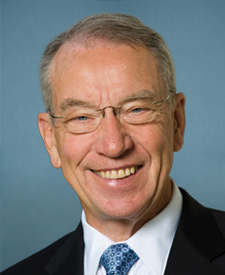 Sen. Chuck GrassleyR-IA
- Sen. Conrad BurnsR-MT
- Sen. Strom ThurmondR-SC
 Sen. Daniel CoatsR-IN
 Sen. Trent LottR-MS
- Sen. Phil GrammR-TX
- Sen. Connie MackR-FL
- Sen. Don NicklesR-OK
- Sen. William ArmstrongR-CO









Data notes
The Senate’s recorded vote on the final version of the law (roll call 464 in Voteview), matched to the vote the record cites and checked against its totals. Positions are each member’s DW-NOMINATE score for that Congress, as on the Ideology page; left to right is more liberal to more conservative. Paired and announced yea votes count as yea. Lists follow the compass, most liberal first. A name links to a profile only for members of the current Congress. A law passed by voice vote or unanimous consent has no member list, and neither does a vote Voteview has not yet recorded.
Committees
The committees the bill was sent to, and what each did with it.
 Health, Education, Labor, and Pensions Committee · Senate · hearings by (full committee), markup by, referred to, reported bySubcommittee: Disability Policy Subcommittee
Data notes
A committee links to its page only where it exists in the current Congress; older and renamed committees are named without a link.
Timeline
From introduction to signing, newest first: the committees, the floor and the president. 63 actions.
- Jul 26, 1990Became lawBecame law · Became Public Law No: 101-336.
- Became lawBecame law · Signed by President.
- Jul 17, 1990PresidentPresident · Presented to President.
- Jul 13, 1990Resolving differencesResolving differences · Senate agreed to conference report by Yea-Nay Vote. 91-6. Record Vote No: 152.Senate roll call 152
- Resolving differencesResolving differences · Conference report agreed to in Senate: Senate agreed to conference report by Yea-Nay Vote. 91-6. Record Vote No: 152.Senate roll call 152
- Resolving differencesResolving differences · Conference report considered in Senate.
- Jul 12, 1990Resolving differencesResolving differences · Conference papers: message on House action held at the desk in Senate.
- Resolving differencesResolving differences · On agreeing to the conference report Agreed to by recorded vote: 377 - 28 (Roll no. 228).House roll call 228
- Resolving differencesResolving differences · Conference report agreed to in House: On agreeing to the conference report Agreed to by recorded vote: 377 - 28 (Roll no. 228).House roll call 228
- Resolving differencesResolving differences · On motion to recommit with instructions to conference committee Failed by the Yeas and Nays: 180 - 224 (Roll no. 227).House roll call 227
- Resolving differencesResolving differences · Mr. Dannemeyer moved to recommit with instructions to the conference committee.
- Resolving differencesResolving differences · The previous question was ordered without objection.
- Resolving differencesResolving differences · Mr. Hawkins brought up conference report H.Rept. 101-596 for consideration as a privileged matter.
- Resolving differencesResolving differences · Conference report H. Rept. 101-596 filed.
- Resolving differencesResolving differences · Conference report filed: Conference report H. Rept. 101-596 filed.
- FloorFloor · The previous question on the motion to recommit the conference report with instructions was ordered without objection.
- FloorFloor · RECOMMIT CONFERENCE REPORT WITH INSTRUCTIONS - The motion to recommit the conference report with instructions is not debatable. The provisions of the motion direct the House conferees to insist on inclusion of the amendment of Mr. Chapman of Texas which reads as follows: "(d) FO…
- FloorFloor · DEBATE - The House proceeded with one hour of general debate on the conference report.
- Jul 11, 1990Resolving differencesResolving differences · Conference report recommitted by Senate. Voice Vote.
- Resolving differencesResolving differences · Motion to recommit conference report with instructions entered in Senate.
- Resolving differencesResolving differences · Conference report considered in Senate. By Unanimous Consent.
- Jun 27, 1990FloorFloor · NOTICE REQUIREMENT--MOTION TO INSTRUCT CONFEREES - Pursuant to House rule XXVIII, Clause 1(c), Mr. Chapman gave notice of his intent to offer a motion directing managers on the part of the House to insist upon the retention of the provisions contained in section 103(d) of the Ho…
- Jun 26, 1990Resolving differencesResolving differences · Conference papers: Senate report and managers' statement and official papers held at the desk in Senate.
- Resolving differencesResolving differences · Conference report H. Rept. 101-558 filed.
- Resolving differencesResolving differences · Conference report filed: Conference report H. Rept. 101-558 filed.
- Jun 25, 1990Resolving differencesResolving differences · Conferees agreed to file conference report.
- Resolving differencesResolving differences · Conference committee actions: Conferees agreed to file conference report.
- Jun 6, 1990Resolving differencesResolving differences · Senate appointed conferees Hollings; Inouye; Danforth from the Committee on Commerce, Science and Transportation, solely for consideration of issues within that Committee's jurisdication (telecommunications, commuter transit, and drug testing of transportation employees).
- Resolving differencesResolving differences · Senate appointed conferees Kennedy; Harkin; Metzenbaum; Simon; Hatch; Durenberger; Jeffords.
- Resolving differencesResolving differences · Senate Conferees instructed.
Data notes
Shows the introduction, each committee and subcommittee step the source dates (referral, hearings, markup, report, discharge), and the floor, conference, presidential and became-law steps. Calendar placements, messages between the chambers, amendments and committee report numbers are not shown for laws before the 108th Congress. Two entries the source lists twice are shown once.
Official record
The bill’s full text and every action, including introduction and committee steps, are on Congress.gov. Data through Oct 7, 2026.