Wilbert K. Rogers v. Tennessee
The Court held that there was no due process violation for lack of fair warning when courts broadened pre-existing common law limitations on what acts constitute a crime under a more broadly worded statute to include additional acts.· AI-written
532 U.S. 451 · No. 99-6218 · 2000 term · Rehnquist Court
Decided May 14, 2001 · argued Nov 1, 2000
Due process · Due process: hearing or notice
Majority opinion: Sandra O'Connor
The voteMajorityDissent
5–45 in the majority, 4 in dissent
4 dissents (5–4)
Affirmed. Wilbert K. Rogers lost.
What this ruling means
Affirmed: the Supreme Court upheld the decision of the Tennessee Supreme Court, so it stands (sometimes with changes the Court made to it).
Wilbert K. Rogers was the petitioner, the side that asked the Supreme Court to review the case. “Lost” means the Court did not give that side the result it asked for.
From the Supreme Court Database. A justice who agreed with the result but not the reasoning counts in the majority.
Summary
The opening of the case’s Wikipedia article: what the case was about and what the Court held.
Rogers v. Tennessee, 532 U.S. 451 (2001), was a U.S. Supreme Court case holding that there is no due process violation for lack of fair warning when pre-existing common law limitations on what acts constitute a crime, under a more broadly worded statutory criminal law, are broadened to include additional acts, even when there is no notice to the defendant that the court might undo the common law limitations, so long as the statutory criminal law was made prior to the acts, and so long as the expansion to the newly included acts is expected or defensible in reference to the statutory law. The court wrote,
In the context of common law doctrines... Strict application of ex post facto principles... would unduly impair the incremental and reasoned development of precedent that is the foundation of the common law system." The decision did not affect the requirement of fair warning placed on statutes passed by legislatures - "The Constitution's Ex Post Facto Clause... 'is a limitation upon the powers of the Legislature, and does not of its own force apply to the Judicial Branch of government'... a judicial alteration of a common law doctrine of criminal law [only] violates the principal of fair warning... where it is 'unexpected and indefensible by reference to the law which had been expressed prior to the conduct in issue.
The case was about a murderer, Wilbert Rogers, who stabbed his victim in the heart, causing the victim to have cardiac arrest and lapse into a coma. The victim was kept alive for fifteen months using modern medical methods. An ancient common law was that if a victim of a crime died more than a year after a criminal act, that act was not considered to be murder, under a justification that medical science was not capable of establishing causation so far beyond the criminal act, whereby there was reasonable doubt as to the cause of death. This was known as the year and a day rule. The rule dated from as far back as the 12th century, and most modern courts that examined the rule found it to be obsolete given modern medical scientific advances. The court wrote,
At common law, the year and a day rule provided that no defendant could be convicted of murder unless his victim died by defendant's act within a year and a day of the act...
Data notes
The text is Wikipedia’s (CC BY-SA 4.0), matched to the case by its citation, docket number or name and year, and is not checked against the opinion. The site keeps the article’s opening section, ending on its last full sentence. The one-sentence summary under the title is the Decisions list’s: Wikipedia’s own ruling sentence, or, tagged “AI-written”, one Claude wrote from this opening.
How the justices voted
Each justice who took part, placed by their Martin–Quinn ideology score for the 2000 term. Filled: the 5 in the majority. Hollow: the 4 in dissent. Colour is the party of the president who appointed them.
Majority(5)
 Sandra O'ConnorWrote the majority opinion
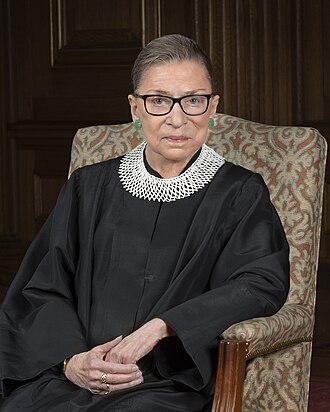 Ruth GinsburgJoined the majority
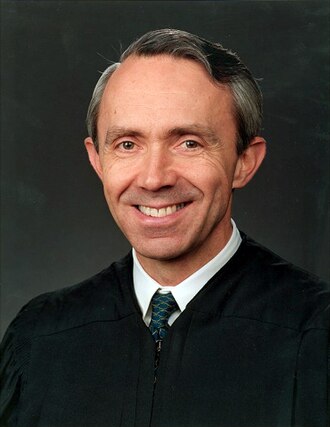 David SouterJoined the majority
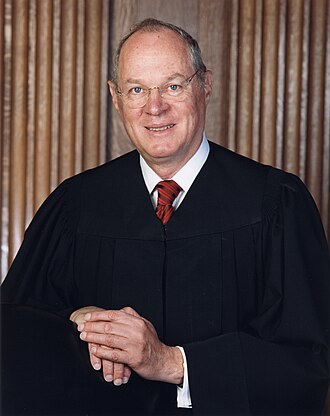 Anthony KennedyJoined the majority
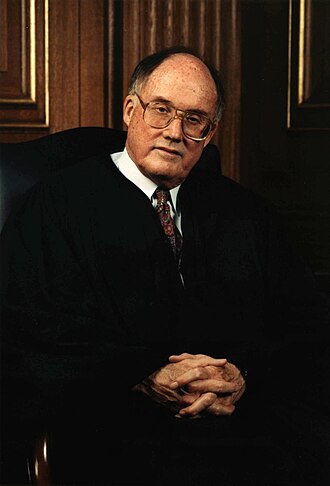 William RehnquistJoined the majority
Dissent(4)
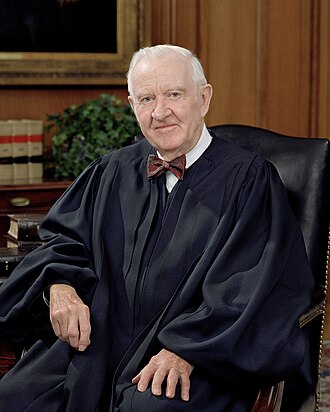 John StevensWrote a dissent
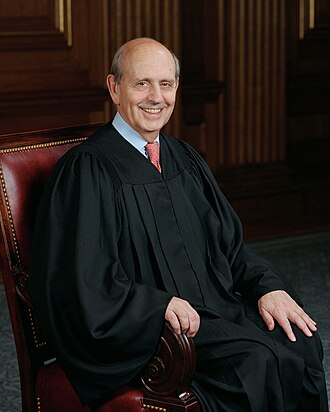 Stephen BreyerWrote a dissent
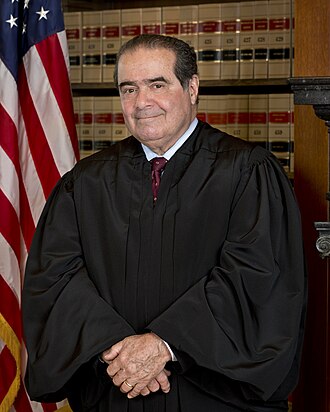 Antonin ScaliaWrote a dissent
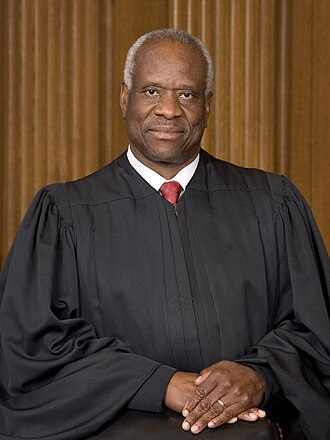 Clarence ThomasJoined a dissent
Data notes
Each justice’s vote and what they wrote are from the justice-centered file of the Supreme Court Database. “Wrote a concurrence” means the justice sided with the majority and wrote separately; a justice who dissented in part is counted on the side they took overall. A justice who wrote nothing is listed as joining their side.
Positions are each justice’s Martin–Quinn score for the case’s term, the same scores as the Ideology page: negative is more liberal, positive more conservative. A score sums up a justice’s votes across the whole term, so it says where they usually sit, not why they voted as they did here. The median line is the Court’s median justice that term.
The parties
Who brought the case to the Court, who answered it, and how it got there.
- Petitioner
- Wilbert K. RogersPerson accused, indicted, or suspected of crime
- Respondent
- TennesseeState (Tennessee)
- Reached the Court by
- Certiorari (the Court chose to hear it)
Data notes
The names are the two sides of the case’s title. The description under each is the Supreme Court Database’s category for that party, in its own wording. The petitioner is the side that asked the Supreme Court to review the decision below. “Why it was taken” appears only when the majority opinion says lower courts disagreed or were unsure about the question; reasons that would fit any case (“to resolve the question presented”, “an important question”) are left out.
The law at issue
The law the Court was asked to apply, and the kind of power it used to decide.
- Provision
- Fourteenth Amendment (due process)
- Kind of law
- Constitutional Amendment
- Decided by
- Judicial review (state level)
Data notes
The Supreme Court Database codes the main constitutional provision, statute or court rule each case turned on, and the basis of the decision: judicial review of a federal or state law, interpreting a statute, supervising the lower courts, and so on. A case can rest on more than one. “Overruled” counts only where the majority opinion says so.
Timeline
What happened at the Court and how the case got there, newest first.
- May 14, 2001DecidedDecided · Decided 5–4: affirmed. Wilbert K. Rogers lost.
- Nov 1, 2000ArguedArgued · Oral argument before the Court.
- Not datedTaken upTaken up · The Supreme Court agreed to hear the case (certiorari).
- Not datedCourt belowCourt below · Decided by the Tennessee Supreme Court: affirmed.
- Not datedBeganBegan · The case began in the Tennessee trial court.
Data notes
From the Supreme Court Database: the court the case began in, the court whose decision the Supreme Court reviewed and what that court did, how the case came to the Court, and the dates of argument and decision. The database does not date the steps in the lower courts. Court names are the database’s.
Other decisions on the same issue
52 other argued cases since 1946 on due process: hearing or notice, newest first.
- Mallory v. Norfolk Southern Railway Co.Landmark · Personal jurisdiction600 U.S. 122Jun 27, 2023 · 600 U.S. 122Due processLandmark · Personal jurisdiction5–45–4 band
- Sessions v. Dimaya138 S. Ct. 1204Apr 17, 2018 · 138 S. Ct. 1204Due process5–45–4 band
- United States v. Clarke573 U.S. 248Jun 19, 2014 · 573 U.S. 248Due process9–0Unanimous band
- Gary Kent Jones v. Linda K. Flowers, et al.547 U.S. 220Apr 26, 2006 · 547 U.S. 220Due process5–36–3 band
- Yaser Esam Hamdi and Esam Fouad Hamdi As Next Friend of Yaser Esam Hamdi v. Donald H. Rumsfeld, Secretary of Defense, et al.Landmark · Detention of terrorism suspects542 U.S. 507Jun 28, 2004 · 542 U.S. 507Due processLandmark · Detention of terrorism suspects8–18–1 band
- Larry Dean Dusenbery v. United States534 U.S. 161Jan 8, 2002 · 534 U.S. 161Due process5–45–4 band
- Arthur S. Lujan, Labor Commissioner of California, et al. v. G & G Fire Sprinklers, Inc.532 U.S. 189Apr 17, 2001 · 532 U.S. 189Due process9–0Unanimous band
- Donald E. Nelson v. Adams, USA, Inc., et al.529 U.S. 460Apr 25, 2000 · 529 U.S. 460Due process9–0Unanimous band
- City of West Covina v. Lawrence Perkins et al.525 U.S. 234Jan 13, 1999 · 525 U.S. 234Due process9–0Unanimous band
- Jason Richards, et al. v. Jefferson County, Alabama, et al.517 U.S. 793Jun 10, 1996 · 517 U.S. 793Due process9–0Unanimous band
- United States v. James Daniel Good Real Property et al.510 U.S. 43Dec 13, 1993 · 510 U.S. 43Due process5–45–4 band
- Federal Deposit Insurance Corporation v. Mallen et al486 U.S. 230May 31, 1988 · 486 U.S. 230Due process9–0Unanimous band
- Tulsa Professional Collection Services, Inc. v. Joanne Pope, Executrix of the Estate of H. Everett Pope, Jr., Deceased485 U.S. 478Apr 19, 1988 · 485 U.S. 478Due process8–18–1 band
- R. 'Roy' Peralta v. Heights Medical Center, Inc., dba Heights Hospital, et al.485 U.S. 80Feb 24, 1988 · 485 U.S. 80Due process8–0Unanimous band
- Brock, Secretary of Labor, et al. v. Roadway Express, Inc.481 U.S. 252Apr 22, 1987 · 481 U.S. 252Due process6–36–3 band
- Regents of the University of Michigan v. Ewing474 U.S. 214Dec 12, 1985 · 474 U.S. 214Due process9–0Unanimous band
- Mennonite Board of Missions v. Adams462 U.S. 791Jun 22, 1983 · 462 U.S. 791Due process6–36–3 band
- Greene et al. v. Lindsey et al.456 U.S. 444May 17, 1982 · 456 U.S. 444Due process6–36–3 band
- Logan v. Zimmerman Brush Co. et al.455 U.S. 422Feb 24, 1982 · 455 U.S. 422Due process9–0Unanimous band
- O'Bannon, Secretary of Public Welfare of Pennsylvania v. Town Court Nursing Center et al.447 U.S. 773Jun 23, 1980 · 447 U.S. 773Due process7–18–1 band
- Barry, Chairman, Racing and Wagering Board of New York, et al. v. Barchi443 U.S. 55Jun 25, 1979 · 443 U.S. 55Due process9–0Unanimous band
- Mackey, Registrar of Motor Vehicles of Massachusetts v. Montrym443 U.S. 1Jun 25, 1979 · 443 U.S. 1Due process5–45–4 band
- New Motor Vehicle Board of California et al. v. Orrin W. Fox Co. et al.439 U.S. 96Dec 5, 1978 · 439 U.S. 96Due process8–18–1 band
- Board of Curators of the University of Missouri et al. v. Horowitz435 U.S. 78Mar 1, 1978 · 435 U.S. 78Due process6–36–3 band
- Smith, Administrator, New York City Human Resources Administration, et al. v. Organization of Foster Families for Equality & Reform et al.431 U.S. 816Jun 13, 1977 · 431 U.S. 816Due process9–0Unanimous band
- Dixon, Secretary of State of Illinois v. Love431 U.S. 105May 16, 1977 · 431 U.S. 105Due process8–0Unanimous band
- Commissioner of Internal Revenue v. Shapiro et ux.424 U.S. 614Mar 8, 1976 · 424 U.S. 614Due process6–27–2 band
- Laing v. United States et al.423 U.S. 161Jan 13, 1976 · 423 U.S. 161Due process5–36–3 band
- Goss et al. v. Lopez et al.Landmark · Right to counsel419 U.S. 565Jan 22, 1975 · 419 U.S. 565Due processLandmark · Right to counsel5–45–4 band
- Jackson v. Metropolitan Edison Co.419 U.S. 345Dec 23, 1974 · 419 U.S. 345Due process6–36–3 band
- Dillard et al. v. Industrial Commission of Virginia et al.416 U.S. 783May 15, 1974 · 416 U.S. 783Due process8–18–1 band
- Bell v. Burson, Director, Georgia Department of Public Safety402 U.S. 535May 24, 1971 · 402 U.S. 535Due process9–0Unanimous band
- Wisconsin v. Constantineau400 U.S. 433Jan 19, 1971 · 400 U.S. 433Due process6–36–3 band
- Thorpe v. Housing Authority of the City of Durham393 U.S. 268Jan 13, 1969 · 393 U.S. 268Due process9–0Unanimous band
- Pate, Warden v. Robinson383 U.S. 375Mar 7, 1966 · 383 U.S. 375Due process7–27–2 band
- Armstrong v. Manzo et ux.380 U.S. 545Apr 27, 1965 · 380 U.S. 545Due process9–0Unanimous band
- Willner v. Committee on Character and Fitness, Appellate Division of the Supreme Court of New York, First Judicial Department373 U.S. 96May 13, 1963 · 373 U.S. 96Due process7–27–2 band
- Schroeder v. City of New York371 U.S. 208Dec 17, 1962 · 371 U.S. 208Due process9–0Unanimous band
- In re Green369 U.S. 689May 21, 1962 · 369 U.S. 689Due process7–0Unanimous band
- Oyler v. Boles, Warden368 U.S. 448Feb 19, 1962 · 368 U.S. 448Due process5–45–4 band
- Lambert v. California355 U.S. 225Dec 16, 1957 · 355 U.S. 225Due process5–45–4 band
- Walker v. City of Hutchinson et al.352 U.S. 112Dec 10, 1956 · 352 U.S. 112Due process6–27–2 band
- Shaughnessy, District Director of Immigration and Naturalization, v. United States ex rel. MezeiLandmark345 U.S. 206Mar 16, 1953 · 345 U.S. 206Due processLandmark5–45–4 band
- Kwong Hai Chew v. Colding et al.344 U.S. 590Feb 9, 1953 · 344 U.S. 590Due process8–18–1 band
- City of New York v. New York, New Haven & Hartford Railroad Co.344 U.S. 293Jan 12, 1953 · 344 U.S. 293Due process9–0Unanimous band
- Whelchel v. McDONALD, Warden340 U.S. 122Dec 4, 1950 · 340 U.S. 122Due process9–0Unanimous band
- Ewing, Federal Security Administrator, et al. v. Mytinger & Casselberry, Inc.339 U.S. 594May 29, 1950 · 339 U.S. 594Due process6–27–2 band
- Mullane, Special Guardian, v. Central Hanover Bank & Trust Co., Trustee, et al.339 U.S. 306Apr 24, 1950 · 339 U.S. 306Due process7–18–1 band
- Federal Communications Commission v. WJR, the Goodwill Station, Inc. et al.337 U.S. 265Jun 6, 1949 · 337 U.S. 265Due process8–0Unanimous band
- Williams v. New York337 U.S. 241Jun 6, 1949 · 337 U.S. 241Due process7–27–2 band
- Taylor v. Alabama335 U.S. 252Jun 21, 1948 · 335 U.S. 252Due process5–36–3 band
- Paterno v. Lyons, Commissioner of Correction334 U.S. 314Jun 1, 1948 · 334 U.S. 314Due process8–18–1 band
Data notes
Every other orally argued case with a clear vote, from the 1946 term on, that the Supreme Court Database files under the same issue as this one. The database gives each case one issue from a list of about 270 (abortion, search and seizure of vehicles, the death penalty, and so on), whatever law it turned on.
Official record
Read the full opinion on Justia, the argument audio on Oyez and Wikipedia. Case data from the Supreme Court Database, Version 2026 Release 01, through the 2025 term.