H. J. Inc. et al. v. Northwestern Bell Telephone Co. et al.
492 U.S. 229 · No. 87-1252 · 1988 term · Rehnquist Court
Decided Jun 26, 1989 · argued Nov 8, 1988
Criminal procedure · Statutory construction of criminal laws: financial
Majority opinion: William Brennan
The voteMajority
9–09 in the majority, 0 in dissent
No dissent (9–0)
Reversed and remanded. H. J. Inc. et al. won.
What this ruling means
Reversed and remanded: the Supreme Court overturned the decision of the U.S. Court of Appeals, Eighth Circuit and sent the case back to that court for further proceedings that follow the Supreme Court’s ruling.
H. J. Inc. et al. was the petitioner, the side that asked the Supreme Court to review the case. “Won” means the Court gave that side the result it asked for.
From the Supreme Court Database. A justice who agreed with the result but not the reasoning counts in the majority.
Summary
The opening of the case’s Wikipedia article: what the case was about and what the Court held.
Wikipedia has no article on this case, so there is no summary.
Data notes
The text is Wikipedia’s (CC BY-SA 4.0), matched to the case by its citation, docket number or name and year, and is not checked against the opinion. The site keeps the article’s opening section, ending on its last full sentence. The one-sentence summary under the title is the Decisions list’s: Wikipedia’s own ruling sentence, or, tagged “AI-written”, one Claude wrote from this opening.
How the justices voted
Each justice who took part, placed by their Martin–Quinn ideology score for the 1988 term. Filled: the 9 in the majority. Hollow: the 0 in dissent. Colour is the party of the president who appointed them.
Majority(9)
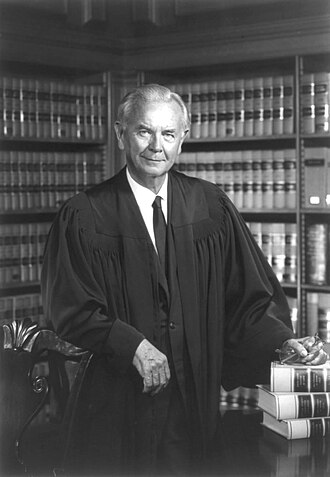 William BrennanWrote the majority opinion
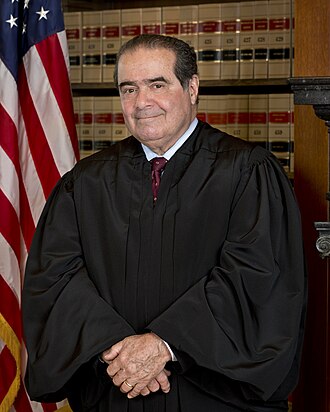 Antonin ScaliaWrote a concurrence
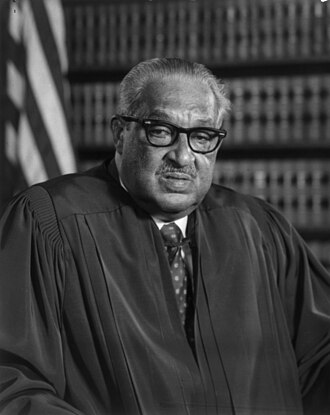 Thurgood MarshallJoined the majority
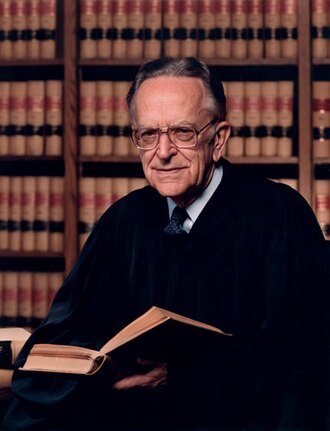 Harry BlackmunJoined the majority
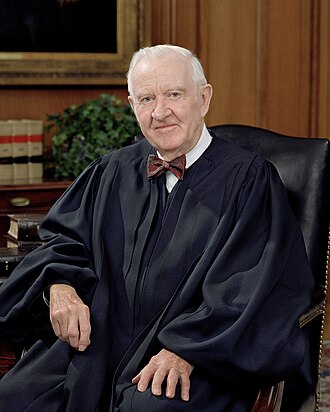 John StevensJoined the majority
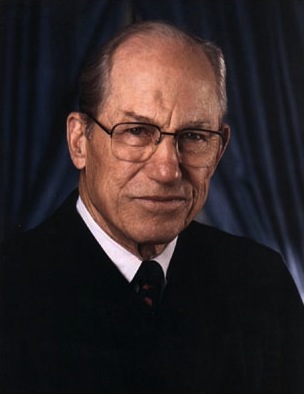 Byron WhiteJoined the majority
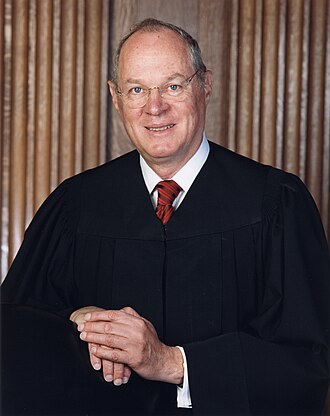 Anthony KennedyJoined the majority
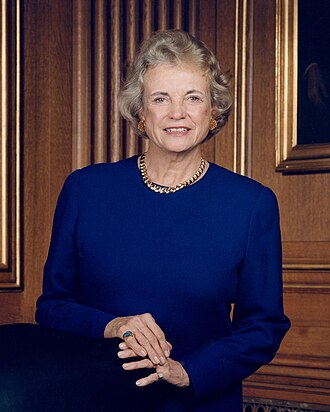 Sandra O'ConnorJoined the majority
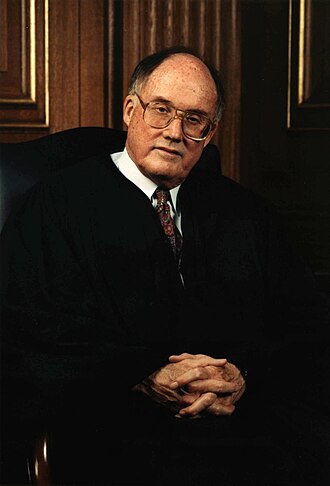 William RehnquistJoined the majority
Dissent(0)
- None.
Data notes
Each justice’s vote and what they wrote are from the justice-centered file of the Supreme Court Database. “Wrote a concurrence” means the justice sided with the majority and wrote separately; a justice who dissented in part is counted on the side they took overall. A justice who wrote nothing is listed as joining their side.
Positions are each justice’s Martin–Quinn score for the case’s term, the same scores as the Ideology page: negative is more liberal, positive more conservative. A score sums up a justice’s votes across the whole term, so it says where they usually sit, not why they voted as they did here. The median line is the Court’s median justice that term.
The parties
Who brought the case to the Court, who answered it, and how it got there.
- Petitioner
- H. J. Inc. et al.Consumer, consumer organization
- Respondent
- Northwestern Bell Telephone Co. et al.Telephone, telecommunications, or telegraph company
- Reached the Court by
- Certiorari (the Court chose to hear it)
- Why it was taken
- Federal appeals courts had ruled differently on the question
Data notes
The names are the two sides of the case’s title. The description under each is the Supreme Court Database’s category for that party, in its own wording. The petitioner is the side that asked the Supreme Court to review the decision below. “Why it was taken” appears only when the majority opinion says lower courts disagreed or were unsure about the question; reasons that would fit any case (“to resolve the question presented”, “an important question”) are left out.
The law at issue
The law the Court was asked to apply, and the kind of power it used to decide.
- Provision
- Racketeer Influenced and Corrupt Organizations
- Kind of law
- Federal Statute
- Decided by
- Statutory construction
Data notes
The Supreme Court Database codes the main constitutional provision, statute or court rule each case turned on, and the basis of the decision: judicial review of a federal or state law, interpreting a statute, supervising the lower courts, and so on. A case can rest on more than one. “Overruled” counts only where the majority opinion says so.
Timeline
What happened at the Court and how the case got there, newest first.
- Jun 26, 1989DecidedDecided · Decided 9–0: reversed and remanded. H. J. Inc. et al. won.
- Nov 8, 1988ArguedArgued · Oral argument before the Court.
- Not datedTaken upTaken up · The Supreme Court agreed to hear the case (certiorari). Federal appeals courts had ruled differently on the question.
- Not datedCourt belowCourt below · Decided by the U.S. Court of Appeals, Eighth Circuit: affirmed.
- Not datedBeganBegan · The case began in the Minnesota U.S. District Court.
Data notes
From the Supreme Court Database: the court the case began in, the court whose decision the Supreme Court reviewed and what that court did, how the case came to the Court, and the dates of argument and decision. The database does not date the steps in the lower courts. Court names are the database’s.
Other decisions on the same issue
17 other argued cases since 1946 on statutory construction of criminal laws: financial, newest first.
- Robers v. United States572 U.S. 639May 5, 2014 · 572 U.S. 639Criminal procedure9–0Unanimous band
- Federal Trade Commission, Petitioner v. Actavis, Inc., et al.570 U.S. 136Jun 17, 2013 · 570 U.S. 136Criminal procedure5–36–3 band
- Association for Molecular Pathology, et al., Petitioners v. Myriad Genetics, Inc., et al.Landmark · Copyright/Patents569 U.S. 576Jun 13, 2013 · 569 U.S. 576Criminal procedureLandmark · Copyright/Patents9–0Unanimous band
- Humberto Fidel Regalado Cuellar v. United States553 U.S. 550Jun 2, 2008 · 553 U.S. 550Criminal procedure9–0Unanimous band
- United States v. Efrain Santos and Benedicto Diaz553 U.S. 507Jun 2, 2008 · 553 U.S. 507Criminal procedure5–45–4 band
- Bell v. United States462 U.S. 356Jun 13, 1983 · 462 U.S. 356Criminal procedure8–18–1 band
- Williams v. United States458 U.S. 279Jun 29, 1982 · 458 U.S. 279Criminal procedure5–45–4 band
- McElroy v. United States455 U.S. 642Mar 23, 1982 · 455 U.S. 642Criminal procedure8–18–1 band
- Chiarella v. United States445 U.S. 222Mar 18, 1980 · 445 U.S. 222Criminal procedure6–36–3 band
- United States v. Cook384 U.S. 257May 23, 1966 · 384 U.S. 257Criminal procedure9–0Unanimous band
- United States v. Braverman373 U.S. 405May 27, 1963 · 373 U.S. 405Criminal procedure9–0Unanimous band
- United States v. Sampson et al.371 U.S. 75Nov 19, 1962 · 371 U.S. 75Criminal procedure8–18–1 band
- Gilbert v. United States370 U.S. 650Jun 25, 1962 · 370 U.S. 650Criminal procedure4–36–3 band
- Arroyo v. United States359 U.S. 419May 4, 1959 · 359 U.S. 419Criminal procedure5–45–4 band
- Rodgers v. United States332 U.S. 371Nov 10, 1947 · 332 U.S. 371Criminal procedure7–27–2 band
- United States v. Sheridan329 U.S. 379Dec 23, 1946 · 329 U.S. 379Criminal procedure7–27–2 band
- United States v. Bruno329 U.S. 207Dec 9, 1946 · 329 U.S. 207Criminal procedure9–0Unanimous band
Data notes
Every other orally argued case with a clear vote, from the 1946 term on, that the Supreme Court Database files under the same issue as this one. The database gives each case one issue from a list of about 270 (abortion, search and seizure of vehicles, the death penalty, and so on), whatever law it turned on.
Official record
Read the full opinion on Justia and the argument audio on Oyez. Case data from the Supreme Court Database, Version 2026 Release 01, through the 2025 term.