Norton, a Minor, by Chiles v. Mathews, Secretary of Health, Education, and Welfare
427 U.S. 524 · No. 74-6212 · 1975 term · Burger Court
Decided Jun 29, 1976 · argued Jan 13, 1976
Civil rights · Illegitimates, rights
Majority opinion: Harry Blackmun
The voteMajorityDissent
6–36 in the majority, 3 in dissent
3 dissents (6–3)
Affirmed. Norton, a Minor, by Chiles lost.
What this ruling means
Affirmed: the Supreme Court upheld the decision of the Maryland U.S. District Court, so it stands (sometimes with changes the Court made to it).
Norton, a Minor, by Chiles was the petitioner, the side that asked the Supreme Court to review the case. “Lost” means the Court did not give that side the result it asked for.
From the Supreme Court Database. A justice who agreed with the result but not the reasoning counts in the majority.
Summary
The opening of the case’s Wikipedia article: what the case was about and what the Court held.
Wikipedia has no article on this case, so there is no summary.
Data notes
The text is Wikipedia’s (CC BY-SA 4.0), matched to the case by its citation, docket number or name and year, and is not checked against the opinion. The site keeps the article’s opening section, ending on its last full sentence. The one-sentence summary under the title is the Decisions list’s: Wikipedia’s own ruling sentence, or, tagged “AI-written”, one Claude wrote from this opening.
How the justices voted
Each justice who took part, placed by their Martin–Quinn ideology score for the 1975 term. Filled: the 6 in the majority. Hollow: the 3 in dissent. Colour is the party of the president who appointed them.
Majority(6)
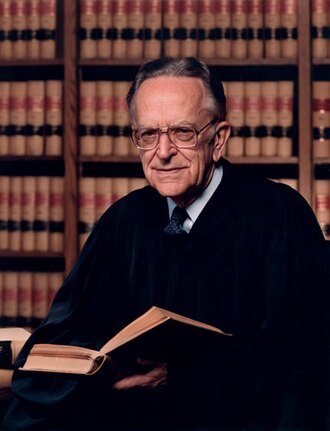 Harry BlackmunWrote the majority opinion
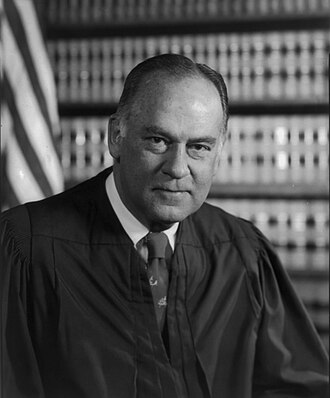 Potter StewartJoined the majority
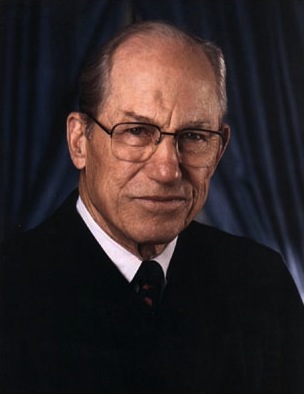 Byron WhiteJoined the majority
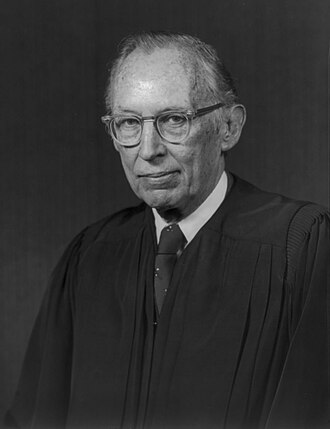 Lewis PowellJoined the majority
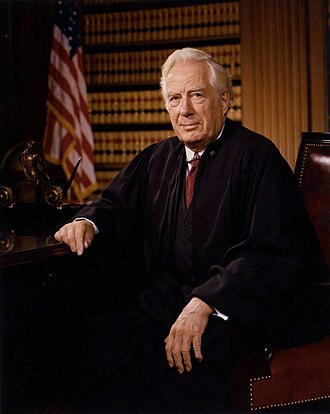 Warren BurgerJoined the majority
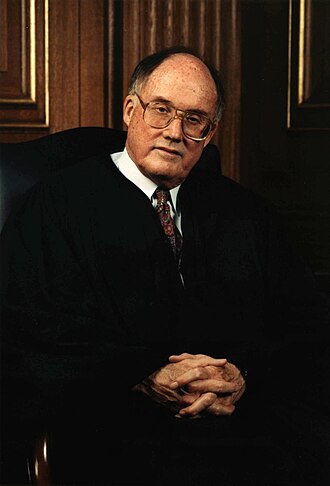 William RehnquistJoined the majority
Dissent(3)
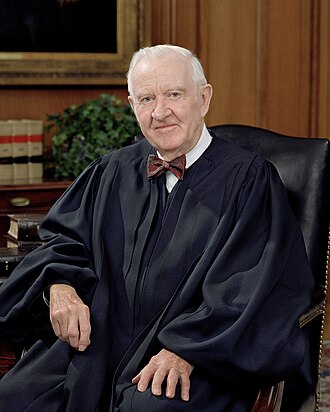 John StevensWrote a dissent
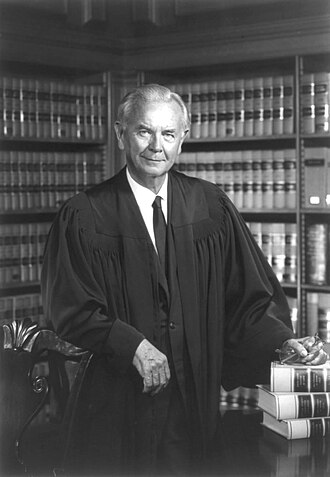 William BrennanJoined a dissent
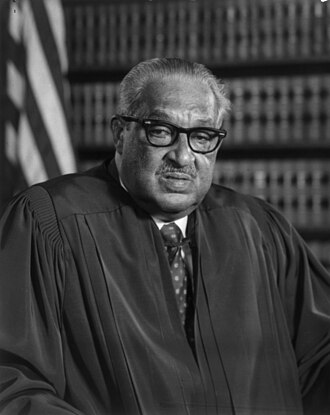 Thurgood MarshallJoined a dissent
Data notes
Each justice’s vote and what they wrote are from the justice-centered file of the Supreme Court Database. “Wrote a concurrence” means the justice sided with the majority and wrote separately; a justice who dissented in part is counted on the side they took overall. A justice who wrote nothing is listed as joining their side.
Positions are each justice’s Martin–Quinn score for the case’s term, the same scores as the Ideology page: negative is more liberal, positive more conservative. A score sums up a justice’s votes across the whole term, so it says where they usually sit, not why they voted as they did here. The median line is the Court’s median justice that term.
The parties
Who brought the case to the Court, who answered it, and how it got there.
- Petitioner
- Norton, a Minor, by ChilesChild, children
- Respondent
- Mathews, Secretary of Health, Education, and WelfareDepartment or Secretary of Health, Education and Welfare
- Reached the Court by
- Appeal (the Court was required to hear it)
Data notes
The names are the two sides of the case’s title. The description under each is the Supreme Court Database’s category for that party, in its own wording. The petitioner is the side that asked the Supreme Court to review the decision below. “Why it was taken” appears only when the majority opinion says lower courts disagreed or were unsure about the question; reasons that would fit any case (“to resolve the question presented”, “an important question”) are left out.
The law at issue
The law the Court was asked to apply, and the kind of power it used to decide.
- Provision
- Fifth Amendment (equal protection)
- Kind of law
- Constitutional Amendment
- Decided by
- Judicial review (national level)
Data notes
The Supreme Court Database codes the main constitutional provision, statute or court rule each case turned on, and the basis of the decision: judicial review of a federal or state law, interpreting a statute, supervising the lower courts, and so on. A case can rest on more than one. “Overruled” counts only where the majority opinion says so.
Timeline
What happened at the Court and how the case got there, newest first.
- Jun 29, 1976DecidedDecided · Decided 6–3: affirmed. Norton, a Minor, by Chiles lost.
- Jan 13, 1976ArguedArgued · Oral argument before the Court.
- Not datedTaken upTaken up · Reached the Supreme Court on appeal, which the Court had to hear.
- Not datedCourt belowCourt below · Began in and was decided by the Maryland U.S. District Court: petition denied or appeal dismissed, with a dissent.
Data notes
From the Supreme Court Database: the court the case began in, the court whose decision the Supreme Court reviewed and what that court did, how the case came to the Court, and the dates of argument and decision. The database does not date the steps in the lower courts. Court names are the database’s.
Other decisions on the same issue
19 other argued cases since 1946 on illegitimates, rights, newest first.
- Lorelyn Penero Miller v. Madeleine K. Albright, Secretary of State523 U.S. 420Apr 22, 1998 · 523 U.S. 420Civil rights6–36–3 band
- Clark v. Jeter486 U.S. 456Jun 6, 1988 · 486 U.S. 456Civil rights9–0Unanimous band
- Reed v. Campbell, Individually and As Administratrix of the Estate of Ricker476 U.S. 852Jun 11, 1986 · 476 U.S. 852Civil rights9–0Unanimous band
- Pickett et al. v. Brown et al.462 U.S. 1Jun 6, 1983 · 462 U.S. 1Civil rights9–0Unanimous band
- Mills v. Habluetzel456 U.S. 91Apr 5, 1982 · 456 U.S. 91Civil rights9–0Unanimous band
- United States v. Clark, Guardian445 U.S. 23Feb 26, 1980 · 445 U.S. 23Civil rights7–27–2 band
- Califano, Secretary of Health, Education, and Welfare v. Boles et al.443 U.S. 282Jun 27, 1979 · 443 U.S. 282Civil rights5–45–4 band
- Lalli v. Lalli, Administratrix, et al.439 U.S. 259Dec 11, 1978 · 439 U.S. 259Civil rights5–45–4 band
- Fiallo, a Minor, by Rodriguez, et al. v. Bell, Attorney General, et al.430 U.S. 787Apr 26, 1977 · 430 U.S. 787Civil rights6–36–3 band
- Trimble et al. v. Gordon et al.430 U.S. 762Apr 26, 1977 · 430 U.S. 762Civil rights5–45–4 band
- Mathews, Secretary of Health, Education, and Welfare v. Lucas et al.427 U.S. 495Jun 29, 1976 · 427 U.S. 495Civil rights6–36–3 band
- Jimenez et al. v. Weinberger, Secretary of Health, Education, and Welfare417 U.S. 628Jun 19, 1974 · 417 U.S. 628Civil rights8–18–1 band
- Linda R. S. v. Richard D. et al.410 U.S. 614Mar 5, 1973 · 410 U.S. 614Civil rights5–45–4 band
- Gomez v. Perez409 U.S. 535Jan 17, 1973 · 409 U.S. 535Civil rights7–27–2 band
- Weber v. Aetna Casualty & Surety Co. et al.406 U.S. 164Apr 24, 1972 · 406 U.S. 164Civil rights8–18–1 band
- Willis v. Prudential Insurance Company of America405 U.S. 318Mar 20, 1972 · 405 U.S. 318Civil rights4–45–4 band
- Labine, Tutrix v. Vincent, Administrator401 U.S. 532Mar 29, 1971 · 401 U.S. 532Civil rights5–45–4 band
- Glona v. American Guarantee & Liability Insurance Co. et al.391 U.S. 73May 20, 1968 · 391 U.S. 73Civil rights6–36–3 band
- Levy, Administratrix v. Louisiana Through the Charity Hospital of Louisiana at New Orleans Board of Administrators et al.391 U.S. 68May 20, 1968 · 391 U.S. 68Civil rights6–36–3 band
Data notes
Every other orally argued case with a clear vote, from the 1946 term on, that the Supreme Court Database files under the same issue as this one. The database gives each case one issue from a list of about 270 (abortion, search and seizure of vehicles, the death penalty, and so on), whatever law it turned on.
Official record
Read the full opinion on Justia and the argument audio on Oyez. Case data from the Supreme Court Database, Version 2026 Release 01, through the 2025 term.