Spevack v. Klein
The court held in a plurality decision that the Self-incrimination Clause of the Fifth Amendment applied even to attorneys in a state bar association under investigation, and an attorney asserting that right may not be disbarred for invoking it.
385 U.S. 511 · No. 62 · 1966 term · Warren Court
Decided Jan 16, 1967 · argued Nov 7, 1966
Criminal procedure · Self-incrimination
Overruled precedent
Majority opinion: William Douglas
The voteMajorityDissent
5–45 in the majority, 4 in dissent
4 dissents (5–4)
Reversed. Spevack won.
What this ruling means
Reversed: the Supreme Court overturned the decision of the New York Supreme Court, and its own ruling ends the case.
Spevack was the petitioner, the side that asked the Supreme Court to review the case. “Won” means the Court gave that side the result it asked for.
From the Supreme Court Database. A justice who agreed with the result but not the reasoning counts in the majority.
Summary
The opening of the case’s Wikipedia article: what the case was about and what the Court held.
Spevack v. Klein, 385 U.S. 511 (1967) was a Supreme Court of the United States case in which the court held in a plurality decision that the Self-incrimination Clause of the Fifth Amendment applied even to attorneys in a state bar association under investigation, and an attorney asserting that right may not be disbarred for invoking it. It was a very close case, being 5–4, with the majority only winning with the vote of Justice Abe Fortas who wrote a special concurring opinion on the matter. This case directly overruled Cohen v. Hurley, 366 U.S. 117 (1961), a nearly identical case in which the Supreme Court had just recently upheld an attorney's disbarment for his refusal to testify or produce documents in regards to an investigation. This case has since spawned much debate, with some arguing this decision "signaled the decline of bar disciplinary enforcement".
Data notes
The text is Wikipedia’s (CC BY-SA 4.0), matched to the case by its citation, docket number or name and year, and is not checked against the opinion. The site keeps the article’s opening section, ending on its last full sentence. The one-sentence summary under the title is the Decisions list’s: Wikipedia’s own ruling sentence, or, tagged “AI-written”, one Claude wrote from this opening.
How the justices voted
Each justice who took part, placed by their Martin–Quinn ideology score for the 1966 term. Filled: the 5 in the majority. Hollow: the 4 in dissent. Colour is the party of the president who appointed them.
Majority(5)
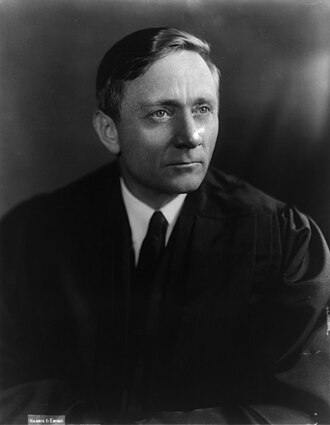 William DouglasWrote the majority opinion
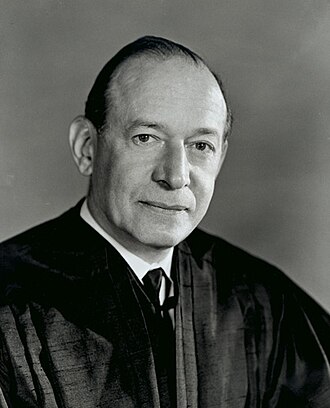 Abe FortasWrote a concurrence
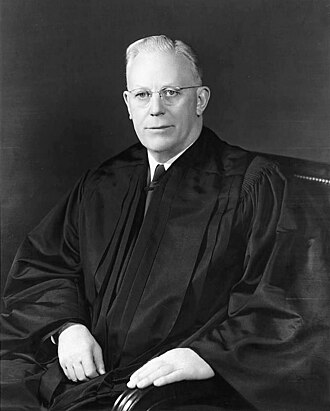 Earl WarrenJoined the majority
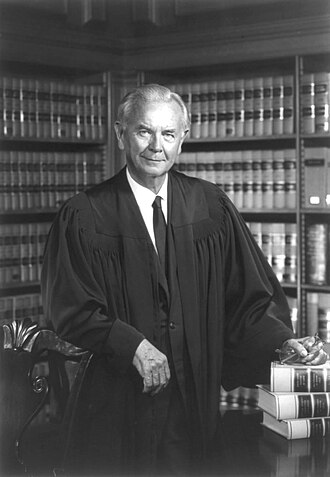 William BrennanJoined the majority
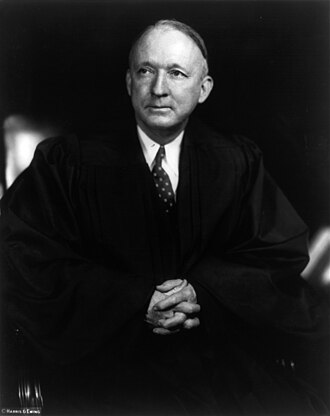 Hugo BlackJoined the majority
Dissent(4)
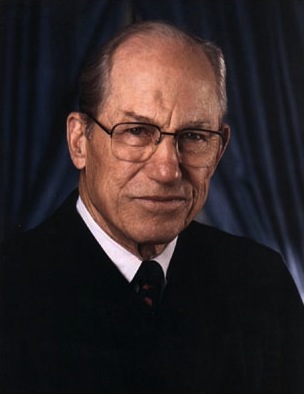 Byron WhiteWrote a dissent
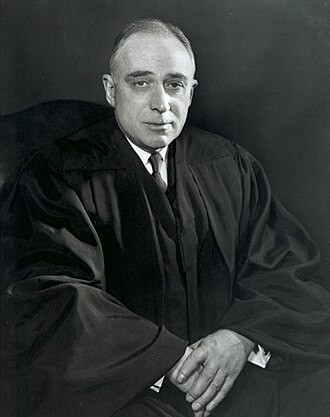 John HarlanWrote a dissent
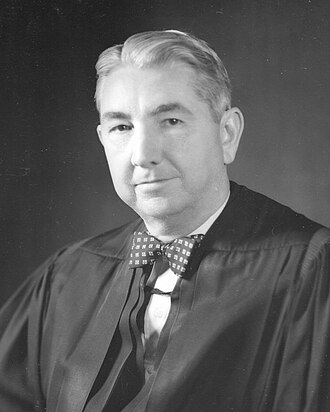 Tom ClarkJoined a dissent
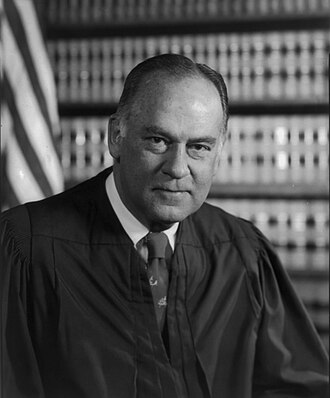 Potter StewartJoined a dissent
Data notes
Each justice’s vote and what they wrote are from the justice-centered file of the Supreme Court Database. “Wrote a concurrence” means the justice sided with the majority and wrote separately; a justice who dissented in part is counted on the side they took overall. A justice who wrote nothing is listed as joining their side.
Positions are each justice’s Martin–Quinn score for the case’s term, the same scores as the Ideology page: negative is more liberal, positive more conservative. A score sums up a justice’s votes across the whole term, so it says where they usually sit, not why they voted as they did here. The median line is the Court’s median justice that term.
The parties
Who brought the case to the Court, who answered it, and how it got there.
- Petitioner
- SpevackAttorney, or person acting as such;includes bar applicant or law student, or law firm or bar association
- Respondent
- KleinCourt or judicial district (New York)
- Reached the Court by
- Certiorari (the Court chose to hear it)
Data notes
The names are the two sides of the case’s title. The description under each is the Supreme Court Database’s category for that party, in its own wording. The petitioner is the side that asked the Supreme Court to review the decision below. “Why it was taken” appears only when the majority opinion says lower courts disagreed or were unsure about the question; reasons that would fit any case (“to resolve the question presented”, “an important question”) are left out.
The law at issue
The law the Court was asked to apply, and the kind of power it used to decide.
- Provision
- Fifth Amendment (self-incrimination)
- Kind of law
- Constitutional Amendment
- Decided by
- Judicial review (state level)
- Precedent
- The Court overruled one of its own earlier decisions.
Data notes
The Supreme Court Database codes the main constitutional provision, statute or court rule each case turned on, and the basis of the decision: judicial review of a federal or state law, interpreting a statute, supervising the lower courts, and so on. A case can rest on more than one. “Overruled” counts only where the majority opinion says so.
Timeline
What happened at the Court and how the case got there, newest first.
- Jan 16, 1967DecidedDecided · Decided 5–4: reversed. Spevack won.
- Nov 7, 1966ArguedArgued · Oral argument before the Court.
- Not datedTaken upTaken up · The Supreme Court agreed to hear the case (certiorari).
- Not datedCourt belowCourt below · Decided by the New York Supreme Court: affirmed.
- Not datedBeganBegan · The case began in the New York appellate court.
Data notes
From the Supreme Court Database: the court the case began in, the court whose decision the Supreme Court reviewed and what that court did, how the case came to the Court, and the dates of argument and decision. The database does not date the steps in the lower courts. Court names are the database’s.
Other decisions on the same issue
77 other argued cases since 1946 on self-incrimination, newest first.
- City of Hays, Kansas v. Vogt138 S. Ct. 1683May 29, 2018 · 138 S. Ct. 1683Criminal procedure8–0Unanimous band
- White v. Woodall572 U.S. 415Apr 23, 2014 · 572 U.S. 415Criminal procedure6–36–3 band
- Kansas v. Cheever571 U.S. 87Dec 11, 2013 · 571 U.S. 87Criminal procedure9–0Unanimous band
- Genovevo Salinas, Petitioner v. TexasLandmark · Right to remain silent570 U.S. 178Jun 17, 2013 · 570 U.S. 178Criminal procedureLandmark · Right to remain silent5–45–4 band
- Ben Chavez v. Oliverio Martinez538 U.S. 760May 27, 2003 · 538 U.S. 760Criminal procedure6–36–3 band
- David R. McKune, Warden, et al. v. Robert G. Lile536 U.S. 24Jun 10, 2002 · 536 U.S. 24Criminal procedure5–45–4 band
- United States v. Webster L. Hubbell530 U.S. 27Jun 5, 2000 · 530 U.S. 27Criminal procedure8–18–1 band
- Leonard Portuondo, Superintendent, Fishkill Correctional Facility v. Ray Agard529 U.S. 61Mar 6, 2000 · 529 U.S. 61Criminal procedure7–27–2 band
- Amanda Mitchell v. United States526 U.S. 314Apr 5, 1999 · 526 U.S. 314Criminal procedure5–45–4 band
- Baltimore City Department of Social Services v. Bouknight493 U.S. 549Feb 20, 1990 · 493 U.S. 549Criminal procedure7–27–2 band
- Doe v. United States487 U.S. 201Jun 22, 1988 · 487 U.S. 201Criminal procedure8–18–1 band
- Braswell v. United States487 U.S. 99Jun 22, 1988 · 487 U.S. 99Criminal procedure5–45–4 band
- United States v. Thomas O. Robinson, Jr.485 U.S. 25Feb 24, 1988 · 485 U.S. 25Criminal procedure5–36–3 band
- Allen v. Illinois478 U.S. 364Jul 1, 1986 · 478 U.S. 364Criminal procedure5–45–4 band
- Wainwright, Secretary, Florida Department of Corrections v. Greenfield474 U.S. 284Jan 14, 1986 · 474 U.S. 284Criminal procedure9–0Unanimous band
- Selective Service System et al. v. Minnesota Public Interest Research Group et al.468 U.S. 841Jul 5, 1984 · 468 U.S. 841Criminal procedure6–27–2 band
- United States v. Doe465 U.S. 605Feb 28, 1984 · 465 U.S. 605Criminal procedure6–36–3 band
- Minnesota v. Murphy465 U.S. 420Feb 22, 1984 · 465 U.S. 420Criminal procedure6–36–3 band
- United States v. Hasting et al.461 U.S. 499May 23, 1983 · 461 U.S. 499Criminal procedure9–0Unanimous band
- United States et al. v. Rylander et al.460 U.S. 752Apr 19, 1983 · 460 U.S. 752Criminal procedure8–18–1 band
- South Dakota v. Neville459 U.S. 553Feb 22, 1983 · 459 U.S. 553Criminal procedure7–27–2 band
- Estelle, Corrections Director v. Smith451 U.S. 454May 18, 1981 · 451 U.S. 454Criminal procedure9–0Unanimous band
- Carter v. Kentucky450 U.S. 288Mar 9, 1981 · 450 U.S. 288Criminal procedure8–18–1 band
- United States v. Ward, dba L. O. Ward Oil & Gas Operations448 U.S. 242Jun 27, 1980 · 448 U.S. 242Criminal procedure8–18–1 band
- Jenkins v. Anderson, Warden447 U.S. 231Jun 10, 1980 · 447 U.S. 231Criminal procedure7–27–2 band
- United States v. Havens446 U.S. 620May 27, 1980 · 446 U.S. 620Criminal procedure5–45–4 band
- Roberts v. United States445 U.S. 552Apr 15, 1980 · 445 U.S. 552Criminal procedure8–18–1 band
- United States et al. v. Euge444 U.S. 707Feb 20, 1980 · 444 U.S. 707Criminal procedure6–36–3 band
- Lakeside v. Oregon435 U.S. 333Mar 22, 1978 · 435 U.S. 333Criminal procedure6–27–2 band
- United States v. Washington431 U.S. 181May 23, 1977 · 431 U.S. 181Criminal procedure7–27–2 band
- United States v. Wong431 U.S. 174May 23, 1977 · 431 U.S. 174Criminal procedure9–0Unanimous band
- Andresen v. Maryland427 U.S. 463Jun 29, 1976 · 427 U.S. 463Criminal procedure7–27–2 band
- Fisher et al. v. United States et al.425 U.S. 391Apr 21, 1976 · 425 U.S. 391Criminal procedure8–0Unanimous band
- Garner v. United States424 U.S. 648Mar 23, 1976 · 424 U.S. 648Criminal procedure8–0Unanimous band
- Bellis v. United States417 U.S. 85May 28, 1974 · 417 U.S. 85Criminal procedure8–18–1 band
- Wardius v. Oregon412 U.S. 470Jun 11, 1973 · 412 U.S. 470Criminal procedure9–0Unanimous band
- Couch v. United States et al.409 U.S. 322Jan 9, 1973 · 409 U.S. 322Criminal procedure7–27–2 band
- Brooks v. Tennessee406 U.S. 605Jun 7, 1972 · 406 U.S. 605Criminal procedure6–36–3 band
- California v. Byers402 U.S. 424May 17, 1971 · 402 U.S. 424Criminal procedure5–45–4 band
- United States v. Freed et al.401 U.S. 601Apr 5, 1971 · 401 U.S. 601Criminal procedure9–0Unanimous band
- Williams v. Florida399 U.S. 78Jun 22, 1970 · 399 U.S. 78Criminal procedure6–27–2 band
- United States v. Kordel et al.397 U.S. 1Feb 24, 1970 · 397 U.S. 1Criminal procedure7–0Unanimous band
- Minor v. United States396 U.S. 87Dec 8, 1969 · 396 U.S. 87Criminal procedure6–27–2 band
- United States v. Knox396 U.S. 77Dec 8, 1969 · 396 U.S. 77Criminal procedure6–27–2 band
- United States v. Covington395 U.S. 57May 19, 1969 · 395 U.S. 57Criminal procedure8–0Unanimous band
- Leary v. United States395 U.S. 6May 19, 1969 · 395 U.S. 6Criminal procedure8–0Unanimous band
- Haynes v. United States390 U.S. 85Jan 29, 1968 · 390 U.S. 85Criminal procedure8–18–1 band
- Grosso v. United States390 U.S. 62Jan 29, 1968 · 390 U.S. 62Criminal procedure7–18–1 band
- Marchetti v. United States390 U.S. 39Jan 29, 1968 · 390 U.S. 39Criminal procedure7–18–1 band
- Chapman et al. v. California386 U.S. 18Feb 20, 1967 · 386 U.S. 18Criminal procedure8–18–1 band
- Garrity et al. v. New Jersey385 U.S. 493Jan 16, 1967 · 385 U.S. 493Criminal procedure5–45–4 band
- Schmerber v. CaliforniaLandmark · Fourth Amendment rights384 U.S. 757Jun 20, 1966 · 384 U.S. 757Criminal procedureLandmark · Fourth Amendment rights5–45–4 band
- United States v. Blue384 U.S. 251May 23, 1966 · 384 U.S. 251Criminal procedure9–0Unanimous band
- Griffin v. California380 U.S. 609Apr 28, 1965 · 380 U.S. 609Criminal procedure6–27–2 band
- United States v. Gainey380 U.S. 63Mar 1, 1965 · 380 U.S. 63Criminal procedure7–27–2 band
- Malloy v. Hogan, Sheriff378 U.S. 1Jun 15, 1964 · 378 U.S. 1Criminal procedure5–45–4 band
- Namet v. United States373 U.S. 179May 13, 1963 · 373 U.S. 179Criminal procedure7–27–2 band
- Shotwell Manufacturing Co. et al. v. United States371 U.S. 341Jan 14, 1963 · 371 U.S. 341Criminal procedure6–36–3 band
- Hutcheson v. United States369 U.S. 599May 14, 1962 · 369 U.S. 599Criminal procedure4–27–2 band
- Cohen v. Hurley366 U.S. 117Apr 24, 1961 · 366 U.S. 117Criminal procedure5–45–4 band
- Stewart v. United States366 U.S. 1Apr 24, 1961 · 366 U.S. 1Criminal procedure5–45–4 band
- Knapp v. Schweitzer, Judge of the Court of General Sessions, et al.357 U.S. 371Jun 30, 1958 · 357 U.S. 371Criminal procedure6–36–3 band
- Brown v. United States356 U.S. 148Mar 31, 1958 · 356 U.S. 148Criminal procedure5–45–4 band
- Lawn v. United States355 U.S. 339Jan 13, 1958 · 355 U.S. 339Criminal procedure6–36–3 band
- Curcio v. United States354 U.S. 118Jun 10, 1957 · 354 U.S. 118Criminal procedure9–0Unanimous band
- Bart v. United States349 U.S. 219May 23, 1955 · 349 U.S. 219Criminal procedure6–36–3 band
- Emspak v. United States349 U.S. 190May 23, 1955 · 349 U.S. 190Criminal procedure6–36–3 band
- Quinn v. United States349 U.S. 155May 23, 1955 · 349 U.S. 155Criminal procedure8–18–1 band
- Regan v. New York349 U.S. 58Apr 25, 1955 · 349 U.S. 58Criminal procedure6–27–2 band
- Lewis v. United States348 U.S. 419Mar 14, 1955 · 348 U.S. 419Criminal procedure5–36–3 band
- United States v. Kahriger345 U.S. 22Mar 9, 1953 · 345 U.S. 22Criminal procedure6–36–3 band
- Hoffman v. United States341 U.S. 479May 28, 1951 · 341 U.S. 479Criminal procedure8–18–1 band
- Rogers v. United States340 U.S. 367Feb 26, 1951 · 340 U.S. 367Criminal procedure5–36–3 band
- Blau v. United States340 U.S. 159Dec 11, 1950 · 340 U.S. 159Criminal procedure8–0Unanimous band
- United States v. Fleischman339 U.S. 349May 8, 1950 · 339 U.S. 349Criminal procedure5–27–2 band
- United States v. Bryan339 U.S. 323May 8, 1950 · 339 U.S. 323Criminal procedure5–27–2 band
- Adamson v. California332 U.S. 46Jun 23, 1947 · 332 U.S. 46Criminal procedure5–45–4 band
Data notes
Every other orally argued case with a clear vote, from the 1946 term on, that the Supreme Court Database files under the same issue as this one. The database gives each case one issue from a list of about 270 (abortion, search and seizure of vehicles, the death penalty, and so on), whatever law it turned on.
Official record
Read the full opinion on Justia, the argument audio on Oyez and Wikipedia. Case data from the Supreme Court Database, Version 2026 Release 01, through the 2025 term.