Safe Drinking Water Act Amendments of 1986
Public Law 99-339 · S. 124 · 99th Congress · began in the Senate
Signed by Ronald Reagan (R) on Jun 19, 1986 · Water Resources Development
Sponsor: Sen. David Durenberger (R-MN)
Cosponsors (3): Sen. Robert Stafford, Sen. Max Baucus,
Passage votesYeaNay
- HouseRecorded vote: 382 yea, 21 nay382–21
- SenateRecorded vote: 94 yea, 0 nay94–0
Data notes
The final version of the law, as each chamber passed it. A chamber that passed it by voice vote or unanimous consent has no count. “Method not stated” means the record does not say how the chamber voted. Where the record has a member-by-member vote, the “Who voted for it” section shows who voted yea.
Summary
The Congressional Research Service’s plain-language summary of what the law does.
Safe Drinking Water Act Amendments of 1986 - Title I: Public Water Systems - Amends the Safe Drinking Water Act (SDWA) to make existing national interim primary drinking water regulations final.
Directs the Administrator of the Environmental Protection Agency (EPA), within varying time periods for specified listed contaminants, to simultaneously publish maximum contaminant level goals and promulgate national primary drinking water regulations. Permits the substitution of seven unlisted contaminants for listed contaminants when the Administrator determines that regulating such unlisted contaminants would be more protective of the public health. Requires publication and an opportunity for public comment concerning such substitutions .
Requires the Administrator to publish a priority list of contaminants, by January 1, 1988, and every three years thereafter. Requires the Administrator to establish an advisory working group to assist in preparing such list. Requires that each maximum contaminant level goal allow an adequate margin of safety and that each national primary drinking water regulation specify a maximum level which is as close to the goal as is feasible.
Authorizes the Administrator to promulgate a national primary drinking water regulation that requires the use of an acceptable treatment technique in lieu of establishing a maximum contaminant level if it is not economically or technologically feasible to establish such a level.
Directs the Administrator to propose and promulgate primary drinking water regulations specifying when public water systems using surface water as a source of supply must use filtration. Directs the Administrator to provide procedures for States or the EPA to use when determining which of such systems within its jurisdiction must use filtration. Requires States to prescribe compliance schedules and necessary regulations.
Directs the Administrator to promulgate disinfection regulations applicable to all public water systems, including variances and technical assistance. Requires that special consideration be given to providing technical assistance to small public water systems.
Requires the triennial review of national primary drinking water regulations to include an analysis of any changes in technology or treatment techniques, such changes to be published and their nonfeasibility explained.
Directs the Administrator to provide the Science Advisory Board an opportunity to comment prior to proposal of a maximum contaminant level goal and national primary drinking water regulation.
Increases daily civil penalties for violations of such regulations or other requirements. Authorizes the Administrator to issue compliance orders as well as bring civil suits to enforce these provisions.
Directs the Administrator to amend regulations to provide for varying types and frequencies of public notice of violations by a public water system, depending upon their frequency and seriousness.
Requires a State to prescribe a schedule of compliance and implementation of control measures at the same time it grants a variance or an exemption. Permits a variable standard of best available technology according to the number of persons served or other physical characteristrics. Permits the primary enforcing authority (State or Administrator) to extend an exemption for up to three years after the issue date if a system in good faith cannot meet the standard without capital improvements or financial assistance, or has agreed to become part of a regional public water system. Permits exemption renewals for systems with 500 or fewer service connections if they are taking all practicable steps to meet the applicable standard.
Authorizes the Administrator to take into consideration the size of a public water system and the contaminants likely to be found in its drinking water in requiring a system to monitor for unregulated contaminants.
Directs the Administrator to promulgate regulations requiring every public water system to conduct a monitoring program for unregulated contaminants at least once every five years, unless the Administrator requires more frequent monitoring. Authorizes the primary State enforcement authority to delete contaminants for an individual system after Administrator approval of the assessment.
Authorizes the Administrator to provide technical assistance to small public water systems to enable them to comply with national drinking water standards.
Establishes criminal and civil penalties for tampering with a public water system.
Prohibits the use of lead pipe, flux, or solder in public water systems or residential or nonresidential facility drinking water plumbing. Requires public notice of adverse affects of lead exposure, including means of mitigation. Requires States to enforce such requirements within two years or be subject to civil action.
Prohibits the Secretary of Housing and Urban Development and the Administrator of Veterans Affairs from insuring or guaranteeing a mortgage for newly constructed residential property which is not in compliance with such requirements.
Amends the Federal Hazardous Substances Act to designate solder with a certain lead content as a hazardous substance. Requires such solder to be labelled with the prohibitions of this Act.
Title II: Protection of Underground Sources of Drinking Water - Extends to natural gas storage operations specified limitations on regulation of underground injection of brine or other fluids which are brought to the surface in connection with oil or natural gas production.
Directs the Administrator to require groundwater monitoring at all locations to detect fluids migration into underground drinking water sources from a class I injection well. Requires the Administration to report to the Congress by September 1987 on State surveys of disposal wells which discharge nonhazardous waste into or above underground sources of drinking water.
Directs the Administrator to issue a compliance order or commence a civil action if a State does not enforce violations of the underground injection control program. Increases the maximum per day penalty for violations. Revises other provisions relating to the imposition of civil penalties.
Establishes procedures for the development, implementation, and assessment of demonstration programs designed to protect critical aquifer protection areas located within areas designated as sole or principal aquifers under specified provisions of the Safe Drinking Water Act. Sets forth factors to be considered when identifying such critical areas, including the vulnerability of the aquifer to contamination due to hydrogeologic characteristics, the number of persons affected, and the economic, social, and environmental costs and benefits involved.
Authorizes the Administrator to enter into cooperative agreements with an applying State or local government to provide a 50 percent grant for the costs of developing and implementing a comprehensive management plan for the protection area.
Requires each State to report to the Administrator by the end of 1989 on the impact of the program on groundwater quality. Directs the Administrator to report to the Congress by the end of FY 1990 on the State reports and on the accomplishments of the program, identifying the most effective protection methods.
Requires each State to adopt and submit to the Administrator for approval a comprehensive State plan to protect wellhead areas from unhealthy contamination. Requires such plans to: (1) identify the implementing agency; (2) identify each wellhead protection area and its contaminaton potential; (3) describe a management and education program to protect the water supply; (4) require consideration of potential contaminants from human activities within the expected wellhead area of a new well; and (5) guarantee alternative drinking water supplies when a wellhead source becomes unhealthy to persons. Sets forth when a wellhead source becomes unhealthy to persons. Sets forth submission and resubmission procedures. Requires State compliance with these submission and resubmission procedures. Requires State compliance with these requirements as a condition of receiving funds for a State underground injection program.
Limits the use of funds authorized for these purposes to these purposes.
Requires each State to implement its plan within two years of its adoption if possible, submitting a progress report to the Administrator within that time regarding implementation.
Requires Federal agencies involved in affecting activities in a critical recharge area identified in an approved State plan to act in a manner consistent with such plan.
Requires States with more than 2,500 active wells using annular injections to certify the existence and enforcement of a State program providing protection against contamination.
Title III: General Provisions - Authorizes appropriations for FY 1987 through 1991 for programs under the Safe Drinking Water Act.
Authorizes the Administrator to make special provisions for treating Indian tribes under this Act.
Directs the Administrator to conduct a survey of drinking water on Indian reservations within one year of this Act's enactment.
Revises the judicial review of EPA actions under such Act to permit the review of such actions in any U.S. court of appeals in which the petitioner resides or transacts business in addition to the U.S. Court of Appeals for the District of Columbia.
Directs the Administrator to conduct and report to the Congress on a comparative health effects assessment of the effects on public health associated with water treatment chemicals and those associated with contaminants found in the public water supplies.
Who voted for it
Every senator of the 99th Congress on the ideology compass. Highlighted: the 94 who voted yea on final passage. Faded: everyone else, including those who voted nay, did not vote, or had not yet taken office.
94 yea0 nay6 present or did not vote
Democrats who voted yea(47)
 Sen. Tom HarkinD-IA
- Sen. William ProxmireD-WI
- Sen. Paul SarbanesD-MD
- Sen. Howard MetzenbaumD-OH
- Sen. John MelcherD-MT
- Sen. Gary HartD-CO
- Sen. Quentin BurdickD-ND
- Sen. Paul SimonD-IL
- Sen. Donald RiegleD-MI
 Sen. Carl LevinD-MI
 Sen. Ted KennedyD-MA
 Sen. Daniel InouyeD-HI
- Sen. James SasserD-TN
- Sen. Alan CranstonD-CA
 Sen. John KerryD-MA
- Sen. Spark MatsunagaD-HI
 Sen. Max BaucusD-MT
- Sen. Albert GoreD-TN
- Sen. Thomas EagletonD-MO
 Sen. Frank LautenbergD-NJ
 Sen. Joseph BidenD-DE
- Sen. George MitchellD-ME
- Sen. David PryorD-AR
 Sen. Patrick LeahyD-VT
- Sen. Claiborne PellD-RI
 Sen. Robert ByrdD-WV
- Sen. Dale BumpersD-AR
 Sen. Jay RockefellerD-WV
- Sen. James ExonD-NE
- Sen. Wendell FordD-KY
- Sen. Daniel MoynihanD-NY
- Sen. John GlennD-OH
 Sen. Jeff BingamanD-NM
 Sen. Christopher DoddD-CT
- Sen. Dennis DeConciniD-AZ
- Sen. Bill BradleyD-NJ
- Sen. John JohnstonD-LA
- Sen. Lawton ChilesD-FL
- Sen. Alan DixonD-IL
- Sen. Fritz HollingsD-SC
- Sen. David BorenD-OK
- Sen. Samuel NunnD-GA
- Sen. Lloyd BentsenD-TX
- Sen. John StennisD-MS
- Sen. Edward ZorinskyD-NE
- Sen. Howell HeflinD-AL
- Sen. Russell LongD-LA


















Republicans who voted yea(47)
- Sen. Charles MathiasR-MD
 Sen. Arlen SpecterR-PA
- Sen. Lowell WeickerR-CT
- Sen. Mark AndrewsR-ND
- Sen. Henry HeinzR-PA
- Sen. Mark HatfieldR-OR
- Sen. Alfonse D’AmatoR-NY
- Sen. William CohenR-ME
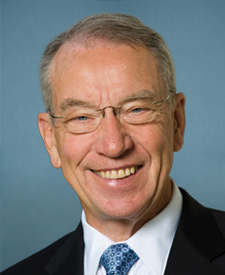 Sen. Chuck GrassleyR-IA
- Sen. John ChafeeR-RI
- Sen. Robert KastenR-WI
- Sen. David DurenbergerR-MN
- Sen. Robert StaffordR-VT
- Sen. James AbdnorR-SD
- Sen. Larry PresslerR-SD
- Sen. John DanforthR-MO
- Sen. Nancy KassebaumR-KS
- Sen. Slade GortonR-WA
 Sen. John WarnerR-VA
- Sen. Paul TribleR-VA
 Sen. Ted StevensR-AK
- Sen. Mack MattinglyR-GA
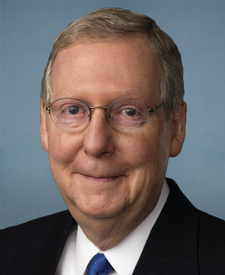 Sen. Mitch McConnellR-KY
- Sen. Don NicklesR-OK
 Sen. Thad CochranR-MS
- Sen. Rudy BoschwitzR-MN
 Sen. Pete DomeniciR-NM
 Sen. Richard LugarR-IN
- Sen. Pete WilsonR-CA
- Sen. Robert DoleR-KS
- Sen. Warren RudmanR-NH
- Sen. Strom ThurmondR-SC
- Sen. Alan SimpsonR-WY
- Sen. Jeremiah DentonR-AL
 Sen. Orrin HatchR-UT
- Sen. Dan QuayleR-IN
- Sen. Paul LaxaltR-NV
- Sen. Jake GarnR-UT
- Sen. William ArmstrongR-CO
- Sen. Phil GrammR-TX
- Sen. Jacob HechtR-NV
- Sen. James McClureR-ID
- Sen. John EastR-NC
- Sen. Steven SymmsR-ID
- Sen. Gordon HumphreyR-NH
- Sen. Malcolm WallopR-WY
- Sen. Jesse HelmsR-NC








Data notes
The Senate’s recorded vote on the final version of the law (roll call 487 in Voteview), matched to the vote the record cites and checked against its totals. Positions are each member’s DW-NOMINATE score for that Congress, as on the Ideology page; left to right is more liberal to more conservative. Paired and announced yea votes count as yea. Lists follow the compass, most liberal first. A name links to a profile only for members of the current Congress. A law passed by voice vote or unanimous consent has no member list, and neither does a vote Voteview has not yet recorded.
Committees
The committees the bill was sent to, and what each did with it.
 Environment and Public Works Committee · Senate · markup by, referred to, reported bySubcommittee: Clean Air and Nuclear Regulation Subcommittee
Data notes
A committee links to its page only where it exists in the current Congress; older and renamed committees are named without a link.
Timeline
From introduction to signing, newest first: the committees, the floor and the president. 27 actions.
- Jun 19, 1986Became lawBecame law · Became Public Law No: 99-339.
- Became lawBecame law · Signed by President.
- Jun 10, 1986PresidentPresident · Presented to President.
- May 21, 1986Resolving differencesResolving differences · Senate agreed to conference report by Yea-Nay Vote. 94-0. Record Vote No: 106.Senate roll call 106
- Resolving differencesResolving differences · Conference report agreed to in Senate: Senate agreed to conference report by Yea-Nay Vote. 94-0. Record Vote No: 106.Senate roll call 106
- Resolving differencesResolving differences · Conference report considered in Senate.
- May 13, 1986Resolving differencesResolving differences · Conference papers, Senate report and managers' statement and message on House action held at the desk.
- Resolving differencesResolving differences · House Agreed to Conference Report by Yea-Nay Vote: 382 - 21 (Record Vote No: 120).House roll call 120
- Resolving differencesResolving differences · Conference report agreed to in House: House Agreed to Conference Report by Yea-Nay Vote: 382 - 21 (Record Vote No: 120).House roll call 120
- May 6, 1986Resolving differencesResolving differences · Conference papers, Senate report and managers' statement held at the desk.
- May 5, 1986Resolving differencesResolving differences · Conference Report 99-575 Filed in House.
- Resolving differencesResolving differences · Conference report filed: Conference Report 99-575 Filed in House.
- Mar 20, 1986Resolving differencesResolving differences · Conferees agreed to file conference report.
- Resolving differencesResolving differences · Conference committee actions: Conferees agreed to file conference report.
- Jan 30, 1986Resolving differencesResolving differences · Conference held.
- Resolving differencesResolving differences · Conference committee actions: Conference held.
- Jul 18, 1985Resolving differencesResolving differences · House Agreed to Request for Conference and Speaker Appointed Conferees: Dingell, Waxman, Scheuer, Broyhill, Madigan.
- Resolving differencesResolving differences · House Insisted on its Amendments by Unanimous Consent.
- Jul 10, 1985Resolving differencesResolving differences · Senate disagreed to House amendments, requested a conference and appointed conferees. Stafford; Durenberger; Simpson; Bentsen; Baucus.
- Jun 17, 1985FloorFloor · Passed House (Amended) by Voice Vote.
- FloorFloor · Called up by House by Unanimous Consent.
- May 16, 1985FloorFloor · Passed Senate with amendments by Voice Vote.
- May 15, 1985CommitteeCommittee · Reported by Senate Environment and Public Works Committee
- May 2, 1985CommitteeCommittee · Markup by Senate Environment and Public Works Committee
- Mar 21, 1985CommitteeCommittee · Hearings by Clean Air and Nuclear Regulation Subcommittee of the Senate Environment and Public Works Committee
- Jan 3, 1985CommitteeCommittee · Referred to Senate Environment and Public Works Committee
- IntroducedIntroduced · Introduced in the Senate
Data notes
Shows the introduction, each committee and subcommittee step the source dates (referral, hearings, markup, report, discharge), and the floor, conference, presidential and became-law steps. Calendar placements, messages between the chambers, amendments and committee report numbers are not shown for laws before the 108th Congress. Two entries the source lists twice are shown once.
Official record
The bill’s full text and every action, including introduction and committee steps, are on Congress.gov. Data through Oct 7, 2026.