Federal Employees Flexible and Compressed Work Schedules Act of 1982
Public Law 97-221 · S. 2240 · 97th Congress · began in the Senate
Signed by Ronald Reagan (R) on Jul 23, 1982 · Government Operations and Politics
Sponsor: Sen. Ted Stevens (R-AK)
Cosponsors (3): Sen. John Warner, Sen. Samuel Nunn,
Passage votesYeaNay
- HouseVoice vote
- SenateRecorded vote: 93 yea, 2 nay93–2
Data notes
The final version of the law, as each chamber passed it. A chamber that passed it by voice vote or unanimous consent has no count. “Method not stated” means the record does not say how the chamber voted. Where the record has a member-by-member vote, the “Who voted for it” section shows who voted yea.
Summary
The Congressional Research Service’s plain-language summary of what the law does.
(Measure passed Senate, amended, roll call #203 (93-2))
Federal Employees Flexible and Compressed Work Schedules Act of 1982 - Authorizes each executive agency, military department, and the Library of Congress to establish programs to allow flexible and compressed work schedules for employees. Provides for the administration of such schedules (see all below) in nearly identical fashion as the Federal Employees Flexible and Compressed Work Schedules Act of 1978 which provided for the experimental implementation of such schedules.
Requires that such a flexible schedule include: (1) designated hours and days when an employee must be at work; and (2) designated hours during which an employee may elect his or her arrival and departure times to vary his or her daily work schedule or to earn credit hours to reduce his or her workweek or another workday.
Permits the agency head to restrict the employees' choice of arrival and departure times, restrict the use of credit hours, or exclude employees from the program upon determining that the program is disrupting agency functions.
Authorizes an agency head, at an employee's request, to grant an employee on such a flexible schedule compensatory time off in lieu of payment for overtime hours. States that such an employee shall not be compensated for credit hours except as hours included in the employee's basic work requirement. Disallows premium pay for such an employee for night duty or night differential pay except for applicable hours during which the employee is required to work, with specified exceptions. Entitles such an employee to eight-hours pay for Federal holidays.
Permits the Office of Personnel Management (OPM) or any agency to use recording clocks in flexible schedule programs.
Limits the number of credit hours an employee may carry over from one pay period to the next. Requires that a flexible schedule employee be compensated for accumulated credit hours when such schedule ends.
Authorizes each agency to establish programs providing a four-day workweek or other compressed schedule. Sets forth circumstances under which an employee shall not be required to participate in such a program.
Provides for the payment of premium pay to compressed schedule employees for: (1) hours worked in excess of the compressed schedule; (2) any workday a part of which is performed on Sunday; and (3) hours worked on a holiday.
Declares that for purposes of provisions concerning the administration of leave and retirement for Federal employees, references to a day or workday shall be considered to be references to eight hours.
Provides that the initiation, termination, and provisions of a flexible or compressed work schedule, with regard to employees who have selected an exclusive representative, shall be subject to the terms of any negotiated contract between an agency and an exclusive representative of agency employees.
Directs an agency not to establish, or to terminate, a flexible or compressed schedule if the agency determines that such schedule reduces agency productivity or public service or increases operation costs. Requires the Federal Service Impasses Panel to resolve any impasse between an agency and an exclusive representative of agency employees concerning the agency's decision not to establish, or to terminate, a schedule on the basis of that determination.
Prohibits any employee from interfering with another employee's rights of participation in a flexible or compressed schedule program.
Directs the OPM to: (1) prescribe regulations for administering the flexible and compressed schedule programs; (2) provide assistance to agencies; and (3) review the effects of such programs on Government operations, transportation, energy consumption, public service, employment opportunities, and employee job satisfaction. Directs the Librarian of Congress to exercise such authority with respect to employees of the Library of Congress.
Requires the continuation of each existing flexible and compressed schedule established by an agency under the Federal Employees Flexible and Compressed Work Schedules Act of 1978. Authorizes each agency to review any such schedule within 90 days after enactment of this Act. Directs an agency to terminate any such schedule if it determines under such review that: (1) such schedule has reduced agency productivity or public service or increased operation costs; and (2) terminating such schedule will not cause an increase in operation costs. Exempts such termination from negotiation, administrative review (except as the President may provide), or judicial review. Allows an agency or the exclusive representative of agency employees, within 90 days after such a schedule is terminated, to initiate collective bargaining pertaining to the establishment of another flexible or compressed schedule.
Authorizes the Bureau of Engraving and Printing to use recording clocks.
Terminates this Act three years after enactment.
Who voted for it
Every senator of the 97th Congress on the ideology compass. Highlighted: the 96 who voted yea on final passage. Faded: everyone else, including those who voted nay, did not vote, or had not yet taken office.
96 yea2 nay2 present or did not vote
Democrats who voted yea(45)
 Sen. Ted KennedyD-MA
- Sen. Howard MetzenbaumD-OH
- Sen. Donald RiegleD-MI
- Sen. Paul SarbanesD-MD
 Sen. Carl LevinD-MI
- Sen. Thomas EagletonD-MO
- Sen. Alan CranstonD-CA
 Sen. Christopher DoddD-CT
- Sen. Gary HartD-CO
 Sen. Patrick LeahyD-VT
- Sen. Dale BumpersD-AR
 Sen. Joseph BidenD-DE
 Sen. Robert ByrdD-WV
- Sen. Jennings RandolphD-WV
- Sen. Spark MatsunagaD-HI
- Sen. William ProxmireD-WI
- Sen. Wendell FordD-KY
 Sen. Daniel InouyeD-HI
- Sen. George MitchellD-ME
- Sen. Bill BradleyD-NJ
- Sen. Claiborne PellD-RI
 Sen. Max BaucusD-MT
- Sen. Daniel MoynihanD-NY
- Sen. David PryorD-AR
- Sen. James SasserD-TN
- Sen. Dee HuddlestonD-KY
- Sen. Howard CannonD-NV
- Sen. Scoop JacksonD-WA
- Sen. John MelcherD-MT
- Sen. Quentin BurdickD-ND
- Sen. James ExonD-NE
- Sen. Fritz HollingsD-SC
- Sen. John GlennD-OH
- Sen. Dennis DeConciniD-AZ
- Sen. Alan DixonD-IL
- Sen. Lawton ChilesD-FL
- Sen. Howell HeflinD-AL
- Sen. David BorenD-OK
- Sen. Samuel NunnD-GA
- Sen. John JohnstonD-LA
- Sen. Lloyd BentsenD-TX
- Sen. Edward ZorinskyD-NE
- Sen. Russell LongD-LA
- Sen. John StennisD-MS
- Sen. Harry ByrdD-VA
Republicans who voted yea(51)
- Sen. Charles MathiasR-MD
- Sen. Lowell WeickerR-CT
 Sen. Arlen SpecterR-PA
- Sen. Henry HeinzR-PA
- Sen. John ChafeeR-RI
- Sen. Larry PresslerR-SD
- Sen. David DurenbergerR-MN
- Sen. Mark AndrewsR-ND
- Sen. William CohenR-ME
- Sen. William RothR-DE
- Sen. Paula HawkinsR-FL
- Sen. Nancy KassebaumR-KS
- Sen. Mark HatfieldR-OR
- Sen. Robert PackwoodR-OR
- Sen. John DanforthR-MO
- Sen. Alfonse D’AmatoR-NY
- Sen. Charles PercyR-IL
- Sen. Rudy BoschwitzR-MN
- Sen. James AbdnorR-SD
- Sen. Robert KastenR-WI
 Sen. Chuck GrassleyR-IA
- Sen. Harrison SchmittR-NM
- Sen. Slade GortonR-WA
 Sen. Thad CochranR-MS
- Sen. Roger JepsenR-IA
 Sen. Pete DomeniciR-NM
 Sen. Ted StevensR-AK
- Sen. Alan SimpsonR-WY
- Sen. Frank MurkowskiR-AK
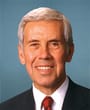 Sen. Richard LugarR-IN
 Sen. John WarnerR-VA
- Sen. Mack MattinglyR-GA
- Sen. Nicholas BradyR-NJ
 Sen. Orrin HatchR-UT
- Sen. Howard BakerR-TN
- Sen. Robert DoleR-KS
- Sen. William ArmstrongR-CO
- Sen. Strom ThurmondR-SC
- Sen. Malcolm WallopR-WY
- Sen. Paul LaxaltR-NV
- Sen. Jeremiah DentonR-AL
- Sen. Jake GarnR-UT
- Sen. Don NicklesR-OK
- Sen. Samuel HayakawaR-CA
- Sen. Jesse HelmsR-NC
- Sen. Dan QuayleR-IN
- Sen. James McClureR-ID
- Sen. Gordon HumphreyR-NH
- Sen. John EastR-NC
- Sen. Steven SymmsR-ID
- Sen. Barry GoldwaterR-AZ
Data notes
The Senate’s recorded vote on the final version of the law (roll call 700 in Voteview), matched to the vote the record cites and checked against its totals. Positions are each member’s DW-NOMINATE score for that Congress, as on the Ideology page; left to right is more liberal to more conservative. Paired and announced yea votes count as yea. Lists follow the compass, most liberal first. A name links to a profile only for members of the current Congress. A law passed by voice vote or unanimous consent has no member list, and neither does a vote Voteview has not yet recorded.
Committees
The committees the bill was sent to, and what each did with it.
 Homeland Security and Governmental Affairs Committee · Senate · markup by, referred to, reported bySubcommittee: International Security, Proliferation and Federal Services Subcommittee
Data notes
A committee links to its page only where it exists in the current Congress; older and renamed committees are named without a link.
Timeline
From introduction to signing, newest first: the committees, the floor and the president. 10 actions.
- Jul 23, 1982Became lawBecame law · Became Public Law No: 97-221.
- Became lawBecame law · Signed by President.
- Jul 14, 1982PresidentPresident · Presented to President.
- Jul 12, 1982FloorFloor · Passed House by Voice Vote.
- Jun 30, 1982FloorFloor · Passed Senate with amendments by Yea-Nay Vote. 93-2. Record Vote No: 203.Senate roll call 203
- Apr 28, 1982CommitteeCommittee · Reported by Senate Homeland Security and Governmental Affairs Committee
- Apr 16, 1982CommitteeCommittee · Markup by Senate Homeland Security and Governmental Affairs Committee
- Mar 23, 1982CommitteeCommittee · Referred to International Security, Proliferation and Federal Services Subcommittee of the Senate Homeland Security and Governmental Affairs Committee
- Mar 18, 1982CommitteeCommittee · Referred to Senate Homeland Security and Governmental Affairs Committee
- IntroducedIntroduced · Introduced in the Senate
Data notes
Shows the introduction, each committee and subcommittee step the source dates (referral, hearings, markup, report, discharge), and the floor, conference, presidential and became-law steps. Calendar placements, messages between the chambers, amendments and committee report numbers are not shown for laws before the 108th Congress. Two entries the source lists twice are shown once.
Official record
The bill’s full text and every action, including introduction and committee steps, are on Congress.gov. Data through Oct 7, 2026.