An act to provide for the operation and maintenance of the Panama Canal under the Panama Canal Treaty of 1977, and for other purposes.
Public Law 96-70 · H.R. 111 · 96th Congress · began in the House
Signed by Jimmy Carter (D) on Sep 27, 1979 · International Affairs
Sponsor: Rep. John Murphy (D-NY-17)
Cosponsors (3): Rep. Kika de la Garza, Rep. Carroll Hubbard,
Passage votesYeaNay
- HouseRecorded vote: 232 yea, 188 nay232–188
- SenateRecorded vote: 63 yea, 32 nay63–32
Data notes
The final version of the law, as each chamber passed it. A chamber that passed it by voice vote or unanimous consent has no count. “Method not stated” means the record does not say how the chamber voted. Where the record has a member-by-member vote, the “Who voted for it” section shows who voted yea.
Summary
The Congressional Research Service’s plain-language summary of what the law does.
(Conference report filed in House, H. Rept. 96-473 (Second Conference Report))
Panama Canal Act of 1979 - Directs the President to submit to Congress proposed legislation to: (1) revise laws which are applicable only during the Canal transition period; (2) repeal the Canal Zone Code; and (3) contain provisions considered necessary in light of Panama Canal Treaty experience.
=Title I: Administration and Regulations - Chapter I: Panama Canal Commission= - Establishes the Panama Canal Commission to operate and maintain the Panama Canal, subject to the authority of the President through the Secretary of Defense. Requires the President to appoint an Administrator, a Deputy Administrator, and a Chief Engineer with the advice and consent of the Senate. Provides for a Board to be appointed by the President, to supervise the Commission. Specifies the composition of such Board.
Establishes a Panama Canal Consultative Committee to advise the United States and Panama on policy affecting the Canal. Authorizes the President to establish a Joint Commission on the Environment with Panama to review periodically the environmental impact of the Panama Canal Treaty of 1977.
Requires the Commission Administrator to comply, on the order of the President, with directives of the U.S. military officer charged with protecting the Canal, in times of armed attack or threats to the security of the Canal.
Directs the President to appoint the U.S. representatives to a joint committee with Panama to study the possibility of a sea level canal. Requires such study to be transmitted to Congress.
Makes the U.S. Ambassador to Panama responsible for coordinating the transfer of functions to be assumed by Panama pursuant to the Treaty. Stipulates that the Commission shall not be subject to the direction or supervision of the Ambassador, but that the Ambassador should be kept informed.
Expresses the sense of Congress that the President should negotiate with Panama to arrange the stationing of U.S. military forces in the former Canal Zone after the expiration of the Treaty.
Requires each officer and employee of the Panama Canal Commission and each member of the Commission's Supervisory Board to take an oath to discharge faithfully the duties of his office or employment. Requires the Board to adopt a code of conduct applicable to members of the Board and Commission personnel. Directs the Commission to investigate allegations of violations of such code and to recommend to the President that any member of the Board or Commission officer or employee who is the subject of such allegations be suspended pending judicial proceedings.
Establishes an Office of Ombudsman within the Panama Canal Commission to receive complaints and suggestions from Commission and Government personnel concerning administrative problems caused by implementation of the Panama Canal Treaty of 1977 and related agreements.
=Chapter 2: Employees= - Authorizes the Panama Canal Commission to appoint, fix the compensation of, and define the duties of officers and employees necessary for the management, operation, and maintenance of the Canal. Permits officers and employees of other Federal departments or agencies to serve as employees or officers of the Commission. Sets forth provisions relating to transfers of Federal employees, compensation of certain military individuals, cost-of-living allowances, educational travel benefits, privileges and immunities, and inapplicability of certain benefits to certain noncitizens.
Directs the President to establish a Panama Canal Employment System in accordance with applicable Treaty requirements and provisions of law. States that such system shall be based on merit and conform as far as possible to the policies, principles and standards applicable in the competitive service. Requires agency heads to establish written employment standards and rates of basic compensation. Requires uniform application of standards and rates regardless of whether the employee is a citizen of the United States or Panama. Makes provisions for recruitment and retention remuneration and benefits. Stipulates the procedure for review and appeals of classifications, grades, and pay levels. Requires Federal employees in Panama to be paid at least $2.90 an hour with annual increases of at least two percent.
Provides for terms and conditions of employment for employees transferred to the Commission similar to those available prior to transfer. Exempts teachers formerly employed by the Canal Zone Government, who were transferred, from the Defense Department Overseas Teachers Pay and Personnel Practices Act.
Makes provisions for United States Citizens employed by the Panama Canal Company or the Canal Zone Government and who separate from such employment to be placed in vacant Federal jobs in the United States. Makes similar provisions for other executive agency employees whose positions are eliminated. Sets forth retirement provisions. Prohibits payments on annuities accruing before October 1, 1979 by reason of these amendments. Makes the U.S. Attorney for the Canal Zone, the Assistant U.S. Attorneys for the Canal Zone, and the U.S. Marshal for the Canal Zone employees of the Commission. Makes Federal labor-management provisions applicable to Commission and Federal employees, including noncitizens and supervisors.
Chapter 3: Funds and Accounts - Terminates the Treasury accounts for the Canal Zone Government and the Panama Canal Company. Authorizes appropriations to the Commission as necessary. Transfers the Company's funds to the Panama Canal Commission Fund. Prohibits the appropriation of funds to the Commission in excess of estimated revenues for the fiscal year plus any remaining unexpended revenues from prior fiscal years. Expresses the sense of Congress that a ceiling be placed on the direct appropriated costs of implementing the Treaty. Authorizes the Secretary of the Treasury to establish a Panama Canal Emergency Fund.
Requires the Commission to establish and maintain its accounts pursuant to the Accounting and Auditing Act of 1950. Permits the Commission to issue regulations establishing the basis of accounting for the assets made available to the Commission. Directs the Commission to report annually to the President and Congress regarding finances and Canal operations and maintenance.
Provides for financial audits of the Commission by the Comptroller General of the United States. Directs the Comptroller General to take into account the problems inherent in converting the existing accounting system.
Makes provisions for the Commission to reimburse other Federal agencies for retirement and benefit payments. Requires the Department of Defense to reimburse the Commission for maintaining defense facilities in standby condition.
Authorizes Federal agencies, as designated by the President, to provide educational and health care services, formerly carried out by the Canal Zone government, as favorable as those provided to its employees. Authorizes the funds of the Commission to be used for reimbursing such agencies for providing such services to employees and other authorized individuals. Prohibits the funds of the Commission to be expended to furnish free health services to Commission employees. Deems the Commission to be the United States for purposes of reimbursement by Panama for services. Directs the President to continue to operate the Canal Zone College until January 1, 2000.
Terminates the Canal Zone postal service. Provides for the redemption and payment of securities, postal savings certificates, and other accounts. Permits the Commission and the U.S. Postal Service to enter into agreements to meet obligations only to the extent such amounts are provided for in appropriation Acts. Permits the Commission to aid military post offices in the proper distribution of mail.
Requires the commission to make those payments required pursuant to the Treaty to Panama. Directs the President to not accede to any interpretation of the Treaty which would permit Panama to tax retroactively organizations, businesses, and U.S. citizens in the Canal Zone. Makes any accumulated unpaid balance payable only to the extent of any operating surplus in the last year of the Treaty's duration. Prohibits setting tolls to cover specified treaty payments.
Permits the Commission to provide services and materials to Panama at rates agreed to by the Commission and Panama. Authorizes the Commission to provide disaster relief to Panama. Sets forth conditions on the transfer of property to Panama.
=Chapter 4: Claims for Injuries to Persons or Property= - Authorizes the Commission to pay claims up to $50,000 arising from the operation of the Canal or related facilities, including for injuries to vessels, cargo, crew, or passengers passing through the Canal. Sets forth the measure of damages for injuries to a vessel. Permits aggrieved persons to appeal a claims determination by the Commission to the U.S. District Court for Eastern Louisiana. Directs the President to establish a Board of Local Inspectors to investigate any accidents or injuries giving rise to a claim.
=Chapter 5: Public Property= - Provides for the reversion of the Panama Canal Company's property, assets, and liabilities to the United States. Authorizes the Commission to use such property as necessary. Prohibits disposing of U.S. property in Panama without congressional authorization. Authorizes the transfer of property, including the Panama Railroad, to Panama pursuant to the Treaty. Requires the President to report to Congress prior to transfering other property pursuant to the Treaty. Prohibits transferring the Panama Canal prior to December 31, 1999.
=Chapter 6: Tolls for Use of Canal= - Authorizes the President to prescribe rules for the measurement of vessels and tolls to be levied for the use of the Canal. Sets forth certain bases and procedures for setting or adjusting tolls. Defines the basis for computation of interest, at a rate determined by the Secretary of the Treasury on the investment of the United States in the Canal, to be included in the formula for toll rates. Permits the Commission to change the rate of tolls to cover operating and maintenance costs beginning October 1, 1979, without regard to the specified procedures.
=Chapter 7: General Regulations= - Authorizes the President and the Commission to make regulations concerning their respective areas of responsibility.
=Chapter 8: Shipping and Navigation= - Authorizes the President to regulate the operation and navigation of the Canal. Provides for inspections of vessels.
=Title II: Treaty Transition Period - Chapter 1: Laws Continued in Force= - Continues those laws in force during the transition period that are not inconsistent with the Treaty.
=Chapter 2: Courts= - Continues the jurisdiction of the U.S. District Court for the Canal Zone in accordance with Treaty provisions. Provides for the extension of terms of certain offices as agreed by the United States and Panama. Repeals the requirements that certain court officials reside in the Canal Zone.
Amends the Canal Zone Code to authorize the chief judge of the U.S. judicial circuit in which the district court lies to designate a special district judge to act when necessary pursuant to the U.S. Code provisions relating to the assignment of judges. Continues the magistrates' courts for 30 months, unless terminated earlier by the President.
=Chapter 3: Attorneys= - Amends the Canal Zone Code to authorize the district judge to prescribe an appropriate oath for attorneys admitted to practice in the Canal Zone.
=Chapter 4: Transition Authority= - Authorizes the President to exercise any transition authority not contrary to other laws, agreements, or the Treaty. Provides for the transfer to the custody of the Attorney General of prisoners sentenced by the U.S. District Court for the Canal Zone and for issuance of regulations by the Commission for management of prisoners in jails in the Canal Zone. Stays the effectiveness of certain transfers pending a prisoner transfer agreement with Panama.
=Title III: General Provisions - Chapter 1: Cemeteries= - Authorizes appropriations to implement Reservation (3) to the Resolution of Ratification of the Treaty providing for the removal, transportation and reinterment of the remains of United States citizens presently interred in Canal Zone cemeteries.
=Chapter 2: Immigration= - Amends the Immigration and Nationality Act to include immigrants who have been employees of the Panama Canal Company or Canal Zone Government within the category of special immigrants. Waives specified conditions of inadmissibility to the United States for such immigrants until the end of the transition period. Limits the number of such immigrants to 15,000 of which not more than 5,000 may be admitted in any fiscal year.
=Chapter 3: Reports; Amendments; Repeal and Redesignation; Effective Date= - Requires the President to report annually on the status of the exercise of the rights and responsibilities of the U.S. during the life of the treaty.
Makes certain technical and conforming amendments. Repeals certain Canal Zone Code provisions relating to: (1) administration and regulation; (2) divisions and terms of the district court; and (3) extradition of fugitives from Panama. Repeals: (1) the applicability of the Arms Export Control Act to the Canal Zone; and (2) the authority of the Canal Zone governor to regulate anchorage and movement of vessels in a national emergency.
Redesignates provisions of the Canal Zone Code not repealed by this Act as the "Panama Canal Code".
Makes this Act effective on the date the Treaty enters into force unless otherwise provided.
Who voted for it
Every House member of the 96th Congress on the ideology compass. Highlighted: the 236 who voted yea on final passage. Faded: everyone else, including those who voted nay, did not vote, or had not yet taken office.
236 yea192 nay6 present or did not vote
Democrats who voted yea(200)
- Rep. Parren MitchellD-MD-7
- Rep. Phillip BurtonD-CA-6
- Rep. Robert GarciaD-NY-21
 Rep. John ConyersD-MI-1
- Rep. Louis StokesD-OH-21
- Rep. Ronald DellumsD-CA-8
- Rep. Frederick RichmondD-NY-14
- Rep. Edward RoybalD-CA-25
- Rep. Anthony BeilensonD-CA-23
 Rep. Charlie RangelD-NY-19
- Rep. Don EdwardsD-CA-10
- Rep. Henry GonzálezD-TX-20
- Rep. Mickey LelandD-TX-18
- Rep. Richard BollingD-MO-5
- Rep. James CormanD-CA-21
- Rep. Edward PattenD-NJ-15
- Rep. James ScheuerD-NY-11
- Rep. Paul SimonD-IL-24
- Rep. William GrayD-PA-2
- Rep. Jonathan BinghamD-NY-22
- Rep. Theodore WeissD-NY-20
- Rep. Julian DixonD-CA-28
- Rep. Shirley ChisholmD-NY-12
- Rep. David BoniorD-MI-12
- Rep. Charles DiggsD-MI-13
- Rep. Bill ClayD-MO-1
- Rep. Bennett StewartD-IL-1
- Rep. William LehmanD-FL-13
- Rep. Dante FascellD-FL-15
- Rep. Sidney YatesD-IL-9
- Rep. Stephen SolarzD-NY-13
 Rep. Pete StarkD-CA-9
- Rep. George BrownD-CA-36
- Rep. George DanielsonD-CA-30
- Rep. Abner MikvaD-IL-10
 Rep. Richard NolanD-MN-6
- Rep. John SeiberlingD-OH-14
- Rep. Charles PriceD-IL-23
- Rep. Lucien NedziD-MI-14
- Rep. Gus HawkinsD-CA-29
- Rep. William FordD-MI-15
- Rep. Daniel RostenkowskiD-IL-8
- Rep. Henry ReussD-WI-5
- Rep. John BrademasD-IN-3
- Rep. Frank ThompsonD-NJ-4
- Rep. Claude PepperD-FL-14
- Rep. Martin SaboD-MN-5
- Rep. Thomas AshleyD-OH-9
 Rep. James OberstarD-MN-8
- Rep. Richard OttingerD-NY-24
- Rep. William MoorheadD-PA-14
 Rep. John DingellD-MI-16
- Rep. William BrodheadD-MI-17
- Rep. James ShannonD-MA-5
- Rep. Robert KastenmeierD-WI-2
- Rep. Lionel Van DeerlinD-CA-42
 Rep. Dave ObeyD-WI-7
- Rep. Peter RodinoD-NJ-10
- Rep. John FaryD-IL-5
- Rep. Cardiss CollinsD-IL-7
- Rep. Norman MinetaD-CA-13
- Rep. Robert DrinanD-MA-4
- Rep. Victor FazioD-CA-4
 Rep. Daniel AkakaD-HI-2
- Rep. Robert GiaimoD-CT-3
- Rep. Bruce VentoD-MN-4
 Rep. Henry WaxmanD-CA-24
- Rep. Robert MatsuiD-CA-3
- Rep. Harold FordD-TN-8
- Rep. William BurlisonD-MO-10
- Rep. James WrightD-TX-12
- Rep. Bill AlexanderD-AR-1
- Rep. Elizabeth HoltzmanD-NY-16
- Rep. James BlanchardD-MI-18
- Rep. Alvin BaldusD-WI-3
- Rep. John MoakleyD-MA-9
- Rep. Gerry StuddsD-MA-12
- Rep. Frank AnnunzioD-IL-11
- Rep. Charles VanikD-OH-22
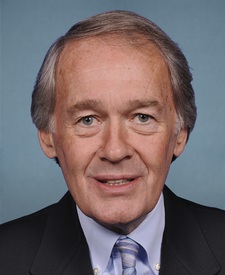 Rep. Ed MarkeyD-MA-7
- Rep. Clement ZablockiD-WI-4
- Rep. Joseph AddabboD-NY-7
- Rep. Albert UllmanD-OR-2
- Rep. Jerry PattersonD-CA-38
- Rep. Toby MoffettD-CT-6
- Rep. Gene MaguireD-NJ-7
- Rep. Jack BrooksD-TX-9
- Rep. Thomas DowneyD-NY-2
- Rep. James HowardD-NJ-3
 Rep. Barbara MikulskiD-MD-3
- Rep. Lindy BoggsD-LA-2
- Rep. Edward StackD-FL-12
- Rep. John MurphyD-NY-17
- Rep. Allan SwiftD-WA-2
- Rep. Michael LowryD-WA-7
- Rep. Michael BarnesD-MD-8
 Rep. George MillerD-CA-7
- Rep. Ozzie MyersD-PA-1
- Rep. Matthew McHughD-NY-27
- Rep. Tony HallD-OH-3
- Rep. Raymond LedererD-PA-3
- Rep. Peter PeyserD-NY-23
- Rep. Leslie AspinD-WI-1
- Rep. Robert MollohanD-WV-1
- Rep. Don BonkerD-WA-3
- Rep. Geraldine FerraroD-NY-9
- Rep. Anthony CoelhoD-CA-15
- Rep. Howard WolpeD-MI-3
 Rep. John MurthaD-PA-12
- Rep. Timothy WirthD-CO-2
- Rep. Thomas FoleyD-WA-5
- Rep. Mike McCormackD-WA-4
- Rep. Bob CarrD-MI-6
- Rep. Robert DuncanD-OR-3
- Rep. William RatchfordD-CT-5
- Rep. Mario BiaggiD-NY-10
- Rep. Albert GoreD-TN-4
- Rep. James FlorioD-NJ-1
- Rep. Herbert HarrisD-VA-8
- Rep. Thomas SteedD-OK-4
 Rep. Christopher DoddD-CT-2
- Rep. Fernand St. GermainD-RI-1
- Rep. Morris UdallD-AZ-2
 Rep. Dale KildeeD-MI-7
- Rep. John BurtonD-CA-5
- Rep. John LaFalceD-NY-36
- Rep. Kenneth HollandD-SC-5
- Rep. Henry NowakD-NY-37
- Rep. Donald PeaseD-OH-13
- Rep. James HanleyD-NY-32
 Rep. Norm DicksD-WA-6
- Rep. Joseph FisherD-VA-10
- Rep. Gladys SpellmanD-MD-5
- Rep. Jerome TraxlerD-MI-8
- Rep. Robert EdgarD-PA-7
- Rep. Edward BolandD-MA-2
- Rep. Lunsford PreyerD-NC-6
- Rep. William CotterD-CT-1
- Rep. Robert YoungD-MO-2
- Rep. Butler DerrickD-SC-3
- Rep. Dick GephardtD-MO-3
- Rep. Stanley LundineD-NY-39
- Rep. Cecil HeftelD-HI-1
- Rep. Leo ZeferettiD-NY-15
- Rep. Martin FrostD-TX-24
- Rep. Frank GuariniD-NJ-14
- Rep. Robert RoeD-NJ-8
- Rep. Raymond KogovsekD-CO-3
- Rep. Lester WolffD-NY-6
- Rep. Joseph MinishD-NJ-11
- Rep. Mendel DavisD-SC-1
- Rep. Charles WilsonD-CA-31
- Rep. Nicholas MavroulesD-MA-6
- Rep. Sam GibbonsD-FL-7
- Rep. Peter KostmayerD-PA-8
- Rep. Michael SynarD-OK-2
- Rep. Neal SmithD-IA-4
- Rep. John CavanaughD-NE-2
- Rep. Berkley BedellD-IA-6
- Rep. Adam BenjaminD-IN-1
- Rep. Donald AlbostaD-MI-10
- Rep. Les AuCoinD-OR-1
- Rep. Douglas WalgrenD-PA-18
- Rep. Clarence LongD-MD-2
- Rep. Ike AndrewsD-NC-4
- Rep. Bill HefnerD-NC-8
- Rep. Wyche FowlerD-GA-5
- Rep. William BonerD-TN-5
 Rep. Tom HarkinD-IA-5
- Rep. Leon PanettaD-CA-16
- Rep. James JonesD-OK-1
- Rep. Allen ErtelD-PA-17
- Rep. Jake PickleD-TX-10
- Rep. Ed JonesD-TN-7
- Rep. Romano MazzoliD-KY-3
- Rep. Tom DaschleD-SD-1
- Rep. Martin RussoD-IL-3
- Rep. James WeaverD-OR-4
- Rep. Koln McKayD-UT-1
- Rep. Floyd FithianD-IN-2
- Rep. Norman D’AmoursD-NH-1
- Rep. Daniel MicaD-FL-11
- Rep. Jerome AmbroD-NY-3
- Rep. Joseph EarlyD-MA-3
- Rep. Austin MurphyD-PA-22
- Rep. Lee HamiltonD-IN-9
- Rep. David BowenD-MS-2
- Rep. Philip SharpD-IN-10
- Rep. Stephen NealD-NC-5
- Rep. William HughesD-NJ-2
- Rep. Billy EvansD-GA-8
- Rep. Ed JenkinsD-GA-9
- Rep. Marilyn LloydD-TN-3
- Rep. Daniel GlickmanD-KS-4
- Rep. Jack BrinkleyD-GA-3
- Rep. Patricia SchroederD-CO-1
- Rep. John BreauxD-LA-7
- Rep. Elliott LevitasD-GA-4
- Rep. David EvansD-IN-6
- Rep. Andrew JacobsD-IN-11
Republicans who voted yea(36)
- Rep. Stewart McKinneyR-CT-4
- Rep. John AndersonR-IL-16
- Rep. Bill GreenR-NY-18
- Rep. Harold HollenbeckR-NJ-9
- Rep. Silvio ConteR-MA-1
- Rep. Pete McCloskeyR-CA-12
- Rep. Marc MarksR-PA-24
- Rep. Carl PursellR-MI-2
- Rep. John BuchananR-AL-6
- Rep. Joel PritchardR-WA-1
- Rep. Thomas RailsbackR-IL-19
- Rep. Hamilton FishR-NY-25
- Rep. Jim JeffordsR-VT
- Rep. Jim JohnsonR-CO-4
- Rep. John StantonR-OH-11
- Rep. Paul FindleyR-IL-20
- Rep. Millicent FenwickR-NJ-5
- Rep. Jim LeachR-IA-1
- Rep. William RoyerR-CA-11
- Rep. John RhodesR-AZ-1
- Rep. Harold SawyerR-MI-5
- Rep. Robert McCloryR-IL-13
- Rep. John ErlenbornR-IL-14
- Rep. Robin BeardR-TN-6
- Rep. Bob WilsonR-CA-41
- Rep. Doug BereuterR-NE-1
- Rep. Manley ButlerR-VA-6
- Rep. John WydlerR-NY-5
- Rep. Charles PashayanR-CA-17
- Rep. William BroomfieldR-MI-19
- Rep. William FrenzelR-MN-3
- Rep. Edwin BethuneR-AR-2
- Rep. Edwin ForsytheR-NJ-6
- Rep. Barber ConableR-NY-35
- Rep. Edward DerwinskiR-IL-4
- Rep. David StockmanR-MI-4
Data notes
The House’s recorded vote on the final version of the law (roll call 463 in Voteview), matched to the vote the record cites and checked against its totals. Positions are each member’s DW-NOMINATE score for that Congress, as on the Ideology page; left to right is more liberal to more conservative. Paired and announced yea votes count as yea. Lists follow the compass, most liberal first. A name links to a profile only for members of the current Congress. A law passed by voice vote or unanimous consent has no member list, and neither does a vote Voteview has not yet recorded.
Committees
The committees the bill was sent to, and what each did with it.

- Merchant Marine and Fisheries Committee · House · referred to, reported by
- Post Office and Civil Service Committee · House · referred to

Data notes
A committee links to its page only where it exists in the current Congress; older and renamed committees are named without a link.
Timeline
From introduction to signing, newest first: the committees, the floor and the president. 40 actions.
- Sep 27, 1979Became lawBecame law · Signed by President.
- PresidentPresident · Public Law 96-70.
- PresidentPresident · Measure presented to President.
- PresidentPresident · Measure enrolled in Senate.
- PresidentPresident · Measure enrolled in House.
- Sep 26, 1979Resolving differencesResolving differences · House agreed to conference report, roll call #509 (232-188) (Second Conference Report).House roll call 509
- Resolving differencesResolving differences · Conference report agreed to in House: House agreed to conference report, roll call #509 (232-188) (Second Conference Report).House roll call 509
- Sep 25, 1979Resolving differencesResolving differences · Senate agreed to conference report, roll call #311 (63-32) (Second Conference Report).Senate roll call 311
- Resolving differencesResolving differences · Conference report agreed to in Senate: Senate agreed to conference report, roll call #311 (63-32) (Second Conference Report).Senate roll call 311
- Sep 24, 1979Resolving differencesResolving differences · Conference report filed in House, H. Rept. 96-473 (Second Conference Report).
- Resolving differencesResolving differences · Conference report filed: Conference report filed in House, H. Rept. 96-473 (Second Conference Report).
- Resolving differencesResolving differences · Conference report filed in Senate, S. Rept. 96-330 (Second Conference Report).
- Resolving differencesResolving differences · Conference report filed: Conference report filed in Senate, S. Rept. 96-330 (Second Conference Report).
- Sep 21, 1979Resolving differencesResolving differences · Conference scheduled in Senate (Second Conference).
- Sep 20, 1979Resolving differencesResolving differences · Conference scheduled in House (Second Conference).
- Resolving differencesResolving differences · Conference report failed of passage in House, roll call #497 (192-203).House roll call 497
- Resolving differencesResolving differences · Conference report disagreed to in House: Conference report failed of passage in House, roll call #497 (192-203).House roll call 497
- Resolving differencesResolving differences · Senate agreed to conference report, roll call #302 (60-35).Senate roll call 302
- Resolving differencesResolving differences · Conference report agreed to in Senate: Senate agreed to conference report, roll call #302 (60-35).Senate roll call 302
- Resolving differencesResolving differences · Tabled motion to recommit conference report to Conference Committee with instructions in Senate, roll call #301 (50-45).Senate roll call 301
- Sep 19, 1979Resolving differencesResolving differences · Conference report considered in Senate.
- Sep 18, 1979Resolving differencesResolving differences · Conference report filed in Senate, S. Rept. 96-320.
- Resolving differencesResolving differences · Conference report filed: Conference report filed in Senate, S. Rept. 96-320.
- Sep 17, 1979Resolving differencesResolving differences · Conference report filed in House, H. Rept. 96-438.
- Resolving differencesResolving differences · Conference report filed: Conference report filed in House, H. Rept. 96-438.
- Jul 31, 1979Resolving differencesResolving differences · Conference scheduled in Senate.
- Jul 30, 1979Resolving differencesResolving differences · Motion to instruct House conferees passed House, roll call #400 (308-98).House roll call 400
- Resolving differencesResolving differences · Conference scheduled in House (Pursuant to H. Res. 390).
- Jul 26, 1979FloorFloor · Measure passed Senate, amended, roll call #226 (64-30).Senate roll call 226
- FloorFloor · Measure called up by unanimous consent in Senate.
Data notes
Shows the introduction, each committee and subcommittee step the source dates (referral, hearings, markup, report, discharge), and the floor, conference, presidential and became-law steps. Calendar placements, messages between the chambers, amendments and committee report numbers are not shown for laws before the 108th Congress. Two entries the source lists twice are shown once.
Official record
The bill’s full text and every action, including introduction and committee steps, are on Congress.gov. Data through Oct 7, 2026.