Foreign Intelligence Surveillance Act of 1978
Public Law 95-511 · S. 1566 · 95th Congress · began in the Senate
Signed by Jimmy Carter (D) on Oct 25, 1978 · Armed Forces and National Security
Sponsor: Sen. Ted Kennedy (D-MA)
Cosponsors (9): Sen. James Eastland, Sen. John McClellan,
Passage votesYeaNay
- HouseRecorded vote: 226 yea, 176 nay226–176
- SenateMethod not stated
Data notes
The final version of the law, as each chamber passed it. A chamber that passed it by voice vote or unanimous consent has no count. “Method not stated” means the record does not say how the chamber voted. Where the record has a member-by-member vote, the “Who voted for it” section shows who voted yea.
Summary
The Congressional Research Service’s plain-language summary of what the law does.
Foreign Intelligence Surveillance Act - =Title I: Electronic Surveillance within the United States for Foreign Intelligence Purposes= - Permits the President, acting through the Attorney General, to authorize electronic surveillances for foreign intelligence purposes without a court order in certain circumstances. Requires the Attorney General: (1) to certify that the minimization procedures governing these surveillances meet certain standards; and (2) to forward such procedures to the House and Senate intelligence committees at least 30 days prior to their going into effect. Provides for the Attorney General to direct a specified common carrier to render assistance. Directs the Attorney General to transmit a copy of the certification for electronic surveillance to the appropriate court where it is to be maintained under security measures and remain seal, except in certain circumstances.
Requires the Chief Justice of the United States to designate seven district court judges, who shall constitute a special court, each of whom shall have jurisdiction to hear applications for and grant orders approving electronic surveillance anywhere within the United States. Requires the Chief Justice to designate three Federal judges to comprise a special court of appeals which shall have jurisdiction to hear an appeal by the United States from the denial of any application. Grants the United States a further right to appeal an affirmance of denial to the Supreme Court. Provides that such judges shall serve for a maximum of seven years and shall not be eligible for redesignation.
Requires each application for any order approving electronic surveillance for foreign intelligence purposes to be approved by the Attorney General and to include among other information: (1) the identity of the officer making the application; (2) the authority conferred on the Attorney General by the President and the approval of the Attorney General to make the application; (3) the identity, if known,n of the subject of the surveillance; (4) the fact and circumstances justifying belief that the target of surveillance is a foreign power or an agent of a foreign power; (5) a description of the type of information sought and a certification by one of specified Federal officers that such official deems the information sought to be foreign intelligence information, and information which cannot feasibly be obtained by normal investigative techniques; (6) a statement of the period of time for which the surveillance is required; and (7) a statement of procedures to be taken to minimize intrusion into the privacy of United States persons.
Directs the judge to enter an ex parte order as requested or as modified approving the electronic surveillance if he finds that the criteria specified have been met. Allows issuance of orders to approve surveillance for 90 days or the period necessary to achieve its purposes, whichever is less. Permits extensions of orders upon application for an extension made in the same manner as required for an original application.
Authorizes the Attorney General, upon a reasonable determination that an emergency situation exists, to authorize the emergency employment of electronic surveillance if the appropriate judge is informed by the Attorney General of such authorization at the time it is made and if an application is made as soon as practicable but not more than 24 hours after authorization. Requires, in the absence of a judicial order, that surveillance terminate when the information sought is obtained, when the application for an order is denied, or 24 hours after authorization, whichever is earliest. Directs the Attorney General to retain applications and orders for electronic surveillance for at least ten years.
Prohibits the use or disclosure of any information concerning any United States person acquired from a disapproved emergency surveillance in any manner by Federal officers or employees without the consent of such person. Allows the Government to use such information to protect the life or the physical safety of a person, upon the approval of the Attorney General.
Authorizes electronic surveillance, not targeted against the communications of any particular person, by officers, employees, or agents of the United States in the normal course of their official duties. Specifies that such electronic surveillance shall be solely to: (1) test the capability of electronic equipment; (2) determine the existence and capability of electronic surveillance equipment being used by persons not authorized to conduct such surveillance; and (3) train intelligence personnel.
Allows information acquired from electronic surveillance conducted pursuant to this Act to be used and disclosed only for designated purposes or for the enforcement of the criminal law.
Provides for motions to supress evidence obtained or derived from electronic surveillance. Sets forth the procedure for determining the legality of electronic surveillance.
Requires the Attorney General to submit an annual report to the Administrative Office of the United States Courts and to Congress, including the number of applications made for orders and extensions of orders approving electronic surveillance and the number of such orders and extensions granted, modified, and denied.
Requires the Attorney General to inform the House and Senate Committees on Intelligence semiannually concerning all electronic surveillance under this Title.
Requires the Committees to report annually for five years to the House and Senate concerning the implementation of this Act, with recommendations.
Makes it a criminal offense for officers or employees of the United States to intentionally engage in electronic surveillance under color of law except as specifically authorized or to disclose information through unlawful electronic surveillance. Imposes civil and criminal liability for such violations and authorizes the recovery of actual damages, punitive damages, and reasonable attorney's fees by an aggrieved person other than a foreign power.
Permits the President, through the Attorney General, to authorize electronic surveillance without a court order to acquire foreign intelligence information for up to 15 days during a Congressionally declared war.
=Title II: Conforming Amendments= - Makes conforming amendments to existing criminal laws.
=Title III: Effective Date= - States that the provisions of this Act shall become effective upon enactment. Stipulates that any electronic surveillance approved by the Attorney General to gather foreign intelligence information shall not be unlawful if that surveillance is terminated or an order approving that surveillance is obtained within 90 days following the designation of the chief judges pursuant to this Act.
Who voted for it
Every House member of the 95th Congress on the ideology compass. Highlighted: the 233 who voted yea on final passage. Faded: everyone else, including those who voted nay, did not vote, or had not yet taken office.
233 yea181 nay16 present or did not vote
Democrats who voted yea(214)
- Rep. Parren MitchellD-MD-7
- Rep. Louis StokesD-OH-21
- Rep. Edward RoybalD-CA-25
- Rep. Phillip BurtonD-CA-6
- Rep. Bill ClayD-MO-1
- Rep. Anthony BeilensonD-CA-23
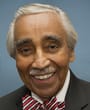 Rep. Charlie RangelD-NY-19
- Rep. Don EdwardsD-CA-10
- Rep. James CormanD-CA-21
- Rep. Frederick RichmondD-NY-14
- Rep. Gus HawkinsD-CA-29
- Rep. Robert GarciaD-NY-21
- Rep. Yvonne BurkeD-CA-28
- Rep. Richard BollingD-MO-5
- Rep. Shirley ChisholmD-NY-12
- Rep. Benjamin RosenthalD-NY-8
- Rep. Ronald DellumsD-CA-8
- Rep. Robert NixD-PA-2
- Rep. Jonathan BinghamD-NY-22
- Rep. John McFallD-CA-14
- Rep. Frank ThompsonD-NJ-4
- Rep. George BrownD-CA-36
- Rep. Theodore WeissD-NY-20
- Rep. Cardiss CollinsD-IL-7
- Rep. Lloyd MeedsD-WA-2
- Rep. George DanielsonD-CA-30
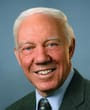 Rep. James OberstarD-MN-8
- Rep. Daniel RostenkowskiD-IL-8
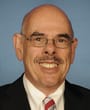 Rep. Henry WaxmanD-CA-24
- Rep. Charles DiggsD-MI-13
- Rep. William BurlisonD-MO-10
- Rep. John SeiberlingD-OH-14
- Rep. Paul SimonD-IL-24
- Rep. William FordD-MI-15
 Rep. Richard NolanD-MN-6
- Rep. Robert KastenmeierD-WI-2
- Rep. Barbara JordanD-TX-18
- Rep. David BoniorD-MI-12
- Rep. Peter RodinoD-NJ-10
- Rep. John BrademasD-IN-3
- Rep. Stephen SolarzD-NY-13
- Rep. Charles PriceD-IL-23
- Rep. James HowardD-NJ-3
- Rep. Harold JohnsonD-CA-1
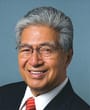 Rep. Daniel AkakaD-HI-2
- Rep. James WrightD-TX-12
- Rep. Dante FascellD-FL-15
 Rep. John DingellD-MI-16
- Rep. William BrodheadD-MI-17
- Rep. Henry ReussD-WI-5
- Rep. Norman MinetaD-CA-13
 Rep. Dave ObeyD-WI-7
- Rep. James ScheuerD-NY-11
- Rep. Donald FraserD-MN-5
- Rep. Ozzie MyersD-PA-1
- Rep. William MoorheadD-PA-14
- Rep. Bruce VentoD-MN-4
- Rep. Daniel FloodD-PA-11
- Rep. Claude PepperD-FL-14
- Rep. John FaryD-IL-5
- Rep. Joseph AddabboD-NY-7
- Rep. Charles CarneyD-OH-19
- Rep. Robert LeggettD-CA-4
- Rep. Clement ZablockiD-WI-4
- Rep. Albert UllmanD-OR-2
- Rep. Sidney YatesD-IL-9
- Rep. Abner MikvaD-IL-10
- Rep. Teno RoncalioD-WY
 Rep. Barbara MikulskiD-MD-3
- Rep. Joshua EilbergD-PA-4
- Rep. Raymond LedererD-PA-3
- Rep. Alvin BaldusD-WI-3
- Rep. Harold FordD-TN-8
- Rep. Robert DuncanD-OR-3
- Rep. Jerry PattersonD-CA-38
- Rep. Harley StaggersD-WV-2
- Rep. James BurkeD-MA-11
- Rep. Lionel Van DeerlinD-CA-42
- Rep. Morris UdallD-AZ-2
- Rep. Joseph LeFanteD-NJ-14
- Rep. Frank EvansD-CO-3
- Rep. Carl PerkinsD-KY-7
 Rep. Ed MarkeyD-MA-7
- Rep. Frederick RooneyD-PA-15
- Rep. Frank AnnunzioD-IL-11
- Rep. Richard OttingerD-NY-24
- Rep. Helen MeynerD-NJ-13
- Rep. Gerry StuddsD-MA-12
- Rep. James WeaverD-OR-4
- Rep. Thomas AshleyD-OH-9
- Rep. Gene MaguireD-NJ-7
- Rep. John MoakleyD-MA-9
- Rep. Fernand St. GermainD-RI-1
- Rep. John BurtonD-CA-5
- Rep. Leslie AspinD-WI-1
- Rep. Morgan MurphyD-IL-2
- Rep. Robert GiaimoD-CT-3
 Rep. John MurthaD-PA-12
 Rep. Nick RahallD-WV-4
- Rep. Don BonkerD-WA-3
- Rep. William LehmanD-FL-13
- Rep. Paul TsongasD-MA-5
- Rep. Edward BeardD-RI-2
- Rep. Thomas SteedD-OK-4
- Rep. John DentD-PA-21
- Rep. Jack BrooksD-TX-9
- Rep. Thomas DowneyD-NY-2
- Rep. Toby MoffettD-CT-6
- Rep. Charles VanikD-OH-22
- Rep. Charles RoseD-NC-7
- Rep. Bernice SiskD-CA-15
 Rep. Christopher DoddD-CT-2
- Rep. Gillis LongD-LA-8
- Rep. Neal SmithD-IA-4
 Rep. Norm DicksD-WA-6
- Rep. James DelaneyD-NY-9
- Rep. John YoungD-TX-14
- Rep. Ray ThorntonD-AR-4
- Rep. James TuckerD-AR-2
- Rep. William CotterD-CT-1
- Rep. Edward PattisonD-NY-29
- Rep. James BlanchardD-MI-18
- Rep. Stanley LundineD-NY-39
- Rep. Edward BolandD-MA-2
- Rep. Lunsford PreyerD-NC-6
 Rep. Dale KildeeD-MI-7
- Rep. Robert CornellD-WI-8
- Rep. William NatcherD-KY-2
- Rep. Cecil HeftelD-HI-1
- Rep. Matthew McHughD-NY-27
- Rep. Robert EdgarD-PA-7
- Rep. Donald PeaseD-OH-13
- Rep. Charles WilsonD-TX-2
- Rep. Robert RoeD-NJ-8
- Rep. Henry NowakD-NY-37
- Rep. Joseph AmmermanD-PA-23
- Rep. Joseph GaydosD-PA-20
- Rep. Herbert HarrisD-VA-8
- Rep. Gladys SpellmanD-MD-5
- Rep. Mario BiaggiD-NY-10
- Rep. James FlorioD-NJ-1
- Rep. Mark HannafordD-CA-34
- Rep. James HanleyD-NY-32
- Rep. Joseph FisherD-VA-10
- Rep. Koln McKayD-UT-1
- Rep. John KrebsD-CA-17
- Rep. Michael BlouinD-IA-2
- Rep. Albert GoreD-TN-4
- Rep. Bob CarrD-MI-6
- Rep. Adam BenjaminD-IN-1
- Rep. Jerome TraxlerD-MI-8
- Rep. Glenn AndersonD-CA-32
- Rep. Kenneth HollandD-SC-5
- Rep. Leo ZeferettiD-NY-15
- Rep. Butler DerrickD-SC-3
- Rep. David CornwellD-IN-8
- Rep. Joseph MinishD-NJ-11
- Rep. Timothy WirthD-CO-2
- Rep. Ed JonesD-TN-7
- Rep. Douglas ApplegateD-OH-18
- Rep. Berkley BedellD-IA-6
- Rep. John LaFalceD-NY-36
 Rep. Max BaucusD-MT-1
- Rep. Lee HamiltonD-IN-9
- Rep. Austin MurphyD-PA-22
- Rep. Bo GinnD-GA-1
- Rep. George MahonD-TX-19
- Rep. Walter JonesD-NC-1
- Rep. John CavanaughD-NE-2
 Rep. Tom HarkinD-IA-5
- Rep. Clarence LongD-MD-2
- Rep. Douglas WalgrenD-PA-18
- Rep. Jake PickleD-TX-10
 Rep. Ike SkeltonD-MO-4
- Rep. Wyche FowlerD-GA-5
- Rep. Martha KeysD-KS-2
- Rep. Romano MazzoliD-KY-3
- Rep. Joseph EarlyD-MA-3
- Rep. Jerome AmbroD-NY-3
- Rep. Leon PanettaD-CA-16
- Rep. James MattoxD-TX-5
- Rep. Jamie WhittenD-MS-1
- Rep. Peter KostmayerD-PA-8
- Rep. Les AuCoinD-OR-1
- Rep. Philip SharpD-IN-10
- Rep. Paul RogersD-FL-11
- Rep. Gus YatronD-PA-6
- Rep. Norman D’AmoursD-NH-1
- Rep. Bill HefnerD-NC-8
- Rep. Carroll HubbardD-KY-1
- Rep. Floyd FithianD-IN-2
- Rep. Billy EvansD-GA-8
- Rep. Robert KruegerD-TX-21
- Rep. James MannD-SC-4
- Rep. Druie BarnardD-GA-10
- Rep. Charles WhitleyD-NC-3
- Rep. Otis PikeD-NY-1
- Rep. Richard WhiteD-TX-16
- Rep. Martin RussoD-IL-3
- Rep. James SantiniD-NV
- Rep. William HughesD-NJ-2
- Rep. David BowenD-MS-2
- Rep. James JonesD-OK-1
- Rep. Stephen NealD-NC-5
- Rep. Sam GibbonsD-FL-7
- Rep. Jack BrinkleyD-GA-3
- Rep. Andy IrelandD-FL-8
- Rep. Marvin MathisD-GA-2
- Rep. Daniel GlickmanD-KS-4
- Rep. David EvansD-IN-6
- Rep. John FlyntD-GA-6
- Rep. Sonny MontgomeryD-MS-3
- Rep. Andrew JacobsD-IN-11
- Rep. Ronald MottlD-OH-23
Republicans who voted yea(19)
- Rep. Charles WhalenR-OH-3
- Rep. Bill GreenR-NY-18
- Rep. Newton SteersR-MD-8
- Rep. Silvio ConteR-MA-1
- Rep. Pete McCloskeyR-CA-12
- Rep. Stewart McKinneyR-CT-4
- Rep. Margaret HecklerR-MA-10
- Rep. Marc MarksR-PA-24
- Rep. Millicent FenwickR-NJ-5
- Rep. Thomas RailsbackR-IL-19
- Rep. John AndersonR-IL-16
- Rep. Joel PritchardR-WA-1
- Rep. Jim JohnsonR-CO-4
- Rep. Paul FindleyR-IL-20
- Rep. Carl PursellR-MI-2
- Rep. Ronald SarasinR-CT-5
- Rep. Bruce CaputoR-NY-23
- Rep. Ronald MarleneeR-MT-2
- Rep. Dan QuayleR-IN-4
Data notes
The House’s recorded vote on the final version of the law (roll call 1498 in Voteview), matched to the vote the record cites and checked against its totals. Positions are each member’s DW-NOMINATE score for that Congress, as on the Ideology page; left to right is more liberal to more conservative. Paired and announced yea votes count as yea. Lists follow the compass, most liberal first. A name links to a profile only for members of the current Congress. A law passed by voice vote or unanimous consent has no member list, and neither does a vote Voteview has not yet recorded.
Committees
The committees the bill was sent to, and what each did with it.


Data notes
A committee links to its page only where it exists in the current Congress; older and renamed committees are named without a link.
Timeline
From introduction to signing, newest first: the committees, the floor and the president. 23 actions.
- Oct 25, 1978Became lawBecame law · Signed by President.
- PresidentPresident · Public Law 95-511.
- Oct 16, 1978PresidentPresident · Measure presented to President.
- Oct 12, 1978PresidentPresident · Measure enrolled in Senate.
- PresidentPresident · Measure enrolled in House.
- Resolving differencesResolving differences · House agreed to conference report, roll call #897 (266-176).House roll call 897
- Resolving differencesResolving differences · Conference report agreed to in House: House agreed to conference report, roll call #897 (266-176).House roll call 897
- Oct 9, 1978Resolving differencesResolving differences · Senate agreed to conference report.
- Resolving differencesResolving differences · Conference report agreed to in Senate: Senate agreed to conference report.
- Oct 5, 1978Resolving differencesResolving differences · Conference report filed in House, H. Rept. 95-1720.
- Resolving differencesResolving differences · Conference report filed: Conference report filed in House, H. Rept. 95-1720.
- Sep 26, 1978Resolving differencesResolving differences · Conference scheduled in Senate.
- Resolving differencesResolving differences · Conference scheduled in House.
- Sep 12, 1978FloorFloor · Senate disagreed to House amendments.
- Sep 7, 1978FloorFloor · Measure passed House, amended, in lieu of H. R. 7308.
- Apr 24, 1978CommitteeCommittee · Referred to House Judiciary Committee
- Apr 20, 1978FloorFloor · Measure passed Senate, amended, roll call #128 (95-1).Senate roll call 128
- FloorFloor · Measure called up by unanimous consent in Senate.
- Mar 14, 1978CommitteeCommittee · Reported by Senate Intelligence (Select) Committee
- Nov 22, 1977CommitteeCommittee · Reported by Senate Judiciary Committee
- May 18, 1977CommitteeCommittee · Referred to Senate Intelligence (Select) Committee
- CommitteeCommittee · Referred to Senate Judiciary Committee
- IntroducedIntroduced · Introduced in the Senate
Data notes
Shows the introduction, each committee and subcommittee step the source dates (referral, hearings, markup, report, discharge), and the floor, conference, presidential and became-law steps. Calendar placements, messages between the chambers, amendments and committee report numbers are not shown for laws before the 108th Congress. Two entries the source lists twice are shown once.
Official record
The bill’s full text and every action, including introduction and committee steps, are on Congress.gov. Data through Oct 7, 2026.