Secure America Act
Public Law 119-98 · S. 2 · 119th Congress · began in the Senate
Signed by Donald Trump (R) on Jun 10, 2026 · Immigration
Sponsor: Sen. Lindsey Graham (R-SC)
Cosponsors: None
Passage votesYeaNay
- HouseRecorded vote: 214 yea, 212 nay214–212
- SenateRecorded vote: 52 yea, 47 nay52–47
Data notes
The final version of the law, as each chamber passed it. A chamber that passed it by voice vote or unanimous consent has no count. “Method not stated” means the record does not say how the chamber voted. Where the record has a member-by-member vote, the “Who voted for it” section shows who voted yea.
Summary
The Congressional Research Service’s plain-language summary of what the law does.
This act provides $70 billion in funding to the Department of Homeland Security (DHS), U.S. Customs and Border Protection (CBP), and U.S. Immigration and Customs Enforcement (ICE) through FY2029 for immigration enforcement, border security, and related activities.
It is known as a reconciliation bill and includes legislation submitted by certain congressional committees pursuant to provisions in the FY2026 congressional budget resolution (S. Con. Res. 33) that directed the committees to submit legislation to the House or Senate Budget Committee that will increase the deficit. (Reconciliation bills are considered by Congress using expedited legislative procedures that prevent a filibuster and restrict amendments in the Senate.)
TITLE I--COMMITTEE ON HOMELAND SECURITY AND GOVERNMENTAL AFFAIRS
(Sec. 101) This section provides funding for CBP to hire, pay, train, and equip Border Patrol agents and Border Patrol support personnel to conduct functions other than immigration enforcement and customs functions.
The funds provided by this section may not be used to recruit, hire, or train personnel for the duties of processing coordinators after October 31, 2028.
(Sec. 102) This section provides funding to ICE for (1) hiring, paying, training, and equipping Homeland Security Investigations (HIS) agents and support personnel; and (2) other necessary expenses for HSI’s mission support and operations and maintenance.
It also requires specified funds to be used to hire, pay, and equip additional child exploitation investigators and forensics analysts for certain HSI offices to (1) support the identification and rescue of victims of child sexual exploitation and abuse, and (2) train such personnel and state and local law enforcement regarding identifying victims of child sexual exploitation and abuse.
The funds provided by this section must be used for functions other than those related to HSI’s immigration enforcement and customs enforcement missions.
(Sec. 103) This section provides funding to CBP for border security, technology, and screening, including
• procurement and integration of new nonintrusive inspection equipment and associated civil works (e.g., artificial intelligence, machine learning, and other innovative technologies) and other mission support to combat the entry or exit of illicit narcotics at ports of entry and along the southwest, northern, and maritime borders;
• upgrading and procurement of platforms for rapid air and marine response capabilities;
• upgrading and procurement of border surveillance technologies along the southwest, northern, and maritime borders;
• necessary expenses, including the deployment of technology, relating to the biometric entry and exit system under the Intelligence Reform and Terrorism Prevention Act of 2004;
• enhancing border security by combating drug trafficking, including fentanyl and its precursor chemicals, at the southwest, northern, and maritime borders; and
• necessary expenses for CBP's mission support and operations and maintenance for functions other than those related to its immigration enforcement and customs missions.
None of the funds provided by this section may be used for the procurement or deployment of surveillance towers along the southwest border and the northern border that have not been tested and accepted by CBP to deliver autonomous capabilities.
Under this section the term autonomous means a system designed to apply artificial intelligence, machine learning, computer vision, or other algorithms to accurately detect, identify, classify, and track items of interest in real time such that the system can make operational adjustments without the active engagement of personnel or continuous human command or control.
(Sec. 104) This section provides additional funding to DHS for the purposes for which funding is provided in this title.
TITLE II--COMMITTEE ON THE JUDICIARY
(Sec. 201) This section provides funding to CBP for hiring, paying, training, and equipping CBP agents and the necessary support staff, and other necessary expenses for mission support and operations and maintenance, in order to carry out immigration enforcement activities.
(Sec. 202) This section provides funding to ICE for immigration enforcement and related activities, including
• hiring, paying, and training personnel;
• transportation;
• information technology;
• facility and fleet maintenance and sustainment;
• 287(g) agreements (i.e., agreements that allow state and local law enforcement agencies to perform certain immigration enforcement functions);
• the Office of the Principal Legal Advisor;
• operation and maintenance; and
• operations by ICE to arrest certain unlawful aliens.
(Sec. 203) This section provides additional funding to DHS for (1) the purposes for which funding is provided in this title, (2) the assignment of certain DHS employees and state officers to carry out immigration enforcement activities, or (3) the participation of state and local agencies in certain homeland security efforts.
Who voted for it
Every senator of the 119th Congress on the ideology compass. Highlighted: the 52 who voted yea on final passage. Faded: everyone else, including those who voted nay, did not vote, or had not yet taken office.
52 yea47 nay1 present or did not vote
Democrats who voted yea(0)
- None.
Republicans who voted yea(52)
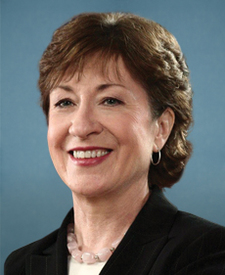 Sen. Susan CollinsR-ME
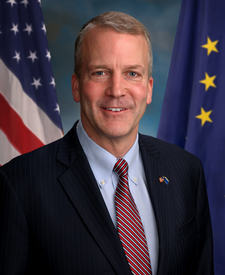 Sen. Dan SullivanR-AK
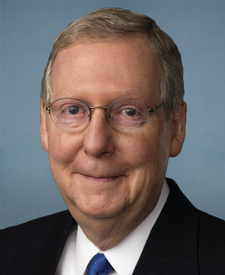 Sen. Mitch McConnellR-KY
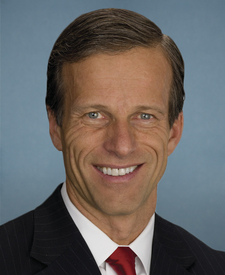 Sen. John ThuneR-SD
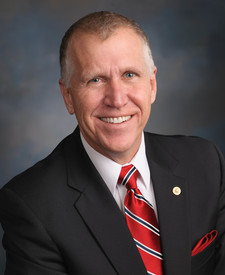 Sen. Thom TillisR-NC
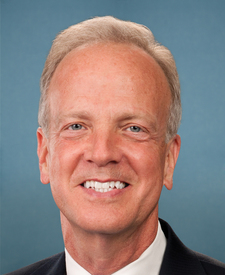 Sen. Jerry MoranR-KS
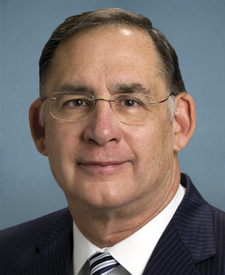 Sen. John BoozmanR-AR
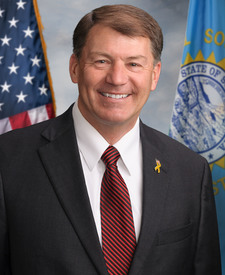 Sen. Mike RoundsR-SD
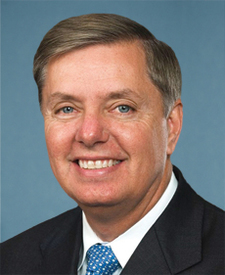 Sen. Lindsey GrahamR-SC
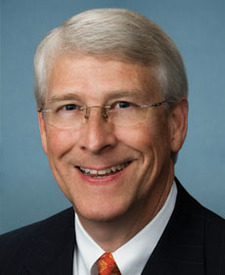 Sen. Roger WickerR-MS
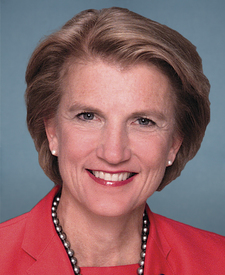 Sen. Shelley CapitoR-WV
 Sen. Bill CassidyR-LA
 Sen. Deb FischerR-NE
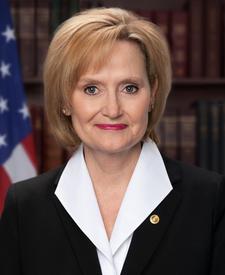 Sen. Cindy Hyde-SmithR-MS
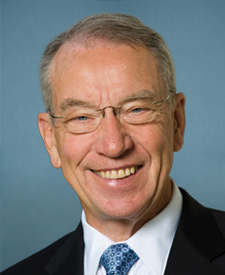 Sen. Chuck GrassleyR-IA
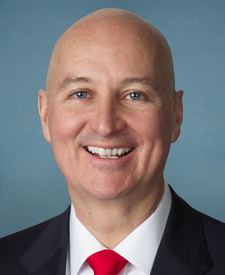 Sen. Pete RickettsR-NE
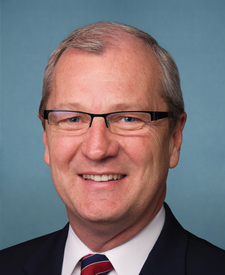 Sen. Kevin CramerR-ND
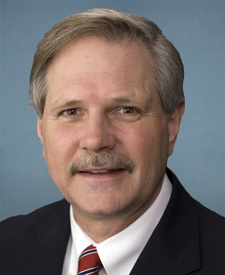 Sen. John HoevenR-ND
 Sen. Josh HawleyR-MO
 Sen. Tom CottonR-AR
 Sen. James LankfordR-OK
 Sen. Tim ScottR-SC
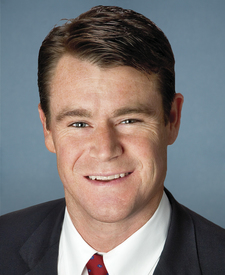 Sen. Todd YoungR-IN
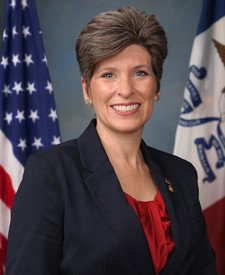 Sen. Joni ErnstR-IA
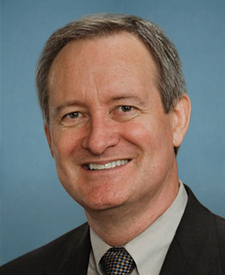 Sen. Mike CrapoR-ID
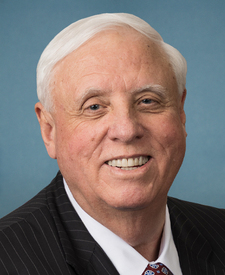 Sen. Jim JusticeR-WV
 Sen. Jon HustedR-OH
 Sen. Roger MarshallR-KS
 Sen. John CornynR-TX
 Sen. Dave McCormickR-PA
 Sen. Steve DainesR-MT
 Sen. John KennedyR-LA
 Sen. James RischR-ID
 Sen. Tim SheehyR-MT
- Sen. Alan ArmstrongR-OK
 Sen. Marsha BlackburnR-TN
 Sen. John BarrassoR-WY
 Sen. John CurtisR-UT
 Sen. Jim BanksR-IN
 Sen. Katie BrittR-AL
 Sen. Ashley MoodyR-FL
 Sen. Ted BuddR-NC
 Sen. Eric SchmittR-MO
 Sen. Bernie MorenoR-OH
 Sen. Bill HagertyR-TN
 Sen. Rand PaulR-KY
 Sen. Ted CruzR-TX
 Sen. Cynthia LummisR-WY
 Sen. Ron JohnsonR-WI
 Sen. Mike LeeR-UT
 Sen. Tommy TubervilleR-AL
 Sen. Rick ScottR-FL








































Data notes
The Senate’s recorded vote on the final version of the law (roll call 822 in Voteview), matched to the vote the record cites and checked against its totals. Positions are each member’s DW-NOMINATE score for that Congress, as on the Ideology page; left to right is more liberal to more conservative. Paired and announced yea votes count as yea. Lists follow the compass, most liberal first. A name links to a profile only for members of the current Congress. A law passed by voice vote or unanimous consent has no member list, and neither does a vote Voteview has not yet recorded.
Committees
The committees the bill was sent to, and what each did with it.


Data notes
A committee links to its page only where it exists in the current Congress; older and renamed committees are named without a link.
Related bills
2 bills the Library of Congress relates to this one.
H.Res. 1345Procedurally related
Providing for consideration of the bill (H.R. 8312) to establish fraud prevention and program integrity functions and data sharing authorities within the Department of Treasury and a permanent governmentwide Inspector G…
S.Con.Res. 33Related bill
A concurrent resolution setting forth the congressional budget for the United States Government for fiscal year 2026 and setting forth the appropriate budgetary levels for fiscal years 2027 through 2035.
Data notes
Related bills are identified by the Congressional Research Service, the House and the Senate: companion and identical bills, bills with similar text, bills that were folded into this law, and rules that brought it to the floor. A bill that is itself a public law in this site’s data links here; the others link to Congress.gov.
Timeline
From introduction to signing, newest first: the committees, the floor and the president. 29 actions.
- Jun 10, 2026Became lawBecame law · Became Public Law No: 119-98.
- Became lawBecame law · Signed by President.
- Jun 9, 2026FloorFloor · Presented to President.
- FloorFloor · Motion to reconsider laid on the table Agreed to without objection.
- FloorFloor · On passage Passed by recorded vote: 214 - 212 (Roll no. 214).House roll call 214
- FloorFloor · On motion to commit Failed by the Yeas and Nays: 211 - 215 (Roll no. 213).House roll call 213
- FloorFloor · The previous question on the motion to commit was ordered pursuant to clause 2(b) of rule XIX.
- FloorFloor · Mr. Boyle (PA) moved to commit to the Committee on the Budget.
- FloorFloor · The previous question was ordered pursuant to the rule.
- FloorFloor · DEBATE - The House proceeded with one hour of debate on S. 2.
- FloorFloor · Rule provides for consideration of H.R. 8312, H.R. 8464, H. Res. 1335 and S. 2. The resolution provides for consideration of H.R. 8312, H.R. 8464, H. Res. 1335, and S. 2 under a closed rule with one hour of general debate on each measure. The resolution provides for a motion to …
- FloorFloor · Considered under the provisions of rule H. Res. 1345.
- FloorFloor · Rule H. Res. 1345 passed House.
- Jun 8, 2026FloorFloor · Rules Committee Resolution H. Res. 1345 Reported to House. Rule provides for consideration of H.R. 8312, H.R. 8464, H. Res. 1335 and S. 2. The resolution provides for consideration of H.R. 8312, H.R. 8464, H. Res. 1335, and S. 2 under a closed rule with one hour of general debat…
- FloorFloor · Held at the desk.
- FloorFloor · Received in the House.
- Jun 5, 2026FloorFloor · Message on Senate action sent to the House.
- FloorFloor · Passed Senate with an amendment by Yea-Nay Vote. 52 - 47. Record Vote Number: 163.Senate roll call 163
- FloorFloor · Motion by Senator Wyden to commit to Senate Committee on the Judiciary with instructions rejected in Senate by Voice Vote.
- FloorFloor · Motion by Senator Rosen to commit to Senate Committee on the Judiciary with instructions rejected in Senate by Voice Vote.
- FloorFloor · Motion by Senator Wyden to commit to Senate Committee on the Judiciary with instructions rejected in Senate by Yea-Nay Vote. 48 - 51. Record Vote Number: 153.Senate roll call 153
- Jun 4, 2026FloorFloor · Motion by Senator Warnock to commit to Senate Committee on the Judiciary with instructions rejected in Senate by Yea-Nay Vote. 46 - 52. Record Vote Number: 147.Senate roll call 147
- FloorFloor · Motion by Senator Ossoff to commit to Senate Committee on the Judiciary with instructions rejected in Senate by Yea-Nay Vote. 47 - 50. Record Vote Number: 141.Senate roll call 141
- FloorFloor · Motion by Senator Schumer to commit to Senate Committee on the Judiciary with instructions rejected in Senate by Yea-Nay Vote. 49 - 50. Record Vote Number: 137.Senate roll call 137
- FloorFloor · Considered by Senate.
- Jun 3, 2026FloorFloor · Measure laid before Senate by motion.
- FloorFloor · Motion to proceed to consideration of measure agreed to in Senate by Yea-Nay Vote. 53 - 46. Record Vote Number: 136.Senate roll call 136
- May 20, 2026CalendarCalendar · Placed on Senate Legislative Calendar under General Orders. Calendar No. 417.
- CommitteeCommittee · Committee on the Budget. Original measure reported to Senate by Senator Graham. Without written report.
Data notes
Every action the Library of Congress lists for the bill, from introduction to signing, plus the dated committee hearings. The source lists many steps twice (the chamber’s own entry and the Library of Congress copy, or a presidential and a became-law entry with the same words); those are shown once. Amendments are listed in their own section.
Amendments
369 amendments offered to the bill, with the last recorded step of each.
- Rejected
S.Amdt. 5813SenateSen. Ruben GallegoD-AZ· offered Jun 5, 2026Rejected
To make funds available for the timely adjudication of DACA renewal applications.
Jun 5, 2026: Amendment SA 5813 not agreed to in Senate by Yea-Nay Vote. 47 - 52. Record Vote Number: 156.
- Ruled out of order
S.Amdt. 5812SenateSen. Bill CassidyR-LA· offered Jun 5, 2026Ruled out of order
To provide compensation to law enforcement officers who defended the United States Capitol during the events that occurred at or near the United States Capitol on January 6, 2021, and for other purposes.
Jun 5, 2026: Amendment SA 5812 ruled out of order by the chair.
- Offered, no vote recorded
S.Amdt. 5811SenateSen. Bill CassidyR-LA· offered Jun 5, 2026No vote recorded
Jun 5, 2026: Senate amendment submitted
- Offered, no vote recorded
S.Amdt. 5810SenateSen. Bill CassidyR-LA· offered Jun 4, 2026No vote recorded
Jun 4, 2026: Senate amendment submitted
- Offered, no vote recorded
S.Amdt. 5809SenateSen. Mike LeeR-UT· offered Jun 4, 2026No vote recorded
Jun 4, 2026: Senate amendment submitted
- Rejected
S.Amdt. 5808SenateSen. Alex PadillaD-CA· offered Jun 4, 2026Rejected
To make appropriations for transparency and accountability.
Jun 5, 2026: Amendment SA 5808 not agreed to in Senate by Yea-Nay Vote. 46 - 53. Record Vote Number: 157.
- Offered, no vote recorded
S.Amdt. 5807SenateSen. Richard DurbinD-IL· offered Jun 4, 2026No vote recorded
Jun 4, 2026: Senate amendment submitted
- Withdrawn
S.Amdt. 5806SenateSen. Richard DurbinD-IL· offered Jun 4, 2026Withdrawn
To repurpose funds previously appropriated for U.S. Immigration and Customs Enforcement for the timely processing of DACA applications and related employment authorization documents and to prohibit the use of funds to arrest, detain, depor…
Jun 5, 2026: Proposed amendment SA 5806 withdrawn in Senate.
- Offered, no vote recorded
S.Amdt. 5805SenateSen. Bill CassidyR-LA· offered Jun 4, 2026No vote recorded
Jun 4, 2026: Senate amendment submitted
- Ruled out of order
S.Amdt. 5804SenateSen. Mike LeeR-UT· offered Jun 4, 2026Ruled out of order
To ensure only citizens are registered to vote in elections for Federal office, and to require voters to provide photo identification.
Jun 5, 2026: Amendment SA 5804 ruled out of order by the chair.
- Ruled out of order
S.Amdt. 5803SenateSen. Cory BookerD-NJ· offered Jun 4, 2026Ruled out of order
To support the work performed by the Immigration Detention Ombudsman.
Jun 4, 2026: Amendment SA 5803 ruled out of order by the chair.
- Offered, no vote recorded
S.Amdt. 5802SenateSen. Bernie SandersD-VT· offered Jun 4, 2026No vote recorded
Jun 4, 2026: Senate amendment submitted
- Offered, no vote recorded
S.Amdt. 5801SenateSen. Bernie SandersD-VT· offered Jun 4, 2026No vote recorded
Jun 4, 2026: Senate amendment submitted
- Offered, no vote recorded
S.Amdt. 5800SenateSen. Adam SchiffD-CA· offered Jun 4, 2026No vote recorded
Jun 4, 2026: Senate amendment submitted
- Offered, no vote recorded
S.Amdt. 5799SenateSen. Christopher CoonsD-DE· offered Jun 4, 2026No vote recorded
Jun 4, 2026: Senate amendment submitted
- Offered, no vote recorded
S.Amdt. 5798SenateSen. Gary PetersD-MI· offered Jun 4, 2026No vote recorded
Jun 4, 2026: Senate amendment submitted
- Offered, no vote recorded
S.Amdt. 5797SenateSen. Tammy DuckworthD-IL· offered Jun 4, 2026No vote recorded
Jun 4, 2026: Senate amendment submitted
- Offered, no vote recorded
S.Amdt. 5796SenateSen. Tammy DuckworthD-IL· offered Jun 4, 2026No vote recorded
Jun 4, 2026: Senate amendment submitted
- Offered, no vote recorded
S.Amdt. 5795SenateSen. Jacky RosenD-NV· offered Jun 4, 2026No vote recorded
Jun 4, 2026: Senate amendment submitted
- Offered, no vote recorded
S.Amdt. 5794SenateSen. Alex PadillaD-CA· offered Jun 4, 2026No vote recorded
Jun 4, 2026: Senate amendment submitted
- Offered, no vote recorded
S.Amdt. 5793SenateSen. Alex PadillaD-CA· offered Jun 4, 2026No vote recorded
Jun 4, 2026: Senate amendment submitted
- Offered, no vote recorded
S.Amdt. 5792SenateSen. Alex PadillaD-CA· offered Jun 4, 2026No vote recorded
Jun 4, 2026: Senate amendment submitted
- Offered, no vote recorded
S.Amdt. 5791SenateSen. Alex PadillaD-CA· offered Jun 4, 2026No vote recorded
Jun 4, 2026: Senate amendment submitted
- Offered, no vote recorded
S.Amdt. 5790SenateSen. Alex PadillaD-CA· offered Jun 4, 2026No vote recorded
Jun 4, 2026: Senate amendment submitted
- Offered, no vote recorded
S.Amdt. 5789SenateSen. Angela AlsobrooksD-MD· offered Jun 4, 2026No vote recorded
Jun 4, 2026: Senate amendment submitted
- Offered, no vote recorded
S.Amdt. 5788SenateSen. Peter WelchD-VT· offered Jun 4, 2026No vote recorded
Jun 4, 2026: Senate amendment submitted
- Offered, no vote recorded
S.Amdt. 5787SenateSen. Cory BookerD-NJ· offered Jun 4, 2026No vote recorded
Jun 4, 2026: Senate amendment submitted
- Offered, no vote recorded
S.Amdt. 5786SenateSen. Mike LeeR-UT· offered Jun 4, 2026No vote recorded
Jun 4, 2026: Senate amendment submitted
- Offered, no vote recorded
S.Amdt. 5785SenateSen. Adam SchiffD-CA· offered Jun 4, 2026No vote recorded
Jun 4, 2026: Senate amendment submitted
- Offered, no vote recorded
S.Amdt. 5784SenateSen. Ron WydenD-OR· offered Jun 4, 2026No vote recorded
Jun 4, 2026: Senate amendment submitted
- Offered, no vote recorded
S.Amdt. 5783SenateSen. John HickenlooperD-CO· offered Jun 4, 2026No vote recorded
Jun 4, 2026: Senate amendment submitted
- Offered, no vote recorded
S.Amdt. 5782SenateSen. Adam SchiffD-CA· offered Jun 4, 2026No vote recorded
Jun 4, 2026: Senate amendment submitted
- Offered, no vote recorded
S.Amdt. 5781SenateSen. Ben LujánD-NM· offered Jun 4, 2026No vote recorded
Jun 4, 2026: Senate amendment submitted
- Offered, no vote recorded
S.Amdt. 5780SenateSen. John HickenlooperD-CO· offered Jun 4, 2026No vote recorded
Jun 4, 2026: Senate amendment submitted
- Ruled out of order
S.Amdt. 5779SenateSen. Lindsey GrahamR-SC· offered Jun 4, 2026Ruled out of order
To ensure only citizens are registered to vote in elections for Federal office, and to require voters to provide photo identification, and for other purposes.
Jun 4, 2026: Amendment SA 5779 ruled out of order by the chair.
- Offered, no vote recorded
S.Amdt. 5778SenateSen. Alex PadillaD-CA· offered Jun 4, 2026No vote recorded
Jun 4, 2026: Senate amendment submitted
- Offered, no vote recorded
S.Amdt. 5777SenateSen. Alex PadillaD-CA· offered Jun 4, 2026No vote recorded
Jun 4, 2026: Senate amendment submitted
- Offered, no vote recorded
S.Amdt. 5776SenateSen. Martin HeinrichD-NM· offered Jun 4, 2026No vote recorded
Jun 4, 2026: Senate amendment submitted
- Offered, no vote recorded
S.Amdt. 5775SenateSen. Martin HeinrichD-NM· offered Jun 4, 2026No vote recorded
Jun 4, 2026: Senate amendment submitted
- Offered, no vote recorded
S.Amdt. 5774SenateSen. Martin HeinrichD-NM· offered Jun 4, 2026No vote recorded
Jun 4, 2026: Senate amendment submitted
- Offered, no vote recorded
S.Amdt. 5773SenateSen. Martin HeinrichD-NM· offered Jun 4, 2026No vote recorded
Jun 4, 2026: Senate amendment submitted
- Offered, no vote recorded
S.Amdt. 5772SenateSen. Mark KellyD-AZ· offered Jun 4, 2026No vote recorded
Jun 4, 2026: Senate amendment submitted
- Offered, no vote recorded
S.Amdt. 5771SenateSen. Mark KellyD-AZ· offered Jun 4, 2026No vote recorded
Jun 4, 2026: Senate amendment submitted
- Offered, no vote recorded
S.Amdt. 5770SenateSen. Mark KellyD-AZ· offered Jun 4, 2026No vote recorded
Jun 4, 2026: Senate amendment submitted
- Offered, no vote recorded
S.Amdt. 5769SenateSen. Mark KellyD-AZ· offered Jun 4, 2026No vote recorded
Jun 4, 2026: Senate amendment submitted
- Offered, no vote recorded
S.Amdt. 5768SenateSen. Mark KellyD-AZ· offered Jun 4, 2026No vote recorded
Jun 4, 2026: Senate amendment submitted
- Offered, no vote recorded
S.Amdt. 5767SenateSen. Adam SchiffD-CA· offered Jun 4, 2026No vote recorded
Jun 4, 2026: Senate amendment submitted
- Offered, no vote recorded
S.Amdt. 5766SenateSen. Gary PetersD-MI· offered Jun 4, 2026No vote recorded
Jun 4, 2026: Senate amendment submitted
- Offered, no vote recorded
S.Amdt. 5765SenateSen. Gary PetersD-MI· offered Jun 4, 2026No vote recorded
Jun 4, 2026: Senate amendment submitted
- Offered, no vote recorded
S.Amdt. 5764SenateSen. Gary PetersD-MI· offered Jun 4, 2026No vote recorded
Jun 4, 2026: Senate amendment submitted
- Rejected
S.Amdt. 5763SenateSen. Gary PetersD-MI· offered Jun 4, 2026Rejected
To rescind unobligated balances under the One Big Beautiful Bill Act.
Jun 5, 2026: Amendment SA 5763 not agreed to in Senate by Yea-Nay Vote. 46 - 53. Record Vote Number: 155.
- Offered, no vote recorded
S.Amdt. 5762SenateSen. Alex PadillaD-CA· offered Jun 4, 2026No vote recorded
Jun 4, 2026: Senate amendment submitted
- Offered, no vote recorded
S.Amdt. 5761SenateSen. Alex PadillaD-CA· offered Jun 4, 2026No vote recorded
Jun 4, 2026: Senate amendment submitted
- Offered, no vote recorded
S.Amdt. 5760SenateSen. Alex PadillaD-CA· offered Jun 4, 2026No vote recorded
Jun 4, 2026: Senate amendment submitted
- Offered, no vote recorded
S.Amdt. 5759SenateSen. Alex PadillaD-CA· offered Jun 4, 2026No vote recorded
Jun 4, 2026: Senate amendment submitted
- Offered, no vote recorded
S.Amdt. 5758SenateSen. Ron WydenD-OR· offered Jun 4, 2026No vote recorded
Jun 4, 2026: Senate amendment submitted
- Offered, no vote recorded
S.Amdt. 5757SenateSen. Ben LujánD-NM· offered Jun 4, 2026No vote recorded
Jun 4, 2026: Senate amendment submitted
- Offered, no vote recorded
S.Amdt. 5756SenateSen. John HickenlooperD-CO· offered Jun 4, 2026No vote recorded
Jun 4, 2026: Senate amendment submitted
- Offered, no vote recorded
S.Amdt. 5755SenateSen. John HickenlooperD-CO· offered Jun 4, 2026No vote recorded
Jun 4, 2026: Senate amendment submitted
- Offered, no vote recorded
S.Amdt. 5754SenateSen. Jacky RosenD-NV· offered Jun 4, 2026No vote recorded
Jun 4, 2026: Senate amendment submitted
- Offered, no vote recorded
S.Amdt. 5753SenateSen. Jacky RosenD-NV· offered Jun 4, 2026No vote recorded
Jun 4, 2026: Senate amendment submitted
- Offered, no vote recorded
S.Amdt. 5752SenateSen. Angela AlsobrooksD-MD· offered Jun 4, 2026No vote recorded
Jun 4, 2026: Senate amendment submitted
- Offered, no vote recorded
S.Amdt. 5751SenateSen. Jacky RosenD-NV· offered Jun 4, 2026No vote recorded
Jun 4, 2026: Senate amendment submitted
- Offered, no vote recorded
S.Amdt. 5750SenateSen. Jacky RosenD-NV· offered Jun 4, 2026No vote recorded
Jun 4, 2026: Senate amendment submitted
- Offered, no vote recorded
S.Amdt. 5749SenateSen. Jacky RosenD-NV· offered Jun 4, 2026No vote recorded
Jun 4, 2026: Senate amendment submitted
- Offered, no vote recorded
S.Amdt. 5748SenateSen. Jacky RosenD-NV· offered Jun 4, 2026No vote recorded
Jun 4, 2026: Senate amendment submitted
- Offered, no vote recorded
S.Amdt. 5747SenateSen. Adam SchiffD-CA· offered Jun 4, 2026No vote recorded
Jun 4, 2026: Senate amendment submitted
- Offered, no vote recorded
S.Amdt. 5746SenateSen. Adam SchiffD-CA· offered Jun 4, 2026No vote recorded
Jun 4, 2026: Senate amendment submitted
- Offered, no vote recorded
S.Amdt. 5745SenateSen. Adam SchiffD-CA· offered Jun 4, 2026No vote recorded
Jun 4, 2026: Senate amendment submitted
- Offered, no vote recorded
S.Amdt. 5744SenateSen. Adam SchiffD-CA· offered Jun 4, 2026No vote recorded
Jun 4, 2026: Senate amendment submitted
- Offered, no vote recorded
S.Amdt. 5743SenateSen. Adam SchiffD-CA· offered Jun 4, 2026No vote recorded
Jun 4, 2026: Senate amendment submitted
- Offered, no vote recorded
S.Amdt. 5742SenateSen. Adam SchiffD-CA· offered Jun 4, 2026No vote recorded
Jun 4, 2026: Senate amendment submitted
- Offered, no vote recorded
S.Amdt. 5741SenateSen. Adam SchiffD-CA· offered Jun 4, 2026No vote recorded
Jun 4, 2026: Senate amendment submitted
- Ruled out of order
S.Amdt. 5740SenateSen. Adam SchiffD-CA· offered Jun 4, 2026Ruled out of order
To provide for limitations on judgments, awards, and compromise settlements under section 1304 of title 31, United States Code.
Jun 5, 2026: Amendment SA 5740 ruled out of order by the chair.
- Offered, no vote recorded
S.Amdt. 5739SenateSen. Peter WelchD-VT· offered Jun 4, 2026No vote recorded
Jun 4, 2026: Senate amendment submitted
- Offered, no vote recorded
S.Amdt. 5738SenateSen. Angela AlsobrooksD-MD· offered Jun 4, 2026No vote recorded
Jun 4, 2026: Senate amendment submitted
- Offered, no vote recorded
S.Amdt. 5737SenateSen. Angela AlsobrooksD-MD· offered Jun 4, 2026No vote recorded
Jun 4, 2026: Senate amendment submitted
- Offered, no vote recorded
S.Amdt. 5736SenateSen. Angela AlsobrooksD-MD· offered Jun 4, 2026No vote recorded
Jun 4, 2026: Senate amendment submitted
- Offered, no vote recorded
S.Amdt. 5735SenateSen. Angela AlsobrooksD-MD· offered Jun 4, 2026No vote recorded
Jun 4, 2026: Senate amendment submitted
- Offered, no vote recorded
S.Amdt. 5734SenateSen. Angela AlsobrooksD-MD· offered Jun 4, 2026No vote recorded
Jun 4, 2026: Senate amendment submitted
- Offered, no vote recorded
S.Amdt. 5733SenateSen. Angela AlsobrooksD-MD· offered Jun 4, 2026No vote recorded
Jun 4, 2026: Senate amendment submitted
- Offered, no vote recorded
S.Amdt. 5732SenateSen. Angela AlsobrooksD-MD· offered Jun 4, 2026No vote recorded
Jun 4, 2026: Senate amendment submitted
- Offered, no vote recorded
S.Amdt. 5731SenateSen. Angela AlsobrooksD-MD· offered Jun 4, 2026No vote recorded
Jun 4, 2026: Senate amendment submitted
- Offered, no vote recorded
S.Amdt. 5730SenateSen. Angela AlsobrooksD-MD· offered Jun 4, 2026No vote recorded
Jun 4, 2026: Senate amendment submitted
- Offered, no vote recorded
S.Amdt. 5729SenateSen. Peter WelchD-VT· offered Jun 4, 2026No vote recorded
Jun 4, 2026: Senate amendment submitted
- Offered, no vote recorded
S.Amdt. 5728SenateSen. Lisa Blunt RochesterD-DE· offered Jun 4, 2026No vote recorded
Jun 4, 2026: Senate amendment submitted
- Offered, no vote recorded
S.Amdt. 5727SenateSen. Elizabeth WarrenD-MA· offered Jun 4, 2026No vote recorded
Jun 4, 2026: Senate amendment submitted
- Offered, no vote recorded
S.Amdt. 5726SenateSen. Peter WelchD-VT· offered Jun 4, 2026No vote recorded
Jun 4, 2026: Senate amendment submitted
- Offered, no vote recorded
S.Amdt. 5725SenateSen. Peter WelchD-VT· offered Jun 4, 2026No vote recorded
Jun 4, 2026: Senate amendment submitted
- Offered, no vote recorded
S.Amdt. 5724SenateSen. Peter WelchD-VT· offered Jun 4, 2026No vote recorded
Jun 4, 2026: Senate amendment submitted
- Offered, no vote recorded
S.Amdt. 5723SenateSen. Peter WelchD-VT· offered Jun 4, 2026No vote recorded
Jun 4, 2026: Senate amendment submitted
- Offered, no vote recorded
S.Amdt. 5722SenateSen. Peter WelchD-VT· offered Jun 4, 2026No vote recorded
Jun 4, 2026: Senate amendment submitted
- Offered, no vote recorded
S.Amdt. 5721SenateSen. Peter WelchD-VT· offered Jun 4, 2026No vote recorded
Jun 4, 2026: Senate amendment submitted
- Offered, no vote recorded
S.Amdt. 5720SenateSen. Richard BlumenthalD-CT· offered Jun 4, 2026No vote recorded
Jun 4, 2026: Senate amendment submitted
- Offered, no vote recorded
S.Amdt. 5719SenateSen. Richard BlumenthalD-CT· offered Jun 4, 2026No vote recorded
Jun 4, 2026: Senate amendment submitted
- Offered, no vote recorded
S.Amdt. 5718SenateSen. Richard BlumenthalD-CT· offered Jun 4, 2026No vote recorded
Jun 4, 2026: Senate amendment submitted
- Offered, no vote recorded
S.Amdt. 5717SenateSen. Richard BlumenthalD-CT· offered Jun 4, 2026No vote recorded
Jun 4, 2026: Senate amendment submitted
- Offered, no vote recorded
S.Amdt. 5716SenateSen. Richard BlumenthalD-CT· offered Jun 4, 2026No vote recorded
Jun 4, 2026: Senate amendment submitted
- Offered, no vote recorded
S.Amdt. 5715SenateSen. Richard BlumenthalD-CT· offered Jun 4, 2026No vote recorded
Jun 4, 2026: Senate amendment submitted
- Offered, no vote recorded
S.Amdt. 5714SenateSen. Richard BlumenthalD-CT· offered Jun 4, 2026No vote recorded
Jun 4, 2026: Senate amendment submitted
- Offered, no vote recorded
S.Amdt. 5713SenateSen. Richard BlumenthalD-CT· offered Jun 4, 2026No vote recorded
Jun 4, 2026: Senate amendment submitted
- Offered, no vote recorded
S.Amdt. 5712SenateSen. Peter WelchD-VT· offered Jun 4, 2026No vote recorded
Jun 4, 2026: Senate amendment submitted
- Offered, no vote recorded
S.Amdt. 5711SenateSen. Richard BlumenthalD-CT· offered Jun 4, 2026No vote recorded
Jun 4, 2026: Senate amendment submitted
- Offered, no vote recorded
S.Amdt. 5710SenateSen. Richard BlumenthalD-CT· offered Jun 4, 2026No vote recorded
Jun 4, 2026: Senate amendment submitted
- Offered, no vote recorded
S.Amdt. 5709SenateSen. Richard BlumenthalD-CT· offered Jun 4, 2026No vote recorded
Jun 4, 2026: Senate amendment submitted
- Offered, no vote recorded
S.Amdt. 5708SenateSen. Richard BlumenthalD-CT· offered Jun 4, 2026No vote recorded
Jun 4, 2026: Senate amendment submitted
- Offered, no vote recorded
S.Amdt. 5707SenateSen. Richard BlumenthalD-CT· offered Jun 4, 2026No vote recorded
Jun 4, 2026: Senate amendment submitted
- Offered, no vote recorded
S.Amdt. 5706SenateSen. Richard BlumenthalD-CT· offered Jun 4, 2026No vote recorded
Jun 4, 2026: Senate amendment submitted
- Offered, no vote recorded
S.Amdt. 5705SenateSen. Richard BlumenthalD-CT· offered Jun 4, 2026No vote recorded
Jun 4, 2026: Senate amendment submitted
- Offered, no vote recorded
S.Amdt. 5704SenateSen. Richard BlumenthalD-CT· offered Jun 4, 2026No vote recorded
Jun 4, 2026: Senate amendment submitted
- Offered, no vote recorded
S.Amdt. 5703SenateSen. Richard BlumenthalD-CT· offered Jun 4, 2026No vote recorded
Jun 4, 2026: Senate amendment submitted
- Offered, no vote recorded
S.Amdt. 5702SenateSen. Richard BlumenthalD-CT· offered Jun 4, 2026No vote recorded
Jun 4, 2026: Senate amendment submitted
- Offered, no vote recorded
S.Amdt. 5701SenateSen. Richard BlumenthalD-CT· offered Jun 4, 2026No vote recorded
Jun 4, 2026: Senate amendment submitted
- Offered, no vote recorded
S.Amdt. 5700SenateSen. Richard BlumenthalD-CT· offered Jun 4, 2026No vote recorded
Jun 4, 2026: Senate amendment submitted
- Offered, no vote recorded
S.Amdt. 5699SenateSen. Richard BlumenthalD-CT· offered Jun 4, 2026No vote recorded
Jun 4, 2026: Senate amendment submitted
- Offered, no vote recorded
S.Amdt. 5698SenateSen. Richard BlumenthalD-CT· offered Jun 4, 2026No vote recorded
Jun 4, 2026: Senate amendment submitted
- Offered, no vote recorded
S.Amdt. 5697SenateSen. Richard BlumenthalD-CT· offered Jun 4, 2026No vote recorded
Jun 4, 2026: Senate amendment submitted
- Offered, no vote recorded
S.Amdt. 5696SenateSen. Richard BlumenthalD-CT· offered Jun 4, 2026No vote recorded
Jun 4, 2026: Senate amendment submitted
- Offered, no vote recorded
S.Amdt. 5695SenateSen. Richard BlumenthalD-CT· offered Jun 4, 2026No vote recorded
Jun 4, 2026: Senate amendment submitted
- Offered, no vote recorded
S.Amdt. 5694SenateSen. Richard BlumenthalD-CT· offered Jun 4, 2026No vote recorded
Jun 4, 2026: Senate amendment submitted
- Offered, no vote recorded
S.Amdt. 5693SenateSen. Richard BlumenthalD-CT· offered Jun 4, 2026No vote recorded
Jun 4, 2026: Senate amendment submitted
- Offered, no vote recorded
S.Amdt. 5692SenateSen. Richard BlumenthalD-CT· offered Jun 4, 2026No vote recorded
Jun 4, 2026: Senate amendment submitted
- Offered, no vote recorded
S.Amdt. 5691SenateSen. Richard BlumenthalD-CT· offered Jun 4, 2026No vote recorded
Jun 4, 2026: Senate amendment submitted
- Offered, no vote recorded
S.Amdt. 5690SenateSen. Richard BlumenthalD-CT· offered Jun 4, 2026No vote recorded
Jun 4, 2026: Senate amendment submitted
- Offered, no vote recorded
S.Amdt. 5689SenateSen. Richard BlumenthalD-CT· offered Jun 4, 2026No vote recorded
Jun 4, 2026: Senate amendment submitted
- Offered, no vote recorded
S.Amdt. 5688SenateSen. Richard BlumenthalD-CT· offered Jun 4, 2026No vote recorded
Jun 4, 2026: Senate amendment submitted
- Offered, no vote recorded
S.Amdt. 5687SenateSen. Richard BlumenthalD-CT· offered Jun 4, 2026No vote recorded
Jun 4, 2026: Senate amendment submitted
- Offered, no vote recorded
S.Amdt. 5686SenateSen. Richard BlumenthalD-CT· offered Jun 4, 2026No vote recorded
Jun 4, 2026: Senate amendment submitted
- Offered, no vote recorded
S.Amdt. 5685SenateSen. Richard BlumenthalD-CT· offered Jun 4, 2026No vote recorded
Jun 4, 2026: Senate amendment submitted
- Offered, no vote recorded
S.Amdt. 5684SenateSen. Richard BlumenthalD-CT· offered Jun 4, 2026No vote recorded
Jun 4, 2026: Senate amendment submitted
- Offered, no vote recorded
S.Amdt. 5683SenateSen. Richard BlumenthalD-CT· offered Jun 4, 2026No vote recorded
Jun 4, 2026: Senate amendment submitted
- Offered, no vote recorded
S.Amdt. 5682SenateSen. Richard BlumenthalD-CT· offered Jun 4, 2026No vote recorded
Jun 4, 2026: Senate amendment submitted
- Offered, no vote recorded
S.Amdt. 5681SenateSen. Richard BlumenthalD-CT· offered Jun 4, 2026No vote recorded
Jun 4, 2026: Senate amendment submitted
- Offered, no vote recorded
S.Amdt. 5680SenateSen. Richard BlumenthalD-CT· offered Jun 4, 2026No vote recorded
Jun 4, 2026: Senate amendment submitted
- Offered, no vote recorded
S.Amdt. 5679SenateSen. Richard BlumenthalD-CT· offered Jun 4, 2026No vote recorded
Jun 4, 2026: Senate amendment submitted
- Offered, no vote recorded
S.Amdt. 5678SenateSen. Richard BlumenthalD-CT· offered Jun 4, 2026No vote recorded
Jun 4, 2026: Senate amendment submitted
- Offered, no vote recorded
S.Amdt. 5677SenateSen. Richard BlumenthalD-CT· offered Jun 4, 2026No vote recorded
Jun 4, 2026: Senate amendment submitted
- Offered, no vote recorded
S.Amdt. 5676SenateSen. Richard BlumenthalD-CT· offered Jun 4, 2026No vote recorded
Jun 4, 2026: Senate amendment submitted
- Offered, no vote recorded
S.Amdt. 5675SenateSen. Richard BlumenthalD-CT· offered Jun 4, 2026No vote recorded
Jun 4, 2026: Senate amendment submitted
- Offered, no vote recorded
S.Amdt. 5674SenateSen. Richard BlumenthalD-CT· offered Jun 4, 2026No vote recorded
Jun 4, 2026: Senate amendment submitted
- Offered, no vote recorded
S.Amdt. 5673SenateSen. Richard BlumenthalD-CT· offered Jun 4, 2026No vote recorded
Jun 4, 2026: Senate amendment submitted
- Offered, no vote recorded
S.Amdt. 5672SenateSen. Richard BlumenthalD-CT· offered Jun 4, 2026No vote recorded
Jun 4, 2026: Senate amendment submitted
- Offered, no vote recorded
S.Amdt. 5671SenateSen. Richard BlumenthalD-CT· offered Jun 4, 2026No vote recorded
Jun 4, 2026: Senate amendment submitted
- Offered, no vote recorded
S.Amdt. 5670SenateSen. Richard BlumenthalD-CT· offered Jun 4, 2026No vote recorded
Jun 4, 2026: Senate amendment submitted
- Offered, no vote recorded
S.Amdt. 5669SenateSen. Richard BlumenthalD-CT· offered Jun 4, 2026No vote recorded
Jun 4, 2026: Senate amendment submitted
- Offered, no vote recorded
S.Amdt. 5668SenateSen. Richard BlumenthalD-CT· offered Jun 4, 2026No vote recorded
Jun 4, 2026: Senate amendment submitted
- Offered, no vote recorded
S.Amdt. 5667SenateSen. Richard BlumenthalD-CT· offered Jun 4, 2026No vote recorded
Jun 4, 2026: Senate amendment submitted
- Offered, no vote recorded
S.Amdt. 5666SenateSen. Richard BlumenthalD-CT· offered Jun 4, 2026No vote recorded
Jun 4, 2026: Senate amendment submitted
- Offered, no vote recorded
S.Amdt. 5665SenateSen. Tim KaineD-VA· offered Jun 4, 2026No vote recorded
Jun 4, 2026: Senate amendment submitted
- Offered, no vote recorded
S.Amdt. 5664SenateSen. Tim KaineD-VA· offered Jun 4, 2026No vote recorded
Jun 4, 2026: Senate amendment submitted
- Offered, no vote recorded
S.Amdt. 5663SenateSen. Ruben GallegoD-AZ· offered Jun 4, 2026No vote recorded
Jun 4, 2026: Senate amendment submitted
- Offered, no vote recorded
S.Amdt. 5662SenateSen. Ruben GallegoD-AZ· offered Jun 4, 2026No vote recorded
Jun 4, 2026: Senate amendment submitted
- Offered, no vote recorded
S.Amdt. 5661SenateSen. Ruben GallegoD-AZ· offered Jun 4, 2026No vote recorded
Jun 4, 2026: Senate amendment submitted
- Offered, no vote recorded
S.Amdt. 5660SenateSen. Cory BookerD-NJ· offered Jun 4, 2026No vote recorded
Jun 4, 2026: Senate amendment submitted
- Offered, no vote recorded
S.Amdt. 5659SenateSen. Cory BookerD-NJ· offered Jun 4, 2026No vote recorded
Jun 4, 2026: Senate amendment submitted
- Offered, no vote recorded
S.Amdt. 5658SenateSen. Cory BookerD-NJ· offered Jun 4, 2026No vote recorded
Jun 4, 2026: Senate amendment submitted
- Offered, no vote recorded
S.Amdt. 5657SenateSen. Cory BookerD-NJ· offered Jun 4, 2026No vote recorded
Jun 4, 2026: Senate amendment submitted
- Offered, no vote recorded
S.Amdt. 5656SenateSen. Cory BookerD-NJ· offered Jun 4, 2026No vote recorded
Jun 4, 2026: Senate amendment submitted
- Offered, no vote recorded
S.Amdt. 5655SenateSen. Bill CassidyR-LA· offered Jun 4, 2026No vote recorded
Jun 4, 2026: Senate amendment submitted
- Offered, no vote recorded
S.Amdt. 5654SenateSen. Christopher MurphyD-CT· offered Jun 4, 2026No vote recorded
Jun 4, 2026: Senate amendment submitted
- Offered, no vote recorded
S.Amdt. 5653SenateSen. Ben LujánD-NM· offered Jun 4, 2026No vote recorded
Jun 4, 2026: Senate amendment submitted
- Offered, no vote recorded
S.Amdt. 5652SenateSen. Patty MurrayD-WA· offered Jun 4, 2026No vote recorded
Jun 4, 2026: Senate amendment submitted
- Offered, no vote recorded
S.Amdt. 5651SenateSen. Patty MurrayD-WA· offered Jun 4, 2026No vote recorded
Jun 4, 2026: Senate amendment submitted
- Offered, no vote recorded
S.Amdt. 5650SenateSen. Patty MurrayD-WA· offered Jun 4, 2026No vote recorded
Jun 4, 2026: Senate amendment submitted
- Offered, no vote recorded
S.Amdt. 5649SenateSen. Patty MurrayD-WA· offered Jun 4, 2026No vote recorded
Jun 4, 2026: Senate amendment submitted
- Offered, no vote recorded
S.Amdt. 5648SenateSen. Patty MurrayD-WA· offered Jun 4, 2026No vote recorded
Jun 4, 2026: Senate amendment submitted
- Offered, no vote recorded
S.Amdt. 5647SenateSen. Richard DurbinD-IL· offered Jun 4, 2026No vote recorded
Jun 4, 2026: Senate amendment submitted
- Offered, no vote recorded
S.Amdt. 5646SenateSen. Richard DurbinD-IL· offered Jun 4, 2026No vote recorded
Jun 4, 2026: Senate amendment submitted
- Offered, no vote recorded
S.Amdt. 5645SenateSen. Ruben GallegoD-AZ· offered Jun 4, 2026No vote recorded
Jun 4, 2026: Senate amendment submitted
- Offered, no vote recorded
S.Amdt. 5644SenateSen. Ruben GallegoD-AZ· offered Jun 4, 2026No vote recorded
Jun 4, 2026: Senate amendment submitted
- Offered, no vote recorded
S.Amdt. 5643SenateSen. Ruben GallegoD-AZ· offered Jun 4, 2026No vote recorded
Jun 4, 2026: Senate amendment submitted
- Offered, no vote recorded
S.Amdt. 5642SenateSen. Raphael WarnockD-GA· offered Jun 4, 2026No vote recorded
Jun 4, 2026: Senate amendment submitted
- Offered, no vote recorded
S.Amdt. 5641SenateSen. Raphael WarnockD-GA· offered Jun 4, 2026No vote recorded
Jun 4, 2026: Senate amendment submitted
- Offered, no vote recorded
S.Amdt. 5640SenateSen. Raphael WarnockD-GA· offered Jun 4, 2026No vote recorded
Jun 4, 2026: Senate amendment submitted
- Offered, no vote recorded
S.Amdt. 5639SenateSen. Raphael WarnockD-GA· offered Jun 4, 2026No vote recorded
Jun 4, 2026: Senate amendment submitted
- Offered, no vote recorded
S.Amdt. 5638SenateSen. Raphael WarnockD-GA· offered Jun 4, 2026No vote recorded
Jun 4, 2026: Senate amendment submitted
- Offered, no vote recorded
S.Amdt. 5637SenateSen. Ed MarkeyD-MA· offered Jun 4, 2026No vote recorded
Jun 4, 2026: Senate amendment submitted
- Offered, no vote recorded
S.Amdt. 5636SenateSen. Angus KingD-ME· offered Jun 4, 2026No vote recorded
Jun 4, 2026: Senate amendment submitted
- Offered, no vote recorded
S.Amdt. 5635SenateSen. Chris Van HollenD-MD· offered Jun 4, 2026No vote recorded
Jun 4, 2026: Senate amendment submitted
- Offered, no vote recorded
S.Amdt. 5634SenateSen. Chris Van HollenD-MD· offered Jun 4, 2026No vote recorded
Jun 4, 2026: Senate amendment submitted
- Offered, no vote recorded
S.Amdt. 5633SenateSen. Chris Van HollenD-MD· offered Jun 4, 2026No vote recorded
Jun 4, 2026: Senate amendment submitted
- Ruled out of order
S.Amdt. 5632SenateSen. Chris Van HollenD-MD· offered Jun 4, 2026Ruled out of order
To prohibit the use of funds to provide payments to certain individuals.
Jun 5, 2026: Amendment SA 5632 ruled out of order by the chair.
- Offered, no vote recorded
S.Amdt. 5631SenateSen. Chris Van HollenD-MD· offered Jun 4, 2026No vote recorded
Jun 4, 2026: Senate amendment submitted
- Offered, no vote recorded
S.Amdt. 5630SenateSen. Ed MarkeyD-MA· offered Jun 4, 2026No vote recorded
Jun 4, 2026: Senate amendment submitted
- Offered, no vote recorded
S.Amdt. 5629SenateSen. Alex PadillaD-CA· offered Jun 4, 2026No vote recorded
Jun 4, 2026: Senate amendment submitted
- Offered, no vote recorded
S.Amdt. 5628SenateSen. Ben LujánD-NM· offered Jun 4, 2026No vote recorded
Jun 4, 2026: Senate amendment submitted
- Offered, no vote recorded
S.Amdt. 5627SenateSen. Ben LujánD-NM· offered Jun 4, 2026No vote recorded
Jun 4, 2026: Senate amendment submitted
- Offered, no vote recorded
S.Amdt. 5626SenateSen. Ben LujánD-NM· offered Jun 4, 2026No vote recorded
Jun 4, 2026: Senate amendment submitted
- Offered, no vote recorded
S.Amdt. 5625SenateSen. Ben LujánD-NM· offered Jun 4, 2026No vote recorded
Jun 4, 2026: Senate amendment submitted
- Offered, no vote recorded
S.Amdt. 5624SenateSen. Ben LujánD-NM· offered Jun 4, 2026No vote recorded
Jun 4, 2026: Senate amendment submitted
- Offered, no vote recorded
S.Amdt. 5623SenateSen. Chris Van HollenD-MD· offered Jun 4, 2026No vote recorded
Jun 4, 2026: Senate amendment submitted
- Offered, no vote recorded
S.Amdt. 5622SenateSen. Martin HeinrichD-NM· offered Jun 4, 2026No vote recorded
Jun 4, 2026: Senate amendment submitted
- Offered, no vote recorded
S.Amdt. 5621SenateSen. Martin HeinrichD-NM· offered Jun 4, 2026No vote recorded
Jun 4, 2026: Senate amendment submitted
- Offered, no vote recorded
S.Amdt. 5620SenateSen. Martin HeinrichD-NM· offered Jun 4, 2026No vote recorded
Jun 4, 2026: Senate amendment submitted
- Offered, no vote recorded
S.Amdt. 5619SenateSen. Martin HeinrichD-NM· offered Jun 4, 2026No vote recorded
Jun 4, 2026: Senate amendment submitted
- Offered, no vote recorded
S.Amdt. 5618SenateSen. Martin HeinrichD-NM· offered Jun 4, 2026No vote recorded
Jun 4, 2026: Senate amendment submitted
- Offered, no vote recorded
S.Amdt. 5617SenateSen. Martin HeinrichD-NM· offered Jun 4, 2026No vote recorded
Jun 4, 2026: Senate amendment submitted
- Offered, no vote recorded
S.Amdt. 5616SenateSen. Martin HeinrichD-NM· offered Jun 4, 2026No vote recorded
Jun 4, 2026: Senate amendment submitted
- Offered, no vote recorded
S.Amdt. 5615SenateSen. Martin HeinrichD-NM· offered Jun 4, 2026No vote recorded
Jun 4, 2026: Senate amendment submitted
- Offered, no vote recorded
S.Amdt. 5614SenateSen. Martin HeinrichD-NM· offered Jun 4, 2026No vote recorded
Jun 4, 2026: Senate amendment submitted
- Offered, no vote recorded
S.Amdt. 5613SenateSen. Martin HeinrichD-NM· offered Jun 4, 2026No vote recorded
Jun 4, 2026: Senate amendment submitted
- Offered, no vote recorded
S.Amdt. 5612SenateSen. Martin HeinrichD-NM· offered Jun 4, 2026No vote recorded
Jun 4, 2026: Senate amendment submitted
- Offered, no vote recorded
S.Amdt. 5611SenateSen. Martin HeinrichD-NM· offered Jun 4, 2026No vote recorded
Jun 4, 2026: Senate amendment submitted
- Offered, no vote recorded
S.Amdt. 5610SenateSen. Martin HeinrichD-NM· offered Jun 4, 2026No vote recorded
Jun 4, 2026: Senate amendment submitted
- Offered, no vote recorded
S.Amdt. 5609SenateSen. Martin HeinrichD-NM· offered Jun 4, 2026No vote recorded
Jun 4, 2026: Senate amendment submitted
- Offered, no vote recorded
S.Amdt. 5608SenateSen. Martin HeinrichD-NM· offered Jun 4, 2026No vote recorded
Jun 4, 2026: Senate amendment submitted
- Offered, no vote recorded
S.Amdt. 5607SenateSen. Martin HeinrichD-NM· offered Jun 4, 2026No vote recorded
Jun 4, 2026: Senate amendment submitted
- Offered, no vote recorded
S.Amdt. 5606SenateSen. Martin HeinrichD-NM· offered Jun 4, 2026No vote recorded
Jun 4, 2026: Senate amendment submitted
- Offered, no vote recorded
S.Amdt. 5605SenateSen. Martin HeinrichD-NM· offered Jun 4, 2026No vote recorded
Jun 4, 2026: Senate amendment submitted
- Offered, no vote recorded
S.Amdt. 5604SenateSen. Martin HeinrichD-NM· offered Jun 4, 2026No vote recorded
Jun 4, 2026: Senate amendment submitted
- Offered, no vote recorded
S.Amdt. 5603SenateSen. Martin HeinrichD-NM· offered Jun 4, 2026No vote recorded
Jun 4, 2026: Senate amendment submitted
- Offered, no vote recorded
S.Amdt. 5602SenateSen. Martin HeinrichD-NM· offered Jun 4, 2026No vote recorded
Jun 4, 2026: Senate amendment submitted
- Offered, no vote recorded
S.Amdt. 5601SenateSen. Martin HeinrichD-NM· offered Jun 4, 2026No vote recorded
Jun 4, 2026: Senate amendment submitted
- Offered, no vote recorded
S.Amdt. 5600SenateSen. Martin HeinrichD-NM· offered Jun 4, 2026No vote recorded
Jun 4, 2026: Senate amendment submitted
- Offered, no vote recorded
S.Amdt. 5599SenateSen. Martin HeinrichD-NM· offered Jun 4, 2026No vote recorded
Jun 4, 2026: Senate amendment submitted
- Offered, no vote recorded
S.Amdt. 5598SenateSen. Martin HeinrichD-NM· offered Jun 4, 2026No vote recorded
Jun 4, 2026: Senate amendment submitted
- Offered, no vote recorded
S.Amdt. 5597SenateSen. Tim KaineD-VA· offered Jun 4, 2026No vote recorded
Jun 4, 2026: Senate amendment submitted
- Offered, no vote recorded
S.Amdt. 5596SenateSen. Tim KaineD-VA· offered Jun 4, 2026No vote recorded
Jun 4, 2026: Senate amendment submitted
- Offered, no vote recorded
S.Amdt. 5595SenateSen. Tim KaineD-VA· offered Jun 4, 2026No vote recorded
Jun 4, 2026: Senate amendment submitted
- Offered, no vote recorded
S.Amdt. 5594SenateSen. Tim KaineD-VA· offered Jun 4, 2026No vote recorded
Jun 4, 2026: Senate amendment submitted
- Offered, no vote recorded
S.Amdt. 5593SenateSen. Tim KaineD-VA· offered Jun 4, 2026No vote recorded
Jun 4, 2026: Senate amendment submitted
- Offered, no vote recorded
S.Amdt. 5592SenateSen. Tim KaineD-VA· offered Jun 4, 2026No vote recorded
Jun 4, 2026: Senate amendment submitted
- Offered, no vote recorded
S.Amdt. 5591SenateSen. Tim KaineD-VA· offered Jun 4, 2026No vote recorded
Jun 4, 2026: Senate amendment submitted
- Offered, no vote recorded
S.Amdt. 5590SenateSen. Tim KaineD-VA· offered Jun 4, 2026No vote recorded
Jun 4, 2026: Senate amendment submitted
- Offered, no vote recorded
S.Amdt. 5589SenateSen. Tim KaineD-VA· offered Jun 4, 2026No vote recorded
Jun 4, 2026: Senate amendment submitted
- Offered, no vote recorded
S.Amdt. 5588SenateSen. Ruben GallegoD-AZ· offered Jun 4, 2026No vote recorded
Jun 4, 2026: Senate amendment submitted
- Offered, no vote recorded
S.Amdt. 5587SenateSen. Ruben GallegoD-AZ· offered Jun 4, 2026No vote recorded
Jun 4, 2026: Senate amendment submitted
- Offered, no vote recorded
S.Amdt. 5586SenateSen. Ruben GallegoD-AZ· offered Jun 4, 2026No vote recorded
Jun 4, 2026: Senate amendment submitted
- Offered, no vote recorded
S.Amdt. 5585SenateSen. Ruben GallegoD-AZ· offered Jun 4, 2026No vote recorded
Jun 4, 2026: Senate amendment submitted
- Offered, no vote recorded
S.Amdt. 5584SenateSen. Ruben GallegoD-AZ· offered Jun 4, 2026No vote recorded
Jun 4, 2026: Senate amendment submitted
- Offered, no vote recorded
S.Amdt. 5583SenateSen. Ruben GallegoD-AZ· offered Jun 4, 2026No vote recorded
Jun 4, 2026: Senate amendment submitted
- Offered, no vote recorded
S.Amdt. 5582SenateSen. Ruben GallegoD-AZ· offered Jun 4, 2026No vote recorded
Jun 4, 2026: Senate amendment submitted
- Offered, no vote recorded
S.Amdt. 5581SenateSen. Ruben GallegoD-AZ· offered Jun 4, 2026No vote recorded
Jun 4, 2026: Senate amendment submitted
- Offered, no vote recorded
S.Amdt. 5580SenateSen. Ruben GallegoD-AZ· offered Jun 4, 2026No vote recorded
Jun 4, 2026: Senate amendment submitted
- Offered, no vote recorded
S.Amdt. 5579SenateSen. Ruben GallegoD-AZ· offered Jun 4, 2026No vote recorded
Jun 4, 2026: Senate amendment submitted
- Offered, no vote recorded
S.Amdt. 5578SenateSen. Ruben GallegoD-AZ· offered Jun 4, 2026No vote recorded
Jun 4, 2026: Senate amendment submitted
- Offered, no vote recorded
S.Amdt. 5577SenateSen. Ruben GallegoD-AZ· offered Jun 4, 2026No vote recorded
Jun 4, 2026: Senate amendment submitted
- Offered, no vote recorded
S.Amdt. 5576SenateSen. Ruben GallegoD-AZ· offered Jun 4, 2026No vote recorded
Jun 4, 2026: Senate amendment submitted
- Offered, no vote recorded
S.Amdt. 5575SenateSen. Ruben GallegoD-AZ· offered Jun 4, 2026No vote recorded
Jun 4, 2026: Senate amendment submitted
- Offered, no vote recorded
S.Amdt. 5574SenateSen. Ruben GallegoD-AZ· offered Jun 4, 2026No vote recorded
Jun 4, 2026: Senate amendment submitted
- Offered, no vote recorded
S.Amdt. 5573SenateSen. Elizabeth WarrenD-MA· offered Jun 4, 2026No vote recorded
Jun 4, 2026: Senate amendment submitted
- Offered, no vote recorded
S.Amdt. 5572SenateSen. Jon OssoffD-GA· offered Jun 4, 2026No vote recorded
Jun 4, 2026: Senate amendment submitted
- Offered, no vote recorded
S.Amdt. 5571SenateSen. Christopher MurphyD-CT· offered Jun 4, 2026No vote recorded
Jun 4, 2026: Senate amendment submitted
- Offered, no vote recorded
S.Amdt. 5570SenateSen. Christopher MurphyD-CT· offered Jun 4, 2026No vote recorded
Jun 4, 2026: Senate amendment submitted
- Offered, no vote recorded
S.Amdt. 5569SenateSen. Ed MarkeyD-MA· offered Jun 4, 2026No vote recorded
Jun 4, 2026: Senate amendment submitted
- Offered, no vote recorded
S.Amdt. 5568SenateSen. Jeanne ShaheenD-NH· offered Jun 4, 2026No vote recorded
Jun 4, 2026: Senate amendment submitted
- Offered, no vote recorded
S.Amdt. 5567SenateSen. Jeanne ShaheenD-NH· offered Jun 4, 2026No vote recorded
Jun 4, 2026: Senate amendment submitted
- Offered, no vote recorded
S.Amdt. 5566SenateSen. Gary PetersD-MI· offered Jun 4, 2026No vote recorded
Jun 4, 2026: Senate amendment submitted
- Offered, no vote recorded
S.Amdt. 5565SenateSen. Gary PetersD-MI· offered Jun 4, 2026No vote recorded
Jun 4, 2026: Senate amendment submitted
- Offered, no vote recorded
S.Amdt. 5564SenateSen. Gary PetersD-MI· offered Jun 4, 2026No vote recorded
Jun 4, 2026: Senate amendment submitted
- Offered, no vote recorded
S.Amdt. 5563SenateSen. Gary PetersD-MI· offered Jun 4, 2026No vote recorded
Jun 4, 2026: Senate amendment submitted
- Offered, no vote recorded
S.Amdt. 5562SenateSen. Gary PetersD-MI· offered Jun 4, 2026No vote recorded
Jun 4, 2026: Senate amendment submitted
- Offered, no vote recorded
S.Amdt. 5561SenateSen. Gary PetersD-MI· offered Jun 4, 2026No vote recorded
Jun 4, 2026: Senate amendment submitted
- Offered, no vote recorded
S.Amdt. 5560SenateSen. Gary PetersD-MI· offered Jun 4, 2026No vote recorded
Jun 4, 2026: Senate amendment submitted
- Offered, no vote recorded
S.Amdt. 5559SenateSen. Gary PetersD-MI· offered Jun 4, 2026No vote recorded
Jun 4, 2026: Senate amendment submitted
- Offered, no vote recorded
S.Amdt. 5558SenateSen. Gary PetersD-MI· offered Jun 4, 2026No vote recorded
Jun 4, 2026: Senate amendment submitted
- Offered, no vote recorded
S.Amdt. 5557SenateSen. Gary PetersD-MI· offered Jun 4, 2026No vote recorded
Jun 4, 2026: Senate amendment submitted
- Ruled out of order
S.Amdt. 5556SenateSen. Mark WarnerD-VA· offered Jun 4, 2026Ruled out of order
To prohibit an individual from acting as Director of National Intelligence if such individual is simultaneously serving as the head of any other Federal department or agency.
Jun 4, 2026: Amendment SA 5556 ruled out of order by the chair.
- Offered, no vote recorded
S.Amdt. 5555SenateSen. Alex PadillaD-CA· offered Jun 4, 2026No vote recorded
Jun 4, 2026: Senate amendment submitted
- Offered, no vote recorded
S.Amdt. 5554SenateSen. Alex PadillaD-CA· offered Jun 4, 2026No vote recorded
Jun 4, 2026: Senate amendment submitted
- Offered, no vote recorded
S.Amdt. 5553SenateSen. Alex PadillaD-CA· offered Jun 4, 2026No vote recorded
Jun 4, 2026: Senate amendment submitted
- Offered, no vote recorded
S.Amdt. 5552SenateSen. Alex PadillaD-CA· offered Jun 4, 2026No vote recorded
Jun 4, 2026: Senate amendment submitted
- Offered, no vote recorded
S.Amdt. 5551SenateSen. Alex PadillaD-CA· offered Jun 4, 2026No vote recorded
Jun 4, 2026: Senate amendment submitted
- Offered, no vote recorded
S.Amdt. 5550SenateSen. Alex PadillaD-CA· offered Jun 4, 2026No vote recorded
Jun 4, 2026: Senate amendment submitted
- Offered, no vote recorded
S.Amdt. 5549SenateSen. Alex PadillaD-CA· offered Jun 4, 2026No vote recorded
Jun 4, 2026: Senate amendment submitted
- Offered, no vote recorded
S.Amdt. 5548SenateSen. Lisa MurkowskiR-AK· offered Jun 4, 2026No vote recorded
Jun 4, 2026: Senate amendment submitted
- Offered, no vote recorded
S.Amdt. 5547SenateSen. Peter WelchD-VT· offered Jun 4, 2026No vote recorded
Jun 4, 2026: Senate amendment submitted
- Offered, no vote recorded
S.Amdt. 5546SenateSen. Peter WelchD-VT· offered Jun 4, 2026No vote recorded
Jun 4, 2026: Senate amendment submitted
- Ruled out of order
S.Amdt. 5545SenateSen. Andy KimD-NJ· offered Jun 4, 2026Ruled out of order
To make appropriations for the conduct of inspections of the Delaney Hall Detention Facility.
Jun 4, 2026: Amendment SA 5545 ruled out of order by the chair.
- Offered, no vote recorded
S.Amdt. 5544SenateSen. Andy KimD-NJ· offered Jun 4, 2026No vote recorded
Jun 4, 2026: Senate amendment submitted
- Offered, no vote recorded
S.Amdt. 5543SenateSen. Andy KimD-NJ· offered Jun 4, 2026No vote recorded
Jun 4, 2026: Senate amendment submitted
- Offered, no vote recorded
S.Amdt. 5542SenateSen. Andy KimD-NJ· offered Jun 4, 2026No vote recorded
Jun 4, 2026: Senate amendment submitted
- Offered, no vote recorded
S.Amdt. 5541SenateSen. Andy KimD-NJ· offered Jun 4, 2026No vote recorded
Jun 4, 2026: Senate amendment submitted
- Offered, no vote recorded
S.Amdt. 5540SenateSen. Andy KimD-NJ· offered Jun 4, 2026No vote recorded
Jun 4, 2026: Senate amendment submitted
- Offered, no vote recorded
S.Amdt. 5539SenateSen. Andy KimD-NJ· offered Jun 4, 2026No vote recorded
Jun 4, 2026: Senate amendment submitted
- Offered, no vote recorded
S.Amdt. 5538SenateSen. Andy KimD-NJ· offered Jun 4, 2026No vote recorded
Jun 4, 2026: Senate amendment submitted
- Offered, no vote recorded
S.Amdt. 5537SenateSen. Andy KimD-NJ· offered Jun 4, 2026No vote recorded
Jun 4, 2026: Senate amendment submitted
- Offered, no vote recorded
S.Amdt. 5536SenateSen. Andy KimD-NJ· offered Jun 4, 2026No vote recorded
Jun 4, 2026: Senate amendment submitted
- Ruled out of order
S.Amdt. 5535SenateSen. Maggie HassanD-NH· offered Jun 4, 2026Ruled out of order
To help build 7,000,000 new homes.
Jun 4, 2026: Amendment SA 5535 ruled out of order by the chair.
- Offered, no vote recorded
S.Amdt. 5534SenateSen. Andy KimD-NJ· offered Jun 4, 2026No vote recorded
Jun 4, 2026: Senate amendment submitted
- Offered, no vote recorded
S.Amdt. 5533SenateSen. Andy KimD-NJ· offered Jun 4, 2026No vote recorded
Jun 4, 2026: Senate amendment submitted
- Offered, no vote recorded
S.Amdt. 5532SenateSen. Andy KimD-NJ· offered Jun 4, 2026No vote recorded
Jun 4, 2026: Senate amendment submitted
- Offered, no vote recorded
S.Amdt. 5531SenateSen. Michael BennetD-CO· offered Jun 3, 2026No vote recorded
Jun 3, 2026: Senate amendment submitted
- Offered, no vote recorded
S.Amdt. 5530SenateSen. Michael BennetD-CO· offered Jun 3, 2026No vote recorded
Jun 3, 2026: Senate amendment submitted
- Offered, no vote recorded
S.Amdt. 5529SenateSen. Michael BennetD-CO· offered Jun 3, 2026No vote recorded
Jun 3, 2026: Senate amendment submitted
- Offered, no vote recorded
S.Amdt. 5528SenateSen. Michael BennetD-CO· offered Jun 3, 2026No vote recorded
Jun 3, 2026: Senate amendment submitted
- Offered, no vote recorded
S.Amdt. 5527SenateSen. Michael BennetD-CO· offered Jun 3, 2026No vote recorded
Jun 3, 2026: Senate amendment submitted
- Offered, no vote recorded
S.Amdt. 5526SenateSen. Michael BennetD-CO· offered Jun 3, 2026No vote recorded
Jun 3, 2026: Senate amendment submitted
- Offered, no vote recorded
S.Amdt. 5525SenateSen. Michael BennetD-CO· offered Jun 3, 2026No vote recorded
Jun 3, 2026: Senate amendment submitted
- Offered, no vote recorded
S.Amdt. 5524SenateSen. Michael BennetD-CO· offered Jun 3, 2026No vote recorded
Jun 3, 2026: Senate amendment submitted
- Offered, no vote recorded
S.Amdt. 5523SenateSen. Michael BennetD-CO· offered Jun 3, 2026No vote recorded
Jun 3, 2026: Senate amendment submitted
- Offered, no vote recorded
S.Amdt. 5522SenateSen. Michael BennetD-CO· offered Jun 3, 2026No vote recorded
Jun 3, 2026: Senate amendment submitted
- Offered, no vote recorded
S.Amdt. 5521SenateSen. Michael BennetD-CO· offered Jun 3, 2026No vote recorded
Jun 3, 2026: Senate amendment submitted
- Offered, no vote recorded
S.Amdt. 5520SenateSen. Michael BennetD-CO· offered Jun 3, 2026No vote recorded
Jun 3, 2026: Senate amendment submitted
- Offered, no vote recorded
S.Amdt. 5519SenateSen. Michael BennetD-CO· offered Jun 3, 2026No vote recorded
Jun 3, 2026: Senate amendment submitted
- Offered, no vote recorded
S.Amdt. 5518SenateSen. Catherine Cortez MastoD-NV· offered Jun 3, 2026No vote recorded
Jun 3, 2026: Senate amendment submitted
- Offered, no vote recorded
S.Amdt. 5517SenateSen. Catherine Cortez MastoD-NV· offered Jun 3, 2026No vote recorded
Jun 3, 2026: Senate amendment submitted
- Offered, no vote recorded
S.Amdt. 5516SenateSen. Catherine Cortez MastoD-NV· offered Jun 3, 2026No vote recorded
Jun 3, 2026: Senate amendment submitted
- Offered, no vote recorded
S.Amdt. 5515SenateSen. Jack ReedD-RI· offered Jun 3, 2026No vote recorded
Jun 3, 2026: Senate amendment submitted
- Ruled out of order
S.Amdt. 5514SenateSen. Jack ReedD-RI· offered Jun 3, 2026Ruled out of order
To provide funding for the HOME Investment Partnerships program.
Jun 4, 2026: Amendment SA 5514 ruled out of order by the chair.
- Offered, no vote recorded
S.Amdt. 5513SenateSen. Jeff MerkleyD-OR· offered Jun 3, 2026No vote recorded
Jun 3, 2026: Senate amendment submitted
- Ruled out of order
S.Amdt. 5512SenateSen. Jeff MerkleyD-OR· offered Jun 3, 2026Ruled out of order
To provide a clarification relating to, and to prohibit the use of funds for, the White House Ballroom.
Jun 4, 2026: Amendment SA 5512 ruled out of order by the chair.
- Offered, no vote recorded
S.Amdt. 5511SenateSen. Alex PadillaD-CA· offered Jun 3, 2026No vote recorded
Jun 3, 2026: Senate amendment submitted
- Offered, no vote recorded
S.Amdt. 5510SenateSen. Christopher MurphyD-CT· offered Jun 3, 2026No vote recorded
Jun 3, 2026: Senate amendment submitted
- Offered, no vote recorded
S.Amdt. 5509SenateSen. Mazie HironoD-HI· offered Jun 3, 2026No vote recorded
Jun 3, 2026: Senate amendment submitted
- Offered, no vote recorded
S.Amdt. 5508SenateSen. Mazie HironoD-HI· offered Jun 3, 2026No vote recorded
Jun 3, 2026: Senate amendment submitted
- Offered, no vote recorded
S.Amdt. 5507SenateSen. Mazie HironoD-HI· offered Jun 3, 2026No vote recorded
Jun 3, 2026: Senate amendment submitted
- Rejected
S.Amdt. 5506SenateSen. Mazie HironoD-HI· offered Jun 3, 2026Rejected
To transfer amounts for youth mentoring programs of the Department of Justice.
Jun 5, 2026: Amendment SA 5506 not agreed to in Senate by Yea-Nay Vote. 46 - 53. Record Vote Number: 154.
- Offered, no vote recorded
S.Amdt. 5505SenateSen. Mazie HironoD-HI· offered Jun 3, 2026No vote recorded
Jun 3, 2026: Senate amendment submitted
- Offered, no vote recorded
S.Amdt. 5504SenateSen. Mazie HironoD-HI· offered Jun 3, 2026No vote recorded
Jun 3, 2026: Senate amendment submitted
- Offered, no vote recorded
S.Amdt. 5503SenateSen. Mazie HironoD-HI· offered Jun 3, 2026No vote recorded
Jun 3, 2026: Senate amendment submitted
- Offered, no vote recorded
S.Amdt. 5502SenateSen. Amy KlobucharD-MN· offered Jun 3, 2026No vote recorded
Jun 3, 2026: Senate amendment submitted
- Ruled out of order
S.Amdt. 5501SenateSen. John HickenlooperD-CO· offered Jun 3, 2026Ruled out of order
To prohibit the distribution of Federal funds to individuals convicted of certain crimes.
Jun 4, 2026: Amendment SA 5501 ruled out of order by the chair.
- Offered, no vote recorded
S.Amdt. 5500SenateSen. Mark WarnerD-VA· offered Jun 3, 2026No vote recorded
Jun 3, 2026: Senate amendment submitted
- Offered, no vote recorded
S.Amdt. 5499SenateSen. Mark WarnerD-VA· offered Jun 3, 2026No vote recorded
Jun 3, 2026: Senate amendment submitted
- Offered, no vote recorded
S.Amdt. 5498SenateSen. Mark WarnerD-VA· offered Jun 3, 2026No vote recorded
Jun 3, 2026: Senate amendment submitted
- Offered, no vote recorded
S.Amdt. 5497SenateSen. Mark WarnerD-VA· offered Jun 3, 2026No vote recorded
Jun 3, 2026: Senate amendment submitted
- Offered, no vote recorded
S.Amdt. 5496SenateSen. Mark WarnerD-VA· offered Jun 3, 2026No vote recorded
Jun 3, 2026: Senate amendment submitted
- Offered, no vote recorded
S.Amdt. 5495SenateSen. Mark WarnerD-VA· offered Jun 3, 2026No vote recorded
Jun 3, 2026: Senate amendment submitted
- Offered, no vote recorded
S.Amdt. 5494SenateSen. Mark WarnerD-VA· offered Jun 3, 2026No vote recorded
Jun 3, 2026: Senate amendment submitted
- Offered, no vote recorded
S.Amdt. 5493SenateSen. Mark WarnerD-VA· offered Jun 3, 2026No vote recorded
Jun 3, 2026: Senate amendment submitted
- Offered, no vote recorded
S.Amdt. 5492SenateSen. Tina SmithD-MN· offered Jun 3, 2026No vote recorded
Jun 3, 2026: Senate amendment submitted
- Offered, no vote recorded
S.Amdt. 5491SenateSen. Tina SmithD-MN· offered Jun 3, 2026No vote recorded
Jun 3, 2026: Senate amendment submitted
- Offered, no vote recorded
S.Amdt. 5490SenateSen. Tammy BaldwinD-WI· offered Jun 3, 2026No vote recorded
Jun 3, 2026: Senate amendment submitted
- Offered, no vote recorded
S.Amdt. 5489SenateSen. Tammy BaldwinD-WI· offered Jun 3, 2026No vote recorded
Jun 3, 2026: Senate amendment submitted
- Offered, no vote recorded
S.Amdt. 5488SenateSen. Tammy BaldwinD-WI· offered Jun 3, 2026No vote recorded
Jun 3, 2026: Senate amendment submitted
- Offered, no vote recorded
S.Amdt. 5487SenateSen. Tammy BaldwinD-WI· offered Jun 3, 2026No vote recorded
Jun 3, 2026: Senate amendment submitted
- Offered, no vote recorded
S.Amdt. 5486SenateSen. Tammy BaldwinD-WI· offered Jun 3, 2026No vote recorded
Jun 3, 2026: Senate amendment submitted
- Ruled out of order
S.Amdt. 5485SenateSen. Tammy BaldwinD-WI· offered Jun 3, 2026Ruled out of order
To redirect funding for U.S. Immigration and Customs Enforcement to the Child Care and Development Block Grant program.
Jun 4, 2026: Amendment SA 5485 ruled out of order by the chair.
- Offered, no vote recorded
S.Amdt. 5484SenateSen. Tammy BaldwinD-WI· offered Jun 3, 2026No vote recorded
Jun 3, 2026: Senate amendment submitted
- Offered, no vote recorded
S.Amdt. 5483SenateSen. John HickenlooperD-CO· offered Jun 3, 2026No vote recorded
Jun 3, 2026: Senate amendment submitted
- Offered, no vote recorded
S.Amdt. 5482SenateSen. John HickenlooperD-CO· offered Jun 3, 2026No vote recorded
Jun 3, 2026: Senate amendment submitted
- Offered, no vote recorded
S.Amdt. 5481SenateSen. John HickenlooperD-CO· offered Jun 3, 2026No vote recorded
Jun 3, 2026: Senate amendment submitted
- Offered, no vote recorded
S.Amdt. 5480SenateSen. John HickenlooperD-CO· offered Jun 3, 2026No vote recorded
Jun 3, 2026: Senate amendment submitted
- Offered, no vote recorded
S.Amdt. 5479SenateSen. John HickenlooperD-CO· offered Jun 3, 2026No vote recorded
Jun 3, 2026: Senate amendment submitted
- Offered, no vote recorded
S.Amdt. 5478SenateSen. John HickenlooperD-CO· offered Jun 3, 2026No vote recorded
Jun 3, 2026: Senate amendment submitted
- Offered, no vote recorded
S.Amdt. 5477SenateSen. John HickenlooperD-CO· offered Jun 3, 2026No vote recorded
Jun 3, 2026: Senate amendment submitted
- Offered, no vote recorded
S.Amdt. 5476SenateSen. Elissa SlotkinD-MI· offered Jun 3, 2026No vote recorded
Jun 3, 2026: Senate amendment submitted
- Offered, no vote recorded
S.Amdt. 5475SenateSen. Elissa SlotkinD-MI· offered Jun 3, 2026No vote recorded
Jun 3, 2026: Senate amendment submitted
- Offered, no vote recorded
S.Amdt. 5474SenateSen. Elissa SlotkinD-MI· offered Jun 3, 2026No vote recorded
Jun 3, 2026: Senate amendment submitted
- Offered, no vote recorded
S.Amdt. 5473SenateSen. Elissa SlotkinD-MI· offered Jun 3, 2026No vote recorded
Jun 3, 2026: Senate amendment submitted
- Offered, no vote recorded
S.Amdt. 5472SenateSen. Amy KlobucharD-MN· offered Jun 3, 2026No vote recorded
Jun 3, 2026: Senate amendment submitted
- Offered, no vote recorded
S.Amdt. 5471SenateSen. Sheldon WhitehouseD-RI· offered Jun 3, 2026No vote recorded
Jun 3, 2026: Senate amendment submitted
- Offered, no vote recorded
S.Amdt. 5470SenateSen. Bill CassidyR-LA· offered Jun 3, 2026No vote recorded
Jun 3, 2026: Senate amendment submitted
- Offered, no vote recorded
S.Amdt. 5469SenateSen. Bill CassidyR-LA· offered Jun 3, 2026No vote recorded
Jun 3, 2026: Senate amendment submitted
- Offered, no vote recorded
S.Amdt. 5468SenateSen. Bill CassidyR-LA· offered Jun 3, 2026No vote recorded
Jun 3, 2026: Senate amendment submitted
- Offered, no vote recorded
S.Amdt. 5467SenateSen. Bill CassidyR-LA· offered Jun 3, 2026No vote recorded
Jun 3, 2026: Senate amendment submitted
- Offered, no vote recorded
S.Amdt. 5466SenateSen. Bill CassidyR-LA· offered Jun 3, 2026No vote recorded
Jun 3, 2026: Senate amendment submitted
- Offered, no vote recorded
S.Amdt. 5465SenateSen. Elizabeth WarrenD-MA· offered Jun 3, 2026No vote recorded
Jun 3, 2026: Senate amendment submitted
- Offered, no vote recorded
S.Amdt. 5464SenateSen. Catherine Cortez MastoD-NV· offered Jun 3, 2026No vote recorded
Jun 3, 2026: Senate amendment submitted
- Rejected
S.Amdt. 5463SenateSen. Catherine Cortez MastoD-NV· offered Jun 3, 2026Rejected
To appropriate amounts for local law enforcement hiring programs.
Jun 5, 2026: Amendment SA 5463 not agreed to in Senate by Yea-Nay Vote. 45 - 53. Record Vote Number: 160.
- Offered, no vote recorded
S.Amdt. 5462SenateSen. Christopher CoonsD-DE· offered Jun 3, 2026No vote recorded
Jun 3, 2026: Senate amendment submitted
- Offered, no vote recorded
S.Amdt. 5461SenateSen. Christopher CoonsD-DE· offered Jun 3, 2026No vote recorded
Jun 3, 2026: Senate amendment submitted
- Offered, no vote recorded
S.Amdt. 5460SenateSen. Christopher CoonsD-DE· offered Jun 3, 2026No vote recorded
Jun 3, 2026: Senate amendment submitted
- Offered, no vote recorded
S.Amdt. 5459SenateSen. Christopher CoonsD-DE· offered Jun 3, 2026No vote recorded
Jun 3, 2026: Senate amendment submitted
- Offered, no vote recorded
S.Amdt. 5458SenateSen. Christopher CoonsD-DE· offered Jun 3, 2026No vote recorded
Jun 3, 2026: Senate amendment submitted
- Ruled out of order
S.Amdt. 5457SenateSen. Christopher CoonsD-DE· offered Jun 3, 2026Ruled out of order
To prohibit the Department of Justice from using taxpayer funds to make settlement payments to individuals convicted of assaulting law enforcement officers on January 6, 2021.
Jun 5, 2026: Amendment SA 5457 ruled out of order by the chair.
- Offered, no vote recorded
S.Amdt. 5456SenateSen. Maggie HassanD-NH· offered Jun 3, 2026No vote recorded
Jun 3, 2026: Senate amendment submitted
- Offered, no vote recorded
S.Amdt. 5455SenateSen. Bernie SandersD-VT· offered Jun 3, 2026No vote recorded
Jun 3, 2026: Senate amendment submitted
- Offered, no vote recorded
S.Amdt. 5454SenateSen. Thom TillisR-NC· offered Jun 3, 2026No vote recorded
Jun 3, 2026: Senate amendment submitted
- Agreed to
S.Amdt. 5453SenateSen. Lindsey GrahamR-SC· offered Jun 3, 2026Agreed to
In the nature of a substitute.
Jun 5, 2026: Amendment SA 5453 agreed to in Senate by Voice Vote.
- Ruled out of order
S.Amdt. 5452SenateSen. Thom TillisR-NC· offered Jun 2, 2026Ruled out of order
To reallocate funds that would have been used for the Anti-Weaponization Fund to fraud enforcement.
Jun 4, 2026: Amendment SA 5452 ruled out of order by the chair.
- Ruled out of order
S.Amdt. 5451SenateSen. Bernie SandersD-VT· offered Jun 2, 2026Ruled out of order
To place reasonable limits on contributions to Super PACs which make independent expenditures.
Jun 4, 2026: Amendment SA 5451 ruled out of order by the chair.
- Offered, no vote recorded
S.Amdt. 5450SenateSen. Lisa MurkowskiR-AK· offered May 21, 2026No vote recorded
May 21, 2026: Senate amendment submitted
- Offered, no vote recorded
S.Amdt. 5449SenateSen. Lisa MurkowskiR-AK· offered May 21, 2026No vote recorded
May 21, 2026: Senate amendment submitted
- Offered, no vote recorded
S.Amdt. 5448SenateSen. Lisa MurkowskiR-AK· offered May 21, 2026No vote recorded
May 21, 2026: Senate amendment submitted
- Offered, no vote recorded
S.Amdt. 5447SenateSen. Bernie SandersD-VT· offered May 21, 2026No vote recorded
May 21, 2026: Senate amendment submitted
- Offered, no vote recorded
S.Amdt. 5446SenateSen. Michael BennetD-CO· offered May 21, 2026No vote recorded
May 21, 2026: Senate amendment submitted
- Offered, no vote recorded
S.Amdt. 5443SenateSen. Bill CassidyR-LA· offered May 20, 2026No vote recorded
May 20, 2026: Senate amendment submitted
Data notes
Amendments offered to this bill in either chamber, as the Library of Congress records them: each with a status read from its last recorded step: agreed to, rejected, withdrawn, ruled out of order, fell with another amendment, or offered with no vote recorded (most Senate amendments are only ever offered). The wording of each amendment is the source’s. Amendments to amendments and amendments to other bills are not listed.
Official record
The bill’s full text is on Congress.gov. Data through Oct 7, 2026.