Nuclear Energy Innovation and Modernization Act
Public Law 115-439 · S. 512 · 115th Congress · began in the Senate
Signed by Donald Trump (R) on Jan 14, 2019 · Energy
Sponsor: Sen. John Barrasso (R-WY)
Cosponsors (18): Sen. Sheldon Whitehouse, Sen. Jim Inhofe,
Passage votesYeaNay
- HouseRecorded vote: 361 yea, 10 nay361–10
- SenateVoice vote
Data notes
The final version of the law, as each chamber passed it. A chamber that passed it by voice vote or unanimous consent has no count. “Method not stated” means the record does not say how the chamber voted. Where the record has a member-by-member vote, the “Who voted for it” section shows who voted yea.
Summary
The Congressional Research Service’s plain-language summary of what the law does.
Nuclear Energy Innovation and Modernization Act
This bill revises the budget and fee structure of the Nuclear Regulatory Commission (NRC) and requires the NRC to develop new processes for licensing nuclear reactors, including staged licensing of advanced nuclear reactors.
TITLE I--ADVANCED NUCLEAR REACTORS AND USER FEES
(Sec.101)The bill amends the Omnibus Budget Reconciliation Act of 1990 to remove amounts appropriated for the development of regulations for advanced nuclear reactor technologies from the amount the NRC must recover through fees.
(Sec.102)Effective FY2021, the bill:
• excludes additional amounts from the amount the NRC must recover through fees, including amounts for research and development at universities;
• directs the NRC to collect fees equal to its budget authority, less excluded amounts;
• limits NRC's spending on corporate support costs; and
• places a cap on the amount of the annual fee that may be charged to an operating reactor,which the NRC may waive if the cap compromises the NRC's safety and security mission.
Performance metrics and milestone schedules must be developed for activities requested by applicants and licensees.In addition, the NRC must implement processes to ensure accurate invoicing.
(Sec.103) For commercial advanced nuclear reactors, the NRC must (1) establish stages within the licensing process; (2) increase the use of risk-informed, performance-based licensing evaluation techniques and guidance; and (3) establish by the end of 2027 a technology-inclusive regulatory framework that encourages greater technological innovation.
The NRC must develop research and test reactor licensing.
The NRC is also directed to train staff and develop the expertise required to implement the new licensing processes.
The NRC must report to Congress on (1) the implementation of stages in the advanced reactor licensing process, and (2) the use of risk-informed and performance-based techniques within the existing regulatory framework.
(Sec.104)The NRC must publish any necessary revisions to the guidance on the examination schedule for baffle-former bolts in certain reactors.
(Sec.105)The NRC must submit to Congress a report describing the actions it has taken, or plans to take, to consider lessons learned from recent disasters regarding directed or spontaneous evacuations in densely populated urban and suburban areas.
(Sec.106)The bill increases the percentage of operating costs that research reactors are allowed to recover from 50% to 75%, with up to 50% coming from energy sales.
(Sec.107)The NRC must submit to Congress a report describing the status of the licensing process for accident tolerant fuel. (Accident tolerant fuel is a new technology that makes an existing commercial nuclear reactor more resistant to a nuclear incident and lowers the cost of electricity over the licensed lifetime of a reactor.)
(Sec.108)The NRC must submit to Congress a report on the best practices for establishing and operating local community advisory boards.
(Sec.109)The NRC must submit to Congress a report on actions it is taking to address the appearance of workplace reprisals.
TITLE II--URANIUM
(Sec.201)The NRC must (1) report to Congress on the duration of uranium recovery licenses and recommendations to improve the efficiency and transparency of uranium recovery licensing, and (2) complete a voluntary pilot program to determine the feasibility of establishing a flat fee structure for routine licensing matters relating to uranium recovery.
Who voted for it
Every House member of the 115th Congress on the ideology compass. Highlighted: the 361 who voted yea on final passage. Faded: everyone else, including those who voted nay, did not vote, or had not yet taken office.
361 yea10 nay61 present or did not vote
Democrats who voted yea(169)
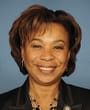 Rep. Barbara LeeD-CA-13
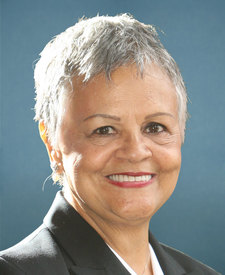 Rep. Bonnie Watson ColemanD-NJ-12
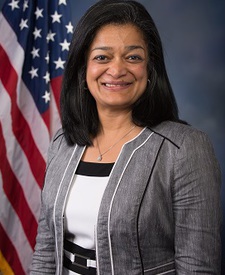 Rep. Pramila JayapalD-WA-7
 Rep. Karen BassD-CA-37
 Rep. John LewisD-GA-5
 Rep. Yvette ClarkeD-NY-9
 Rep. Jim McGovernD-MA-2
 Rep. Frank PalloneD-NJ-6
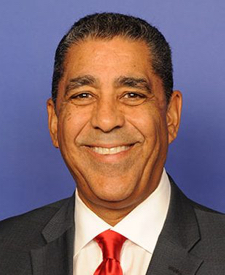 Rep. Adriano EspaillatD-NY-13
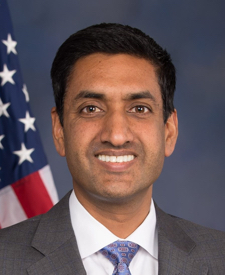 Rep. Ro KhannaD-CA-17
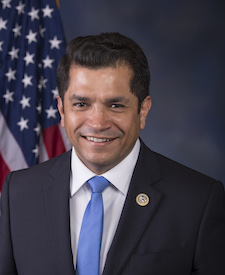 Rep. Jimmy GomezD-CA-34
 Rep. Susan WildD-PA-15
 Rep. Cedric RichmondD-LA-2
- Rep. Brenda JonesD-MI-13
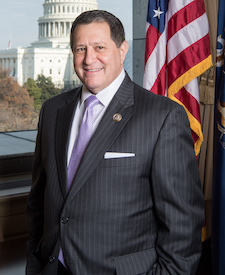 Rep. Joseph MorelleD-NY-25
 Rep. Sheila Jackson LeeD-TX-18
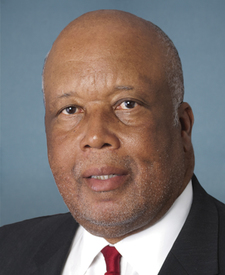 Rep. Bennie ThompsonD-MS-2
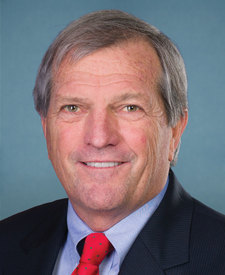 Rep. Mark DeSaulnierD-CA-11
 Rep. Donald PayneD-NJ-10
 Rep. Jamie RaskinD-MD-8
 Rep. José SerranoD-NY-15
 Rep. Linda SánchezD-CA-38
 Rep. Robert BradyD-PA-1
 Rep. Maxine WatersD-CA-43
 Rep. Gwen MooreD-WI-4
 Rep. Mark PocanD-WI-2
 Rep. Nanette BarragánD-CA-44
 Rep. Robin KellyD-IL-2
 Rep. Jim ClyburnD-SC-6
 Rep. Jerrold NadlerD-NY-10
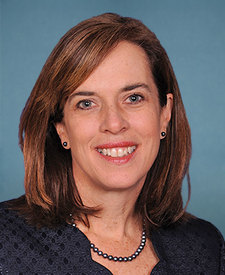 Rep. Katherine ClarkD-MA-5
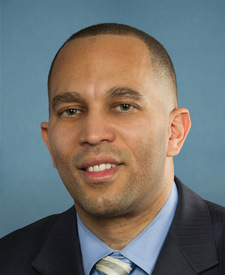 Rep. Hakeem JeffriesD-NY-8
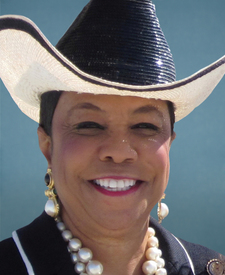 Rep. Frederica WilsonD-FL-24
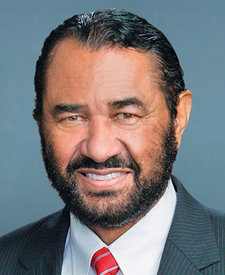 Rep. Al GreenD-TX-9
 Rep. Bobby RushD-IL-1
 Rep. Mark TakanoD-CA-41
 Rep. Donald NorcrossD-NJ-1
 Rep. Emanuel CleaverD-MO-5
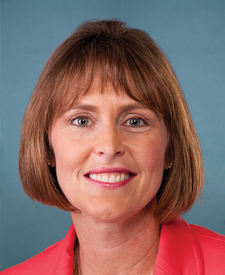 Rep. Kathy CastorD-FL-14
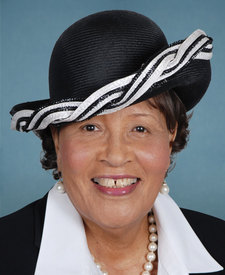 Rep. Alma AdamsD-NC-12
 Rep. Michael DoyleD-PA-14
 Rep. Elijah CummingsD-MD-7
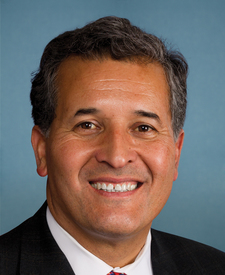 Rep. Juan VargasD-CA-51
 Rep. Grace NapolitanoD-CA-32
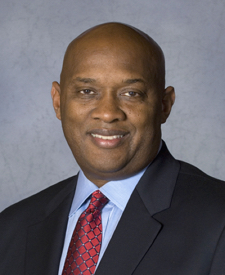 Rep. Dwight EvansD-PA-2
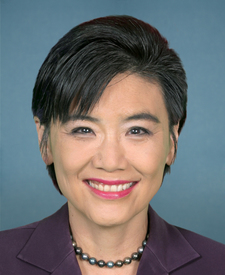 Rep. Judy ChuD-CA-27
 Rep. Lucille Roybal-AllardD-CA-40
 Rep. Richard NealD-MA-1
 Rep. Steny HoyerD-MD-5
 Rep. David PriceD-NC-4
 Rep. Nancy PelosiD-CA-12
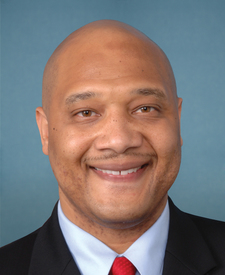 Rep. André CarsonD-IN-7
 Rep. Brenda LawrenceD-MI-14
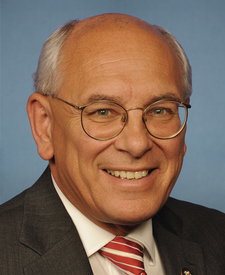 Rep. Paul TonkoD-NY-20
 Rep. Sander LevinD-MI-9
 Rep. Albio SiresD-NJ-8
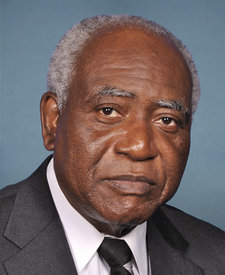 Rep. Danny DavisD-IL-7
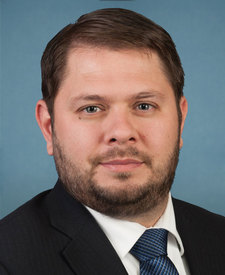 Rep. Ruben GallegoD-AZ-7
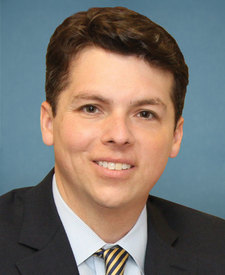 Rep. Brendan BoyleD-PA-13
 Rep. Zoe LofgrenD-CA-19
 Rep. Tony CárdenasD-CA-29
 Rep. Carolyn MaloneyD-NY-12
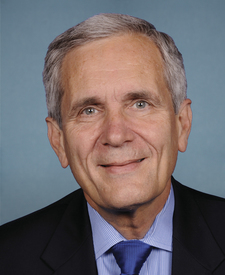 Rep. Lloyd DoggettD-TX-35
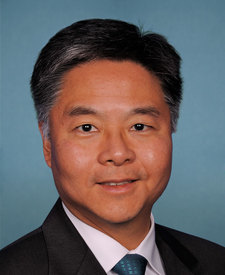 Rep. Ted LieuD-CA-33
 Rep. Tim RyanD-OH-13
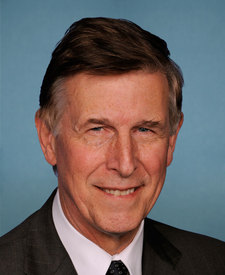 Rep. Donald BeyerD-VA-8
 Rep. Jim LangevinD-RI-2
 Rep. Peter DeFazioD-OR-4
 Rep. Nita LoweyD-NY-17
 Rep. Eliot EngelD-NY-16
 Rep. Joyce BeattyD-OH-3
 Rep. Doris MatsuiD-CA-6
 Rep. Steve CohenD-TN-9
 Rep. Marc VeaseyD-TX-33
 Rep. Peter ViscloskyD-IN-1
 Rep. Terri SewellD-AL-7
 Rep. Ruben KihuenD-NV-4
 Rep. Adam SchiffD-CA-28
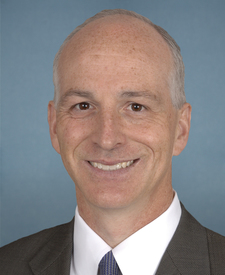 Rep. Adam SmithD-WA-9
 Rep. Wm. ClayD-MO-1
 Rep. Donald McEachinD-VA-4
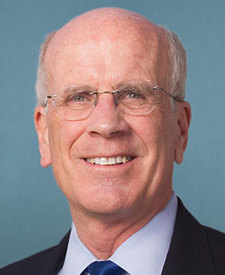 Rep. Peter WelchD-VT
 Rep. Suzanne BonamiciD-OR-1
 Rep. Joaquin CastroD-TX-20
 Rep. Joseph KennedyD-MA-4
 Rep. Grace MengD-NY-6
 Rep. Bobby ScottD-VA-3
 Rep. G.K. ButterfieldD-NC-1
 Rep. Mike ThompsonD-CA-5
 Rep. Chellie PingreeD-ME-1
 Rep. Darren SotoD-FL-9
 Rep. Diana DeGetteD-CO-1
 Rep. David CicillineD-RI-1
 Rep. Stephen LynchD-MA-8
 Rep. Bill PascrellD-NJ-9
 Rep. Brian HigginsD-NY-26
 Rep. Debbie DingellD-MI-12
 Rep. Debbie Wasserman SchultzD-FL-23
 Rep. John YarmuthD-KY-3
 Rep. Rosa DeLauroD-CT-3
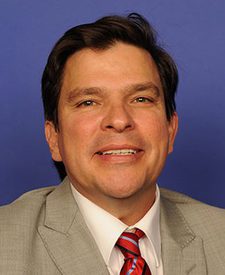 Rep. Vicente GonzalezD-TX-15
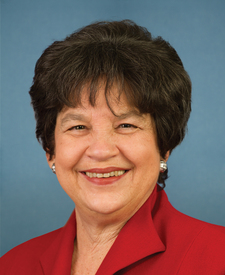 Rep. Lois FrankelD-FL-21
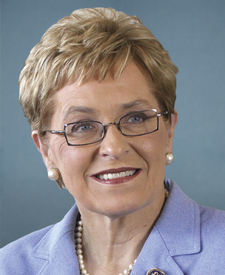 Rep. Marcy KapturD-OH-9
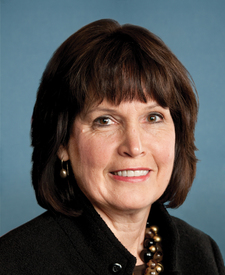 Rep. Betty McCollumD-MN-4
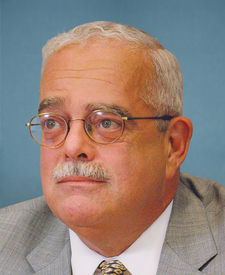 Rep. Gerald ConnollyD-VA-11
 Rep. Jackie SpeierD-CA-14
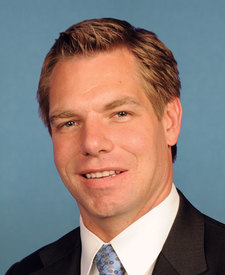 Rep. Eric SwalwellD-CA-15
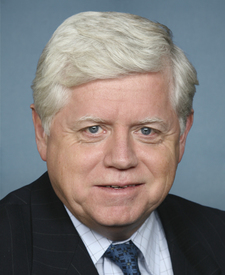 Rep. John LarsonD-CT-1
 Rep. Daniel KildeeD-MI-5
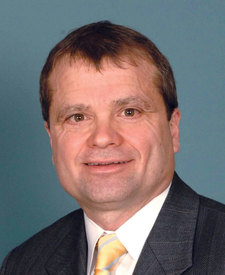 Rep. Mike QuigleyD-IL-5
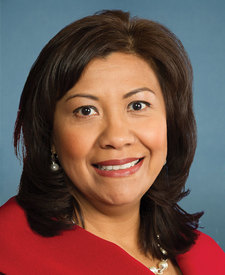 Rep. Norma TorresD-CA-35
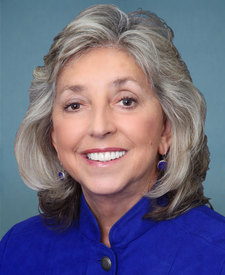 Rep. Dina TitusD-NV-1
 Rep. Niki TsongasD-MA-3
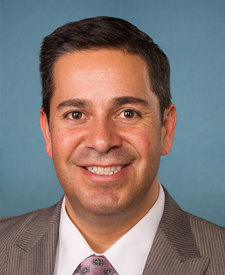 Rep. Ben LujánD-NM-3
 Rep. Val DemingsD-FL-10
 Rep. Rick LarsenD-WA-2
 Rep. Filemon VelaD-TX-34
 Rep. Anthony BrownD-MD-4
 Rep. Derek KilmerD-WA-6
 Rep. Joe CourtneyD-CT-2
 Rep. Sanford BishopD-GA-2
 Rep. Elizabeth EstyD-CT-5
 Rep. Gregory MeeksD-NY-5
 Rep. Ted DeutchD-FL-22
 Rep. Lisa Blunt RochesterD-DE
 Rep. Susan DavisD-CA-53
 Rep. Julia BrownleyD-CA-26
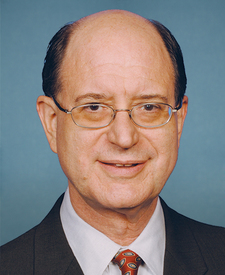 Rep. Brad ShermanD-CA-30
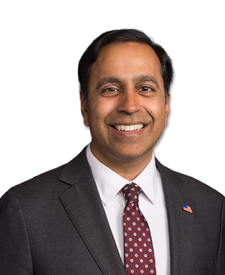 Rep. Raja KrishnamoorthiD-IL-8
 Rep. Kathleen RiceD-NY-4
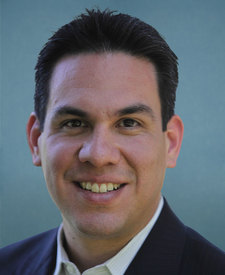 Rep. Pete AguilarD-CA-31
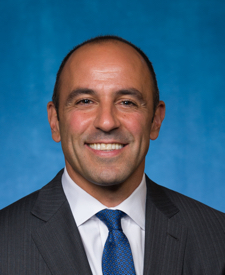 Rep. Jimmy PanettaD-CA-20
 Rep. Jerry McNerneyD-CA-9
 Rep. Matt CartwrightD-PA-17
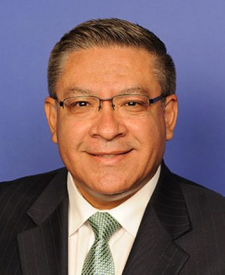 Rep. Salud CarbajalD-CA-24
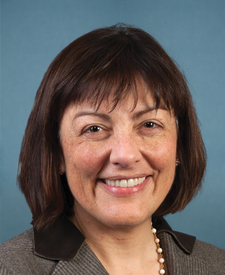 Rep. Suzan DelBeneD-WA-1
 Rep. Tulsi GabbardD-HI-2
 Rep. Sean MaloneyD-NY-18
 Rep. Denny HeckD-WA-10
 Rep. Bill FosterD-IL-11
 Rep. John DelaneyD-MD-6
 Rep. Luis CorreaD-CA-46
 Rep. Seth MoultonD-MA-6
 Rep. David ScottD-GA-13
 Rep. Raul RuizD-CA-36
 Rep. David LoebsackD-IA-2
 Rep. Ami BeraD-CA-7
 Rep. A. Dutch RuppersbergerD-MD-2
 Rep. Al LawsonD-FL-5
 Rep. Ed PerlmutterD-CO-7
 Rep. Beto O’RourkeD-TX-16
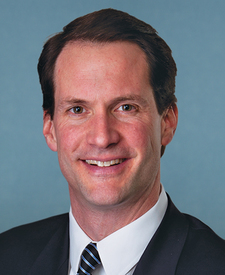 Rep. Jim HimesD-CT-4
 Rep. Ann KusterD-NH-2
 Rep. Cheri BustosD-IL-17
 Rep. Kurt SchraderD-OR-5
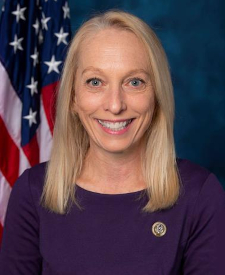 Rep. Mary ScanlonD-PA-7
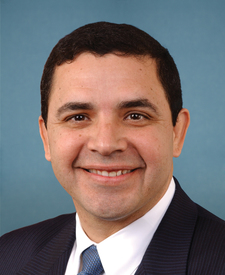 Rep. Henry CuellarD-TX-28
 Rep. Collin PetersonD-MN-7
 Rep. Charlie CristD-FL-13
 Rep. Jim CostaD-CA-16
 Rep. Thomas SuozziD-NY-3
 Rep. Daniel LipinskiD-IL-3
 Rep. Scott PetersD-CA-52
 Rep. Tom O’HalleranD-AZ-1
 Rep. Jim CooperD-TN-5
 Rep. Stephanie MurphyD-FL-7
 Rep. Brad SchneiderD-IL-10
 Rep. Josh GottheimerD-NJ-5
 Rep. Conor LambD-PA-18
Republicans who voted yea(192)
 Rep. Frank LoBiondoR-NJ-2
 Rep. Tom MacArthurR-NJ-3
 Rep. Ileana Ros-LehtinenR-FL-27
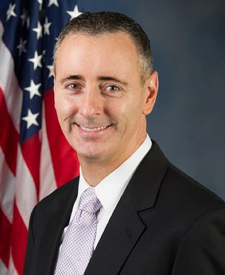 Rep. Brian FitzpatrickR-PA-8
 Rep. John KatkoR-NY-24
 Rep. Ryan CostelloR-PA-6
 Rep. David JoyceR-OH-14
 Rep. Chris SmithR-NJ-4
 Rep. John FasoR-NY-19
 Rep. Mario Diaz-BalartR-FL-25
 Rep. David McKinleyR-WV-1
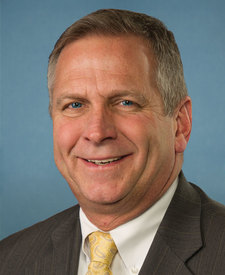 Rep. Mike BostR-IL-12
 Rep. Pete KingR-NY-2
 Rep. Carlos CurbeloR-FL-26
 Rep. Daniel DonovanR-NY-11
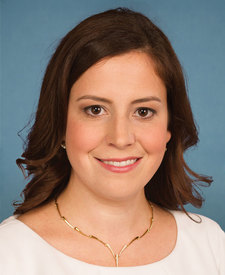 Rep. Elise StefanikR-NY-21
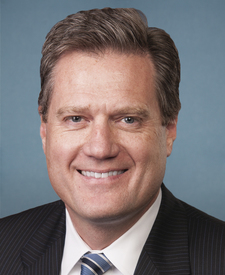 Rep. Michael TurnerR-OH-10
 Rep. Tom ReedR-NY-23
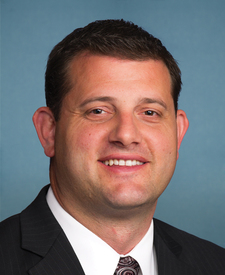 Rep. David ValadaoR-CA-21
 Rep. David ReichertR-WA-8
 Rep. Leonard LanceR-NJ-7
 Rep. Steve StiversR-OH-15
 Rep. Rodney DavisR-IL-13
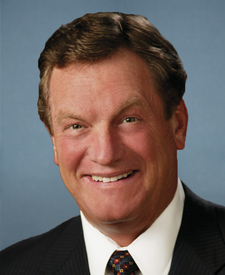 Rep. Mike SimpsonR-ID-2
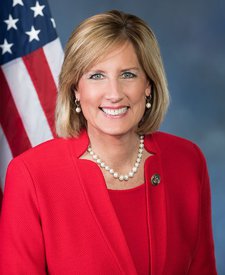 Rep. Claudia TenneyR-NY-22
 Rep. Don YoungR-AK
 Rep. Jeff FortenberryR-NE-1
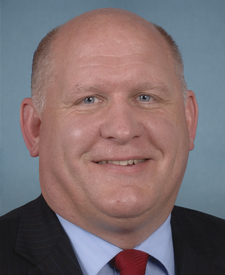 Rep. Glenn ThompsonR-PA-5
 Rep. Greg WaldenR-OR-2
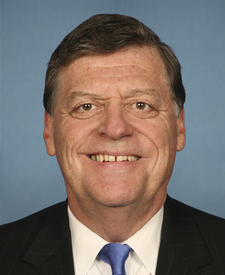 Rep. Tom ColeR-OK-4
 Rep. Barbara ComstockR-VA-10
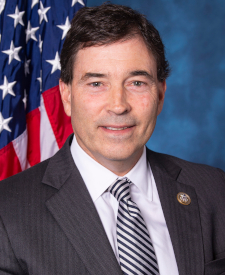 Rep. Troy BaldersonR-OH-12
 Rep. Will HurdR-TX-23
 Rep. Steve KnightR-CA-25
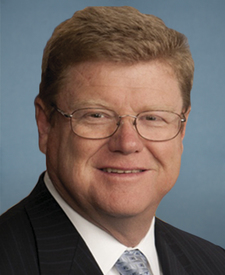 Rep. Mark AmodeiR-NV-2
 Rep. John ShimkusR-IL-15
 Rep. Erik PaulsenR-MN-3
 Rep. Tom MarinoR-PA-10
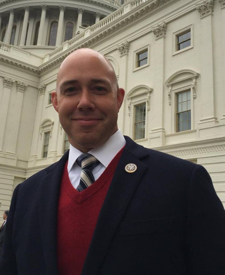 Rep. Brian MastR-FL-18
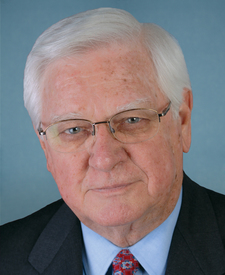 Rep. Hal RogersR-KY-5
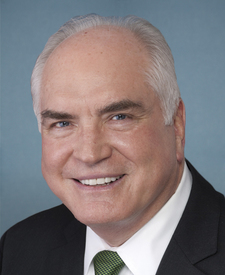 Rep. Mike KellyR-PA-3
 Rep. Bruce PoliquinR-ME-2
 Rep. Rodney FrelinghuysenR-NJ-11
 Rep. John RutherfordR-FL-4
 Rep. Paul CookR-CA-8
 Rep. John MoolenaarR-MI-4
 Rep. Vern BuchananR-FL-16
 Rep. Dan NewhouseR-WA-4
 Rep. Jaime Herrera BeutlerR-WA-3
 Rep. Chris CollinsR-NY-27
 Rep. Larry BucshonR-IN-8
 Rep. Susan BrooksR-IN-5
 Rep. Devin NunesR-CA-22
 Rep. Bill JohnsonR-OH-6
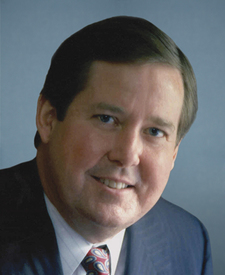 Rep. Ken CalvertR-CA-42
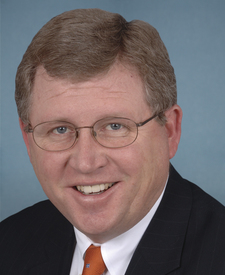 Rep. Frank LucasR-OK-3
 Rep. Martha McSallyR-AZ-2
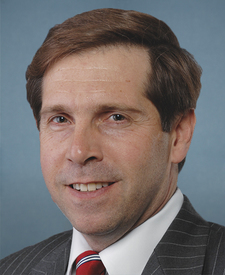 Rep. Chuck FleischmannR-TN-3
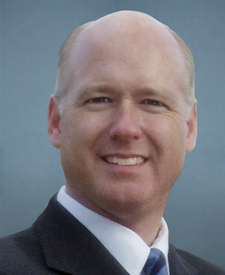 Rep. Robert AderholtR-AL-4
 Rep. Lloyd SmuckerR-PA-16
 Rep. Mike RogersR-AL-3
 Rep. Gregg HarperR-MS-3
 Rep. Scott TiptonR-CO-3
 Rep. Martha RobyR-AL-2
 Rep. Sam GravesR-MO-6
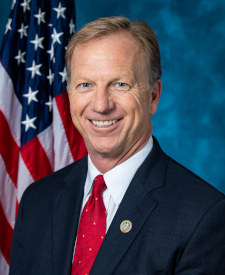 Rep. Kevin HernR-OK-1
 Rep. Greg GianforteR-MT
 Rep. Mike CoffmanR-CO-6
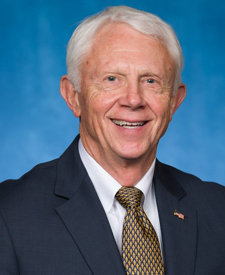 Rep. Jack BergmanR-MI-1
 Rep. Paul MitchellR-MI-10
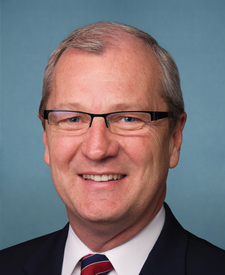 Rep. Kevin CramerR-ND
 Rep. Kay GrangerR-TX-12
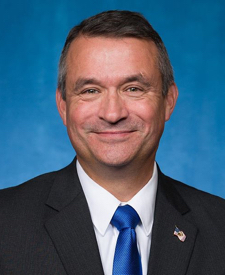 Rep. Don BaconR-NE-2
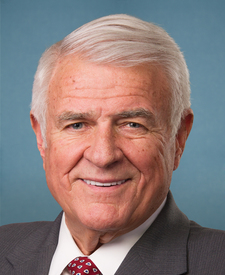 Rep. John CarterR-TX-31
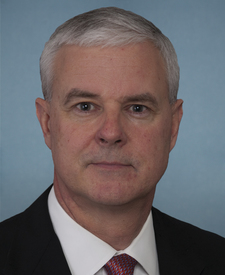 Rep. Steve WomackR-AR-3
 Rep. David YoungR-IA-3
 Rep. Blaine LuetkemeyerR-MO-3
 Rep. Mac ThornberryR-TX-13
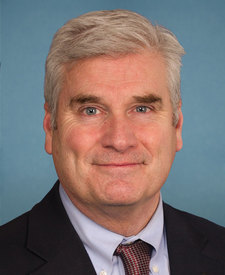 Rep. Tom EmmerR-MN-6
 Rep. Kevin McCarthyR-CA-23
 Rep. Trey HollingsworthR-IN-9
 Rep. Vicky HartzlerR-MO-4
 Rep. Cathy McMorris RodgersR-WA-5
 Rep. Patrick McHenryR-NC-10
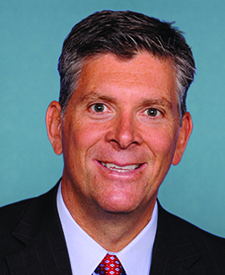 Rep. Darin LaHoodR-IL-18
 Rep. Steven PalazzoR-MS-4
 Rep. Billy LongR-MO-7
 Rep. John CulbersonR-TX-7
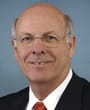 Rep. Steve PearceR-NM-2
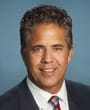 Rep. Mike BishopR-MI-8
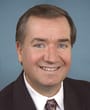 Rep. Ed RoyceR-CA-39
 Rep. Sean DuffyR-WI-7
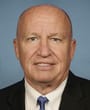 Rep. Kevin BradyR-TX-8
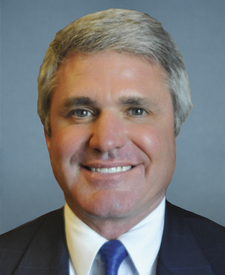 Rep. Michael McCaulR-TX-10
 Rep. Jackie WalorskiR-IN-2
 Rep. Phil RoeR-TN-1
 Rep. Kevin YoderR-KS-3
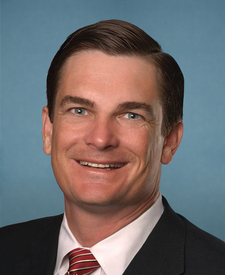 Rep. Austin ScottR-GA-8
 Rep. Keith RothfusR-PA-12
 Rep. French HillR-AR-2
 Rep. Karen HandelR-GA-6
 Rep. Roger MarshallR-KS-1
 Rep. Rick CrawfordR-AR-1
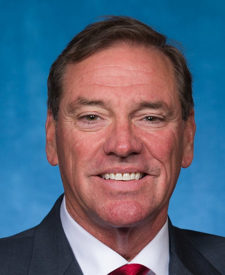 Rep. Neal DunnR-FL-2
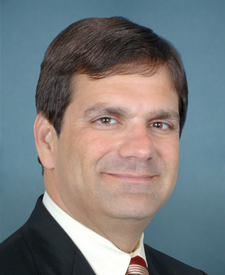 Rep. Gus BilirakisR-FL-12
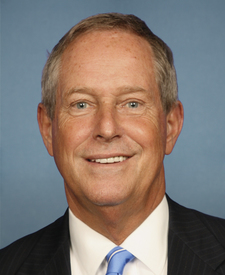 Rep. Joe WilsonR-SC-2
 Rep. Rob BishopR-UT-1
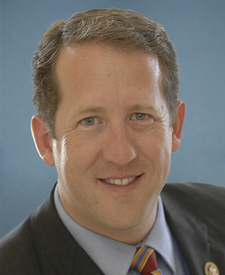 Rep. Adrian SmithR-NE-3
 Rep. Doug CollinsR-GA-9
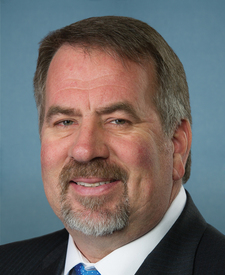 Rep. Doug LaMalfaR-CA-1
 Rep. Drew FergusonR-GA-3
 Rep. Pete SessionsR-TX-32
 Rep. Garret GravesR-LA-6
 Rep. Duncan HunterR-CA-50
 Rep. Clay HigginsR-LA-3
 Rep. Brett GuthrieR-KY-2
 Rep. Chris StewartR-UT-2
 Rep. Tim WalbergR-MI-7
 Rep. Virginia FoxxR-NC-5
 Rep. Bob GibbsR-OH-7
 Rep. Steve KingR-IA-4
 Rep. David KustoffR-TN-8
 Rep. Joe BartonR-TX-6
 Rep. Ralph AbrahamR-LA-5
 Rep. Andy BarrR-KY-6
 Rep. Ron EstesR-KS-4
 Rep. John CurtisR-UT-3
 Rep. Michael ConawayR-TX-11
 Rep. Pete OlsonR-TX-22
 Rep. Robert LattaR-OH-5
 Rep. Tom RiceR-SC-7
 Rep. Ann WagnerR-MO-2
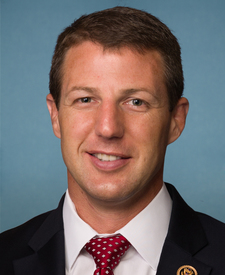 Rep. Markwayne MullinR-OK-2
 Rep. Rob WoodallR-GA-7
 Rep. Mike GallagherR-WI-8
 Rep. Bill PoseyR-FL-8
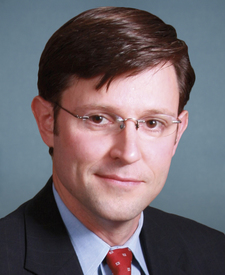 Rep. Mike JohnsonR-LA-4
 Rep. Michael BurgessR-TX-26
 Rep. Bradley ByrneR-AL-1
 Rep. Bill FloresR-TX-17
 Rep. Bob GoodlatteR-VA-6
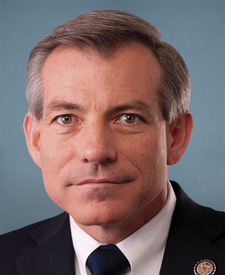 Rep. David SchweikertR-AZ-6
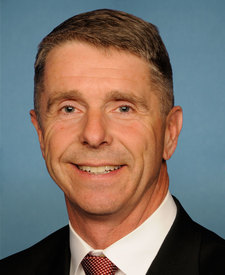 Rep. Robert WittmanR-VA-1
 Rep. Luke MesserR-IN-6
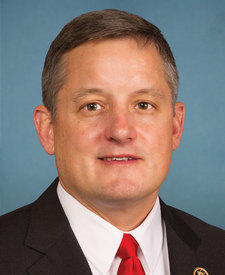 Rep. Bruce WestermanR-AR-4
 Rep. Kenny MarchantR-TX-24
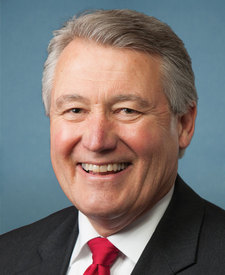 Rep. Rick AllenR-GA-12
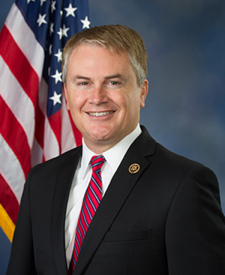 Rep. James ComerR-KY-1
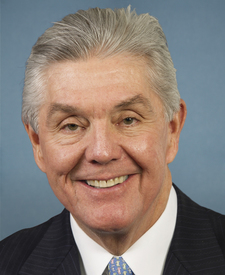 Rep. Roger WilliamsR-TX-25
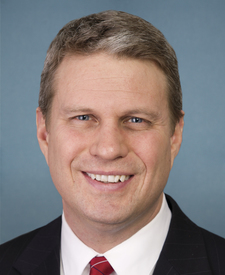 Rep. Bill HuizengaR-MI-2
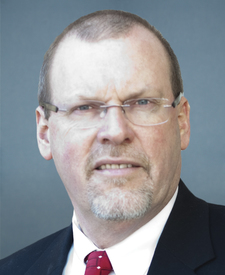 Rep. Morgan GriffithR-VA-9
 Rep. Dana RohrabacherR-CA-48
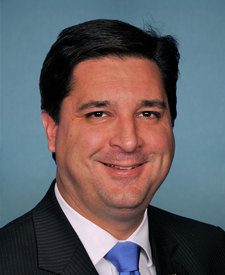 Rep. David RouzerR-NC-7
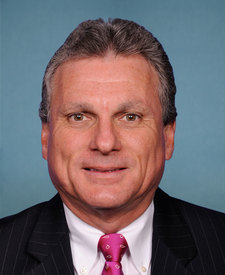 Rep. Buddy CarterR-GA-1
 Rep. Alexander MooneyR-WV-2
 Rep. Mark MeadowsR-NC-11
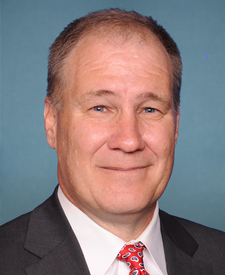 Rep. Trent KellyR-MS-1
 Rep. Tom GravesR-GA-14
 Rep. George HoldingR-NC-2
 Rep. Mark SanfordR-SC-1
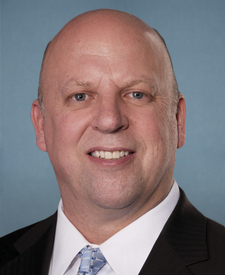 Rep. Scott DesJarlaisR-TN-4
 Rep. Doug LambornR-CO-5
 Rep. Randy WeberR-TX-14
 Rep. Brian BabinR-TX-36
 Rep. Jeb HensarlingR-TX-5
 Rep. Steve ChabotR-OH-1
 Rep. Michael CloudR-TX-27
 Rep. Jim BanksR-IN-3
 Rep. James SensenbrennerR-WI-5
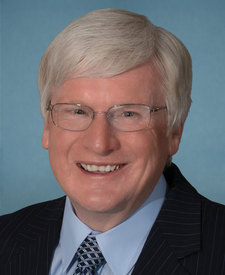 Rep. Glenn GrothmanR-WI-6
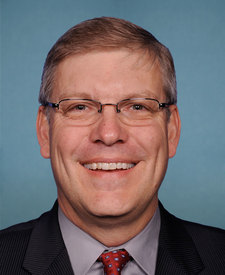 Rep. Barry LoudermilkR-GA-11
 Rep. Sam JohnsonR-TX-3
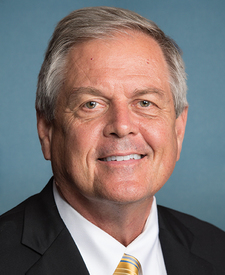 Rep. Ralph NormanR-SC-5
 Rep. Todd RokitaR-IN-4
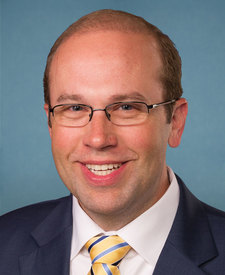 Rep. Jason SmithR-MO-8
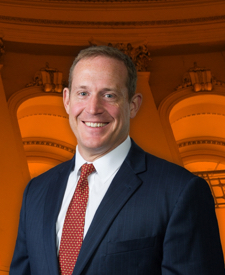 Rep. Ted BuddR-NC-13
 Rep. Debbie LeskoR-AZ-8
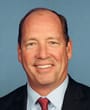 Rep. Ted YohoR-FL-3
 Rep. Jeff DuncanR-SC-3
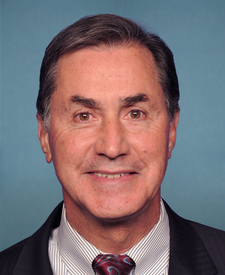 Rep. Gary PalmerR-AL-6
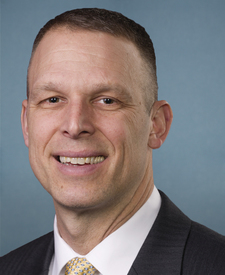 Rep. Scott PerryR-PA-4
 Rep. Dave BratR-VA-7
 Rep. Jody HiceR-GA-10
 Rep. Warren DavidsonR-OH-8
 Rep. Matt GaetzR-FL-1
 Rep. Paul GosarR-AZ-4
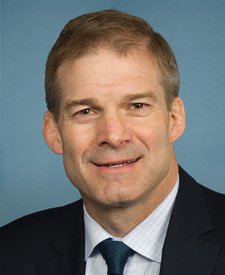 Rep. Jim JordanR-OH-4
 Rep. Louie GohmertR-TX-1
 Rep. Thomas GarrettR-VA-5
 Rep. Jimmy DuncanR-TN-2
 Rep. Ken BuckR-CO-4
 Rep. Raúl LabradorR-ID-1
Data notes
The House’s recorded vote on the final version of the law (roll call 1200 in Voteview), matched to the vote the record cites and checked against its totals. Positions are each member’s DW-NOMINATE score for that Congress, as on the Ideology page; left to right is more liberal to more conservative. Paired and announced yea votes count as yea. Lists follow the compass, most liberal first. A name links to a profile only for members of the current Congress. A law passed by voice vote or unanimous consent has no member list, and neither does a vote Voteview has not yet recorded.
Committees
The committees the bill was sent to, and what each did with it.

Data notes
A committee links to its page only where it exists in the current Congress; older and renamed committees are named without a link.
Related bills
The record lists no related bills.
Data notes
Related bills are identified by the Congressional Research Service, the House and the Senate: companion and identical bills, bills with similar text, bills that were folded into this law, and rules that brought it to the floor. A bill that is itself a public law in this site’s data links here; the others link to Congress.gov.
Timeline
From introduction to signing, newest first: the committees, the floor and the president. 24 actions.
- Jan 14, 2019Became lawBecame law · Became Public Law No: 115-439.
- Became lawBecame law · Signed by President.
- Jan 2, 2019FloorFloor · Presented to President.
- Dec 21, 2018FloorFloor · Motion to reconsider laid on the table Agreed to without objection.
- FloorFloor · On motion to suspend the rules and pass the bill Agreed to by the Yeas and Nays: (2/3 required): 361 - 10 (Roll no. 493).House roll call 493
- FloorFloor · Considered as unfinished business.
- FloorFloor · At the conclusion of debate, the Yeas and Nays were demanded and ordered. Pursuant to the provisions of clause 8, rule XX, the Chair announced that further proceedings on the motion would be postponed.
- FloorFloor · DEBATE - The House proceeded with forty minutes of debate on S. 512.
- FloorFloor · Considered under suspension of the rules.
- FloorFloor · Mr. Kinzinger moved to suspend the rules and pass the bill.
- Dec 20, 2018FloorFloor · Held at the desk.
- FloorFloor · Message on Senate action sent to the House.
- FloorFloor · Received in the House.
- FloorFloor · Passed Senate with an amendment by Voice Vote.
- FloorFloor · The committee substitute withdrawn by Unanimous Consent.
- FloorFloor · Measure laid before Senate by unanimous consent.
- May 25, 2017FloorFloor · An errata sheet on written report number No. 115-86 was printed.
- CalendarCalendar · Placed on Senate Legislative Calendar under General Orders. Calendar No. 108.
- CommitteeCommittee · Committee on Environment and Public Works. Reported by Senator Barrasso with an amendment in the nature of a substitute. With written report No. 115-86. Additional views filed.
- Mar 22, 2017CommitteeCommittee · Committee on Environment and Public Works. Ordered to be reported with an amendment in the nature of a substitute favorably.
- Mar 8, 2017CommitteeCommittee · Committee on Environment and Public Works. Hearings held. Hearings printed: S.Hrg. 115-52.
- CommitteeCommittee · Hearings by Senate Environment and Public Works Committee
- Mar 2, 2017CommitteeCommittee · Read twice and referred to the Committee on Environment and Public Works.
- IntroducedIntroduced · Introduced in Senate
Data notes
Every action the Library of Congress lists for the bill, from introduction to signing, plus the dated committee hearings. The source lists many steps twice (the chamber’s own entry and the Library of Congress copy, or a presidential and a became-law entry with the same words); those are shown once. Amendments are listed in their own section.
Amendments
1 amendment offered to the bill, with the last recorded step of each.
- Agreed to
S.Amdt. 4175SenateSen. John BarrassoR-WY· offered Dec 20, 2018Agreed to
In the nature of a substitute.
Dec 20, 2018: Amendment SA 4175 agreed to in Senate by Unanimous Consent.
Data notes
Amendments offered to this bill in either chamber, as the Library of Congress records them: each with a status read from its last recorded step: agreed to, rejected, withdrawn, ruled out of order, fell with another amendment, or offered with no vote recorded (most Senate amendments are only ever offered). The wording of each amendment is the source’s. Amendments to amendments and amendments to other bills are not listed.
Official record
The bill’s full text is on Congress.gov. Data through Oct 7, 2026.