Improving Head Start for School Readiness Act of 2007
Public Law 110-134 · H.R. 1429 · 110th Congress · began in the House
Signed by George W. Bush (R) on Dec 12, 2007 · Education
Sponsor: Rep. Dale Kildee (D-MI-5)
Cosponsors (26): Rep. George Miller, Rep. Michael Castle,
Passage votesYeaNay
- HouseRecorded vote: 381 yea, 36 nay381–36
- SenateRecorded vote: 95 yea, 0 nay95–0
Data notes
The final version of the law, as each chamber passed it. A chamber that passed it by voice vote or unanimous consent has no count. “Method not stated” means the record does not say how the chamber voted. Where the record has a member-by-member vote, the “Who voted for it” section shows who voted yea.
Summary
The Congressional Research Service’s plain-language summary of what the law does.
Improving Head Start for School Readiness Act of 2007 - Amends the Head Start Act (the Act) to revise and reauthorize Head Start programs.
(Sec. 2) Includes among the aims of Head Start programs children's growth in language, literacy, mathematics, science, social and emotional functioning, creative arts, physical skills, and approaches to learning.
(Sec. 3) Includes community-based organizations and financial literacy training within the definitions of Head Start delegate agencies and family literacy services, respectively. Adds definitions of Head Start deficiencies, homeless children, institutions of higher education, interrater reliability, limited English proficient (LEP) children, principles of scientific research, professional development for teachers and staff, scientifically valid research, and unresolved areas of noncompliance.
Removes Micronesia and the Marshall Islands from the list of program participants.
(Sec. 4) Authorizes the Secretary of Health and Human Services (the Secretary) to provide financial assistance to Head Start agencies for five-year periods.
(Sec. 5) Authorizes appropriations for Head Start programs for FY2008-FY2012.
(Sec. 6) Sets forth allotment requirements, as well as limitations on and authorized uses of Head Start funds.
Reserves from such funds: (1) amounts for state, Indian, migrant and seasonal, and territorial Head Start programs that are equal to the base amounts such programs received for the prior fiscal year; (2) amounts for collaborative grants at the FY2007 level; (3) at least 2.5% and no more than 3% for training and technical assistance, at least 20% of which is to be used to provide such assistance to Early Head Start programs; and (4) specified monetary amounts for research, demonstration, and evaluation activities and for discretionary payments. Requires the use of remaining funds for cost of living increases for each Head Start agency and the provision of specified amounts to Indian and migrant and seasonal Head Start programs to increase enrollment.
Requires that after at least 20% of of the training and technical assistance funds are reserved for Early Head Start programs: (1) at least 50% of such remaining funds be available for the direct use of Head Start agencies; (2) at least 25% be available to the Secretary for state-based or national training and technical assistance systems; and (3) the remainder be available to the Secretary to assist local Early Head Start entities meet and exceed program performance standards.
Requires any additional remaining funds to be used for specified Head Start quality improvement and expansion activities.
Provides funding for the Republic of Palau through FY2009 and, if legislation approving a new agreement regarding assistance to Palau is not enacted by the end of FY2009, through FY2012.
Directs the Secretary to establish policies and procedures assuring that: (1) by FY2009 at least 10% of the children enrolled by each Head Start and delegate agency will be disabled children eligible for special education or early intervention services; and (2) such agencies will collaborate with state and local agencies providing such services.
Applies service delivery guidelines to: (1) models that leverage the capacity and capabilities of the delivery system of early childhood education and development services or programs; and (2) procedures to provide for the conversion of part-day programs to full-day programs or part-day slots to full-day slots and serve additional infants and toddlers.
Provides that, when Head Start appropriations are less than the prior fiscal year's appropriations or not sufficient to maintain services comparable to that prior year's services, Head Start grantees may negotiate a reduced funded enrollment level with the Secretary without a reduction in their grant level, if they can show that a reduced enrollment level is necessary to maintain the quality of services.
Requires regulations to ensure appropriate supervision and background checks of individuals with whom Head Start agencies contract to transport children.
Requires the Secretary to: (1) appoint a national migrant and seasonal Head Start collaboration director and a national Indian Head Start collaboration director; (2) conduct annual consultations in each affected Head Start region with tribal governments operating Head Start or Early Head Start programs to better gauge their needs; and (3) establish policies and procedures to remove barriers to the enrollment and participation of homeless children in Head Start programs.
(Sec. 7) Provides for the development of a new system for designating Head Start agencies and the consideration of additional criteria in evaluating applicants.
Includes community-based and faith-based organizations among the entities that may be designated Head Start agencies.
Maintains the current process of designating a Head Start agency until the Secretary develops and implements a transparent, reliable, and valid designation renewal system that integrates the recommendations of an expert panel. Designates those grantees that the system finds to be successfully delivering a high quality and comprehensive Head Start program as Head Start agencies for five years, but requires underperforming grantees to enter into open competition with other applicants.
Sets forth criteria to be considered in choosing between competing applicants, including each applicant's ability to: (1) attract and retain qualified staff; (2) maintain child-to-teacher ratios and family service worker caseloads; (3) use scientifically-based curriculum and teaching practices that are developmentally appropriate and promote school readiness; (4) coordinate with other public or private entities providing early childhood education and development programs and services for young children or willing to commit resources to Head Start programs; (5) provide family health, literacy, and parenting services; (6) extend outreach to fathers; and (7) meet the needs of LEP, disabled, homeless, and foster care children. Removes the priority currently given nonprofit applicants.
Directs the Secretary to continue to involve parents and affected area residents in selection of qualified applicants for such designation.
Prohibits a non-Indian Head Start agency from operating an Indian Head Start program, unless there is no Indian Head Start agency available in the community.
(Sec. 8) Revises Head Start quality standards and monitoring requirements.
Requires the Secretary to modify program performance standards, as necessary, so they are scientifically-based, developmentally appropriate, and based on the Head Start Child Outcomes Framework to ensure that children, at a minimum, progress in language, literacy, mathematics, science, cognitive abilities, approaches to learning, social and emotional development, creative arts, physical development and the acquisition of the English language. Adds as new factors the Secretary must consider in modifying such standards: (1) the recommendations of the study on Developmental Outcomes and Assessments for Young Children by the National Academy of Sciences (NAS); (2) the need for Head Start agencies to communicate regularly with parents; and (3) the unique challenges faced by individual programs, including seasonal, short term, and rural programs.
Requires facilities used by Head Start, Early Head Start, and delegate agencies for regularly scheduled center-based and combination program option classroom activities to meet or exceed state and local licensing requirements, and be accessible by state and local authorities to monitor and ensure compliance, unless state or local law prohibits such access.
Requires scientifically-based measures of program performance to be reviewed periodically so they reflect advances in the science of early childhood development.
Prohibits federal use of any assessment to: (1) rank, compare, or otherwise evaluate individual Head Start children for purposes other than research, training, or technical assistance; and (2) reward or sanction individual Head Start children or teachers. Prohibits the Secretary from using any single assessment as the sole method for assessing program effectiveness or making agency funding determinations.
Requires the Secretary's reviews of Head Start agencies and programs to include unannounced site inspections, as appropriate. Requires the full reviews, conducted at least once every three years for each agency, to include a risk-based assessment approach. Requires review teams to receive periodic training to ensure quality and consistency across reviews. Includes in such reviews: (1) an assessment of whether programs adequately address community needs; (2) an observational instrument that addresses classroom quality; and (3) an assessment of whether programs use federal funds appropriately and conform to Head Start eligibility and enrollment requirements.
Requires that Early Head Start program reviews be conducted by individuals knowledgeable about infant and toddler development.
Directs Head Start agencies to evaluate their delegate agencies and inform them of deficiencies which must be corrected. Prohibits Head Start agencies from terminating a delegate agency's contract or reducing its service area without showing cause or demonstrating the decision's cost-effectiveness.
Requires summaries of program reviews and the outcomes of quality improvement plans to be made available to all parents with children receiving Head Start assistance, in addition to the public.
Requires each Head Start and delegate agency to: (1) conduct a comprehensive self-assessment at least once each program year; (2) develop goals and a plan for improving childrens' school readiness; and (3) implement ongoing monitoring of its programs.
Directs Head Start agencies to report their actual enrollment monthly to the Secretary and, if it is less than the funded enrollment, any apparent reason for the shortfall. Directs the Secretary to develop plans for programs to reduce or eliminate underenrollment, and provide such programs with technical assistance in implementing such plans.
Sets forth rules for the redistribution of base grants recaptured, withheld, or reduced.
(Sec. 9) Revises the power and functions of Head Start agencies.
Adds to the minimum services Head Start agencies provide by requiring them to: (1) seek the involvement of local business, in addition to parents and community residents, in the design and implementation of programs; (2) offer health services to parents of participating children, including information on maternal depression; (3) provide parents of LEP children with outreach and information in an understandable and uniform format, and to the extent practicable, in a language such parents can understand; (4) promote the continued involvement of parents and, as appropriate, foster parents, grandparents, and kinship caregivers in the education of participating children upon their transition to school; and (5) provide disabled children with intervention and referral services.
Directs each Head Start agency to establish and maintain a formal structure for program governance, for the oversight of quality services for Head Start children and families, and for making decisions related to program design and implementation. Requires such structure to include a governing body with legal and fiscal responsibility for the Head Start agency and a policy council, elected by Head Start parents, which is responsible for the direction of the Head Start program.
Directs the Secretary to develop policies, procedures, and guidance on the resolution of internal disputes and the implementation of collaborative decision-making in program governance.
Requires Head Start agencies to conduct outreach to schools, local educational agencies (LEAs), local businesses, community-based organizations, faith-based organizations, museums, and libraries to generate support and leverage community resources to improve school readiness. Requires Head Start agencies, in communities where both public prekindergarten programs and Head Start programs operate, to collaborate and coordinate activities with the public agency and providers responsible for operating prekindergarten programs, including outreach activities to identify eligible children. Directs Head Start agencies, with parental consent, to communicate regularly with schools children will be attending to share information about them, collaborate with such schools' teachers, and ensure children's smooth transition to such schools.
Changes from discretionary to mandatory the authority of Head Start agencies to coordinate activities with LEAs and schools in which participating children will enroll. Includes in such collaboration, enhancing the efficiency of services while increasing the participation of underserved eligible children.
Requires each Head Start agency, within one year of this Act's enactment, to enter into a memorandum of understanding with the local entity responsible for managing publicly funded preschool programs in its service area for the coordination and review of program services.
Establishes curricular requirements that are research-based, comprehensive, and aligned with the Head Start Child Outcomes Framework and state early learning standards, as appropriate. Requires the use of ongoing research-based assessment methods and developmental screening tools. Directs programs to develop training and technical assistance plans and professional development plans focused on teacher effectiveness.
Requires each Head Start agency to enroll 100% of its funded enrollment, maintain an active waiting list, and conduct community outreach.
Requires such agencies to use strong fiscal controls.
(Sec. 10) Adds to requirements for Head Start program coordination with LEAs and schools to ensure the continuity of childrens' K-12 education by requiring: (1) the needs of homeless and LEP children, and those currently underserved by Head Start programs, to be addressed; (2) the continuity of developmentally appropriate curricula between Head Start agencies and LEAs; and (3) an emphasis on the role of parental involvement in a child's academic success.
Directs the Secretary to provide Head Start agencies with information on, and technical assistance in establishing, policies and activities that support childrens' successful transition to public schools.
(Sec. 11) Provides for local and state integration of early childhood education.
Changes from discretionary to mandatory the authority of the Secretary to award, upon written request, collaboration grants to states and each national administrative office serving Indian Head Start and migrant and seasonal Head Start programs to facilitate coordination among Head Start agencies and entities that carry out other activities designed to benefit low-income families and children from birth to school entry.
Requires the use of collaboration grants to: (1) assist Head Start agencies to collaborate with entities involved in state and local planning processes to better meet the needs of low-income families and children; (2) assist Head Start agencies to coordinate activities with the responsible state agency under the Child Care and Development Block Grant Act of 1990, and other specified entities; (3) promote alignment of Head Start curricula and services with state early learning standards, as appropriate, and the Head Start Child Outcomes Framework; (4) promote better linkages between Head Start agencies and other child and family agencies; and (5) carry out the activities of the state Director of Head Start Collaboration.
Requires the state to appoint or designate a state Director of Head Start Collaboration (currently state liaison), and establish an Office of such Director. Requires the state Director to: (1) make specified assessments and strategic plans; (2) promote certain partnerships; (3) enable state agencies to better coordinate professional development opportunities for Head Start staff; and (4) help Head Start agencies develop plans to provide full-working-day, full calendar year services, and align them with state early learning standards, as appropriate, and the Head Start Child Outcomes Framework.
Directs the Governor of the state to designate or establish a state advisory council on early childhood education and care for children from birth to school entry, on which the state's Director of Head Start Collaboration shall serve.
(Sec. 12) Exempts from the requirement for prior submission of explanatory plans to the chief executive officer of a state any contracts, agreements, grants, loans, or other assistance for Indian Head Start programs or migrant or seasonal Head Start programs.
(Sec. 13) Adds to Head Start administrative requirements.
Directs each Head Start agency to make a report available to the public at least once each fiscal year disclosing: (1) its finances and budget; (2) its enrollment, including the percentage of its enrollees receiving medical and dental exams; (3) the results of the Secretary's most recent review and the financial audit; (4) parental involvement activities; and (5) the agency's efforts to prepare children for kindergarten.
Prohibits an agency from using federal funds to purchase a facility unless the agency receives the Secretary's approval and informs the Secretary of its efforts to collaborate with other community providers in seeking assistance to purchase such facility.
(Sec. 14) Alters rules regarding eligible Head Start program participants.
Requires that homeless children be deemed eligible for Head Start services
Allows Head Start agencies to provide services to limited percentages of participants who: (1) are not impoverished but whose family income is below 130% of the poverty level; or (2) who do not meet poverty criteria but would benefit from such services, such as disabled children. Requires priority to be given to children who are homeless or whose family income is below the poverty level.
Exempts certain amounts of military pay and allowances from family income consideration for purposes of determining Head Start eligibility, including: (1) special pay for duty subject to hostile fire or imminent danger; and (2) a specified basic allowance, especially for housing.
Authorizes a Head Start agency, after it demonstrates a need through a communitywide strategic planning and needs assessment, to apply to the Secretary to convert part-day sessions, particularly consecutive part-day sessions, into full-day sessions.
Allows a Head Start agency to use program funds to serve infants and toddlers if it provides certain information to the Secretary proving its capacity and capability to carry out an effective Early Head Start program. Subjects such agency to the same rules applicable to Early Head Start programs.
Allows Indian Head Start agencies that also operate a Early Head Start program to reallocate funds between both programs at any time.
(Sec. 15) Adds to Early Head Start program service, coordination, and training requirements.
Requires Early Head Start programs to include: (1) parental training in parenting skills and in basic child development; (2) coordination with home-based services, programs for homeless infants and toddlers, and family support services; (3) appropriate screening and referral for children with documented behavioral problems; (4) procedures for transitioning children and parents from an Early Head Start program into a Head Start program or another local early childhood education and development program; (5) communication channels to help coordinate such Early Head Start programs with other early childhood education and development programs; and (6) formal linkages with agencies responsible for administering the Child Abuse Prevention and Treatment Act.
Includes as eligible Early Head Start service providers: (1) entities operating Indian or migrant or seasonal Head Start programs; and (2) community-based and faith-based organizations capable of providing child and family services that meet Head Start standards and other appropriate requirements.
Makes homeless children eligible for Early Head Start services. Applies the changes made to Head Start income eligiblity requirements to Early Head Start programs.
Makes available from Early Head Start training and technical assistance funds: (1) at least 50% for the direct use of Early Head Start agencies; (2) at least 25% for state-based or national training and technical assistance systems, including supportive infant and toddler specialists; and (3) the remainder to assist local Early Head Start entities meet and exceed program performance standards.
Directs the Secretary to ensure that all teachers providing direct services to children and families in Early Head Start centers have a minimum of a child development associate credential and training in early childhood development by September 30, 2010, and training in early childhood development with a focus on infant and toddler development by September 30, 2012.
Directs the Secretary to establish standards for training, qualifications, and the conduct of home visits for home visitor staff in Early Head Start programs. Requires that such standards include content related to the role of parents in child development and in working with other health and developmental service providers to eliminate gaps in service.
(Sec. 16) Revises requirements for appeals, notice, and hearings.
Prohibits Head Start agencies from using federal Head Start assistance for legal fees and other costs incurred in pursuing appeals; but permits the Secretary to reimburse Head Start agencies for fees deemed reasonable and customary.
(Sec. 17) Requires Head Start agencies to submit to the Secretary complete annual accountings of their administrative expenses as well as, within 30 days after completion of an audit, a copy of the audit management letters and audit findings.
(Sec. 18) Revises training and technical assistance requirements.
Adds as targets of such assistance: (1) services and outreach to homeless children, LEP children and their families, and disabled children; (2) the unique needs of rural Head Start programs; (3) members of governing bodies and policy councils or committees; (4) ensuring that staff are qualified to promote child obesity prevention; (5) training for Indian Head Start agency staff; and (6) Head Start agency selection and use of performance measures.
Requires the Secretary to provide additional support for: (1) an organization to administer a centralized child development and national assessment program leading to recognized credentials for early childhood education and development personnel; and (2) training personnel to better serve LEP children and their families, abused or neglected children, children coping with community violence, children with health problems, disabled children and their families, migrant and seasonal farmworker families, and homeless families.
Directs the Secretary to establish an outreach program to recruit and train professionals from diverse backgrounds to become Head Start teachers
Requires each Head Start agency to ensure that all of its teachers receive ongoing training in language and emergent literacy.
Prohibits the use of training funds for long-distance travel to training that is available locally or regionally.
Directs the Secretary to enter into contracts in each state with one or more entities that have expertise in supporting the delivery of high-quality early childhood education and development programs for the development of state-based or national (for migrant, seasonal, or Indian programs) training and technical assistance systems that improve the capacity of Head Start programs to meet or exceed Head Start performance standards.
Requires the Secretary to consult appropriate federal agencies and other experts, as appropriate, regarding indoor air quality and children's health and inform Head Start agencies of programs that improve indoor air.
Establishes the Career Advancement Partnership program that allows the Secretary to award demonstration grants to historically Black colleges and universities, Hispanic-serving institutions, and tribal colleges and universities to increase the number and expertise of teachers in early childhood education or related fields. Requires individuals that receive program assistance to teach in a center-based Head Start program for a period equivalent to the period for which they received assistance, or repay such assistance.
(Sec. 19) Amends staff qualification and development requirements.
Directs the Secretary to ensure that by September 30, 2013, at least 50% of Head Start teachers and all Head Start education coordinators nationwide in center-based programs have: (1) a baccalaureate or advanced degree in early childhood education; or (2) a baccalaureate or advanced degree and coursework equivalent to a major relating to early childhood education, with experience in teaching preschool children. Requires all Head Start teaching assistants nationwide in center-based programs to have a child development associate credential or be working toward an associate or baccalaureate degree by such date. Requires Head Start agencies to issue progress reports regarding their teachers' attainment of credentials and degrees.
Requires each Head Start classroom that does not have a teacher that meets such qualifications to be assigned at least one teacher that meets certain alternative credentialing and degree requirements.
Requires each Head Start teacher to attend at least 15 clock hours of professional development per year.
Requires individuals who receive educational assistance for teacher training under the Act to teach or work in a Head Start center for a minimum of three years thereafter, or repay the total or an amount prorated on the basis of service completed.
Directs the Secretary to review and, as necessary, revise or develop maximum caseload requirements for Head Start family service workers and promote strategies that ensure their ability to meet the needs of special populations, including LEP children.
Requires each Head Start agency and program to create a professional development plan for all their employees who provide direct services to children, and regularly evaluate the plan's effectiveness.
Prohibits Head Start agencies from employing individuals before interviewing them, verifying their personal and employment references, and obtaining criminal record background checks.
(Sec. 20) Alters Head Start research, demonstration, and evaluation requirements.
Includes homeless children, abused and neglected children, and foster care children in the continuing program of Head Start research, demonstration, and evaluation activities, which are now to be scientifically-based.
Repeals the mandate for the required use and linkage of specified surveys in evaluating Head Start program participants.
Requires that research, demonstration, and evaluation activities: (1) contribute to increasing the effective delivery of Head Start services to disabled and nondisabled children in classrooms containing a mixture of such children; and (2) identify successful strategies that promote good oral and vision health for Early Head Start and Head Start participants.
Directs the Secretary to: (1) study and report to Congress on the status of LEP children and their families in Head Start and Early Head Start programs; and (2) award competitive research and evaluation grants to organizations with a demonstrated capacity to serve and study such children and their families, migrant and seasonal farmworker families, and other families of diverse populations served by Head Start programs.
Directs the Secretary to: (1) integrate into each Head Start program assessment the results of the National Academy of Sciences study on Developmental Outcomes and Assessments for Young Children, when they become available; and (2) use them to develop, inform, and revise Head Start quality standards and measures.
Terminates further development and use of the National Reporting System.
Directs the Secretary to conduct studies and report on Head Start program participation by eligible Indian, Alaskan Native, and migrant and seasonal children.
Directs the Secretary to study and make recommendations for improving federal, state, and local emergency preparedness and response capabilities as they relate to Head Start and Early Head Start programs.
(Sec. 21) Includes homeless children, foster care children, and children participating Indian Head Start or migrant or seasonal Head Start programs in the biennial reports on the status of children in Head Start programs. Requires such reports to include information on the number of children served, disaggregated by eligibility type.
Directs the Secretary to report to Congress annually on whether triennial reviews of Head Start agencies provide reasonable assurances that such agencies are complying with applicable fiscal laws and regulations.
Directs the Secretary to report to Congress on; (1) the provision of services to disabled Head Start children under the Individuals with Disabilities Education Act; and (2) efforts to prevent and reduce obesity in Head Start children.
(Sec. 22) Prohibits any Head Start employee from being compensated at a rate greater than the level II Executive Schedule pay rate.
(Sec. 23) Extends the ban against aid to or assistance in any unlawful demonstration, rioting, or civil disturbance to any individual in any Head Start Agency or other agency assisted under the Head Start Act.
(Sec. 24) Extends certain political activity restrictions to any individual employed by or assigned to a program receiving assistance under the Head Start Act during the hours in which he or she is working on its behalf.
Prohibits the use of Head Start appropriations for voter registration activities.
(Sec. 25) Requires Head Start agencies to obtain written parental consent before administering to a child, or referring the child for, a nonemergency intrusive physical examination, including one in connection with the program. Declares that such requirement shall not be construed to prohibit agencies from using established methods for handling cases of suspected or known child abuse and neglect in compliance with applicable federal, state, or tribal law.
(Sec. 26) Directs the Secretary to: (1) designate up to 200 exemplary Head Start agencies as Centers of Excellence in Early Childhood; and (2) make them bonus grants.
Requires the Centers to use at least 15% of their grants to disseminate best practices for achieving early academic success to other Head Start agencies in their states. Authorizes the use of remaining grant funds on Head Start access and quality improvement efforts, and coordinating Head Start services with other educational and social services for children and their families.
Directs the Secretary to award a grant or contract to an independent organization to research and report on the Centers' ability to: (1) improve Head Start childrens' school readiness and performance in the earliest grades; and (2) encourage delegate agencies, additional Head Start agencies, and other early childhood education and development providers to meet measurable improvement goals, particularly in school readiness.
Authorizes appropriations for FY2008-FY2012.
(Sec. 28) Directs the Secretary to report to Congress: (1) certifying that the Department of Health and Human Services (HHS) has, for each program and activity of the Administration for Children and Families, determined which bears a significant risk of making improper payments; and (2) describing the actions to be taken to reduce improper payments to such programs and activities.
Who voted for it
Every House member of the 110th Congress on the ideology compass. Highlighted: the 381 who voted yea on final passage. Faded: everyone else, including those who voted nay, did not vote, or had not yet taken office.
381 yea36 nay15 present or did not vote
Democrats who voted yea(227)
 Rep. Dennis KucinichD-OH-10
 Rep. Pete StarkD-CA-13
 Rep. Barbara LeeD-CA-9
 Rep. Jim McDermottD-WA-7
 Rep. Lynn WoolseyD-CA-6
 Rep. Yvette ClarkeD-NY-11
 Rep. Keith EllisonD-MN-5
 Rep. Maurice HincheyD-NY-22
 Rep. John OlverD-MA-1
 Rep. Mike HondaD-CA-15
 Rep. Raúl GrijalvaD-AZ-7
 Rep. Maxine WatersD-CA-35
 Rep. George MillerD-CA-7
 Rep. Tammy BaldwinD-WI-2
 Rep. Donald PayneD-NJ-10
 Rep. Gwen MooreD-WI-4
 Rep. Barney FrankD-MA-4
 Rep. Nydia VelázquezD-NY-12
 Rep. Bob FilnerD-CA-51
 Rep. John LewisD-GA-5
 Rep. Louise SlaughterD-NY-28
 Rep. John ConyersD-MI-14
 Rep. Linda SánchezD-CA-39
 Rep. Jan SchakowskyD-IL-9
 Rep. Wm. ClayD-MO-1
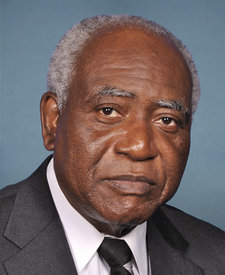 Rep. Danny DavisD-IL-7
 Rep. Diane WatsonD-CA-33
 Rep. Luis GutiérrezD-IL-4
 Rep. Sheila Jackson LeeD-TX-18
 Rep. Jesse JacksonD-IL-2
 Rep. José SerranoD-NY-16
 Rep. Eddie JohnsonD-TX-30
 Rep. Mel WattD-NC-12
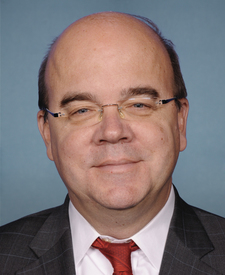 Rep. Jim McGovernD-MA-3
 Rep. Ed MarkeyD-MA-7
 Rep. Mazie HironoD-HI-2
 Rep. Carolyn KilpatrickD-MI-13
 Rep. Michael CapuanoD-MA-8
 Rep. Neil AbercrombieD-HI-1
 Rep. Alcee HastingsD-FL-23
 Rep. Bennie ThompsonD-MS-2
 Rep. Hilda SolisD-CA-32
 Rep. Ed TownsD-NY-10
- Rep. Albert WynnD-MD-4
- Rep. Stephanie JonesD-OH-11
 Rep. Bill DelahuntD-MA-10
 Rep. Niki TsongasD-MA-5
 Rep. Emanuel CleaverD-MO-5
 Rep. Lois CappsD-CA-23
 Rep. Sam FarrD-CA-17
 Rep. Grace NapolitanoD-CA-38
 Rep. Hank JohnsonD-GA-4
 Rep. Ed PastorD-AZ-4
 Rep. Earl BlumenauerD-OR-3
 Rep. Xavier BecerraD-CA-31
 Rep. John DingellD-MI-15
 Rep. Rush HoltD-NJ-12
 Rep. Betty McCollumD-MN-4
 Rep. John TierneyD-MA-6
 Rep. Jim ClyburnD-SC-6
 Rep. Robert WexlerD-FL-19
 Rep. Frank PalloneD-NJ-6
 Rep. David PriceD-NC-4
 Rep. G.K. ButterfieldD-NC-1
 Rep. Jerrold NadlerD-NY-8
 Rep. Betty SuttonD-OH-13
 Rep. Doris MatsuiD-CA-5
 Rep. Joe CrowleyD-NY-7
 Rep. Richard NealD-MA-2
 Rep. Peter WelchD-VT
 Rep. Debbie Wasserman SchultzD-FL-20
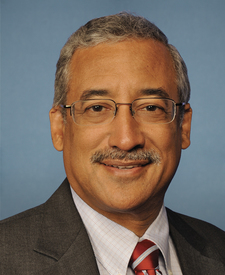 Rep. Bobby ScottD-VA-3
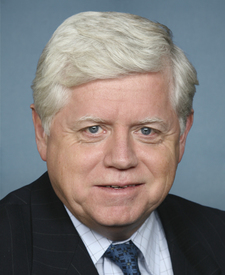 Rep. John LarsonD-CT-1
 Rep. William JeffersonD-LA-2
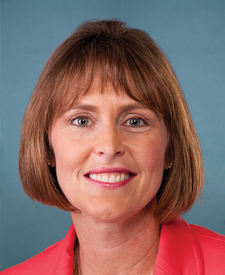 Rep. Kathy CastorD-FL-11
 Rep. Robert BradyD-PA-1
 Rep. Gregory MeeksD-NY-6
 Rep. Charlie RangelD-NY-15
 Rep. Zoe LofgrenD-CA-16
 Rep. Chaka FattahD-PA-2
 Rep. Steny HoyerD-MD-5
 Rep. Al GreenD-TX-9
 Rep. Charlie GonzalezD-TX-20
 Rep. Bill PascrellD-NJ-8
 Rep. Henry WaxmanD-CA-30
 Rep. Laura RichardsonD-CA-37
 Rep. Alan MollohanD-WV-1
 Rep. Rosa DeLauroD-CT-3
 Rep. Elijah CummingsD-MD-7
 Rep. Bobby RushD-IL-1
 Rep. John SarbanesD-MD-3
 Rep. Peter ViscloskyD-IN-1
 Rep. Jay InsleeD-WA-1
 Rep. Jim MoranD-VA-8
 Rep. Nick RahallD-WV-3
 Rep. Diana DeGetteD-CO-1
 Rep. Tim RyanD-OH-17
 Rep. Corrine BrownD-FL-3
 Rep. Gary AckermanD-NY-5
 Rep. Dave ObeyD-WI-7
 Rep. Patrick KennedyD-RI-1
 Rep. Rick LarsenD-WA-2
 Rep. John MurthaD-PA-12
 Rep. Michael McNultyD-NY-21
 Rep. Brad ShermanD-CA-27
 Rep. Kendrick MeekD-FL-17
 Rep. Loretta SanchezD-CA-47
 Rep. Steven RothmanD-NJ-9
 Rep. Lloyd DoggettD-TX-25
 Rep. Carolyn MaloneyD-NY-14
 Rep. Nita LoweyD-NY-18
 Rep. Anna EshooD-CA-14
 Rep. Eliot EngelD-NY-17
 Rep. Howard BermanD-CA-28
 Rep. Steve CohenD-TN-9
 Rep. Anthony WeinerD-NY-9
 Rep. Chris Van HollenD-MD-8
 Rep. Joe BacaD-CA-43
 Rep. Albio SiresD-NJ-13
- Rep. Tom LantosD-CA-12
 Rep. Marion BerryD-AR-1
 Rep. Rubén HinojosaD-TX-15
 Rep. Timothy BishopD-NY-1
 Rep. Sander LevinD-MI-12
 Rep. Dale KildeeD-MI-5
 Rep. Brian HigginsD-NY-27
 Rep. Jim LangevinD-RI-2
 Rep. Tom AllenD-ME-1
 Rep. Paul KanjorskiD-PA-11
 Rep. Rahm EmanuelD-IL-5
 Rep. Stephen LynchD-MA-9
 Rep. Ellen TauscherD-CA-10
 Rep. Brad MillerD-NC-13
 Rep. David ScottD-GA-13
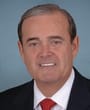 Rep. Jerry CostelloD-IL-12
 Rep. Rob AndrewsD-NJ-1
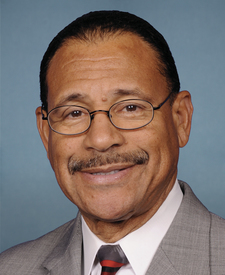 Rep. Sanford BishopD-GA-2
 Rep. David WuD-OR-1
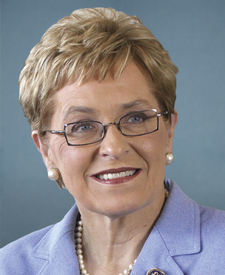 Rep. Marcy KapturD-OH-9
 Rep. Susan DavisD-CA-53
 Rep. Steve IsraelD-NY-2
 Rep. Carolyn McCarthyD-NY-4
 Rep. Phil HareD-IL-17
 Rep. Silvestre ReyesD-TX-16
 Rep. John YarmuthD-KY-3
 Rep. Solomon OrtizD-TX-27
 Rep. David LoebsackD-IA-2
 Rep. Paul HodesD-NH-2
 Rep. Carol Shea-PorterD-NH-1
 Rep. Tom UdallD-NM-3
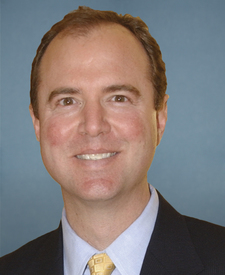 Rep. Adam SchiffD-CA-29
 Rep. Gene GreenD-TX-29
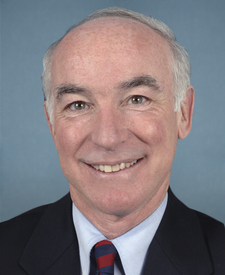 Rep. Joe CourtneyD-CT-2
 Rep. Russ CarnahanD-MO-3
 Rep. A. Dutch RuppersbergerD-MD-2
 Rep. Jane HarmanD-CA-36
 Rep. Christopher MurphyD-CT-5
 Rep. Norm DicksD-WA-6
 Rep. Dennis CardozaD-CA-18
 Rep. John HallD-NY-19
 Rep. Rick BoucherD-VA-9
 Rep. Allyson SchwartzD-PA-13
 Rep. Mike ThompsonD-CA-1
 Rep. Ciro RodriguezD-TX-23
 Rep. Bruce BraleyD-IA-1
 Rep. Michael ArcuriD-NY-24
 Rep. Michael MichaudD-ME-2
 Rep. Darlene HooleyD-OR-5
 Rep. Vic SnyderD-AR-2
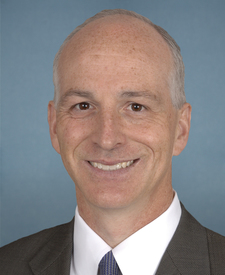 Rep. Adam SmithD-WA-9
 Rep. Bob EtheridgeD-NC-2
 Rep. Timothy WalzD-MN-1
 Rep. Artur DavisD-AL-7
 Rep. John SprattD-SC-5
 Rep. Ike SkeltonD-MO-4
 Rep. Leonard BoswellD-IA-3
 Rep. Ron KindD-WI-3
 Rep. Steve KagenD-WI-8
 Rep. Bart StupakD-MI-1
 Rep. Peter DeFazioD-OR-4
 Rep. Shelley BerkleyD-NV-1
 Rep. Charles WilsonD-OH-6
 Rep. Daniel LipinskiD-IL-3
 Rep. John SalazarD-CO-3
 Rep. Dennis MooreD-KS-3
 Rep. Chet EdwardsD-TX-17
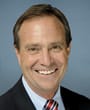 Rep. Ed PerlmutterD-CO-7
 Rep. Joe SestakD-PA-7
 Rep. Earl PomeroyD-ND
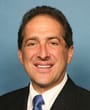 Rep. Ron KleinD-FL-22
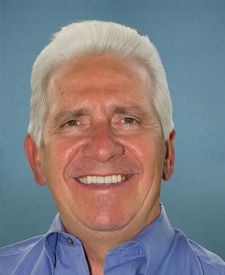 Rep. Jim CostaD-CA-20
 Rep. Tim HoldenD-PA-17
 Rep. Brian BairdD-WA-3
 Rep. Mark UdallD-CO-2
 Rep. Mike RossD-AR-4
 Rep. Ben ChandlerD-KY-6
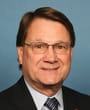 Rep. Charles MelanconD-LA-3
 Rep. Collin PetersonD-MN-7
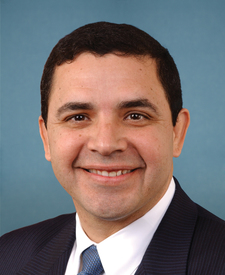 Rep. Henry CuellarD-TX-28
 Rep. Allen BoydD-FL-2
 Rep. Bud CramerD-AL-5
 Rep. Stephanie Herseth SandlinD-SD
 Rep. Jim CooperD-TN-5
 Rep. Lincoln DavisD-TN-4
 Rep. John TannerD-TN-8
 Rep. Nancy BoydaD-KS-2
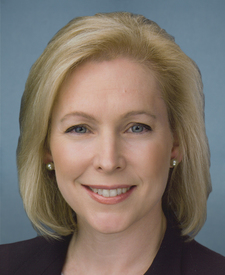 Rep. Kirsten GillibrandD-NY-20
 Rep. Jerry McNerneyD-CA-11
 Rep. Bart GordonD-TN-6
 Rep. Patrick MurphyD-PA-8
 Rep. Zack SpaceD-OH-18
 Rep. Tim MahoneyD-FL-16
 Rep. Mike McIntyreD-NC-7
 Rep. Dan BorenD-OK-2
 Rep. Gabrielle GiffordsD-AZ-8
 Rep. Melissa BeanD-IL-8
 Rep. Jim MathesonD-UT-2
 Rep. Gene TaylorD-MS-4
 Rep. Brad EllsworthD-IN-8
 Rep. Christopher CarneyD-PA-10
 Rep. Jason AltmireD-PA-4
 Rep. Jim MarshallD-GA-8
 Rep. Heath ShulerD-NC-11
 Rep. Joe DonnellyD-IN-2
 Rep. Baron HillD-IN-9
 Rep. John BarrowD-GA-12
 Rep. Nick LampsonD-TX-22






























Republicans who voted yea(154)
 Rep. Wayne GilchrestR-MD-1
 Rep. Chris SmithR-NJ-4
 Rep. Frank LoBiondoR-NJ-2
 Rep. Christopher ShaysR-CT-4
 Rep. Tim MurphyR-PA-18
 Rep. John McHughR-NY-23
 Rep. Timothy JohnsonR-IL-15
 Rep. Mike FergusonR-NJ-7
 Rep. Jim WalshR-NY-25
 Rep. Steven LaTouretteR-OH-14
 Rep. Ray LaHoodR-IL-18
 Rep. Walter JonesR-NC-3
 Rep. Ileana Ros-LehtinenR-FL-18
 Rep. David ReichertR-WA-8
 Rep. Jim GerlachR-PA-6
 Rep. Jon PorterR-NV-3
 Rep. Jim SaxtonR-NJ-3
 Rep. Mark KirkR-IL-10
 Rep. Michael CastleR-DE
 Rep. Charles DentR-PA-15
 Rep. Jo Ann EmersonR-MO-8
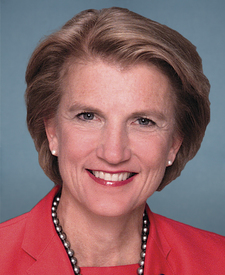 Rep. Shelley CapitoR-WV-2
 Rep. Rick RenziR-AZ-1
 Rep. Phil EnglishR-PA-3
 Rep. Ralph RegulaR-OH-16
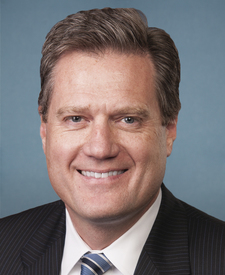 Rep. Michael TurnerR-OH-3
 Rep. Randy KuhlR-NY-29
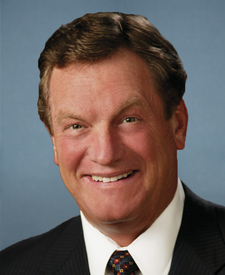 Rep. Mike SimpsonR-ID-2
 Rep. Lincoln Diaz-BalartR-FL-21
 Rep. Heather WilsonR-NM-1
 Rep. Frank WolfR-VA-10
 Rep. Don YoungR-AK
 Rep. Pete KingR-NY-3
 Rep. Candice MillerR-MI-10
 Rep. Jeff FortenberryR-NE-1
 Rep. Ed WhitfieldR-KY-1
 Rep. Deborah PryceR-OH-15
 Rep. Jim RamstadR-MN-3
 Rep. Rodney FrelinghuysenR-NJ-11
 Rep. Dave HobsonR-OH-7
 Rep. Greg WaldenR-OR-2
 Rep. Thad McCotterR-MI-11
 Rep. Tom LathamR-IA-4
 Rep. W. Bill YoungR-FL-10
 Rep. Robin HayesR-NC-8
 Rep. Denny RehbergR-MT
 Rep. John PetersonR-PA-5
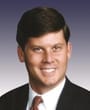 Rep. Chip PickeringR-MS-3
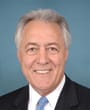 Rep. Rodney AlexanderR-LA-5
 Rep. Fred UptonR-MI-6
 Rep. Joe KnollenbergR-MI-9
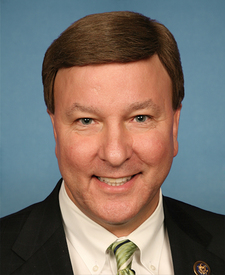 Rep. Mike RogersR-AL-3
 Rep. Vernon EhlersR-MI-3
 Rep. Thomas ReynoldsR-NY-26
 Rep. Vern BuchananR-FL-13
 Rep. Jerry LewisR-CA-41
 Rep. Mary Bono MackR-CA-45
 Rep. Roger WickerR-MS-1
 Rep. Jerry MoranR-KS-1
 Rep. Gus BilirakisR-FL-9
 Rep. Robert AderholtR-AL-4
 Rep. Kenny HulshofR-MO-9
 Rep. John BoozmanR-AR-3
 Rep. Frank LucasR-OK-3
 Rep. Henry BrownR-SC-1
 Rep. Todd TiahrtR-KS-4
 Rep. Ginny Brown-WaiteR-FL-5
 Rep. Hal RogersR-KY-5
 Rep. Ander CrenshawR-FL-4
 Rep. Ken CalvertR-CA-44
 Rep. Tom ColeR-OK-4
- Rep. Richard BakerR-LA-6
 Rep. Judy BiggertR-IL-13
 Rep. Cathy McMorris RodgersR-WA-5
 Rep. Terry EverettR-AL-2
 Rep. Jim McCreryR-LA-4
 Rep. Jo BonnerR-AL-1
 Rep. Pat TiberiR-OH-12
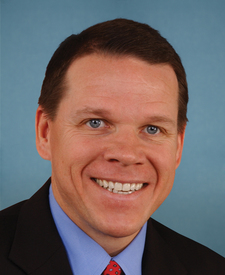 Rep. Sam GravesR-MO-6
 Rep. Mike RogersR-MI-8
 Rep. Bill ShusterR-PA-9
 Rep. Randy ForbesR-VA-4
 Rep. Thelma DrakeR-VA-2
 Rep. John ShimkusR-IL-19
 Rep. Mary FallinR-OK-5
 Rep. Mark SouderR-IN-3
 Rep. Duncan HunterR-CA-52
 Rep. Ralph HallR-TX-4
 Rep. Spencer BachusR-AL-6
 Rep. Ron LewisR-KY-2
 Rep. Elton GalleglyR-CA-24
 Rep. Geoff DavisR-KY-4
 Rep. Dave CampR-MI-4
 Rep. Zach WampR-TN-3
 Rep. Lamar SmithR-TX-21
 Rep. Kay GrangerR-TX-12
 Rep. Lee TerryR-NE-2
 Rep. Roscoe BartlettR-MD-6
 Rep. Michael McCaulR-TX-10
 Rep. Vito FossellaR-NY-13
 Rep. Doc HastingsR-WA-4
 Rep. Ric KellerR-FL-8
 Rep. Buck McKeonR-CA-25
 Rep. Bob GoodlatteR-VA-6
 Rep. Virgil GoodeR-VA-5
 Rep. Jean SchmidtR-OH-2
 Rep. Kevin McCarthyR-CA-22
 Rep. Peter RoskamR-IL-6
 Rep. Steve PearceR-NM-2
 Rep. David DreierR-CA-26
 Rep. Donald ManzulloR-IL-16
 Rep. Steve BuyerR-IN-4
 Rep. John MicaR-FL-7
 Rep. Adam PutnamR-FL-12
 Rep. Roy BluntR-MO-7
 Rep. Kevin BradyR-TX-8
 Rep. Pete HoekstraR-MI-2
 Rep. Michael BurgessR-TX-26
 Rep. Dean HellerR-NV-2
 Rep. Louie GohmertR-TX-1
 Rep. Tom PetriR-WI-6
 Rep. Devin NunesR-CA-21
 Rep. George RadanovichR-CA-19
 Rep. Rob BishopR-UT-1
 Rep. John CarterR-TX-31
 Rep. Wally HergerR-CA-2
 Rep. Adrian SmithR-NE-3
 Rep. Joe BartonR-TX-6
 Rep. Daniel LungrenR-CA-3
 Rep. Brian BilbrayR-CA-50
 Rep. Marilyn MusgraveR-CO-4
 Rep. John KlineR-MN-2
 Rep. John SullivanR-OK-1
 Rep. Steve ChabotR-OH-1
 Rep. Jack KingstonR-GA-1
 Rep. David DavisR-TN-1
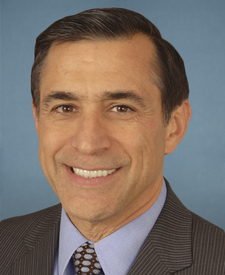 Rep. Darrell IssaR-CA-49
 Rep. Mac ThornberryR-TX-13
 Rep. John BoehnerR-OH-8
 Rep. Michele BachmannR-MN-6
 Rep. Joseph PittsR-PA-16
 Rep. Joe WilsonR-SC-2
 Rep. Sue MyrickR-NC-9
 Rep. Michael ConawayR-TX-11
 Rep. Paul RyanR-WI-1
 Rep. Phil GingreyR-GA-11
 Rep. Eric CantorR-VA-7
 Rep. John LinderR-GA-7
 Rep. Tom FeeneyR-FL-24
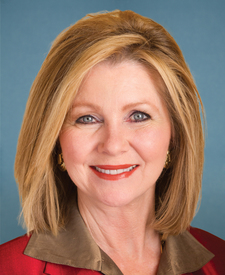 Rep. Marsha BlackburnR-TN-7
 Rep. Steve KingR-IA-5
 Rep. Chris CannonR-UT-3
 Rep. Nathan DealR-GA-9
 Rep. James SensenbrennerR-WI-5


















Data notes
The House’s recorded vote on the final version of the law (roll call 1083 in Voteview), matched to the vote the record cites and checked against its totals. Positions are each member’s DW-NOMINATE score for that Congress, as on the Ideology page; left to right is more liberal to more conservative. Paired and announced yea votes count as yea. Lists follow the compass, most liberal first. A name links to a profile only for members of the current Congress. A law passed by voice vote or unanimous consent has no member list, and neither does a vote Voteview has not yet recorded.
Committees
The committees the bill was sent to, and what each did with it.

Data notes
A committee links to its page only where it exists in the current Congress; older and renamed committees are named without a link.
Related bills
4 bills the Library of Congress relates to this one.
H.Con.Res. 258Procedurally-relatedRelated bill
Directing the Clerk of the House of Representatives to correct the enrollment of H.R. 1429.
H.Res. 348Procedurally-related
Providing for consideration of the bill (H.R. 1429) to reauthorize the Head Start Act, to improve program quality, to expand access, and for other purposes.
H.Res. 813Procedurally-related
Providing for consideration of the conference report to accompany the bill (H.R. 1429) to reauthorize the Head Start Act, to improve program quality, to expand access, and for other purposes.
S. 556Companion billRelated bill
Head Start for School Readiness Act
Data notes
Related bills are identified by the Congressional Research Service, the House and the Senate: companion and identical bills, bills with similar text, bills that were folded into this law, and rules that brought it to the floor. A bill that is itself a public law in this site’s data links here; the others link to Congress.gov.
Timeline
From introduction to signing, newest first: the committees, the floor and the president. 76 actions.
- Dec 12, 2007Became lawBecame law · Became Public Law No: 110-134.
- Became lawBecame law · Signed by President.
- Dec 5, 2007FloorFloor · Presented to President.
- Nov 14, 2007Resolving differencesResolving differences · Senate agreed to conference report by Yea-Nay Vote. 95 - 0. Record Vote Number: 409.Senate roll call 409
- Resolving differencesResolving differences · Conference report agreed to in Senate: Senate agreed to conference report by Yea-Nay Vote. 95 - 0. Record Vote Number: 409.Senate roll call 409
- Resolving differencesResolving differences · Conference report considered in Senate.
- Resolving differencesResolving differences · Conference papers: Senate report and manager's statement message on House action held at the desk in Senate.
- Resolving differencesResolving differences · On agreeing to the conference report Agreed to by the Yeas and Nays: 381 - 36 (Roll no. 1090).House roll call 1090
- Resolving differencesResolving differences · Motions to reconsider laid on the table Agreed to without objection.
- Resolving differencesResolving differences · Conference report agreed to in House: On agreeing to the conference report Agreed to by the Yeas and Nays: 381 - 36 (Roll no. 1090).House roll call 1090
- Resolving differencesResolving differences · The previous question was ordered without objection.
- Resolving differencesResolving differences · Mr. Kildee brought up conference report H. Rept. 110-439 for consideration under the provisions of H. Res. 813.
- FloorFloor · Message on Senate action sent to the House.
- FloorFloor · Pursuant to the provisions of H. Con. Res. 258, enrollment corrections on H.R. 1429 have been made.
- FloorFloor · The House proceeded with one hour of debate on the conference report to accompany H.R. 1429.
- FloorFloor · Rule H. Res. 813 passed House.
- OtherOther · Cleared for White House.
- Nov 9, 2007Resolving differencesResolving differences · Conference report H. Rept. 110-439 filed.
- Resolving differencesResolving differences · Conference report filed: Conference report H. Rept. 110-439 filed.
- FloorFloor · Rules Committee Resolution H. Res. 813 Reported to House. Rule provides for consideration of the conference report to H.R. 1429. All points of order against the conference report and against its consideration are waived. The conference report shall be considered as read.
- Nov 8, 2007Resolving differencesResolving differences · Conferees agreed to file conference report.
- Resolving differencesResolving differences · Conference committee actions: Conferees agreed to file conference report.
- Nov 6, 2007Resolving differencesResolving differences · The Speaker appointed conferees: Miller, George, Kildee, Woolsey, Davis (IL), Grijalva, Sanchez, Linda T., Sarbanes, Sestak, Loebsack, Hirono, Shea-Porter, McKeon, Castle, Fortuno, Bishop (UT), Keller, Wilson (SC), Boustany, and Heller.
- Resolving differencesResolving differences · On motion that the House instruct conferees Agreed to by the Yeas and Nays: 400 - 0 (Roll no. 1045).House roll call 1045
- Resolving differencesResolving differences · The previous question was ordered without objection.
- Resolving differencesResolving differences · Mr. Castle moved that the House instruct conferees.
- Resolving differencesResolving differences · On motion that the House disagree to the Senate amendment, and agree to a conference Agreed to without objection.
- Resolving differencesResolving differences · Mr. Miller, George asked unanimous consent that the House disagree to the Senate amendment, and agree to a conference.
- FloorFloor · POSTPONED PROCEEDINGS - The Chair put the question on adoption of the motion to instruct conferees and by voice vote announced that the noes had prevailed. Mr. Bishop of Utah demanded the yeas and nays which were ordered. Further proceedings on the question of adoption of the mo…
- FloorFloor · DEBATE - The House proceeded with one hour of debate on the Castle motion to instruct conferees on H.R. 1429. The instructions contained in the motion seek to require the managers on the part of the House to (1) insist on the provisions restricting the use of Federal funds to pa…
Data notes
Every action the Library of Congress lists for the bill, from introduction to signing, plus the dated committee hearings. The source lists many steps twice (the chamber’s own entry and the Library of Congress copy, or a presidential and a became-law entry with the same words); those are shown once. Amendments are listed in their own section.
Amendments
13 amendments offered to the bill, with the last recorded step of each.
- Agreed to
S.Amdt. 1714SenateSen. Ted KennedyD-MA· offered Jun 19, 2007Agreed to
In the nature of a substitute.
Jun 19, 2007: Amendment SA 1714 agreed to in Senate by Unanimous Consent.
- Agreed to
H.Amdt. 127HouseRep. Zack SpaceD-OH-18· offered May 2, 2007Agreed to
An amendment numbered 12 printed in House Report 110-116 to amends the criteria for the allocation of resources for technical assistance and training to include consideration of barriers in rural areas to professional development, parent i…
May 2, 2007: On agreeing to the Space amendment (A012) Agreed to by voice vote.
- Agreed to
H.Amdt. 126HouseRep. Heath ShulerD-NC-11· offered May 2, 2007Agreed to
An amendment numbered 11 printed in House Report 110-116 to outline the history and importance of allowing faith-based and community-based organizations to participate in Head Start programs. It inserts language into the Head Start Reautho…
May 2, 2007: On agreeing to the Shuler amendment (A011) Agreed to by recorded vote: 229 - 195 (Roll no. 283).
- Agreed to
H.Amdt. 125HouseRep. Henry CuellarD-TX-28· offered May 2, 2007Agreed to
An amendment numbered 10 printed in House Report 110-116 to require the states or agencies that administer the Head Start program to describe the type of assessment used to determine the rate of progress made by students with Limited Engli…
May 2, 2007: On agreeing to the Cuellar amendment (A010) Agreed to by voice vote.
- Agreed to
H.Amdt. 124HouseRep. Russ CarnahanD-MO-3· offered May 2, 2007Agreed to
An amendment numbered 9 printed House Report 110-116 to provide that, in the event that the amounts appropriated to carry out the program do not exceed the funds appropriated for the prior year, Head Start grantees may negotiate with the S…
May 2, 2007: On agreeing to the Carnahan amendment (A009) Agreed to by recorded vote: 253 - 171 (Roll no. 282).
- Agreed to
H.Amdt. 123HouseRep. Jon PorterR-NV-3· offered May 2, 2007Agreed to
An amendment numbered 8 printed in House Report 110-116 to require that He ad Start grantees, before hiring individuals, obtain (1) a state, Federal, or tribal criminal record check in all jurisdictions where the grantee provides services,…
May 2, 2007: On agreeing to the Porter amendment (A008) Agreed to by voice vote.
- Rejected
H.Amdt. 122HouseRep. Adam PutnamR-FL-12· offered May 2, 2007Rejected
An amendment numbered 7 printed in House Report 110-116 to strike the deve lopment and implementation of the application review system, including the expert panel provision. In addition, the amendment strikes designation when no entity has…
May 2, 2007: On agreeing to the Putnam amendment Failed by recorded vote: 161 - 262 (Roll no. 281).
- Agreed to
H.Amdt. 121HouseRep. Patrick KennedyD-RI-1· offered May 2, 2007Agreed to
An amendment numbered 6 printed in House Report 110-116 to define `inclusive classrooms' as Head Start classrooms that include both children with disabilities and children without disabilities. It would make certain funds in the bill avail…
May 2, 2007: On agreeing to the Kennedy amendment (A006) Agreed to by voice vote.
- Rejected
H.Amdt. 120HouseRep. John MicaR-FL-7· offered May 2, 2007Rejected
An amendment numbered 5 printed in House Report 110-116 to amend Section 18 of the bill to require that the Secretary certify that at least 50 percent of all Head Start teachers nationwide meet certain degree requirements by September 30, …
May 2, 2007: On agreeing to the Mica amendment (A005) Failed by recorded vote: 137 - 286 (Roll no. 280).
- Agreed to
H.Amdt. 119HouseRep. Mazie HironoD-HI-2· offered May 2, 2007Agreed to
An amendment numbered 4 printed in House Report 110-116 to revise the trai ning and technical assistance program for Early Head Start by ensuring that training and technical assistance are provided by entities with specific expertise in in…
May 2, 2007: On agreeing to the Hirono amendment (A004) Agreed to by recorded vote: 372 - 50 (Roll no. 279).
- Agreed to
H.Amdt. 118HouseRep. Joe SestakD-PA-7· offered May 2, 2007Agreed to
An amendment numbered 3 printed in House Report 110-116 to authorize the Education Secretary to carry out a program to forgive student loans for Head Start and Early Head Start teachers who have earned a bachelor's degree in a field relate…
May 2, 2007: On agreeing to the Sestak amendment (A003) Agreed to by recorded vote: 312 - 107 (Roll no. 278).
- Rejected
H.Amdt. 117HouseRep. Tom PriceR-GA-6· offered May 2, 2007Rejected
An amendment numbered 2 printed in House Report 110-116 to allow eight states to coordinate Head Start with state-run early childhood development programs through a demonstration program.
May 2, 2007: On agreeing to the Price (GA) amendment (A002) Failed by recorded vote: 165 - 254 (Roll no. 277).
- Agreed to
H.Amdt. 116HouseRep. Eddie JohnsonD-TX-30· offered May 2, 2007Agreed to
An amendment numbered 1 printed in House Report 110-116 to instruct the Secretary of HHS to create partnerships between Head Start and the HBCUs. These partnerships would increase the number of associate, baccalaureate, and advanced degree…
May 2, 2007: On agreeing to the Johnson, E. B. amendment (A001) Agreed to by voice vote.
Data notes
Amendments offered to this bill in either chamber, as the Library of Congress records them: each with a status read from its last recorded step: agreed to, rejected, withdrawn, ruled out of order, fell with another amendment, or offered with no vote recorded (most Senate amendments are only ever offered). The wording of each amendment is the source’s. Amendments to amendments and amendments to other bills are not listed.
Official record
The bill’s full text is on Congress.gov. Data through Oct 7, 2026.